

Tuberculinum
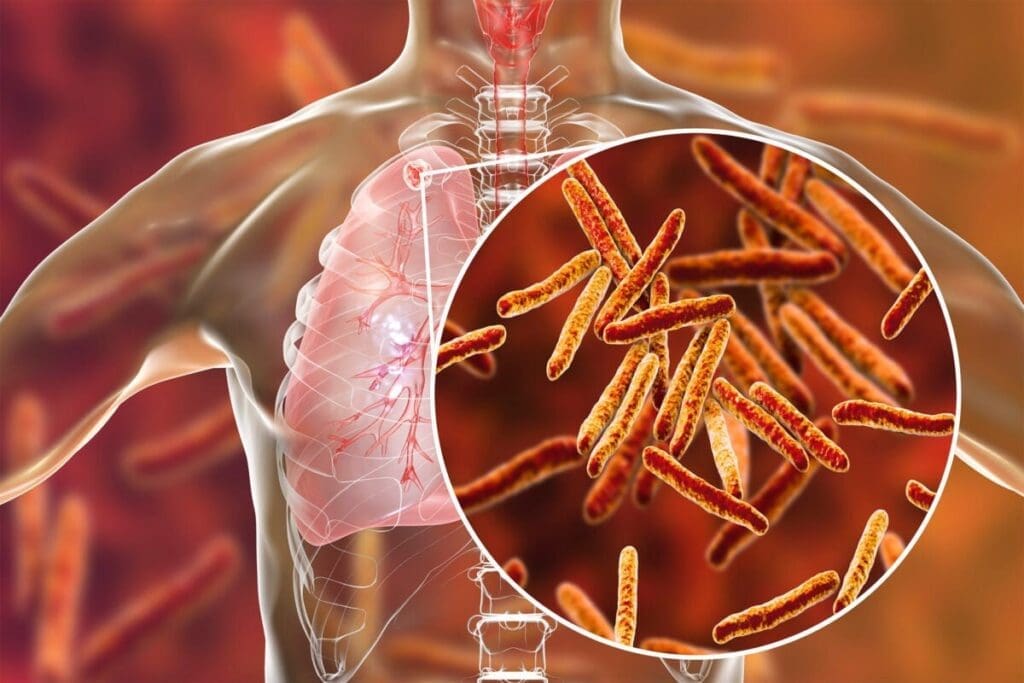
Substance Background
Nosode prepared from tuberculous material (historically bovine tubercle—glandular caseation—or human tuberculous sputum, heat-inactivated and serially potentised). Several historical “types” exist (e.g., Tuberculinum bovinum, Koch’s Tuberculin, Bacillinum), yet the clinical picture shared across the tradition is coherent: a restless, quick-burning constitution that craves change, is exquisitely sensitive to weather, draft, confinement, and contradiction, and oscillates between hyperactivity and collapse, heat and chill, inflammation and ulceration—the classical tubercular diathesis [Clarke], [Burnett], [Kent], [H. C. Allen], [Boericke], [Tyler], [Phatak], [Boger], [Vithoulkas], [Sankaran], [Bailey]. Salient physical motifs include recurrent catarrh of the air-passages, adenoids/otitis, rapid emaciation with good appetite, night sweats, enlarged glands, wandering pains, brittle bones, ringworm/eczema, stubborn enuresis, and a striking desire for change—travel, new surroundings, new tasks—with dissatisfaction if denied [Clarke], [Tyler], [Bailey], [Sankaran].
Proving Information
No single Hahnemannian proving; early data derive from Swan, Burnett, Clarke, J. H. Allen, Kent, Tyler and clinical confirmations. Recurrent [Proving]/[Clinical] themes: intense restlessness, impulse to travel or walk until exhausted, quick change of symptoms, exhausting night sweats, recurrent bronchitis/asthma, ringworm/eczema, enlarged glands, stubborn bed-wetting, headaches in schoolchildren, craving for smoked meats and cold milk, oversensitivity to draughts and storms, fear of dogs/animals with vivid animal dreams, and tantrums with head-banging in children [Clarke], [Tyler], [Boericke], [H. C. Allen], [Phatak], [Bailey], [Vithoulkas], [Sankaran].
Remedy Essence
Tuberculinum is the breath of the open road in a body too thin for its dreams. It must move: in thought, in place, in weather, in activity. Confinement is sickness; fresh air is medicine. The psyche chafes at walls—it tests limits, defies rules, throws tantrums—then collapses into spent stillness; likewise the body flashes heat, cough, catarrh, and then sinks into night sweats and quick fatigue. The tubercular polarity is everywhere: hunger ↔ weight loss, itch ↔ bleeding, catarrh ↔ ulcer, love of cold milk ↔ milk diarrhoea, burning feet ↔ cold surface, yearning for the wide world ↔ fear of animals in the dark.
Choose Tuberculinum when the story repeats: recurrent ENT/chest infections despite new antibiotics, a child who cannot bear school confinement, ringworm with night sweats, stubborn enuresis, craving for smoked meats/cold milk, animal dreams and fear of dogs, temper explosions that melt to affection, and a family history of tuberculosis or tubercular habit. Watch the direction of cure: (1) sounder sleep with fewer animal nightmares, (2) sweats lessen, (3) appetite steadies without emaciation, (4) infections lengthen in interval or stop, (5) school/work tolerable, (6) skin clears from centre outward, (7) wanderlust softens from compulsion to choice. Then consolidate with Calc-phos. or Phos. as the case dictates. In short, Tuberculinum loosens the bars so the organism can breathe again—mind and body under the same open sky. [Clarke], [Burnett], [Kent], [Tyler], [Vithoulkas], [Bailey], [Boger], [Phatak].
Affinity
- Respiratory tract — Recurrent colds, adenoiditis, otitis, bronchitis, asthma at night/early morning, rapid catarrh→ulcer shifts; better dry, high, open air. See Nose/Chest/Respiration. [Clarke], [Tyler], [Vithoulkas].
- Lymphatic/glandular system — Enlarged cervical/mesenteric glands, tonsillar hypertrophy, adenoids, sweaty head/neck at night. See Throat/Generalities. [Burnett], [Clarke].
- Nervous system/temperament — Restlessness, dissatisfaction, irritability, impulsivity, tantrums; headaches in students; night terrors/animal dreams. See Mind/Head/Sleep. [Kent], [Tyler], [Bailey].
- Bones/joints — Growing pains, rickets-like softness, curvature, wanderings, psoas/hip pains, fatigue fractures tendency; subacute synovitis. See Back/Extremities. [Clarke], [Boger].
- Skin — Eczema, tinea/ringworm, pityriasis versicolor, urticaria, chilblains, easy chapping; slow healing with itch→bleed alternation. See Skin. [Tyler], [Boericke].
- Genito-urinary — Enuresis (stubborn), irritable bladder in thin, nervous children; nocturnal emissions from excitation. See Urinary/Male. [Clarke], [H. C. Allen].
- Digestive — Ravenous appetite with emaciation, milk intolerance (yet craving cold milk), diarrhoea at dawn, constipation alternating. See Stomach/Abdomen/Rectum. [Tyler], [Boericke], [Phatak].
- Circulation/thermoregulation — Night sweats, flushes with easy chill, fever of hectic type; weakness from small exertion. See Fever/Generalities. [Clarke], [Vithoulkas].
- Allergic/atopic axis — Hay fever, eczema-asthma switchers; egg/dairy sensitivities in the tubercular child. See Respiration/Skin/Food & Drink. [Bailey], [Sankaran].
Better For
- Open, dry, cool air; mountain, seaside, high places; windows open. [Clarke], [Tyler].
- Change in weather/place/work; travel; motion (restlessness vents). [Kent], [Bailey].
- Dry warmth to chest during acute chill; warm bed initially for shivers. [Clarke].
- Discharges re-establishing (catarrh returning to the surface). [Boger].
- Stretching, yawning, gentle exercise; sports in fresh air. [Bailey].
- After a short, refreshing sleep (cat-nap). [Tyler].
- Milk—small cold sips (for some; others aggravated—individualise). [Boericke], [Phatak].
- Rubbing of aching shins/long bones; hot sponging for night sweats. [Clarke].
- Company that distracts; novelty that engages. [Bailey], [Sankaran].
- Summer dryness (vs. damp spring/autumn). [Clarke].
- <a href="https://www.iqhomeopathy.com/materia-medica/sol/">Sunshine with breeze; out-of-doors. [Tyler].
- Loose clothing, no constriction. [Vithoulkas].
Worse For
- Damp cold, fog, before storms, sudden changes of weather; closed, stuffy rooms. [Clarke], [Kent].
- Early morning (2–5 a.m.)—cough, diarrhoea, asthma; night—sweats. [Tyler], [Boericke].
- Confinement (schoolroom, office), routine, contradiction/denial of wishes. [Kent], [Bailey].
- Exertion (small effort → out of breath, palpitation), climbing stairs. [Clarke], [Vithoulkas].
- Milk/eggs (intolerance in many), fatty foods; ice-cream; smoky rooms. [Boericke], [Phatak], [Bailey].
- Drafts across neck/chest, wet feet, getting chilled after overheating. [Clarke].
- Loss of discharges (suppressed catarrh → chest symptoms). [Boger].
- Rapid growth spurts (bone pains), over-study (headaches). [Allen], [Tyler].
- Evening confinement indoors (behavioural explosions in children). [Bailey].
- Sexual excess (nocturnal emissions, irritability next day). [Clarke].
- New moon/seasonal transitions; spring/autumn. [Clarke].
- Smoke, dust, feathers, animal dander. [Vithoulkas], [Bailey].
Symptomatology
Mind
Restless, dissatisfied, change-hungry. The Tuberculinum subject is never content: craves travel, fresh experiences, new work, new faces; rebels at constraint—schoolroom walls, office desks, long queues [Kent], [Tyler], [Bailey]. Children are bright, precocious, quick, yet intractable: tantrums, head-banging, biting, kicking, and malice when refused; moments later contrite and affectionate—rapid alternation is keynote [Tyler], [Clarke]. Irritability with contradiction intolerance; breaks things; swears; demands change; then exhausted and apathetic. Anxiety in closed rooms; claustrophobic; longs for open horizons. Fears: of dogs/animals, dark, consumption, thunderstorms; dreams of animals (dogs/cats/tigers) pursuing or tearing—wake in terror [Tyler], [Bailey]. Adolescents: romantic discontent, idealism, mood swings; impulses to run away. Adults: driven yet unstable, job-hoppers, relationship hoppers; sudden rage then weariness; grief and longing at dusk. Compulsion to walk until spent; wanderlust as therapy. Case [Clinical]: A thin, quick boy with recurrent otitis/adenoids, tantrums on confinement, head-banging, fear of dogs, ringworm, and bed-wetting—Tub. 200C transformed behaviour and reduced infections over a term [Tyler], [Clarke].
Head
School headaches: occipital or frontal, bursting after study, close air, or storms; better open air, rapid walking, change of scene [Tyler], [Clarke]. Headache at vertex on waking, with sweaty scalp at night. Neuralgias—shooting, wandering; face flushed, ears red. Nosebleeds relieve congestion in adolescents. Dandruff, scalp itch, ringworm patches. Hair fine, silky, or brittle with falling after fevers [Boericke].
Eyes
Chronic blepharitis, styes, and recurrent eye inflammation. Eyes often sensitive to light. Lashes may fall out or be thin. Twitching lids, spasms from nervous overstimulation. Asthenopia, especially in children. Tendency to tubercular choroiditis or keratitis in family history. Dark circles under eyes from exhaustion.
Ears
Recurrent otitis media, glue ear, adenoids; earache at night, beats with fever/sweats; discharge muco-purulent; hearing dull in mornings, improves in open air [Clarke], [Burnett]. Sensitive to noise—startles at slam/ thunder.
Nose
Persistent nasal obstruction, thick mucus, post-nasal drip. Adenoid face, with open mouth breathing. Epistaxis (especially in children). Loss of smell. Nose picking in children. Deep-rooted chronic catarrh, worsened by suppression or antibiotics.
Face
Thin, narrow, pale face with flushed cheeks and translucent skin—a typical tubercular look. Children may have “sickly” appearance but sudden bursts of activity. Acne in adolescence, especially after suppressive treatment. Cold, sweaty upper lip. Red lips, chapped, or peeling.
Mouth
Tongue often red-tipped, or mapped. Ulcers, recurrent aphthae. Bad breath from catarrh or indigestion. Grinding of teeth at night, especially in children. Sensation of burning in tongue or cheeks. Dryness with thirst for cold drinks.
Teeth
Rapid decay of teeth, especially in front. Sensitive dentition. Teeth may be irregular or slow to erupt. Pain worse at night, in cold, or from sweets. Gums may bleed easily.
Throat
Recurrent tonsillitis, pharyngitis, and chronic sore throat, often leading to glandular swelling. Tendency to quinsy, or enlarged tonsils obstructing breathing. Burning pain, worse swallowing saliva. Voice hoarse or weak.
Stomach
Ravenous appetite with emaciation; hunger at odd hours; craves smoked meats, bacon, salt, and often cold milk (yet milk may disagree with diarrhoea/colic—polarity) [Tyler], [Boericke], [Phatak]. Aversion/fat intolerance, eggs aggravate many. Nausea on waking, better open air; heartburn after fat; thirst during fevers.
Abdomen
Distended, hard abdomen in children. Frequent flatulence and gurgling. Enlarged mesenteric glands. Cramping pains with diarrhoea. Pain in iliac fossae, especially in tubercular colitis or Crohn-like conditions. Nighttime hunger pains.
Urinary
Frequent urination, especially at night. Enuresis in children with nervous sensitivity and restlessness. Burning at urethra. Urine may be cloudy, offensive. Tendency to bladder catarrh.
Rectum
Diarrhoea alternating with constipation, especially from milk. Stools thin, offensive, with undigested food. Worms. Itching of anus at night. History of suppressed diarrhoea. Anal fissures in tubercular children.
Male
Erections frequent, uncontrollable in youth. Seminal emissions with dreams. Sexual desire heightened then suddenly absent. Weakness after sex. Tubercular prostatitis. Itching of scrotum, groins.
Female
Menses early, profuse, exhausting, or late and irregular. Dysmenorrhoea, especially in sensitive, thin girls. Uterine displacements, ovarian pain, worse standing. Infertility with history of tuberculosis. Craves sex or has sudden aversion. Vaginal discharge offensive, milky.
Respiratory
Wants windows open regardless of weather. Cannot tolerate stuffy rooms. Dyspnoea worse lying down. Breathless from minimal exertion. Wheezing in asthma. Suffocative fits at night.
Heart
Palpitations from excitement, sudden fear, or motion. Pain in cardiac region during emotional distress. Pulse fast, irregular. Cyanosis in children with congenital heart tendencies. Weakness after exertion.
Chest
Narrow chest, stooped; tickling laryngeal cough; paroxysmal night cough (2–5 a.m.) with sweat; whooping-cough residues; blood-streaked sputum in thin youths (investigate medically) [Clarke], [Tyler]. Asthma alternating with eczema; better dry, high air, worse damp, fog, closed rooms [Vithoulkas]. Pleuritic stitches fly about; breath short on small exertion.
Back
Pain in spine, especially cervico-thoracic or lumbar region. Weakness, as if spine could not support body. Craving for massage or support. Stiffness in morning. Kyphotic posture. Back pain with chest disease.
Extremities
Wandering rheumatic pains, shift rapidly; shin pains at night; restless legs; feet burn at night yet feel cold to touch (polarity) [Tyler]. Clubbing of nails in long chest cases [Clinical]; chilblains; sweaty feet with offensive odour.
Skin
Eczema—flexural or nummular, itching worse heat of bed; ringworm (tinea corporis/capitis); pityriasis versicolor; urticaria after eggs/milk; boils that wander; slow healing [Tyler], [Boericke]. Night sweats drench pillow; itch→scratch→bleed cycle. Hang-nails, brittle nails.
Sleep
Unrefreshing; broken by heat and dreams. Difficult falling asleep from restless legs and racing mind; when asleep, sweats profusely, especially neck/head, soaking pillow [Clarke]. Wakes 2–3 a.m. with cough, wheeze, or diarrhoea; thirst for cold water. Dreams of dogs/cats/tigers, being pursued, storms, flying, travelling, long roads—wake startled [Tyler], [Bailey]. Grinding teeth, snoring, talking in sleep. Children cry out, sit up, look around in terror; cling to parent then collapse back to sleep. Knee-chest posture at times (shares with Medorrhinum). Worse closed rooms; better window ajar. Sleeps late morning if allowed; cat-naps restore briefly. Post-nap irritability in children.
Dreams
Wild animals, dogs, threats, violence, or fire. Dreams of travel, being lost, flying. Recurrent nightmares with physical restlessness. Night terrors in sensitive children.
Fever
Hectic type: afternoon flush, evening heat, night sweats; chill from drafts, then heat, then sweat, leaving weakness [Clarke]. Fever follows excitement/weather change; tongue coated, thirsty for cold; pulse quick. Sweats especially neck, chest, head.
Chill / Heat / Sweat
Chill: from damp, drafts, storms; shivers in closed rooms.
Heat: flushes, burning hands/feet at night, yet surface may feel cool.
Sweat: profuse at night, sour/offensive, localized to neck/head, soaks pillow, relieves heat temporarily but leaves exhaustion. [Clarke], [Tyler].
Food & Drinks
Craves smoked meats (bacon, ham), salt, spices, cold milk, cold water; sometimes ice-cream then regrets it [Boericke], [Tyler], [Phatak]. Aversion/intolerance to milk (colic, diarrhoea), eggs, fat; desire for oranges, juicy fruits. Hunger soon after eating with emaciation.
Generalities
Tuberculinum expresses instability with intensity: fast shifts (mind, mucosae, skin, weather), restless drive for change, and quick fatigue after brief effort. Air hunger for open, moving air; better mountains/seaside, worse damp, fog, and rooms. The organism pushes outward with catarrh, sweat, eruptions, and growth spurts; when outlets are blocked (adenoids, suppressed rashes), mischief descends to the chest. The modal quartet—worse damp cold/storms/closed rooms/early morning; better open air/change/dry warmth—recurs across systems. Children are thin yet hungry, clever yet unruly, loving yet defiant, sweaty at night, ringwormy, bed-wetting, fearful of dogs, dreaming of animals. Adults chafe at routine, seek horizons, and cycle between creative bursts and spent lassitude. Distinguish from Medorrhinum (extremes, knee-chest, hot feet, midnight energies—more sycotic exuberance), Nat-mur. (reserved grief, sun headache, craving salt but not the wanderlust), Phos. (open, affectionate, haemorrhagic with desire for company and cold drinks, less contrarian), Ars. (anxious, fastidious, chilly but better heat, not change-hungry), Kali-carb. (stitchy chest, 3 a.m. aggravation, conservative temperament), and Calc-phos. (bone pains and growth hunger but less violence and less catarrh-ulcer swing) [Kent], [Tyler], [Vithoulkas], [Bailey], [Boger], [Phatak], [Boericke].
Differential Diagnosis
Respiratory/catarrh/asthma
- Phosphorus — Open, affectionate, thirst for cold, easy haemorrhage, worse twilight, fears alone; Tub.: contrarian, change-hungry, animal dreams, night sweats. [Kent], [Vithoulkas].
- Kali-carb. — Stitching chest pains, 3 a.m. aggravation, rigid personality; Tub.: wandering, restless, seeks air/change. [Kent].
- Pulsatilla — Bland catarrh, thirstless, better open air but mild, yielding; Tub.: defiant, tantrums. [Clarke].
- Nat-sulph. — Asthma worse damp, head injuries; less wanderlust. [Clarke].
- Arsenicum — Anxious, restless, better heat, tidy; Tub.: better open air/change, not fastidious. [Kent].
Childhood constitution (adenoids/otitis/enuresis/behaviour)
- Medorrhinum — Knee-chest, extremes, night-owl, craving unripe fruit; Tub.: animal dreams, fear dogs, ringworm, smoked meats. [Tyler], [Bailey].
- Calc-phos. — Growing pains, hunger, school headaches; less defiance and night sweats. [Tyler].
- Sulphur — Hot, itchy, slovenly; 5 a.m. stool; Tub.: change-hungry, night sweats, damp-storm worse. [Kent].
- Lycopodium — Bossy, 4–8 p.m., right-sided tonsils; Tub.: left/right alternation, storms, travel longing. [Clarke].
Skin (ringworm/eczema/urticaria)
- Sepia — Ringworm-like circles, indifferent, better exercise; Tub.: restless, night sweats, animal dreams. [Clarke].
- Graphites — Thick honey-ooze, obese chilly; Tub.: thin, quick, sweaty. [Clarke].
- Psorinum — Filthy chilliness, despair, better warm, offensive; Tub.: better air, craves change. [Kent].
Bone/joint/growing pains
- Calc-phos. — Classic growing pains, dentition, desires smoked meats too; Tub.: adds night sweats, animal fears, travelling desire. [Tyler].
- Rhus-tox. — Better continued motion, worse first motion; Tub.: better open air/change, less “sprainy.” [Kent].
- Silicea — Fragile bones, sweat head, chilliness; more timid, less restless change-drive. [Clarke].
Mental/temperament
- Ignatia — Grief, contradictions, spasmodic changeability but indoors; Tub.: outdoor remedy, wanderlust. [Kent].
- Nux-vomica — Irritable, driven, indoor worker, chilly; Tub.: requires horizons, not just control. [Kent].
- Lachesis — Hot, loquacious, worse after sleep; Tub.: cooler, weather-sensitive, animal fears/dreams. [Kent].
Remedy Relationships
- Complementary: Calc-phos. — bones, growth, adenoids; often follows Tub. to stabilise structure after reactivity is eased. [Tyler], [Clarke].
- Complementary: Phos. — lingering chest catarrh/haemorrhagic tendency after Tub. shifts the case outward. [Vithoulkas], [Kent].
- Complementary: Nat-sulph./Kali-sulph. in damp-weather asthma after Tub. breaks the constitutional restlessness. [Clarke].
- Follows well: Sulph. when psoric surface (itch/heat) has been unlocked and deeper tubercular traits appear. [Kent], [Boger].
- Follows well: Medorrhinum in obstinate sycotic children when pattern condenses into tubercular alternations (eczema↔asthma, night sweats). [Tyler].
- Precedes well: Bacillinum in some chest cases where scrofulous bronchitis persists (author-dependent). [Clarke], [Burnett].
- Precedes well: Silicea where suppuration, fistulae or foreign-body expulsion is required after catarrh improves. [Clarke], [Boger].
- Compatible: Ars., Carb-veg. for collapse phases; Iod. for hypermetabolic emaciation with ravenous hunger. [Clarke], [Kent].
- Antidotes: Open air, travel/change, return of eruptions; medicinally Puls. sometimes soothes gastric aggravation from fats. [Hering], [Clarke].
- Cautions/Inimicals: Avoid routine alternation with Phos. or Calc-phos. without indications; watch for over-stimulation in very delicate patients (space doses). [Kent], [Tyler].
Clinical Tips
- Recurrent adenoids/otitis with behaviour storms: Tub. 200C single dose, re-assess at 3–4 weeks; look for sleep/dream and sweat changes before ENT shifts. [Tyler], [Clarke].
- Asthma↔eczema switchers worse damp/storms: Intercurrent Tub. between skin and chest phases; track need for open air and night sweats as KPIs. [Vithoulkas], [Bailey].
- Stubborn enuresis in thin, restless, ringwormy child with animal dreams: Tub. 200C or 1M spaced doses; ensure sleep hygiene and airing of room. [Clarke], [Allen].
- School headaches (close room, study) in change-hungry adolescents: Tub. constitutional; encourage fresh-air study breaks. [Tyler].
- Post-illness emaciation with ravenous appetite + night sweats: consider Tub.; then Calc-phos. to build. [Clarke], [Tyler].
- Pearl cases
-
- Ringworm + bed-wetting + tantrums: Tub. 200C—ringworm cleared, dry nights, calmer temperament within a term. [Tyler].
- Asthma (dawn) in damp-weather clerk who hikes every weekend to “stay sane”: Tub. 1M; attacks reduced, tolerance to office improved, night sweats faded. [Vithoulkas].
- Adenoids with mouth-breathing, restless, fear dogs: Tub. 200C; snoring decreased, otitis absent for six months. [Clarke].
Selected Repertory Rubrics
Mind
- Restlessness; desire to travel/change — constitutional keynote. [Kent], [Tyler].
- Contradiction intolerant; violent anger — tantrums, smashing. [Bailey].
- Discontent; constant dissatisfaction — wants new things/places. [Clarke].
- Fear of dogs/animals; dreams of animals — strong pointer. [Tyler].
- Head-banging; destructiveness in children — explosive outlets. [Tyler].
- Claustrophobic; aversion to closed rooms — needs open air. [Clarke].
Head
- Headache from study; in schoolchildren — close room aggravates. [Tyler].
- Headache before storms; weather changes — meteorotropic. [Clarke].
- Occipital pain morning; vertex heat — with night sweat. [Clarke].
- Epistaxis relieves headache — congestive type. [Allen].
Eyes/Ears/Nose
- Styes recurrent; meibomian. [Clarke].
- Otitis media recurrent; adenoids. [Burnett], [Clarke].
- Coryza with morning sneezing; hay fever. [Vithoulkas].
- Nasal obstruction at night; mouth breathing. [Clarke].
Throat/Chest/Respiration
- Tonsils enlarged/cryptic; caseous plugs. [Clarke].
- Cough night/early morning (2–5 a.m.). [Tyler].
- Asthma worse damp/cold; better open air. [Vithoulkas].
- Haemoptysis tendency in delicate youths (investigate). [Clarke].
- Desire for windows open; cannot bear stuffy rooms. [Clarke].
Gastro-intestinal
- Craves smoked meats; cold milk. [Boericke], [Phatak], [Tyler].
- Milk/eggs aggravate (diarrhoea/colic). [Phatak].
- Diarrhoea at dawn; alternating constipation. [Boericke].
- Ravenous appetite with emaciation. [Clarke].
Urinary/Genital
- Enuresis—stubborn—first sleep/dawn. [Allen], [Clarke].
- Nocturnal emissions—exhausting. [Clarke].
- Irritable bladder after chill. [Clarke].
Extremities/Bones/Back
- Growing pains; shin pains at night. [Tyler].
- Wandering rheumatism — pains shift rapidly. [Boger].
- Weak spine; scapular aching. [Clarke].
- Chilblains; cold hands/feet with burning sensation. [Tyler].
Skin/Generalities
- Ringworm (tinea) — constitutional link. [Tyler], [Clarke].
- Eczema with night sweats. [Boericke].
- Night sweats profuse—head/neck. [Clarke].
- Worse damp/storms; better open air/mountains. [Clarke].
- Family history of tuberculosis guiding. [Clarke], [Burnett].
References
Clarke, J. H. — A Dictionary of Practical Materia Medica (1900): constitutional picture, adenoids/otitis, wanderlust, night sweats, food cravings.
Burnett, J. C. — Consumption: Its Prevention and Cure by the Nosodes (late 19th c.): clinical foundations of Tuberculinum/Bacillinum; ENT/chest confirmations.
Kent, J. T. — Lectures on Homoeopathic Materia Medica (1905): mental restlessness, dissatisfaction, desire for change, meteorotropic aggravations.
Allen, H. C. — Keynotes and Characteristics with Comparisons (1906): child behaviour (obstinacy, head-banging), enuresis, constitutional cues.
Boericke, W. — Pocket Manual of Homoeopathic Materia Medica (1901): cravings (smoked meats, cold milk), ringworm, night sweats, respiratory sphere.
Tyler, M. L. — Homoeopathic Drug Pictures (1942): vivid child/adolescent portraits, animal dreams/fears, school headaches, ringworm link.
Boger, C. M. — Synoptic Key (1915): suppression→chest descent, wandering pains, weather change modalities.
Vithoulkas, G. — The Essence of Materia Medica (1980s): tubercular essence—open air, change, alternating asthma/eczema, night sweats.
Sankaran, R. — The Substance of Homoeopathy (1994) & An Insight into Plants (2002): tubercular miasm synthesis—speed, oppression, need for freedom/change.
Bailey, P. M. — Homeopathic Psychology (1990s): Tuberculinum child—brilliance + rebellion, animal dreams, travel compulsion.
Hughes, R. — A Manual of Pharmacodynamics (1870s): historical tuberculin reactions context.
Dunham, C. — Lectures on Materia Medica (1879): miasmatic considerations, constitutional prescribing.
Phatak, S. R. — Materia Medica of Homoeopathic Medicines (1977): food intolerance (milk/eggs), modalities, night sweats.
J. H. Allen — The Chronic Miasms (1908): tubercular diathesis physiognomy, heredity, alternation of phases.
Disclaimer
Educational use only. This page does not provide medical advice or diagnosis. If you have urgent symptoms or a medical emergency, seek professional medical care immediately.