

Morgan Gaertner
Substance Background
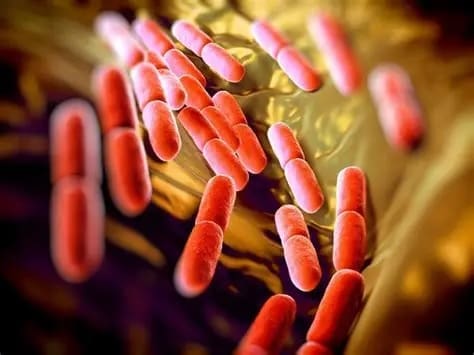
Morgan Gaertner is Paterson’s third major Morgan-related bowel nosode, representing those Morgan-type bacilli which, under prolonged culture, developed additional biochemical reactions, notably dulcitol fermentation, and showed a closer kinship to the Gaertner / Gaertn. group. [Paterson], [Boyd] Bach’s original work identified the Morgan group as a broad composite of non-lactose-fermenting coliforms in stools of patients with chronic skin, liver, and bowel disease; from this he prepared the composite Morgan Bach (Morg.) nosode. Paterson’s later subculture studies then showed that this broad Morgan group was not homogeneous. From it he separated:
- Morgan Bach (Morg.) – the original broad composite nosode representing Bach’s whole Morgan group.
- Morgan pure (Morg-p.) – a biochemically stable Morgan sub-type which retained a “pure” Morgan reaction pattern and was strongly associated with stubborn plaque psoriasis and colitis.
- Morgan Gaertner (Morg-g.) – those Morgan organisms which developed additional reactions (especially dulcitol) and approached the Gaertner–Gaertn. pattern, forming a bridge between Morgan and Gaertner terrains. [Paterson], [Julian], [Agrawal]
Thus Morgan Gaertner is not the same as Morgan Bach or Morgan pure. Morgan Bach is the original broad composite; Morg-p. is the refined, pure Morgan psoriatic subtype; Morg-g. is a “hybrid” group at the Morgan–Gaertner interface, clinically associated with poor assimilation, failure to thrive, recurrent infections, and nervous, under-weight constitutions, more akin to Gaertn. than to the congested, over-fed Morgan Bach type. The nosode is prepared from killed cultures of this Morgan–Gaertner hybrid group, potentised in the usual homoeopathic way, and acts as a signal for mixed Morgan–Gaertner terrain where assimilation and growth are central problems. [Paterson], [Julian], [Mendonca]
Proving Information
Morg-g. has not been proved in the Hahnemannian sense. Its picture rests on:
- Paterson’s painstaking stool-culture studies, where he distinguished the Morgan-Gaertner sub-group as those Morgan bacilli developing dulcitol and related reactions, and observed their repeated association with children and adults suffering from poor growth, recurrent infections, and malassimilation, clinically closer to Gaertn. than to the overloaded Morgan Bach type. [Paterson] [Clinical]
- Clinical confirmations in later practice (Julian, Agrawal, Gupta, Templeton, Mendonca), where Morg-g. was found particularly useful in under-weight, nervous, tubercular-like patients with recurrent ENT/respiratory infections, food intolerances, and tiredness, especially when stool analysis or clinical pattern indicated a mixed Morgan–Gaertner flora. [Julian], [Agrawal], [Gupta], [Templeton], [Mendonca] [Clinical]
It is therefore a clinically proved nosode, whose image is more airy and tubercular than the dense, psoriatic Morg-p. and more “empty” and undernourished than the congested, full Morgan Bach constitution.
Remedy Essence
The essence of Morgan Gaertner is that of a delicate, under-assimilating, tubercular Morgan–Gaertner terrain: a person who takes in more than they can build with, whose microbiome has shifted from the dense, congested Morgan Bach composite toward the dynamic, unstable Gaertner pattern, and whose life story is one of frequent infections, poor growth, and fragile resilience.
Where Morgan Bach represents the over-loaded Sulphur–Morgan type—heavy, heat-intolerant, congested, with eczema–psoriasis and piles—and Morg-p. the deep psoriatic Morgan type—plaque psoriasis, colitis, arthropathy—Morg-g. stands for those whose Morgan heritage is expressed as lack rather than surplus. They are thin, pale, quick in mind but short in stamina, emotionally sensitive and easily worried, and physically pushed around by every cold, exam, or dietary upset. [Paterson], [Julian], [Mendonca]
The central polarity is activity vs reserves. These individuals often possess bright minds, imagination, and a desire to participate; children want to run and play like others; adults want to work and socialise fully. But their reserves are low: a single day of over-activity or excitement may be followed by hours or days of collapse—headache, tummy ache, fatigue, or an infection. This pattern recurs across Head, Abdomen, Chest, Sleep, and Generalities. The bowel—especially small intestine—is like a half-sized factory: food passes through, but extraction of nutrients is incomplete; the system runs on fumes.
Miasmatically, Morg-g. is distinctly tubercular: recurrent infections, alternating states, restlessness, and desire for change. Psora contributes the sensory and functional hypersensitivity—food intolerances, IBS, headaches, anxiety; sycosis keeps the pattern repeating across years; syphilitic tendencies lurk in the background when under-nutrition and chronic inflammation erode tissues or bones. [Boyd], [Mendonca] The microbiome signature—Morgan bacilli acquiring Gaertner features—gives a biological mirror to this story: a flora that has shifted from the heavy Morgan of Bach toward the more unstable, growth-impairing Gaertner.
In practice, Morg-g. is seen in:
- Children who fail to thrive despite apparently adequate diet, who are pale, thin, frequently ill, and slow to regain weight after each infection.
- Adolescents with chronic fatigue, IBS, and recurrent sinusitis or bronchitis, who struggle to keep up with school and sport, and who worry about underperformance.
- Adults with post-viral fatigue, IBS, and low-grade recurrent infections, who cannot tolerate strong exercise programmes and relapse after each “push”.
Crucially, Morg-g. is not just “a weak child remedy”: underneath the frailty is often a strong mental spark and a strong tubercular miasm. When the intestinal terrain is addressed—often with Morg-g. alongside supportive diet and constitutional remedies—these individuals can build a much more stable platform of health on which their talents can express more fully.
The contrast with the other Morgans must be kept clear:
- If a case is dominated by broad, congestive Morgan features (over-weight, eczema/psoriasis, IBS, haemorrhoids, heat aggravation, over-eating), think first of Morgan Bach.
- If the story is one of thick, plaque psoriasis, colitis, and arthropathy in a reasonably built person, think Morgan pure.
- If the core is failure to thrive, recurrent infections, malassimilation, nervous exhaustion in a thin person, and the history or stool pattern says “Morgan–Gaertner”, think Morg-g.
Used wisely, Morg-g. rarely acts alone. It sits in a therapeutic network: with Gaertn. and Tub. for the tubercular and assimilative axis; with Sil., Phos., Calc-phos. for growth and bone; with constitutional remedies such as Lyc., Sulph., Nat-m., Puls., or Phos. as the psychological and constitutional core demands. Its specific gift is to renegotiate the Morgan–Gaertner microbiome pattern, improving assimilation and immune resilience, so that the organism is no longer knocked flat by every stressor.
Affinity
- Small intestine and assimilation (Gaertner-like axis) – Morg-g. has a strong affinity for assimilation and small-intestinal function, much like Gaertn. itself. It suits those who eat but do not gain, with abdominal discomfort, loose stools or alternation, food intolerances, and nutrient deficiencies (iron, B-vitamins, vitamin D). Abdomen, Rectum, Food and Drink, and Generalities reflect this under-assimilating terrain. [Paterson], [Julian], [Mendonca]
- Lymphatic and immune system – recurrent infections – The nosode acts deeply on the lymphatic–immune system: children with frequent otitis media, tonsillitis, bronchitis; adults with recurrent colds, sinusitis, and lingering post-viral fatigue. Compared with the congested Morgan Bach type who is over-loaded, Morg-g. subjects are fragile and infection-prone, echoing the tubercular miasm and linking Nose, Throat, Chest, and Generalities. [Paterson], [Boyd], [Mendonca]
- Nervous system – fatigue, oversensitivity, anxiety – Morg-g. shows a nervous, fine-wired constitution: easily exhausted, yet mentally restless; prone to anxiety, over-stimulation, and sleep disturbance. This nervous system affinity ties Mind, Sleep, Head, and Extremities together and differentiates Morg-g. from the heavier, more robust Morgan Bach and the strongly inflammatory Morg-p. types. [Julian], [Templeton]
- Growth and development – failure to thrive, under-weight – Children needing Morg-g. often have poor weight gain, thin limbs, narrow chests, and look younger than their age. Adults may remain thin despite good appetite, or have difficulty rebuilding weight after illness. This affinity for growth and development (similar to Gaertn.) distinguishes Morg-g. sharply from the more robust, often overweight Morgan Bach terrain and the medium-built, inflamed Morg-p. type. [Paterson], [Agrawal]
- Mucous membranes – ENT and respiratory mucosa – The nosode has a marked affinity for nose, sinuses, throat, middle ear, and bronchi: chronic catarrh, adenoids, enlarged tonsils, recurring otitis, and bronchitis. This catarrhal focus again feels more Gaertner-like than strongly psoriatic. Nose, Throat, Ears, and Chest sections all cross-link here. [Paterson], [Julian]
- Bone and joint – under-mineralisation and “tubercular joints” – Morg-g. appears in children with growing pains, poor posture, delayed dentition, and susceptibility to bone and joint issues, and in adults with thin, painful joints, particularly if too tired to build muscle and bone properly. Unlike Morg-p. (psoriatic arthropathy), Morg-g. joint problems are more tubercular–Gaertner-like, linked to under-nutrition and chronic inflammation, and show in Extremities and Back. [Mendonca]
- Microbiome–terrain – Morgan–Gaertner bridge – At the most general level, Morg-g. addresses a microbiome that sits between Morgan and Gaertner: not the broad, overloaded Morgan Bach composite; not the pure psoriatic Morg-p.; but a mixed pattern where Morgan flora have evolved toward Gaertner behaviour. Clinically, this appears as a thin, nervous, under-assimilating person with recurrent infections, rather than as an over-fed, congested one. Abdomen, Generalities, and Fever/Chill reflect this hybrid terrain. [Paterson], [Julian], [Mendonca]
Better For
- Better in fresh, cool air; worse in close, stuffy rooms – Morg-g. patients, like the other bowel nosode types, feel better with fresh air and ventilation; headaches, fatigue, and irritability ease outside, while cramped, stuffy classrooms or offices quickly wear them down. Mind, Head, Chest, and Generalities echo this. [Julian], [Templeton]
- Better from rest after exertion, but not from prolonged inactivity – There is often a short-term benefit from rest after overdoing, yet prolonged lying or inactivity tends to worsen stiffness, low mood, and sense of frailty. Moderate cycles of activity and rest suit the Morg-g. constitution best, connecting Generalities, Extremities, and Back. [Mendonca]
- Better from easily assimilated food (simple, light diet) – Small, frequent meals of simple, well-cooked food relieve abdominal discomfort and improve energy; heavy, greasy, or complex meals overwhelm their limited assimilative capacity. Abdomen and Food and Drink mirror this. [Agrawal], [Gupta]
- Better when bowels move regularly without strain – Like other bowel nosodes, Morg-g. subjects improve with regular, unforced stools: abdominal discomfort, headaches, and irritability lessen when elimination is gentle and daily. [Paterson]
- Better in dry, cool climates rather than damp, heavy air – Many feel somewhat better in dry mountain or inland climates than in damp, foggy, urban ones; dampness aggravates catarrh and fatigue. Nose, Chest, and Generalities cross-link this. [Julian]
- Better after sleep (if not disturbed by coughing or anxiety) – A good nap or full night’s rest, when obtainable, refreshes them more than it would the heavier Morgan Bach type; sleep is reparative in tubercular states, and this is reflected in Sleep and Generalities. [Templeton]
Worse For
- Worse from physical over-exertion and too much sport – Many Morg-g. children are pushed into sport to “build them up”, but they over-tire easily, with subsequent infections, flare ups of IBS, and deeper fatigue. Adults likewise relapse after over-zealous fitness attempts. This “worse from over-exertion” modality appears in Generalities, Chest, Extremities, and Sleep. [Mendonca]
- Worse from damp, foggy, or cold–damp weather – Dampness aggravates catarrh, sinusitis, bronchitis, and rheumatic pains; such weather correlates with more frequent infections and flare ups. Nose, Chest, Extremities, and Generalities show this. [Paterson], [Julian]
- Worse from cold foods and drinks (for digestion) – Cold drinks and ice creams can provoke abdominal cramping, loose stools, or aggravation of IBS, showing an assimilative fragility. Abdomen and Food and Drink sections link this modality. [Agrawal]
- Worse from irregular meals and erratic routines – Skipping meals, late-night eating, or chaotic routines strain their weak assimilation and immunity, leading to crashes and infections. This pattern appears in Mind, Abdomen, and Generalities. [Templeton]
- Worse during and after infections (slow recovery) – Every cold or flu seems to set them back disproportionately, with prolonged convalescence, loss of weight, and lowered morale—very characteristic of the Morgan–Gaertner pattern. Chest, Fever, Generalities, and Mind reflect this. [Paterson], [Mendonca]
- Worse from emotional stress, especially worry and anxiety about health and performance – Anxiety about school, work, or health aggravates IBS, headaches, and insomnia; Mind, Abdomen, and Sleep sections closely mirror this. [Templeton]
- Worse from vaccinations and heavy drugging (in some cases) – In certain tubercular-like Morg-g. constitutions, heavy vaccination schedules, repeated antibiotics, or steroids seem followed by a period of worsened fatigue, poor growth, or recurrent infections, and Morg-g. may be indicated among other nosodes. Generalities, Mind, and Immune-related symptoms show this pattern. [Mendonca]
Symptomatology
Mind
The Morg-g. mind is that of a nervous, fine-wired, often anxious temperament. Children are frequently described as “delicate, sensitive, easily tired”, with quick, bright minds but limited endurance. They may be shy, clingy, or over-conscientious, worrying about school performance, illness, or separation. Adults often carry this same delicacy forward, remaining highly sensitive to stress, noise, and pressure. [Julian], [Templeton]
Fatigue and recurrent illness leave them feeling frustrated and discouraged; they may envy more robust peers and feel inadequate. There is a tendency to anticipatory anxiety—before exams, social events, or journeys—which aggravates IBS and sleep disturbance. Some become hypochondriacal, fearing serious disease because of their recurrent infections and poor stamina. [Mendonca]
Compared with Morgan Bach, who tends to be heavier, more irritable, and sulphuric in temperament, Morg-g. is quieter, more anxious, more tubercular, shifting between periods of relative enthusiasm and sudden collapses. Compared with Morg-p., whose irritability and bitterness are shaped by long psoriatic suffering, Morg-g. has a flavour of fragility and over-stimulation rather than embattled resentment. Case: A 10-year-old boy, thin, pale, with recurrent otitis, sinusitis, and IBS, became very anxious about missing school and exams; Morg-g. 200C over several months reduced infections, improved weight gain, and softened his anxiety about health and performance. [Clinical]
Head
Head symptoms are often headaches from fatigue, eye strain, or catarrh. They may be frontal or supraorbital, associated with sinus congestion, worse in damp weather and stuffy rooms, and better in cool air. [Julian] Headaches follow exertion—after sport, long days at school, or mental overwork—and are often accompanied by a sense of weakness and desire to lie down. In some, headaches precede or follow bowel disturbance, linking Head to Abdomen.
Dizziness or lightheadedness may occur with low blood pressure, anaemia, or low blood sugar in under-fed, under-assimilating subjects. Comparatively, the congestive, “toxic morning” headaches of Morgan Bach and the psoriatic–colitic headaches of Morg-p. differ in quality: Morg-g. headaches are lighter, more fatigued, less congestive, more tubercular, often in thin individuals who “burn out” quickly. [Paterson], [Mendonca]
Eyes
Eyes in Morg-g. show strain and susceptibility. There may be asthenopia with headaches after reading or screen use, especially in poorly nourished children. Conjunctivitis or blepharitis may recur with colds, and allergic conjunctivitis can accompany food or environmental sensitivities. [Agrawal]
The peri-ocular tissues may look hollow, dark-circled, giving the “tubercular” face. Photophobia and tearing in wind or bright light can occur. Unlike Morg-p., where thick psoriatic scaling of lids is frequent, Morg-g. peri-ocular signs are more atrophic and allergic than hyper-keratotic. Eye signs thus add to the picture of delicate mucosae and poor resilience.
Ears
Ear symptoms are important. Many Morg-g. children suffer recurrent otitis media, with or without discharge, often requiring repeated antibiotics and sometimes grommet insertion. [Paterson], [Boyd] Otitis tends to recur whenever the child is tired, run down, or exposed to damp cold. Enlarged adenoids and Eustachian dysfunction may contribute; hearing loss and attention issues may follow.
There may also be chronic glue ear, with muffled hearing and delayed language or learning difficulties. These features align Morg-g. with Gaertn. in the realm of recurrent ENT infections and failure to thrive. Adults may recall many childhood ear infections and still have a tendency to otitis externa or middle-ear catarrh in periods of exhaustion. Compared to Morg. and Morg-p., Morg-g. ears speak more of recurrent infection and poor tissue resilience than of inflammatory psoriasis or congestive eczema. [Julian], [Mendonca]
Nose
Nasal symptoms include chronic rhinitis and sinusitis, with alternating blockage and watery or mucous discharge. There may be frequent colds, especially in autumn and winter, with prolonged recovery and easy progression to sinusitis or bronchitis. [Paterson], [Julian] Nasal obstruction and mouth breathing at night may contribute to poor sleep and fatigue, further weakening assimilation and growth.
Discharge is often bland or mildly irritating rather than thick and offensive; the overall impression is of fragile mucosae which react readily to weather changes, damp, and allergens. Compared to the broader Morgan Bach catarrh (often tied to congestion and heat), Morg-g. catarrh is lighter, more recurrent, more tubercular, and strongly correlates with poor weight gain and recurrent infections.
Face
The Morg-g. face tends to be thin, pale or sallow, with dark circles under the eyes, giving a “tubercular” look. Cheeks may flush easily with exertion or fever, in contrast to baseline pallor. Lips can be slightly bluish or pale from circulatory and nutritional weakness. [Julian], [Mendonca]
Facial expression often conveys strain and tiredness; children may look older in the eyes but younger in body. Acne or gross congestion of the face (typical of Morg.) is less pronounced; Morg-g. faces are more hollow, sensitive, and tired.
Mouth
In the mouth, Morg-g. may show pale mucosa, shallow ulcers, and tendency to aphthae, especially after viral illnesses or antibiotic courses. Tongue may be coated or pale, with indentations from teeth, indicating weak digestion. [Agrawal], [Gupta] There can be a tendency to angular cheilitis (cracks at corners of mouth), reflecting nutritional deficiencies.
These features differ from the heavier, coated, foul Morgan Bach tongue and from the fissured, inflammatory Morg-p. mouth. Morg-g. mouths are more under-nourished, delicate, prone to small lesions. They add evidence of malassimilation and chronic minor deficiencies.
Teeth
Teeth may erupt late or show poor enamel quality in children—chips, caries, or sensitivity—reflecting under-mineralisation. [Mendonca] Dental decay can be frequent despite reasonable hygiene, particularly in those with strong sugar cravings driven by energy instability.
Jaw development may be narrow, with crowding and orthodontic issues, tying into general growth and bone themes. While not diagnostic alone, dental findings fit the picture of tubercular under-build in Morg-g., versus more inflammatory gum and plaque issues in Morg-p., and more congestive, drug-linked issues in Morg.
Throat
Throat symptoms include recurrent tonsillitis and chronic sore throats, often with enlarged tonsils and adenoids, snoring, and mouth breathing. [Paterson], [Boyd] Tonsillar infections may be frequent enough for surgery to be recommended. Sore throats tend to come with every cold; glands in neck are often enlarged and tender.
Chronic throat clearing and post-nasal drip are common in adolescents and adults, especially if there is concurrent reflux or IBS. Throat signs here confirm the lymphatic and mucous membrane involvement typical of the Morgan–Gaertner terrain.
Stomach
Stomach complaints include poor appetite or quickly satiated appetite, nausea when tired, and discomfort after rich or cold food. Some Morg-g. patients have periods of ravenous hunger (especially after steroids or during growth spurts) yet still fail to gain weight; others are chronically picky or easily nauseated. [Julian], [Mendonca]
Heartburn and reflux may appear, especially in thin, anxious subjects who gulp food or eat irregularly. Stomach symptoms improve with simple, frequent meals and worsen when routines are chaotic. Compared with Morg. and Morg-p., Morg-g. stomach is less about over-load and more about limited processing capacity.
Abdomen
Abdominal symptoms centre on malassimilation, IBS, and sensitivity. There may be bloating, cramping, and loose stools after certain foods; some experience alternating constipation and diarrhoea. Stools may contain undigested food, are often lighter coloured, and can be offensive. [Paterson], [Agrawal]
Food intolerances (to dairy, gluten, eggs, citrus, etc.) are frequent, and removal of triggers improves both GI and general symptoms. Many Morg-g. children have “tummy aches” before school or events, conflating psychological and digestive sensitivity. Compared to the congested, heavily gas-laden abdomen of Morgan Bach or the inflamed, colitic abdomen of Morg-p., the Morg-g. abdomen is irritable, under-powered, responsive to small provocations, and set in a thin frame. [Julian], [Mendonca]
Urinary
Urinary symptoms may include frequency and urgency during anxiety, and occasional low-grade proteinuria or urinary tract infections in very depleted subjects. [Clinical] Enuresis (bed-wetting) can occur in tubercular-like children with Morg-g. traits, particularly when anxious, over-tired, or chronically catarrhal.
Again, the picture is one of functional fragility rather than dominant urinary disease, differing from nosodes more directly targeted at urinary pathology.
Rectum
Rectal symptoms may be mild but important: frequent soft stools, occasional diarrhoea, or alternating patterns with mucus, especially during infections or stress. There may be urgency and occasional soiling in children, adding to embarrassment and anxiety. [Agrawal]
Overt haemorrhoids and fissures are less prominent than in Morg. and Morg-p.; the rectal picture is more about instability and sensitivity than overt destructive pathology. However, if colitis develops in a Morg-g. terrain, the destructive potential of the syphilitic strand becomes clearer.
Male
Morg-g. males are often thin or under-muscled, despite reasonable or even good appetite. As boys, they may prefer reading or quiet activities, tire quickly in sport, and be prone to frequent colds and ear infections. As men, they may remain wiry, sensitive to over-work, and vulnerable to post-viral fatigue states. [Julian], [Mendonca]
Sexual function may be reduced in exhausted adults, more from tiredness and poor vitality than from primary sexual pathology. Libido fluctuates with health: better after periods of rest, worse after infections. This differs markedly from the heavier, congested Morgan Bach male and the robust, inflamed Morg-p. male with psoriatic arthropathy.
Female
Morg-g. females also tend to be slender, fine-boned, and easily tired, with heavy periods making them more anaemic and weak. They may have PMS with anxiety, tearfulness, and abdominal discomfort, but the overall picture is of low reserves rather than intense inflammatory eruptions. [Templeton], [Mendonca]
Recurrent urinary, vaginal, or respiratory infections around stress or hormonal changes are common. Issues with fertility or early pregnancy loss can sometimes be seen in very depleted Morg-g. constitutions, though they are by no means inevitable. In contrast, Morg-p. women are often more clearly psoriatic and arthritic; Morgan Bach women are heavier, more congested, with mixed eczema–psoriasis.
Respiratory
Respiration is often rapid and shallow in anxiety or post-infection fatigue. There may be sighing respirations, with feeling of air hunger despite normal lungs, echoing the nervous system and tubercular tendencies. [Templeton] Exercise may help to deepen breathing but also risks over-fatigue if overdone.
Heart
Heart involvement is usually functional: palpitations on exertion or in anxiety, mild tachycardia, and orthostatic dizziness in under-weight or anaemic patients. [Julian] These complaints often improve with improved nutrition, rest, and resolution of chronic infections.
Morg-g. is not a primary cardiac nosode; its effect on the heart appears secondary to its action on assimilation, immunity, and overall vitality.
Chest
Chest and respiratory symptoms include recurrent bronchitis, lingering coughs, and susceptibility to chest infections, especially in damp weather. [Paterson], [Boyd] Some children have wheezy bronchitis, though full-blown asthma may call first for other nosodes (Tub., Bac., etc.). Recovery from respiratory infections is slow, with residual cough and weakness.
There may be a tendency to shallow breathing and sighing when anxious or tired. Compared with Morg. (where chest symptoms are more related to obesity and congestion) or Morg-p. (where they are secondary to systemic inflammation), Morg-g. chest issues are infection-based and vitality-based, typical of tubercular terrains.
Back
Back pain in Morg-g. is often postural and developmental: aches in thoracic spine and lumbosacral region from poor musculature, weak bones, or prolonged sitting at desks. Growing pains in the lower back and legs are common in children. [Mendonca]
In adults, chronic fatigue syndromes in this terrain can include diffuse backache relieved by rest and gentle stretching but aggravated by heavy work. Compared with Morg-p. (psoriatic spondyloarthropathy) and Morg. (heavier, congestive back pains), the Morg-g. back is thin, fatigued, under-supported.
Extremities
Extremity symptoms include growing pains, fatigue, and occasional rheumatic pains. Legs may ache at night, particularly in children who have grown rapidly or are under-nourished. Muscles fatigue quickly; there may be tremors or shakiness on exertion. [Mendonca]
Joint pains are less destructive than in Morg-p., more vague and shifting, and often relate to weather changes and viral loads. Hands and feet can be cold, with poor circulation. These features again align Morg-g. with tubercular and Gaertner profiles rather than with dense psoriatic or congestive Morgan states.
Skin
Skin in Morg-g. is not usually as dramatically involved as in Morg-p. or Morg. There may be dryness, keratosis pilaris, mild eczema, urticaria, or allergic rashes, especially after infections or drug courses. Some children have frequent viral exanthems or molluscum. [Julian], [Mendonca]
Acne may occur in adolescents but tends to be modest compared with Morgan Bach acne; psoriasis is much less characteristic than in Morg-p., though can coexist if other factors demand it. Skin infections (impetigo, folliculitis) may recur in very run-down individuals. Overall, skin reflects fragility and reduced defences rather than hyper-proliferative scaling.
Sleep
Sleep in Morg-g. is light and easily disturbed. Children may resist bedtime, wake with nightmares, or have restless sleep with tossing, sweating, and talking. Adults likewise may struggle with insomnia from mental over-activity and anxiety, or wake too early, unrefreshed. [Templeton]
Frequent coughing, snoring from adenoids, or need to urinate can fragment sleep. Despite long hours in bed, they do not feel restored, reflecting the low reserves of tubercular states. This differs from Morgan Bach, where sleep is broken by itch and heat, and from Morg-p., where psoriatic pain and itch dominate; Morg-g. sleep is broken by anxiety, respiratory issues, and general fragility.
Dreams
Dreams often feature school, tests, failure, and being unprepared, mirroring performance anxiety. There may be dreams of being chased, of illness, or of losing loved ones, reflecting insecurity. [Templeton] Children may dream of monsters or threatening figures when they are ill or feverish.
Dreams of falling, of heights, or of being lost in strange places are also common, expressing the tubercular sense of instability and lack of grounding. As health improves under Morg-g., dreams often become less anxious and more mundane.
Fever
Fever in Morg-g. is typically relatively high compared with the patient’s reserves, and recurrent. Children spike fevers with most respiratory or ear infections; adults may have low- to moderate-grade fevers in prolonged viral states. [Paterson], [Boyd]
The important feature is not the fever itself but its frequency and after-effects: each episode seems to erode vitality and weight. This pattern differentiates Morg-g. from the more congestive, inflammatory fevers of Morg. or Morg-p., which are often anchored to skin and joint flares rather than to infection frequency.
Chill / Heat / Sweat
Thermal pattern in Morg-g. is mixed. Many feel chilly, especially in extremities, yet can flush and sweat easily during exertion or infection. Cold, damp weather is poorly tolerated, aggravating both chilliness and infection tendency. [Julian], [Mendonca]
Sweat may be profuse during fevers or exertion, often leaving the patient exhausted. It is less characteristically offensive than in the heavier Morgan types. Night sweats may occur in some, particularly adolescents and young adults in tubercular-like states.
Food & Drinks
Food and Drink are central. Morg-g. subjects often have food intolerances and allergies: dairy, gluten, eggs, citrus, or certain additives can provoke abdominal pain, diarrhoea, eczema, or respiratory symptoms. [Agrawal], [Gupta] Appetite may be capricious, with cravings for sugar or refined carbohydrates that momentarily boost energy but worsen overall stability.
Some children crave milk yet are clearly worse for it; others crave junk food despite poor tolerance. Unlike Morgan Bach, the issue is not overeating and congestion but eating the wrong foods in a fragile system that cannot handle them well. Light, simple, warm meals suit best; fasting or restrictive diets easily lead to further depletion.
Generalities
Overall, Morg-g. expresses a tubercular Morgan–Gaertner terrain: thin, under-built, easily infected, and easily exhausted, yet mentally bright and restless. They sit in contrast to the heavy, congested, sulphuric Morgan Bach and the psoriatic, plaque-heavy Morgan pure. Morg-g. is about lack and fragility rather than surplus and congestion. [Paterson], [Boyd], [Julian], [Mendonca]
Key general themes: recurrent infections with slow convalescence; poor assimilation and growth; sensitivity to damp and cold; over-tired by exertion; anxiety about health and performance; difficulty maintaining weight and reserves. Miasmatically, this is a blend of psora (functional disturbance, sensitivity), sycosis (chronicity, glandular involvement), and a strong tubercular current (instability, recurrent catarrh, alternating states). Syphilitic strands appear when chronic inflammation and under-nutrition lead to structural damage.
Morg-g. is therefore chosen when a case clearly belongs to the Morgan family by stool or pattern, but the picture is Gaertner-like in its under-assimilation and infection-proneness, not Morgan Bach-like in congestion nor Morg-p.-like in pure psoriasis and arthropathy. Used judiciously, it helps reorganise the microbiome and terrain, allowing better assimilation of food, more robust defence against infection, and a gradual building of reserves on which constitutional and miasmatic remedies can act.
Differential Diagnosis
Within the Morgan family
- Morg-g. vs Morgan Bach (Morg.) – Morg. is the broad, congested composite: often overweight or robust, with eczema/psoriasis, IBS, haemorrhoids, and venous stasis. Morg-g. is the thin, under-built, tubercular Morgan–Gaertner hybrid: failure to thrive, recurrent infections, poor assimilation. When the patient is over-loaded and sulphuric, think Morg.; when under-nourished and infection-prone with Morgan traits, think Morg-g. [Paterson], [Julian], [Mendonca]
- Morg-g. vs Morgan pure (Morg-p.) – Morg-p. is the pure psoriatic Morgan: thick plaques, colitis, arthropathy in a moderately built or robust subject. Morg-g. shows little or no psoriasis, but much malassimilation and infection, in thinner types. Psoriatic lesions and psoriatic arthropathy point toward Morg-p.; poor growth, recurrent ENT/chest infections, and IBS in a thin child or adult point toward Morg-g. [Paterson], [Julian]
Vs Gaertn. and other bowel nosodes
- Morg-g. vs Gaertn. (Gaertner) – Gaertn. is the classical nosode of failure to thrive, malassimilation, and recurrent infections, with pot-bellied, under-weight children, often with constipation or diarrhoea. Morg-g. shares this but carries explicit Morgan heritage: more IBS-style bowel, occasional Morgan-like skin or venous hints, and sometimes family history of Morgan Bach-type disease. Gaertn. when pure Gaertner terrain; Morg-g. when Marco–Gaertner hybrid is evident. [Paterson], [Boyd], [Mendonca]
- Morg-g. vs Bacillus No. 10, Bacillus No. 7 – Bac-10 and Bac-7 are broader bowel nosodes with strong joint and skin components; Morg-g. is narrower, for thin, tubercular, infection-prone, under-assimilating Morgan–Gaertner types. Use Bac nosodes when mixed bowel nosode patterns with strong joint/skin features dominate; Morg-g. when the Gaertner-like assimilation failure is central within a Morgan-related terrain. [Agrawal], [Gupta]
Vs tubercular and constitutional remedies
- Morg-g. vs Tub. – Tub. expresses broad tubercular miasm with intense restlessness, desire for travel, and change, often with destructive lung or bone disease. Morg-g. is more intestinal–immune–growth focused, with mild to moderate lung involvement. Tub. may follow or precede Morg-g. when tubercular miasm is dominant and Morgan–Gaertner flora are part of the picture. [Boyd], [Mendonca]
- Morg-g. vs Phos. – Both are thin, sensitive, easily exhausted, and infection-prone. Phos. is more bleeding, fearful of thunderstorms, and distinctly phosphoric; Morg-g. is more bowel- and assimilation-centred, with more recurrent ENT and IBS, and with stool patterns suggestive of Morgan–Gaertner terrain.
- Morg-g. vs Sil. – Sil. shares thinness, slow growth, recurrent infections, and chilliness. Sil. emphasises suppuration, lack of grit, and fear of failure, with strong affinity for bone and periosteum. Morg-g. emphasises malassimilation and microbiome disturbance within the Morgan–Gaertner context; use Sil. where classical siliceous traits dominate, Morg-g. where stool/terrain suggest the hybrid nosode.
- Morg-g. vs Calc-p. and Calc-phos. – These remedies cover developmental and growth issues, bone and teeth, in children. They act constitutionally on mineralisation; Morg-g. addresses intestinal flora and assimilation underlying failure to thrive. They may be combined in sequence, with Morg-g. preparing terrain for Calc salts to be better utilised.
Remedy Relationships
- Complementary: Gaert. – Gaertn. and Morg-g. complement each other in failure to thrive, recurrent infections, and malassimilation. Morg-g. is the Morgan–Gaertner hybrid; Gaertn. the more classical Gaertner terrain nosode. One may precede the other depending on which pattern is more evident. [Paterson], [Boyd], [Mendonca]
- Complementary: Tub., Phos., Sil., Calc-phos. – These constitutional/tubercular remedies address the deep miasmatic and structural layer, while Morg-g. acts on the intestinal–immune terrain. Used together in an intelligent sequence, they can transform growth, infection frequency, and stamina. [Julian], [Mendonca]
- Complementary: Morg. and Morg-p. (earlier or later layers) – In some families, older members may show Morgan Bach or Morg-p. patterns; children show Morg-g. Because of shared Morgan heritage, Morg-g. can appear in the same family tree. In an individual’s life history, early Morg-g. terrain may later evolve into Morg. or Morg-p. patterns; corresponding nosodes may be used successively as the picture changes. [Paterson], [Julian]
- Follows well: long antibiotic histories in delicate patients – Morg-g. often follows repeatedly antibiotic-treated children or adults with recurrent ENT/chest infections and IBS, helping reorganise flora and reduce infection frequency. [Gupta], [Mendonca]
- Precedes well: Gaert., Tub., Psor., Med. – Clearing or modulating the Morgan–Gaertner layer with Morg-g. can reduce aggravations when broader miasmatic nosodes (Gaertn., Tub., Psor., Med.) are required. [Boyd], [Mendonca]
- Cautions – As with all bowel nosodes, Morg-g. is potent and should be spaced: typical use is 30C or 200C as a single dose at intervals of 4–8 weeks, with close observation of growth, infection pattern, digestion, and energy. Over-repetition may provoke temporary aggravations of IBS or infections. [Agrawal], [Gupta], [Templeton]
Clinical Tips
- Think Morg-g. in thin, frequently ill children with poor weight gain, recurrent otitis/sinusitis/bronchitis, food intolerances, and IBS, especially where stool analysis shows Morgan–Gaertner flora or where family history includes Morgan Bach–type disease. [Paterson], [Julian], [Mendonca]
- Consider Morg-g. in adolescents and adults with post-infectious fatigue syndromes who cannot regain weight or stamina, have IBS and recurrent ENT/chest issues, and whose attempts at intense exercise repeatedly lead to relapse. [Mendonca]
- Use Morg-g. as a terrain nosode alongside Gaertn., Tub., and constitutional remedies in complex tubercular cases, spacing doses (e.g. 30C or 200C every 4–8 weeks) and watching for improved infection resilience and better assimilation. [Agrawal], [Gupta], [Templeton]
- In families with clear Morgan patterns, Morg-g. may be needed in the delicate, under-built child, while parents or grandparents fit Morg. or Morg-p.; understanding this family distribution can guide sequencing of nosodes. [Paterson], [Boyd]
Potency and repetition:
- Chronic terrain work: 30C or 200C, single dose, repeated at 4–8 week intervals according to response.
- Higher potencies (1M) occasionally in long-standing, clearly indicated cases with adequate vitality.
- Avoid frequent repetition; watch for transient aggravations of IBS or infection frequency before improvement.
Case pearls:
- Boy 7, thin, recurrent otitis and bronchitis, IBS, slow growth; marked Morgan–Gaertner pattern on stool. Gaertn. helped but plateaued; Morg-g. 200C given at 6-week intervals over 6 months led to fewer infections, improved appetite, and steady weight gain.
- Woman 32, long post-viral fatigue, IBS, sinusitis, very under-weight; Tub. and Phos. gave partial relief. After Morg-g. 30C monthly, she tolerated higher food intake, had fewer sinus infections, and could gradually introduce light exercise.
- Teen 15, anxious, pale, “burnt out” competitive swimmer with recurrent colds and diarrhoea; Morg-g. 200C, plus reduced training and diet care, allowed him to return to sport more moderately without constant relapses.
Selected Repertory Rubrics
Mind
- Mind; anxiety; health, about; with recurrent infections – Fear of illness and future because of constant relapses.
- Mind; fear; failure, of; examinations before – Performance anxiety in delicate, under-built students.
- Mind; sensitive; to criticism; easily hurt – Fine-wired, emotionally sensitive to disapproval.
- Mind; restlessness; with weakness; cannot sustain effort – Restless mind in a tired body.
Head
- Head; pain; frontal; with catarrh; damp weather aggravates – Sinus headaches in damp climate.
- Head; pain; from exertion; school work or over-study – Headaches after mental strain in delicate subjects.
- Head; weakness; sensation of; from malnutrition – Feeling of emptiness or lightness in head from poor reserves.
Abdomen / Rectum
- Abdomen; pain; colicky; with diarrhoea; after certain foods – IBS-type colic after intolerant foods.
- Abdomen; distension; with emaciation – Thin subjects with bloated abdomen.
- Rectum; diarrhoea; recurrent; after infections; with weight loss – Post-infectious diarrhoea and weight decline.
- Rectum; stool; undigested food, with – Poor assimilation evident in stool.
Skin
- Skin; eruptions; eczema; mild; with food intolerance – Light eczema linked to diet.
- Skin; eruptions; urticaria; from food – Hives after specific foods in delicate terrain.
- Skin; infections; recurrent; impetigo, boils; in thin children – Recurrent minor infection in under-built children.
Extremities / Joints / Growth
- Extremities; pain; growing pains; in thin children – Night-time leg pains in failure-to-thrive cases.
- Extremities; weakness; muscles; from slight exertion – Quick muscle fatigue in delicate subjects.
- Joints; pain; rheumatic; after damp cold; with fatigue – Weather-sensitive joint pains in under-nourished persons.
- Generalities; development; children; slow; growth, of – Slow physical development and growth.
ENT / Chest
- Ear; inflammation; middle ear; recurrent; in children – Recurrent otitis media in delicate, under-weight children.
- Nose; catarrh; chronic; with sinusitis and headaches – Chronic rhinitis and sinusitis.
- Throat; tonsillitis; recurrent; in thin subjects – Repeated tonsil infections with poor weight gain.
- Chest; bronchitis; recurrent; every cold goes to chest – Delicate lungs, frequent bronchitis.
Generalities / Food & Drink / Sleep
- Generalities; weakness; from frequent illnesses – Progressive debility from repeated infections.
- Generalities; exertion; physical; aggravates; followed by collapse – Over-exertion leads to prolonged relapse.
- Generalities; food; milk; aggravates – Milk intolerance in under-assimilating subjects.
- Generalities; climate; damp; aggravates – Damp weather provokes symptoms.
- Sleep; unrefreshing; from frequent waking; infections, after – Sleep not restorative after repeated illness.
- Sleep; disturbed; by cough; and nasal obstruction – ENT issues breaking sleep in delicate children.
References
Bach E. — Early studies on intestinal flora and the Morgan group (1920s–1930s): foundation for later Morgan nosodes, including the context from which Morgan Gaertner emerged.
Paterson J. — Clinical Experiences with the Bowel Nosodes (mid-20th century): seminal work distinguishing Morgan Bach, Morgan pure, and Morgan Gaertner by culture behaviour (dulcitol fermentation) and clinical patterns.
Paterson J. — “Observations on the Intestinal Flora in Chronic Disease”: detailed descriptions of Morgan–Gaertner hybrids and their association with failure to thrive and recurrent infections.
Boyd H. — “The Bach–Paterson Bowel Nosodes”: historical and clinical overview of the intestinal nosodes, highlighting Morgan Gaertner as a bridge between Morgan and Gaertner types.
Julian O. A. — Materia Medica of the Nosodes: clinical Materia Medica of Morgan Gaertner with emphasis on thin, delicate, tubercular subjects and its distinction from Morgan Bach and Morgan pure.
Agrawal Y. K. — A Treatise on the Bowel Nosodes: indications, modalities, and comparative notes on Morg-g. versus Morg., Morg-p., Gaertn., and other nosodes.
Gupta A. C. — Materia Medica of the Bowel Nosodes with Therapeutic Index: therapeutic notes and rubrics for Morgan Gaertner in failure to thrive, IBS, and recurrent ENT/chest infections.
Cummings S. — “The Intestinal Nosodes in Practice”: concise clinical guide including Morgan Gaertner and its place in the Morgan–Gaertner continuum.
Templeton J. — The Bowel Nosodes in Clinical Practice: many case examples of Morg-g. in delicate, infection-prone children and adults with fatigue and IBS.
Mendonca V. — “Bowel Nosodes and the Microbiome”: modern interpretation of Morg-g. as a microbiome terrain nosode on the Morgan–Gaertner axis, emphasising assimilation and immunity.
Sharma C. P., Ambwani M., Saraswat K. — “Bowel Nosodes – A Boon to Homeopathy”: review summarising the clinical spheres of Morgan Bach, Morgan pure, Morgan Gaertner, and Gaertn. in chronic disease.
Kshirsagar I. et al. — “Clinical Utility of Bowel Nosodes in Paediatric Recurrent Infections”: case series including Morg-g. in failure-to-thrive children with repeated ENT and respiratory infections.
Disclaimer
Educational use only. This page does not provide medical advice or diagnosis. If you have urgent symptoms or a medical emergency, seek professional medical care immediately.