

Kalium muriaticum
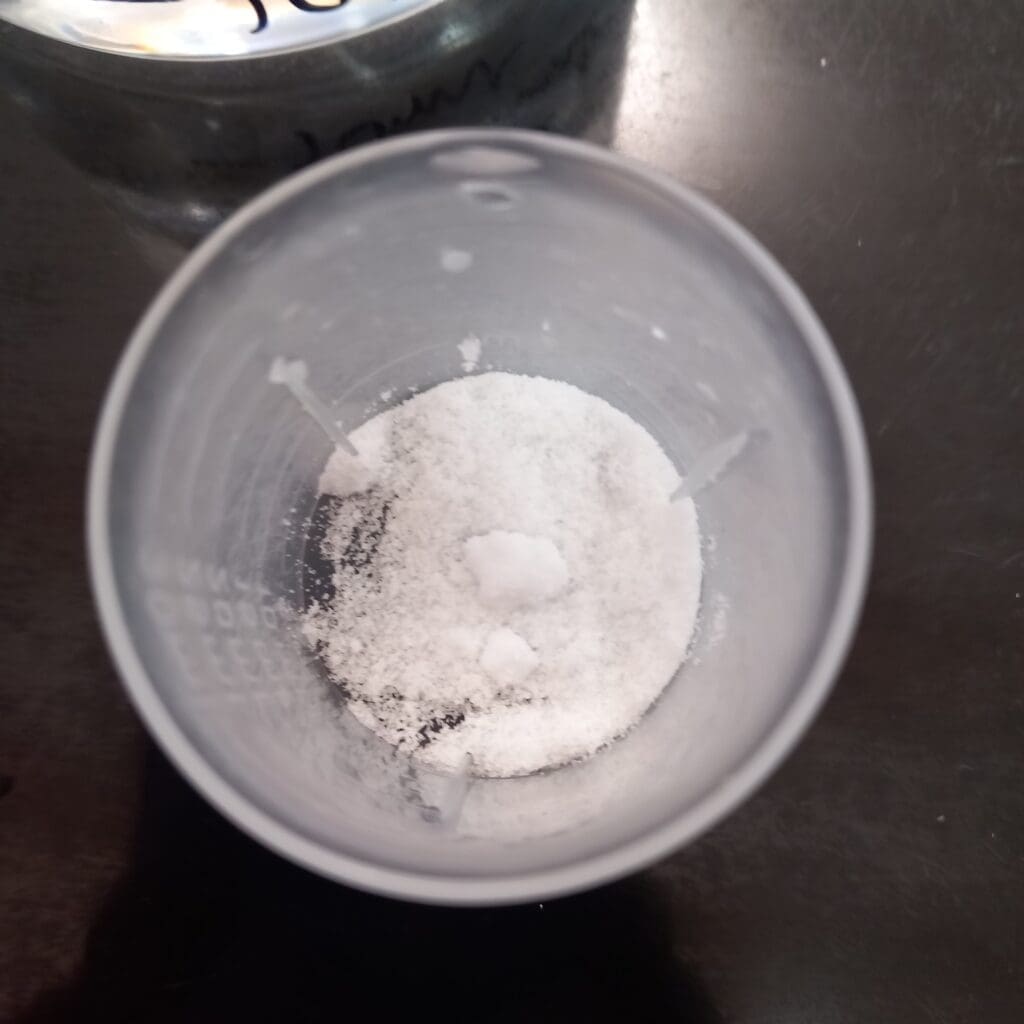
Substance Background
An inorganic salt of potassium and hydrochloric radical, widely distributed in animal fluids and in nature; in pharmacy it is triturated from pure KCl and potentised. Schüßler introduced it as one of his “twelve tissue salts,” linking it to fibrin metabolism and to the second, exudative stage of inflammation, where white, plastic deposits and false membranes predominate [Schüßler], [Clarke], [Boericke]. Classical writers repeatedly associate Kali-m. with white or grey, non-adherent, fibrinous or caseous exudations upon mucous and serous surfaces—follicular tonsillitis, adenoids, Eustachian catarrh, middle-ear effusion, membranous croup and diphtheritic patches of a clean white rather than the dirty grey, and with glandular swellings of a firm, indurated type [Hering], [Allen], [Farrington], [Phatak]. The tongue is commonly white-coated (as if dusted with flour), and discharges are white, curdy, or “chalky,” contrasting with the ropy strings of Kali-bi. [Clarke], [Boger]. Toxicological notes on potassium salts (hyperkalaemic weakness, cardiac depression) are of general interest but play little role in the modal portrait; the homœopathic picture rests chiefly on [Proving]* fragments combined with abundant [Clinical] confirmations in catarrhal and glandular states [Allen], [Hering], [Clarke].
Proving Information
Fragmentary provings exist, but the bulk of knowledge is [Clinical], arising from Schüßler’s cell-salt doctrine and subsequent confirmations: white-coated tongue; white, curdy secretions; fibrinous exudations on tonsils and fauces; Eustachian and middle-ear catarrh with “crackling” on swallowing; second stage inflammations (after Ferr-phos.) and before suppuration (Calc-s.; Hepar) [Allen], [Hering], [Clarke], [Boericke], [Farrington], [Phatak], [Boger].
Remedy Essence
Kali-m. is the quiet salt of whiteness and plasticity. Wherever inflammation has passed its first scarlet blush and settled into a second stage of exudation, there lie its footprints: clean white points on the tonsils; pale, curdy post-nasal masses; Eustachian tubes that “crackle” as the white glue yields; a chest whose cough brings up white, bland phlegm; skin that sheds white branny scales or forms little sebaceous pouches of white paste; stools that are white and putty-like when the portal system is clogged; urine that clouds with white threads when the bladder lining is catarrhal. The constitutional tone is phlegmatic: firm, painless glandular swellings, adenoid faces, pale mucous membranes, little fever and less complaint. In such subjects the tongue is white-coated, appetite dull for fat and pastry, and the weather’s insult is damp cold rather than heat. They improve by quiet, steady measures: dry warmth to soften plastic deposits, open air to clear stuffiness, pressure to support doughy effusions, and—above all—by outlet: when curds are hawked, when ear serosity drains, when white patches melt, the whole patient brightens [Clarke], [Farrington], [Boericke].
Kingdom signature and Schüßler’s thought dovetail here: a mineral salt embedded in fluids and tissues governs the body’s handling of fibrin. Too much plastic stuff is laid down; Kali-m. helps re-absorb and redistribute. Miasmatically it sits on the sycotic side—growth, overproduction, hypertrophy—tempered by psora’s catarrh; if neglected, the picture may harden towards syphilitic induration. Its pace is unhurried; aggressions are white and blunted rather than hot or acrid. Thus the differentiations: Kali-bi. may also be thick, but it is stringy and focuses pains in small spots; Kali-chl. is malignant, fetid, and blood-altering, craving cold; Merc. is a fetor and sweat picture with flabby tongue; Puls. shares the blandness, but her mucus is yellow and she loves open air; Ferr-phos. belongs to the first stage, and Calc-s./Hepar to frank pus [Clarke], [Farrington], [Boger], [Phatak]. In practice, Kali-m. earns its place at the bedside by sequence and surface: choose it when scarlet turns to white, when noise turns to dullness, when the complaint is less pain than presence—presence of a plug, a pad, a plastic filling. Follow the stages faithfully and it will often prepare the way or finish the work, restoring patent tubes, quiet glands, and the unconsidered grace of a tongue that is once again pink.
Affinity
-
Fibrinous exudation on mucous/serous membranes — white or grey false membranes; plastic deposits; second-stage inflammations (see Throat/Chest). [Schüßler], [Clarke], [Farrington]
-
Tonsils and adenoids — follicular tonsillitis with white points; chronic hypertrophy; viscid white mucus (see Throat). [Hering], [Clarke], [Boericke]
-
Eustachian tube and middle ear — catarrh with crackling, dulled hearing; serous effusion; glue ear (see Ears). [Clarke], [Phatak]
-
Nasal and post-nasal mucosa — bland, white, thick coryza; post-nasal “curds”; adenoid habit (see Nose). [Boger], [Clarke]
-
Lungs and larynx — membranous croup and diphtheritic patches of white aspect; second-stage bronchitis with white phlegm (see Respiration/Chest). [Farrington], [Boericke]
-
Glands and lymphatics — firm, painless swellings; induration after inflammation; mesenteric nodes (see Generalities/Abdomen). [Hering], [Clarke]
-
Tongue and stomach — white-coated tongue; dyspepsia after rich, fatty food; white, slimy vomit (see Stomach). [Allen], [Clarke], [Phatak]
-
Skin — white scales, sebaceous cysts with white paste; impetigo with white crusts (see Skin). [Boericke], [Clarke]
-
Bursæ and synovial sheaths — sprains/strains with plastic swelling; synovitis with white, doughy effusion (see Extremities). [Boericke], [Boger]
-
Urogenital — milky leucorrhœa; pale, cloudy urine in catarrh; prostatic catarrh with white threads (see Female/Urinary). [Clarke], [Phatak]
-
Spleen–portal system — sluggish digestion with pale stools; passive congestion with white tongue (see Abdomen/Rectum). [Clarke]
-
Direction/sequence — Ferr-phos. (first stage) → Kali-m. (plastic exudation) → Calc-s./Hepar (suppuration) (see Generalities/Relationships). [Schüßler], [Farrington], [Boericke]
Better For
-
Cool, open air — relieves stuffy catarrh of nose and throat. [Clarke], [Boger]
-
Gentle warmth locally (hot fomentations) — eases swollen glands and sprains; softens plastic deposits. [Boericke], [Farrington]
-
Swallowing cool water — soothes throat rawness (non-burning soreness). [Hering], [Clarke]
-
Slow, steady movement after rest — mobilises plastic effusion in synovial swellings. [Boger]
-
After expectoration of white phlegm; after hawking post-nasal “curds” — outlet relief. [Clarke]
-
Pressure or bandaging — dull, plastic pains of joints and sinus points ameliorated. [Boericke]
-
Dry weather and a warm room — patency improved in ear catarrh. [Clarke]
-
Restricted rich/fatty foods; light, simple diet — gastric ease follows. [Phatak], [Clarke]
-
Gentle massage — helps indurated glands when combined with constitutional treatment. [Clarke]
-
Resting the voice in laryngitis; warm drinks in non-membranous cases — soothing effect. [Farrington]
-
After bowel motion — relief when pale, putty stools alternate with catarrh. [Clarke]
-
Midday — comparatively better than early morning damp chill. [Boger]
Worse For
-
Damp cold, fog, east winds — catarrh thickens, glands swell. [Clarke], [Boger]
-
Rich, fatty foods; pastry; white bread — tongue coats white, gastric slime increases. [Allen], [Phatak]
-
Milk in excess — curdy catarrh or white leucorrhœa worsens. [Phatak]
-
Suppression of coryza or skin discharge — ear or chest congestion follows (direction of disease). [Hering], [Clarke]
-
Swallowing saliva or empty swallowing — aggravates faucial pull in follicular tonsillitis. [Clarke]
-
Night and early morning — damp houses worsen Eustachian/adenoid clog. [Clarke], [Boger]
-
Sudden change from warm to cold rooms — excites membranous tendency. [Farrington]
-
Close, hot rooms — croup membranes more irritable. [Farrington], [Boericke]
-
Motion of jaw and tongue — aggravates soreness in aphthæ with white patches. [Hering]
-
Stooping — fullness in sinuses increases from plastic frontal pressure. [Clarke]
-
Overuse of voice — white, viscid phlegm thickens in laryngitis. [Farrington]
-
Menstruation/ovulation — adenoid and tonsillar subjects show white leucorrhœa. [Clarke], [Phatak]
Symptomatology
Mind
The mental state is slow, placid and somewhat apathetic in chronic catarrhal constitutions; children are heavy-eyed, mouth open from adenoids, and slow to rouse, which tallies with the general sluggish, plastic reactivity already noted [Clarke], [Boericke]. Irritability appears when the throat is examined or ears are touched; the child pushes the hand away as swallowing hurts the follicular pits (Mind ↔ Throat/Ears) [Hering]. Adults complain little but are stubbornly “stuffed,” preferring silence and the corner seat near a window—cool air relieves the closeness that thickens white mucus (Mind ↔ Modalities). Confidence lifts markedly after outlet—when plugs or curdy masses are hawked up, the mood brightens and attention improves, reflecting the remedy’s law of relief by discharge. There is no restless anxiety of Arsenicum nor the tearful dependence of Pulsatilla; the temperament is phlegmatic, with a tendency to sit and pick the white tongue or nose crusts. Study or talk fatigues quickly if the Eustachian tubes are blocked; dullness of hearing adds to social withdrawal (Mind ↔ Ears). In chronic glandular cases, a quiet obstinacy is noticed: the child refuses fatty foods (which aggravate), a curious instinct aligning with the modality (worse rich food) [Phatak]. Sleep deficiency from nasal obstruction produces daytime listlessness yet without vivid fears; the inner tone is stodgy rather than anxious. Improvement of mental alertness is a reliable concomitant when the white coating clears and the airways open (Mind ↔ Tongue/Nose).
Head
Fullness and pressure in frontal sinuses, dull, non-throbbing, worse in damp cold and on stooping, better dry room and pressure—an expression of plastic congestion rather than active arterial surge (contrast Bell.) [Clarke], [Boger]. Pain localises over supraorbital ridges with post-nasal white slime; dislodging curds lightens the head (Head ↔ Nose). The scalp may show pityriasis with white branny scales—an external echo of the “white” keynote (Head ↔ Skin) [Clarke]. Ear-related headaches are common: deep dull pain around mastoid with Eustachian blockage and “crackling” on swallowing (Head ↔ Ears) [Phatak]. Morning heaviness predominates in damp houses; midday activity and a dry room help. In convalescence from membranous throat, head clears as false patches diminish, repeating the sequence Ferr-phos. → Kali-m. → Calc-s. when suppuration threatens [Farrington], [Schüßler].
Eyes
Lids heavy with white, stringless rheum at canthi; margins show small, white scales or meibomian clog; photophobia is slight compared with other salts [Clarke], [Boericke]. Phlyctenules with whitish base and little vascular halo point to a plastic, non-acrid inflammation (contrast Arg-n., Euphr.) [Hering]. Children rub the inner canthus, and vision blurs in damp rooms; improvement follows warm compresses and a dry atmosphere (modal echo). Lachrymation is bland, not biting; discharge is pallid and thick, consistent with the central “white” theme.
Ears
Cardinal sphere. Eustachian catarrh with sensation of fullness; hearing dull; “crackling” or “snapping” on swallowing as the tube opens—classical Kali-m. [Clarke], [Phatak], [Boericke]. Tympanum catarrh with serous effusion; drum dull, light diminished; otalgia dull rather than sharp; worse damp cold, better warmth and dry room (Ears ↔ Modalities). Adenoid subjects tend to glue-ear; speech becomes nasal; the child breathes with mouth open and sleeps with head back (Ears ↔ Nose/Sleep). Repeated colds leave firm, painless glandular enlargement about the angle of jaw. After white coryza is suppressed, ear clog increases—directional link (Ears ↔ Nose).
Nose
Bland, white, thick coryza; post-nasal accumulations like small curds that are difficult to detach, yet relief follows when they are shifted (Nose axis) [Clarke], [Boger]. Sneezing less than in Nux-v.; discharge non-acrid (contrast Arum). Turbinates pale; adenoids enlarged; airways narrow in damp cold; dry room eases. Ozæna is not typical; crusts are white and non-fetid compared with Kali-bi.’s clinkers. Root-of-nose pressure may accompany frontal clog; warmth locally or dry heat loosens white masses (Nose ↔ Head/Modalities).
Face
Expression heavy, pale; cheeks cool; nasal voice from adenoids; upper lip chapped from mouth-breathing [Clarke]. Submaxillary and parotid nodes feel firm; not acutely tender; grow in damp seasons (Face ↔ Glands). Acne tends to be white-headed and small, with little burning (contrast Kali-br.).
Mouth
Tongue thickly white-coated, as if dusted with flour; edges clean; mapping is not a keynote; the coating corresponds with white, slimy saliva (Mouth axis) [Hering], [Clarke]. Aphthæ look white and shallow with little acridity (contrast Borax rawness, Nit-ac. splinter pains). Taste flat; desire for light food; rich, greasy meals aggravate the fur (Food & Drink). Palate and pillars may show white points in follicular throats; cool water soothes; hot drinks not especially desired.
Teeth
Gums pale, puffy, bleed little; toothache dull from sinus pressure rather than neuralgic; better warmth and pressure (Teeth ↔ Head/Nose) [Clarke]. Dentition delayed in pale, glandular children with adenoids; appetite poor for fat. Tartar whitish; breath not offensive unless catarrh stagnates.
Throat
Chief sphere. Follicular tonsillitis with white points; tonsils hypertrophied; fauces pale with scattered clean white exudations that are less offensive than Merc. and less stringy than Kali-bi. (Throat axis) [Clarke], [Farrington], [Hering]. Swallowing saliva aggravates; cool water eases; damp cold relights the follicles—modal echoes. In membranous croup and diphtheritic states, patches tend to be white, thin, and plastic; Kali-m. suits the second stage after Ferr-phos. has met the initial blush, before suppuration (Calc-s., Hepar) [Farrington], [Boericke], [Schüßler]. Voice low; glands of neck firm; little fever, much stuffiness.
Stomach
Dyspepsia with white-coated tongue; nausea and vomiting of white, slimy mucus after rich or fatty foods; longing for simple, dry fare (Stomach axis) [Allen], [Clarke], [Phatak]. Weight rather than burning; eructations tasteless; aversion to milk in quantity. The gastric symptoms often alternate with ear clog and post-nasal curds (Stomach ↔ Ears/Nose). Warmth to epigastrium soothes; but over-warm rooms dull appetite.
Abdomen
Mesenteric glands enlarged in pale, phlegmatic children; abdomen full without pain; bowels sluggish; stools pale, putty-like or clay-coloured—white theme extended [Clarke], [Boericke]. Flatulence mild; cutting pains rare; worse pastry and fats; better light diet. The spleen may be sluggish; the general feeling is of “load without fire,” matching the modality (worse rich foods).
Urinary
Urine pale, cloudy with white mucus threads in catarrhal subjects; scanty when perspiration is low; no special burning (Urinary axis) [Phatak], [Clarke]. Phosphates may be visible in white sediment; bladder catarrh bland and white (contrast Canth., Tereb.).
Rectum
Stools pale, soft, sometimes slimy white; constipation with white-coated tongue; piles not prominent [Clarke]. Diarrhœa is uncommon; when present, stools are light, curdy, and bland in catarrhal children; improvement follows dietary simplification (Rectum ↔ Food).
Male
Prostatic catarrh with white threads in urine; dull pelvic heaviness without sharp pain; sexual power quiet; desire reduced during catarrh [Clarke], [Phatak]. In boys, firm, painless glandular nodes accompany adenoid habit.
Female
Leucorrhœa milky-white, non-irritating, worse after milk and fatty foods or around menses; adenoids and tonsils swell at the same epoch (Female ↔ Throat/Nose) [Clarke], [Phatak]. Menses pale, rather scanty in flabby, glandular constitutions; after-pains not a feature. Pruritus slight; discharge bland (contrast Kreos.).
Respiratory
Breath through nose impeded by adenoids or white post-nasal masses; mouth-breathing at night; snoring; chest clear but clogged at upper airways [Clarke], [Boger]. Croupal states with white membrane; inspiration harsh; expiration loaded; better warm, dry atmosphere; worse fog. Expectoration white, curdy; relief after.
Heart
Functional palpitation from stuffy rooms; better fresh air; pulse soft; little anxiety; sensation of want of air more from nasal block than cardiac disease (Heart ↔ Nose) [Clarke]. In full, flabby subjects, exertion produces panting in damp weather; warmth and dryness correct.
Chest
Second-stage bronchitis with white, non-ropy, non-acrid phlegm; rales fine; oppression from clog rather than spasm (Chest axis) [Farrington], [Boericke]. In membranous croup, voice rough, cough deep; white patches on fauces; warm, dry air and steady, gentle steam suit; cold damp worsens (Chest ↔ Throat/Modalities). No burning rawness of Kali-chl., no stringy tenacity of Kali-bi.
Back
Cervical stiffness with enlarged glands; tenderness slight; warmth relieves [Clarke]. Dorsal weariness in damp houses; children lean forward to breathe through mouth. Lumbosacral “doughy” feeling when stools pale and portal system sluggish; better after stool.
Extremities
Sprains and strains with plastic, white, doughy swelling of bursæ and sheaths; better bandaging and gentle warmth (Extremities axis) [Boericke], [Boger]. Joints feel stiff in damp; pains dull, not lancinating; movement slowly increases range. Chilblain-like pallor rather than burning eruptions.
Skin
White scales (pityriasis, seborrhœa); sebaceous cysts with white, cheesy paste; impetigo with white crusts rather than honey-yellow; eczema with whitish oozing, non-excoriating (Skin axis) [Clarke], [Boericke]. Ulcers clean-edged with white base, little fetor; granulation tardy but sure with warmth; no violent itching.
Sleep
Sleep is heavy yet unrefreshing from mouth-breathing; the child snores, lies on the back with head thrown back; wakes dried and stuffed, better after warm wash and dry room (Sleep ↔ Nose/Throat) [Clarke]. Dreams few; if present, of school or dull scenes; no terrors. Late hour aggravates stuffiness in damp houses; earlier bed in a warm, aired room improves quality.
Dreams
Scanty, sluggish imagery; of school tasks or being late, reflecting dull sensorium; dreams lessen as nasal patency and ear openness improve (Dreams ↔ Ears/Nose) [Clarke]. Little fright or chase imagery (contrast Kali-br.).
Fever
Subfebrile states in second-stage inflammations; heat low, pulse soft; tongue white; little thirst; chilliness in damp cold, better dry warmth [Farrington], [Clarke]. Fever declines as white exudations are absorbed and outlets freer—clinical barometer of direction.
Chill / Heat / Sweat
Chill in damp fog; better warm, dry air; heat slight; sweat modest and not relieving unless discharges flow (Chill/Heat ↔ Modalities) [Boger], [Clarke]. Sweat odourless; skin cool and pale.
Food & Drinks
Aversion to rich, fatty foods; pastry and milk aggravate white slime, leucorrhœa and stool pallor; desire for simple, dry, lightly warmed fare (Food axis) [Allen], [Phatak], [Clarke]. Thirst little; prefers tepid water or small cool sips in follicular throat. Salt desire not marked; sweets do not strongly aggravate.
Generalities
Kali-m. is the remedy of white and plastic: white-coated tongue; white, curdy, non-acrid discharges; white or grey fibrinous exudations on tonsils and larynx; white scales on skin; white, putty-like stools; pale, cloudy urine with white threads. The second stage of inflammation is its realm—after the hot, red, vascular Ferr-phos. stage, before the yellow pus of Calc-s. and the knife-like sensitivity of Hepar [Schüßler], [Farrington], [Boericke]. Modalities align: worse damp cold, fog, east winds, rich/fat foods, suppression of discharge; better dry warmth, gentle warmth locally, open air for stuffiness, pressure/bandage to plastic swellings, and relief after expelling or absorbing white exudates. The organism is phlegmatic, glandular, adenoid; Eustachian tubes crackle; middle ear fills; voice is thick with white phlegm; tonsils show white points; croup patches are white, membranes thin; the child snores with mouth open. Compare Kali-bi. (tenacious ropy strings, “spot” pains), Kali-chl. (fetid sloughing and haemolysis, demands cold), Merc. (flabby tongue, sweat, salivation, fetor), Puls. (bland, yellow mucus and open-air amel.), Ferr-phos. (first stage, red heat), Calc-s. (third stage suppuration), and Hepar (hyper-sensitivity, offensive pus) [Clarke], [Farrington], [Boger], [Phatak]. When the white clears—tongue, tonsils, ear effusion, and post-nasal curds—the whole patient brightens, hearing opens, and the dull heaviness of life lifts in concord with this salt’s sphere.
Differential Diagnosis
Aetiology / Stage of inflammation
-
Ferrum phosphoricum — first stage with red heat and bright blood; Kali-m. follows when white plastic exudation appears. [Farrington], [Schüßler]
-
Calcarea sulphurica — third stage with pus and suppuration; follows Kali-m. when yellow discharge and pointing arise. [Boericke], [Clarke]
-
Hepar sulphuris — extreme chilliness, splinter pains, offensive pus; Kali-m. is milder, plastic, white, non-offensive. [Hering], [Farrington]
Throat (follicular / false membranes)
-
Kali bichromicum — adherent, ropy strings with boring root-of-nose pain; Kali-m. has white, non-stringy curds and follicular points. [Clarke], [Boger]
-
Mercurius — salivation, fetor, flabby imprinted tongue; Kali-m. lacks fetor and profuse sweat. [Clarke], [Hering]
-
Kali chloricum — gangrenous fetor, smoky urine, blood-change; Kali-m. is clean white, plastic, non-septic. [Allen], [Clarke]
-
Phytolacca — tonsils and glands with lancinating pains to ears; exudate less distinctly white-curdy. [Farrington]
Ear (Eustachian / middle ear)
-
Pulsatilla — thick yellow bland catarrh; weepy child; open air amel.; Kali-m. pale, white clog, phlegmatic child. [Kent], [Clarke]
-
Calcarea carbonica — large tonsils and adenoids with sweat and obesity; tongue not necessarily white; Calc. has broader constitutional signs (sweaty head). [Clarke]
-
Kali iodatum — hot, emaciated, fluent coryza; iodide acne; unlike Kali-m., which is pale, cool habit. [Clarke], [Hughes]
Chest (croup / bronchitis)
-
Spongia — dry, barking, “saw-through” trachea; exudate scant; Kali-m. has white patches with plastic phlegm. [Farrington]
-
Hepar sulphuris — great chilliness, sensitivity, hoarseness with pus later; Kali-m. less sensitive, plastic stage. [Hering]
-
Antimonium tartaricum — rattling, torpor, cyanosis; sputum not specifically white-curdy. [Boger]
Gastric / Portal
-
Nux vomica — irritable dyspepsia from coffee and spices; tongue may coat but mental picture opposite; Kali-m. bland, phlegmatic, worse fat. [Kent], [Clarke]
-
Lycopodium — 4–8 p.m. flatulence, right-sided complaints; stool not especially white; Kali-m. pale stools and white tongue. [Clarke]
Skin
-
Kali bromatum — indurated acne and bromoderma, worse heat of bed; Kali-m. white heads, sebaceous paste, little burning. [Clarke]
-
Graphites — sticky honey-like exudate with fissures; Kali-m. white, non-excoriating oozing. [Boericke]
Remedy Relationships
-
Complementary: Ferrum phosphoricum — precedes in first-stage congestion; Kali-m. continues resolution in the plastic stage. [Farrington], [Schüßler]
-
Complementary: Calcarea sulphurica — follows when suppuration appears; completes the third stage. [Boericke], [Clarke]
-
Complementary: Hepar sulphuris — when sensitivity and pus supervene after plastic deposits have been dealt with. [Hering]
-
Complementary: Pulsatilla — both bland catarrhs; Puls. when mucus is yellow and patient seeks open air; Kali-m. when secretions are white. [Kent], [Clarke]
-
Follows well: Belladonna — after the hot, throbbing stage, when white points emerge on tonsils. [Farrington]
-
Follows well: Mercurius — when fetor and saliva subside and white plastic patches remain. [Clarke]
-
Precedes well: Silicea — if chronic ear effusion and adenoid habit persist with tendency to organisation. [Boericke]
-
Related salts: Kali bichromicum (ropy strings), Kali chloricum (septic sloughs), Kali iodatum (hot iodide coryza)—distinctions noted in differentials. [Clarke]
-
Antidotes (directional): Open air, warm dry room, gentle steam loosen white exudates; medicinal antidotes per totality (e.g. Nux vomica for diet errors). [Clarke], [Boger]
-
Inimicals: None fixed; avoid alternation without stage-based indication (Ferr-phos. → Kali-m. → Calc-s./Hepar). [Schüßler], [Farrington]
Clinical Tips
-
Follicular tonsillitis — white points on tonsils, pale fauces, firm neck glands; cool water eases. Use after Ferr-phos. when the hot blush subsides to white deposits. [Farrington], [Clarke]
-
Eustachian/middle-ear catarrh — “crackling” on swallowing, dulled hearing in damp weather. Kali-m. suits the plastic, white-clog stage; combine with warm, dry room and gentle Politzerisation if required. [Clarke], [Phatak]
-
Membranous croup/diphtheritic patches — white, non-fetid exudate; worse in cold damp; better in steady warm air and quiet. Position Kali-m. between Ferr-phos. (first stage) and Calc-s./Hepar (suppurative). [Farrington], [Boericke]
-
Dyspepsia after fat/pastry — tongue white-coated; pale stools. Alternate-day dosing (6X–12X) is often sufficient; support with light, simple diet avoiding rich pastry. [Allen], [Phatak], [Clarke]
-
Sprains/synovitis — doughy, plastic swelling of bursæ or synovial sheaths. Bandaging with gentle heat plus Kali-mur. is curative; escalate to Ruta or Rhus-t. if ligament or fibrous pains predominate. [Boericke], [Boger]
Selected Repertory Rubrics
Mind
-
Indifference — phlegmatic, slow to respond; improves as outlets open, guiding the stage choice. [Clarke]
-
Aversion to being examined — pushes hand away from throat or ear; pain is dull and plastic, not acute. [Hering]
-
Dullness — from nasal obstruction/adenoids; poor school performance in damp seasons. [Clarke]
-
Better in open air; worse in damp, close rooms—mirrors catarrhal modalities. [Boger]
-
Obstinate refusal of fatty foods—modal hint for gastric axis. [Phatak]
-
Contented when “curds” hawked up; mood follows discharge and outlet. [Clarke]
Head
-
Headache — frontal pressure; damp cold aggravates, dry warmth ameliorates; plastic sinus load. [Clarke], [Boger]
-
Sinusitis — post-nasal white slime; better after clearing curds (outlet law). [Clarke]
-
Scalp — white branny scales, pityriasis; “white” skin echo. [Clarke], [Boericke]
-
Mastoid — dull ache with Eustachian block and crackling on swallowing. [Phatak]
-
Headache — stooping aggravates, pressure or bandaging ameliorates; non-arterial type. [Boger]
-
Ear–head reflex — head clears as ear opens; direction-of-cure cue. [Clarke]
Eyes
-
Blepharitis — meibomian clog with white scales at margins, plastic exudation. [Clarke]
-
Phlyctenules — white base with mild halo, worse damp cold. [Hering]
-
Discharge — white, bland, not acrid (contrasts Euphrasia). [Boericke]
-
Heaviness of lids in damp rooms; better warm dry environment. [Clarke]
-
Photophobia slight, due to stuffiness, not true ocular pathology; improves with outlet. [Clarke]
-
Vision blurred from post-nasal clog; clears as catarrh drains. [Clarke]
Ears
-
Eustachian tube — crackling on swallowing; cardinal rubric. [Clarke], [Phatak]
-
Hearing dull — damp fog aggravates, dry warmth ameliorates. [Clarke]
-
Serous otitis (glue ear) — painless fullness; plastic stage. [Boericke]
-
Adenoid habit — nasal voice, mouth-breathing; ears blocked secondarily. [Clarke]
-
Mastoid region — dullness without acute tenderness, plastic not suppurative. [Clarke]
-
After suppressed coryza the ear blocks—directional progression. [Hering]
Nose / Throat
-
Coryza — white, thick, bland; open air ameliorates, damp aggravates. [Clarke], [Boger]
-
Post-nasal curdy masses, hawked with relief (outlet law). [Clarke]
-
Tonsillitis — white points, pale fauces, firm glands; stage rubric. [Farrington], [Clarke]
-
Diphtheritic/croup patches — white membranes, non-fetid; Kali-m. colouring. [Farrington]
-
Swallowing saliva aggravates; cool water ameliorates (follicular cue). [Clarke]
-
Adenoids — mouth-breathing, snoring; worse cold damp, better dry warmth. [Clarke]
Stomach / Abdomen / Rectum
-
Tongue white-coated, flour-dusted aspect; digestive sign. [Hering], [Clarke]
-
Dyspepsia after fat/pastry with white slimy vomit. [Allen], [Phatak]
-
Stools pale, putty-like, clay-coloured—portal sluggishness. [Clarke], [Boericke]
-
Flatulence mild, with weight but without burning; plastic not acrid. [Clarke]
-
Aversion to milk in quantity—secretions “whiten”; case observation. [Phatak]
-
Mesenteric glands firm, painless enlargement; phlegmatic child. [Clarke]
Chest / Respiration
-
Bronchitis — second stage with white phlegm; damp cold aggravates, warm dry ameliorates. [Farrington], [Boericke]
-
Croup — white membrane, rough voice; better steady warmth. [Farrington]
-
Laryngitis — viscid white mucus, overuse aggravates. [Farrington]
-
Oppression in stuffy rooms; better open window—upper airway block. [Clarke]
-
Expectoration — white, curdy, relieves after expulsion. [Clarke]
-
Nose–chest link — chest clears as post-nasal drains; directional. [Clarke]
Skin
-
Sebaceous cysts with white, cheesy contents—signature keynote. [Clarke]
-
Pityriasis — white scales, scalp margins, better dry warmth. [Boericke]
-
Eczema — white, non-excoriating ooze; damp aggravates. [Clarke]
-
Impetigo — white crusts, bland discharge. [Boericke]
-
Ulcers — clean white base, slow granulation, plastic phase. [Clarke]
-
Complexion pale, cool, phlegmatic. [Clarke]
Generalities
-
Stage rubric — second stage inflammations (plastic, fibrinous). [Farrington], [Schüßler]
-
Worse damp cold, fog, east wind; Better dry warmth, open air—master polarity. [Boger], [Clarke]
-
Worse fatty foods; Better simple, dry diet—gastric axis. [Phatak], [Clarke]
-
Glands firm, painless induration—sycotic tone. [Hering]
-
Direction Ferr-phos. → Kali-m. → Calc-s./Hepar—stage progression. [Schüßler], [Farrington]
-
Relief after discharge or absorption of white exudates—outlet law. [Clarke]
References
Schüßler, W. H. — Abridged Therapeutics founded upon Histology & Cellular Pathology (1873–1880): tissue-salt doctrine; second-stage (fibrin) indications for Kali-mur.; clinical sequencing.
Hering, C. — The Guiding Symptoms of Our Materia Medica (1879–1891): follicular tonsillitis with white points; adenoids; ear catarrh; general catarrhal confirmations.
Allen, T. F. — Encyclopædia of Pure Materia Medica (1874–1879): proving fragments; gastric white slime after fats; tongue and catarrhal notes.
Clarke, J. H. — A Dictionary of Practical Materia Medica (1900): full portrait—white exudations, Eustachian crackling, adenoid habit, stage relationships.
Boericke, W. — Pocket Manual of Homœopathic Materia Medica (1901): keynotes—white-coated tongue; second-stage inflammation; sprains with doughy swelling.
Farrington, E. A. — Clinical Materia Medica (1890): “stages of inflammation” schema—Ferr-phos. → Kali-m. → Calc-s./Hepar; croup/diphtheria notes.
Boger, C. M. — Synoptic Key of the Materia Medica (1915): modalities (worse damp cold; better dry warmth); plastic exudation; ear–nose links.
Phatak, S. R. — Materia Medica of Homoeopathic Medicines (20th c.): concise keynotes—white discharges; worse fats/milk; Eustachian crackling; bland leucorrhœa.
Hughes, R. — A Manual of Pharmacodynamics (late 19th c.): pharmacologic background of potassium salts; clinical remarks on catarrh and glands.
Kent, J. T. — Lectures on Homœopathic Materia Medica (1905): miasmatic colour; sycotic glandular overgrowth; stage reasoning in inflammations.
Nash, E. B. — Leaders in Homœopathic Therapeutics (1899): differentiations in catarrhal/chest states; practical pointers for stage prescribing.
Dewey, W. A. — Practical Homœopathic Therapeutics (early 20th c.): throat/ear therapeutics; regimen (airing rooms, warm dry atmosphere).
Lippe, A. von — Keynotes and Characteristics (late 19th c.): white-coated tongue; white curdy secretions; damp-cold aggravations.
Tyler, M. L. — Homœopathic Drug Pictures (20th c.): adenoid/ear portraits; child constitution; contrasts with Puls., Kali-bi., Merc.
Disclaimer
Educational use only. This page does not provide medical advice or diagnosis. If you have urgent symptoms or a medical emergency, seek professional medical care immediately.