

Sycotic Co.
Substance Background
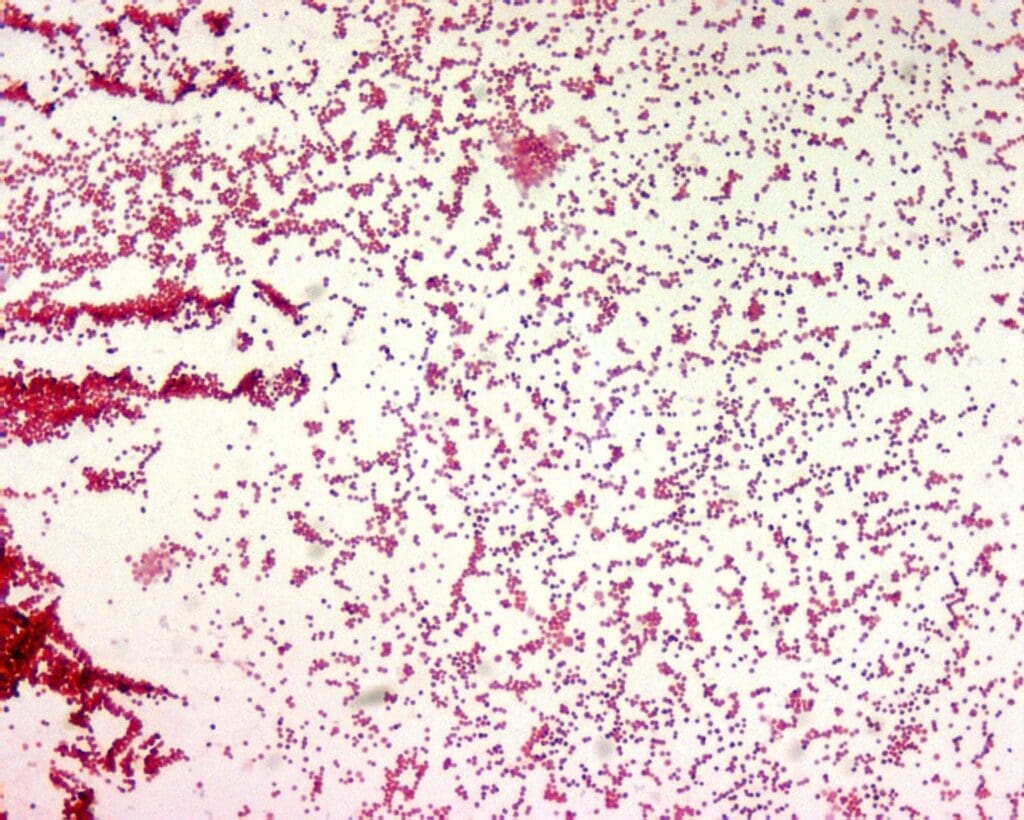
Sycotic Co is a bowel nosode prepared from a non-lactose-fermenting coccus, originally isolated from human intestinal flora by John Paterson. He emphasised that, unlike many of the Bach bowel nosodes, this organism is not bacillary in form but coccal, and that its detailed identification was first published in the British Homoeopathic Journal (April 1933). Later bacteriological and taxonomic work has aligned Sycotic Co with Proteobacteria and the Neisseriaceae, underlining its morphological and clinical kinship with the gonococcus, even though it arises from intestinal rather than urethral isolates. Contemporary microbiome-based discussions also describe Sycotic Co as representing Escherichia coli–type variants associated with mucous dysbiosis and hypersecretion. For homeopathic use, pure cultures are grown, covered with sterile water, the supernatant heat-treated, then potentised by serial dilution and succussion according to homeopathic pharmacopeial methods.
Proving Information
There is no classical Hahnemannian proving of Sycotic Co. Its picture comes from Paterson’s extensive “clinical proving”: thousands of patients whose stool cultures showed this organism predominating, followed by prescription of the nosode and careful observation over years. Paterson identified the keynote “irritability of mucous and synovial membranes”, elaborating a picture involving nervous irritability, catarrh of the alimentary and respiratory tracts, pre-tubercular tendencies, rheumatic fibrositis and genito-urinary irritation from kidney to urethra. Later authors, including modern commentators on bowel nosodes and gut microbiota, have confirmed and expanded these indications, especially in chronic catarrhal, rheumatic and spinal conditions, hyperuricaemia, and dysbiotic states with excessive mucus. Thus the remedy is chiefly [Clinical] in origin, with its pathogenesis inferred from consistent response patterns rather than formal provings.
Remedy Essence
The essence of Sycotic Co is a chronic, sticky, sycotic catarrh that has infiltrated the whole person: mucous membranes, synovial tissues, spine and even the psychic tone. Where Proteus expresses itself in storms, Sycotic Co is more like a permanent dampness—pervasive, lingering, leading to slow structural and functional change. The picture is one of irritability—of tissues and temperament—on a background of anaemia, hydraemia and pre-tubercular weakness.
At the psychological level, Sycotic Co patients are irritable, easily offended, and weary of their long-standing symptoms. Children are tempery, peevish, fearful of the dark and of being left alone, yet clingy and demanding when accompanied. They may have twitching facial muscles and blinking eyelids, nervous manifestations of their internal tension. Adults become short-tempered and negative, but often resigned: years of catarrh, pain and fatigue have eroded their enthusiasm. They feel “old before their time,” especially when spinal and fibrositic pains limit activity. This mental dullness and irritability echoes the mucous membranes: everything is inflamed, oozing, yet sluggish.
On the physical plane, sycosis is written everywhere. Mucous membranes secrete too much: thick nasal and sinus mucus, recurrent sore throats, bronchial catarrh, leucorrhoea, urethral discharge. The bowel secretes—loose, offensive, excoriating stools in children, alternating with constipation; the urinary tract secretes, with mucus and albumin; the skin expresses the same pattern as greasy, sallow complexion, varicelliform eruptions and warts at mucocutaneous junctions.
The synovial membranes mirror this irritability: joints and peri-articular tissues ache and stiffen, particularly in damp weather and after rest, and the patient must “limber up” with motion. Fibrositis clouds the muscles; feet hurt as though walking on loose cobblestones. Over time, this inflamed, damp terrain supports degenerative spinal changes—cervical and lumbar spondylosis, muscular contracture and restricted movement. The spine becomes a silent witness to years of sycotic burden.
Miasmatically, Sycotic Co sits at a junction: sycosis provides the chronic catarrh, overgrowths and warts; tubercular colouring gives pre-tubercular chests, adenoids, varicelliform eruptions and meningeal susceptibility; psora underlies functional irritability and instability. Children with this terrain are pale, sallow, under-nourished, adenoidal, and prone to recurrent gastro-enteritis and bronchitis. Adults are tired, stiff, mucous-laden, and anaemic, with a history of pelvic or urinary catarrh, often following gonorrhoea or non-specific urethritis.
Bowel nosodes are, by their nature, remedies of terrain rather than isolated symptom clusters. Sycotic Co modifies the interplay between gut flora and mucous membranes, shifting the balance away from excessive mucus, chronic low-grade inflammation and tissue irritability. Contemporary research links such dysbiosis to inflammatory and autoimmune conditions; homeopathic practice long ago recognised that changing the bowel flora picture (as seen in stool cultures) often changed the patient’s clinical course. Paterson observed that as Sycotic Co did its work, the organism became less frequent in stool and more benign bacilli predominated, paralleling clinical improvement.
In practice, the Sycotic Co essence is encountered in:
- Children with adenoids, enlarged tonsils, chronic bronchitis, recurrent diarrhoea, sallow complexions and varicelliform rashes, often with warts;
- Adults with longstanding fibrositis, spinal pains, chronic bronchitis, pelvic or urinary catarrh, and warts or cystic ovaries, especially in damp climates;
- Cases where multiple systems (gut, lungs, joints, urinary, skin) are involved in a sticky, catarrhal way, and good remedies help only partially or temporarily.
Once Sycotic Co is prescribed accurately, the case often shifts. Catarrh may temporarily increase then drain more freely; rashes may surface; rheumatic pains may ease as stiffness gives way. The patient often feels somewhat lighter, less burdened by mucus and aches. At this point, related anti-sycotic and constitutional remedies—Nat-s., Thuja, Med., Rhus-t., Calc-f., Sulph., Lyc.—can act more cleanly and predictably, addressing deeper emotional and structural issues. Sycotic Co, then, is not the final remedy but the organiser of a particular kind of sycotic terrain: the bowel-based, mucous-synovial, pre-tubercular sycosis of modern life.
Affinity
- Mucous membranes (especially genito-urinary tract) – Sycotic Co has a powerful affinity for mucous membranes from kidney to urethra: albuminuria, pyelitis, cystitis, urethritis, vulvo-vaginitis and balanitis, with persistent irritation and catarrh. This affinity recurs in Urinary, Male, Female, Chest and Generalities, mirroring the sycotic–catarrhal theme.
- Synovial membranes and fibro-muscular system – Paterson emphasised general rheumatic fibrositis aggravated by damp and after rest, involving synovial and peri-articular tissues; patients are fidgety at night, with aching, stiff muscles and “cobblestone” pains in the feet. This affinity is reflected in Extremities, Back and Generalities.
- Respiratory mucosa – Acute, subacute and chronic bronchial catarrh, nasal and throat catarrh, enlarged tonsils and adenoids in children point to a strong respiratory affinity, particularly in pre-tubercular states with sallow, anaemic children. This is developed under Nose, Throat, Chest and Respiration.
- Alimentary tract – The whole alimentary canal is prone to chronic irritation and catarrh, with gastro-enteritis in children, loose excoriating stools, urgent calls to stool on rising, or a pendulum between constipation and diarrhoea, often aggravated by eggs. Stomach, Abdomen and Rectum sections all express this.
- Nervous system and meninges – Irritation of the meninges, persistent headaches (especially in children) that may herald tubercular meningitis, nervous irritability and twitching facial muscles all show a neural–meningeal affinity. Mind, Head and Sleep reflect this axis.
- Skin and mucocutaneous junctions – Sallow, oily skin, varicelliform eruptions, and warts on mucocutaneous surfaces mark Sycotic Co’s clear skin affinity, locating it firmly within sycosis. Skin, Generalities and Differential Diagnosis emphasise this.
- Female reproductive system – Pain in the left ovary at menses, cystic ovaries, tubal infections (tubercular or gonococcal) and profuse leucorrhoea show Sycotic Co’s sphere in chronic pelvic catarrh, especially when linked to intestinal dysbiosis and the sycotic miasm. This is elaborated in Female and Generalities.
- Circulation and blood (anaemia and hydraemia) – Sycotic patients appear pale and anaemic, “never carrying much colour in the face”; hydraemia and poor peripheral circulation reflect the impact of chronic catarrh and dysbiosis on nutritional and haematological status. This affinity appears in Head, Face, Extremities and Generalities.
- Pre-tubercular terrain – Paterson regarded Sycotic Co as a pre-tubercular remedy, especially in children with persistent catarrh, adenoids, enlarged tonsils, varicelliform eruptions and suspicious headaches, on a background of constitutional anaemia and poor resistance. This theme threads through Respiratory, Head, Skin and Generalities.
- Spine and degenerative rheumatic states – Modern clinical series show frequent use of Sycotic Co in degenerative spinal and rheumatic conditions, including cervical spondylosis, where bowel nosodes were prescribed on symptom similarity and as intercurrents in chronic cases. Back, Extremities and Clinical Tips reflect this affinity.
Better For
- Better for continued gentle motion (general and joints) – Like Rhus-t., Sycotic Co’s rheumatic fibrositis and joint pains are worse after rest and in damp, but tend to ease as the patient “gets going”, with continued gentle movement bringing gradual relief to stiff muscles and synovial tissues. This tallies with Extremities, Back and Generalities.
- Better in dry, moderately warm weather – Damp and cold aggravate rheumatic and catarrhal symptoms, so patients usually feel better in dry, settled weather, which lessens joint pains and catarrh. Respiratory, Extremities and Generalities all echo this.
- Better after free expectoration or discharge – Catarrhal conditions improve when mucus is freely discharged—after coughing up phlegm, a nasal flow, a leucorrhoeal outpouring or a loose stool, consistent with the sycotic pattern of “better for elimination of excess.” This is reflected in Chest, Nose, Female, Rectum and Generalities.
- Better from regulation of diet and avoidance of eggs – Digestive symptoms are much improved when the diet is simplified and known aggravants (especially eggs) are avoided, stabilising the alimentary mucosa and reducing diarrhoea, nausea and catarrh. Stomach, Abdomen, Food and Drink emphasise this.
- Better after rest from mental strain – Although physical rest may aggravate stiff joints, mental rest from overwork, worry or continuous caregiving improves irritability, headaches and nervous twitchings. Mind, Head and Sleep all show benefit from appropriate mental respite.
- Better when not left entirely alone (children) – Sycotic Co children fear the dark and being left alone; they are often better when a trusted adult is nearby, even if they remain irritable and tempery. This appears under Mind and Sleep.
- Better with appropriate constitutional support – Once Sycotic Co has cleared the bowel–sycotic block, patients often improve markedly when related constitutional remedies (e.g. Nat-s., Thuja, Medorrhinum) are given, and they experience deeper, more stable amelioration. This is illustrated in Relationships and Clinical Tips.
Worse For
- Worse in damp weather and from getting wet – Rheumatic fibrositis, joint pains and catarrhal states are all aggravated in damp conditions; damp cold rooms, seaside fog or getting wet through lead to stiff, aching muscles and increased mucus. Extremities, Back and Chest concur with this.
- Worse after rest, on first moving – Like Rhus-t., the rheumatic pattern is “rusty on first movement”: pain and stiffness are marked on rising or after sitting, improving only as movement continues. Extremities and Back reflect this hallmark.
- Worse at night, especially in bed – There is nocturnal fidgetiness, particularly of the feet and legs; children toss and kick, adults cannot find a comfortable position, and pains in joints and feet seem more intense in the quiet hours. Mind, Extremities and Sleep echo this.
- Worse for eggs – Eggs are a specific aggravant of the digestive system, provoking nausea, sickness or loose excoriating stools, particularly in sensitive children; this becomes a strong dietary keynote when supported by the rest of the picture. Stomach, Abdomen, Rectum and Food and Drink show this.
- Worse for cold and draughts on joints – Exposure of joints or spine to cold air exacerbates fibrositic and arthritic pains, especially in cervical and lumbar regions, matching the use of Sycotic Co in spondylosis and chronic spinal cases. Back, Extremities and Generalities support this modality.
- Worse from suppressed catarrh or discharges – When mucous discharges are checked (strong measures to dry up nasal, bronchial or genital catarrh), deeper symptoms—headaches, rheumatism, urinary irritation—often worsen, a classic sycotic pattern. This is reflected in Nose, Chest, Female, Urinary and Generalities.
- Worse in adolescence and middle age – Many Sycotic Co cases cluster around periods of hormonal and structural strain: adenoids and recurrent catarrh in children, rheumatic and spinal issues in middle age, and genito-urinary catarrh at all ages. Generalities and age-linked sections show this.
- Worse for prolonged standing or walking on hard ground – The characteristic sensation of walking on loose cobblestones, with pains in the metatarsal bones and soles, is aggravated by prolonged standing or walking on hard surfaces. Extremities and Generalities echo this keynote.
- Worse following gonorrhoeal or non-specific urethral infection – Chronic genito-urinary catarrh, urethritis, prostatitis and vulvo-vaginitis following treated or untreated gonorrhoea, or non-gonococcal infections, often call for Sycotic Co when the overall sycotic picture is present. Urinary, Male and Female all mirror this origin.
Symptomatology
Mind
The mental picture of Sycotic Co is coloured, above all, by irritability. Paterson called this the keynote, referring not only to the irritability of mucous and synovial membranes but also to the nervous temperament of the patient. Patients are easily annoyed, snappish, tempery—especially children, who may resemble Lycopodium in their touchiness and over-sensitivity to contradiction. They are often afraid of the dark and of being left alone, yet when with others they may become demanding and fault-finding, oscillating between clinginess and peevish independence.
Nervous irritability shows itself in twitching of facial muscles, blinking of eyelids, and restless movements, particularly in bed at night. The mind seems unable to settle; thoughts jump, worries about health and chronic catarrhal or rheumatic complaints persist, and there is often a background depression stemming from long-standing ill-health and anaemia. In children, this mood may be masked by temper and fussiness rather than overt sadness. Adults can become apathetic and resigned, feeling “worn down” by constant mucus, pain and fatigue, yet still easily provoked into sharp retorts. [Clinical]
There is a sycotic tendency to concealment—patients may hide the history of gonorrhoea or genito-urinary symptoms through shame, while presenting with more neutral complaints such as backache or bronchial catarrh. Anxiety may centre on the spine (fear of paralysis), the head (fear of brain disease in persistent headaches), or the reproductive organs (fear of sterility or chronic infection). The mental state softens as catarrhal and rheumatic burdens lift under Sycotic Co, revealing the deeper constitutional layer (often Nat-s., Thuja or Medorrhinum).
Head
Head symptoms centre on irritation of meninges and persistent headaches that may herald more serious pathology. Paterson drew attention to subacute or chronic meningeal irritation and to headaches arising from sinus infections; in a child, a persistent, unaccountable headache may be a prodromal sign of tubercular meningitis in the Sycotic Co terrain. Such headaches are often dull, pressing, sometimes throbbing, and may be associated with sallow, anaemic faces and general catarrh of nose and throat.
Swelling of the head at night, with profuse perspiration, has been noted, especially in children, reminiscent in some respects of Calc-phos. and Helleborus, but with a stronger bowel-nosode and sycotic background. Head pain is commonly aggravated by damp, changes in weather, and the burden of chronic discharge; it may improve as catarrh drains or after gentle motion, paralleling the general fibrositic pattern. In pre-tubercular children with adenoids, enlarged tonsils, chronic bronchial catarrh and varicelliform rashes, recurrent headaches should always prompt consideration of Sycotic Co as a bowel layer.
Eyes
Ocular symptoms are secondary but reflect nervous irritability and catarrhal states. Blinking of eyelids, twitching of peri-orbital muscles and a sense of strain or smarting eyes accompany periods of mental and physical irritability. In chronic catarrhal children, there may be recurrent conjunctivitis or blepharitis, with mucus crusts and red lids. Anaemic adults complain of tired, strained eyes after reading or close work, especially in damp weather or poorly lit, stuffy rooms.
Photophobia may appear during varicelliform or other eruptions, and in severe meningeal irritation, light and noise aggravate. These ocular features, though not pathognomonic, fit into the wider picture of mucous membrane irritability and nervous twitching.
Ears
The ear picture in Sycotic Co is again catarrhal: chronic Eustachian catarrh and middle-ear involvement arising from persistent naso-pharyngeal inflammation. Children with enlarged tonsils and adenoids may have recurrent otitis media, glue ear and defective hearing, leading to irritability and behavioural issues.
Earache and a sense of fullness or pressure may be worse in damp weather and at night. Tinnitus can occur in anaemic adults, particularly a low humming or rushing sound associated with hydraemia and poor circulation. Relief may come when nasal and throat catarrh is properly addressed and the bowel-nosode block lifted.
Nose
Nasal symptoms reflect the broad catarrhal tendency. The patient is prone to chronic rhinitis, with thick, often yellow or greenish mucus, obstruction of posterior nares and mouth breathing. Children with Sycotic Co indications frequently have adenoids: they snore, sleep with mouth open, and may be dull or inattentive from poor oxygenation.
Acute colds settle in the nose and sinuses, with frontal headaches from sinus infection, yet these episodes recur on a sycotic terrain of chronic mucus rather than as isolated events. The discharge may excoriate the nostrils, paralleling the excoriating stools. “Suppressive” treatment that dries up nasal discharge often precedes deepening of headaches, chest symptoms or rheumatism, mirroring the “worse from suppressed catarrh” modality.
Face
The Sycotic Co face is typically sallow and anaemic-looking, “never carrying much colour”. The skin tends to be oily, with enlarged pores and a tendency to acne or small papular eruptions, especially on the forehead and cheeks. In children, the combination of pale, sallow complexion, enlarged adenoids, open mouth, dull expression and periodic varicelliform rashes is characteristic of a pre-tubercular sycotic terrain.
Facial muscles may twitch, particularly around the eyes and mouth, as part of the nervous irritability. Expression alternates between sulky, peevish and painfully tired; during headaches or meningeal irritation, the child may become dull, apathetic and sensitive to light, an important warning sign deserving urgent orthodox assessment alongside homeopathic management.
Mouth
The mouth often reflects catarrh and digestive disturbance. There may be a slimy, pasty taste, coated tongue and offensive breath in children with gastro-enteritis or chronic bronchial catarrh. Aphthous spots may occur in anaemic, run-down adults, especially after prolonged catarrhal illness or antibiotic courses that disturb gut flora.
Saliva may be increased during nausea, especially when eggs or rich foods have been taken. A sense of dryness and burning in mucosa can accompany hydraemic states and chronic irritation. Mouth symptoms generally improve as gut and respiratory catarrh clear under Sycotic Co and subsequent constitutional prescribing.
Teeth
Dental symptoms are not central, but in children there may be delayed dentition on a background of anaemia and chronic catarrh. Teeth may be prone to caries due to mouth breathing, poor oral hygiene and altered saliva in sallow, under-nourished, catarrhal children. Grinding of teeth at night may reflect both nervous irritability and spinal discomfort.
Throat
Throat symptoms follow the catarrhal pattern: chronic pharyngitis, recurrent tonsillitis, and enlarged tonsils with thick mucus. Children may have “cryptic” tonsils harbouring recurrent infections, with difficulty swallowing, fetid breath and a sensation of something stuck in the throat.
An irritable cough, worse at night around 2 a.m., is linked to post-nasal drip and bronchial catarrh. This cough may be hacking, exhausting and difficult to relieve until mucus is expectorated, matching the “better after discharge” modality. Repeated attempts to suppress throat catarrh often send pathology deeper into lungs or joints in sycotic patients, for whom Sycotic Co can be an important intercurrent.
Stomach
Digestive symptoms begin in the stomach with chronic irritation and acute or chronic gastro-enteritis, especially in children. The stomach is sensitive to rich foods, sweets and, very particularly, eggs, which may provoke nausea or sickness soon after eating. Appetite may be capricious: children are fussy eaters, craving certain foods yet reacting badly to them; adults may eat to comfort themselves, then suffer dyspepsia and flatulence.
There is a tendency to a “sour” digestion, with belching, heartburn and heaviness after meals. Nausea may be worst in the morning on rising, linked with the urgent call to stool at that time. Sycotic Co is indicated particularly where such gastric troubles coexist with chronic mucus, warts, rheumatism and genito-urinary irritation on a clear sycotic terrain.
Abdomen
The whole intestinal tract is irritable and catarrhal. Loose, offensive, excoriating stools in children are a hallmark, often associated with acute or chronic gastro-enteritis, failure to thrive, and a sallow, under-nourished look. At the same time, constipation and diarrhoea may alternate, reflecting functional instability of the bowels. Chronic intestinal irritation creates a fertile ground for dysbiosis and excessive mucus production, exactly the terrain modern authors link with Sycotic Co.
There is often urgency of stool on rising from bed: the patient must rush to the toilet as soon as they get up, a valuable clinical keynote. Abdominal pains are colicky, relieved somewhat after evacuation, and aggravated by eggs, rich foods and damp weather. In adults, irritable bowel-type patterns with alternating bowel function, associated with genito-urinary and rheumatic symptoms, often respond to Sycotic Co as an intercurrent.
Urinary
Sycotic Co has a marked action on the whole genito-urinary tract. There is persistent irritation of mucous membranes from kidney to urethra: albuminuria, pyelitis, cystitis, urethritis are all within its scope, especially when recurrent and resistant to well-chosen remedies. Urinary frequency, burning, smarting, and cloudy or mucous-laden urine are common.
Histories of gonorrhoea or non-specific urethritis, often partially treated, are frequent in adults; in such cases Sycotic Co forms a bridge between classical anti-sycotic nosodes (Med., Thuja, Nat-s.) and the bowel nosode layer, particularly where intestinal dysbiosis and genito-urinary catarrh coexist. In children, vulvo-vaginitis and enuresis on a background of chronic catarrh may point to this nosode when other indications fit.
Rectum
Rectal symptoms include urgent, offensive stools, excoriating the anus and perineum, especially in children with diarrhoea. There may be itching and soreness of the anal region, fissures or haemorrhoids in adults with chronic constipation interspersed by loosening. The urgent morning stool is a strong feature, sometimes accompanied by tenesmus and a sense of incomplete emptying.
In hyperuricaemia and gouty tendencies, Sycotic Co may be prescribed when rectal irritation, mucous stools and genito-urinary catarrh accompany raised uric acid and joint pains. As bowel flora normalise and rectal irritation decreases under the nosode, patients frequently report less straining, reduced soreness and more regular bowel movements.
Male
In men, Sycotic Co is indicated in chronic urethritis, prostatitis and post-gonorrhoeal states with lingering urethral discharge, mucous threads in urine, and discomfort along the urethra. Sexual history may include a past gonorrhoea or “non-specific” infection that never felt entirely resolved, leaving periodic flares of burning, frequency or pelvic discomfort.
Prostatic enlargement with irritative symptoms, particularly in comparatively younger men with a strong sycotic and bowel-nosode background, may improve under Sycotic Co as part of a wider programme including Thuja, Medorrhinum or Nat-s. Sexual irritability, premature ejaculation or diminished desire can accompany the general nervous and mucous irritability, easing as deeper balance is restored.
Female
In women, Sycotic Co manifests through cystic ovaries, tubal infections and chronic pelvic catarrh. Pain in the left ovary at the menstrual period is a noted keynote, especially when associated with a history of pelvic inflammatory disease—tubercular or gonococcal—and profuse, sometimes offensive leucorrhoea.
Menstrual periods may be heavy, clotted, and accompanied by dragging pains in pelvis and back, worse in damp weather and at rest, better from movement. Chronic vulvo-vaginitis, recurrent cervical erosions and subfertility in sycotic women with warts, mucus, and bowel dysbiosis often call for Sycotic Co alongside, or prior to, Thuja and Medorrhinum.
Respiratory
Respiratory function is compromised by catarrh and mechanical obstruction from adenoids and enlarged tonsils. Children snore, breathe through their mouths, and tire easily with exertion; in adults, chronic mucus and bronchial thickening produce wheezy, short breathing in damp weather.
There is often a tendency to lingering coughs after acute infections, with incomplete resolution of mucus. Sycotic Co is especially suited to such “never well since bronchitis” patterns when the whole picture is sycotic and bowel-nosode, rather than purely tubercular or psoric.
Heart
Heart symptoms are generally secondary, arising from anaemia and chronic ill-health. The Sycotic Co patient may experience palpitations on exertion or during febrile catarrh, breathlessness on climbing stairs, and a sense of weakness and heaviness in the chest. Hydraemia and poor peripheral circulation predispose to fatigue and sluggish recovery after respiratory infections.
In hyperuricaemia and rheumatic states, there may be concern for cardiovascular consequences; Sycotic Co can be part of a long-term regime aimed at improving bowel flora, reducing catarrh and uric acid load, while constitutional remedies and orthodox measures address structural heart disease where present.
Chest
Respiratory symptoms are those of chronic catarrh. Sycotic Co is indicated in acute, subacute and chronic bronchial catarrh, especially in children with adenoids and enlarged tonsils, who have rattling chests, recurrent “bronchitis” and varicelliform rashes. The cough is irritable, worse at night around 2 a.m., often hacking and exhausting until sputum is raised.
Adults may have chronic bronchitis with much mucus, worse in damp, cold weather, associated with anaemia and hydraemia. Sycotic Co does not replace classical lung remedies but acts at the bowel–sycotic level; once given, the picture often clarifies, allowing clear prescription of Tub., Nat-s., Kali-s., Med., etc., particularly in pre-tubercular chests with persistent catarrh.
Back
Back symptoms are important in Sycotic Co, especially in relation to degenerative spinal disease. Paterson’s emphasis on general rheumatic fibrositis aggravated by damp and rest, together with modern clinical reports in cervical spondylosis, highlight a strong affinity for vertebral and paravertebral structures.
Patients complain of stiffness and pain in the cervical and lumbar spine, worse on first moving after rest, better with gentle continued motion, and worse in damp, cold weather—closely resembling Rhus-t., but with more pronounced catarrhal and genito-urinary accompaniments. In long-standing cases, paraesthesiae, weakness and limited range of motion may be present. Improvement under Sycotic Co often allows more precise prescription of Rhus-t., Calc-f., Calc-phos., or constitutional remedies.
Extremities
The extremity picture includes the classic “loose cobblestone” sensation: feet painful when walking, as if treading on loose cobbles, with pain in the metatarsal bones and soles. This is aggravated by standing or walking on hard ground and improved by softer surfaces and continued movement. General rheumatic fibrositis affects muscles and peri-articular tissues of limbs, with stiffness and aches worse after rest and in damp conditions, better as the patient warms up and moves.
Fidgetiness at night is a strong feature: legs and feet move constantly, seeking relief from discomfort; this may overlap with restless legs syndrome in modern terms. In hyperuricaemic or gouty patients, joint pains, especially in knees, ankles and small joints, may be associated with Sycotic Co indications, and improvement in bowel flora and catarrh can lessen the frequency and severity of attacks.
Skin
Skin symptoms reflect sycosis and pre-tubercular tendencies. The complexion is sallow; the skin oily with a tendency to pustular or vesicular eruptions on face or body. After administration of Sycotic Co to children, a rash of varicelliform type, resembling and often mistaken for chicken-pox, may appear—a striking observation of Paterson’s, interpreted as a form of “return of old symptoms” or mobilisation of latent disorders.
Warts on mucocutaneous surfaces—around orifices, genital area, anus, mouth—are especially characteristic, aligning Sycotic Co with other anti-sycotic remedies such as Thuja and Medorrhinum. Chronic moist eruptions, fissures and peri-anal eczema in catarrhal children also fall within its scope. Modern literature additionally associates sycotic-type nosodes, including Sycotic Co, with allergic states and hyper-reactive skin conditions linked to dysbiosis.
Sleep
Sleep in Sycotic Co is disturbed and unrestful. Children are fidgety, tossing their legs and feet, changing position frequently, sometimes grinding their teeth; they may wake frightened of the dark or of being alone. Catarrh, cough at 2 a.m., and spinal pains further break sleep. Adults also report restless nights with aching muscles and joints, especially in damp weather, and cannot find a comfortable position.
Anaemia and hydraemia contribute to unrefreshing sleep: patients may sleep long hours yet wake tired, sallow and unrefreshed. Nocturnal urinary urgency, pelvic discomfort or vulvo-vaginitis in women, and urethral irritation in men, also disturb rest. As bowel flora and catarrhal burdens improve under Sycotic Co and complementary remedies, deeper and more restorative sleep often returns.
Dreams
Dreams tend to reflect chronic irritability and anxiety. Children may dream of being chased, punished or left alone, waking in fright and clinging to parents. Adults may dream of illness, hospitals, operations on spine or genito-urinary organs, and of embarrassing discharges or eruptions. [Clinical]
Persistent catarrhal and rheumatic suffering can produce dreams of being weighed down, trapped in mud or bogs (symbolising damp, sycotic states), struggling to move but impeded. As health improves, dreams become less oppressive and more neutral, signalling a shift away from sycotic fixation.
Fever
Fever states in Sycotic Co are usually associated with acute flare-ups of chronic catarrh—bronchitis, gastro-enteritis, urinary infection—or with varicelliform eruptions. Fevers may be moderate but lingering, reflecting poor resistance and pre-tubercular terrain. Children may become drowsy, irritable and sensitive to light during such fevers; persistent headache in this context, especially with a history of adenoids and catarrh, demands careful attention for possible meningeal involvement.
In degenerative rheumatic conditions, febrile episodes are less prominent, but low-grade elevations during flare-ups of fibrositis and urinary infection can occur. Sycotic Co is not primarily a high-fever acute remedy; rather, it shapes the chronic terrain in which acute infections occur.
Chill / Heat / Sweat
Chills tend to be felt in damp, cold weather and in poorly heated rooms; patients describe feeling “chilled to the bones” with exacerbation of catarrh and rheumatic pains. Heat is less prominent than in pure psoric remedies but may appear as localised warmth in inflamed joints or during catarrhal fevers.
Sweating is often profuse at night, especially on the head in children, where swelling and perspiration of the scalp have been noted in pre-tubercular states. Adults may experience cold, clammy sweats during flare-ups of pain or infection, and generally feel better once sweat has broken and excretory channels have “opened.”
Food & Drinks
Dietary relationships centre around eggs as a strong aggravant: nausea or sickness after eating eggs is a recorded keynote, and many Sycotic Co patients feel better when they reduce or eliminate eggs from the diet. Rich, greasy foods, sweets and chilled drinks may also worsen gastric and intestinal symptoms.
Conversely, simple, warm, easily digestible foods are generally well tolerated and may improve energy and reduce catarrh. Adequate iron and nutrient intake, often lacking in anaemic, hydraemic adults, is essential alongside the nosode. The interplay between food intolerances, mucus production and dysbiosis is particularly important in modern clinical use of Sycotic Co, where diet modifications amplify the nosode’s effects.
Generalities
The general picture is of a chronically catarrhal, rheumatic, sycotic organism. Mucous membranes are irritable throughout: nose, sinuses, throat, bronchi, stomach, intestines, genito-urinary tract. Synovial membranes and fibro-muscular tissues are similarly irritable, producing fibrositis, spondylosis and joint pains aggravated by damp and first motion, better for continued movement.
Anaemia and hydraemia produce pallor, fatigue, poor resistance and a tendency to chronic infections. The patient “never carries much colour” in the face; children appear sallow, under-nourished, with adenoids, chronic cough and recurrent diarrhoea or loose stools, while adults suffer from vague achiness, stiffness, catarrh and urinary irritation.
Miasmatically, sycosis predominates: overgrowth and excess (mucus, warts, cysts), chronicity and relapsing patterns, and worsening from suppression of discharges. Tubercular aspects appear in pre-tubercular children, varicelliform eruptions, and meningeal and bronchial susceptibility; psora underlies the functional instability and irritability of tissues. Sycotic Co differs from other bowel nosodes by its emphasis on coccal organisms, sycotic catarrh and synovial involvement, whereas Morgan group nosodes centre more on portal congestion and skin, Proteus on nervous “storms” and hypertension, and Mutabile on alternating organ systems.
In clinical practice Sycotic Co is a major bowel nosode for cases where multiple systems are involved—gastro-intestinal, respiratory, genito-urinary, rheumatic—on a clear sycotic and pre-tubercular background, and where well-chosen remedies give partial, shifting relief. Once this nosode is prescribed, the case often “declutters”: discharges come into better order, rheumatic pains ease, and a clearer constitutional picture emerges.
Differential Diagnosis
Bowel Nosode Group / Terrain
- Sycotic Co vs Morgan-pure – Both are sycotic and affect mucous membranes and skin. Morgan-pure focuses on liver, skin eruptions and bilious states with marked Sulphur-like traits; Sycotic Co focuses more on mucous and synovial membranes, chronic catarrh, warts and rheumatic fibrositis, with stronger genito-urinary and spinal involvement.
- Sycotic Co vs Morgan-Gaertner – Morgan-Gaertner has acute inflammatory conditions (renal colic, gallstones) and portal involvement; Sycotic Co has broader catarrhal and rheumatic scope with pre-tubercular chest and meningeal elements. Morgan-Gaertner will show more acute biliary and renal crises; Sycotic Co more diffuse mucus-rheumatic-GU pattern.
- Sycotic Co vs Proteus – Proteus is the “brain-storm” nosode with violent nervous storms, hypertension and digestive crises; Sycotic Co is quieter but more entrenched, with chronic catarrh, warts, synovial fibrositis and spinal degeneration. Proteus storms; Sycotic Co seeps.
- Sycotic Co vs Mutabile – Mutabile is marked by alternation of organ systems (skin, lungs, kidneys, bowels) often in atopic children; Sycotic Co, though pre-tubercular, is less alternating and more steadily catarrhal and rheumatic, with emphasis on mucus, warts and synovial pains.
- Sycotic Co vs Dysentery Co – Dysentery Co has more acute, bloody, ulcerative bowel pathology; Sycotic Co has more chronic catarrhal gastro-enteritis and looser stools without the same severe dysentery picture.
Anti-Sycotics & Genito-Urinary
- Sycotic Co vs Medorrhinum – Medorrhinum is a broad anti-sycotic nosode from gonorrhoeal discharge, with extremes of behaviour, cravings and states; Sycotic Co represents intestinal sycosis with mucus, warts and fibrositis. Med. is more flamboyant and psychically extreme; Sycotic Co more muted, rheumatic and catarrhal.
- Sycotic Co vs Thuja – Thuja is the classic sycotic remedy for warts, fixed ideas and shame; Sycotic Co echoes its warts and catarrh but has stronger bowel-nosode, spinal and FUO-like features. Thuja patients may be chilly, fixed, secretive; Sycotic Co has more diffuse mucus and a history of bowel dysbiosis.
- Sycotic Co vs Nat-s. – Nat-s. is highly sycotic, linked by Paterson to Sycotic Co; it covers asthma, rheumatism, biliousness and depression in damp climates. Sycotic Co often precedes Nat-s. where the bowel layer is pronounced; after the nosode, Nat-s. acts more deeply on the emotional and structural state.
Rheumatic & Spinal
- Sycotic Co vs Rhus-t. – Both have pains worse on first motion, better for continued movement, and worse in damp. Rhus-t. is more acute, trauma-related, and classically musculo-tendinous; Sycotic Co is more chronic, fibrositic and linked to catarrh, warts and bowel nosode indications.
- Sycotic Co vs Calc-f. / Calc-phos. – Calc-f. and Calc-phos. address degenerative and developmental spinal issues respectively; Sycotic Co intercedes where a sycotic bowel layer with mucus and fibrositis complicates the picture, particularly in adults with cervical spondylosis.
Catarrhal & Pre-Tubercular
- Sycotic Co vs Tuberculinum – Both are pre-tubercular, but Tub. is more restless, change-seeking, with destructive lung and gland pathology; Sycotic Co is more grounded in mucus, adenoids, varicelliform eruptions and bowel nosode patterns. Tub. suits the classic tubercular child; Sycotic Co the catarrhal, sallow, sycotic pre-tubercular child.
- Sycotic Co vs Kali-s. – Kali-s. covers late-stage catarrh with yellow mucus and weakness; Sycotic Co underlies chronic catarrhal terrain with broader mucous–synovial involvement and bowel dysbiosis. Kali-s. may follow Sycotic Co as the local mucus remedy.
Remedy Relationships
- Complementary: Nat-s. – Paterson often paired Sycotic Co in high potency with Nat-s. in low potency, seeing them as intimately related in the sycotic miasm and catarrhal states of damp climates. Sycotic Co clears the bowel–sycotic block; Nat-s. deepens the constitutional cure.
- Complementary: Thuja – Thuja complements Sycotic Co in patients with warts, genital lesions and catarrh; the nosode addresses bowel and synovial irritability, while Thuja treats deeper sycotic fixations and local overgrowths.
- Complementary: Medorrhinum – Medorrhinum may be needed after Sycotic Co in those with strong gonorrhoeal history and extremes of behaviour; Sycotic Co seems to tidy the intestinal and mucous terrain, after which Medorrhinum’s mental and generative themes stand out clearly.
- Complementary: Rhus-t. – Rhus-t. follows Sycotic Co in chronic fibrositis and spondylosis once mucus, catarrh and dysbiosis have been addressed; Rhus-t. can then act more reliably on residual joint pains and stiffness.
- Complementary: Calc-f., Calc-phos. – These biochemic and constitutional remedies complement Sycotic Co in spinal and joint degenerative conditions, Calc-f. for ligaments and periosteum, Calc-phos. for bone and growth; the nosode prepares the ground.
- Follows well: Dysentery Co – In some bowel nosode programmes, Dysentery Co may precede Sycotic Co where more severe colitis and dysentery-like states existed; as the acute destructive bowel state resolves, Sycotic Co addresses the residual catarrhal–sycotic terrain.
- Follows well: Sulph., Lyc. – Classical polycrests often follow Sycotic Co once the case has clarified; Sulph. for psoric heat and skin, Lyc. for portal and digestive issues, both acting more cleanly after the bowel-nosode layer is removed.
- Precedes well: Tub., Bac., Kab-p. – In pre-tubercular children, Sycotic Co may precede Tuberculinum or Bacillinum, clarifying the distinction between sycotic catarrh and true tubercular involvement before deeper tubercular remedies are given.
- Related bowel nosodes: Morgan-pure, Morgan-Gaertner, Proteus, Bacillus No. 7 – In chronic dysbiosis, Sycotic Co may form part of a sequence of bowel nosodes chosen according to changing stool flora and clinical picture, with Morgan group nosodes and Proteus addressing different facets of the miasmatic landscape.
Clinical Tips
- Think of Sycotic Co when chronic catarrh (nose, chest, gut, genito-urinary) coexists with rheumatic fibrositis, spinal pains and warts, especially in damp-climate patients who are always pale and “sticky.” Potencies from 30C to 1M are commonly used; Paterson favoured higher potencies sparingly, followed by related low-potency remedies (e.g. Sycotic Co 1M single dose, Nat-s. 6C twice daily).
- In pre-tubercular children with adenoids, enlarged tonsils, chronic bronchitis and recurrent diarrhoea, Sycotic Co can be a crucial intercurrent, especially when varicelliform eruptions and warts are present. Monitor closely for any signs of meningeal involvement if persistent headaches are part of the picture.
- In degenerative spinal conditions like cervical spondylosis, case series show frequent use of Sycotic Co, often in LM potencies, as an intercurrent alongside Rhus-t., Calc-f. and other remedies; repeated LMs may give better results than single doses in such chronic rheumatic states.
- For hyperuricaemia and gouty tendencies, Sycotic Co may be indicated where raised uric acid coexists with bowel dysbiosis, mucous stools, fibrositis and genito-urinary irritation. Clinical reports suggest that the nosode can contribute to lowering uric acid and improving joint pains as part of an integrated regime.
- Case pearl [Clinical]: A 9-year-old boy with adenoids, chronic bronchitis, varicelliform eruptions, loose excoriating stools and numerous peri-anal warts had only partial relief from Tuberculinum and Nat-s. Sycotic Co 200C, single dose, brought a transient flare of rash and catarrh, then sustained improvement in breathing, bowel function and energy. Later, Nat-s. and Thuja consolidated the cure.
- Case pearl [Clinical]: A 52-year-old woman with cervical spondylosis, fibrositis, chronic cystitis, sallow complexion and warts around the neck and axillae, living in a damp climate, improved slowly on Rhus-t. and Calc-f. but relapsed frequently. Sycotic Co LM1, repeated according to response, markedly reduced neck stiffness and urinary irritation; subsequent Rhus-t. prescriptions held longer.
- Case pearl [Clinical]: A 38-year-old man with a history of gonorrhoea presented with chronic urethritis, prostatitis, low back pain, irritable bowel and prostatodynia, with great embarrassment about his condition. After partial response to Medorrhinum and Thuja, Sycotic Co 30C, given at intervals, lessened urinary mucus and pelvic discomfort; his mood lightened and his bowels regularised, allowing Nat-s. and Lyc. to complete the case.
Selected Repertory Rubrics
Mind
- Mind; irritability; chronic; catarrhal complaints; with – Persistent bad temper in long-standing mucus and rheumatism.
- Mind; fear; dark; of – Children fearful of darkness, wanting company, on a Sycotic Co terrain.
- Mind; fear; alone; of being – Anxiety when left alone, particularly at night in children with catarrh.
- Mind; dullness; chronic catarrh; with – Mental sluggishness in sallow, anaemic, mucous-laden patients.
- Mind; peevish; children – Touchy, tempery, Lyc-like children with adenoids, diarrhoea and warts.
Head
- Head; pain; sinuses; from infection – Chronic sinus-headache in catarrhal Sycotic Co children.
- Head; pain; persistent; children; pre-tubercular – Persistent headaches as possible prodrome of meningeal disease on this terrain.
- Head; swelling; night; with sweat – Nocturnal swelling and sweating of scalp in pre-tubercular children.
Nose / Throat / Chest
- Nose; catarrh; chronic; adenoids; with – Long-standing nasal discharge with adenoids and mouth breathing.
- Throat; tonsils; enlarged; chronic catarrh; with – Recurrent tonsillitis on a Sycotic Co background.
- Chest; bronchitis; recurrent; children – Recurrent bronchitis in sallow, pre-tubercular children with varicelliform eruptions.
- Cough; night; 2 a.m.; irritated; catarrh – Irritable cough at 2 a.m. in chronic bronchial catarrh.
Digestive
- Stomach; nausea; eggs; after eating – Nausea or sickness from eggs in sycotic bowel terrain.
- Abdomen; diarrhoea; children; offensive; excoriating – Loose, offensive stools excoriating anus in pre-tubercular, catarrhal children.
- Rectum; stool; urgent; on rising – Urgent call to stool immediately on getting out of bed.
Genito-urinary
- Kidneys; pyelitis; chronic; catarrhal – Chronic pyelitis with mucus and albuminuria in sycotic cases.
- Bladder; cystitis; recurrent – Recurrent cystitis with mucus, resistant to other remedies.
- Urethra; urethritis; chronic; post-gonorrhoeal – Chronic urethritis following gonorrhoea or NSU.
- Female; ovaries; cysts; sycotic – Cystic ovaries with pelvic catarrh and left-sided pains at menses.
- Female; leucorrhoea; profuse; chronic – Profuse leucorrhoea with sycotic warts and bowel dysbiosis.
Extremities / Back
- Back; pain; cervical; spondylosis – Cervical spondylosis in patients requiring Sycotic Co.
- Extremities; pains; fibrositis; damp; agg.; rest; after – General rheumatic fibrositis worse damp, worse after rest, better motion.
- Feet; pain; walking; as if on cobblestones – Characteristic “loose cobblestone” sensation in soles.
- Extremities; restlessness; legs; night – Fidgety legs and feet in bed in rheumatic-sycotic states.
Skin
- Skin; complexion; sallow; anaemic – Pale, sallow, anaemic appearance of Sycotic Co patients.
- Skin; eruptions; varicelliform; children – Varicelliform eruptions in children, often after Sycotic Co, mistaken for chicken-pox.
- Skin; warts; mucocutaneous junctions – Warts around orifices and genital area in sycotic patients.
Generalities
- Generalities; sycosis; catarrh; chronic – Chronic catarrh of multiple mucous membranes on sycotic terrain.
- Generalities; damp weather; aggravates – Symptoms worse in damp climate and wet conditions.
- Generalities; rest; after; aggravates; motion; continued; ameliorates – Rheumatic fibrositis with Rhus-like modalities.
Generalities; anaemia; hydraemia – Anaemic, hydraemic constitution with low resistance.
References
Paterson J — The Bowel Nosodes (1950; reprint 2005): primary source for Sycotic Co organism, keynote “irritability”, system affinities and clinical indications.
Paterson J — “Sycotic Co.” in British Homoeopathic Journal (1933): original description of the non-lactose-fermenting coccal organism and its clinical relevance to sycosis and catarrh.
Cummings S — “History and Development of the Bowel Nosodes” (1988): historical and methodological review of Bach and Paterson’s work, including Sycotic Co and its miasmatic positioning.
Sharma C P, Ambwani M, Saraswat K — “Bowel Nosodes – A Boon to Homoeopathy” (2022): modern review with miasmatic classification of Sycotic Co as sycotic and tubercular and discussion of clinical indications.
Mendonça V — “The Therapeutic Role of Bowel Nosodes in Light of Gut Microbiota Research” (2021): contemporary analysis of bowel nosodes, including Sycotic Co, linking dysbiosis and mucous inflammatory conditions.
Qjure (Paterson entry) — “Sycotic Co (Paterson)” (accessed 2025): concise summary of mentals, organ affinities and keynotes (mucous and synovial irritability, pre-tubercular state, fibrositis).
Praveen Kumar S — “Bowel Nosodes” (Hpathy, 2007): overview of main bowel nosodes, listing Sycotic Co among key remedies and outlining their general preparation and indications.
M Us — “The Management of Cervical Spondylosis — The Bowel Nosodes Way” (Homeopathy360): clinical study showing frequent use of Sycotic Co in degenerative spinal disease and describing potency and repetition strategies.
Nayak C et al. — “Study on Effectiveness of Bowel Nosodes” (Indian Journal of Research in Homoeopathy, 2008): extra-mural research noting Sycotic Co as one of the most frequently administered bowel nosodes.
Kshirsagar I et al. — “Utility of Bowel Nosodes in the Treatment of Chronic Diseases: A Case Series” (2023): clinical series including Sycotic Co use in complex chronic cases.
Anonymous — “A Case of Hyperuricaemia Treated Successfully with Bowel Nosodes” (IJACARE, 2024): case report documenting Sycotic Co in hyperuricaemia with improvement in uric acid and symptoms.
Centre for Integrative Medical Training — “Systems & Symbiosis: The Bowel Nosodes Reappraised” (CORE text, 2002–2007): details of nosode preparation, including Sycotic Co, and discussion of methodological limitations.
Disclaimer
Educational use only. This page does not provide medical advice or diagnosis. If you have urgent symptoms or a medical emergency, seek professional medical care immediately.