

Phosphorus
Substance Background
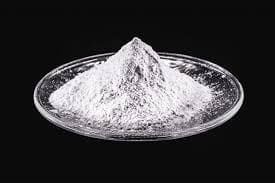
Phosphorus is a chemical element (P) found in nature as phosphate minerals but used homeopathically in its white (or yellow) form, which is waxy, volatile, luminous, and highly reactive. It combusts spontaneously in air and was historically produced from urine and bones.
Proving Information
First proved by Hahnemann. Expanded provings by Hering and others in the early 19th century.
Remedy Essence
Phosphorus embodies the luminous, sensitive soul—open, affectionate, artistic, but prone to burnout, bleeding, and collapse. Like the element itself, it glows beautifully but burns fast. Its energetic quality is centrifugal: always reaching outward for contact, light, understanding. It gives until it bleeds, physically and emotionally. There is a desperate need to connect, yet the body cannot hold the energy. The tissues lose tone; the blood flows too freely. The spirit soars while the flesh weakens. It is a remedy of compassionate exhaustion.
Affinity
- Nervous system: degeneration, hypersensitivity, electric excitability
- Blood and circulation: haemorrhages, anaemia, septic states
- Respiratory tract: lungs, larynx, mucous membranes
- Digestive system: liver, stomach, rectum
- Bones: especially spine and long bones (necrosis, caries)
- Skin and mucosa: burns, ulcers, eruptions
- Emotions: fear, need for affection, vivid imagination
- Left side: many symptoms localised here
- Degenerative states: nerve fatigue, atrophy, emaciation
Better For
- Cold drinks (though often vomited once warmed in the stomach) [Clarke]
- Lying on right side (especially in heart and lung conditions) [Hering]
- Company and emotional reassurance
- Short sleep or rest
- Eating (temporarily relieves burning and gnawing pains)
- Open air, especially cool fresh breeze (except in chest affections)
Worse For
- Twilight and evening (anxiety and fear surge)
- Thunderstorms (marked sensitivity and fear) [Kent]
- Emotional excitement or mental exertion
- Talking (exhausts and aggravates hoarseness or cough)
- Lying on left side, particularly in heart and chest complaints
- Heat, especially of the sun or warm room
- Odours, noise, touch, and light – general sensory hypersensitivity
- Fasting, especially with hypoglycaemic symptoms
Symptomatology
Mind
Phosphorus reflects a luminous, sensitive, open-hearted nature. The mind is marked by exuberant imagination, easily stimulated emotions, and deep impressionability. The patient is affectionate, fears being alone, and craves company and reassurance. Highly empathetic, yet easily overwhelmed by the suffering of others. They tend to absorb the moods around them, leading to emotional instability [Kent]. There is fear of death, darkness, ghosts, and especially thunderstorms [Hering]. Thoughts are scattered; there is loss of memory, especially for words and names. They feel things deeply and can be elated one moment and tearful the next. Mental exhaustion follows excitement. Night brings anxiety with inability to settle; fear something terrible will happen. Ailments after emotional disappointment, grief, or fright [Clarke].
Head
Dullness, heaviness, or lightness in the head with pulsation or congestive fullness. Burning, stitching, or pressing pains, often beginning in the occiput and extending to the forehead. Hair falls out in bunches, especially from the scalp’s vertex. Vertigo from rising, looking up, or fast movement. Headache with glowing heat rising from the spine [Allen]. Brain feels soft, exposed, or “as if the top of the head were open.” Oversensitive scalp. Headaches from mental work or after sleep [Clarke].
Eyes
Eyes burn, smart, or feel full of sand. Vision affected: spots, sparks, or blackness before eyes. Photophobia, particularly in twilight. Pain behind the eyes with congestion or catarrh. Orbital neuralgia. Haemorrhages in retina. Marked degenerative vision disorders, such as optic nerve atrophy [Hering]. Lachrymation, especially outdoors. Colour perception exaggerated, with bright, vivid lights.
Ears
Ringing, buzzing, and roaring sounds. Hearing is oversensitive or suddenly diminished. Sounds echo or feel far away. Ear infections with bloody, purulent discharges. Itching in ear canal with heat and dryness. Hearing loss after typhoid or febrile illness [Boericke].
Nose
Nosebleeds—bright red and profuse, often at night or during fever. Fluent coryza with burning discharge and frequent sneezing. Nasal obstruction alternates sides. Oversensitive to odours. Loss of smell in low vitality states. Crusting in the nostrils with dryness. Offensive odours imagined [Kent].
Face
Pale, waxy, or flushed red. Sunken, hollow cheeks in chronic states. Heat and burning sensations. Neuralgia with burning or tearing pain, especially left-sided. Lips are cracked, dry, and bleed easily. Trembling of facial muscles. Jaw stiffness with toothache or tension.
Mouth
Dryness and burning, particularly at night. Gums bleed easily. Tongue dry, red, and sometimes coated. Metallic or bitter taste. Mouth ulcers that bleed and are slow to heal. In chronic states: foul breath, aphthae, and numbness. Speech may be slow or difficult due to exhaustion.
Teeth
Toothache from cold air, warm food, or sweet things. Pains may be pulsating or neuralgic. Teeth become loose, decay quickly, or crumble. Bleeding from gums, especially when brushing. Sore feeling in gums, worse from pressure.
Throat
Rawness, burning, and tightness. Sensation of splinter or plug in the throat. Hoarseness that worsens from talking. Larynx feels dry and ticklish, with painful cough. Worse in the evening or cold air. Swallowing difficult due to pain and weakness.
Stomach
Marked craving for cold drinks and iced food, which may be vomited once warmed in the stomach [Clarke]. Burning, gnawing, or empty feeling, especially at 11am. Nausea from odours, motion, or emotional upset. Vomiting of bright red blood or sour contents. Sensitive to pressure. Heartburn and waterbrash. Can’t tolerate spicy or fatty food. Symptoms worse when hungry and temporarily relieved by eating.
Abdomen
Distension and bloating with rumbling. Liver region tender and congested. Colicky, drawing, or cutting pains. Abdomen sensitive to touch, worse lying on left side. Diarrhoea or constipation may alternate. Burning in abdomen or rectum.
Urinary
Frequent urging, even at night. Urine is scanty, dark, or bloody. Involuntary urination from fright, laughter, or coughing. Burning during and after urination. Phosphorus is a remedy for nephritis, especially after acute fevers or toxic exposure.
Rectum
Diarrhoea: sudden, profuse, often painless, and worse in the morning, after eating or drinking [Hering]. Stools may be watery, gushing, with undigested food. Often exhausting, with weakness. Burning in rectum after stool. Haemorrhoids that bleed easily. Constipation with soft stool that’s hard to expel—sluggish peristalsis.
Male
Weakness and trembling after coition. Emissions with lascivious dreams. Loss of libido or opposite: increased desire with lack of strength. Seminal fluid thin. Impotence from nervous exhaustion or excessive sexual activity. Gonorrhoea with thin discharge.
Female
Menses are too early, profuse, and bright red. Uterine bleeding from slightest cause. Leucorrhoea white or watery. Burning and pain in ovaries, especially left. Sexual desire increased or absent depending on vitality. Phosphorus is indicated in uterine haemorrhage after childbirth or miscarriage [Boericke].
Respiratory
Shortness of breath, worse lying on left side or after exertion. Breath feels hot or cold when exhaled. Hoarseness, worse in evening or from talking. Voice lost during colds. Spasmodic breathing or sighing respiration in emotional states.
Heart
Chest
Burning, rawness, or tightness in chest. Classic remedy for pneumonia, bronchitis, tuberculosis, and haemoptysis. Cough dry or tickling, worse from talking, laughing, lying on left side. Expectoration: blood-streaked or rust-coloured. Weak, hoarse voice. Sensation of weight or constriction, like a band around the chest. Pain in intercostal spaces. Lungs feel dry and inflamed.
Back
Burning along the spine. Pain between the shoulders. Weakness and trembling from the least exertion. Sensation of icy-cold trickling along spine. Stiffness in lumbar area after rest. Degenerative spine disorders.
Extremities
Limbs weak, trembling, or numb. Fingers and toes burn or feel icy cold. Crawling or tingling in arms and legs. Hands tremble when writing. Pain in bones, especially long bones. Nails brittle or ridged. Neuralgia of limbs, worse from cold.
Skin
Eruptions bleed easily. Ulcers with yellow base and offensive discharge. Ecchymoses and bleeding beneath skin. Burns that blister. Delayed healing. Skin may be dry and transparent or oily and sweaty. Pruritus, especially in the evening. Hair falls in patches [Kent].
Sleep
Unrefreshing, disturbed by dreams or anxieties. Cannot sleep from mental activity or fears. Feels worse on waking. Talks or moans during sleep. Sensitive to noise. Sleepwalking or vivid imagery in dreams.
Dreams
Vivid, anxious, fantastic, or prophetic dreams. Dreams of fire, danger, death, or ghosts. Dreams leave deep impression and may cause residual anxiety on waking. Dream life as vivid as waking life.
Fever
Chilliness with heat of face. Heat rises in flushes. Burning heat followed by debilitating sweat. Fevers with great weakness, desire to be held, or fainting. Pulse may be weak or rapid. Often no thirst despite dryness.
Chill / Heat / Sweat
Chills begin in the back or between the shoulder blades. Heat follows with burning sensations. Sweat profuse, especially at night or during sleep. Cold perspiration on hands and face during faintness.
Food & Drinks
Craves: ice-cold drinks, chocolate, salt, spicy foods, carbonated drinks
Aversion: warm food, meat, strong flavours
Worse from: hot foods and drinks, spicy meals, fasting
Better from: cold drinks, temporarily from eating
Generalities
Tendency to bleed easily. Great prostration, especially after illness or emotional shock. Oversensitive to all impressions: light, sound, odour, pain. Degeneration and atrophy in chronic cases. Sudden collapse with icy coldness of limbs. Marked left-sidedness of symptoms. Rapid exhaustion from minimal effort [Clarke, Hering].
Differential Diagnosis
- Sulphur – Also burning, worse from heat, craving sweets, but more egoistic and messy; Phosphorus is cleaner, more refined, affectionate
- Arsenicum album – Similar prostration, restlessness, burning pains; Arsenicum is more anxious, chilly, and structured
- Tuberculinum – Similar tubercular miasm and alternating states; Tub. is more destructive, migratory, and rebellious
- Lycopodium – Digestive and respiratory overlap; Lyc. is more haughty, insecure, and right-sided
- Pulsatilla – Also desires company, weepy; but Puls. lacks the burning, degenerative tendencies of Phos.
Remedy Relationships
Clinical Tips
- A leading remedy in pneumonia, haemorrhage, and gastric ulcer
- Useful in post-viral fatigue, burnout, and collapse states
- Excellent for artists, empaths, or highly sensitive people
- Children needing Phos. are affectionate, sensitive, and vivid
- Low potencies (6C–30C) for physical states; high potencies (200C–1M) for mental/emotional
- Beware of over-repetition in weakened constitutions
Selected Repertory Rubrics
Mind
- Fear, alone, of being
- Anxiety, evening, twilight
- Imagination, active
- Desire for company
- Sympathetic
Head
- Hair falling, vertex
- Headache, burning
- Vertigo, looking up
Eyes
- Photophobia, twilight
- Vision, blurred
- Burning, eyes
Stomach
- Craves cold drinks
- Vomiting, cold drinks as soon as warm in stomach
- Burning, stomach
Rectum
- Diarrhoea, painless
- Diarrhoea, morning
- Constipation, soft stool difficult to expel
Chest
- Haemorrhage, lungs
- Cough, talking agg.
- Pain, burning, chest
Extremities
- Trembling, hands
- Numbness, fingers
- Coldness, feet
Skin
- Bleeding, easy
- Eruptions, bleeding
- Burns, blistering
Generalities
- Worse, lying on left side
- Worse, evening, twilight
- Better, cold drinks
- Weakness, sudden, collapse
- Sensitivity, external impressions
References
Samuel Hahnemann – Materia Medica Pura: Original proving symptoms and guiding indications on Phosphorus’s sensitivity and bleeding tendencies.
James Tyler Kent – Lectures on Homoeopathic Materia Medica: Detailed psychological themes, sensory hypersensitivity, and differential comparisons.
C. Hering – Guiding Symptoms of Our Materia Medica: Clarified haemorrhagic and degenerative states, as well as rich insights on fever and lungs.
William Boericke – Pocket Manual of Homoeopathic Materia Medica: Provided clinical tips, modalities, and organ-specific applications.
John Henry Clarke – Dictionary of Practical Materia Medica: Elaborated on food cravings, modalities, and respiratory specifics with broad detail.
Timothy Allen – Encyclopaedia of Pure Materia Medica: Extensive repertory support and proving verification, particularly for eye and nerve symptoms.
Disclaimer
Educational use only. This page does not provide medical advice or diagnosis. If you have urgent symptoms or a medical emergency, seek professional medical care immediately.