

Phellandrium aquaticum
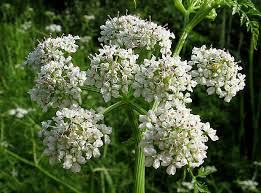
Substance Background
An aquatic umbel of Apiaceae occurring in marshes and slow streams. The homeopathic tincture has been prepared chiefly from the ripe seeds (also herb), then potentised by standard methods [Hughes], [Clarke]. Allied umbellifers contain volatile oils and polyacetylenes with irritant and, in some members, neurotoxic tendencies; crude water-dropworts are associated with gastro-intestinal irritation, dizziness, and convulsive phenomena, a toxicologic colour that helps explain the remedy’s laryngo-bronchial irritability, tickling cough, and exhausting expectoration [Hughes], [Allen]. Classical authors place Phel. among remedies for chronic bronchitis, bronchiectasis, and phthisical cavities, where copious, purulent, often offensive sputum forms the clinical keynote; it has also been noted in hoarseness and tickling at the bifurcation with cough as soon as the head touches the pillow [Hering], [Allen], [Clarke], [Boericke]. [Proving] [Clinical] [Toxicology].
Proving Information
Pathogenesis compiled from fragmentary provings and clinical observations in the 19th century: tickling at the suprasternal notch and tracheal bifurcation, hoarseness, cough from talking or laughing, suffocation on lying, copious purulent and offensive expectoration, stitching pains about the apices and below the clavicles, night sweats, and weakness after coughing; modalities worse lying down (especially on attempting sleep), worse evening and night, worse warmth of room, better open air and sitting propped [Hering], [Allen], [Clarke], [Boericke], [Boger]. Tags: [Proving] [Clinical].
Remedy Essence
Core Themes / Remedy Essence. Phel. is the tickle–drainage chest: a persistent, intolerable tickle in the supra-sternal notch or bifurcation that sets off cough as soon as the head touches the pillow, with paroxysms worse at night and in warm rooms, and decisively better in cool, open air and sitting propped [Hering], [Allen], [Clarke]. The paroxysm culminates in copious, purulent, sometimes fetid expectoration—classically a bronchiectatic or cavity wash-out—after which breathing is freer but the patient is spent. Voice tires early; talking, reading, laughing rekindle the tickle; therefore the patient becomes quiet, economising speech, and seeks air near a window. Night sweats, apical soreness, intercostal stitch on turning, and palpitation on ascent complete the clinical silhouette, which is tubercular in colouring yet practical in day-to-day management: ventilate, cool, prop, sip—and let the lungs drain.
Differentiation. Choose Phel. when lying itself, not merely sleep, ignites a tickle that will not be pacified until a torrent of sputum comes; when rooms that are warm and crowded invariably worsen; and when cool air is sought instinctively with marked relief. If fetid nummular sputum and left sub-scapular pain predominate, think Pix-liq.; if weakness and green sputum with voice fatigue dominate, think Stann.; if burning, bleeding, and thirst for cold lead, think Phos.; if the patient is better warmth and horribly sensitive, think Hepar. Phel. serves not only as a palliative in grave chests but also as a pointer to environmental and nursing measures, without which medicines fail to hold the gain [Farrington], [Clarke], [Boericke].
Affinity
- Lungs—cavities and bronchiectasis. Large quantities of purulent, greenish, sometimes fetid sputum, with rattling and exhaustion; cough often looser in morning, oppressive at night; a “washing-out” expectoration after long tickling paroxysms is characteristic [Hering], [Clarke], [Boericke].
- Larynx and tracheal bifurcation. Tickling point at the supra-sternal notch or bifurcation that provokes cough on lying or talking; hoarse, fatigued voice in readers/speakers [Allen], [Clarke].
- Apices (tubercular field). Stitching, raw pains beneath clavicles; apical soreness with nocturnal cough, aligning to the tubercular miasm [Hering], [Boger].
- Sweat/thermoregulation. Night sweats with rank odour after cough paroxysms; desire for cool air though the chest feels tender [Clarke], [Boericke].
- Heart–lung strain. Palpitation and breathlessness from trivial exertion during chest disease; settles as expectoration becomes free [Clarke], [Allen].
- Ears/nose linkage. Post-nasal trickle sensitises the laryngeal tickle, prolonging cough when recumbent (micro-comparison with Kali-bi.) [Clarke].
- General debility from drainage. Prostration out of proportion to exertion—the sputum-loss picture; appetite capricious, craving cool drinks [Boericke], [Nash].
- Side-notes (lesser). Pleurodynia from cough; pectoral wall soreness and intercostal stitch after spells [Boger], [Clarke].
Better For
- Open air; cool room — eases tickle and oppression, though the patient may still be weak [Clarke], [Boericke].
- Sitting up propped; forward-bent — unloads apices and allows freer expectoration [Hering], [Boger].
- Morning, once sputum is freely raised — cough loosens, breathing easier; fatigue then follows [Allen].
- After expectorating large quantities — transient relief, chest feels “washed out” [Clarke].
- Gentle sipping of cool water — soothes laryngeal tickle and hoarseness (reader/speaker type) [Clarke].
- Slow walking in fresh air — quietens paroxysms; patient dislikes close rooms [Boericke].
- Humidified cool air — lowers irritant threshold at the bifurcation [Allen].
- Restfulness; silence — speech and laughter readily rekindle cough; quiet spares the larynx [Hering].
Worse For
- Lying down, especially on first going to sleep — tickle at notch/bifurcation becomes insupportable; the paroxysm bursts forth [Hering], [Allen].
- Warm, crowded rooms; stove heat — cough drier, irritative; voice fails in readers [Clarke].
- Evening and night — oppression, apical stitch, night sweats; sleep broken [Boericke].
- Talking, laughing, reading aloud — immediate cough from laryngeal tickle and weakness [Allen], [Clarke].
- Turning in bed; lying on painful side — sets up pleurodynia/stitch, renews cough [Boger].
- After meals — fullness mounts to cough, sometimes retching of mucus [Clarke].
- Ascending — breath short, palpitation; must pause to expectorate [Clarke], [Nash].
- Damp fog — in some, increases rattling and weight on chest (phthisical terrain) [Clarke].
Symptomatology
Mind
The mental picture is that of a patient worn by drainage: anxious at night from oppression, yet disposed to hope after a morning clearance; irritability attends interrupted sleep and the ceaseless tickle that renews as soon as he lies down—a direct echo of the modalities [Clarke], [Hering]. Speech fatigues him, producing cough and hoarseness, so he answers briefly and avoids long conversation (Mind ↔ Larynx cross-link). There may be a fear of suffocation on lying, prompting restlessness until the right propped posture is found; with cool air he calms and may even doze (Mind ↔ Respiration cross-link). The damped morale of chronic suppuration appears—discouragement after night-sweats; yet a surprisingly free morning revives confidence, only to ebb again in the evening (diurnal polarity). Some patients grow fastidious about sputum’s odour, cleaning compulsively; others feel shame at the quantity and avoid company, especially in warm rooms where cough betrays them (worse warm rooms, better open air). Children appear peevish at bedtime, dreading the tickling paroxysm that always comes when head touches the pillow, a classic guide to Phel. [Hering], [Allen]. A quiet, resigned tone replaces earlier fretfulness when expectoration flows, confirming the somatic driver of mood.
Head
From night-waking and cough there arises a heavy head with frontal pressive ache and a hot vertex; cough-jars send stitches to the temples [Allen]. The supra-sternal tickling seems to radiate upward, making the mouth water and eyes smart before the first cough breaks (Head ↔ Throat ↔ Larynx cross-link). Warm rooms aggravate head oppression; open air cools both head and chest (modal echo). Vertigo appears on first rising in phthisical subjects, relieved after free expectoration. Unlike Kali-carb., which has rigid interscapular stitches with splitting head pain at 2–3 a.m., Phel. presents a lighter, tickle-driven head discomfort that yields to cool and air [Clarke], [Boger]. Children bang the pillow from irritation when the tickle mounts; the head symptom is secondary and reflects sleep-loss.
Eyes
Smarting and watering at the onset of paroxysms, with a desire to rub the inner canthus; reading by lamplight provokes cough and hoarseness (Eyes ↔ Larynx link) [Allen]. Lids feel heavy after night-sweats; vision clears with cool air. No primary keratitis belongs; the eye signs are reflex from laryngeal irritation and fatigue.
Ears
Crackling in Eustachian tubes when hawking thick mucus; a burst of cough may produce transient roaring or fullness. No specific otitis; otic symptoms mark catarrhal contiguity in the upper air-passages [Clarke].
Nose
Morning hawking of stringy post-nasal mucus continues into the chest, producing tickle low in the throat; smells become overpowering in warm rooms and set off cough (worse warm, crowded places) [Clarke], [Allen]. Cool air clears the nose and reduces the laryngeal irritability; bland coryza in damp weather links to the tubercular terrain.
Face
Flushed during paroxysms, then pale, even waxy, with dark under-eyes from night sweats; lips dry and often cracked by mouth-breathing at night [Clarke]. The drawn look relaxes after a good morning expectoration.
Mouth
Taste foul during purulent expectoration; sweetish-sickly or putrid streak noted by some, aligning with the fetid breath of bronchiectasis [Clarke], [Boericke]. Tongue coated in the morning, cleaning by midday. Mouth dry from mouth-breathing; cool water relieves.
Teeth
No inherent odontalgia; jarring the teeth on cough accentuates intercostal stitch. Teeth feel elongated on waking after a rough night, a non-specific sign of dehydration from sweats.
Throat
Tickle felt low down, at or just above the bifurcation; the supra-sternal notch is often indicated by patients as the spot that “itches” for a cough [Allen], [Hering]. Warm drinks sometimes increase the tickle (worse warmth); sipping cool delays the cough. Rawness after long bouts; voice becomes husky.
Stomach
Coughing fits bring nausea; retching may expel mucus swallowed from the chest [Allen]. Appetite variable; desire for cool drinks and small cold morsels that soothe the throat (Food/Drink cross-link). Warm, heavy meals worse—pressure mounts to cough; light, cooling fare sits better [Clarke].
Abdomen
Soreness of upper abdominal walls from coughing; stitch in hypochondria on turning in bed (modal echo) [Boger]. Flatulence after meals predisposes to fullness and a cough burst; relief on belching or free expectoration.
Urinary
Night sweats entail scanty, dark urine on waking; later, with drinking, urine becomes more free. No primary urinary sphere belongs to Phel.
Rectum
Urging to stool after paroxysms from abdominal strain; otherwise unremarkable. In children, loose stool after a bad night, then sleep by forenoon when chest clears.
Male
Exertion fatigues with palpitation; coitus or heated rooms immediately provoke cough in convalescents—an autonomic exposure trigger rather than a genital pathology [Clarke].
Female
Respiratory
Shortness of breath on lying or turning; must sit propped or seek cool air; sighing relieves for a moment, then tickle returns [Allen], [Hering]. In foggy weather, heaviness increases; on clear, cool mornings, respiration is easiest (modal polarity).
Heart
Palpitation with ascent or during paroxysms; pulse soft, easily excited; the cardio-pulmonary strain is secondary to pulmonary disease and improves as expectoration is established [Clarke], [Nash].
Chest
The chest feels raw and weighty, especially below clavicles; stitching shoots on turning or deep breath; the patient dreads lying, because the tickle flares and floods the bronchi with mucus [Hering], [Boger]. Rales coarse in the morning with bucketful expectoration (so described), a true bronchiectatic drainage picture [Clarke]. Offensive breath during cough points to cavities. After spells, the chest feels hollow, yet breathing is freer, matching the Better after expectorating modality.
Back
Inter-scapular ache from coughing; stitch to scapula on the side most affected (apical field) [Boger]. Warmth aggravates the ache; cool air eases (modal echo).
Extremities
Tremulous weakness after paroxysms; thighs ache when ascending; hands clammy during night sweats. Peripheral cyanosis in advanced drainage states clarifies the severity.
Skin
Night sweats with sometimes rank odour; skin sallow in chronic states; chafing along axillary line from sweat and coughing motion [Clarke]. No specific eruption is central.
Sleep
Sleep is broken by tickling cough as soon as the head touches the pillow; the patient must sit up, sip cool water, and cough until a mass is raised, after which sleep returns briefly [Hering], [Allen]. Dreams of suffocation or falling occur in the worst nights; towards morning the cough loosens and a restorative doze appears (diurnal swing). Children become cross at bedtime, anticipating the inevitable paroxysm; they sleep peacefully after a free expectoration. The environment (cool, fresh air; quiet) modifies the threshold decisively (modal cross-check).
Dreams
Dreams of rising to open a window, searching for cool air, or coughing up masses; on waking the tickle is indeed present, and the ritual repeats—sit up, sip, expectorate, doze. Dreams fade as the morning lightens the chest.
Fever
Low-grade evening febricula with flush and night sweats in the phthisical terrain; not a high inflammatory fever. Chill on lying, heat during paroxysm, and sweat after expectorating form the Chill/Heat/Sweat sequence [Clarke], [Boericke].
Chill / Heat / Sweat
Chill on first lying with tickle; heat and flush during the cough-strain; sweat afterwards, sometimes fetid, chiefly night and towards morning [Clarke], [Boericke]. Sweat gives brief ease but weakens.
Food & Drinks
Desire for cool drinks; warm drinks may increase laryngeal tickle; heavy, hot foods worse after evening, precipitating a cough-burst; light, cool fare better [Clarke]. Milk may thicken mucus in some, but this is not a keynote.
Generalities
Phel. addresses the airway patient whose cough is roused by a tickle at the notch/bifurcation, worse as soon as he lies down, worse in warm rooms, and better in cool, open air, with a copious purulent, sometimes fetid expectoration that brings relief yet leaves prostration [Hering], [Allen], [Clarke], [Boericke]. Add apical soreness, intercostal stitch, hoarseness from speaking, night sweats, and palpitation on ascent, and the likeness strengthens. Differentially, Phel. stands near Stann. (profound weakness, green sputum, voice fatigue), Phos. (tickle and haemorrhagic tendency, burning), Hepar (great sensitiveness, suffocative cough in cold air but better warmth—opposite to Phel.), Pix-liq. (very fetid nummular sputum, pain under left scapula), Kali-s./Kali-bi. (stringy/post-nasal element), and Lach. (cannot bear pressure and worse after sleep) by sorting the tickle-on-lying, cool-air amelioration, and “washed-out” relief after large expectoration that signal Phel. [Farrington], [Boger], [Clarke]. The tubercular colouring appears in apices, night sweats, and diurnal swing.
Differential Diagnosis
Aetiology / Terrain (bronchiectasis, cavities, phthisis)
- Pix liquida — Very fetid, nummular sputum; pain under left scapula; Phel. more tickle-on-lying, cool-air relieved, and “washed-out” feeling after torrents [Clarke], [Farrington].
- Stannum — Extreme weakness, green, sweetish sputum; voice fatigues; Stann. is more exhausted from slight effort; Phel. has a stronger tickle focus and cool-air craving [Allen], [Farrington].
- Phosphorus — Tickling and burning, haemorrhagic tendency, thirst for cold; Phel. lacks the marked burning and easy bleeding, and has more fetid drainage [Clarke], [Kent].
- Hepar sulph. — Very sensitive airways, croupy cough, better warmth; Phel. is worse warmth, better cool air [Boericke].
Larynx / bifurcation tickle
- Kali bichromicum — Stringy, yellow plugs; sinus/post-nasal with morning hawking; Phel. more bifurcation tickle and lying-down ignition [Clarke], [Boger].
- Drosera — Spasmodic, barking, night cough with retching; Phel. has looser, purulent morning drainage and less spasmodic violence [Farrington].
Modalities (lying, warmth, evening/night)
- Lachesis — Cannot lie on left, cough after sleep, agitation; Phel. is excited by lying itself, especially on first reclining, and seeks cool air rather than throws off covers [Kent], [Clarke].
- Bryonia — Worse motion; dry, painful cough; Phel. is less pleuritic-dry, more purulent with tickle trigger [Clarke].
Sweats / debility
- Silicea — Night sweats, chronic suppuration; Phel. more airway-centred with tickle-on-lying and cool air relief [Boericke].
- Tuberculinum — Constitutional restlessness, recurrent colds; Phel. serves as palliative when drainage dominates [Farrington].
Remedy Relationships
- Complementary: Stannum — When profound weakness and voice fatigue remain after Phel. reduces the tickle–drainage cycle [Farrington].
- Complementary: Kali-bichromicum — For post-nasal and stringy element maintaining bifurcation irritation [Clarke].
- Complementary: Silicea — Builds resistance in chronic suppurative chests once acute tickle–paroxysms are tamed [Boericke].
- Follows well: Drosera — After spasmodic night phase subsides, Phel. to manage purulent morning drainage [Farrington].
- Follows well: Hepar — When warm-room phase passes and the patient now craves cool air yet still coughs on lying [Clarke].
- Precedes well: Pix liquida — If fetor and nummular character dominate after tickle eases [Clarke].
- Precedes well: Phosphorus — If haemoptysis or burning apices come to the fore later [Kent].
- Antidotes (functional): Cool, fresh air, upright posture, sipping cool water, quiet—nursing measures aligning with modalities [Clarke], [Hering].
Clinical Tips
- Bronchiectasis with night paroxysms, worse on lying, better cool air: Phel. 30C–200C according to sensitivity; dose at dusk and bedtime; insist on ventilation and upright pillows [Clarke], [Boericke].
- Teachers/speakers with hoarseness; cough from reading or talking, tickle at notch: intercurrent Phel. 30C before duties; cool water sips during breaks [Allen], [Clarke].
- Phthisical cavities with fetid morning floods: Phel. to promote drainage; later Pix-liq. or Stann. if character (fetor/nummuli vs weakness) dictates [Farrington], [Clarke].
- Mini-pearls: “Cough as soon as head touches pillow; must sit and open the window; a basinful comes and I can sleep,” “Voice fails in warm rooms; can speak again at the window.” [Hering], [Allen], [Clarke]. [Clinical].
Selected Repertory Rubrics
Mind
- Anxiety at night from oppression of chest; relieved by open air — environmental cue [Clarke].
- Irritability from broken sleep by cough — paroxysm-driven mood [Allen].
- Aversion to talking because it excites cough — economy of speech [Allen], [Clarke].
- Fear of suffocation on lying — seeks propped posture [Hering].
- Cheerfulness after free morning expectoration — diurnal polarity [Clarke].
- Fastidious about sputum odour — bronchiectatic shame [Clarke].
Head / Throat / Larynx
- Tickling at suprasternal notch/bifurcation excites cough — keynote [Hering], [Allen].
- Hoarseness from talking/reading; warm room aggravates — reader’s larynx [Clarke].
- Cough as soon as head touches pillow — ignition sign [Hering].
- Sipping cool water ameliorates laryngeal tickle — practical aid [Clarke].
- Rawness of larynx after paroxysms — overuse sign [Allen].
- Warm drinks aggravate tickle — thermal modality [Clarke].
Chest
- Expectoration; copious; purulent; offensive — bronchiectasis/cavities [Clarke], [Boericke].
- Stitch below clavicle; apical soreness — tubercular field [Hering].
- Oppression at night; better sitting up — posture relief [Boger].
- Rales coarse in morning; flooding sputum gives relief — drainage pattern [Clarke].
- Pleurodynia from coughing; turning in bed renews stitch — motion trigger [Boger].
- Breath short on ascending; palpitation — exertional overlay [Clarke].
Respiration
- Worse lying; must sit up — central modality [Hering].
- Better open, cool air — environment remedy [Clarke].
- Sighing respiration before cough — threshold sign [Allen].
- Oppression evening and night — timing [Boericke].
- Desire to have window open — rubric of relief [Clarke].
- Fear of suffocation in warm room — thermal conflict [Clarke].
Cough
- Cough excited by tickling at notch; as soon as head touches pillow — hallmark [Hering], [Allen].
- Cough aggravated by talking, laughing, reading — laryngeal fatigue [Allen], [Clarke].
- Cough with copious purulent expectoration; relief after — wash-out sign [Clarke].
- Cough worse evening and night; better morning after raising — diurnal swing [Boericke].
- Cough in warm rooms; better cool air — thermal polarity [Clarke].
- Cough with retching of mucus — effort end-point [Allen].
Expectoration
- Greenish, purulent, sometimes fetid sputum — cavity drainage [Clarke].
- Profuse morning floods; nummular tendency in some cases — pattern note [Clarke].
- Sweetish or putrid taste — qualitative clue [Boericke].
- Relief after raising large quantities — clinical guide [Clarke].
- Offensive breath during paroxysms — bronchiectatic sign [Clarke].
- Sputum increases in warm rooms — aggravation [Clarke].
Generalities
- Worse warm, crowded rooms; better open cool air — master modality [Clarke].
- Prostration after expectoration — drainage fatigue [Boericke].
- Night sweats with chest disease — terrain [Clarke].
- Ascending aggravates; must pause to expectorate — exertional rubric [Clarke].
- Turning in bed renews stitch — motion rubric [Boger].
- Children worse at bedtime; dread of the tickling paroxysm — paediatric pointer [Hering].
References
Hering — The Guiding Symptoms of our Materia Medica (1879): tickle at notch; cough on lying; apical soreness; drainage relief; modalities.
Allen, T. F. — Encyclopaedia of Pure Materia Medica (1874–79): proving fragments; laryngeal tickle; cough from talking; diurnal swing; expectoration notes.
Clarke, J. H. — A Dictionary of Practical Materia Medica (1900): preparation from seed; chronic bronchitis/bronchiectasis; warm-room aggravation; open-air amelioration.
Boericke, W. — Pocket Manual of Homeopathic Materia Medica (1901): keynotes—copious purulent sputum; night sweats; worse lying; better open air.
Boger, C. M. — Synoptic Key (1915): apical stitch; posture relief; turning aggravates; relationships.
Hughes, R. — Cyclopaedia of Drug Pathogenesy (1870): toxicologic colour from umbellifers; laryngo-bronchial irritability context.
Farrington, E. A. — Clinical Materia Medica (1887): bronchiectasis/cavity differentials—Stann., Phos., Pix-liq., Kali-bi.; clinical use.
Nash, E. B. — Leaders in Homeopathic Therapeutics (1899): exertional dyspnoea with drainage; practical tips.
Kent, J. T. — Lectures on Homeopathic Materia Medica (1905): contrasts—Phosphorus, Lachesis, Bryonia, Hepar; miasmatic undertone.
Tyler, M. L. — Homeopathic Drug Pictures (1942): bedside colour in phthisical chests; open-air craving; hoarseness with talking.
Dewey, W. A. — Practical Homeopathic Therapeutics (1901): management of bronchitis/bronchiectasis; nursing measures (air, posture, fluids).
Phatak, S. R. — Materia Medica of Homeopathic Medicines (1941): concise generals; modalities; relations.
Disclaimer
Educational use only. This page does not provide medical advice or diagnosis. If you have urgent symptoms or a medical emergency, seek professional medical care immediately.