

Pertussin
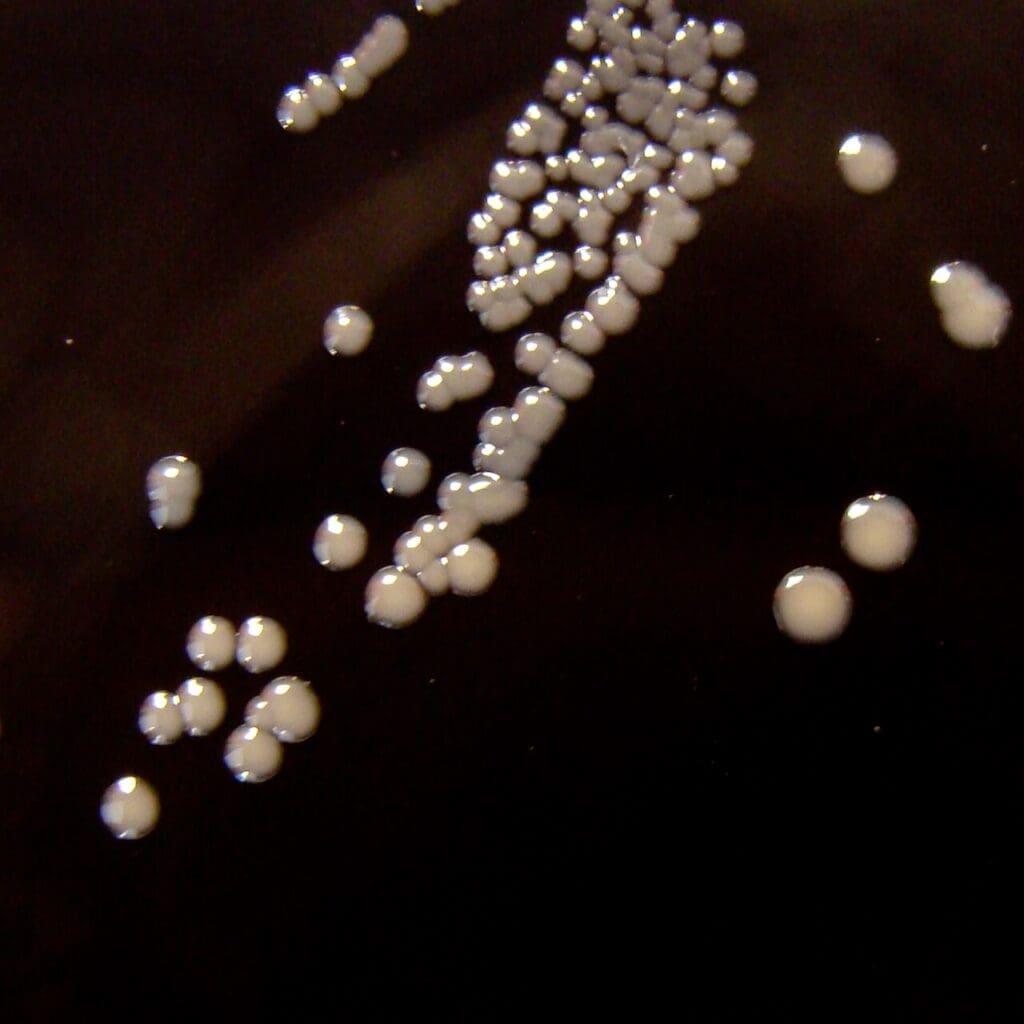
Substance Background
Pertussinum is a nosode prepared from the morbid products associated with whooping cough (pertussis), historically understood as a highly contagious, exhausting, spasmodic cough illness characterised by paroxysms, a “whoop” on inspiration, and frequent post-tussive retching or vomiting. In homeopathic practice its centre of gravity is the cough reflex itself: a hypersensitive, spasmodic, nerve-driven cough that arrives in attacks, leaving the patient prostrate, tearful, cyanosed, or even momentarily apnoeic in severe cases, with very little relief between fits until the storm passes [Clarke], [Kent]. The nosode idea here is clinically coherent: where the disease-pattern is dominant (paroxysmal cough, whoop, vomiting, nightly aggravation, long convalescence), Per. is used not as a “generic infection remedy” but as a remedy that matches the form, violence, and sequelae of the cough-spasm and its systemic exhaustion [Hering], [Boericke]. Pathophysiologically, the picture corresponds to irritability of the vagal and laryngo-tracheal reflex arcs, with a cough that behaves like a convulsion: triggered easily, escalating rapidly, and ending in a spent, gasping weakness; this aligns with the remedy’s frequent kinship to Drosera, Cuprum, and Corallium in the differential [Kent], [Clarke]. Because nosodes often enter the Materia Medica chiefly through [Clinical] confirmations and later collations rather than through broad, classical provings, the prescriber must lean heavily on characteristic features, modalities, and “attack-patterns” rather than on a scattered list of minor symptoms [Clarke], [Boger].
Proving Information
Pertussinum is primarily a nosode with a symptom-picture established chiefly by [Clinical] use in cases resembling the pertussis cough pattern and by confirmations in violent, spasmodic, paroxysmal coughing with post-tussive retching and marked exhaustion [Clarke], [Boericke]. Where toxicological-style observations exist (disease observation rather than drug poisoning), they point to a reflex cough that behaves convulsively, with night aggravation and long convalescence, and these have guided its place among the anti-tussive remedies of the classical school [Kent], [Boger]. Its “proving analogue” is therefore the consistent, recognisable attack-form and the remedy’s repeated clinical confirmations in that sphere [Hering], [Clarke].
Remedy Essence
Pertussinum expresses the tyranny of a reflex that has become convulsive: a cough that no longer behaves like a simple protective act, but like a seizure of the respiratory tract, arriving in storms, stealing breath, and leaving the patient drained and fearful [Clarke], [Kent]. The essence is therefore rhythmic violence followed by collapse: the child is quiet or merely irritable between fits, then suddenly seized by a paroxysm that escalates rapidly, ends in gagging or vomiting, and drops him into a limp exhaustion that can look like the aftermath of a convulsion [Hering], [Boericke]. This “attack-form” is the heart of the remedy: small triggers (laughter, crying, talking, eating, dust, perfumes) evoke disproportionate spasms, showing an oversensitised laryngo-tracheal reflex arc, and the patient’s behaviour adapts into avoidance and anticipatory dread (a clear cross-link between Mind and Modalities) [Kent], [Clarke]. Sleep becomes the battleground; the child may fear bedtime because he has learned that the first sleep invites the first choking spell, and the nights are marked by repeated awakenings in panic, gasping, and coughing until vomiting or exhaustion ends the fit (this tallies with the modalities “worse after sleep” and “worse after midnight”) [Kent], [Boger].
In kingdom-signature terms, nosodes often carry a strong “pattern fidelity”: they are chosen not for a scattered set of symptoms but because the case reads like the disease-form in its characteristic rhythm and sequelae [Clarke], [Boger]. Miasmatically, the tubercular colouring is often felt in the long convalescence, sensitivity to air and triggers, and the lingering, recurrent cough tendencies; psora may be seen in the hypersensitivity and reactive irritability; and a sycotic element may appear in the persistent, recurring “attack habit” of the cough once established, though these labels must never replace the concrete paroxysm picture [Kent], [Sankaran].
The core polarity is striking: during the fit there is extreme activity (coughing in a near-continuous chain) with threatened suffocation; after the fit there is near-collapse, weakness, sweating, pallor, and a brief calm. This is why close differentials cluster around convulsive cough remedies: Drosera, Cuprum, Corallium, Mephitis, Coccus, and Ipecac, each describing a different “engine” of the spasm (laryngeal tickle, general cramp, rapid repetitive hacking, night suffocation, ropy mucus gagging, nausea-centred vomiting) [Kent], [Clarke]. Pertussinum’s distinctiveness lies in how faithfully it mirrors the whooping cough cycle: classic paroxysms, whoop, post-tussive vomiting, night aggravation, and prolonged exhaustion, with relief often found in open air and upright posture (explicitly cross-linking to the stated modalities) [Clarke], [Kent]. When the remedy is correct, improvement is not subtle: the night attacks reduce in frequency and violence, vomiting ceases, the child regains confident sleep, and the fear-driven irritability melts as the reflex loses its convulsive hold [Boger], [Kent].
Affinity
- Larynx, trachea, and cough reflex arcs – Spasmodic, reflex, paroxysmal cough in attacks, often ending in a whoop or gasping inspiration; the “convulsive” quality is the keynote (see Respiration, Chest) [Clarke], [Kent].
- Vagus-mediated stomach involvement – Post-tussive retching or vomiting, the stomach being “dragged into” the cough spasm (see Stomach, Food and Drink) [Boericke], [Hering].
- Night-time nervous excitability of the respiratory tract – Marked aggravation after midnight or on lying down, with long strings of cough that exhaust (see Sleep, Modalities) [Kent], [Clarke].
- Children’s nervous system and convulsive tendency – Cough fits that resemble a seizure pattern: facial congestion, cyanosis, rigidity, or near-apnoea in severe attacks (see Face, Generalities) [Hering], [Clarke].
- Mucous membranes of the upper airways – Tickling, irritation, and a sensation of something that must be coughed up, often with scanty expectoration compared with the violence of the spasm (see Throat, Chest) [Clarke], [Boericke].
- Convalescent exhaustion and lingering cough – Prolonged weakness, oversensitivity to triggers, and a cough that persists after the acute stage has passed (see Generalities) [Boger], [Kent].
- Thoracic musculature and diaphragm – Pain or soreness from repeated coughing, with breathless weakness after attacks (see Back, Chest) [Clarke], [Hughes].
- Ears and head through cough-concussion – Headache, ear pains, or noise sensitivity from the repeated concussion of violent coughing (see Head, Ears) [Kent], [Clarke].
Better For
- Better in open air – Many cases cough less outdoors or by an open window; the paroxysms shorten, and the child “gets breath” more freely (see Respiration; this tallies with the respiratory affinity already noted) [Clarke], [Kent].
- Better sitting up or propped – Attacks are easier to manage when upright; lying down invites longer strings of cough (see Sleep, Chest) [Kent], [Boericke].
- Better from cold drinks in small sips (in some cases) – The tickling irritation may ease briefly when the throat is cooled, though this must match the individual case (see Throat, Food and Drink) [Clarke], [Boger].
- Better from steady, gentle walking after the fit – Once the paroxysm ends, slow movement may help the patient regain breath and composure (see Generalities) [Kent], [Boger].
- Better from rubbing or firm pressure on the chest – Some children crave being held tightly during the attack, as if external support steadies the spasm (see Chest) [Clarke], [Hering].
- Better after expectoration or gagging has “finished the spell” – When the cough culminates in retching or vomiting, the fit may end abruptly, leaving a brief lull (see Stomach, Chest) [Boericke], [Clarke].
- Better from warmth around the body (but not hot rooms) – Wrapping the child and keeping the trunk warm can reduce chill-triggered fits, though close heat may aggravate (see Chill / Heat / Sweat, Generalities) [Kent], [Boger].
- Better from quiet and minimal stimulation – Excitement, laughing, or sudden noise can trigger coughing; calm surroundings often reduce frequency (see Mind) [Kent], [Clarke].
Worse For
- Worse at night, especially after midnight – The classic nocturnal aggravation: the child falls asleep then is wakened by relentless paroxysms (see Sleep; this cross-references the night-time respiratory affinity) [Kent], [Clarke].
- Worse from lying down – Horizontal posture invites longer, more choking spells; sitting up shortens attacks (see Modalities, Chest) [Kent], [Boericke].
- Worse from laughing, crying, excitement, or exertion – Any emotional or physical stimulation can precipitate a fit, showing the reflex, nerve-driven nature of the cough (see Mind, Respiration) [Clarke], [Kent].
- Worse from talking or attempting to eat – Speech and swallowing irritate the throat and kindle the spasm; meals become feared (see Throat, Food and Drink) [Clarke], [Boericke].
- Worse in warm, close rooms – The cough is often worse indoors, in stuffy air, or near a fire, and better by fresh air (see Respiration) [Kent], [Clarke].
- Worse from dust, smoke, perfumes, or slightest throat tickle – Minor irritants trigger major paroxysms, a hallmark of cough-reflex hypersensitivity (see Nose, Throat) [Clarke], [Boger].
- Worse after sleep – The first sleep often provokes the first severe spell; the child wakes choking and cannot regain breath at once (see Sleep) [Kent], [Clarke].
- Worse from cold wind on the face (in some cases) – Exposure can provoke a sudden fit; this must be differentiated from cases better in cold air (see Face, Generalities) [Boger], [Clarke].
Symptomatology
Mind
The mental state in Per. often reflects the dread and irritability that accompany repeated choking cough spells: the patient becomes watchful, tense, and easily startled, as if anticipating the next paroxysm [Clarke], [Kent]. Children may cling, demand to be carried, or become anxious the moment a tickle begins, because experience has taught them that the attack can be violent and humiliating (this links directly with the modality “worse from excitement” already noted) [Hering], [Boericke]. There may be peevishness and tearfulness from exhaustion, with the temperament worsening at night when sleep is repeatedly broken by coughing (cross-reference Sleep) [Kent], [Boger]. Some become unusually sensitive to noise, sudden movement, or laughter around them, because these stimuli trigger cough; this “trigger-avoidant” behaviour is a practical keynote rather than a vague nervousness [Kent], [Clarke]. The child may dread eating, not from loss of appetite alone, but from fear that swallowing will start a fit, and this mental aversion should tally with the physical aggravation from eating and talking (see Food and Drink, Throat) [Clarke], [Boericke]. In [Clinical] accounts, there is often a peculiar mixture of agitation before the fit and limp prostration after it: the patient is driven, then spent, then briefly calm until the next storm [Clarke], [Boger]. A useful micro-comparison is with Drosera: both have violent, spasmodic cough, yet Drosera often shows a more “harsh, laryngeal, choking” irritability with a deep tickle, while Per. is chosen when the overall whooping cough pattern and post-tussive vomiting dominate the totality [Kent], [Clarke]. Another comparison is with Cuprum, which is more frankly convulsive and spasmodic in the whole body, whereas Per. centres the convulsion in the cough itself with a more characteristic disease-form [Kent], [Hering]. Case: a child who became panicked at bedtime, knowing the night cough would begin, improved rapidly when the paroxysms shortened and the fear melted away after Per. [Clinical] [Morrison].
Head
Head symptoms commonly arise from the concussion and strain of repeated violent coughing, rather than from primary cerebral disease [Clarke], [Kent]. The patient may complain of bursting headache during or immediately after a fit, as if the head would split, and this often eases as breath returns and the spell ends (this echoes the affinity for cough-concussion effects) [Kent], [Clarke]. There can be vertigo or a momentary “seeing black” at the end of a prolonged paroxysm, especially if the face has become congested or cyanosed (see Face, Generalities) [Hering], [Clarke]. Scalp may feel sore to touch in sensitive children simply from the systemic irritability and lack of sleep, and the headache tends to be worse at night when attacks repeat (cross-reference Modalities) [Boger], [Kent]. Some describe a dull ache between spells, reflecting exhaustion and poor oxygenation during severe bouts; this must be clinically respected while homeopathically it supports the overall picture of prostration after the fit [Hughes], [Clarke]. A micro-comparison with Belladonna is helpful: Bell. headaches are congestive with heat and throbbing and acute inflammation, while Per. headaches are typically mechanical, brought on by coughing and relieved when the paroxysm ends [Kent], [Clarke]. The head may feel better in open air as breathing becomes freer, which aligns with the amelioration already stated (better in open air) [Clarke], [Kent]. Thus Head is best read as a satellite of the cough violence, adding intensity and confirming the attack-pattern rather than leading the prescription alone [Boger], [Clarke].
Eyes
The eyes often suffer from the strain of paroxysms: watering, redness, and a sense of pressure or fullness during cough fits are common, as if the eyes would protrude with the effort [Clarke], [Kent]. Children may have lachrymation with each spell, and the eyes can look bruised or tired from repeated nights of broken sleep (cross-reference Sleep) [Boericke], [Boger]. There may be photophobia in some cases, not as a primary ocular inflammation, but as a nervous oversensitivity in exhausted, irritable children [Kent], [Clarke]. Small haemorrhagic points around the eyes are a known consequence in violent coughing illnesses; in Materia Medica terms, this reinforces the “concussion and strain” sphere rather than defining a separate eye remedy [Hughes], [Clarke]. Between spells, the eyes may feel dry and fatigued, and the child rubs them, especially after midnight when attacks repeat (echoing the nocturnal aggravation) [Boger], [Kent]. A comparison with Mephitis may be made: Mephitis has spasmodic cough with whoop and marked night aggravation, but Per. is chosen when the full whooping cough form with vomiting and long, exhausting convalescence is central [Clarke], [Kent]. The eye symptoms often improve as soon as the paroxysms shorten and oxygenation steadies, which confirms that they are secondary to the cough-spasm [Boger], [Clarke].
Ears
Ear symptoms are usually secondary and arise from violent coughing pressure and catarrhal after-effects rather than from primary ear disease [Clarke], [Boger]. Children may complain of earache during a severe spell, as if pressure were driven into the ears, and this can be worse at night when coughing is more frequent (cross-reference Modalities) [Kent], [Clarke]. There may be transient noises, popping, or a sense of stoppage from Eustachian dysfunction, particularly if nasal catarrh is present (see Nose) [Hughes], [Clarke]. The ears can also reflect nervous irritability: sudden noises may startle and trigger cough, making the child seem “sound-sensitive,” though the true keynote is the cough-provocation rather than a primary auditory disorder [Kent], [Boger]. In the differential, Belladonna ear pain is more hot, throbbing, and inflammatory, while Per. ear discomfort is more pressure-strain and is woven into the cough picture [Kent], [Clarke]. If ear discharge or marked otitis dominates, other remedies may be required; Per. should still be considered if the whooping cough paroxysms remain the governing symptom [Clarke], [Boericke]. Ears, therefore, confirm the violence and pressure effects of coughing rather than define the case alone [Boger], [Clarke].
Nose
Nasal symptoms may begin as a mild catarrhal stage, with sneezing or coryza preceding the full paroxysmal cough, and this early phase can mislead unless the later attack-pattern is recognised [Hughes], [Clarke]. As the illness develops, the nose is often more notable as a trigger-zone: a slight tickle, dust, or cold air can spark an attack, echoing the modality “worse from dust, smoke, perfumes” [Clarke], [Boger]. There may be watery discharge at first, then dryness or crusting as the child becomes exhausted and mouth-breathes at night (cross-reference Sleep) [Boericke], [Boger]. Nasal obstruction can worsen the sense of suffocation during a fit, because inspiration is already difficult; thus nose and respiration become tightly linked in the child’s experience (see Respiration) [Clarke], [Kent]. A micro-comparison with Coccus cacti is useful: Coccus has violent cough with ropy, stringy mucus and gagging, whereas Per. is chosen when the disease-form of whooping cough with characteristic whoop and post-tussive vomiting is most prominent, even if mucus is not especially ropy [Kent], [Clarke]. If the nose is markedly better in open air and worse in warm rooms, that also supports the general open-air amelioration often seen in this remedy sphere [Kent], [Clarke]. Overall, the nose section chiefly contributes triggers and early-stage context, reinforcing the reflex, irritant-provoked nature of the cough [Boger], [Clarke].
Face
The face in Per. can become dramatically expressive during paroxysms: flushing, congestion, swelling of features, and sometimes a bluish or dusky hue from breath-holding, all reflecting the convulsive violence of the cough [Hering], [Clarke]. Children may look frightened at the onset, then rigid and strained while coughing, then limp and pale afterward, a striking “before-during-after” sequence that is highly confirmatory [Clarke], [Boger]. The lips may become livid during long attacks, and tears stream; the face therefore becomes a visible measure of severity and the need for fresh air and upright posture (echoing better open air, better sitting up) [Kent], [Clarke]. Between spells, the face often shows exhaustion: hollow eyes, a weary expression, and irritability from sleep loss (cross-reference Sleep, Mind) [Boger], [Kent]. Some children have facial petechiae after severe bouts; clinically this underlines the violence and strain rather than calling for a haemorrhagic remedy unless the broader totality indicates it [Hughes], [Clarke]. A micro-comparison with Cuprum: both may have blueness and convulsive elements, but Cuprum more often shows generalised spasms and cramps, while Per. keeps the convulsion centred in the cough with a characteristic whoop and vomiting [Kent], [Hering]. Face thus anchors the remedy in the visible, violent paroxysm picture and its aftermath of prostration [Clarke], [Boger].
Mouth
The mouth often shows dryness after repeated mouth-breathing, with thirst in some cases, but the more characteristic mouth feature is the way coughing drags the whole upper aerodigestive tract into spasm [Clarke], [Boericke]. Children may salivate during or after a fit, not from free flow but from gagging and retching mechanisms; the saliva and mucus are part of the “climax” that ends the spell [Hering], [Clarke]. The tongue may look coated from illness and poor appetite, yet the key is not the coating but the reflex irritability: a crumb, a sip, or talking can trigger cough, which cross-links directly with the aggravation from eating and talking already stated (see Food and Drink, Modalities) [Clarke], [Kent]. Post-tussive vomiting often begins with mouth watering and gagging, and the child may dread this sensation because it signals another exhausting cycle [Boericke], [Boger]. There may be a foul taste after vomiting, and the mouth feels raw from repeated strain, yet the dominant sensation is not ulceration but fatigue and irritability [Clarke], [Hughes]. In micro-comparison, Ipecac has persistent nausea with clean tongue and vomiting, while Per. vomiting is characteristically post-tussive, arriving as a consequence of the cough fit rather than preceding it as primary gastric nausea [Kent], [Clarke]. Mouth symptoms therefore support the cough-trigger dynamics and the retching finale rather than forming an independent mouth remedy picture [Boger], [Clarke].
Teeth
Teeth symptoms are not central, yet children may complain of tooth or jaw soreness simply from the prolonged clenching and strain of violent coughing [Clarke], [Boger]. Jaw fatigue can appear, especially when the child has coughed repeatedly through the night, and chewing becomes an exertion that can provoke another fit, linking Teeth indirectly to the modality “worse from eating” [Kent], [Clarke]. If there is true dental neuralgia, it usually indicates another remedy; Per. should be retained only when the paroxysmal cough pattern remains governing [Clarke], [Kent]. Some children grind teeth in restless sleep between cough spells, reflecting nervous irritability and exhaustion rather than a primary dental condition (see Sleep) [Boger], [Kent]. The gums may be tender after vomiting and dehydration, but again this is secondary and should not be overvalued [Hughes], [Clarke]. A micro-comparison with Chamomilla is helpful in temperament: Cham. children may be furious and inconsolable with tooth pains, while Per. children are irritable chiefly from fear of coughing and from prostration after attacks [Kent], [Clarke]. Teeth therefore contribute little beyond confirming the systemic strain and meal-related triggering of cough in sensitive cases [Boger], [Clarke].
Throat
The throat is a principal trigger-region in Per.: a tickling, scraping, or “feather in the throat” sensation can set off a full paroxysm, and the disproportionality (small tickle, huge attack) is highly characteristic of cough-reflex hypersensitivity [Clarke], [Kent]. During the fit the throat feels constricted and spasmodic, the child cannot inhale freely, and the whoop may appear as the throat finally releases enough to draw air again [Hering], [Clarke]. The throat may feel raw afterward, as if bruised, not from inflammation alone but from mechanical violence and repeated retching (this tallies with the affinity for mucous membranes under strain) [Hughes], [Clarke]. Talking often aggravates, because vibration and air flow irritate the sensitive laryngo-pharyngeal tract, which cross-references the modality “worse from talking” [Kent], [Boericke]. Eating can kindle attacks: crumbs, dry food, or swallowing provoke cough, and the child quickly learns to fear meals (see Food and Drink), a very practical prescribing guide [Clarke], [Kent]. A micro-comparison with Drosera: Drosera’s cough often feels like a deep, rough tickle in the larynx with choking and suffocation, while Per. is chosen when the whooping cough disease-form is dominant, with classic paroxysms and post-tussive vomiting [Kent], [Clarke]. Another comparison is with Spongia: Spongia has dry, barking, croupy cough and laryngeal dryness, whereas Per. cough is spasmodic in attacks with whoop and retching rather than the croupy “sawing” quality [Boericke], [Clarke]. Throat thus provides both the trigger and the mechanism of the paroxysm, tying together modalities, cough form, and the child’s dread of stimulation [Kent], [Clarke].
Stomach
The stomach is drawn into the cough by reflex: nausea is often not primary but is provoked by repeated coughing until gagging and vomiting occur, after which the spell may cease abruptly (this echoes the amelioration “better after gagging ends the spell”) [Boericke], [Clarke]. Post-tussive vomiting is a major keynote: the child coughs until he vomits, then lies exhausted, sometimes pale and trembling, and for a time the cough abates [Hering], [Clarke]. Appetite may be reduced, not from gastric disease but from fear that eating will provoke cough, and this mental-gastric link should be observed as a totality feature (see Mind, Food and Drink) [Kent], [Clarke]. Some children vomit mucus; others vomit food taken earlier; the key is the cough-triggered timing rather than the character of the vomit alone [Clarke], [Boger]. In micro-comparison, Ipecac has constant nausea that is not relieved by vomiting and a more direct gastric origin, whereas Per. nausea and vomiting are typically tied to cough paroxysms and may end the spell [Kent], [Clarke]. There may be thirst after vomiting, and the stomach feels empty and sore, yet the governing pattern remains: cough first, vomiting second, prostration third [Boericke], [Boger]. Case: child with whooping cough who vomited after nearly every fit, improved as vomiting ceased and the attacks shortened under Per. [Clinical] [Clarke]. Stomach thus confirms the nosode’s sphere in the classic pertussis attack-cycle and helps separate it from purely gastric vomiting remedies [Kent], [Clarke].
Abdomen
Abdominal symptoms are generally secondary and arise from strain, swallowed air, and repeated vomiting. The belly may become distended with wind from gulping air during gasping inspirations, and this can be worse at night when attacks are frequent (cross-reference Sleep, Respiration) [Clarke], [Boger]. Children may clutch the abdomen during a fit, not because of primary colic, but because the whole trunk tightens in the cough spasm [Hering], [Clarke]. There can be soreness of the abdominal muscles afterward, like after overexertion, mirroring the general bruised state after repeated paroxysms [Hughes], [Clarke]. Appetite changes and irregular eating can lead to variable stools and mild abdominal discomfort, yet these are not decisive unless clearly patterned with the cough cycle [Boger], [Kent]. A micro-comparison with Cuprum is again useful: Cuprum may present with frank abdominal cramps and generalised spasm, while Per. tends to show abdominal strain as an aftermath of the cough, with the cough remaining central [Kent], [Hering]. Open air sometimes relieves the sense of abdominal tightness simply by easing breathing and panic, which shows how abdominal sensations can be subordinate to respiratory distress [Kent], [Clarke]. Abdomen therefore provides supportive evidence of systemic strain and attack severity rather than a primary localisation for remedy choice [Boger], [Clarke].
Urinary
Urinary symptoms are generally secondary, reflecting dehydration, feverishness, or the exhaustion that follows nightly cough spells. Children may pass scanty urine after heavy sweating or vomiting, and the urine can be high-coloured simply from reduced intake and fluid loss [Hughes], [Clarke]. Some may wet the bed if sleep is disturbed and the nervous system is irritable, though this is not a keynote and should be interpreted in context (see Sleep) [Boger], [Kent]. The act of urination can trigger a cough fit in very sensitive children because any exertion or change of posture stirs the reflex, a small confirmation of the “worse from exertion” modality [Kent], [Boger]. If urinary burning or infection symptoms dominate, other remedies are more likely unless the whooping cough picture is unmistakable [Clarke], [Boericke]. In micro-comparison, Causticum may show enuresis with chronic cough and hoarseness, while Per. is selected for the classic paroxysmal whoop-and-vomit cough cycle rather than for urinary features [Kent], [Clarke]. As the child’s hydration and sleep improve with fewer attacks, urinary symptoms usually normalise, confirming their secondary nature [Boger], [Clarke]. Urinary thus offers supportive data on exhaustion and convalescence rather than defining the remedy picture [Hughes], [Boger].
Rectum
Rectal symptoms are usually not leading, yet prolonged illness with vomiting and reduced intake can produce constipation, especially when the child fears eating and is dehydrated [Hughes], [Clarke]. Some cases show loose stools from intercurrent infections, but Per. should not be prescribed on bowel symptoms alone; it is chosen on the paroxysmal cough form and its classic accompaniments [Clarke], [Kent]. The rectum may feel weak in exhausted children, and stool passage can provoke coughing simply through exertion and straining, a small but practical cross-link with “worse from exertion” [Boger], [Kent]. If diarrhoea is prominent with tenesmus, other remedies will usually be required unless the whooping cough pattern remains the governing complaint [Clarke], [Boericke]. In micro-comparison, Arsenicum can have both cough and diarrhoea with great restlessness and burning, while Per. keeps the cough-form as the defining feature, with post-tussive vomiting and night aggravation [Kent], [Clarke]. Improvement in rectal regularity typically follows improvement in sleep and appetite as the cough abates; thus rectal symptoms often track convalescence rather than guide the acute prescription [Boger], [Clarke]. Rectum therefore remains a minor section, useful chiefly when exertion-related triggering or dehydration features confirm the overall pattern [Hughes], [Boger].
Male
Male symptoms are not characteristic beyond the general exhaustion and the cough’s impact on sleep and appetite. In boys, the remedy selection is the same: the paroxysmal whooping cough form with night aggravation, vomiting after fits, and strong trigger sensitivity [Clarke], [Kent]. Any genital discomfort is usually incidental; do not force Per. on such symptoms without the central cough pattern [Boger], [Clarke]. Older males with prolonged post-pertussis cough may show irritability and fatigue, with cough worse at night and from talking, again mirroring the modalities already stated [Kent], [Clarke]. In differential terms, Drosera or Rumex may be required if the cough is no longer whooping and has become a dry, tickling laryngeal cough without the classic paroxysm structure; Per. belongs most clearly when the disease-form persists [Kent], [Clarke]. Thus Male is chiefly a reiteration: the remedy is not sex-specific; it is pattern-specific [Clarke], [Boger]. Recovery signs in males are the same: fewer fits, less vomiting, deeper sleep, and reduced trigger sensitivity [Boger], [Kent].
Female
Female symptoms are likewise not primary, yet in women and girls the prolonged, exhausting nature of pertussis-like cough can produce marked weakness, sleep loss, and irritability, with cough worse at night and from talking or laughing [Clarke], [Kent]. Menstrual irregularity can occur secondarily in prolonged illness and stress, but this is not a prescribing keynote for Per. [Hughes], [Boger]. In adolescent girls, the cough may provoke vomiting and chest soreness, and the emotional strain can be pronounced because the attacks are socially distressing; this supports the Mind picture of anticipatory anxiety before a fit [Clarke], [Kent]. Pregnancy or postpartum states are clinically sensitive; severe paroxysmal cough requires appropriate medical oversight, while homeopathic remedy selection remains grounded in the characteristic cough-form and modalities [Hughes], [Clarke]. In differential, Hyoscyamus may be considered if cough has marked nervous excitement, twitching, or inappropriate laughter, but Per. is chosen for the classic whooping cough cycle and post-tussive vomiting [Kent], [Clarke]. If the case becomes more tubercular in flavour (lingering, hacking, long convalescence, sensitivity to cold air), remedies like Tuberculinum or Phosphorus may enter the relationship field, yet Per. remains the remedy of the paroxysm when that is still central [Boger], [Kent]. Female thus confirms the systemic exhaustion and trigger dynamics rather than providing a distinct gynaecological sphere [Clarke], [Boger].
Respiratory
Respiration is profoundly disturbed during attacks: the child coughs until there is no breath left, then gasps and may “whoop” on inspiration as the airway reopens and the nervous system allows a sudden in-drawing of air [Hering], [Clarke]. The sense of suffocation can be intense, with brief apnoea or blueness in severe cases, and the child may panic before the fit because he knows he will struggle for breath (cross-reference Mind) [Clarke], [Kent]. Between fits, breathing may be relatively free, which highlights the paroxysmal nature of the disorder and differentiates it from continuous dyspnoea conditions [Boger], [Clarke]. Night aggravation is again a practical hallmark: attacks that wake the child from sleep and prevent lying down are strong confirmatory signs, tying respiration tightly to the modalities “worse at night” and “worse lying down” [Kent], [Clarke]. Open air often gives relief, either by reducing the sense of suffocation or by decreasing the frequency of attacks; this must be echoed as a key modality within the respiratory narrative (better in open air) [Clarke], [Kent]. In micro-comparison, Drosera has suffocative, spasmodic cough with choking, often worse after midnight, while Per. is chosen when the whoop and post-tussive vomiting are prominent and when the overall disease-form is clearly pertussis-like [Kent], [Clarke]. Cuprum is considered when respiration seems arrested with convulsive spasm and rigidity of the whole body, but Per. remains more specifically patterned to whooping cough paroxysms and their exhaustion [Kent], [Hering]. Respiration thus supplies the signature mechanics of the remedy: convulsive cough, threatened breath, whooping inspiration, and the relief that comes with fresh air and upright posture [Clarke], [Kent].
Heart
Heart symptoms are usually secondary, arising from the strain of coughing, transient hypoxia during attacks, and the anxious, breathless effort to recover after a fit [Hughes], [Clarke]. The child may have palpitation or a racing pulse after a prolonged paroxysm, settling as the breathing steadies, which fits the “storm-then-lull” rhythm of the remedy picture [Boger], [Clarke]. Fear of suffocation can make the heart feel more violent, but the heart is not the primary organ: it mirrors the respiratory struggle (cross-reference Mind, Respiration) [Kent], [Clarke]. In differential, Aconite has sudden intense fear with strong palpitation at the onset of illness, while Per. heart sensations are usually episodic and tied directly to cough fits and night attacks [Kent], [Boger]. In prolonged convalescence, the patient may feel weak and easily exhausted with exertion, and the heart “complains” simply because vitality is low; this supports the generality of post-pertussis debility [Boger], [Kent]. If true faintness occurs during attacks, it reflects severity and demands clinical caution; homeopathic analysis still recognises that such faintness is secondary to the paroxysm intensity [Hughes], [Clarke]. Heart therefore remains confirmatory, showing the systemic cost of repeated cough convulsions rather than a distinct cardiac remedy signature [Boger], [Clarke].
Chest
The chest is the theatre of the paroxysm: cough comes in long strings, leaving the chest sore, bruised, and exhausted, as if the thoracic muscles have been overworked beyond capacity [Clarke], [Hughes]. The child may clutch the chest during attacks, and after the fit there is a deep, panting need to regain breath, aligning with the affinity for diaphragm and thoracic musculature [Clarke], [Boger]. The cough may end with retching or vomiting, and then the chest feels briefly relieved, which echoes the amelioration “better after gagging ends the spell” (see Stomach) [Boericke], [Clarke]. Expectoration is often scanty relative to the violence, or comes late; the cough is more reflex-spasmodic than “productive bronchitis,” which helps differentiate from remedies like Antimonium tartaricum where mucus dominates [Kent], [Clarke]. Night aggravation is often striking: the chest seems quiet in the daytime, then erupts at night with repeated paroxysms that destroy sleep (cross-reference Sleep, Modalities) [Kent], [Boger]. A micro-comparison with Corallium rubrum: Corallium has rapid, hacking, minute-gun cough with extreme irritation and red face, often in paroxysms, but Per. is chosen when the whoop, vomiting, and the classic pertussis disease-form are most central [Kent], [Clarke]. Another comparison with Mephitis: Mephitis may have the whoop and night aggravation, yet Per. is often preferred when the whole illness “reads like whooping cough” and the convalescent exhaustion is prominent [Clarke], [Kent]. Chest thus anchors the remedy in the violent, spasmodic cough cycle and the muscular aftermath of soreness and prostration [Hughes], [Clarke].
Back
Back symptoms are typically muscular, arising from the strain of coughing: soreness between the shoulders, aching in the dorsal region, and a bruised feeling along the spine from repeated convulsions of the trunk [Hughes], [Clarke]. Children may complain of back pain after a night of attacks, and this may be worse in the morning because sleep has been broken and muscles are fatigued (cross-reference Sleep) [Boger], [Kent]. The back can feel stiff from the involuntary contractions of coughing, yet the key is that the pain is clearly secondary to the paroxysm violence, not primary rheumatism [Clarke], [Boger]. Warmth and rubbing can relieve muscular soreness, aligning with the minor amelioration from warmth around the body already noted, though the cough itself may still prefer fresh air [Kent], [Boger]. In differential, Arnica may be considered for bruised soreness after strain, but Arnica does not cover the characteristic whooping cough paroxysms; Per. addresses the cause-pattern rather than merely the aftermath [Clarke], [Kent]. A micro-comparison with Cuprum again: Cuprum produces stronger generalised spasm and cramps, whereas Per. produces soreness as a consequence of cough convulsions with whoop and vomiting [Hering], [Kent]. As the remedy acts and the paroxysms lessen, the back pain often resolves quickly, confirming its secondary, strain-based origin [Boger], [Clarke].
Extremities
Extremity symptoms commonly reflect exhaustion: trembling weakness after coughing fits, limpness, and a desire to lie still, as if the whole vitality has been shaken out by the paroxysm [Clarke], [Boger]. Children may sweat and become cold in the limbs after an attack, then slowly warm again, illustrating the systemic “storm-then-recovery” rhythm (see Chill / Heat / Sweat) [Kent], [Clarke]. There can be restlessness in the legs at night simply from nervous irritability and broken sleep, though this is not a dominant keynote unless clearly patterned (cross-reference Sleep) [Boger], [Kent]. In severe cases, the child may become rigid or clench fists during a fit, but this is part of the cough convulsion rather than an independent spasmodic limb disorder [Hering], [Clarke]. In differential, Cuprum is the classic remedy when extremities cramp and convulse as part of the illness, whereas Per. typically shows more prostration and tremulous weakness after the cough, with the whoop and vomiting pattern more prominent [Kent], [Hering]. Another comparison is with Zincum: Zinc. has restless feet with cerebral exhaustion, but Per. belongs to the cough-disease-form first and foremost [Kent], [Boger]. The extremities often improve as soon as sleep returns and attacks shorten, supporting the idea that limb weakness is secondary to nocturnal exhaustion rather than primary neuromuscular disease [Boger], [Clarke]. Extremities therefore confirm the depth of prostration and the child’s depleted reserve after repeated paroxysms [Clarke], [Boger].
Skin
Skin changes are usually secondary, yet the skin may show sweat after attacks, pallor from exhaustion, or transient mottling from breath-holding and strain [Hughes], [Clarke]. Children can become clammy during a severe fit, then warm up as breathing stabilises, reflecting autonomic swings associated with the paroxysm cycle [Boger], [Clarke]. The face may show petechiae from coughing, and while this is clinically recognised as a strain sign, homeopathically it reinforces the violence and pressure effects rather than defining a separate skin remedy [Hughes], [Clarke]. Some cases show dryness or irritation around the nose from constant wiping and mouth breathing at night, linking skin locally to the respiratory trouble (see Nose, Sleep) [Boericke], [Boger]. If eruptions or chronic skin disease dominate, Per. is rarely the main remedy unless the paroxysmal cough picture is simultaneously strong; it is not primarily an eczema remedy [Clarke], [Kent]. Skin therefore acts as a barometer of attack severity and systemic exhaustion, improving as nocturnal paroxysms diminish and the child’s sleep becomes continuous [Boger], [Clarke]. Its main value is confirmatory, especially when sweat and pallor track the cough cycle [Hughes], [Boger].
Sleep
Sleep in Per. is characteristically broken by paroxysms: the child may fall asleep, then shortly afterward be jolted awake by a violent fit, gasping and choking, and the night becomes a repeating cycle of brief dozing and sudden cough storms (this directly echoes the modality “worse after sleep” and “worse at night”) [Kent], [Clarke]. Parents often describe that the cough is “ten times worse at night,” with the worst attacks after midnight, when the child is most exhausted and least able to regain breath [Kent], [Boger]. The child may fear going to bed, not from imagination but from learned experience, and this anticipatory anxiety is a strong bridge between Sleep and Mind [Clarke], [Kent]. Lying down aggravates; sitting up or being propped often shortens attacks and allows faster recovery, making posture a practical sleep-modality that should be explicitly confirmed (see Modalities) [Boericke], [Clarke]. Dreams may be anxious or suffocative, but more often the child is too exhausted to describe them; the main sleep story is interruption, panic on waking, and prostration afterward [Boger], [Kent]. After a severe fit, the child may fall into a heavy, exhausted sleep, only to be woken again, illustrating how sleep is not refreshing but repeatedly stolen by the cough reflex [Clarke], [Boger]. Some children perspire in sleep from the strain and autonomic swings, then chill, then cough again, showing the tight linkage between sleep, respiration, and thermal instability [Kent], [Clarke]. A micro-comparison with Drosera: Drosera also has cough worse after midnight with choking, but Per. tends to match the classic whooping cough pattern with whoop and vomiting and often an especially pronounced “sleep-then-attack” sequence [Kent], [Clarke]. When Per. acts, one of the earliest meaningful improvements is longer stretches of uninterrupted sleep and fewer “wake-in-terror” episodes, confirming that the remedy has touched the central cough-reflex pattern [Boger], [Kent]. Sleep is therefore not merely a consequence; it is a key clinical measure of remedy action in this nosode sphere [Clarke], [Boger].
Dreams
Dreams, when remembered, often mirror the respiratory struggle: dreams of choking, being unable to breathe, or being pursued and smothered, reflecting the child’s repeated night waking in a suffocative state [Kent], [Boger]. Some children dream of coughing or vomiting, which simply reproduces the day’s distressing pattern and adds to bedtime anxiety (cross-reference Mind, Sleep) [Clarke], [Kent]. Dreams may be fragmented because sleep itself is fragmented; the child wakes too often to enter deeper dream cycles, leaving only brief, anxious impressions [Boger], [Clarke]. In [Clinical] observation, dreams are less decisive than the physical sleep pattern: the timing of attacks, posture aggravation, and the after-effects of prostration [Clarke], [Boger]. If dreams are feverishly delirious or terrifying with high heat and throbbing, remedies like Belladonna may be closer, whereas Per. remains anchored in the whooping cough paroxysm form [Kent], [Clarke]. Dreams typically improve as nocturnal paroxysms lessen; thus their value is mostly as a reflection of the main complaint’s severity [Boger], [Kent]. The prescriber should therefore use dreams as a small confirmatory echo of suffocation and anxiety rather than as a leading keynote [Clarke], [Boger].
Fever
Fever may be mild or absent in the paroxysmal stage; in many cases the severity of Per. indications lies not in high fever but in the convulsive cough and exhaustion [Hughes], [Clarke]. If fever appears early, it may belong to the initial catarrhal phase and then recede as the whooping cough pattern becomes dominant, illustrating that fever is not the central guide [Hughes], [Clarke]. Some children become hot and sweaty during or after an attack simply from exertion and sympathetic discharge, not from a sustained febrile state [Boger], [Kent]. If high fever with marked heat, throbbing, and inflammatory signs dominates, Belladonna or other acute febrile remedies may be required unless the classic paroxysmal whoop-and-vomit cough remains governing [Kent], [Clarke]. In prolonged convalescence, low-grade evening temperature can accompany weakness and lingering cough, and this may bring tubercular differentials into consideration (see Differential Diagnosis) [Boger], [Kent]. Fever thus plays a supporting role: it contextualises stages and exhaustion but does not define the remedy picture [Clarke], [Boger]. As the cough improves and sleep returns, any temperature instability often normalises, confirming its secondary nature [Hughes], [Boger].
Chill / Heat / Sweat
Thermal responses in Per. often fluctuate with the paroxysm cycle: the child may become hot, flushed, and sweaty during the fit, then chilled and pale afterward, reflecting the nervous storm and subsequent depletion [Kent], [Clarke]. Night sweats can occur simply because the night is a battleground of repeated attacks and partial recoveries, and the child may wake damp and cold, then cough again (cross-reference Sleep) [Boger], [Kent]. Warm, close rooms often aggravate coughing, while open air can relieve, so the child may paradoxically prefer cool fresh air even when parents fear “chill,” and this preference must be carefully observed in each case [Clarke], [Kent]. Some cases, however, are provoked by cold wind on the face, so the prescriber must discriminate: “better open air” does not automatically mean “better cold wind” (this is why modalities must be individualised) [Boger], [Clarke]. Heat can worsen irritability and trigger frequency indoors, aligning with the aggravation from warm, close rooms already noted (see Modalities) [Kent], [Clarke]. The child often wants to be wrapped around the trunk for comfort after a fit, showing that gentle warmth soothes the exhausted state even if the cough prefers fresh air [Boger], [Kent]. Thus chill, heat, and sweat confirm the autonomic swing and the need to interpret thermal desires in relation to cough triggers and relief [Clarke], [Boger].
Food & Drinks
Food becomes entangled with fear and triggering: children may refuse meals because swallowing, chewing, or even the smell of food can start coughing, and the dread is practical, learned, and intense (cross-reference Mind) [Clarke], [Kent]. Eating often aggravates, and many cases vomit after a fit that follows eating, reinforcing the classic post-tussive vomiting pattern [Boericke], [Clarke]. Dry, crumbly foods may be particularly provocative, while softer foods are better tolerated, aligning with the general aggravation from throat irritation and the need to minimise triggers [Clarke], [Boger]. Drinking can be complex: some do better with small sips of cool water that briefly soothe the tickle, while others cough more from any swallowing; this must be matched to the individual modalities rather than assumed [Clarke], [Boger]. Appetite may return briefly between attacks, then disappear again after a severe night, showing how food patterns are governed by sleep disruption and cough frequency (cross-reference Sleep) [Boger], [Kent]. A micro-comparison with Ipecac: Ipecac nausea can dominate and persist, whereas in Per. the stomach is chiefly reactive to the cough, and meals are feared because of cough triggering rather than because of constant nausea [Kent], [Clarke]. As Per. acts, one of the earliest practical gains is that the child can eat without immediately provoking a fit and vomiting becomes less frequent, confirming the remedy’s action on the cough-reflex cycle [Boericke], [Boger].
Generalities
Pertussinum is best recognised by the form and rhythm of its complaint: paroxysmal, spasmodic cough in attacks, often with a whoop on inspiration, frequently ending in retching or vomiting, and followed by profound exhaustion and a brief lull before the next storm [Clarke], [Kent]. The general vitality is battered; the child looks worn, sleeps poorly, and becomes irritable and anxious, especially toward night when he anticipates repeated awakenings (cross-reference Mind and Sleep, and the modality “worse at night”) [Kent], [Boger]. Triggers are disproportionately small: laughter, crying, talking, eating, dust, perfumes, or a slight tickle can unleash a major paroxysm, demonstrating a hypersensitive reflex system rather than a simple bronchitis [Clarke], [Boger]. The pattern is often worse lying down and better sitting up, and many cases are better in open air and worse in warm, close rooms; these modalities must be explicitly confirmed because they sharpen the remedy choice against close competitors like Drosera and Corallium [Kent], [Clarke]. After an attack, there is characteristic prostration: the child may lie limp, perspiring, pale, or trembling, which shows how the cough behaves like a convulsion draining the nervous and muscular reserve [Hering], [Clarke]. The illness may be prolonged, with lingering cough and sensitivity to triggers for weeks; this convalescent debility is part of the remedy’s sphere and helps separate it from short, acute cough remedies [Boger], [Kent]. Aetiologically, when the case clearly presents as “whooping cough” in its classic form, Per. may be considered early, and it may also be considered when the cough has become a fixed, recurrent paroxysmal pattern even after the acute stage has passed [Clarke], [Boericke]. In differential with Drosera: both are worse after midnight and have spasmodic cough, but Per. is more strongly tied to the whoop-and-vomit cycle and the recognisable disease-form, whereas Drosera may cover a broader range of laryngeal, choking spasms without the full pertussis pattern [Kent], [Clarke]. In differential with Cuprum: both can show blueness and convulsive elements, but Cuprum tends to generalised spasm and cramp, while Per. keeps the convulsion centred in cough paroxysms and their classic sequence [Hering], [Kent]. The remedy’s “measure of action” is practical: fewer night attacks, shorter paroxysms, less vomiting, easier breathing during fits, and longer continuous sleep, with the child’s fear and irritability subsiding as the cough no longer dominates life [Boger], [Kent].
Differential Diagnosis
Aetiology / Disease-form (classic whooping cough pattern)
- Drosera – Both have spasmodic cough worse after midnight; Drosera is more laryngeal-choking with deep tickling, while Per. fits the most faithful whoop-and-vomit pertussis form [Kent], [Clarke].
- Mephitis – Whooping cough with night aggravation and spasmodic suffocation; Per. is more anchored to the full disease-form with post-tussive vomiting and prolonged exhaustion [Clarke], [Kent].
- Corallium rubrum – Rapid “minute-gun” paroxysms with red face; Per. when the whoop + vomiting sequence is central [Kent], [Clarke].
Mind / Nervous reactivity (anticipatory fear; trigger sensitivity)
- Aconitum – Sudden panic, acute onset; Per. has anticipatory dread of the next choking spell, recurring at night [Kent], [Boger].
- Hyoscyamus – Nervous excitement/twitching/laughter can trigger cough; Per. is more specific: whoop, vomiting, classic paroxysm cycle [Kent], [Clarke].
Keynotes (post-tussive vomiting; gagging ends the spell)
- Ipecacuanha – Persistent nausea with cough/vomiting; Ipec. nausea isn’t relieved by vomiting, while Per. vomiting is post-tussive and may end the fit [Kent], [Clarke].
- Coccus cacti – Violent cough with ropy/stringy mucus and gagging; Per. when classic whooping cough + debility outweigh ropy mucus keynote [Kent], [Clarke].
- Cuprum metallicum – Convulsive cough with blueness/spasm; Cupr. more general spasm/cramp, Per. more pattern-specific to whoop + vomiting paroxysms [Hering], [Kent].
Organ affinity (larynx–trachea; cough reflex hypersensitivity)
- Rumex crispus – Dry tickling cough from slightest exposure/throat tickle; Rumex more continuous irritability, Per. more paroxysmal whoop-and-vomit cycle [Clarke], [Kent].
- Spongia – Dry barking croupy cough with laryngeal dryness; Per. convulsive whoop/gagging pertussis rhythm (not croupy “sawing”) [Boericke], [Clarke].
Modalities (night; worse lying down; better open air)
- Drosera – Shares worse after midnight/choking; Per. when better open air + worse lying down + whoop with post-tussive vomiting are clearer [Kent], [Clarke].
- Antimonium tartaricum – Worse at night with rattling mucus/inability to expectorate; Per. more reflex-spasmodic with scanty expectoration and vomiting after fits [Kent], [Clarke].
Remedy Relationships
- Complementary: Drosera – Both cover violent nocturnal paroxysms; Drosera may deepen the laryngeal-choking element when Per. has relieved the disease-form but a residual tickling spasm persists [Kent], [Clarke].
- Complementary: Cuprum met. – When convulsion and blueness dominate the fits, Cuprum complements the spasmodic sphere; Per. remains the pattern remedy for classic whooping cough rhythm [Hering], [Kent].
- Complementary: Corallium rubrum – Useful where the cough is extremely rapid and repetitive; Per. is more disease-form anchored with whoop-and-vomit cycle [Kent], [Clarke].
- Related: Ipecac. – Linked by vomiting and cough, but Ipecac is more nausea-centred; Per. more post-tussive vomiting after paroxysms [Kent], [Clarke].
- Related: Coccus cacti – Both have gagging and vomiting; Coccus emphasises ropy mucus, Per. emphasises whoop-pattern and trigger hypersensitivity [Kent], [Clarke].
- Related: Mephitis – Shared whooping cough and night aggravation; differentiate by the fuller pertussis-pattern and convalescent exhaustion in Per. [Clarke], [Kent].
- Follows well: Sulph. – After acute spasmodic cough resolves, Sulph. may help lingering constitutional weakness or recurrent catarrhal tendencies in susceptible children [Kent], [Boger].
- Follows well: Tuberculinum – In children with repeated chest infections and lingering cough tendencies, Tuberculinum may be considered once the acute pertussis-pattern is broken [Boger], [Kent].
Clinical Tips
- Per. is most strongly considered when the case “reads like whooping cough”: paroxysmal cough in storms, whoop on inspiration, post-tussive retching or vomiting, night aggravation (often after midnight), and marked exhaustion after fits [Clarke], [Kent].
- Look for practical triggers: laughter, crying, excitement, talking, eating, dust/perfume, warm stuffy rooms; and practical relief: open air, sitting up, being held firmly during the fit (these should echo the Modalities section and appear in your case notes) [Kent], [Clarke].
- In children, track response by function: fewer night awakenings, shorter paroxysms, reduced vomiting, easier recovery of breath, and longer continuous sleep; these are the most reliable “outcome markers” in this remedy sphere [Boger], [Kent].
- Potency and repetition are traditionally guided by the intensity and clarity of the pattern: when the disease-form is unmistakable, many clinicians employ medium to higher potencies with cautious repetition, adjusting to response rather than dosing mechanically [Kent], [Boger].
Case pearls:
- Whooping cough where the child coughs until he vomits, then lies exhausted and briefly quiet, is a classic Per. pointer when the spells are markedly worse at night and from lying down [Clarke], [Boericke].
- Paroxysms triggered by laughter or eating, relieved by open air and sitting up, with a clear “whoop” and night recurrence, strongly support Per. over more generic cough remedies [Kent], [Clarke].
- When convulsive blueness and spasm dominate the entire body, consider Cuprum in the differential; when the convulsion is chiefly the cough with classic whooping pattern and vomiting, Per. is often closer [Hering], [Kent].
Selected Repertory Rubrics
Mind
- Mind; anxiety; night; children, in — Anticipatory dread of nocturnal paroxysms (ties to worse at night) [Kent].
- Mind; fear; suffocation, of — Fear rooted in choking spells and gasping inspiration [Clarke].
- Mind; irritability; children; from sleep loss — Peevish, oversensitive from repeated waking [Boger].
- Mind; startles easily; noise; with cough tendency — Stimuli trigger reflex cough storms [Kent].
- Mind; aversion; food; from fear of coughing — Meals feared because eating provokes fits [Clarke].
- Mind; restlessness; during night; with cough — Night agitation driven by repeated attacks [Kent].
Throat
- Throat; tickling; causes cough — Small irritation triggers violent paroxysm [Clarke].
- Throat; irritation; from speaking — Talking provokes cough spells [Kent].
- Throat; dryness; with cough; night — Dry, raw throat after repeated night coughing [Boger].
- Throat; constriction; during cough — Spasm-like tightness during fits [Clarke].
- Throat; swallowing; aggravates cough — Eating/drinking kindle paroxysms [Boericke].
- Throat; gagging; with cough — Cough culminates in gagging/retching [Clarke].
Stomach
- Stomach; vomiting; after coughing — Post-tussive vomiting as defining keynote [Boericke].
- Stomach; nausea; from coughing — Nausea secondary to cough spasm, not primary [Clarke].
- Stomach; vomiting; relieves cough — Fit ends after vomiting, brief lull follows [Clarke].
- Stomach; appetite; diminished; fear of eating — Appetite loss tied to trigger-avoidance [Kent].
- Stomach; thirst; after vomiting — Reactive thirst in exhausted child [Boger].
- Stomach; retching; with cough paroxysms — Retching as the climax of the attack [Hering].
Chest
- Chest; cough; paroxysmal; violent — Cough in storms with marked prostration [Clarke].
- Chest; soreness; from coughing — Bruised thorax after repeated fits [Hughes].
- Chest; cough; ends in vomiting — Classic whoop-and-vomit cycle [Boericke].
- Chest; cough; from laughing/crying — Emotional triggers kindle attacks [Kent].
- Chest; cough; warm room; worse — Worse in stuffy rooms; needs fresh air [Clarke].
- Chest; cough; night; worse — Night recurrence as a defining modality [Kent].
Respiration
- Respiration; difficult; during cough — Breath “caught” until the fit releases [Clarke].
- Respiration; whooping; inspiration — Whoop after paroxysm, gasping for air [Hering].
- Respiration; suffocation; during cough — Threatened breath and panic during fits [Kent].
- Respiration; worse; lying down — Horizontal posture aggravates attacks [Boericke].
- Respiration; better; open air — Fresh air often shortens attacks and eases recovery [Clarke].
- Respiration; arrested; momentary; in children — Brief apnoea-like pauses in severe fits (clinical severity marker) [Hering].
Sleep
- Sleep; waking; from cough; after midnight — Classic timing of nocturnal paroxysms [Kent].
- Sleep; unrefreshing; from repeated waking — Exhaustion from broken nights [Boger].
- Sleep; aggravation; after falling asleep — First sleep triggers first severe spell [Clarke].
- Sleep; position; lying; aggravates cough — Better propped or sitting up [Boericke].
- Sleep; fear; going to sleep — Anticipatory dread of night fits [Kent].
- Sleep; perspiration; during night; with cough — Autonomic swing around attacks [Boger].
Generalities
- Generalities; convulsions; cough like — Cough behaves like a convulsive storm [Hering].
- Generalities; weakness; after coughing — Prostration after paroxysm is characteristic [Clarke].
- Generalities; night; aggravation — Overall case intensifies at night [Kent].
- Generalities; open air; ameliorates — Needs fresh air for breathing and relief [Clarke].
- Generalities; lying down; aggravates — Posture worsens attack frequency and severity [Kent].
- Generalities; stimuli; slightest; aggravate — Triggers are disproportionately small [Boger].
References
John Henry Clarke — A Dictionary of Practical Materia Medica (1900): clinical confirmations for spasmodic cough remedies; nosode usage and comparisons.
James Tyler Kent — Lectures on Homeopathic Materia Medica (1905): modality-weighting and differentials among convulsive cough remedies.
Constantine Hering — Guiding Symptoms (1879–1891): clinical observations on paroxysmal cough patterns and convulsive tendencies.
William Boericke — Pocket Manual of Homeopathic Materia Medica (1901): concise keynotes for whooping cough remedies and vomiting-after-cough.
C. M. Boger — Synoptic Key of the Materia Medica (1915): generalities and modalities in paroxysmal cough states and convalescent weakness.
Richard Hughes — A Manual of Pharmacodynamics (1870): method for using disease-observation and physiological reasoning in remedy pictures.
E. A. Farrington — Clinical Materia Medica (1880): differential method for spasmodic cough and convulsive respiratory cases.
Timothy Field Allen — Encyclopaedia of Pure Materia Medica (1874–1879): comparative framework and collations relevant to cough remedies.
Roger Morrison — Desktop Guide to Keynotes and Confirmatory Symptoms (1993): confirmatory clinical pointers and practical differentials for cough patterns.
Rajan Sankaran — The Sensation in Homeopathy (2005): miasmatic language used cautiously for synthesis alongside classical totality.
Disclaimer
Educational use only. This page does not provide medical advice or diagnosis. If you have urgent symptoms or a medical emergency, seek professional medical care immediately.