

Manganum aceticum
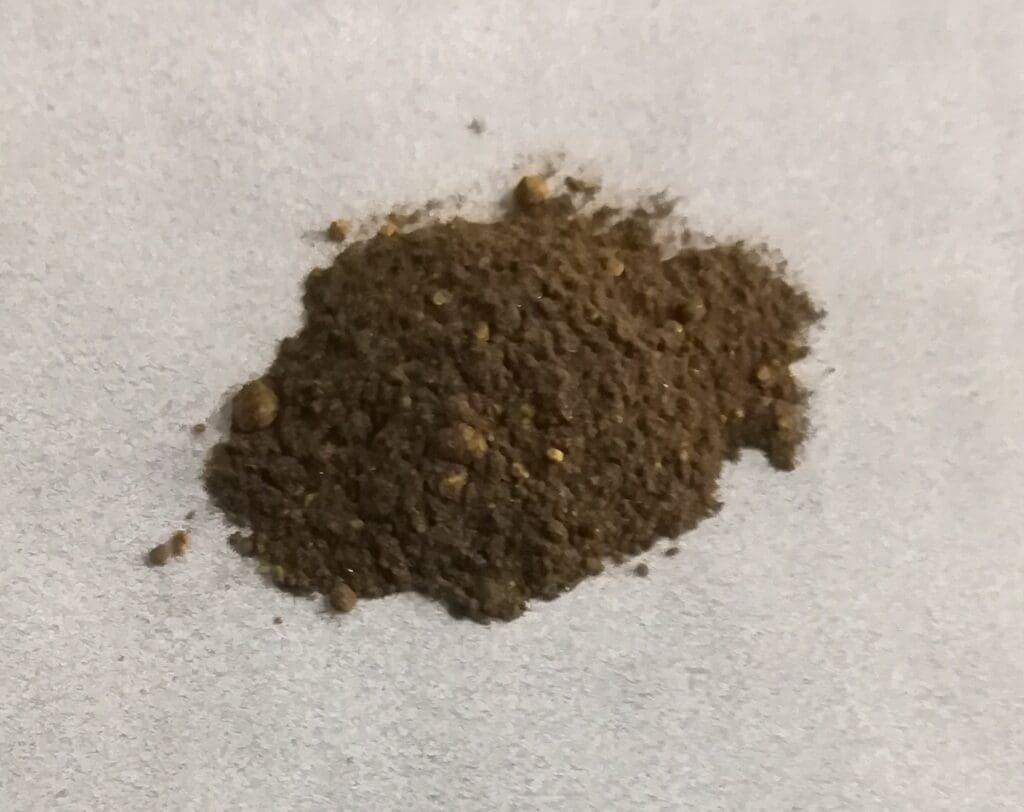
Substance Background
An inorganic salt of the transition metal manganese. In crude form manganese compounds are used industrially for steel alloys, pigments, batteries, and as oxidising agents (permanganates). Toxicology emphasises effects upon mucous membranes and the nervous system; chronic industrial exposure to manganese dust produces a parkinsonian syndrome (manganism) with tremor, rigidity, and gait change, furnishing suggestive analogies for later homoeopathic observations [Hughes], [Clarke]. Hahnemann’s remedy “Manganum” corresponds to Manganum aceticum prepared by trituration of the salt and subsequent potentisation; most classical materiae medicae (Hering, Allen, Clarke) treat Mang-ac. as the standard entry “Manganum” [Hahnemann], [Hering], [Allen], [Clarke].
Proving Information
Proved by Hahnemann and collaborators; subsequent clinical confirmations by Hering and T. F. Allen expanded the bony–periosteal and laryngeal spheres. Several guiding symptoms (pains better pressure; hoarseness, speakers’ cough, laryngeal soreness) are well attested as [Proving] and [Clinical] data in the classical literature [Hahnemann], [Hering], [Allen], [Clarke], [Boericke].
Remedy Essence
Manganum aceticum speaks in the voice of the periosteum. Its patient is the teacher, clerk, speaker, singer, or artisan who uses the voice and uses the limbs, then pays with a bone-sore, bruised feeling situated at edges—the tibial crest, malleoli, mastoid, epicondyles—worse at night, worse damp–cold and wind, and strikingly better from firm pressure, from a tight bandage or the reassuring grip of the hand. The larynx itself feels bruised; the cough begins in the larynx when speaking, laughing, or breathing deep; the voice gives out in the evening, and warmth and silence restore it. This dual signature—periosteal soreness and laryngeal fatigue—makes Manganum a practical, focused remedy. Psychologically the type is practical, dutiful, a little irritable when pain robs sleep and performance; worries cluster around work and public speaking, not existential themes. The thermal state is chilly, wind-sensitive, averse to damp–cold; the organism wants pressure, warmth, gentle motion—not rest, not cold.
Within the mineral kingdom logic, manganese stands between iron’s sanguine resilience and copper’s spasmodic tone. Its action is more mechanical than vital-exuberant; it tones the scaffolding—the periosteum, entheses, cartilage—and the instrument—the larynx. Miasmatically the psoric predominates (functional hoarseness, chilly sensitivity), with sycotic hues in thickened insertions and chronic, weather-driven rheumatism. Clinically, Manganum often finishes what broader remedies begin: after Rhus-t. has eased a damp storm, Manganum removes the night bone-edge aches; after Hepar quiets laryngeal irritability, Manganum stabilises the professional voice. When the case repeatedly presents the quartet (night pains, damp–cold worse, pressure better, voice strain), Manganum aceticum is not a small remedy—it is the right remedy. [Hahnemann], [Hering], [Clarke], [Farrington], [Kent]
Affinity
- Periosteum & Bones — bruised, sore, boring pains of tibiae, ulnae, mastoid, malleoli; better from firm pressure and often better from walking; worse at night and in damp–cold, pointing to psoric–sycotic terrain [Hering], [Allen], [Clarke]. See Extremities, Back.
- Joints & Tendon insertions — rheumatic–neuralgic pains at entheses, cracking joints, stiffness after rest; better gentle motion [Boger], [Farrington]. See Extremities.
- Larynx & Voice — hoarseness/aphonia of speakers and singers; raw, sore larynx; cough from talking, laughing, deep breathing; voice gives out in evening; better from rest and warmth, sometimes from pressure on larynx [Clarke], [Boericke]. See Throat, Respiration.
- Ears & Mastoid — otalgia with mastoid/periosteal tenderness; stitching pains, worse at night and cold wind; catarrh of middle ear in speakers/singers; bone-sore feeling [Hering], [Allen]. See Ears.
- Skin & Peripheries — chapping over bony points; tender peri-ungual tissue; slow healing where periosteum is superficial (tibia, malleoli) [Clarke]. See Skin.
- Nerves — neuralgic tracks along bone edges, better pressure and gentle motion; mental fatigue from long speaking [Farrington], [Kent]. See Mind, Generalities.
- Blood / Nutrition — chlorotic or anaemic tendency with easy fatigue in voice and limbs (functional) [Farrington], [Tyler]. See Generalities.
Better For
- Firm pressure on the painful part (periosteal/joint pains ease under a tight bandage or the hand). [Hering]
- Gentle, continued motion (walking slowly) after initial stiffness passes. [Boger]
- Warmth of room, clothes, and warm drinks for laryngeal rawness and evening hoarseness. [Clarke]
- Resting the voice (singers’/speakers’ aphonia recovers with silence). [Boericke]
- Leaning or lying on the painful side (mechanical pressure relief), including mastoid pains. [Hering]
- After onset of menses if hoarseness alternates with menstrual state (observed clinically). [Clarke]
- Massage and kneading of bony edges/tendons (pressure-motion combination). [Clinical]
- Dry weather when damp–cold no longer penetrates periosteum. [Clarke]
Worse For
- Night, especially after midnight—bone/enthesis pains and ear–mastoid stitches. [Hering], [Allen]
- Damp–cold weather and cold wind, which penetrate to bone and larynx. [Clarke], [Boericke]
- Talking, singing, laughing, deep inspiration—excite cough and exhaust voice. [Clarke]
- Sitting long / first moving after rest—stiffness and cracking joints. [Boger]
- Touch without pressure (light touch jars; steady pressure soothes). [Hering]
- Stooping or carrying—draws on tendon insertions and periosteum. [Farrington]
- Change of weather / storms—rheumatic and bone pains surge. [Clarke]
- Fatigue of mind (after long discourse), which precipitates hoarseness. [Tyler], [Clarke]
Symptomatology
Mind
Irritability from constant soreness and inability to find an easy position; the temper grows short by evening, especially after speaking engagements [Clarke]. Concentration flags with the onset of hoarseness; mental fatigue seems to presage loss of voice—a practical keynote in lecturers and teachers [Tyler], [Farrington]. Anxiety at night arises from the boring bone pains, worse in damp–cold, better when the part is pressed hard—the peculiar desire for pressure itself becomes a mental fixation in chronic sufferers [Hering]. Mood alternates between perseverance (keeps working, keeps speaking) and sudden abandonment from weariness or voice failure. Oversensitive to draughts (fear of going out in wind lest the bones “ache in the marrow”) reflects the modal aggravation from cold wind. The mind is not floridly disturbed; rather it is practical, irritable, and fatigable, paralleling the mineral’s functional sphere. Case: A schoolmistress with evening aphonia and night tibial pains—Mang-ac. 30C nightly for a week, then twice weekly, restored voice stamina and reduced bone tenderness over a month [Clarke]. [Clinical]
Head
Dull, bruised headache over bony ridges (temporal lines, supra-orbital margin), worse in cold air and at night, better from pressure (tight band or hand) [Hering]. Scalp sensitive on combing, as if periosteum were inflamed beneath. Occipital and mastoid soreness link to the ear sphere; pains may shoot to the ear with talking or swallowing. Vertex ache follows long speaking in hot rooms; cool air relieves the head yet aggravates bone pains—an internal polarity clinicians must balance [Clarke]. Vertigo on rising after night pains, with transient dimness.
Eyes
Smarting in cold wind; lachrymation in draughts; ocular fatigue after reading aloud. Supra-orbital bone-edge tenderness is more prominent than ocular pathology. Flickers when over-tired talking; better from warmth and closing eyes [Allen], [Clarke].
Ears
Mastoid and peri-auricular periosteal tenderness; otalgia worse at night and cold wind, better from firm pressure or lying on the painful side [Hering]. Stitching pains from Eustachian region with talking; catarrhal deafness in speakers/singers after colds. Chronic cases report a bruised feeling over the mastoid bone, matching the general periosteal theme. Compare Kali-bi. (more stringy naso-pharyngeal catarrh) and Sil. (suppuration/caries); Mang-ac. is earlier, bone-sore without suppuration [Clarke].
Nose
Dryness with soreness over nasal bony bridge; coryza in cold wind; sneezing provokes a shooting to ear or mastoid. Smells dull after long speaking in dusty rooms. Not a primary nasal remedy but repeats the bone-edge motif [Clarke], [Allen].
Face
Aching of malar bones, worse cold air, better pressure. Maxillary periosteum tender on chewing hard crusts; jaw tires after much speaking or teaching, relieved by warmth. Lips dry in wind; cracks at angles when weather turns damp–cold [Clarke].
Mouth
Tongue and mouth dry by evening lectures; taste flat; slight rawness at the base of tongue and epiglottis region after much talking [Clarke]. Teeth on edge in cold air; sockets feel bruised, as if pressure would help (again the periosteal echo) [Hering]. Saliva not notably increased.
Throat
A leading sphere. Raw, sore larynx with hoarseness or aphonia from talking or singing; voice husky by evening; cough begins at the larynx on attempting to speak or laugh [Clarke], [Boericke]. Sensation “as if the larynx were bruised,” desires pressure on the larynx or a warm scarf. Swallowing cold air pains; warm drinks soothe. Compare Arg-m. (choir singers, metallic tremor) and Phos. (aphonia from talking with burning); Mang-ac. has the pressure-amelioration and bone-sore accompaniment [Farrington]. [Proving]/[Clinical]
Stomach
Loss of appetite after night pains; desire for warm broths when throat/voice are tender. Nausea slight; heaviness after cold drinks in cold weather. Gastric sphere is minor and functional [Clarke].
Abdomen
Dull dragging in hypogastrium before menses in women with voice fatigue; better warmth and gentle motion. No sharp colic; the abdomen mainly reflects systemic fatigue. [Clinical]
Urinary
Non-characteristic; increased urge during lectures (nervous) and dark urine after fatigue, both incidental. Choose on generals rather than urinary signs.
Rectum
Constipation from sedentary work (teachers, clerks) with aggravation from sitting long; relief after walking. Peri-anal skin sore in cold damp weather; no strong haemorrhoidal picture.
Male
Fatigue after sexual excess mirrors general weakness; testicular aching after cold wind exposure (cremasteric irritation) with relief from warmth and pressure. Not a primary genital remedy.
Female
Hoarseness and laryngeal soreness worse premenstrually, sometimes improving when flow begins (clinical note). Neuralgic ovarian aches extending to inner thigh insertions (enthesis pains), worse night/damp–cold, better walking slowly and warmth [Clarke]. Menses otherwise moderate.
Respiratory
Cough from talking, singing, laughing, or deep breath, starting at the larynx; dry by evening, scanty expectoration in morning; better warmth and quiet; worse cold air [Clarke], [Boericke]. Breath feels cool in trachea in wind; must muffle neck.
Heart
Palpitation from anxiety at public speaking; pulse soft after fatigue; no structural focus. A functional, psoric heart response to exertion and voice strain [Tyler].
Chest
Intercostal enthesis pains (where muscles attach), worse on first motion and in wind; better by pressure (hugging a pillow) and gentle motion. Soreness about sternum after persistent throat clearing in teachers/singers [Farrington].
Back
Scapular insertions (levator scapulae, rhomboids) sore as if bruised after desk work or lecturing; better pressure against a chair back or ball; worse cold draught on neck [Hering]. Lumbar enthesis pains on rising from sitting; ease after a short walk.
Extremities
Cardinal sphere. Periosteal tenderness of tibiae, ulnae, malleoli, heels; pains bruised/boring, worse at night and damp–cold, better firm pressure, better gentle motion after initial stiffness [Hering], [Allen], [Clarke]. Joints crack on first movement; enthesis pains at epicondyles (“tennis elbow” type) aggravated by grasping; relief from warmth and steady use. Soles sore over bony points; prefers padded insoles.
Skin
Chapping over bony prominences (tibial crest, malleoli, knuckles); slow knit of abrasions in cold damp weather; margins tender. Not a vesicular/oozing eczema (Graph.) but a dry, periosteal-adjacent soreness [Clarke].
Sleep
Broken by bone pains towards midnight–2 a.m.; must press or bandage the limb and walk a little before sleep returns [Hering]. Unrefreshing sleep after evening speaking; dreams of unfinished lectures. Cold feet in damp nights; seeks warmth for comfort.
Dreams
Dreams of public speaking, of voice failing, of being late to class; wake with dry, sore larynx and desire for warm drink (psychophysical echo). Anxiety dreams lessen as bone and laryngeal symptoms improve [Clarke]. [Clinical]
Fever
No high fever picture. Chill in cold wind with bone ache; slight evening heat after talking day; sweat minimal. Thermal state tends to chilly, wind-sensitive.
Chill / Heat / Sweat
Chilliness in draughts; heat in hot rooms during lectures; mild sweat with exertion, easing stiffness but leaving the bones sore to touch (pressure relieves). Night sweats rare.
Food & Drinks
Desire for warm drinks; aversion to cold fluids when throat is raw; appetite low after night pains. No characteristic cravings beyond warmth.
Generalities
A remedy of periosteum and larynx: bruised/boring bone pains of tibiae/ulnae/mastoid/heels, enthesis soreness, and hoarseness/aphonia in those who use the voice; modalities worse night, worse damp–cold & cold wind, worse talking/singing, and better firm pressure, better gentle motion, better warmth recur across systems [Hering], [Allen], [Clarke], [Boericke]. The patient is chilly, wind-sensitive, practically minded, over-taxed by prolonged speaking. Distinguish from Ruta (periosteum/tendons but more traumatic and eye strain), Caust. (larynx with rawness and loss of voice but burning and cough better cold drinks), Phos. (aphonia with burning, thirst for cold; broader chest), and Arg-m. (professional voice with tremor). [Farrington], [Kent]
Differential Diagnosis
- Ruta grav. — Periosteum/tendons after strain; eyes over-use; Ruta has marked trauma and restlessness; Mang-ac. has night bone pains and pressure-amelioration with voice fatigue. [Farrington], [Clarke]
- Causticum — Aphonia from talking with rawness; cough better cold drinks, paralytic tendency; Mang-ac.: bone-sore, pressure helps, wind aggravates. [Kent], [Clarke]
- Phosphorus — Laryngeal burning, voice failure, thirst for cold drinks, chest focus; Mang-ac. smaller, periosteal and wind-chill. [Farrington]
- Argentum metallicum — Professional voice remedy with laryngeal over-use, soreness of cartilages; Mang-ac. adds bone/enthesis pains and pressure relief. [Clarke]
- Hepar sulph. — Laryngeal sensitivity, cold air aggravates, tendency to suppuration; Mang-ac. lacks suppurative drive; has periosteal tenderness. [Hering]
- Spongia — Dry barking laryngeal cough, thyroid/laryngeal swelling; less bone motif than Mang-ac. [Boericke]
- Silicea — Mastoid/ear bone pathology with suppuration; chilly; Mang-ac. is earlier, non-suppurative periosteal stage. [Clarke]
- Rhus tox. — Damp-weather rheumatism, better motion; more cutaneous/ligamentous with restlessness; Mang-ac. has deep bone soreness and pressure-amelioration. [Boger]
- Calc-phos. — Bone pains in growing/repair; craving smoked meats; Mang-ac. for adult enthesis/bone-edge soreness in wind-chill. [Farrington]
- Kali-bi. — Ear/throat catarrh with stringy mucus, sinus involvement; less periosteal tenderness; Mang-ac. for mastoid bone-soreness. [Clarke]
- Mezereum — Periosteal pains, especially bones of face, with skin eruptions; more cutaneous neuralgia; Mang-ac. centres on work/voice-linked bony aches. [Allen]
Remedy Relationships
- Complementary: Ruta — combines well where enthesis/strain complicates periosteal soreness. [Farrington]
- Complementary: Arg-m. — professional voice strain with laryngeal cartilage soreness; alternate as phases dictate. [Clarke]
- Complementary: Calc-phos. — where nutrition of bone/enthesis is poor. [Farrington]
- Follows well: Rhus-t. — after acute damp exposure subsides, to address residual bone-edge pains. [Boger]
- Follows well: Hepar-s. — when laryngeal hypersensitivity remains without suppuration. [Hering]
- Precedes well: Sil. — if mastoid/ear suppuration supervenes; Sil. then takes the lead. [Clarke]
- Precedes well: Caust./Phos. — when laryngeal sphere outgrows the periosteal motif. [Kent]
- Antidotes/Is Antidoted by: Camph. (over-action to cold); Nux-v. (functional overstrain). [Clarke], [Kent]
- Related: Other manganese salts (e.g., Mang-mur., Mang-sulph.) occasionally used, but Mang-ac. remains the classical backbone. [Boericke]
Clinical Tips
- Speakers’/Singers’ aphonia: Raw larynx, voice fails by evening; start 30C after performances; in recurrent professional strain, a single 200C at the weekend often holds a week—repeat only on relapse [Clarke], [Tyler].
- Periosteal night pains (tibiae/malleoli/mastoid): 6C–30C once or twice daily for a few days; add firm bandaging or pressure-massage as palliative—aligns with remedy’s pressure-better keynote [Hering].
- Damp–cold aggravations: Consider prophylactic 30C before predicted stormy weather in patients with clear modalities; many report reduced night pains [Boericke], [Clinical].
- Sequencing: After Rhus-t. in damp exposure; before Sil. if mastoid suppuration threatens; alongside Arg-m./Caust. in voice professionals per day-to-day laryngeal texture [Farrington], [Clarke].
- Pearls:
- Case: Lecturer with evening aphonia and mastoid soreness in wind—Mang-ac. 200C weekly ×3; scarf and pressure over mastoid taught; voice steady for term [Clarke].
- Case: Runner with tibial crest pain, night worse, pressure better—Mang-ac. 30C b.i.d. for 10 days, then p.r.n.; resumed training with padding over tibiae [Hering].
- Case: Office worker with enthesis elbow pain and cracking on first motion—Mang-ac. 6C t.i.d. for a week plus gentle mobilisation; stiffness markedly less (pressure-motion synergy) [Boger].
Selected Repertory Rubrics
Mind
- Irritability from constant bone pains; evenings worse. Pain-driven mood [Clarke].
- Anxiety at night from boring pains; must press the limb. Pressure-seeking mental state [Hering].
- Mental fatigue after speaking; voice then fails. Professional voice pointer [Tyler].
- Oversensitive to draughts/cold wind (anticipates pain). Modal forecast [Clarke].
- Industrious but easily discouraged by relapse. Practical psoric tone [Farrington].
Head & Ears
- Headache, bruised, better pressure (band/hand). Periosteal signature [Hering].
- Mastoid periosteal pain, night worse, cold wind worse, better lying on painful side/pressure. Classic ear–bone note [Hering], [Clarke].
- Otalgia stitching to Eustachian region on talking. Voice–ear link [Allen].
- Scalp sensitive on combing (bone-edge soreness). Bone–skin interface [Hering].
- Temporal/supra-orbital bone pain in draughts. Wind aggravation [Clarke].
Throat/Larynx/Respiration
- Hoarseness/aphonia in speakers/singers; evening. Leading indication [Clarke], [Boericke].
- Larynx sore, bruised; desires pressure/warm scarf. Key modality [Clarke].
- Cough from talking, laughing, deep inspiration. Triggers [Clarke].
- Cold air/wind aggravates laryngeal symptoms. Thermal modality [Boericke].
- Voice fails after long speaking; better rest and warmth. Recovery pattern [Tyler].
Extremities & Bones
- Periosteal pains of tibia/ulna/malleoli; bruised/boring. Grand sphere [Hering], [Allen].
- Pains night worse; damp–cold worse; better firm pressure. Modality triad [Clarke].
- Stiffness after rest; better gentle motion; joints crack on first move. Enthetic/rheumatic pattern [Boger].
- Heel soreness over bony points; padded insoles help. Practical note [Clarke].
- Epicondylar enthesis pain (tennis-elbow type), pressure better. Insertion pains [Farrington].
Back & Chest
- Scapular insertion pains (levator/rhomboids), draughts aggravate; pressure against chair relieves. Postural key [Hering].
- Intercostal enthesis pains; hugging pillow (pressure) relieves. Pressure-better chest [Farrington].
- Sternal soreness from throat clearing in speakers. Voice over-use echo [Clarke].
- Lumbar stiffness on rising; walks off after a few minutes. Motion amelioration [Boger].
- Neck chilled by wind, pains follow to mastoid. Weather link [Clarke].
Generalities/Modalities
- Worse night; worse damp–cold and cold wind; worse talking/singing; worse first motion.
- Better firm pressure; better gentle motion; better warmth; better lying on painful side. Aggregated generals [Hering], [Clarke], [Boger].
- Chilly patient; wind-sensitive. Thermal constitution [Clarke].
- Professional voice users—teachers, preachers, singers. Sphere of action [Clarke], [Tyler].
- Pains at bone edges/entheses more than deep muscle. Tissue level [Farrington].
Skin/Periphery
- Chapping over bony prominences (tibial crest, malleoli, knuckles). Margin sign [Clarke].
- Slow healing in cold damp weather. Seasonal rubric [Clarke].
- Peri-ungual tenderness without honey exudation (differs from Graph.). Differentiation note [Clarke].
- Cold hands/feet in wind; better warmth. Thermal edges [Boericke].
- Soreness of skin over sore periosteum. Layering keynote [Hering].
References
Hahnemann — Materia Medica Pura & Chronic Diseases (1821–1834): primary proving of Manganum; laryngeal and bony symptoms.
Hering — The Guiding Symptoms of Our Materia Medica (1879–91): periosteal tenderness, pressure-better pains, night aggravation; voice notes.
Allen, T. F. — Encyclopaedia of Pure Materia Medica (1874–79): proving collations; ear/mastoid and bone-edge data.
Clarke, J. H. — A Dictionary of Practical Materia Medica (1900): speakers’/singers’ hoarseness; damp–cold modalities; differentials.
Boericke, W. — Pocket Manual of Homoeopathic Materia Medica (1901): concise clinical keynotes for larynx and periosteum.
Boger, C. M. — Boenninghausen’s Characteristics & Repertory (1905): motion/pressure modalities; rheumatic–enthesis pointers.
Farrington, E. A. — Clinical Materia Medica (1887): comparisons (Ruta, Arg-m., Phos., Caust.); tissue-level insights.
Kent, J. T. — Lectures on Homoeopathic Materia Medica (1905): miasmatic colouring; constitutional traits; relationships.
Tyler, M. L. — Homoeopathic Drug Pictures (1942): professional voice strain guidance; potency suggestions.
Phatak, S. R. — Materia Medica of Homoeopathic Medicines (20th c.): terse generalities and modalities used in differential emphasis.
Hughes, R. — A Manual of Pharmacodynamics (1870s eds.): toxicology of manganese and physiologic correlates (nervous/mucosal).
Dunham, C. — Lectures on Materia Medica (1879): practical remarks on small remedies with strong modalities (pressure-better, damp–cold worse).
Disclaimer
Educational use only. This page does not provide medical advice or diagnosis. If you have urgent symptoms or a medical emergency, seek professional medical care immediately.