

Kalium chloricum
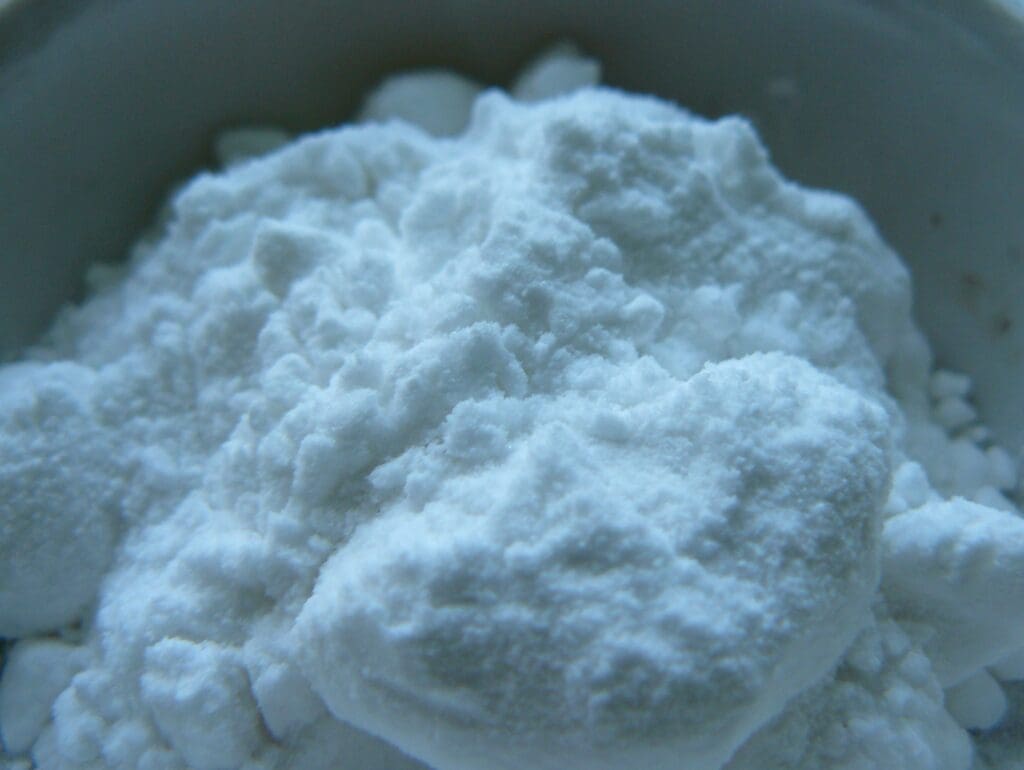
Substance Background
An inorganic salt of potassium and chloric acid (KClO₃), notable in chemistry for its strong oxidising power and liberation of oxygen. In crude use it was widely employed as an antiseptic gargle and lozenge for fetid, ulcerative throat affections and mercurial stomatitis; however, toxicology shows haemolysis with methæmoglobinæmia (dusky cyanosis), acute nephritis with hæmoglobinuria, and corrosive inflammation of the oral and pharyngeal mucosa—the triad that defines its homœopathic sphere (mouth–throat, blood–kidney, collapse) [Hughes], [Allen], [Clarke]. Triturated and potentised, it produces and cures ulcerative stomatitis with foul breath, diphtheritic membranes tending to slough, dark smoky urine with albumen and blood pigment, and prostration out of proportion to local lesions [Hering], [Boericke]. Its “antidotal” reputation in mercurial sore mouth arose from clinical experience of reversing mercurial stomatitis and salivation, with rapid improvement of fetor, ulceration and swelling [Clarke], [Allen].
Proving Information
Our knowledge is chiefly from [Toxicology] and [Clinical] provings collated by Allen and Hering, supplemented by abundant throat-kidney bedside confirmations: ulcerative stomatitis with gangrenous patches; fetid odour; grey, shredding membranes; profuse salivation; swollen parotids; burning, raw mouth better from cool rinses; hæmoglobinuria with dark, smoky urine, albumin and casts; dyspnœa and cyanosis from methæmoglobin; prostration, faintness; modalities—worse warm room and exertion, worse swallowing and hot drinks; better cold applications and cool drinks [Allen], [Hering], [Clarke], [Boericke], [Hughes], [Phatak].
Remedy Essence
Kali-chloricum presents a concentrated septic polarity: a fetid, sloughing mouth and throat on the surface, and a dark, hæmolytic–renal disturbance beneath. The keynote triad—grey, shredding membranes with overpowering fetor; desire for cold (cold drinks, cold rinses, cool air) with aggravation from warmth; and smoky, brown-black urine from hæmoglobin—threads every case [Allen], [Hering], [Clarke], [Hughes]. The temperament is oppressed rather than anxious: stupefied by toxæmia, faint on the least effort, prefers silence and coolness. He fears suffocation only when the room is hot or airless, and relief from fanning is striking—evidence that the breathlessness is a blood-change rather than an airway crisis (contrast Spongia or Hepar). The salivary–gland element (parotid and submaxillary swelling, profuse salivation) and the sloughing ulcers align it closely with mercurial sore mouth, and it has earned its reputation as the homœopathic prescription when mercury has been overused—the more so when the cold-ameliation is strong and the urine grows dark [Clarke], [Allen].
Kingdom signature (mineral salt, oxidiser) maps onto pathophysiology: excessive oxidation at the crude level gives oxidative injury to red cells (methæmoglobinæmia), cyanosis, renal load of hæmoglobin; potentised, it meets similar patterns triggered by sepsis. Miasmatically, it blends a syphilitic destruction (slough, bleeding) with a sycotic septic overgrowth and a psoric febrile reactivity. Pace is subacute to malignant; direction-of-cure is evident: as the oral outlet opens (sloughs cast off, fetor lessens under cool management) and cold fluids are tolerated, the urine clears and cyanosis abates; conversely, suppression of local discharges or the use of hot, stimulating rinses sends the case inwards—urine darkens, pulse flags, faintness deepens [Hering], [Clarke].
Differentially, choose it over Mercurius when cold gives marked relief and the urine is smoky; over Hepar when pus and knife-like sensitivity are absent but fetid sloughs abound and heat aggravates; over Kali-mur. when fibrinous, white exudates dominate without fetor or renal signs; over Baptisia when the septic stupor picture is present but the mouth is more gangrenous and the kidneys are engaged. Management should respect the remedy’s polarities: cool the room, allow cold rinses and cold sips frequently, avoid suppressive caustics, cleanse gently, and monitor urine colour/flow as a barometer. Potency may begin low in toxic states (3X–6X) with frequent repetition, rising to 30C or higher constitutionally once the direction turns. When well chosen, the improvement is perceptible in hours: the room smells less foul, the patient asks for another cold sip, and the urine begins to show amber instead of smoke.
Affinity
-
Mouth and gums — aphthæ, ulcerative or gangrenous stomatitis with offensive breath; profuse salivation; swollen, bleeding gums; burning and rawness better from cold water (see Mouth/Teeth/Throat). [Hering], [Clarke], [Allen]
-
Throat and fauces — diphtheritic, membranous, sloughing sore throat; grey patches with fetor; dysphagia with burning and rawness (see Throat). [Allen], [Clarke], [Boericke]
-
Blood — oxidative injury to red cells with methæmoglobinæmia; cyanosis; easy hæmorrhage; septic odour (see Fever/Generalities). [Hughes], [Allen]
-
Kidneys and urinary passages — hæmoglobinuria, albuminuria, acute nephritic irritation; smoky, brown-black urine; scanty or suppressed (see Urinary). [Allen], [Clarke]
-
Salivary glands — parotid swelling with salivation; submaxillary pain and swelling (see Face/Mouth/Throat). [Hering], [Clarke]
-
Respiratory system — dyspnœa and sighing from blood change rather than primary bronchitis; cyanotic lips with small exertion (see Respiration/Heart). [Hughes], [Allen]
-
Gastro-intestinal tract — nausea and vomiting of mucus; epigastric burning; corrosive gastritis in toxic states (see Stomach/Abdomen). [Allen], [Hughes]
-
Skin and mucosae — sloughing ulcers; slow granulation; purpuric spots in septic states (see Skin). [Hering], [Clarke]
-
Direction of action — as the fetid, sloughing mouth improves, urine lightens and cyanosis abates; suppression of oral outlet aggravates renal and blood pathology (see Generalities). [Hering], [Clarke]
Better For
-
Cold drinks and cold rinsing/gargles; ice in the mouth soothes burning and fetor (Mouth/Throat). [Hering], [Clarke]
-
Cool, fresh air; fanning — less cyanosis and faintness (Respiration/Generalities). [Allen], [Hughes]
-
Expectoration or detachment of grey sloughs; cleansing mouth — relieves oppression and fetor (Throat/Mouth). [Clarke], [Hering]
-
Rest and keeping quiet; avoidance of exertion, which increases dyspnœa (Generalities/Respiration). [Allen]
-
Cold applications to neck/glands and to burning oral patches (Throat/Face). [Hering]
-
Light, cool nourishment (milk, cooling broths) in small amounts (Stomach). [Clarke]
-
Free diuresis when re-established — urine grows clearer with general relief (Urinary/Generalities). [Allen]
-
Propping up; head high in bed during dyspnœa (Respiration/Heart). [Boericke]
Worse For
-
Swallowing, especially hot drinks; warm room; heated atmosphere (Throat/Mouth). [Allen], [Clarke]
-
Exertion or slight effort; ascending; speaking much — induces cyanosis and palpitation (Respiration/Heart). [Hughes], [Allen]
-
Septic states; low, damp rooms; foul, stagnant air (Generalities/Throat). [Clarke], [Boger]
-
Suppression of mouth discharges/sloughs by harsh caustics — renal/blood aggravation follows (Mouth/Urinary). [Hering], [Clarke]
-
After mercury (drugging): salivation and ulceration aggravated — Kali-chl. is then specifically indicated (Mouth). [Clarke], [Allen]
-
Night aggravation of mouth-breathing fetor and thirst; feverish restlessness after midnight (Sleep/Fever). [Allen]
-
Warm, stimulating foods; spices; alcohol — renew oral burning and gastric distress (Stomach/Mouth). [Clarke]
-
Long intervals without fluid — dryness of mouth intensifies rawness (Mouth). [Hering]
Symptomatology
Mind
Mental dulness with a septic stupor marks many cases; the patient is oppressed, indifferent, and answers slowly, as if the fetor and sloughing had invaded consciousness [Clarke], [Allen]. Anxiety appears during dyspnœa—he fears suffocation when the room is warm or close, which tallies with the modality (better cool air) already noted (Mind ↔ Respiration). Irritability is provoked by attempts at examination of the throat; children push away the spoon as it renews burning, echoing the tenderness of the ulcers (Mind ↔ Throat). Faintness comes on with the darkening of lips and face; the sufferer dreads to move or to speak lest the sinking grow worse, a clinical reflection of the blood–heart strain [Hughes], [Allen]. Depression is septic, without the tidy anxiety of Arsenicum or the fear of death of Aconite; it lifts quickly when the mouth is cleansed and cool drinks are allowed, paralleling the “outlet” relief seen elsewhere. In mercurial sore mouth the despondency is mixed with irritability and shame over salivation and fetor; reassurance and gentle mouth toilet improve morale. Head feels heavy; thinking is effort; the will is weak in proportion to the toxic load. Mini-case: a nurse with gangrenous stomatitis post-mercury sat apathetic, eyes half-closed; within hours of frequent cold rinses and Kali-chl. she grew brighter as fetor lessened [Clinical], [Clarke].
Head
Heaviness of head with throbbing temples during fever; face dusky when lying in warm room, better fanning and cool air (Head ↔ Fever/Respiration) [Allen], [Hughes]. Dull, compressive headache attends salivation and loss of sleep; the scalp is hot to touch. Occipital dragging appears with albuminuria; relief comes as urine clears—kidney–head link. Vertigo on rising or after attempting to walk across the room; he must sit quickly; pallor or dusky cyanosis follows (Head ↔ Heart). No marked neuralgia; the congestion is toxic and septic.
Eyes
Lids swollen and heavy; conjunctivæ injected in septic fever; photophobia slight; a yellowish tinge about sclerae in hæmolytic states [Allen], [Clarke]. Vision dims on exertion and clears with rest and air; black spots before eyes with faintness. Lachrymation acrid is not a keynote; rather a bland watering from heat of room.
Ears
Dulled hearing during septic febrile state; parotid region tender and swollen (salivary gland affinity) [Hering], [Clarke]. Noise of one’s own voice increases throat pain—phonation worsens swallowing pain (Ears ↔ Throat).
Nose
Fetor of mouth fills the nose; patient complains of a sweetish, putrid odour; nostrils dry or excoriated from septic breath [Clarke]. Epistaxis may occur with purpura-like spots in severe hæmolysis. Air through the nose feels too warm; cool air through open window gives subjective ease (modal echo).
Face
Dusky, cyanotic hue about lips and alæ nasi; cheeks heavy; expression oppressed [Allen], [Hughes]. Parotid and submaxillary swelling with pain on opening the mouth; saliva dribbles in strings; corners of mouth fissured by acrid flow. Fetor is intense; attendants recoil; a key driver to choose Kali-chl. (Face ↔ Mouth/Throat) [Clarke], [Hering].
Mouth
Capital sphere. Tongue red, raw, or covered in grey patches; swollen, flabby; imprints present but the keynote is sloughing, gangrenous ulceration with grey, shredding membrane and a powerful, putrid odour (Mouth axis) [Allen], [Hering], [Clarke]. Salivation profuse; saliva stringy yet watery; breath horribly offensive. Gums spongy, bleed; ulcers with foul bases; palate and buccal mucosa covered in grey sloughs that detach and bleed. Burning, raw soreness better from cold water and ice; worse from warm drinks or attempts to swallow, confirming the modalities already noted. In infants and nursing mothers, ulcerative stomatitis and aphthæ respond rapidly when the cold-ameliation picture is clear (clinical).
Teeth
Teeth feel long and sore; gums recede and bleed freely; salivation bathes the teeth, increasing fetor [Hering], [Clarke]. Mastication is impossible from rawness; cool fluids preferred. Mercurial odontalgia and gum-sloughing are classic indications—Kali-chl. antidotes the drug state [Allen], [Clarke].
Throat
Fauces swollen, dark-red; grey diphtheritic patches or continuous membrane; edges undermined; tendency to slough and bleed on detachment (Throat axis) [Allen], [Hering]. Sensation of burning rawness with great fetor; dysphagia extreme; fluid returns by nose. Warm drinks and a warm room increase distress; cool rinses and cold air soothe—thermal polarity that tallies with the Better/Worse lists. Parotids swell; submaxillary glands tender; cervical glands enlarged. Voice low, husky; speech excites cough or dyspnœa from blood-change more than laryngeal obstruction.
Stomach
Nausea persistent; vomiting of mucus or of dark, coffee-ground-like matter in septic states; epigastric burning and tenderness [Allen], [Hughes]. Little thirst for warm drinks; craving for cool sips which ease mouth and throat (Food & Drink). Appetite gone; even small quantities increase distress. Gastric irritability parallels the septic mouth; relief follows local improvement of sloughing and restoration of urine (Stomach ↔ Mouth/Urinary).
Abdomen
Oppressive weight; tympany during fever; sensitive epigastrium; hepatic region sore in hæmolysis [Allen]. Stools offensive; putrid tendency; but abdomen is secondary to mouth–kidney axis. Faintness with every attempt to sit up; must lie quietly (Abdomen ↔ Generalities).
Urinary
Pathognomonic. Urine dark, smoky, brown-red or even blackish from hæmoglobin; albumen; epithelial cells and casts; quantity scanty or suppressed (Urinary axis) [Allen], [Clarke]. Tenesmus vesicæ with burning; cutting in urethra at close of micturition. As mouth improves and fluids are taken cold in small quantities, the urine lightens—directional linkage key to prognosis (Urinary ↔ Mouth/Generalities).
Rectum
Offensive stools; sometimes loose, watery, with weakness; tenesmus slight; a sepsis-tone rather than a dysenteric picture [Clarke]. Hæmorrhoidal bleeding in purpuric states can occur.
Male
No special sexual erethism; exhaustion and depression belong to the septic–hæmolytic state; scant urination with vesical irritability after dips in fever (Male ↔ Urinary). Painful swallowing prevents adequate intake, deepening the weakness.
Female
Ulcerative stomatitis of nursing mothers; aphthæ spreading with fetor; chilliness and prostration; craves cold rinses (Female ↔ Mouth) [Clarke]. Albuminuria in the septic throat may appear also in puerperal states—a cautionary parallel.
Respiratory
Short, quick, anxious; sighing; cannot bear a warm, close room; begs for window open (Respiration ↔ Modalities) [Allen], [Hughes]. Cyanosis appears early from methæmoglobinæmia; speech is fatiguing; whisper preferred. Improvement follows cold mouth rinses which cool the throat and calm the system—mind–breath link.
Heart
Palpitation on the least effort; pulse small, frequent; faintness with darkening of face; anxious look; sinking at præcordia [Allen], [Clarke]. Warmth aggravates; fanning and cold sips relieve. No deep structural heart lesions are required to produce this collapse-like picture.
Chest
Oppression and sighing; shallow breathing; cyanosis of lips and nails; little bronchial râle—dyspnœa is blood-change rather than bronchitis (Chest ↔ Respiration) [Hughes], [Allen]. Heart-hurry on attempting to speak or sit up; relief from cool air and quiet.
Back
Aching across the loins with renal irritation; cannot lie on the back long; must change posture carefully [Allen]. Weakness in sacral region after scanty, dark urine; better after some flow returns (Back ↔ Urinary).
Extremities
Cold extremities with cyanosis of nails; tremulous weakness; heaviness as if weighted; cannot stand long [Allen], [Hughes]. Purpuric spots in severe blood-change; slow return of warmth after cool air exposure once circulation improves.
Skin
Dusky, livid patches; tendency to purpura; ulcers with sloughing, grey base and offensive odour; slow granulation (Skin ↔ Blood) [Hering], [Clarke]. Sweating clammy, not relieving unless the mouth clears and urine improves.
Sleep
Restless, unrefreshing; starts from heat of mouth and fetor; sleeps propped with mouth open; dreams of suffocation [Allen]. After midnight the room seems oppressive; opening the window and taking cool sips permit short dozes—echoing the thermal polarity already emphasised (Sleep ↔ Modalities). Daytime drowsiness from septic toxæmia alternates with night unrest.
Dreams
Of choking, of foul tastes, of dark smoke or black water—imagery often parallels the hæmoglobinuria and fetor (Dreams ↔ Urinary/Mouth). Dreams cease as mouth cleanses and urine lightens (directional sign).
Fever
Septic remittent type; chilliness with small, quick pulse; heat with dusky face and heavy head; little thirst for warm fluids, but craving for cold sips [Clarke], [Allen]. Offensive breath and mouth are out of proportion to temperature; improvement of fetor heralds decline of fever.
Chill / Heat / Sweat
Chill in a warm room; heat intolerable; prefers cool current of air (Chill/Heat ↔ Respiration) [Allen], [Hughes]. Sweat sticky, clammy; not profuse; comes during slight remissions. Sudden faint heat on attempting to rise.
Food & Drinks
Aversion to warm drinks and hot food; intense desire for cold drinks, ice, and cold rinses that soothe burning rawness (Food ↔ Mouth/Throat) [Hering], [Clarke]. Solid food aggravates; prefers fluid, cool nourishment in small amounts at short intervals. Alcohol and spices increase pain and fetor.
Generalities
Kali-chl. centres on a septic mouth–throat with sloughing grey patches and overpowering fetor, joined to a blood–kidney axis of hæmolysis, cyanosis, albuminuria and hæmoglobinuria. The modalities knit the picture tightly: worse warmth (room, drinks), worse exertion and speech, worse swallowing; better cool air, cold sips, ice and gentle cleansing of sloughs [Allen], [Hering], [Clarke], [Hughes]. Prostration is great and out of proportion to local lesions; the faintness, dusky lips and short breath are the “blood-change” rather than lung obstruction. Direction is clear and clinically valuable: as oral outlet is re-established (sloughs detach, fetor lessens) and cold fluids are tolerated, the urine clears from smoky to amber and cyanosis recedes; suppressing local discharges aggravates renal/blood signs [Hering], [Clarke]. Choose it in malignant sore throats, mercurial stomatitis, ulcerative aphthæ of infants and nursing mothers, and in septic states with dark urine and cyanotic oppression where cold amends and warmth offends—differentiating it from Hepar (hyper-sensitivity, pus), Merc. (flabby tongue, salivation with tremor but less hæmoglobinuria), Arum (rawness with excoriating acridity and picking), and Baptisia (septic stupor with sordes, less haemolytic kidney involvement).
Differential Diagnosis
-
Mercurius – Salivation, flabby imprinted tongue, fetor. Merc. worse cold air. Kali-chl. specifically suits mercurial stomatitis with grey sloughs, cold amelioration, and hæmoglobinuria tendency. [Clarke], [Allen]
-
Arsenicum album – Burning pains, great anxiety, thirst for small sips (warm preferred), prostration. Lacks the septic grey sloughs of Kali-chl. and the smoky urine keynote. [Kent], [Clarke]
-
Baptisia – Septic stupor, foul breath, sordes. Throat less sloughing; no cold-amelioration of burning mouth; kidney signs much less marked. [Clarke], [Farrington]
Throat / Diphtheritic states
-
Hepar sulph. – Exquisite chilliness, suppurative tendency, sharp pains; wants warmth. Kali-chl. prefers cold and shows fetid grey sloughs with hæmoglobinuria. [Hering], [Kent]
-
Lac caninum – Alternating sides, membrane tendency, sensitive throat; modalities not strongly cold-seeking; kidney signs not typical. [Clarke]
-
Phytolacca – Tonsillar/glandular shootings to ears; less fetor and hæmoglobinuria. Desires cold drinks overlaps with Kali-chl., but sloughing is less marked. [Farrington]
Mouth / Aphthæ
-
Borax – Aphthæ in infants; heat aggravates, but less fetor and less sloughing than Kali-chl.; fear of downward motion distinctive. [Hering], [Clarke]
-
Kali mur. – White, fibrinous exudations; less fetor, no hæmoglobinuria. A tissue-salt for catarrhal membranes rather than septic sloughs. [Boericke], [Phatak]
-
Nitric acid – Ulceration with sharp, bleeding edges, splinter pains. Desires fat and salt. Cold amelioration less keynote; urine changes not central. [Clarke], [Allen]
Urinary / Hæmoglobinuria
-
Terebinthina – Dark, smoky urine, great soreness over kidneys, tympany. Mouth picture not septic-sloughing; odour of violets in urine. [Clarke]
-
Cantharis – Violent burning, tenesmus, bloody urine. No characteristic fetid mouth/throat state. [Allen]
-
Apis – Scant, albuminous urine in low states with œdema. Craves coolness too, but no septic mouth picture. [Clarke]
Collapse / Cyanosis
-
Carbo vegetabilis – Air-hunger, cold breath, wants to be fanned. Overlaps in desire for cold, but lacks septic slough picture of Kali-chl. [Hering], [Clarke]
-
Amyl nitrosum – Flushing, pallor, vasomotor swings. No septic fetor or renal signs. [Hughes], [Allen]
Remedy Relationships
-
Complementary: Terebinthina — when hæmoglobinuria and kidney soreness persist after the septic mouth improves. [Clarke]
-
Complementary: Phytolacca — tonsillar focus and gland pains; follows in residual glandular soreness after sloughs clear. [Farrington]
-
Complementary: Hydrastis — in the mucosal repair phase to improve granulation once fetor and sloughing have subsided. [Clarke], [Boericke]
-
Follows well: Mercurius — after mercurial drugging; antidotes salivation and ulceration with fetor; cold amelioration guides the choice. [Allen], [Clarke]
-
Follows well: Baptisia — when septic stupor lifts yet the mouth remains fetid and sloughing. [Clarke]
-
Precedes well: Kali muriaticum — to resolve residual grey/white fibrinous patches in convalescence. [Boericke], [Phatak]
-
Related remedies — Arum triphyllum, Hepar sulphuris, Lac caninum, Nitric acid, Borax, Apis, Cantharis, Terebinthina, Carbo vegetabilis (see Differentials).
-
Antidotes — Mercurial stomatitis (clinical “antidote” action); fresh air and cold rinses locally relieve burning and fetor. [Clarke], [Allen]
-
Inimicals — None noted in the literature; avoid suppressive local caustics during treatment to preserve the direction of cure. [Hering], [Clarke]
Clinical Tips
-
Mercurial stomatitis with fetor and sloughs — profuse salivation, swollen parotids, burning mouth better cold; urine smoky. Kali-chl. is classical; repeat low potency frequently and permit cold rinses. [Clarke], [Allen], [Hering]
-
Malignant sore throat / diphtheritic sloughs — grey patches, fetor, prostration; warmth aggravates. Use 6X–30C; watch for kidney involvement. Terebinthina may follow if hæmoglobinuria persists. [Allen], [Farrington], [Clarke]
-
Aphthæ of infants — ulcerative, fetid; baby wants cool fluids; rapid response when cold-amelioration is clear. [Hering], [Boericke]
-
Septic states with cyanosis — wants window open, fanned; pulse small; urine dark. Kali-chl. alongside supportive cooling; Carbo-veg. reserved for utter collapse if air-hunger persists. [Hughes], [Clarke]
Selected Repertory Rubrics
Mind
-
Stupor—septic; answers slowly; indifference—lifts as mouth cleanses. Practical barometer of toxæmia. [Clarke], [Allen]
-
Anxiety—on dyspnœa in warm room; wants air and fanning—blood-change, not airway spasm. [Allen], [Hughes]
-
Irritability—when throat is examined—pain and rawness provoke resistance. [Hering]
-
Faintness—on slight effort; worse warmth; better cool air—bedside guide. [Allen]
-
Aversion to speaking—speech renews throat burning and short breath. [Clarke]
-
Depression—septic; improves after cold rinses and detachment of sloughs. [Clarke], [Hering]
Head / Face
-
Head—heaviness with dusky face—warm room—agg.; air/fanning—amel. Cyanotic congestion. [Allen], [Hughes]
-
Vertigo—on rising—must sit; pallor/duskiness follows. Circulatory weakness. [Allen]
-
Parotid—swollen; tender; salivation. Salivary-gland key. [Hering], [Clarke]
-
Lips—cyanotic; mouth fetid—sepsis marker. [Clarke]
-
Face—dusky—oppressed expression—low states. [Allen]
Mouth / Throat
-
Stomatitis—ulcerative/gangrenous—grey sloughs—fetor intense—cold water amel. Pathognomonic. [Allen], [Hering], [Clarke]
-
Salivation—profuse—mercurial; fetid. “Antidotal” indication. [Clarke]
-
Diphtheritic membranes—grey, shredding; bleed on detachment. Malignant throat. [Allen], [Hering]
-
Swallowing—hot drinks—agg.; cold—amel. Thermal polarity. [Clarke]
-
Gums—spongy; bleed easily; ulcers foul. Mouth–blood link. [Hering]
-
Breath—putrid; room offensive—improves as sloughs shed. Outcome cue. [Clarke]
Urinary / Kidney
-
Urine—brown/black; smoky—hæmoglobinuria—albumen; casts. Axis rubric. [Allen], [Clarke]
-
Suppression—with faintness and cyanosis—guarded prognosis; improves as mouth clears. Directional law. [Allen]
-
Tenesmus vesicæ; burning at close—renal irritation. [Allen]
-
Albuminuria—septic throat conjoined. Systemic clue. [Clarke]
-
Back—loin ache with dark urine—renal link. [Allen]
Respiration / Heart
-
Dyspnœa—better cool air and fanning; worse warm room/exertion. Blood-change hallmark. [Allen], [Hughes]
-
Cyanosis—lips/nails—with small pulse and faintness. Severity index. [Hughes], [Clarke]
-
Palpitation—on speaking or rising; must lie quiet. Management cue. [Allen]
-
Sighing—short breath with septic oppression. [Clarke]
-
Voice—husky; speaking renews pain and dyspnœa. [Hering]
-
Position—head high amel. orthopnœa. [Boericke]
Fever / Generalities
-
Fever—septic; fetor out of proportion to temperature. Remedy pointer. [Clarke]
-
Worse—warm drinks/room; Better—cold sips/air—polarity. [Allen], [Hering]
-
Prostration—great—out of proportion to lesions. Gravity sign. [Allen], [Clarke]
-
Odour—putrid—room offensive—falls as cure advances. Monitoring sign. [Clarke]
-
After mercury—drugging; stomatitis and salivation—Kali-chl. indicated. Aetiological cue. [Allen], [Clarke]
-
Suppression—local sloughs checked → kidney/blood worse. Directional warning. [Hering]
Skin
-
Purpura—spots with sepsis/ hæmolysis. Blood involvement. [Hering]
-
Ulcers—sloughing; grey base; slow granulation. Morphologic key. [Clarke]
-
Sweat—clammy, not relieving unless outlets open. Prognostic nuance. [Clarke]
-
Cyanosis—dusky patches; nails blue. Systemic marker. [Hughes]
-
Odour—putrid emanations from mouth/skin—monitor change with treatment. [Clarke]
-
Healing—improves under cool, gentle cleansing—not caustics. Management. [Hering]
References
Allen, T. F. — Encyclopædia of Pure Materia Medica (1874–1879): toxicology of potassium chlorate; stomatitis, fetor, hæmoglobinuria, cyanosis; modalities.
Hering, C. — The Guiding Symptoms of Our Materia Medica (1879–1891): clinical confirmations—gangrenous mouth, diphtheritic sloughs, parotid swelling, cold-ameliation, direction of cure.
Clarke, J. H. — A Dictionary of Practical Materia Medica (1900): remedy portrait; mercurial stomatitis indications; urinary changes; regimen guidance.
Hughes, R. — A Manual of Pharmacodynamics (late 19th c.): pharmacology and poisoning—oxidative blood injury, methæmoglobinæmia, renal irritation.
Boericke, W. — Pocket Manual of Homœopathic Materia Medica (1901): keynotes—fetid sloughing throat, desire for cold, hæmoglobinuria, prostration; relationships.
Boger, C. M. — Synoptic Key of the Materia Medica (1915): generalities and modalities—worse warmth, exertion; better cool air; septic tendencies.
Phatak, S. R. — Materia Medica of Homoeopathic Medicines (20th c.): concise confirmations—ulcerative stomatitis, malignant throat, urinary signs, modalities.
Farrington, E. A. — Clinical Materia Medica (1890): throat therapeutics; differentiation from Hepar, Phytolacca, Baptisia; sequencing tips.
Dewey, W. A. — Practical Homœopathic Therapeutics (early 20th c.): septic sore throat/mercurial stomatitis management; supportive cooling measures.
Nash, E. B. — Leaders in Homœopathic Therapeutics (1899): septic states with prostration; comparisons (Merc., Ars., Bapt.).
Kent, J. T. — Lectures on Homœopathic Materia Medica (1905): miasmatic colouring; general principles applied to malignant throat and direction-of-cure.
Lippe, A. von — Keynotes and Characteristics (late 19th c.): bedside keynotes—fetor, grey sloughs, cold amel., smoky urine.
Disclaimer
Educational use only. This page does not provide medical advice or diagnosis. If you have urgent symptoms or a medical emergency, seek professional medical care immediately.