

Coccal Co.
Substance Background
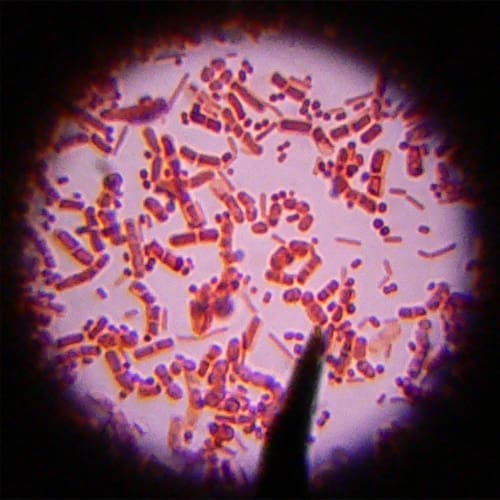
Coccal Co. is one of the Bach–Paterson nosodes prepared from mixed cultures of cocci – chiefly staphylococci and streptococci – originally isolated from chronically ill patients with recurrent septic and suppurative conditions. [Clinical] These include repeated sore throats, otitis, sinusitis, bronchitis, boils, abscesses and cellulitis, especially in those who respond only partially to repeated antibiotic courses. The laboratory cultures were grown, rendered non-viable (killed), then potentised by serial dilution and succussion according to homeopathic pharmacy practice (Bach, Paterson). Thus Coccal Co. represents a terrain pattern of susceptibility to coccus infections and their sequelae: chronic suppuration, lymphatic congestion, post-streptococcal rheumatic and renal complications, and a general “septic” tendency in the organism.
Proving Information
Coccal Co., like the other intestinal and related nosodes, has not been subjected to a full classical proving on healthy volunteers in the Hahnemannian sense. Its picture is built primarily from clinical provings and long-term observation by Bach, Paterson and later authors. [Clinical] Characteristic features – such as repeated ENT sepsis, chronic tonsillitis, recurrent otitis and sinusitis, pustular skin disease, boils, septic scars, cellulitis, post-streptococcal rheumatic and renal issues, and a general septic–suppurative tendency – have been repeatedly noted in the patients from whom the cultures were derived, and confirmed by the response to the nosode in practice. Limited provings in sensitive subjects have produced symptoms of feverishness, bone and joint pains, sore throats and skin inflammation, but the remedy remains predominantly clinically derived.
Remedy Essence
The essence of Coccal Co. is the organism caught in a cycle of coccus-driven sepsis, where every insult tends towards suppuration, pus and chronic infection, and where the sequelae of these infections weigh heavily on the patient’s vitality. These are the children who have had countless antibiotics, endless sore throats and ear infections; the adults with repeated boils, cellulitis, sinusitis, septic wounds and post-streptococcal joint or heart problems.
Psychologically, the remedy often suits those who feel worn and embittered by repeated illness. They may start out stoical and robust, but over time chronic infection erodes confidence. The patient may feel betrayed by their own body: “Every time I think I am better, something else flares up.” Anxiety centres on the fear of another attack – another hospital admission, another course of antibiotics, another surgical procedure. In children this anxiety may appear as clinginess, school avoidance and nightmares about medical settings.
Physically, the pattern is characterised by tendency to suppuration and coccus infection wherever the organism is weak. The skin erupts in boils, abscesses, impetigo; ENT tracts produce purulent catarrh; cavities and wounds become infected and heal slowly. The lymphatic system is chronically overtaxed: enlarged glands, tonsils and adenoids are common. Recurrent streptococcal sore throats may progress to rheumatic fever, carditis and glomerulonephritis; even when these classic complications do not occur, a residue of arthralgia, fatigue and subclinical inflammation persists.
Miasmatically, Coccal Co. sits at a syphilitic–sycotic junction. Syphilitic forces are seen in destruction and necrosis – deep suppuration, tissue breakdown, bone involvement, serious cardiorenal sequelae. Sycotic forces are revealed in overgrowth and chronicity – thick discharges, swollen tonsils, persistent lymphadenopathy, repeated infections and relapses. The psoric base supplies reactivity: fever, inflammatory response, itch, and the striving of the organism to push toxins outward.
In practice, Coccal Co. is rarely prescribed on mental symptoms alone. It is chosen when the clinical pattern of coccus infection is unmistakable: a heavy history of streptococcal or staphylococcal disease, recurring despite correct acute management; poor long-term response to repeated antibiotics; and signs that these infections have left structural and functional damage in their wake (scars, murmurs, kidney changes, chronic bronchitis, arthritic patterns).
Used wisely, the nosode acts as a terrain corrective between acute episodes, not as a replacement for acute remedies or life-saving interventions. In children, one sees over time a reduction in the number and severity of ENT infections, fewer suppurative episodes, better growth and energy, and less need for antibiotics or surgery. In adults, scars soften, old septic foci become quiescent, and the patient feels less prone to “flaring up” at every stress.
Coccal Co. must be differentiated from acute pus remedies like Hepar and Merc, from general sepsis remedies like Pyrogenium, and from broader nosodes like Medorrhinum and Psorinum. It is best suited when coccus infections and their sequelae are clearly central to the case – a signature etched across the history.
Affinity
- Skin and subcutaneous tissues – Strong affinity for suppurative skin conditions: boils, carbuncles, furuncles, abscesses, cellulitis, impetigo and recurrent infected wounds. Where abscesses recur or heal poorly despite antibiotics, Coccal Co. may help change the terrain. [Clinical]
- Respiratory tract (upper and lower) – Recurrent tonsillitis, pharyngitis, otitis media, sinusitis and bronchitis, particularly with purulent discharges and enlarged glands; also post-infectious asthmatic tendencies. Coccal Co. belongs to the “ENT child” who has had multiple antibiotic courses. [Clinical]
- Lymphatic system – Chronic enlargement and tenderness of cervical glands, tonsils, adenoids and regional nodes in the context of repeated coccus infections; sluggish lymph drainage and predisposition to localised sepsis.
- Cardio-vascular system (post-streptococcal) – Sequelae of streptococcal infections: rheumatic carditis, valvular damage, murmurs following sore throats, and vascular complications; a deep-acting nosode for this terrain, not an acute substitute for urgent care. [Clinical]
- Kidneys and glomeruli – Post-streptococcal glomerulonephritis patterns, haematuria, proteinuria following sore throats or skin infections; chronic low-grade renal inflammation linked to repeated coccus infections in the past.
- Joints and periarticular tissues – Post-streptococcal arthritis, rheumatic fever sequelae, migratory joint pains and recurrent septic arthritis; also chronic arthralgia and myalgia in patients with “never well since” severe sore throat or sepsis.
- Blood / septic states – Septicaemia, septic tendencies, repeated mildly septic episodes following surgery, dental work or trauma; the organism tends to respond with suppuration and pus formation. [Clinical]
- Immune system / infective terrain – Tendency to “catch” coccus infections repeatedly; poor response to antibiotics over time; lingering low-grade infection and fatigue between acute episodes.
Better For
- Better for free drainage of pus and discharges – When abscesses open and drain well, or when discharges flow freely, the patient feels relief: less pain, less fever, lighter head and improved energy. Suppression or premature closure tends to aggravate. [Clinical]
- Better for warmth and local heat – Warm compresses, hot baths and warm applications often ease suppurative pains, draw out pus and lessen stiffness in inflamed joints.
- Better in dry, clear weather – Dry, temperate weather is generally more comfortable; damp cold tends to aggravate bone pains, sinus congestion and chest complaints.
- Better after adequate rest and convalescence – Proper rest during and after infections allows fuller recovery; pushing on through illness worsens severity and recurrence.
- Better in open air (when not too cold) – Fresh air may ease headaches, sinus pressure and low-grade fever; stuffy, crowded rooms aggravate septic feelings and malaise.
- Better from gentle movement after stiffness – In post-infectious rheumatic states, joints may loosen and feel somewhat better after careful, gentle movement, though overuse fatigues.
- Better when anger or frustration is expressed – Emotional expression, including healthy anger at being repeatedly unwell, often coincides with improvement in energy and lessening of pain; bottled resentment aggravates.
Worse For
- Worse from damp cold and chill – Damp, cold conditions aggravate ENT infections, sinusitis, bronchitis, bone and joint pains; many Coccal Co. patients dread winter and wet seasons. [Clinical]
- Worse after exposure to infection – Contact with streptococcal or staphylococcal infections (schools, hospitals, close family illness) easily triggers another round of sore throat, otitis or skin infection.
- Worse after incomplete or suppressive antibiotic treatment – Repeated antibiotic courses may shorten acute episodes but drive the tendency deeper, leading to more chronic and complex states; each course seems to leave the patient more susceptible. [Clinical]
- Worse from suppression of discharges or eruptions – Rapid suppression of skin eruptions, boils, otorrhoea or nasal discharge can be followed by deeper pathology: sinusitis, bronchitis, joint pains or renal symptoms.
- Worse at night and towards early morning – Pains, fevers and restlessness often intensify at night: throbbing in ears or sinuses, bone pains, cough and anxiety.
- Worse from injury, surgery or dental work – Wounds and surgical sites may suppurate, heal slowly or repeatedly become infected; dental work can precipitate sepsis, sinusitis or distant joint complaints. [Clinical]
- Worse from fatigue and overwork – Over-tired patients succumb more easily to infection, recover more slowly and have more complications.
Symptomatology
Mind
The Coccal Co. mental picture carries a strong imprint of living under the shadow of recurrent sepsis and infection. Patients are often weary of being ill: tired of doctors, antibiotics and medical procedures. There is a mixture of irritability, impatience and low-grade anxiety – “When will the next infection hit?” They may feel resentful towards their own body for “letting them down”, especially when work or family duties are repeatedly interrupted by illness. [Clinical]
Children needing Coccal Co. are frequently frustrated, clingy and irritable, particularly when ears, throat or sinuses hurt. Chronic sleep disruption and pain make them moody, whiny and sometimes aggressive. They often become fearful of doctors and any suggestion of “going to hospital” or “more medicine”, having had multiple invasive experiences.
Adults may show a stubborn, stoical front, pushing through repeated infections until they collapse; or conversely, a preoccupation with hygiene, fear of germs and reluctance to mix socially when “bugs are about”. Recurrent sepsis leaves its mark as mistrust in their own resilience. Depression has a septic colour: flat, heavy, with a sense of being “poisoned inside”, often worse in the evenings with fevers and bone pains.
Improvement under Coccal Co. often includes not only fewer infections but a noticeable lightening of mood, less fear of recurrence and greater trust in the body; the patient feels stronger, less embattled.
Head
Head symptoms tend to accompany sinusitis, sepsis and fever. There are dull, pressive, congestive headaches across the forehead and root of the nose, worse from bending forward, in damp weather and in stuffy rooms. Pain may extend to cheeks and teeth with maxillary sinus involvement, throbbing more at night. [Clinical]
In septic states, there can be a heavy, “muzzy” head, with a sense of being hot, poisoned or confused. Headaches may accompany a rising temperature or follow a sudden chill; they often improve with free sweating or drainage of pus (from sinuses, ears or abscesses). Children may hold their heads, cry and press the head into pillows during ear or sinus infections.
Recurrent streptococcal sore throats may be accompanied by frontal headaches and neck stiffness; in some cases, post-infectious migraine-like headaches persist even after the acute infection has resolved. Coccal Co. is relevant when these headaches clearly trace back to a pattern of coccus sepsis.
Eyes
The eyes may be involved in peri-orbital cellulitis, conjunctivitis and sinus-related symptoms. The tissues around the eyes can become puffy, sensitive and slightly inflamed in recurrent sinusitis; children may wake with sticky lashes and red conjunctivae after ENT infections. [Clinical]
In septic and febrile episodes, eyes may appear glassy, dull or sunken, with dark circles and a “toxic” look. Photophobia and aching of the eyes can occur when headaches are severe. Some patients develop recurrent styes and meibomian cysts that suppurate, heal, then recur; where this pattern repeats despite local measures, Coccal Co. may be considered as part of the deeper terrain.
Ears
Ears are a major sphere for Coccal Co. Recurrent otitis media, glue ear and suppurative ear infections are strongly associated with coccus flora, especially in children. The picture includes earache that is throbbing, bursting, worse at night, the child crying, restlessly tossing and often holding or rubbing the ear. Discharge from the ear (otorrhoea) may be thick, purulent and offensive; antibiotics relieve acutely but episodes recur, and in between the child remains irritable, deaf, and sleep-disturbed. [Clinical]
There may be a history of perforated eardrums, grommet insertion and repeated ENT surgery, yet the underlying susceptibility persists. Coccal Co. is aimed at this deeper pattern: the terrain that permits such infections to take hold and recur. Hearing may be muffled between attacks; the child may say “What?” often, or sit close to the television. In adults, chronic suppurative otitis and mastoid problems with a long coccus history may also respond.
Nose
The nose reflects chronic, often purulent catarrh. There is a tendency to repeated colds, progressing to sinusitis with thick, yellow–green, sometimes offensive discharge. Blocked nose, mouth-breathing, post-nasal drip and snoring are common, especially in children with enlarged adenoids and tonsils. [Clinical]
Sneezing and watery coryza may precede or follow the purulent phase; frontal headaches accompany maxillary sinus involvement. Antibiotics often bring temporary relief, but the child remains “snotty” most of the winter, with constant nasal discharge or congestion. Coccal Co. is considered when this pattern is entrenched and obviously coccus-driven.
Face
The face may show signs of chronic infection and toxicity: pale or sallow complexion with hectic flushes on the cheeks in the evening; dark circles under the eyes; a tired, strained look. In children, adenoidal facies – open mouth, dull eyes, nasal speech – reflects the long-standing ENT burden. [Clinical]
Boils and carbuncles may appear on face, neck or scalp, leaving scars; impetigo around nose and mouth is common in school-age children with coccus dominance. The facial expression during acute episodes is one of pain, irritability and exhaustion; between episodes there is a lingering anxiously resigned look in some cases.
Mouth
The mouth and oral cavity can show recurrent sepsis and inflammation. Tonsils and fauces belong more to the throat section, but the gums, mucosa and tongue also participate. There may be recurrent aphthous ulcers after infections or antibiotics, gingivitis with swollen, bleeding gums, and slow healing after dental work, especially if complicated by local infection. [Clinical]
The breath may be offensive in chronic tonsillitis or sinusitis; patients complain of bad taste and foul morning mouth. Tongue may be coated, especially during fevers, with red edges and sore papillae. In some, candidal overgrowth follows repeated antibiotics, leading to sore, red tongue and burning mouth; Coccal Co. is not a direct anti-fungal remedy but can help shift the underlying susceptibility to repeated drug use and sepsis.
Teeth
Teeth are not the central focus, yet septic dental histories often appear in Coccal Co. cases: recurrent dental abscesses, infected root canals, osteitis of the jaw and slow healing after extractions. The pattern is one of tendency to suppuration wherever tissue has been disturbed. [Clinical]
Toothache may be throbbing, worse at night, improved after drainage of pus from the gum. Where dental sepsis has preceded or accompanied systemic issues – sinusitis, joint pains, cardiac murmurs – Coccal Co. may be part of the nosode strategy, alongside local dental care and constitutional remedies.
Throat
The throat is one of Coccal Co.’s most important arenas. Recurrent tonsillitis, pharyngitis and strep throat form a huge part of its clinical image. The throat is sore, raw, burning; swallowing is painful; tonsils are enlarged, red, often with white or yellow exudate or cryptic plugs; cervical glands are swollen and tender. Fever, prostration and headache accompany. [Clinical]
Episodes may resemble scarlet or rheumatic fever risks: bright red throat, rash, joint pains and subsequent heart or kidney involvement. Antibiotics are often prescribed; however, in some patients the pattern repeats many times in childhood, leaving a legacy of fatigue, joint issues and heart murmurs. Coccal Co. is used between acute attacks to alter the underlying tendency, not as a substitute for urgent care in an acute streptococcal crisis.
Post-tonsillectomy, some patients develop recurrent pharyngitis and lower respiratory infections; Coccal Co. may be useful where the coccus pattern persists despite removal of tonsils.
Stomach
Stomach symptoms are secondary but may accompany sepsis, fever and antibiotic use. Nausea, poor appetite, vomiting at the height of acute infections and anorexia during prolonged illness are common. Many children lose weight during repeated ENT infections, complaining of “sick tummy” and refusing food until the acute phase passes. [Clinical]
Antibiotics can provoke gastritis, nausea and a disordered appetite, contributing to a cycle of poor nutrition and lowered resistance. Coccal Co., by reducing frequency and severity of infections, often indirectly improves gastric function and appetite.
Abdomen
The abdomen may be affected through lymphatic and renal sequelae. In post-streptococcal states, there can be abdominal discomfort, fullness in flanks, or lumbar aching reflecting kidney involvement. Mesenteric lymph nodes may be enlarged in children with chronic infections, causing intermittent abdominal pains and tenderness. [Clinical]
During acute sepsis, abdominal distension and diffuse tenderness may arise from systemic toxaemia. However, unlike bowel nosodes such as Bac-10, Coccal Co. is not primarily a gut remedy; its abdominal indications are more linked to lymphatic and renal congestion than to irritable bowel patterns.
Urinary
Urinary symptoms connect mainly with post-streptococcal kidney involvement. There may be blood in urine (haematuria), foamy urine from protein, lumbar ache, oedema of face or ankles, and malaise following sore throats or skin infections – classic glomerulonephritic patterns. [Clinical]
Recurrent lower urinary tract infections due to coccus organisms (especially in women and children) may also indicate Coccal Co., particularly when they co-exist with ENT and skin sepsis and the patient has had many antibiotic courses. Burning, frequency and urgency are mild to moderate, but the main emphasis lies on chronic recurrence and poor response.
Rectum
Rectal symptoms are not a core feature, but antibiotic-associated diarrhoea or constipation can appear in Coccal Co. cases. Children may have loose stools during antibiotics, then sluggish bowels afterwards. Adults sometimes develop haemorrhoids or fissures after prolonged strain from febrile dehydration and altered habits. [Clinical]
These rectal issues are usually secondary and improve as the infection pattern subsides and drug pressure is reduced. Coccal Co. is not principally chosen for rectal pathology; it accompanies its main sepsis terrain.
Male
In men, Coccal Co. may be indicated when recurrent skin and ENT sepsis is accompanied by post-streptococcal arthralgia or cardiac murmurs. Prostatitis with septic features – pain, fever, chills, purulent discharge – may belong to this terrain, especially if triggered after urethral instrumentation or catheterisation. [Clinical]
Sexual function may be diminished during chronic sepsis due to fatigue and malaise, rather than primary sexual pathology. Improvement under the nosode restores energy and interest as infections lessen.
Female
In women, Coccal Co. may present in a similar way: repeated ENT infections, boils, mastitis and pelvic sepsis. Postpartum women may develop breast abscesses, septic wounds or endometritis; where coccus infection is demonstrated and the tendency persists, Coccal Co. may support deeper healing once acute danger is past. [Clinical]
Recurrent cystitis of staphylococcal origin, secondary infection of episiotomy scars, and chronic pelvic inflammatory states with a septic history may also point to this nosode. Menstrual cycles may become irregular during prolonged illness and antibiotic treatment, normalising as systemic infection load decreases.
Respiratory
Respiratory symptoms include chronic cough, bronchitis and post-infectious asthma. A child with repeated streptococcal or staphylococcal infections may develop reactive airways: wheeze after colds, nocturnal cough, chest tightness and reduced exercise tolerance. [Clinical]
Sputum is often thick, yellow–green and difficult to expectorate; cough may be worse at night, in damp weather and on first waking. Adults may suffer chronic bronchitis with periodic septic exacerbations, each requiring antibiotics; Coccal Co. is indicated when these episodes clearly stem from coccus flora and the pattern repeats.
Heart
Heart involvement is crucial in the post-streptococcal sphere. Rheumatic fever, carditis, and damage to heart valves (mitral and aortic) may leave murmurs, palpitations, exertional dyspnoea and easy fatigue in their wake. [Clinical]
The Coccal Co. patient may have a history of severe sore throat in childhood, followed by rheumatic fever, then a lifetime of cardiac monitoring. Later in life, they experience breathlessness, chest pains on exertion and arrhythmias. Coccal Co. does not replace conventional cardiology; it is a deep-acting nosode that may help stabilise the post-strep terrain and reduce further infectious triggers that could worsen cardiac damage.
Chest
The chest is often involved in the downward progression of upper respiratory coccus infections. Recurrent bronchitis, broncho-pneumonia and pleurisy can follow repeated sore throats and sinusitis, particularly in children and the elderly. Cough tends to be productive, with purulent sputum; fever and sweating accompany; there can be stabbing pains in the chest on breathing in pleuritic involvement. [Clinical]
Coccal Co. is not used as a stand-alone acute pneumonia remedy, but as a terrain remedy in those with a clear pattern of coccus-driven chest infections, often after multiple antibiotic courses, with each illness leaving the lungs weaker.
Back
Back symptoms are usually secondary to septic or rheumatic involvement. There may be aching in the thoracic spine during chest infections, or lumbar pain with kidney and urinary tract involvement. Post-streptococcal arthritis can involve the spine, causing stiffness and pain on movement, worse in damp cold, better with some warmth and gentle motion. [Clinical]
Backache may also reflect general toxaemia: dull, dragging pains during fevers, making it hard to find a comfortable position in bed. These pains often improve as infection resolves and sweating clears toxins.
Extremities
Extremities show both suppurative and rheumatic manifestations. There may be recurrent boils, carbuncles and abscesses on limbs, especially thighs and buttocks, with redness, heat, throbbing and central necrosis; healing is slow, scarring is prominent, and new lesions appear elsewhere. [Clinical]
Joint involvement includes migratory arthritis, especially after throat or skin infections: hot, swollen, painful joints that move from one joint to another, classic of rheumatic fever. Smaller septic foci may appear as infected bursae or tendon sheaths. In chronic states, joints may remain enlarged, painful and stiff, particularly in damp weather; there is a sense that each infection “settles” in a different joint.
Skin
Skin is one of the primary outlets for Coccal Co. pathology. There is a strong tendency to boils, furuncles, carbuncles, impetigo, folliculitis, cellulitis and abscess formation. Lesions are red, hot, painful, often throbbing; pus forms, sometimes thick and offensive; healing leaves scars. New lesions arise elsewhere, especially during periods of fatigue or stress. [Clinical]
Impetigo and infected eczema in children – honey-coloured crusts, weeping lesions, repeated infections – may call for this nosode when they follow the typical coccus pattern and recur despite local care and antibiotics. Wounds and surgical incisions may become infected, ooze pus and heal poorly. Coccal Co. is a major nosode for septic skin terrains, used alongside appropriate acute remedies (Hepar, Merc, Pyrogen, etc.) and local measures.
Sleep
Sleep is often disturbed by pain, fever and anxiety about infections. Children with earache or sore throats wake crying, restless, tossing; adults with sinusitis, bone pains or high fever find it hard to settle, waking frequently drenched in sweat or with throbbing pains. [Clinical]
Fear of suffocation during severe chest infections, or palpitations from post-strep heart disease, may add to insomnia. Recurrent night waking before midnight or towards early morning when fevers rise is common. Sleep becomes more settled and restorative as the septic tendency is brought under control; fewer infections mean fewer nocturnal crises.
Dreams
Dreams often reflect fear, pain and medical experiences. Children may dream of doctors, hospitals, needles, operations and being examined; these dreams may be vivid, frightening and accompanied by crying out or clinging to parents. [Clinical]
Adults may dream of being chased, wounded, bleeding or suppurating; or of dirty, contaminated environments – filthy water, pus, rubbish – symbolically mirroring their septic terrain. Dreams of choking, suffocation or being unable to speak can echo throat and chest pathology. These septic-coloured dreams often diminish as the nosode and constitutional remedies restore health.
Fever
Fever is a major feature. Coccal Co. covers high, swinging, septic fevers as well as recurrent low-grade temperatures. In acute infections, the temperature may rise sharply, with chills, rigours, intense heat, throbbing pains, delirium and prostration. The patient may smell offensive, with sour or “septic” odours from sweat, breath and discharges. [Clinical]
In chronic states, there may be evening rises of temperature, slight but persistent, with fatigue, flushed cheeks, night sweats and bone pains. Recurrent acute fevers – one infection after another – gradually erode vitality. Coccal Co. is not an acute anti-pyretic remedy, but a deep nosode that, when used in the appropriate terrain, can reduce the frequency and severity of such fevers over time.
Chill / Heat / Sweat
The pattern of chill, heat and sweat is typical of septic and rheumatic states. There may be violent chills at the onset of infection, shaking and chattering teeth, followed by intense, burning heat, throbbing and red face. Sweating comes later, often copious and offensive, leaving the patient exhausted. [Clinical]
In chronic low-grade sepsis, there may be mild alternating chills and flushes, sensitive to draughts and damp weather. Extremities may remain cold while the trunk feels hot. Sweating is often most intense at night and during exacerbations of infection.
Food & Drinks
Food and drink preferences are often altered by recurrent infections, drug use and malaise. Appetite diminishes during acute sepsis; patients may crave only cold drinks, ice or fruit, or refuse food altogether. After repeated antibiotics, some develop aversions or sensitivities (e.g., to dairy, wheat) and a tendency to digestive upset. [Clinical]
Thirst may be marked for cool water during fever; some crave salty or savoury foods in convalescence. Heavy, greasy, very sweet or highly processed foods often aggravate sepsis, making discharges thicker and recovery slower. As the tendency to infections is reduced with Coccal Co. and constitutional treatment, appetite and food tolerance generally improve.
Generalities
In general, Coccal Co. portrays a person whose organism is prone to suppuration, sepsis and recurrent coccus infections, and who may carry the scars – literal and figurative – of multiple illnesses and interventions. Energy is often reduced, particularly after years of repeated infections: there is a sense of being worn down, with less resilience, less reserve. [Clinical]
The body’s way of dealing with disturbance is to produce pus and inflamed discharges: from skin, ears, sinuses, tonsils, lungs, kidneys, pelvic organs. Suppression of these outlets often leads to deeper complications – heart, kidneys, joints – highlighting the remedy’s syphilitic depth. The lymphatic system is overworked, glands enlarge and remain tender; the immune system is reactive yet inefficient.
Modalities summarise: worse from damp cold, exposure to infection, suppression (antibiotics, ointments, early surgical removal of foci), injuries and fatigue; better from free drainage of pus, warmth, open air, rest and proper convalescence. Coccal Co. is not a first-choice acute remedy but a deep-acting nosode to be used judiciously between episodes, or in long-standing post-septic states, to help re-train the terrain away from chronic coccus susceptibility.
Differential Diagnosis
Within nosodes and bowel nosodes
- Staphylococcin / Streptococcin – More specific nosodes prepared from particular coccus strains. Use them when a single organism predominates clinically or in laboratory results; Coccal Co. suits mixed or uncertain coccus terrains and broader recurrent patterns.
- Bac-10 (Bacillus No. 10) – Gut–skin–joint axis with irritable bowel, eczema/psoriasis and alternation of constipation and diarrhoea. Bac-10 is more intestinal and psoriatic; Coccal Co. more septic–suppurative with ENT and skin boils.
- Bac-7 (Bacillus No. 7) – Systemic fatigue, inflammatory arthritis, low blood pressure and post-infectious states; less focused on suppuration and coccus sepsis than Coccal Co., though both share a post-infectious terrain.
- Dys-co. (Dysentery co.) – Severe dysenteric bowel symptoms with tenesmus and mucous–bloody stools; more intestinal and colitic, while Coccal Co. is more ENT–skin–joint sepsis.
- Med. (Medorrhinum) – Deep sycotic nosode with warts, catarrh, asthma and sexual/urinary themes; Medorrhinum is more about gonorrhoeal and sycotic overgrowth states; Coccal Co. about coccus sepsis and suppuration.
- Psor. (Psorinum) – Profound debility, offensiveness, filthy discharges and despair; Psorinum is more generally toxic and hopeless, with extreme chilliness; Coccal Co. has more targeted septic/suppurative and post-strep focus.
By suppuration and septic tendencies
- Hepar-s. – Very sensitive, chilly, irritable; classical “pus maker” for acute abscesses, boils and suppuration threatening. Hepar sulphuris is an acute local pus remedy; Coccal Co. addresses the constitutional tendency to repeated coccus suppuration.
- Merc. – Offensive discharges, mouth ulcers, sore throat, bone pains, and sweats; Mercurius is more acutely toxic, salivating and unstable; Coccal Co. is more about recurrent coccus infection history and post-strep sequelae.
- Pyrog. – Severe septic states, high fevers, prostration, disordered pulse–temperature relationship, septic shock. Pyrogenium is an acute sepsis remedy; Coccal Co. is the chronic septic terrain behind repeated infections.
- Sil. – Tendency to abscess formation, foreign body reactions, delayed healing and expelled splinters. Silica is more deeply about lack of stamina and inability to throw out foreign material; Coccal Co. is specifically coccus-related and post-infectious.
- Calend., Echin. (local and general sepsis supporters) – Used locally or systemically for wound healing and sepsis; less specific as nosodes. Coccal Co. is more targeted to coccus terrain.
By recurrent ENT infections
- Lac-c. (Lac caninum) – Severe sore throats, alternating sides, hysterical and emotional states. Less obviously septic; Coccal Co. more indicated in streptococcal history with suppuration and sequelae.
- Baryta-c. – Enlarged tonsils and glands in shy, immature children; Baryta carbonica is more developmental and glandular; Coccal Co. more septic and suppurative.
- Tub. – Recurrent respiratory infections in restless, change-seeking children; Tuberculinum has strong tubercular traits, while Coccal Co. is more strep/staph oriented with suppuration.
By post-streptococcal cardiac and renal sequelae
- Rhus-t. – Rheumatic, joint pains worse for rest, better for motion, damp aggravates; strong acute rheumatic remedy. Coccal Co. addresses the deeper tendency after streptococcal infections; both may be used sequentially.
- Bry. – Rheumatic pains worse from any movement, better from rest; in pleurisy and pericarditis. Bryonia is acuter; Coccal Co. is chronic nosode terrain.
- Berb., Med., Syph. – Remedies and nosodes with renal and syphilitic tendencies; Coccal Co. is more clearly tied to post-strep glomerular patterns.
Remedy Relationships
- Complementary: Hepar-s., Merc., Sil., Sulph., Calc., Baryta-c., Rhus-t., Bry., Tub. – These remedies often appear in the history of Coccal Co. patients. The nosode may be used intercurrently to reduce septic susceptibility so that these polychrests can act more fully and with longer-lasting effect.
- Complementary: Staphylococcin, Streptococcin, Bac-10, Bac-7, Dys-co. – Other nosodes that may follow or precede Coccal Co. depending on which infectious or intestinal pattern is strongest at a given time. Nosodes should not be alternated lightly but used according to clear indications.
- Follows well: Repeated acute remedies and antibiotics that have partially helped – Where Hepar, Merc, Bell., Phyt., Bry., Rhus-t., and multiple antibiotics have repeatedly managed acute episodes but the patient remains in a cycle of infection, Coccal Co. may follow to break the pattern.
- Precedes well: Deeper miasmatic nosodes (Psor., Med., Tub., Syph., Carc.) – In complex chronic cases, the coccus terrain may be addressed first with Coccal Co., before moving on to broader miasmatic nosodes, reducing aggravations and clarifying the case.
- Antidotal / balancing – At the level of terrain, Coccal Co. can partially “antidote” the constitutional consequence of prolonged coccus infection and repeated antibiotic suppression, not by cancelling drug effects but by re-educating the immune response. [Clinical]
- Cautions – Coccal Co. is a powerful remedy; avoid excessive repetition. Allow sufficient time to evaluate changes in infection frequency, severity, and systemic health before re-dosing.
Clinical Tips
- Think of Coccal Co. in children with repeated otitis, tonsillitis and sinusitis, especially when they have had many antibiotic courses, grommets, tonsillectomy or adenoidectomy, yet still suffer recurrent coccus infections and lingering catarrh. [Clinical]
- Consider it for recurrent boils, carbuncles, skin abscesses and septic wounds, particularly when acute remedies and antibiotics help only temporarily and new lesions keep appearing.
- Use Coccal Co. as an intercurrent nosode in post-streptococcal rheumatic and renal states, alongside indicated remedies (Rhus-t., Bry., Med., Berb., etc.), to reduce further infectious triggers and stabilise the terrain.
- In patients with history of severe sore throats followed by heart murmurs or chronic joint pains, Coccal Co. may help reduce the ongoing susceptibility to streptococcal reactivation.
- Dosing is usually at medium to higher potencies (e.g. 30C, 200C, occasionally 1M), given at intervals (every few weeks or months) and not repeated routinely. Judge repetition by long-term trends in infection rate, severity, recovery speed and overall vitality, rather than by transient symptoms. Overuse risks muddling the picture or provoking unnecessary aggravations. [Clinical]
Selected Repertory Rubrics
Mind
- Mind; anxiety; health, about; from recurrent infections – Fear of next attack, especially after repeated sepsis.
- Mind; irritability; from repeated illness and pain – Frustration and anger at being frequently unwell.
- Mind; fear; doctors, hospitals, medical procedures; in children – After many ENT operations and interventions.
- Mind; depression; chronic; from long illness and suppuration – Flat, septic weariness of life from repeated infections.
Head / Nose / Throat / Ears
- Head; pain; frontal; with sinusitis; purulent discharge – Dull, pressing frontal headache with thick catarrh.
- Nose; discharge; purulent; chronic; children – Long-standing yellow–green catarrh with adenoids and ENT history.
- Throat; tonsillitis; recurrent; streptococcal; history of rheumatic fever – Repeated severe sore throats with post-strep sequelae.
- Ear; otitis media; recurrent; with suppuration; children – Repeated ear infections with pus and poor hearing.
- Ear; discharge; purulent; offensive; chronic – Chronic otorrhoea in septic terrains.
Chest / Respiration / Heart
- Respiration; bronchitis; recurrent; post-tonsillitis – Chest infections following repeated throat infections.
- Respiration; asthma; after recurrent infections and antibiotics – Reactive airways in post-infectious terrain.
- Chest; pneumonia; recurrent; septic – Repeated septic chest infections in staph–strep history.
- Heart; rheumatic; valvular disease; following streptococcal infection – Cardiac murmurs and rheumatic valvular damage post-strep.
Kidneys / Urinary
- Kidneys; inflammation; glomerulonephritis; post-streptococcal – Kidney involvement after sore throat or skin infection.
- Urinary; infection; recurrent; with coccus history – Repeated UTIs in staph/strep terrain.
Extremities / Joints
- Extremities; pain; joints; migratory; after sore throat – Post-streptococcal rheumatic-type arthritis.
- Extremities; arthritis; septic; recurrent – Repeated septic arthritis episodes.
- Extremities; boils; recurrent; thighs, buttocks – Suppurative lesions recurring on limbs.
Skin
- Skin; boils; recurrent; staphylococcal – Repeated furuncles and carbuncles, poor response to treatment.
- Skin; abscesses; recurrent; after injury or surgery – Suppurative tendency of wounds and scars.
- Skin; impetigo; recurring; children – Honey-crusted lesions around mouth and nose in coccus terrain.
- Skin; cellulitis; recurrent; staphylococcal – Repeated painful, red, hot infections of skin and subcutis.
Generalities / Fever
- Generalities; suppuration; tendency to – Pus formation wherever tissue is injured.
- Generalities; infections; recurrent; streptococcal or staphylococcal – History dominated by coccus infections.
- Fever; septic; recurrent; low-grade between attacks – Lingering low fevers in chronic septic terrain.
- Generalities; antibiotics; after; never well since – Chronic loss of resilience after repeated antibiotic courses.
References
Bach E. — Early papers on intestinal and systemic nosodes (1920s–30s): conceptual foundation for using bacterial flora and coccus organisms in chronic disease.
Paterson J. & Paterson E. — The Bowel Nosodes: primary descriptions of Coccal Co. and related nosodes, linking laboratory findings with clinical patterns of coccus infection and suppuration.
Choudhuri N. N. — A Study on the Bowel Nosodes: discussion of Coccal Co. as a nosode for septic and suppurative terrains, particularly in ENT and skin disease.
Templeton J. — The Bowel Nosodes in Clinical Practice: modern clinical synthesis, including indications for Coccal Co. in recurrent ENT, skin and post-streptococcal pathologies.
Mukerji K. (trans.) — Intestinal Nosodes of Bach–Paterson: detailed Materia Medica and clinical comments on Coccal Co. and other Bach–Paterson nosodes.
Zulu N. — Clinical discussions on nosodes and recurrent infections: notes on Coccal Co. in ENT and septic conditions and its relationship with antibiotic overuse.
Disclaimer
Educational use only. This page does not provide medical advice or diagnosis. If you have urgent symptoms or a medical emergency, seek professional medical care immediately.