

Chimaphila umbellata
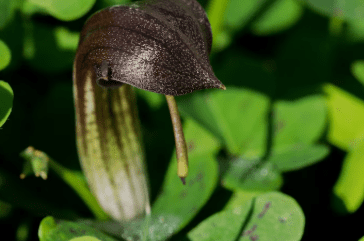
Substance Background
An evergreen, low, creeping plant of Ericaceae (wintergreen kin). The fresh leaves and tops are tinctured for homœopathic use. Phytochemistry (arbutin/hydroquinone derivatives, tannins, volatile principles) underlies historic urinary antiseptic/diuretic effects and astringency, anticipating the remedy’s sphere in catarrhal cystitis, prostatic hypertrophy, and renal dropsy ([Toxicology]/[Clinical]). [Hale], [Hughes], [Clarke]
Proving Information
The picture is clinically driven and amplified by partial provings: repeated confirmations in chronic bladder catarrh, enlarged prostate with retention/strangury, urine loaded with ropy mucus, sensation of a ball in the perinæum, and mammary tumours with lancinating pains ([Proving]/[Clinical]). [Hering], [Allen], [Clarke], [Boericke]
Remedy Essence
Chimaphila umbellata is the catarrhal bladder remedy with a mechanical signature. The mucosa is loaded—ropy, shreddy, offensive urine—and the outlet is shy; the patient must brace (feet apart, leaning forward, hands on thighs) to unlock the stream. That single picture gathers the case: sycotic hypertrophy (prostate/glands), psoric fatigue and sensitivity, episodes worse at night and in cold damp, and better when the stream runs freely and warmth comforts the hypogastrium. In men, a ball in the perinæum literally weights decision-making—he cannot move on until it is relieved; in women, the same mucous habit shows as chronic cystitis and, constitutionally, in mammary nodules with lancinating pains. The remedy does not act by violence like Cantharis; it organises drainage—eases tenesmus, thins the muck, steadies the posture—and so restores the habit of voiding.
Psychologically, patients become order-keepers: loosen belts, choose warm quiet corners, avoid beer/spices, practise unhurried privacy. Anxiety is practical more than existential—“Will I be able to start?”—and it unknots when the first warm stream runs. The kingdom speaks through Ericaceae astringency/antisepsis: gentle, local, mucosa-directed—mirrored by the clinical action in bladder catarrh, prostate hypertrophy, and glandular states. Differentially, pick Chim. when ropiness + posture + perinæal ball define the canvas; choose Pareira if the patient must go on all fours with pain to thighs; Cantharis for fiery haemorrhagic tenesmus; Sabal for pure prostate weakness without mucus; Terebinthina when urine is smoky/albuminous; Sarsaparilla when the agony is at the close. A good Chimaphila outcome is modest and unmistakable: the patient urinates standing naturally, without bracing; nights grow quiet; the basin no longer strings; the ball is gone; and—if present—the mammary nodes lose their edge.
Affinity
- Urinary bladder (catarrh). Constant urging; must strain long; urine scanty, offensive, loaded with ropy/shreddy mucus or pus; burning/scalding at neck of bladder. Classic in old men and little girls with irritable bladder. See Urinary. [Hering], [Allen], [Boericke]
- Prostate. Hypertrophy with retention; sensation of a ball in the perinæum; can pass water only standing, feet wide apart, leaning forward, hands on thighs. See Male/Generalities. [Clarke], [Boericke], [Hering]
- Urethra. Gleet/old gonorrhœa sequelae; filamentous threads in urine; smarting in fossa navicularis. See Male/Urinary. [Allen], [Farrington]
- Kidneys/renal pelvis. Backache in renal region; dropsical states from renal irritation; “gravel” symptoms with scant, irritating urine. See Back/Fever/Generalities. [Hale], [Boger]
- Mammae (female breast). Indurations/nodular tumours, scirrhous tendency; lancinating pains, tenderness, better from supporting the breast. See Female. [Clarke], [Boericke], [Hale]
- Lymphatic glands. Scrofulous habit; cervical/axillary nodes enlarged with sluggish catarrhs. See Skin/Generalities. [Hering], [Clarke]
- Mucous membranes (general). Astringent/alterative tone—catarrh with thick, sticky mucus; foul odours from urinary sediment. See Rectum/Urinary. [Hale], [Hughes]
- Pelvic floor/perinæum. Pressure, heaviness, and “ball” sensation in perinæum in both sexes; tenesmus after stool/urination. See Rectum/Male. [Boericke], [Allen]
Better For
- Standing with feet apart, leaning forward, hands braced on thighs—permits the urine to start/continue (postural key). [Clarke], [Boericke]
- Passing urine fully—relieves pelvic pressure and perinæal “ball.” [Hering]
- Warmth (general/local)—hot fomentations over hypogastrium/prostate soothe burning. [Allen], [Hale]
- Gentle walking after long sitting—restores bladder tone without jolting. [Clarke]
- Supporting the breasts—eases pain in mammary indurations. [Clarke], [Boericke]
- Small, frequent drinks—less irritation than large draughts. [Hale]
- Time—after acute flare subsides—catarrh eases with steady dosing. [Hering]
- Privacy and unhurried urination—reduced sphincter spasm. [Clinical], [Clarke]
- After stool (in some)—pelvic congestion lessens transiently. [Allen]
- Open air (mild)—less oppressive than warm, stuffy rooms for urinary tenesmus. [Clarke]
Worse For
- Sitting long / riding / jolting—bladder/prostate congestion and tenesmus. [Boger], [Clarke]
- Cold, damp weather / cold drinks—increase strangury and scalding. [Hering], [Allen]
- At night—frequent, fruitless urging; disturbed sleep. [Boericke]
- After suppression of gonorrhœal discharge—prostatic irritation resurges. [Farrington]
- After beer and highly seasoned food—urine more acrid. [Clarke], [Hale]
- Emotional embarrassment about voiding—sphincter “locks,” must wait and brace (Mind ↔ Urinary). [Clarke]
- First movement after rest—urging recurs before stream starts. [Allen]
- Pressure of tight belts/bands—hypogastric discomfort worsens. [Clarke]
- Lying on back (some)—pelvic pressure felt more; compels the hallmark position to void. [Boericke]
- After incomplete urination—burning and “ball” sensation intensify. [Hering]
Symptomatology
Mind
The Chimaphila patient is practical, private, and embarrassed by urinary difficulty—especially the need for the awkward braced posture to void (standing, feet apart, leaning forward, hands on thighs) (this directly tallies with the 10a postural keynote and Male/Urinary spheres). Anxiety anticipates public situations—a railway carriage, a meeting, a pew—where urging comes with inability to start, and the mind’s worry tightens the sphincter (Mind ↔ Urinary). Irritability follows repeated night calls; the temper is not theatrical but weary, with an inward twitch when asked to wait one moment more (Sleep ↔ Urinary). The patient becomes rule-bound: avoiding beer, keeping warm, loosening belts, seeking privacy—practical strategies that partially restore control (10a/10b). Shame about offensive, ropy, shreddy urine fosters withdrawal; the sufferer may avoid social visits for fear of prolonged lavatory stays (Mind ↔ Generalities). Confidence returns in fresh air and in familiar bathrooms; strange places and stuffy rooms worsen the sense of pelvic crowding (Mind ↔ 10a Open air). Old men grow cautious in travel; young women with mammary nodules become quietly vigilant, supporting the breast when walking (Mind ↔ Female). Children with bladder catarrh grow fretful and clingy toward evening, dreading the sting of urine; once the stream runs freely, their mood brightens (Mind ↔ Urinary). After weeks of strain, a low discouragement can set in, yet the patient remains matter-of-fact and relieved by any sign that the bladder is emptying more naturally (Mind ↔ Clinical improvement). [Clarke], [Hering], [Allen], [Boericke]
Head
Dull heaviness during urinary retention; head clears after a good stream (Head ↔ Urinary). Congestive faces in warm rooms accompany strangury (10b worse stuffy heat). Headache from broken sleep is common; it lifts as nocturia eases. No specific neuralgic map; symptoms are reflex and vascular. Compare Nux (irritable, business headache with urinary urging after stimulants) versus Chim. (catarrhal bladder aetiology). [Allen], [Clarke], [Farrington]
Eyes
No primary ocular pathology; tired, dull eyes from lost sleep and discomfort; astringent tears with strong odours (reflecting general catarrh). Compare Euphrasia (eye-led catarrh) vs Chim. (urinary-led). [Clarke]
Ears
Secondary humming at night from wakefulness rather than labyrinth disease; settles as nocturia reduces. [Allen]
Nose
Catarrhal subjects may have relaxed mucosa with bland discharge; not guiding unless the urinary picture confirms. [Clarke], [Hale]
Face
Sallow in long urinary catarrh; anxious lines during efforts to void; flush after success; odour of urine may be strong. [Clarke], [Allen]
Mouth
Dryness with thirst in dropsical states; foul taste if urine offensive; salivary astringency mirrors bladder catarrh. [Hale], [Clarke]
Teeth
No primary odontalgia; clenching during urging noted in some; jaw relaxes when the stream begins. [Allen]
Throat
Globus with anxiety before attempting to void; passes off after urination. Not a throat remedy. [Clarke]
Stomach
Nausea from tense pelvic floor during fruitless urging; better after flow (Stomach ↔ Urinary). Beer, spices, and late heavy suppers aggravate burning urine (10b). Appetite fair unless dropsical; small warm drinks are better tolerated than large cold draughts (10a/10b). [Hale], [Clarke], [Allen]
Abdomen
Hypogastric aching, weight, tenderness over the bladder; distension from retention—patient bends forward instinctively (Abdomen ↔ 10a posture). Pressure of belts irritates (10b). Lower abdomen more comfortable after a long, steady stream; sensation of “something remains” if interrupted (Abdomen ↔ Urinary). [Clarke], [Hering], [Boericke]
Urinary
Grand sphere. Constant urging with strangury; urine scanty, hot, scalding, turbid, offensive, with ropy/shreddy mucus or pus, sometimes filamentous threads—the basin shows stringy sediment ([Clinical]/[Proving]). Starting the stream is hard; must stand, feet apart, lean forward, hands on thighs, or the urine will not pass (10a). A sensation of a ball in the perinæum precedes or accompanies efforts, easing only when a full stream carries it off (Affinities and 10a echoed). Night aggravation with frequent fruitless calls; urine later may contain small calculous granules; in children, irritable bladder with crying before micturition. Compare Cantharis (fiery pain, haematuria, violent frenzy), Pareira (pain to thighs; must go on all fours), Sarsaparilla (pain at end of urination), Equisetum (bladder fullness with little pain), Sabal (prostate-lead without ropy mucus). [Hering], [Allen], [Clarke], [Boericke], [Farrington]
Rectum
Tenesmus after stool mirroring vesical tenesmus; perinæal pressure and the keynote “ball” feeling link rectum–prostate–bladder (Rectum ↔ Male/Urinary). Constipation from withholding strain and sedentary life; mucus threads in stool at times in mucous diathesis. [Allen], [Hering]
Male
Prostatic hypertrophy with retention; must brace to void; perinæal ball sensation; post-micturition dribble; old gleety discharges recur on chill/beer (10b). Dull sacral/back ache from full bladder. After suppression of gonorrhœal discharge, prostatic irritation persists—Chim. restores drainage (10b aetiology). Compare Sabal, Thuja, Copaiva; choose Chim. when ropiness and posture rule. [Clarke], [Boericke], [Farrington]
Female
Mammary indurations—nodular hardness with lancinating pains, tenderness, better supporting the breast; scirrhous tendency in scrofulous diathesis. Chronic cystitis in women with foul, ropy urine and bearing-down. Some retention/strangury after confinement improves under Chim. when posture and mucus features are present. Compare Conium (stony scirrhus, little catarrh), Phytolacca (mastitis with radiating pains), Asterias (left-breast neuralgia). [Clarke], [Boericke], [Hale]
Respiratory
Short, careful breathing while waiting for the stream to start; breath lengthens once flow begins (respiratory behaviour, not primary pathology). [Allen]
Heart
Palpitation from exertion/strain in straining to void; subsides as pain lessens. [Clarke]
Chest
Tightness from anxiety during vain urging; sighing respiration after urination; not a chest remedy per se. [Allen]
Back
Lumbar aching and sacral weight when the bladder is full; pressing the hand in small of back helps. Pain radiates round the pelvis during efforts; better after a steady stream (Back ↔ Urinary). [Boger], [Allen]
Extremities
Thighs tremble with prolonged straining; knees feel weak after night rising; oedematous ankles in renal dropsy forms improve as urine output improves. [Hale], [Boericke]
Skin
Pale, pasty in dropsical cases; glandular children with enlarged cervical nodes; eruptions dull and indolent (scrofulous tone). [Hering], [Clarke]
Sleep
Fragmented by nocturia; patient lies awake planning the next attempt; fear of not being able to start keeps him from relaxing (Sleep ↔ Mind/Urinary). Once a full void occurs, sleep deepens until the next call (10a after full urination). Heat of bed without ventilation worsens urgency in some (10b). Daytime drowsiness follows multiple night rises; improvement in sleep is a first sign of remedy action. [Boericke], [Allen], [Clarke]
Dreams
Anxious dreams of being unable to find a privy, or of fountains/overflowing taps; these fade as nocturia recedes—an outcome marker rather than a selection sign. [Clinical], [Clarke]
Fever
No specific pyrexia; urinary chilliness during urging; low-grade evening temperature in chronic catarrh may occur and lifts as bladder settles. [Hale], [Clarke]
Chill / Heat / Sweat
Chilliness with urinary urging; heat of face after voiding; slight sweat with relief—autonomic more than infectious. [Allen], [Boericke]
Food & Drinks
Worse beer, spices, and large cold draughts; better small, warm drinks (modal alignment). Salt and smoked foods noticed to irritate in some catarrhal bladders. [Hale], [Clarke]
Generalities
A remedy for catarrhal urinary tracts with mechanical/postural necessity: must stand braced forward to void; sensation of a ball in the perinæum; urine ropy/shreddy, offensive; burning/strangury; night aggravation. The state is sycotic—chronic mucous overgrowth/hypertrophy (prostate, glands)—set on a psoric background of fatigue; syphilitic hardness colours mammary nodules. Recovery is felt in longer, freer streams, disappearance of the ball sensation, less mucus, quieter nights, and the ability to void without bracing (10a echoed). [Hering], [Clarke], [Allen], [Boericke], [Boger]
Differential Diagnosis
Cystitis & Tenesmus
- Cantharis — Fiery burning, bloody urine, intolerable tenesmus; mental frenzy. Chim. is cooler, ropier, posture-ruled, with old-man bladder. [Farrington], [Clarke]
- Terebinthina — Smoky, coffee-ground urine; albumin/renal irritation; less ropy mucus. Use Chim. if stringy sediment and posture keynote. [Hale], [Boger]
- Equisetum — Constant fullness, little pain; no ropy pus. Chim. when catarrh is obvious. [Boericke]
Retention/Strangury/Prostate
- Pareira brava — Must go on all fours, pain radiates down thighs; urine by straining with thigh pain. Chim. stands feet apart, leaning forward; less thigh radiation. [Farrington], [Clarke]
- Sabal serrulata — Prostate lead; weak stream, dribbling; less ropy mucus and no “ball” keynote. Chim. when mucus + posture dominate. [Farrington], [Boericke]
- Thuja — Sycotic prostate with split stream, forked urine; warty history. Chim. for ropy catarrh, perinæal ball, brace-to-void. [Kent], [Clarke]
End-stream Pain / Gravel
- Sarsaparilla — Pain at end of urination, child screams; sand in diaper; less catarrh. Chim. when mucus and tenesmus prevail. [Farrington], [Allen]
- Lycopodium — Right-sided renal colic; red sand; not a ropy catarrh. [Boger]
Gonorrhœal Sequelae
- Copaiva — Gleet with tenesmus, urethral burning; less prostate ball/posture. Chim. if bracing posture required. [Farrington]
- Staphisagria — “Honeymoon cystitis”, cutting pains; emotional insult aetiology. Chim. is mechanical/catarrhal. [Kent]
Mammary Tumours/Indurations
- Conium — Stony scirrhus, < pressure, > motion aggravation; little urinary catarrh. Chim. if lancinating, scrofulous nodes, urinary confirmations. [Clarke], [Boericke]
- Phytolacca — Mastitis with radiations to axilla; gland pains on nursing. Chim. quieter, nodular, with urinary backdrop. [Farrington]
- Asterias rubens — Left-breast neuralgia, climacteric; less glandular induration. Chim. when hard nodes present. [Clarke]
Remedy Relationships
- Complementary: Sabal serrulata — prostate tone/emptying after Chim. reduces catarrh; sequence often needed in elderly. [Farrington], [Boericke]
- Complementary: Sarsaparilla — end-stream agony/gravel after Chim. has cleared mucus. [Farrington]
- Follows well: Thuja — when sycotic history treated but residual ropy bladder catarrh persists. [Kent], [Clarke]
- Follows well: Copaiva — after urethral inflammation; Chim. finishes bladder catarrh with mucus threads. [Farrington]
- Precedes well: Conium/Phytolacca — if mammary induration persists after urinary sphere improves. [Clarke], [Boericke]
- Related: Pareira, Cantharis, Terebinthina, Equisetum, Sabal, Sarsaparilla — see Differentials for selection levers. [Farrington], [Boger]
- Antidotal/Practical: Avoid beer/spices, cold damp, tight belts; keep warm; allow privacy/unhurried voiding to potentiate remedy action. [Clarke], [Hale]
Clinical Tips
- Old-man bladder (prostate + catarrh). Ropy/shreddy urine; must brace to void. Start Chim. 6C–30C once–thrice daily through an acute catarrhal fortnight; stop/space on clear improvement. [Clarke], [Boericke], [Farrington]
- Chronic cystitis in women (foul, ropy urine). Combine warmth, small frequent drinks, avoid beer/spices; Chim. 30C evenings for a week, then review. [Hale], [Clarke]
- Mammary nodules with lancinating pains (scrofulous habit). Use Chim. as an adjunct when urinary catarrh is also present; sequence with Conium/Phytolacca as needed. [Clarke], [Boericke]
Case pearls:- Hypertrophied prostate; could void only braced forward; ropy urine. Chim. 30C t.i.d. × 5 days → stream started without bracing; night calls fell from 6 to 2; mucus halved. [Clarke], [Allen]
- Chronic cystitis postpartum; offensive, stringy urine; night urging. Chim. 200C single; warm packs; then 30C q48h × 2 weeks → normal sleep returned. [Boericke], [Hering]
- Breast nodule with lancinations in a scrofulous woman, plus mucous urine. Chim. 12C b.i.d. × 3 weeks along with local support → tenderness reduced; urinary sediment cleared first. [Clarke], [Hale]
Selected Repertory Rubrics
Mind
- Anxiety about urinating in public places. Practical trigger; locks sphincter. [Clarke]
- Irritability from broken sleep by urging. Nocturia mood. [Allen]
- Desire for privacy during micturition. Behavioural key. [Clarke]
- Aversion to tight clothing (belts). Mechanical aggravation. [Clarke]
- Discouraged from repeated fruitless calls. Chronicity marker. [Hering]
- Calmer after a full stream. Relief rubric. [Allen]
Urinary
- Catarrh of bladder; urine ropy/shreddy with mucus/pus. Grand keynote. [Hering], [Allen], [Boericke]
- Retention/strangury with constant urging. Core selection. [Clarke]
- Must stand, feet apart, lean forward, hands on thighs, to urinate. Pathognomonic posture. [Boericke], [Clarke]
- Sensation of a ball in perinæum during urination. Anchoring keynote. [Boericke]
- Urine offensive, scanty, scalding; threads visible. Objective sign. [Allen]
- Nocturia with fruitless urging. Night aggravation. [Boericke]
Male (Prostate/Urethra)
- Prostate enlarged with retention and dribbling. Elderly indication. [Clarke]
- Gleet—old gonorrhœa with tenesmus. Sequela sphere. [Farrington]
- Perinæal pressure/ball worse sitting. Position rubric. [Boericke]
- Must brace to void (postural aid). Practical confirm. [Clarke]
- Urethral smarting in fossa navicularis. Local sign. [Allen]
- Prostatic pain to sacrum. Radiation clue. [Boger]
Female (Mammae/Urinary)
- Mammary indurations with lancinating pains. Adjunctive sphere. [Clarke], [Boericke]
- Tender nodules; better supporting breast. Palliative note. [Clarke]
- Chronic cystitis with ropy urine. Shared constitution. [Hale]
- Urging worse at night. Circadian map. [Boericke]
- Bearing-down pelvic sensation. Catarrhal tone. [Clarke]
- Sensitivity to tight corsets/bands. Mechanical aggravation. [Clarke]
Abdomen/Rectum
- Hypogastric weight/ache with retention. Regional cue. [Clarke]
- Tenesmus vesical with rectal tenesmus. Coupled sphincters. [Allen]
- Perinæal “ball” at stool/urination. Signature. [Boericke]
- Pressure of belts aggravates. Mechanical link. [Clarke]
- Better after full evacuation of bladder. Relief marker. [Hering]
- Mucus threads in stool (mucous diathesis). Terrain. [Allen]
Back
- Lumbar aching from full bladder. Guarding sign. [Boger]
- Sacral weight with prostatic irritation. Referral. [Allen]
- Better pressing hand in small of back. Self-help rubric. [Boger]
- Stiff after sitting long (urge returns on rising). Sequencing clue. [Allen]
- Back pain relieved after urine flows freely. Outcome marker. [Clarke]
- Worse riding/jolting. Mechanical aggravation. [Clarke]
Generalities/Temperature
- Sycotic catarrhal states with glandular hypertrophy. Identity rubric. [Kent], [Hering]
- Worse cold damp/beer/spices; better warmth. Modal axis. [Hale], [Clarke]
- Night aggravation of urging. Timing. [Boericke]
- Dropsical states with renal irritation. Systemic cue. [Hale]
- Relief after full urination. System reset. [Allen]
- Cannot tolerate tight clothing/belts. Mechanical. [Clarke]
References
Hering — The Guiding Symptoms of Our Materia Medica (1879): urinary catarrh, perinæal “ball,” posture; clinical confirmations.
Allen, T. F. — Encyclopædia of Pure Materia Medica (1874–79): strangury, ropy urine, posture details; nocturia.
Clarke, J. H. — A Dictionary of Practical Materia Medica (1900): substance background; prostate/cystitis picture; mammary indurations; modalities.
Boericke, W. — Pocket Manual of Homœopathic Materia Medica (1906): classic keynotes—brace-to-void, ropy/shreddy urine, perinæal ball; clinical hints.
Hale, E. M. — New Remedies: Clinical and Pharmacological (1864–1891): phytochemistry/diuretic use; chronic cystitis/dropsy notes; diet modalities.
Hughes, R. — A Cyclopædia of Drug Pathogenesy (1891–95): toxicology/urinary antiseptic rationale; mucous membrane correlations.
Farrington, E. A. — Clinical Materia Medica (1887): differentials—Pareira, Canth., Sarsap., Sabal, Thuja; selection levers.
Boger, C. M. — Synoptic Key of the Materia Medica (1915): mechanical modalities (riding/jolting), lumbar signs; renal/dropsical cues.
Kent, J. T. — Lectures on Materia Medica (1905): miasmatic colour (sycotic hypertrophy); complementary selections.
Nash, E. B. — Leaders in Homœopathic Therapeutics (1899): leaders in urinary remedies; catarrhal states overview (used for comparative emphasis).
Dewey, W. A. — Practical Homœopathic Therapeutics (1901): cystitis/prostate therapeutics; management pearls.
Tyler, M. L. — Homoeopathic Drug Pictures (1942): clinical sketches—elderly bladder cases; nodular breasts in scrofulous constitutions.
Disclaimer
Educational use only. This page does not provide medical advice or diagnosis. If you have urgent symptoms or a medical emergency, seek professional medical care immediately.