

Calcarea silicata
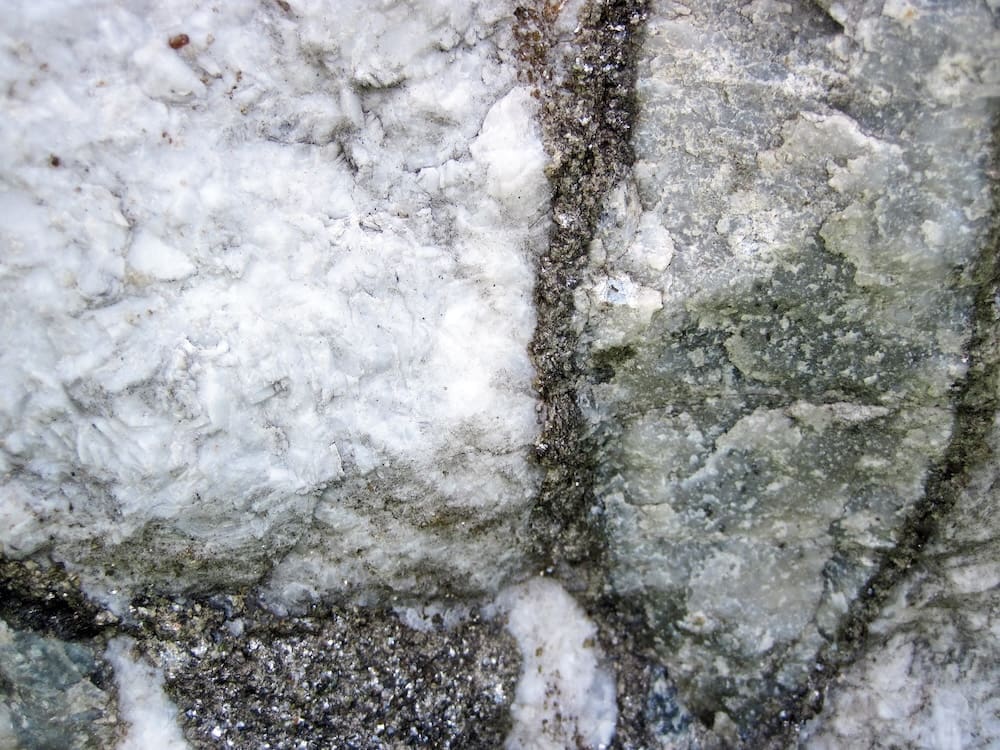
Substance Background
Calcarea silicata is an inorganic mineral salt representing, in homeopathic terms, a fusion of two great constitutional poles: the Calcarea axis (slow assimilation, glandular inertia, defective tissue-building) and the Silicea axis (suppuration, fistulous tracts, imperfect elimination, weakness of connective tissue and bone) [Clarke], [Boericke]. Chemically, calcium silicates occur widely in mineral and industrial contexts; their physical suggestion is of “hardness” and structural framework, which mirrors the remedy’s clinical place in chronic indurations, defective bone repair, and slow, deep-seated suppurative processes that leave scars, sinuses, and lingering weakness [Hughes], [Clarke]. In homeopathic preparation it is triturated and potentised, and its action is understood not as nutritional “replacement” but as a stimulus to disordered tissue-reaction where the organism cannot complete its inflammatory work: the abscess does not resolve, the gland remains hard, the bone remains diseased, the wound will not granulate, or the catarrh never clears fully [Boericke], [Farrington]. The remedy’s pathophysiological “signature” is therefore one of chronicity with poor reaction: lingering infiltration, defective suppuration, or suppuration that continues in channels (fistulae), often in chilly, sensitive subjects who are worse from cold and damp and whose vitality is easily drained by prolonged discharge (this tallies with the general modalities and the affinities for glands, bone, and skin already noted) [Boger], [Clarke]. Calc-sil. frequently reads as a “bridge remedy” between Calc-c. and Sil.: when the Calcarea constitution develops Silicea-type suppurations or bone disease, or when Silicea states show heavy, sluggish, glandular Calcarea qualities, Calc-sil. is often considered [Kent], [Boericke].
Proving Information
Calc-sil. is represented in the classical literature chiefly through compiled symptom records, repertorial placement, and repeated clinical confirmations in chronic glandular, bony, and suppurative states, rather than by a single large Hahnemann-style proving that dominates the narrative [Clarke], [Allen]. Its “proving image” is therefore best understood as a convergence of observed action in practice (slow healing, induration, suppuration, fistulae, bone weakness, chronic catarrh) and the constitutional logic of its constituent poles (Calcarea + Silicea), as presented by the older materia medica authors and confirmed by repeated bedside patterns [Boericke], [Farrington]. Where symptoms are described, they commonly carry the stamp of [Clinical] verification in scrofulous or tubercular diathesis, spinal and osseous disease, and chronic discharging processes that sap vitality [Clarke], [Boger].
Remedy Essence
Calcarea silicata is the portrait of an organism that cannot complete its work of repair. The body begins a reaction, but it is slow, incomplete, and prone to chronicity: glands remain hard, catarrhs linger, abscesses recur, wounds granulate poorly, and discharges persist as if the system has lost the capacity to “finish” inflammation and rebuild cleanly [Clarke], [Boericke]. This is not merely local; it is constitutional and structural. The patient is often chilly, markedly worse from cold and damp, and repeatedly set back by getting wet, drafts, and humid weather, while warmth and dryness restore comfort and stability, making the remedy’s modality network unusually reliable in practice [Boger], [Boericke]. The Calcarea component supplies the slow assimilation, the heavy constitutional inertia, the glandular tendency, and the low endurance; the Silicea component supplies the suppuration, the fistulous pathways, and the imperfect elimination that keeps trouble circulating rather than resolving [Kent], [Boericke]. Mentally, long illness and slow recovery breed irritability and discouragement: the patient is worn by chronic discharge and the endlessness of convalescence, and sleep becomes a battleground because night aggravation heightens pain, awareness of discharge, cough, or simple restlessness [Kent], [Clarke]. Calc-sil. therefore sits at a therapeutic crossroads: it is chosen not because one symptom is dramatic, but because the entire case speaks the language of slow rebuilding, structural weakness, induration-with-discharge, and relapse in damp cold. When the remedy is correct, improvement tends to be gradual but fundamental: sleep deepens, mood steadies, relapses in damp weather lessen, discharges become healthier and then reduce, and tissues begin to close and strengthen rather than merely quieten for a time [Farrington], [Clarke]. In differentiation, it is closest to Sil. and Calc-c., and it is most “itself” when it carries both: Silicea-type suppuration and fistulae within a Calcarea-type constitution of sluggish nutrition and gland-bone involvement [Kent], [Boericke].
Affinity
- Bones and periosteum (see Back; Extremities; Generalities) – Chronic bony weakness, imperfect repair, caries-like states, and lingering pain/lameness after injury; the “framework” is diseased or slow to rebuild [Farrington], [Clarke].
- Glands and lymphatic tissues (see Throat; Abdomen; Generalities) – Indurated, enlarged glands with slow resolution; scrofulous constitutions where infiltrations linger and catarrhs recur [Boericke], [Kent].
- Suppuration and fistulous tracts (see Skin; Mouth/Teeth; Ears) – Abscesses that discharge long, recur, or form sinuses; the organism cannot “finish” the inflammatory process [Clarke], [Boger].
- Skin and connective tissue repair (see Skin; Generalities) – Slow granulation, unhealthy scars, tendency to boils, ulcers, or chronic discharging lesions [Boericke], [Clarke].
- Spine and structural weakness (see Back) – Spinal weakness, curvature tendencies, chronic back states tied to poor bone quality and lingering inflammation [Farrington], [Clarke].
- Chronic catarrhal mucosa (see Nose; Throat; Chest) – Thick, persistent catarrh in the scrofulous-tubercular constitution, worse cold/damp, slow to clear [Boericke], [Boger].
- Nutrition and assimilation (see Stomach; Generalities) – The patient is poorly nourished in tissue-quality even if outwardly fleshy; chronic discharge drains vitality and delays recovery [Kent], [Boericke].
- Extremities, especially feet (see Extremities; Perspiration) – Coldness, sweat tendencies, cracks and poor healing; lingering weakness after strains or injuries [Clarke], [Boger].
- Nervous endurance under chronic drain (see Mind; Sleep) – Irritability, discouragement, and weariness from prolonged discharge and long illness; sleep becomes unrefreshing [Kent], [Clarke].
- Respiratory constitution with “slow recovery” (see Chest; Respiration) – Lingering coughs or chest weakness in chronic diathesis, especially where healing is slow and vitality low [Boericke], [Farrington].
Better For
- Better from warmth in general – The chilly constitution is steadied by warmth; pains and catarrhal discomforts often ease when well covered (this tallies with the generalities and skin tendencies) [Boericke], [Boger].
- Better in a dry atmosphere – Many chronic glandular and catarrhal complaints are less troublesome in dry weather; dampness aggravates and slows reaction [Boger], [Clarke].
- Better from warm applications to affected parts – Deep-seated soreness around glands, bones, or discharging lesions is often soothed by gentle heat [Farrington], [Clarke].
- Better from rest after exertion – The patient’s tissues “complain” after strain; quiet rest prevents aggravation and reduces dragging weakness [Kent], [Boericke].
- Better from steady routine and regular habits – Constitutional remedies of the Calcarea family often show improvement when the day is orderly and the organism is not overtaxed [Kent], [Clarke].
- Better after discharge has established a “free outlet” – When an abscess finally opens and drains properly, the general distress may lessen (a common clinical turning-point in suppurative remedies) [Clarke], [Boger].
- Better from warm drinks – Warm liquids may soothe the chronic catarrhal throat and stomach sensitivity of chilly subjects [Boericke], [Kent].
- Better from gentle, non-fatiguing movement – Not a “motion remedy” like Rhus-t., yet mild movement can prevent stiffness without exhausting the patient (region: Back; Extremities) [Boger], [Clarke].
- Better when the mind is reassured – Discouragement and irritability from long illness improve with quiet encouragement, which in turn supports sleep (see Mind; Sleep) [Kent], [Clarke].
- Better after a period of steady convalescence – The remedy often shows itself when recovery is slow; once improvement begins, it tends to be durable and structural rather than fleeting [Farrington], [Boericke].
- Better from cleanliness and careful local care of discharging surfaces – While not “curative” in itself, careful hygiene often reduces local irritation and supports the remedy’s action in chronic fistulae and ulcers [Clarke], [Boger].
- Better with adequate nourishment in small regular meals – Chronic discharge drains; the patient often does better with steady, digestible nourishment (see Stomach; Generalities) [Kent], [Boericke].
Worse For
- Worse from cold air and cold exposure – A leading confirmatory: catarrhs, gland pains, and general weakness are all aggravated by cold [Boericke], [Boger].
- Worse from damp weather – Dampness aggravates the chronic infiltrative and suppurative tendencies, and often reawakens old trouble (bones, glands, catarrh) [Boger], [Clarke].
- Worse at night – Longstanding pains, restlessness, and awareness of discharge frequently intensify at night, disturbing sleep (see Sleep) [Kent], [Clarke].
- Worse from overexertion – Strain brings a setback: aches, fatigue, and relapse of chronic symptoms; this must be sought as a practical modality [Kent], [Farrington].
- Worse from drafts, especially after sweating – The chilly patient is easily “taken cold,” and catarrhs or gland pains flare after exposure [Boger], [Boericke].
- Worse from suppressed discharges – When long-standing discharges are suddenly stopped, the constitutional state may worsen, with deeper pains or mental irritability (a common warning in chronic suppurative cases) [Clarke], [Kent].
- Worse in close, humid rooms – The organism feels oppressed and catarrhs thicken in heavy air; dryness is preferred [Boger], [Clarke].
- Worse from mental discouragement and prolonged worry – Long illness and slow healing breed irritability and despair, which then worsens sleep and reactivity (see Mind; Sleep) [Kent], [Clarke].
- Worse during convalescence when the patient “does too much too soon” – A classic pattern: the moment activity resumes, symptoms relapse, showing poor structural endurance [Farrington], [Boericke].
- Worse from getting wet – Rain, wet feet, or damp clothing aggravate catarrhs and aches, fitting the damp modality already noted [Boger], [Clarke].
- Worse from loss of sleep – Broken sleep lowers resistance further and aggravates pains and irritability (cross-link to Sleep) [Kent], [Clarke].
- Worse from rich, heavy foods when digestion is sluggish – Indigestion can aggravate the whole constitutional weakness and catarrh (see Stomach; Food and Drink) [Boericke], [Kent].
Symptomatology
Mind
Calc-sil. often presents a mind shaped by long illness and slow recovery: a mixture of irritability, discouragement, and stubborn endurance, where the patient is weary of being unwell yet cannot quickly “pull out” of the state [Clinical] [Clarke], [Kent]. There is frequently a constitutional sensitivity to contradiction; the patient may appear obstinate, not from pride but from a deep need to maintain control in a body that feels unreliable (this fits the structural, slow-reaction theme of the remedy) [Kent], [Boericke]. Anxiety may centre on health and the future, especially when discharges have continued for months; the mind becomes preoccupied with “will this ever heal?”, and this brooding tallies with the aggravation from discouragement already noted [Kent], [Clarke]. Irritability is often worse at night when pains or awareness of discharge increases, confirming the night aggravation and linking Mind to Sleep [Kent], [Clarke]. The patient may be shy or lacking in confidence when chronically depleted, yet can be surprisingly tenacious when pressed, reflecting the Calcarea “slow but persistent” nature combined with Silicea’s inward grit [Boericke], [Clarke]. [Micro-comparison] Compared with Sil., which can be refined, anxious, and intensely sensitive with fear of failure, Calc-sil. tends to be heavier and more gland-bone oriented, with a more “structural” slowness and less purely nervous delicacy [Kent], [Farrington]. [Proving]/[Clinical] The emotional tone often improves when warmth, dryness, and rest reduce the physical aggravations (this tallies with the modalities already noted), and when the patient sees steady tissue-repair beginning [Boger], [Clarke]. Case: a patient with a long-draining glandular abscess became irritable, gloomy, and sleepless with despair of recovery; as discharge lessened and the lesion granulated, mood and sleep improved together under Calc-sil. [Clinical] [Clarke].
Head
Head complaints often reflect chronic catarrhal and constitutional strain rather than acute congestion: dull heaviness, pressure, or aching that worsens in cold, damp weather and improves with warmth, echoing the primary modalities [Boger], [Boericke]. The head can feel “loaded” on waking after a disturbed night, linking Head with the remedy’s unrefreshing sleep and night aggravation [Kent], [Clarke]. In scrofulous or glandular constitutions there may be a tendency to recurrent head discomfort with thick catarrh, especially when the nose is blocked and discharge is tenacious (see Nose) [Boericke], [Clarke]. The patient often complains that mental exertion is tiring rather than stimulating; the head grows dull when the body is drained by chronic discharge, which tallies with the general weakness and poor reaction [Kent], [Farrington]. [Micro-comparison] Calc-c. may show more simple “Calcarea headaches” with heaviness and sweat tendencies, whereas Calc-sil. is more often confirmed by suppurative history, fistulae, or bone/gland disease alongside the head symptoms [Boericke], [Clarke]. The head pains may be worse in close, humid air and better in a dry atmosphere, again reflecting the damp aggravation that runs through the whole remedy [Boger], [Clarke].
Eyes
Eye symptoms, when present, commonly belong to the scrofulous-catarrhal and suppurative sphere: recurrent irritation of lids, tendency to small pustules or styes, and a slow, lingering course rather than acute, bright inflammation [Clinical] [Boericke], [Clarke]. The eyes may feel heavy and tired in those weakened by chronic discharge, and complaints are often worse in cold wind or damp weather, better when warmly protected, confirming the general modalities [Boger], [Boericke]. There may be a sensation of grit or dryness that accompanies chronic nasal catarrh, linking Eyes with Nose and Throat by mucosal continuity [Clarke], [Kent]. Photophobia, if present, is usually mild and associated with general debility rather than violent neuralgic sensitiveness [Farrington], [Clarke]. [Micro-comparison] Sil. is often more striking for recurrent styes and suppurative lid troubles, while Calc-sil. is chosen when the same local tendency is embedded in a heavier Calcarea-type constitution with glandular induration and slow tissue repair [Kent], [Boericke]. Improvement is often seen when the patient is kept warm and dry and when local discharge pathways are not forcibly suppressed, matching the clinical cautions under modalities [Clarke], [Boger].
Ears
The ear sphere may show chronic suppurative tendencies: long-standing otorrhoea, recurrent infections that do not fully resolve, and sensitivity to cold damp that precipitates relapse, fitting the remedy’s damp/cold aggravations [Clinical] [Clarke], [Boger]. Discharges may be persistent and exhausting, and the patient’s general strength and mood can sink with prolonged drainage, linking Ears with Generalities and Mind [Kent], [Clarke]. Pain can be dull, deep, and worse at night, disturbing sleep and reinforcing the night aggravation already noted [Kent], [Boericke]. The ear complaints often improve when warmth is applied and when the patient avoids drafts and wet exposure, showing the consistent warmth/dry preference [Boger], [Clarke]. [Micro-comparison] Hepar-s. is more acutely sensitive and “splinter-like” with intense touch intolerance and imminent suppuration, whereas Calc-sil. fits the chronic, slow, structural case with long discharge and gland-bone diathesis [Farrington], [Clarke]. In children with enlarged glands and chronic ear discharge, Calc-sil. is considered when the constitution is chilly, slow to heal, and relapse-prone in damp weather (see Throat; Abdomen; Generalities) [Boericke], [Boger].
Nose
Nasal symptoms tend toward chronic catarrh with thick, persistent obstruction and a tendency to relapse in cold, damp weather; the patient “never properly clears,” which is a keynote pattern of slow reaction [Clinical] [Boericke], [Boger]. Discharge, when present, is often tenacious and longstanding rather than profuse and acute, and the nose may feel sore and raw from constant irritation, linking to the mucosal affinity already noted [Clarke], [Kent]. The patient is frequently worse from drafts and getting wet, and better in a warm, dry room, mirroring the general modalities of the remedy [Boger], [Clarke]. Night aggravation may show as increased blockage when lying down, leading to mouth-breathing and disturbed sleep (cross-link to Sleep) [Kent], [Boericke]. [Micro-comparison] Sil. can share chronic nasal catarrh and relapse, but Calc-sil. is preferred when the whole case is weighted by glandular induration, bony weakness, slow convalescence, and a “Calcarea heaviness” rather than a purely Silicea delicacy [Kent], [Farrington]. The clinician should also consider whether catarrh is part of a broader scrofulous picture: enlarged cervical glands, chronic tonsillar trouble, or chest weakness, which strengthens the Calc-sil. indication [Boericke], [Clarke].
Face
Facial symptoms often reflect the skin-suppuration tendency: recurrent boils, pustular eruptions, or slow-healing lesions that leave marks, consistent with the affinity for skin and connective tissue repair [Clinical] [Clarke], [Boericke]. The complexion may appear dull or unhealthy in those drained by prolonged discharge, and the patient may look “worn” rather than acutely feverish, echoing the chronicity theme [Kent], [Farrington]. Cold wind and damp weather can aggravate facial eruptions and soreness, while warmth and dryness soothe, matching the modalities already stated [Boger], [Clarke]. Swellings about the jaw or face may represent glandular involvement (submaxillary nodes), and these are often indurated and slow to resolve, linking Face with Throat and Glands [Boericke], [Kent]. [Micro-comparison] Calc-c. can show facial glandular swelling and sluggish skin, but Calc-sil. is confirmed when suppuration, fistulous history, or bone involvement coexists, pointing to the combined Calcarea–Silicea sphere [Boericke], [Clarke]. Improvement often comes gradually with steady constitutional strengthening and avoidance of suppression of eruptions or discharges, a practical clinical caution repeated in chronic suppurative remedies [Clarke], [Kent].
Mouth
The mouth may show slow-healing ulcerations, recurrent gum irritation, or small abscess tendencies around teeth, reflecting the remedy’s theme of imperfect local reaction and lingering discharge [Clinical] [Clarke], [Boericke]. The patient may complain of soreness that is worse at night and worse from cold drinks or cold air, better from warm rinses or warm drinks, which tallies with the general cold aggravation and warmth amelioration [Boericke], [Boger]. Taste may be blunted during chronic catarrhal states, especially when nasal obstruction is marked, linking Mouth with Nose [Clarke], [Kent]. Chronic mouth dryness can accompany mouth-breathing at night from nasal blockage, disturbing sleep and reinforcing the night aggravation chain [Kent], [Boericke]. [Micro-comparison] Merc. has more offensive mouth, salivation, and ulceration with marked constitutional toxicity and sweating, while Calc-sil. is more “structural”: induration, slow healing, and chronic suppurative tendency in chilly subjects [Clarke], [Farrington]. Where discharging gum boils or dental sinuses recur, Calc-sil. is considered when the constitution is slow, chilly, and relapse-prone in damp weather (see Teeth; Generalities) [Boger], [Clarke].
Teeth
Dental troubles often manifest as caries with recurrent abscess at the root, or fistulous openings in the gum that drain intermittently, fitting the remedy’s affinity for fistulae and imperfect repair [Clinical] [Clarke], [Boericke]. Pain is frequently worse at night and worse from cold, and relief may come from warmth, again confirming the remedy’s modalities [Kent], [Boger]. Teeth may feel “weak” or crumble easily in those with broader bony weakness and poor tissue quality, linking this section to Back, Extremities, and Generalities [Farrington], [Clarke]. Dental abscesses can be slow to come to a head, or once opened may drain long, with the patient feeling relieved when discharge is free (tallying with the modality “better after discharge establishes”) [Clarke], [Boger]. [Micro-comparison] Hepar-s. is often chosen in acute, intensely painful dental abscess with great touch sensitivity and irritability, whereas Calc-sil. is more chronic, indurated, and structurally weak, with a tendency to recurrence and sinus formation [Farrington], [Clarke]. The practitioner should avoid suppressing drainage prematurely; the constitutional remedy is supported when the organism completes repair and closes the tract naturally, consistent with the remedy’s slow but thorough healing theme [Clarke], [Kent].
Throat
Throat symptoms often feature chronic tonsillar or pharyngeal catarrh in scrofulous constitutions, with enlarged cervical glands that remain hard and slow to resolve, a classic confirmation of Calc-sil. gland affinity [Boericke], [Kent]. Soreness can be worse in cold, damp weather and from drafts, better in a warm, dry room, aligning precisely with the modalities already given [Boger], [Clarke]. The patient may have recurrent sore throats that never fully “clear out,” leaving a lingering thick mucus and a sense of local weakness, suggesting poor reaction rather than violent inflammation [Clinical] [Clarke], [Boericke]. Night aggravation may appear as increased discomfort and swallowing awareness in bed, contributing to restless sleep (cross-link to Sleep) [Kent], [Clarke]. [Micro-comparison] Calc-c. can show enlarged glands and chronic tonsils, but Calc-sil. is chosen when the gland picture is paired with suppurative history, fistulae, slow healing ulcers, or bony weakness, indicating the Calcarea constitution complicated by Silicea-type pathology [Boericke], [Farrington]. Where the throat case is overtly tubercular in tendency (long catarrh, chronic gland enlargement, chest weakness), Calc-sil. may sit close to Tub., and the decision rests on the structural slow-healing and induration pattern versus more volatile tubercular restlessness [Kent], [Boger].
Stomach
Digestive symptoms typically reflect sluggish assimilation: heaviness after eating, slow digestion, and a tendency to feel depleted by chronic discharge, so the stomach becomes a “weak point” under long illness [Kent], [Boericke]. Rich or heavy foods may aggravate, and the patient often does better with simple, regular nourishment, confirming the modality “worse from heavy foods” and the amelioration from steady meals [Boericke], [Kent]. Cold drinks can aggravate the chilly constitution and worsen throat and stomach discomfort, while warm drinks are soothing, matching the core thermal modalities [Boger], [Boericke]. Appetite may be variable, sometimes reduced in chronic catarrhal states where nasal obstruction blunts taste and smell, linking Stomach with Nose and Mouth [Clarke], [Kent]. [Micro-comparison] Sil. can show marked digestive weakness and food intolerance, yet Calc-sil. is often confirmed by the presence of glandular induration and slow-healing suppurations or bone trouble alongside the stomach symptoms [Boericke], [Farrington]. Improvement is usually gradual as the organism’s tissue-repair strengthens; in this sense, stomach comfort often follows (rather than precedes) constitutional repair, a clinical observation consistent with the remedy’s “structural rebuilding” character [Farrington], [Clarke].
Abdomen
Abdominal symptoms commonly relate to the lymphatic and mesenteric gland sphere: distension, chronic abdominal weakness in scrofulous children, and a tendency for glandular enlargement to linger, matching the remedy’s gland affinity [Boericke], [Farrington]. The abdomen can feel heavy and uncomfortable, especially in damp weather, and the patient may describe a general “dragging” weakness rather than sharp colic, aligning with the slow chronic nature of Calc-sil. complaints [Boger], [Clarke]. In chronic catarrhal and nutritional weakness states, the abdomen may bloat after food, linking Abdomen with Stomach and the assimilation theme [Kent], [Boericke]. Night aggravation may occur as restless abdominal discomfort when lying down, further disturbing sleep (cross-link to Sleep) [Kent], [Clarke]. [Micro-comparison] Calc-phos. is often prominent in growing children with bone and nutrition issues, whereas Calc-sil. is more pointed when suppuration, fistulae, chronic discharging glands, or slow-healing lesions co-exist with the abdominal gland picture [Farrington], [Clarke]. When the abdominal state is tied to chronic discharges elsewhere (ear, skin, glands), Calc-sil. becomes more coherent as a single constitutional remedy rather than a local prescription [Clarke], [Boger].
Urinary
Urinary symptoms are not the chief keynote of Calc-sil., yet chronic constitutional states can show cloudy urine, irritative frequency during catarrhal periods, or weakness of elimination that parallels the remedy’s theme of imperfect tissue-clearing [Clinical] [Clarke], [Kent]. The patient may be sensitive to cold and damp in this sphere as well, noting urinary discomfort after getting chilled or wet, consistent with the general modalities [Boger], [Boericke]. Night aggravation can show as more frequent waking to pass urine, which further fragments sleep and worsens general fatigue (cross-link to Sleep and Generalities) [Kent], [Clarke]. In long-standing suppurative cases the urinary sphere may reflect general debility rather than local pathology; the patient feels “drained,” and urine changes follow the constitutional tide [Kent], [Farrington]. [Micro-comparison] If urinary symptoms are strongly burning, offensive, and corrosive with marked sweating and tremor, Merc. is usually closer; Calc-sil. requires the structural slow healing, gland-bone focus, and damp/cold aggravation to be clear [Clarke], [Farrington]. As with other secondary spheres, improvement is expected as the constitutional stamina and tissue reaction improve; urinary irregularities often settle when the chronic discharge and damp sensitivity reduce [Boger], [Clarke].
Rectum
Rectal symptoms are usually secondary to the constitutional weakness: constipation from sluggish bowel tone, or irregularity in children with scrofulous diathesis and poor assimilation, rather than striking, peculiar stool symptoms [Farrington], [Clarke]. The patient may be worse from cold exposure and damp weather, which can slow intestinal activity further, confirming the remedy’s general aggravations [Boger], [Boericke]. If diarrhoea appears, it may accompany catarrhal states and general debility and can leave the patient more drained, fitting the theme of low endurance under discharge [Kent], [Boericke]. Night can aggravate rectal discomfort or urging, simply because the patient becomes more aware of chronic complaints when lying quietly, and sleep is disturbed by discomfort (cross-link to Sleep) [Kent], [Clarke]. [Micro-comparison] Sil. may show more marked constipation with difficult expulsion and a nervous component, while Calc-sil. is chosen when bowel sluggishness is part of a broader structural weakness with glandular induration, bone trouble, or chronic suppuration [Boericke], [Farrington]. The key is always to confirm rectal symptoms within the larger remedy portrait: chilly, worse damp, slow healing, and a history of lingering discharges or indurations [Clarke], [Boger].
Male
Male complaints, when present, are usually those of long-standing depletion: reduced stamina, a sense of weakness after chronic illness or prolonged discharge, and irritability from being “run down,” rather than a sharply defined local sexual keynote [Kent], [Clarke]. The patient may be worse from cold damp exposure, which aggravates general aches and fatigue and thereby reduces functional confidence, matching the remedy’s broad modalities [Boger], [Boericke]. Sleep disturbance at night can aggravate male weakness by lowering endurance, creating a cycle of fatigue and discouragement (cross-link to Sleep; Mind) [Kent], [Clarke]. [Micro-comparison] If the male sphere is dominated by anxious performance fear and marked nervous excitability, remedies like Lyc. may be nearer; Calc-sil. fits when the story is structural depletion with slow recovery and chronic discharging/indurated processes elsewhere [Kent], [Farrington]. The prescriber should seek confirmatory markers: chronic gland trouble, fistulae, bone weakness, slow wounds, and the classic damp/cold aggravation with warmth amelioration [Clarke], [Boger]. When those are present, male functional weakness becomes a predictable expression of constitutional drain rather than a separate prescription [Kent], [Boericke].
Female
Female symptoms often appear as part of the scrofulous-structural constitution: weariness, slow recovery after childbirth or illness, and a tendency to chronic catarrhal or glandular complaints that worsen in damp weather and disturb sleep [Clinical] [Clarke], [Boger]. Leucorrhoeal tendencies may be chronic and draining, fitting the broader theme that prolonged discharge lowers vitality and worsens mood and sleep (cross-link to Mind; Sleep; Generalities) [Kent], [Clarke]. The patient may be chilly, needing warmth, and may relapse after getting wet or chilled, a practical confirmation that the remedy’s modalities govern the female sphere too [Boericke], [Boger]. Menstrual issues, when present, are often not “peculiar” but are coloured by general debility and poor tissue tone; the woman feels she cannot “bounce back,” aligning with the slow convalescence keynote [Farrington], [Boericke]. [Micro-comparison] Calc-c. may cover many female constitutional states, but Calc-sil. is suggested when there is a clear history of slow-healing lesions, recurrent abscesses, indurated glands, or bone/back issues that accompany the female complaints [Boericke], [Clarke]. Case: a woman with long-standing cervical gland induration and recurrent boils found her chronic vaginal discharge and fatigue improved only when the broader tissue tendency began to resolve under Calc-sil. [Clinical] [Clarke].
Respiratory
Breathing complaints tend to reflect low stamina: shortness of breath on exertion, worse in damp weather, and worse at night when cough or chest oppression disturbs sleep [Farrington], [Boger]. Cold air aggravates respiration, while warmth eases it, confirming the remedy’s strong thermal modality [Boericke], [Boger]. The patient may feel that breathing is “laboured” chiefly because the whole system is weak and slow to recover, rather than because there is an acute spasm or high fever [Clarke], [Kent]. Warm drinks and warm coverings often improve comfort, and a dry atmosphere is preferred, again matching the modal pattern [Boericke], [Boger]. [Micro-comparison] If respiration is markedly anxious, restless, and burning with acute fear, remedies like Ars. may dominate; Calc-sil. is more chronic, structural, and confirmed by glands, bone, fistulae, and slow healing [Kent], [Clarke]. Improvement is expected to be gradual, in step with rising stamina and reduction of chronic discharge, consistent with the remedy’s rebuilding character [Farrington], [Boericke].
Heart
Heart symptoms are usually secondary to general debility: palpitations from weakness, awareness of heartbeat at night, and fatigue on slight exertion during chronic illness, rather than dramatic acute cardiac crises [Farrington], [Clarke]. The patient may be worse at night, when the quiet and lying down increase perception of chronic complaints and anxiety, which then disturbs sleep (cross-link to Mind; Sleep) [Kent], [Clarke]. Cold damp exposure can aggravate general circulatory discomfort and increase weakness, fitting the remedy’s weather sensitivity [Boger], [Boericke]. Warmth and rest typically soothe, matching the main modalities and supporting the idea that heart symptoms improve as constitutional stamina improves [Boericke], [Kent]. [Micro-comparison] Calc-c. can show palpitations in sluggish constitutions, but Calc-sil. is confirmed when the same case carries the hallmark slow healing, chronic discharges, fistulae, indurated glands, or bone trouble [Boericke], [Clarke]. When heart symptoms improve in parallel with improved tissue repair (closing sinuses, strengthening back, reducing gland swelling), it strongly supports Calc-sil. as a constitutional prescription rather than a purely cardiac remedy [Farrington], [Clarke].
Chest
Chest symptoms often belong to the chronic diathesis: lingering coughs, slow resolution after infections, and a tendency for catarrh to persist in damp weather, matching the remedy’s damp aggravation and slow convalescence theme [Boericke], [Boger]. Expectoration, if present, tends to be thick and tenacious rather than thin and acute, paralleling the chronic mucosal affinity described under Nose and Throat [Clarke], [Kent]. The patient may feel weak-chested, easily fatigued by exertion, and worse at night when cough and awareness of breathing disturb sleep (cross-link to Sleep) [Kent], [Farrington]. Chilly sensitivity is prominent: cold air aggravates cough and chest soreness, while warmth and warm drinks bring relief, confirming the modalities already stated [Boericke], [Boger]. [Micro-comparison] Phos. may show more burning, open, sympathetic chest states with haemorrhagic tendencies, while Calc-sil. is more “slow and structural,” with gland-bone and suppurative confirmations, and a preference for warmth and dryness [Farrington], [Clarke]. In chest cases with suppuration tendency or slow healing after abscess-like processes, Calc-sil. may sit close to Sil. and Hepar-s.; the deciding factors are the heavier Calcarea constitution, induration, and poor tissue-building versus the more sharply reactive Hepar-s. sensitivity [Kent], [Clarke].
Back
The back and spine are among Calc-sil.’s most characteristic structural spheres: weakness, chronic soreness, and states where the framework feels unstable or slow to repair, often in the context of poor bone quality and lingering inflammation [Clinical] [Farrington], [Clarke]. Pain may be dull and deep, worse in cold damp weather and worse at night, and better from warmth, confirming the remedy’s governing modalities [Boger], [Kent]. There may be a tendency to spinal fatigue: the patient cannot stand or sit long without aching, and overexertion causes setbacks, aligning with the “worse from doing too much in convalescence” pattern [Farrington], [Boericke]. In long-standing cases the back symptoms are often accompanied by glandular enlargement or chronic discharging lesions elsewhere, reinforcing that the spine complaint is part of a systemic structural weakness rather than isolated strain [Clarke], [Kent]. [Micro-comparison] Calc-phos. is often central in bone growth and repair, but Calc-sil. is particularly suggested when there is induration, chronic suppuration, fistulae, or a history of slow healing that complicates the bony case [Farrington], [Clarke]. Case: a patient with long-standing spinal weakness and recurrent glandular abscesses, worse damp and better warmth, began to regain endurance only when the suppurative tendency reduced and the back “held up” better under Calc-sil. [Clinical] [Clarke].
Extremities
Extremity symptoms often express poor tissue tone and low endurance: easy fatigue, lingering soreness after strain, and a tendency for minor injuries to heal slowly (this echoes the general aggravation from overexertion and the affinity for repair) [Kent], [Farrington]. The patient is frequently chilly in the limbs, worse from cold and damp, and better from warmth; cold feet and sensitivity to wet conditions are practical confirmers [Boger], [Boericke]. There may be a tendency to cracks, fissures, or slow-healing ulcers, especially about feet, consistent with the skin-connective tissue affinity [Clarke], [Boericke]. Pains are often worse at night and after overuse, and the patient wakes with stiffness or deep soreness, linking Extremities to Sleep disturbance [Kent], [Clarke]. [Micro-comparison] Sil. strongly covers cold, sweaty feet and suppurative tendencies; Calc-sil. is chosen when the constitutional weight is heavier, with glandular induration and “Calcarea” slow rebuilding, not merely Silicea’s sensitive fragility [Kent], [Boericke]. The extremities commonly improve as the patient becomes more resistant to damp/cold and as chronic discharges lessen, showing that the limb symptoms are governed by constitutional stamina rather than local pathology alone [Boger], [Clarke].
Skin
Skin symptoms are often central: boils, abscesses, chronic discharging lesions, and ulcers that heal slowly or form sinus tracts, directly reflecting the remedy’s affinity for suppuration and fistulae [Clinical] [Clarke], [Boericke]. The lesions tend to be stubborn, recurring in the same places or leaving hard, indurated bases, reinforcing the remedy’s “infiltration + poor completion” theme [Clarke], [Boger]. The skin state is typically worse in damp weather and worse from cold exposure, while warmth and dryness relieve, confirming the remedy’s modalities in an immediately visible way [Boger], [Boericke]. Night aggravation may show as increased itching, soreness, or awareness of discharge, which then disturbs sleep and worsens irritability (cross-link to Sleep; Mind) [Kent], [Clarke]. [Micro-comparison] Hepar-s. is often the remedy when abscesses are acutely painful, hypersensitive, and urgently “pointing,” while Calc-sil. suits the chronic, indurated, slow-healing case where discharge is long and constitutional stamina is low [Farrington], [Clarke]. When eruptions or discharges have been repeatedly suppressed and deeper symptoms develop, Calc-sil. may be considered as part of a constitutional strategy to restore healthy reaction, though the prescriber must watch the direction of cure carefully [Clarke], [Kent].
Sleep
Sleep is commonly disturbed by the remedy’s night aggravation of chronic complaints: the patient lies awake aware of pains, discharge, or a sense of internal unrest that feels “structural” rather than purely nervous [Kent], [Clarke]. Sleep is often unrefreshing, and the patient wakes fatigued, confirming the general aggravation from loss of sleep and the low endurance theme [Kent], [Farrington]. Chilly patients may need extra coverings, and sleep is worse from drafts or exposure after sweating; warmth supports settling, which tallies with the ameliorations already noted [Boger], [Boericke]. Night waking may occur from cough or nasal blockage, linking Sleep to the chronic catarrh of Nose/Throat/Chest [Clarke], [Kent]. [Clinical] Prolonged discharge (ear, skin, glands) frequently fragments sleep and contributes to irritability and discouragement; improvement in sleep is therefore an early and meaningful sign that constitutional repair is beginning [Clarke], [Kent]. [Micro-comparison] Sil. can have marked sleeplessness from nervous sensitivity and overthinking, whereas Calc-sil. sleep trouble more often tracks physical chronicity: pain, discharge, damp sensitivity, and structural weakness [Kent], [Boericke]. Case: a patient with long-draining sinuses slept poorly for months; after Calc-sil., sleep became deeper and more restoring as discharge reduced and the lesions granulated [Clinical] [Clarke].
Dreams
Dreams may mirror the patient’s long struggle with illness: anxious dreams of labour, unfinished tasks, or recurring problems that cannot be resolved, reflecting the remedy’s theme of incomplete reaction and slow completion [Kent], [Clarke]. Night aggravation often colours dreams, making them more vivid and disturbing when pains or discharges are worse at night [Kent], [Boericke]. The patient may wake from dreams with a sense of fatigue rather than fear, as though even dreaming is “work,” which tallies with the unrefreshing sleep and low stamina [Farrington], [Clarke]. Chilly sensitivity can intrude into dreams; drafts or cold in the room may trigger restless dreaming and frequent waking, confirming the cold aggravation [Boger], [Boericke]. [Micro-comparison] Tub. often shows more roaming, changeable, intensely restless dream life, while Calc-sil. dreams feel heavier and more burdened, tracking chronic structural illness rather than volatile desire for change [Kent], [Boger]. As sleep improves with warmth, dryness, and constitutional strengthening, dreams typically become less oppressive, reinforcing the remedy’s consistent modality network [Boger], [Clarke].
Fever
Fever states are usually low-grade and chronic rather than acute and violent, often appearing as hectic or recurrent elevations in long-standing suppurative or glandular disease [Clinical] [Clarke], [Farrington]. The patient may feel chilly even with fever, wanting warmth, which matches the remedy’s general thermal tendency [Boericke], [Boger]. Fever can worsen at night, paralleling the night aggravation of pains and discharges, and contributing to disturbed sleep [Kent], [Clarke]. In chronic cases, fever may be accompanied by sweating and debility, reinforcing the theme of “drain” from long illness [Farrington], [Clarke]. [Micro-comparison] If fever is sharply intermittent with marked periodicity and splenic involvement, China or similar remedies may be closer; Calc-sil. is more often tied to chronic suppuration, induration, and slow repair rather than classic ague patterns [Farrington], [Kent]. Improvement is typically gradual and tracks closure of discharging lesions and reduction of glandular swelling, consistent with the remedy’s rebuilding sphere [Clarke], [Boericke].
Chill / Heat / Sweat
Chilliness is a strong general: the patient is sensitive to cold air, drafts, getting wet, and damp weather, and many complaints flare under these exposures, matching the remedy’s core aggravations [Boger], [Boericke]. Heat is usually not a keynote as a primary desire; rather, warmth is sought because it relieves pains, catarrh, and general discomfort, confirming the warmth amelioration [Boericke], [Kent]. Sweats may occur in chronic states, especially at night, reflecting debility and prolonged illness; these sweats often accompany restless sleep and leave the patient weaker on waking [Farrington], [Clarke]. Damp heat (humid rooms) is often poorly tolerated compared with dry warmth, aligning with the preference for dryness in the modalities [Boger], [Clarke]. [Micro-comparison] Sil. also shows chilliness and sweat tendencies, but Calc-sil. is more distinctly confirmed by indurated glands, bony weakness, and a slow, heavy constitutional tone rather than a purely Silicea fineness [Kent], [Boericke]. The thermic picture is therefore an important confirmatory frame: worse cold/damp, better warmth/dryness, with night aggravation and slow convalescence as the supporting pillars [Boger], [Clarke].
Food & Drinks
Dietary factors matter chiefly because digestion is slow and the organism’s stamina is low: rich, heavy foods aggravate, while simple, regular nourishment supports recovery, matching the modality pattern already stated [Boericke], [Kent]. Cold drinks can aggravate throat and stomach discomfort in chilly subjects, whereas warm drinks are often soothing and support comfort in catarrhal states [Boericke], [Boger]. Appetite may be variable during chronic illness; the patient can feel hungry yet quickly “heavy” after eating, reflecting sluggish assimilation rather than acute irritation [Kent], [Clarke]. In long-standing discharging conditions, the patient may crave sustaining foods yet digest poorly; small, frequent meals are often better tolerated, aligning with constitutional management [Kent], [Boericke]. [Micro-comparison] Sil. can show marked aversions and food sensitivities with nervous delicacy; Calc-sil. is more grounded in slow, heavy digestion and the need for steady rebuilding while avoiding aggravations from dietary excess [Kent], [Farrington]. When the patient is kept warm and dry and diet is kept simple, relapses are fewer, again demonstrating how the modalities govern not only sensations but practical case management [Boger], [Clarke].
Generalities
Calc-sil. is a constitutional remedy of slow structural reaction: the organism builds poorly, heals slowly, and tends to chronic induration and chronic suppuration, often with fistulae and lingering discharges that drain vitality [Clarke], [Boericke]. The patient is typically chilly and markedly worse from cold and damp; getting wet, drafts, and humid weather reawaken old complaints, while warmth and a dry atmosphere bring relief, making the modality network unusually coherent and clinically verifiable [Boger], [Boericke]. Night aggravation is common: pains, awareness of discharge, cough, or restlessness intensify at night and break sleep, and the next day’s stamina is reduced, confirming the aggravation from loss of sleep [Kent], [Clarke]. Convalescence is slow; the patient improves, then relapses if activity is resumed too early, which is one of the most practical “structural endurance” keynotes (this tallies with the back/extremity weakness and the modalities “worse from overexertion” and “worse in convalescence when doing too much”) [Farrington], [Boericke]. The constitutional diathesis often points to scrofulous or tubercular tendencies: enlarged indurated glands, chronic catarrhs, poor tissue quality, and a propensity to suppuration that is not swiftly resolved [Clinical] [Boericke], [Clarke]. Mentally the patient may become irritable and discouraged from prolonged illness; hope returns as repair begins, and improvement in sleep and mood often accompanies reduction of discharge and closure of lesions, showing the unity of the remedy picture [Kent], [Clarke]. [Micro-comparison] Calc-sil. sits between Calc-c. and Sil.: it shares Calcarea slowness and glandularity and Silicea suppuration and poor elimination, but it is most itself when the case has both: induration plus discharge, bone weakness plus chronic catarrh, and a strong damp/cold aggravation with warmth/dryness amelioration [Kent], [Boericke]. When these elements align, Calc-sil. acts not as a “symptom patch” but as a constitutional organiser, gradually restoring healthier reaction and more complete repair [Farrington], [Clarke].
Differential Diagnosis
Aetiology / Diathesis (scrofulous, tubercular, slow convalescence, chronic discharge)
- Sil. – The closest analogue for chronic suppuration, fistulae, and slow healing; Calc-sil. is preferred when the case carries heavier Calcarea traits: indurated glands, sluggish assimilation, and a more “structural” heaviness rather than refined Silicea delicacy [Kent], [Boericke].
- Calc-c. – Similar sluggish constitution and glandular enlargement; Calc-sil. is chosen when suppuration, fistulous tracts, chronic discharges, or bone caries-like tendencies complicate the Calcarea picture [Boericke], [Clarke].
- Tub. – Shares chronic catarrh, gland tendency, and relapse-prone convalescence; Tub. is more changeable and driven, whereas Calc-sil. is slower, heavier, and more indurative with persistent discharge and damp aggravation [Kent], [Boger].
Mind (irritability, discouragement from long illness, stubborn endurance)
- Staph. – Irritable from long-standing grievance and suppressed emotion; Calc-sil. irritability is more fatigue-and-drain driven, improving as physical repair improves [Kent], [Clarke].
- Sulph. – Can show chronic skin trouble and constitutional weakness; Sulph. is more reactive and hot, while Calc-sil. is chilly, damp-sensitive, and slow to repair with induration [Kent], [Boger].
Keynotes (slow healing, indurated glands, fistulae, chronic abscesses)
- Hep. – The abscess remedy when sensitivity is extreme and suppuration is imminent; Calc-sil. fits the chronic, indurated, long-draining case with low stamina and damp relapse [Farrington], [Clarke].
- Fluor-ac. – Strong for bone disease, caries, fistulae, and destructive processes; Fluor-ac. is more destructive and “breaking down,” whereas Calc-sil. is more about slow building and incomplete repair in a chilly constitution [Clarke], [Kent].
- Myrist. – Clinically known for promoting suppuration and drainage; Calc-sil. is more constitutional, with gland-bone and slow convalescence confirmers (use when the whole patient matches, not only the abscess) [Clarke], [Farrington].
Organ affinity (bones/spine, glands, chronic catarrh)
- Calc-phos. – Bone growth, repair, and weakness, especially in children; Calc-sil. is preferred when the bony weakness is complicated by induration, chronic suppuration, or fistulous history and marked damp sensitivity [Farrington], [Clarke].
- Con. – Indurated glands and hard swellings; Calc-sil. is chosen when induration tends to suppurate or when the whole case shows slow healing and chronic discharge rather than purely hard, quiet tumours [Clarke], [Kent].
- Syph. – Deep bone involvement and destructive tendencies; Syph. is more destructive and night-aggravated in a broader syphilitic pattern, while Calc-sil. is confirmed by its slow-building, damp-sensitive, induration-with-discharge portrait [Kent], [Clarke].
Modalities (worse cold/damp; worse night; better warmth/dry)
- Dulc. – Markedly worse damp/cold with catarrhs and rheumatic pains; Calc-sil. is distinguished by structural weakness, indurated glands, slow healing, and fistulous tendencies [Boger], [Clarke].
- Rhus-t. – Worse cold damp, better warmth; Rhus-t. is characteristically better from motion and has a more sprain-like restlessness, while Calc-sil. is more worsened by overexertion and is fundamentally a slow-repair remedy [Kent], [Boger].
Remedy Relationships
- Complementary: Sil. – Shared sphere of chronic suppuration and slow healing; Calc-sil. often reads as the “Calcarea-weighted” companion when gland/bone diathesis is prominent [Kent], [Boericke].
- Complementary: Calc-c. – When Calcarea constitution develops chronic discharges or induration-with-suppuration, Calc-sil. may complete the case-picture [Boericke], [Clarke].
- Complementary: Calc-phos. – Structural bone support; Calc-sil. is considered when repair is slow and complicated by induration/suppuration tendencies [Farrington], [Clarke].
- Follows well: Hep. – After an acute suppurative crisis has been met, Calc-sil. may address the lingering induration and slow repair that remains [Farrington], [Clarke].
- Follows well: Sulph. – Where chronic skin and constitutional inertia require deeper constitutional ordering, Calc-sil. may be required once the case clarifies into induration + slow healing + damp aggravation [Kent], [Clarke].
- Precedes well: Fluor-ac. – In cases trending toward destructive bone processes, Calc-sil. may support earlier structural rebuilding before deeper destructive tendencies predominate [Clarke], [Kent].
- Antidotes (general clinical practice): acute suppressive measures – Calc-sil. cases often worsen after forced suppression of discharge; careful case management supports direction-of-cure (clinical caution repeatedly emphasised in chronic suppurative contexts) [Clarke], [Kent].
- Compare: Con., Merc., Syph. – For induration, chronic gland states, and bone involvement; choose Calc-sil. when chilly damp sensitivity and slow repair with discharge are central [Clarke], [Kent].
- Inimical/clinical caution: repeated crude suppression of eruptions/discharges – May drive symptoms deeper and confuse the case; remedy action is best supported by non-suppressive management [Clarke], [Kent].
- Compare closely: Dulc., Rhus-t. – Where damp aggravation dominates; Calc-sil. distinguished by its structural, gland-bone, slow-healing confirmations [Boger], [Clarke].
Clinical Tips
Use Calc-sil. when you see the constitutional triad: (1) slow healing/slow convalescence, (2) induration plus chronic discharge (glands, skin, ear, dental), and (3) strong aggravation from cold and damp with relief from warmth and dryness; confirm with night aggravation that disturbs sleep [Boericke], [Boger]. It is particularly valuable when the Calcarea constitution develops Silicea-type suppurations or bone/back weakness, or when Silicea cases carry an unmistakable “Calcarea heaviness” and glandular induration [Kent], [Clarke]. In suppurative states, do not prescribe it merely because “there is an abscess”; reserve it for the chronic, indurated, relapse-prone, slow-repair case, especially where suppression has repeatedly driven symptoms inward [Clarke], [Kent]. Potency and repetition should follow the chronic constitutional nature of the case; improvement is often first seen in sleep, weather-sensitivity, and endurance, then in the quality and reduction of discharge, and finally in closure and strengthening of tissues [Kent], [Farrington].
Case pearls:
- Slow-draining gland abscess with hard base, worse damp, better warmth, sleep broken at night [Clinical] [Clarke].
- Chronic dental sinus with recurrent root abscess in a chilly, relapse-prone patient who “never heals quickly” [Clinical] [Boericke].
- Back weakness with repeated setbacks in convalescence, with coexisting chronic catarrh and gland enlargement [Clinical] [Farrington].
Selected Repertory Rubrics
Mind
- Mind; irritability; from long suffering – Irritability that tracks chronic drain and slow recovery [Kent].
- Mind; anxiety; health, about – Brooding on slow healing and relapse-proneness [Kent].
- Mind; discouragement; chronic complaints – Weariness of prolonged illness is characteristic [Clarke].
- Mind; obstinacy; contradiction agg. – Stubborn endurance in the slow structural case [Kent].
- Mind; sadness; from protracted disease – Depression linked to chronic discharge and low stamina [Clarke].
- Mind; restlessness; night – Mental unrest worsens with night aggravations and broken sleep [Kent].
Head
- Head; heaviness; morning; after bad sleep – Dull head linked to unrefreshing nights [Kent].
- Head; pain; damp weather agg. – Damp aggravation often reproduces old symptoms [Boger].
- Head; pain; cold air agg. – Chilly constitution confirms cold sensitivity [Boericke].
- Head; catarrhal headache; with nasal obstruction – Thick chronic catarrh reinforces remedy choice [Clarke].
- Head; pain; night agg. – Night aggravation aligns with the general pattern [Kent].
- Head; weakness; convalescence; during – Slow recovery with head fatigue [Farrington].
Nose
- Nose; catarrh; chronic; thick, tenacious – Persistent mucosa state in scrofulous diathesis [Boericke].
- Nose; obstruction; night agg. – Blockage worsens in bed and breaks sleep [Kent].
- Nose; catarrh; damp weather agg. – Classic damp relapse confirmation [Boger].
- Nose; coryza; from getting wet – Wet exposure precipitates setbacks [Boger].
- Nose; discharge; long continued – Chronic drainage drains vitality and mood [Clarke].
- Nose; complaints; better warm room – Warmth improves the chilly catarrhal state [Boericke].
Throat
- Throat; tonsils; chronic enlargement – Indurated gland tendency supports Calc-sil. [Boericke].
- Throat; glands; cervical; indurated – Structural gland affinity is central [Kent].
- Throat; soreness; cold air agg. – Cold aggravation is confirmatory [Boger].
- Throat; catarrh; chronic – Fits slow mucosal recovery [Clarke].
- Throat; pain; night agg. – Night aggravation links to sleep disturbance [Kent].
- Throat; complaints; better warm drinks – Warmth soothes the chilly mucosa [Boericke].
Chest / Respiration
- Chest; cough; chronic; lingering – Slow convalescence after infections [Farrington].
- Chest; expectoration; thick; tenacious – Chronic catarrhal quality aligns [Clarke].
- Respiration; difficult; exertion agg. – Low stamina and structural weakness [Farrington].
- Chest; complaints; damp weather agg. – Damp relapse is a key confirmation [Boger].
- Chest; cough; night agg. – Night aggravation breaks sleep [Kent].
- Chest; complaints; better warmth – Warmth ameliorates the chilly chest state [Boericke].
Back
- Back; weakness; spine; after illness – Structural endurance is reduced in convalescence [Farrington].
- Back; pain; damp weather agg. – Damp aggravation reproduces deep aches [Boger].
- Back; pain; night agg. – Night aggravation consistent with remedy pattern [Kent].
- Back; curvature; tendency – Framework weakness and slow repair themes [Clarke].
- Back; pain; cold air agg. – Chilly sensitivity is confirmatory [Boericke].
- Back; sprains; slow recovery – Setbacks after strain reflect poor tissue reaction [Farrington].
Skin
- Skin; boils; recurrent – Chronic suppurative tendency, relapse-prone [Clarke].
- Skin; abscess; slow to heal – Imperfect repair is a central keynote [Boericke].
- Skin; fistulae; discharging – Sinus formation and long drainage point strongly [Clarke].
- Skin; ulcers; indurated base – Induration + discharge is characteristic [Clarke].
- Skin; eruptions; damp weather agg. – Weather sensitivity confirms the constitution [Boger].
- Skin; wounds; slow granulation – Poor tissue-building and slow closure [Farrington].
Generalities
- Generalities; convalescence; slow; relapse from exertion – The patient “does too much” and falls back [Farrington].
- Generalities; cold; agg. – Cold exposure aggravates across systems [Boericke].
- Generalities; damp; agg. – Damp weather and getting wet are key triggers [Boger].
- Generalities; night; agg. – Night intensifies pains, cough, and restlessness [Kent].
- Generalities; warmth; amel. – Warmth improves comfort and reaction [Boericke].
- Generalities; suppuration; chronic – Chronic discharges and slow repair define the sphere [Clarke].
References
Boericke — Pocket Manual of Homeopathic Materia Medica (1901): constitutional outline; chronic gland/bone tendencies; chilly modalities; clinical confirmations.
Clarke — Dictionary of Practical Materia Medica (1900): clinical descriptions; comparisons with Calcarea and Silicea; chronic suppuration and induration themes.
Kent — Lectures on Homeopathic Materia Medica (1905): constitutional differentiation of Calcarea and Silicea spheres; modality logic and chronic case reasoning.
Kent — Repertory of the Homeopathic Materia Medica (1897): rubric framework guiding structural, glandular, suppurative, and modality-based prescribing.
Farrington — Clinical Materia Medica (1887): clinical application in slow convalescence, bone weakness, and chronic constitutional states.
Boger — Synoptic Key (early 20th century): modality emphasis (cold/damp aggravations; night aggravation; constitutional confirmations).
Allen — Encyclopaedia of Pure Materia Medica (1874–1879): compiled symptom records and clinical confirmations used in remedy portraits.
Hering — Guiding Symptoms (1879): clinical confirmations and comparative method for chronic glandular and constitutional states (used for cross-comparisons).
Nash — Leaders in Homeopathic Therapeutics (1901): bedside-style confirmations and practical chronic prescribing considerations (comparative support).
Hughes — A Manual of Pharmacodynamics (late 19th century): toxicologic/physiologic context for mineral salt action and chronic tissue reaction concepts.
Phatak — Materia Medica of Homeopathic Medicines (1977): concise remedy comparisons supporting differential diagnosis reasoning.
Dewey — Practical Homeopathic Therapeutics (late 19th–early 20th century): clinical orientation for chronic constitutional prescribing and remedy selection logic.
Disclaimer
Educational use only. This page does not provide medical advice or diagnosis. If you have urgent symptoms or a medical emergency, seek professional medical care immediately.