

Botulinum
Substance Background
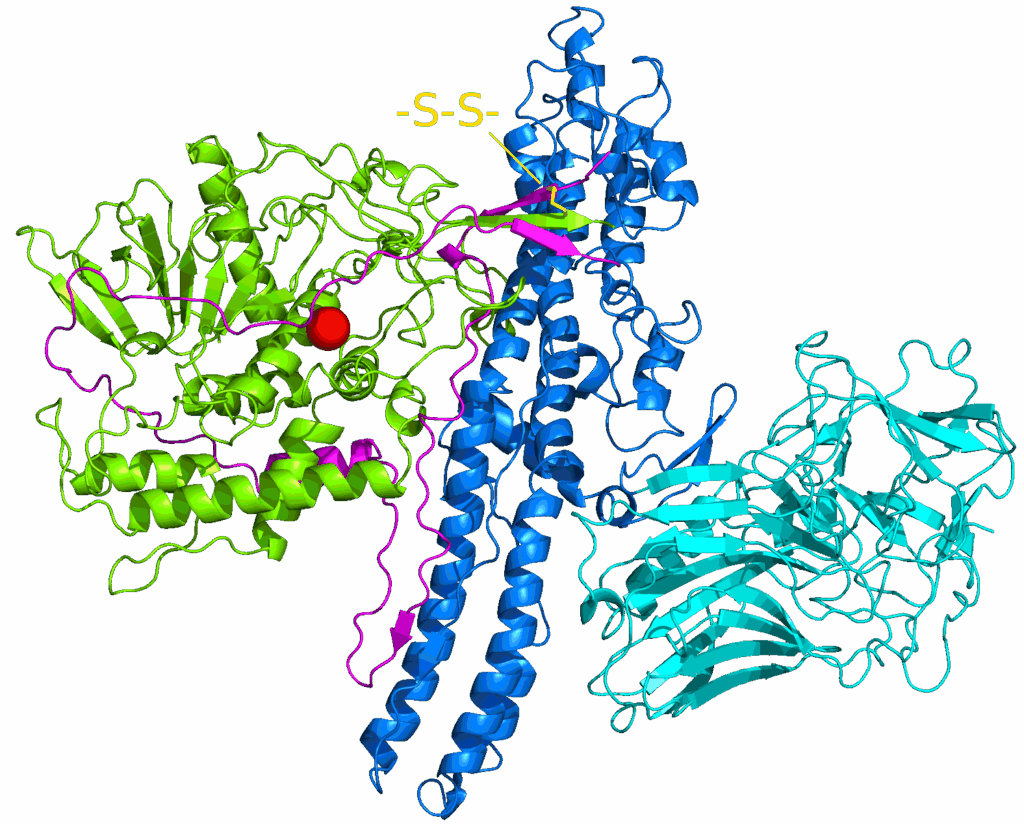
Botul. is prepared from the neurotoxin associated with *Clostridium botulinum*, historically notorious for outbreaks of “sausage poisoning” and food-borne paralytic illness. The toxicological portrait is remarkably definite: a predominantly cranial-nerve and bulbar palsy with descending, flaccid paralysis, accompanied by striking autonomic features such as dryness of mouth and throat, constipation from intestinal atony, and urinary retention or sluggish bladder function [Hughes], [Clarke]. Physiologically, the toxin interferes with acetylcholine release at the neuromuscular junction, so voluntary muscles fail from “want of nerve impulse,” while sensation may remain comparatively intact; this helps explain the characteristic separation between profound weakness/paralysis and a mind that is often clear and aware [Hughes], [Kent]. In homeopathic use, this toxicological coherence becomes the guiding thread: ocular muscle weakness (ptosis, diplopia), dysphagia and choking from bulbar paresis, thick, tenacious or difficultly managed secretions from impaired swallowing, and respiratory embarrassment from diaphragmatic weakness, all linked with a dry, paralysed mucosa rather than a catarrhal, inflamed one [Clarke], [Boericke]. Botul. therefore belongs to that class of remedies whose symptomatology is largely illuminated by [Toxicology] and later [Clinical] confirmations rather than by broad, early Hahnemannian provings; the prescriber must be strict about totality and characteristic modalities, because the remedy’s power lies in a very specific neuro-paralytic pattern and can be misapplied if reduced to a mere “infection remedy” or “food poisoning remedy” [Hahnemann], [Kent].
Proving Information
Botul. is chiefly a toxicological remedy: its most reliable and characteristic symptoms are drawn from the well-described clinical syndrome of botulism and the physiological effects of the toxin upon the neuromuscular junction and autonomic function [Toxicology] [Hughes], [Clarke]. In the classical homeopathic tradition, such remedies often enter practice through collations of poisoning records and subsequent clinical confirmations in similar paralytic states, rather than through wide-scale provings [Hughes], [Kent]. Consequently, the prescriber should treat the toxicological “sequence and ensemble” as the proving analogue: ocular weakness and diplopia, bulbar dysphagia and choking, extreme dryness, intestinal and bladder atony, and descending flaccid paralysis with respiratory threat [Clarke], [Boericke]. Where modern provings or later confirmations exist, they should be used as corroboration, but the safe foundation remains the unmistakable neuro-paralytic pattern already named [Kent], [Boger].
Remedy Essence
Core Themes / Remedy Essence – Botul. represents the terror and peculiarity of a body whose muscles no longer answer the will. Its essence is not pain, not inflammation, and not spasm, but failure of function: a silent, progressive, descending weakness that begins in the cranial sphere and then presses inward toward swallowing and breath [Hughes], [Clarke]. The patient often remains lucid, which makes the experience psychologically stark: they can perceive the danger of choking or suffocation with unsettling clarity, and their fear is proportionate to the real mechanical threat, not merely an imaginative panic [Kent], [Vithoulkas]. This clear-mind-under-threat quality places Botul. close to other paralytic medicines such as Curare, yet Botul. distinguishes itself by the strong autonomic signature: dryness of mouth and throat, inhibited secretions, constipation from intestinal paralysis, and urinary retention from bladder atony, making “dryness + atony” a unifying stamp [Hughes], [Clarke].
The remedy’s pace is one of creeping failure rather than stormy violence; symptoms worsen with the slightest exertion because every act (speaking, chewing, swallowing, breathing deeply, walking) becomes a neuromuscular task that exhausts the diminished transmission at the motor end-plate [Hughes], [Kent]. Modalities are therefore functional and practical: better from rest and support, worse from dry foods that demand more coordinated swallowing, worse lying flat where choking and dyspnoea are more likely, and worse at night when vigilance increases and fatigue peaks (as noted in Throat, Respiration, and Sleep) [Clarke], [Kent]. Miasmatically, the remedy can show a syphilitic colouring in the sense of destructive threat and progressive failure, with a sycotic component in the “stagnation” of function (bowel and bladder inertia) and a tubercular touch in the suffocative fear and need for better breath, though the miasmatic label must never replace the concrete ensemble of symptoms [Kent], [Sankaran].
Clinically, Botul. is best understood as a portrait of bulbar and autonomic collapse rather than a generic “toxicity remedy.” When the triad of ocular palsy (ptosis/diplopia), bulbar dysphagia with choking, and paralytic constipation/retention is present, the remedy picture becomes strikingly coherent, and even small improvements (moister mouth, safer swallow, deeper breath) carry great confirming value (as echoed in Mouth, Throat, Respiration, and Generalities) [Clarke], [Boger]. Botul. teaches the prescriber to respect sequence, tissue-state, and function: the remedy is chosen not by diagnosis alone but by the characteristic pattern of descending failure, dryness, and atony, with the mind’s sober awareness of peril standing beside the body’s helplessness [Hahnemann], [Kent].
Affinity
- Neuromuscular junction and motor end-plates – Flaccid paresis and paralysis, with “power gone” rather than spasm; the patient cannot execute movements though the mind may remain clear, echoing the toxicological mechanism [Hughes], [Kent] (see Extremities, Generalities).
- Cranial nerves and ocular motor apparatus – Ptosis, diplopia, blurred vision, and weakness of accommodation; this cranial predominance is often the earliest guiding sphere [Clarke], [Boericke] (see Eyes, Head).
- Bulbar muscles (swallowing and speech) – Dysphagia, choking, nasal regurgitation tendency, slurred speech, weak voice; the throat feels “paralysed” rather than inflamed [Clarke], [Kent] (see Throat, Chest).
- Autonomic dryness and glandular inhibition – Marked dryness of mouth and throat with thirst yet difficulty swallowing; secretions are scanty from nervous failure, not from heat [Hughes], [Clarke] (see Mouth, Throat, Food and Drink).
- Intestinal tract (atony and constipation) – Constipation from paralytic bowel, lack of urging, stool retained from inertia; a keynote tissue-state that differentiates it from purely spasmodic constipation remedies [Clarke], [Kent] (see Rectum, Abdomen).
- Bladder function (retention, sluggish urination) – Urinary hesitancy or retention from atony; must tally with the general paralytic theme [Clarke], [Boger] (see Urinary, Generalities).
- Respiratory muscles (diaphragm, accessory muscles) – Oppression, shallow breathing, threat of respiratory failure from weakness rather than bronchial blockage [Hughes], [Clarke] (see Respiration, Chest).
- General state of “descending paralysis” – A coherent progression: ocular → bulbar → limb and respiratory involvement; when the case follows this sequence, Botul. rises strongly in the differential [Toxicology] [Clarke], [Kent].
Better For
- Better from complete rest – Weakness and tremulous fatigue lessen when the patient is not forced to exert; this tallies with the affinity for neuromuscular transmission failure (see Generalities, Extremities) [Kent], [Hughes].
- Better from supported posture – Propping the head and trunk may ease swallowing and breathing when bulbar and respiratory weakness predominate (see Throat, Respiration) [Clarke], [Hughes].
- Better from frequent small sips to moisten the mouth – Dry mouth is relieved by moistening, even when swallowing is awkward; this is a key confirmatory feature (see Mouth, Throat) [Clarke], [Boericke].
- Better from warm, soft foods – Where swallowing permits, warmth and softness reduce choking tendency compared with dry, crumbly foods (see Throat, Food and Drink) [Clarke], [Kent].
- Better in fresh air (when oppression is from weakness, not chill) – Some patients feel less “smothered” with cool fresh air, provided it does not exhaust them; confirm individually (see Respiration, Generalities) [Kent], [Boger].
- Better after clearing the throat gently – Bulbar weakness can leave mucus difficultly managed; gentle clearing brings transient relief (see Throat, Chest) [Clarke], [Boericke].
- Better from warmth to the body (moderate) – Chilly weakness may be soothed by gentle warmth, though oppressive heat can exhaust; this must be tested against the patient’s actual reaction (see Chill / Heat / Sweat, Generalities) [Kent], [Boger].
- Better from reassurance and quiet – Anxiety about choking and breathing improves when calm and assisted, echoing the mind’s “clear awareness of danger” in paralytic states (see Mind, Sleep) [Kent], [Vithoulkas].
Worse For
- Worse from slightest exertion – Talking, chewing, walking, or attempting repeated swallowing quickly exhausts the weak muscles, matching the neuromuscular affinity already noted (see Throat, Extremities, Generalities) [Hughes], [Kent].
- Worse from dry, crumbly food – Increases choking and dysphagia; “dryness + paralysis” is a practical keynote pairing (see Mouth, Throat) [Clarke], [Boericke].
- Worse after questionable preserved foods – Aetiological aggravation: symptoms beginning after tainted, improperly preserved food should sharpen the Botul. suspicion (see Stomach, Generalities) [Clarke], [Hughes].
- Worse from heat and close rooms – Oppressive warmth can aggravate languor and weakness in paralytic states; confirm in the individual case (see Generalities) [Kent], [Boger].
- Worse in the evening and at night – Fatigue accumulates through the day, and swallowing/breathing anxieties are felt more keenly when lying down (see Sleep, Respiration) [Kent], [Clarke].
- Worse from lying flat – Can worsen choking sensation and dyspnoea when bulbar weakness is marked; better propped (see Throat, Respiration) [Clarke], [Hughes].
- Worse from emotional alarm – Fear of suffocation can amplify respiratory distress and insomnia; must be differentiated from Arsen. by the paralytic dryness and atony (see Mind, Sleep) [Kent], [Vithoulkas].
- Worse from cold drinks in the throat – Sudden cold may increase swallowing difficulty or spasm-like choking in a weak pharynx; confirm carefully (see Throat, Food and Drink) [Clarke], [Boericke].
Symptomatology
Mind
The mind of Botul. is often remarkable for its relative clarity amidst bodily failure: the patient may be fully aware of progressive weakness, choking risk, or failing breath, which produces an intense, rational fear rather than delirium [Toxicology] [Hughes], [Kent]. Anxiety is commonly linked to physical threat, especially the dread of suffocation when swallowing fails or respiration becomes shallow; this should tally with the modality “worse from emotional alarm” already noted [Kent], [Vithoulkas]. There may be quiet apprehension before eating, drinking, or speaking, because each attempt can trigger choking or exhaustion, a very practical mental rubric in bulbar paresis (see Throat, Food and Drink) [Clarke], [Kent]. Irritability can arise from frustration: the mind wills movement, but the muscles do not obey, matching the neuromuscular affinity and giving a “trapped in the body” feeling without the hysterical colouring of some remedies [Hughes], [Kent]. In some cases, a dullness or mental fatigue appears later, not as primary confusion but as the result of prolonged weakness, poor sleep, and the strain of breathing difficulty (see Sleep, Respiration) [Kent], [Boger]. A notable differential point is that Arsen. may show intense anxiety with burning and restlessness, whereas Botul. shows anxiety with paralytic dryness, atony, and a descending failure pattern [Kent], [Clarke]. The patient often becomes cautious, slow, and minimal in speech, because speaking itself tires the muscles and aggravates dysarthria; this cross-links directly to the “worse from exertion” modality [Clarke], [Kent]. Where the mind is disproportionately torpid or stuporous with septic features, Bapt. becomes a closer differential than Botul., whose mental picture is commonly more alert [Kent], [Clarke]. The prescriber should therefore value Mind chiefly as a confirmatory mirror of physical danger: clear fear, guarded behaviour, and fatigue-born discouragement, all improving as swallowing and breathing ease [Vithoulkas], [Kent].
Head
Head symptoms commonly reflect cranial nerve involvement and general muscular failure rather than congestive headache. Patients describe a heavy, dulled sensation, as if the head were “too weak to hold itself,” which corresponds with the modality “better from supported posture” and the affinity for bulbar/neck weakness (see Back, Generalities) [Clarke], [Boger]. There may be dizziness or unsteadiness from ocular disturbance (diplopia) and general weakness; the head feels light yet the body cannot coordinate (see Eyes, Extremities) [Kent], [Clarke]. Headache, when present, tends to be dull and oppressive, not throbbing, and is aggravated by exertion, talking, and the strain of trying to swallow or breathe (echoing “worse from slightest exertion”) [Kent], [Hughes]. The patient may complain of a peculiar “confused head” when the eyes cannot focus, and the effort to see clearly fatigues quickly, pointing back to the ocular affinity [Boericke], [Clarke]. Sensation of pressure may increase in close, warm rooms where weakness feels heavier and breath more oppressed, aligning with “worse from heat and close rooms” [Kent], [Boger]. In acute toxic states, the head symptoms are often secondary and should not be overvalued; the decisive features remain ocular and bulbar weakness with dryness and atony [Hughes], [Clarke]. A helpful micro-comparison is with Gelsem.: both can show heaviness and drooping lids, but Gelsem. tends to a drowsy, trembling, anticipatory weakness, while Botul. carries the pronounced dryness, constipation from atony, and the descending paralytic sequence [Kent], [Clarke]. When headache improves simply by rest and by relieving the strain of swallowing/breathing, it supports the Botul. totality rather than indicating a primary cephalalgic remedy [Kent], [Boger].
Eyes
The ocular sphere is among Botul.’s most characteristic: weakness of the lids and ocular muscles leads to ptosis, diplopia, blurred vision, and a sense that the eyes will not “obey” the will, matching the neuromuscular junction affinity [Toxicology] [Hughes], [Clarke]. The patient may squint, cover one eye, or avoid reading because focus is difficult and quickly exhausting; this fits the modality “worse from exertion,” since even visual effort becomes a muscular task (see Generalities) [Kent], [Clarke]. Pupils may seem sluggish and accommodation poor, so near work becomes impossible; the eyes feel tired rather than inflamed, and there may be dryness rather than lachrymation, echoing the autonomic inhibition already noted (see Mouth) [Hughes], [Boericke]. Ptosis is often worse toward evening as fatigue accumulates, and may be temporarily better with rest; this diurnal exhaustion pattern is clinically important in differentiating from structural eye disease (see Sleep, Generalities) [Kent], [Boger]. Diplopia in Botul. belongs to a wider bulbar picture: when diplopia is joined by dysphagia and constipation from atony, Botul. rises above remedies that have ocular symptoms alone [Clarke], [Kent]. Compared with Con., which can also have ocular motor weakness and diplopia, Botul. is more marked for dryness, paralytic bowel and bladder, and the classic descending toxic pattern; Con. more often shows vertigo on turning the head and a slower, indurated paralytic tendency [Kent], [Clarke]. The eyes may feel “fixed” or difficult to move, and the patient complains that looking up or sideways tires; this fits the remedy’s sphere in motor failure rather than sensory pain [Hughes], [Kent]. As ocular signs improve, patients often report clearer vision first, followed by easier swallowing; this clinical sequence, when observed, supports the remedy choice because it mirrors the cranial-to-bulbar progression [Clarke], [Boger].
Ears
Ear symptoms are generally secondary and less characteristic than the ocular and bulbar signs, yet they can reflect cranial nerve and autonomic involvement. The patient may complain of a stuffed sensation or mild tinnitus during the toxic weakness, not from catarrh but from nervous dysregulation [Hughes], [Boger]. Hearing itself is usually not the chief complaint; instead, the ear section becomes relevant when dizziness and imbalance accompany diplopia, making orientation difficult (cross-link Eyes ↔ Head) [Kent], [Clarke]. Any ear pain is uncommon and should prompt a search for a more inflammatory remedy picture; Botul. is a remedy of paralysis and dryness rather than local inflammation [Clarke], [Kent]. In a profoundly weak patient, noises may startle because the system is strained, but this is an exhaustion effect rather than a keynote oversensitivity (contrast Coffea, Nux-v., and other sound-sensitive remedies) [Kent], [Boger]. If swallowing is weak, ear symptoms may appear from Eustachian dysfunction, yet the decisive features remain dysphagia, choking, and dry mouth, not ear catarrh [Clarke], [Boericke]. Therefore, the ear sphere serves mainly as corroboration of cranial involvement when it occurs alongside ptosis and bulbar signs [Hughes], [Clarke].
Nose
Nasal symptoms in Botul. typically express autonomic dryness rather than fluent coryza. The nose may feel dry, crusted, and blocked without much discharge, reflecting the same inhibited secretion that appears as dry mouth and throat (see Mouth, Throat) [Hughes], [Clarke]. Smell may seem dulled in severe states, but again this is not a primary keynote; the remedy’s nose picture is best understood as part of a wider dryness/atony syndrome [Boger], [Kent]. Some patients describe an inability to blow the nose effectively because facial and pharyngeal muscles are weak, linking nose complaints to bulbar and facial motor failure (see Face, Throat) [Clarke], [Kent]. If the case presents as profuse watery coryza, sneezing, and burning, Botul. is usually not the first remedy; one should differentiate toward remedies with a true catarrhal inflammatory state [Clarke], [Boericke]. Nasal obstruction can worsen when lying flat, paralleling the “worse lying flat” respiratory and choking aggravation, because secretions are poorly managed (see Sleep, Respiration) [Clarke], [Hughes]. Where dryness is marked, the patient may crave humidified air and frequent moistening measures, a practical clinical confirmation rather than a classic repertory keynote [Boger], [Kent]. The nose section thus reinforces the central theme: autonomic dryness accompanying cranial and bulbar weakness, not a primary rhinitis remedy picture [Hughes], [Clarke].
Face
The face may show the stamp of cranial nerve weakness: expression becomes slack, speech muscles fail, and the patient looks as if “paralysed,” often with drooping eyelids that draw attention to ocular involvement (see Eyes) [Clarke], [Boericke]. There can be a mask-like appearance from facial paresis, and the patient may struggle to articulate, which cross-links directly to bulbar affinity and the modality “worse from talking” by exertion [Kent], [Clarke]. Lips may appear dry, and the mouth may hang open because of weakness and dryness, reinforcing the autonomic inhibition theme (see Mouth) [Hughes], [Clarke]. Chewing can be difficult; the face tires quickly at meals, so the patient eats slowly and cautiously, anticipating choking, a strong clinical bridge between Face, Mouth, and Throat [Clarke], [Kent]. If facial twitching or spasm dominates, Botul. is less likely; it is more flaccid than spasmodic, distinguishing it from Cicuta or Cuprum pictures [Kent], [Boger]. Facial sensation is not typically the centre; rather, motor failure with dryness and fatigue is the guiding portrait [Hughes], [Clarke]. A useful comparison is with Caust.: both can have facial weakness and speech difficulty, but Caust. tends to chronic paralyses with hoarseness and urinary stress issues, while Botul. emphasises the toxic sequence, marked dryness, and bowel atony [Kent], [Clarke]. The face often becomes a “signpost” that the case is cranial and bulbar, not merely digestive or respiratory [Clarke], [Boericke].
Mouth
Dryness of the mouth is one of Botul.’s most consistent features: the tongue and mouth feel parched, sticky, and unrefreshed by ordinary drinking, because the mucosa is dry from nervous inhibition rather than from feverish heat [Toxicology] [Hughes], [Clarke]. The patient may desire frequent small sips simply to moisten the mouth, yet swallowing may be awkward, which creates the characteristic paradox: thirst with difficulty swallowing (see Throat, Food and Drink) [Clarke], [Kent]. Saliva can be scanty, and speech becomes thick or indistinct because the mouth is both dry and weak; this directly ties Mouth to bulbar paresis and the “worse from talking/exertion” modality [Hughes], [Kent]. Taste may be blunted, not from coated tongue but from autonomic dysfunction and general toxic depression [Boger], [Hughes]. The mouth may feel as if it cannot form the bolus properly; chewing becomes fatiguing, and dry foods greatly aggravate choking, echoing the explicit “worse from dry, crumbly food” modality [Clarke], [Boericke]. In some cases there is a foul taste after the suspected food exposure, but the decisive mouth features remain dryness and weakness rather than offensiveness [Clarke], [Hughes]. Compared with Nux-v. or Ars. in food poisoning, Botul. stands out when dryness and paralysis dominate over burning, cramping, retching, and restless anguish [Kent], [Clarke]. When the mouth begins to moisten naturally and articulation improves, it is often an early sign that the whole paralytic state is turning, making Mouth a valuable clinical barometer (see Generalities) [Boger], [Kent].
Teeth
Teeth symptoms are not central, yet dental complaints may arise secondarily from dryness: the mouth feels sticky, the gums may feel uncomfortable, and the patient becomes aware of teeth simply because the oral cavity lacks normal lubrication [Hughes], [Boger]. Chewing fatigue is more characteristic than tooth pain; the jaw tires from neuromuscular weakness, which is a practical expression of the remedy affinity rather than a local dental pathology (see Face, Mouth) [Clarke], [Kent]. True neuralgic toothache, throbbing, or abscess points away from Botul. unless the entire case is dominated by the cranial-bulbar paralytic pattern [Kent], [Clarke]. If dental pain is worse from cold and better from warmth, that modality alone is too general and must not be used to justify Botul.; look instead for dryness, dysphagia, ptosis, constipation, and urinary atony [Kent], [Boger]. The gums may appear dry and sensitive, but again the keynote is not inflammation but inhibited secretion and weakness [Hughes], [Clarke]. In differential terms, Merc. is far more likely when salivation, ulceration, and offensive mouth dominate, while Botul. remains a remedy of dryness with paralysis [Kent], [Clarke]. Teeth therefore serve chiefly as a minor confirmation of pervasive oral dryness and fatigue in mastication [Hughes], [Boger].
Throat
The throat picture is profoundly characteristic when present: swallowing is difficult, uncertain, and dangerous, not because the throat is inflamed, but because it is weak and “paralysed” [Toxicology] [Clarke], [Hughes]. Liquids may regurgitate through the nose, or the patient may choke and cough when attempting to swallow, and fear of this becomes a strong mental accompaniment (cross-link Mind ↔ Throat) [Kent], [Clarke]. The throat feels dry, yet drinking does not relieve in a simple way, because the act of swallowing itself is impaired; this paradox should be clearly elicited as it is far more characteristic than mere dryness alone [Clarke], [Kent]. Voice may be weak, hoarse, or failing, especially after talking, which matches the modality “worse from exertion” and shows bulbar involvement (see Chest, Respiration) [Clarke], [Boericke]. The patient may complain of a lump or obstruction sensation, but it is functional: food seems to “stick,” and repeated swallowing is exhausting; this differentiates from purely spasmodic globus remedies where strength is preserved [Kent], [Boger]. Lying flat aggravates choking and dyspnoea, and propping up brings relief, making posture a practical modality that must be echoed here (see Sleep, Respiration) [Clarke], [Hughes]. Compared with Caust., which can have chronic swallowing difficulty and weakness of the pharynx, Botul. is more acute-to-subacute in toxic sequence, with marked dryness and constipation from atony; Caust. more often shows chronic hoarseness, warts, and a distinct constitutional stamp [Kent], [Clarke]. In severe cases, the throat symptoms are joined by respiratory muscle weakness; the prescriber must regard this as a high-stakes clinical state requiring urgent medical evaluation, even while recognising the homeopathic totality [Vithoulkas], [Kent].
Stomach
Stomach symptoms in Botul. are often less violent than in other food poisoning remedies; the toxin’s hallmark is not chiefly cramping and vomiting but progressive neuromuscular failure with dryness and atony [Hughes], [Clarke]. Nonetheless, there may be nausea, early satiety, and a sense that the stomach does not propel food onward, matching the general atonic state seen in bowel and bladder (see Abdomen, Rectum, Urinary) [Clarke], [Kent]. After the aetiological exposure (questionable preserved foods), the patient may feel unwell without much local gastric distress, then later develop ocular and bulbar symptoms; this sequence is diagnostically and homeopathically meaningful (cross-link Eyes ↔ Throat ↔ Generalities) [Toxicology] [Hughes], [Clarke]. Thirst may be present, yet drinking is difficult; the stomach may tolerate small sips but the throat betrays the act, so “stomach relief” is limited by bulbar weakness [Clarke], [Kent]. There can be constipation from intestinal atony rather than from lack of fluid alone, and the stomach feels heavy because the whole digestive tract is slowed, a point that differentiates Botul. from spasmodic Nux-v. states [Kent], [Clarke]. Vomiting, when present, does not necessarily relieve; the patient remains weak and dry, supporting the idea that the central issue is not elimination but neuromuscular blockade [Hughes], [Boger]. A micro-comparison with Arsen. is useful: Arsen. has burning pains, restlessness, and fear with frequent small sips that are quickly rejected, whereas Botul. has dryness with paralysis and atony, with less burning and more motor failure [Kent], [Clarke]. The stomach section therefore supports the remedy chiefly through aetiology and the broader atonic pattern, not through dramatic gastric pain [Hughes], [Kent].
Abdomen
The abdomen reflects atony: bloating, distension, and a sense of fullness from arrested peristalsis rather than active spasm [Hughes], [Clarke]. Patients may describe an abdomen that feels “dead” or inert, with little urging to stool, and this should directly echo the affinity for paralytic constipation (see Rectum) [Clarke], [Kent]. Pain is often minimal compared with the degree of distension, which is an important clinical and homeopathic clue: the system is failing to move, not reacting with cramps [Boger], [Hughes]. After eating, the abdomen may become more distended and uncomfortable, not because of hypersensitivity but because propulsion is weak; this ties into the “worse from exertion” theme, as even digestion becomes a strain [Kent], [Clarke]. Warm, soft foods may be tolerated better than dry heavy meals, because they require less muscular work in chewing and swallowing, and they pass more easily (cross-link Food and Drink) [Clarke], [Boericke]. If there is violent colic and diarrhoea, Botul. is less likely unless the paralytic dryness and ocular/bulbar signs are concurrently present; in pure gastro-enteritis pictures, other remedies will generally lead [Kent], [Clarke]. The abdominal state often improves slowly with rest and supportive measures, paralleling the general amelioration from rest and the need to avoid exertion [Kent], [Boger]. Thus Abdomen is best read as part of a whole-body atony syndrome rather than a local abdomen remedy [Hughes], [Clarke].
Urinary
The bladder may share the same atony as the bowel: hesitancy, retention, or a slow, incomplete stream, with little urging [Clarke], [Boger]. Patients can feel a full bladder yet cannot void effectively, not from spasm but from weakness, which must align with the broader neuromuscular junction affinity [Hughes], [Kent]. Urinary symptoms may worsen at night and when lying flat, partly because anxiety about choking and breathing heightens, and the effort to rise or strain exhausts the patient (cross-link Sleep, Mind) [Kent], [Vithoulkas]. Unlike Canth., where burning tenesmus and violent urging dominate, Botul. urinary issues are typically quiet and paralytic, consistent with an inhibited autonomic picture [Kent], [Clarke]. Dryness can extend to mucosa generally, yet Botul. is not primarily a remedy of painful cystitis; it is a remedy of failure of function and retention [Clarke], [Boger]. In differential terms, Caust. has urinary retention or weakness with a chronic paralytic tendency and other characteristic constitutional features; Botul. is chosen when the cranial/bulbar and bowel-atony ensemble is prominent and coherent [Kent], [Clarke]. Where urinary retention accompanies progressive weakness, swallowing difficulty, and ocular signs, the case becomes highly confirmatory for Botul. as part of the descending paralytic portrait [Clarke], [Hughes]. Clinically, urinary retention can be urgent; homeopathic prescribing must not delay appropriate medical care [Vithoulkas].
Rectum
Constipation is a keynote: stool is retained from intestinal paralysis and lack of urging, rather than from hard dryness alone [Clarke], [Kent]. The patient may go days without stool, with little or no desire, and then passes only with effort, or not at all, which matches the affinity for intestinal atony and differentiates Botul. from remedies of constriction and spasm [Kent], [Boger]. The rectum feels inactive; there is no expulsive power, and the abdomen may be distended while the rectum remains unresponsive, a strong confirmation of the paralytic theme [Hughes], [Clarke]. This constipation often appears alongside dry mouth and swallowing difficulty, forming a coherent triad: dryness + bulbar weakness + bowel atony (cross-link Mouth, Throat) [Clarke], [Kent]. In differential diagnosis, Alumina has constipation from lack of peristalsis and weakness, but Alumina carries a more chronic, dry, slow constitutional state with mental confusion and “no desire” patterns; Botul. is more acutely toxic with cranial and bulbar signs [Kent], [Clarke]. Opium also has paralytic constipation, yet Opium tends to stupor and insensibility; Botul. often preserves a clearer mind with cranial palsy and dryness [Kent], [Hughes]. When stool returns and urging is restored, it is often a sign that autonomic function is returning, making Rectum another useful progress marker (see Generalities) [Boger], [Kent]. Because constipation in such paralytic states can signify serious systemic involvement, it should be clinically respected and not treated as trivial, even while it guides remedy selection [Vithoulkas], [Kent].
Male
Male symptoms are not a primary sphere beyond the paralytic urinary picture. Sexual function may be reduced simply from general weakness and autonomic inhibition; this is supportive, not decisive [Boger], [Kent]. The male patient may complain of exhaustion with minimal exertion and an inability to sustain effort, which is consistent with neuromuscular failure rather than endocrine deficiency (see Generalities, Extremities) [Hughes], [Kent]. If prostate issues dominate, the case must be evaluated on its own merits; Botul. is considered when urinary retention is paralytic and joined by the cranial/bulbar ensemble [Clarke], [Boger]. In differential diagnosis, Con. can have urinary difficulties in older men with glandular induration and vertigo, but Botul. is more marked for dryness, constipation from atony, and cranial palsy sequence [Kent], [Clarke]. Male section therefore mainly reiterates: look for retention from weakness, not from spasm, and confirm by ocular/bulbar signs [Clarke], [Kent]. Where the full Botul. picture is present, male complaints tend to recede as general motor function returns [Boger], [Kent].
Female
Female symptoms likewise are secondary to the paralytic-autonomic state: dryness, weakness, and urinary retention may be more prominent than specific uterine symptoms [Boger], [Kent]. Appetite and digestion may be profoundly slowed after the aetiological exposure, and the woman may describe a frightening weakness with difficulty swallowing and blurred vision, which must be treated as the central guide (see Eyes, Throat, Rectum) [Clarke], [Hughes]. Menstrual changes, if they occur, are usually incidental to systemic illness; do not force Botul. on menstrual symptoms alone [Kent], [Hahnemann]. In differential diagnosis, Sepia has characteristic pelvic and emotional features; Botul. is chosen on the unmistakable cranial/bulbar and atony syndrome, not on general female fatigue [Kent], [Clarke]. If the woman is postpartum and develops swallowing weakness or cranial symptoms, urgent medical assessment is essential; remedy selection is adjunctive and must not replace diagnosis [Vithoulkas]. Female section thus remains a confirmatory field: urinary atony, dryness, constipation, and ocular/bulbar failure patterns are the true indicators [Clarke], [Boger]. When improvement occurs, it is usually first noticed in easier swallowing and clearer vision rather than in specifically gynaecological symptoms [Clarke], [Kent].
Respiratory
Respiration in Botul. may become shallow, slow, and weak, as if the patient cannot “take hold” of the breath; this is the respiratory expression of neuromuscular junction failure [Toxicology] [Hughes], [Clarke]. The patient may fear falling asleep because breathing feels precarious, linking Respiration directly to Sleep anxiety and to the modality “worse at night” [Kent], [Vithoulkas]. Dyspnoea is often worse when lying flat and better when propped, an intensely practical modality that must be sought and explicitly confirmed (see Modalities) [Clarke], [Hughes]. There is typically less wheeze and less catarrh than in asthma remedies; the distress is from weakness, not from spasm, which differentiates Botul. from Ipec. or Arsen. asthma states [Kent], [Clarke]. The patient may sigh, attempt deep breaths, and quickly tire; the effort itself becomes an exertion that aggravates, aligning with “worse from slightest exertion” [Kent], [Hughes]. If choking episodes occur, they are often triggered by swallowing attempts and mishandled secretions, again showing the bulbar link (Throat ↔ Respiration) [Clarke], [Hughes]. In differential diagnosis, Curare has profound muscular paralysis with clear consciousness, but Botul. is more marked for dryness, cranial nerve palsies, and autonomic bowel/bladder atony [Kent], [Clarke]. Respiratory improvement is among the most meaningful signs of recovery: a steadier, deeper breath and less fear of suffocation usually herald better sleep and a calmer mind [Kent], [Boger].
Heart
Cardiac symptoms, when present, are usually secondary to autonomic disturbance and respiratory strain: palpitations with minimal effort, or a weak, irregular sense of heartbeat during profound weakness [Hughes], [Boger]. The patient may feel the heart more at night when lying flat aggravates breathing and anxiety rises (cross-link Sleep, Respiration) [Kent], [Vithoulkas]. Unlike remedies with primary cardiac anxiety and burning (Arsen.) or faintness with collapse, Botul. shows heart sensations embedded in a broader paralytic picture with dryness and atony [Kent], [Clarke]. Pulse may feel weak, and the patient becomes fearful, yet the fear is often proportionate to the real physical failure rather than imaginative panic, supporting the “clear mind under threat” theme (see Mind) [Kent], [Hughes]. If the case presents as syncope, cold sweat, and collapse, other remedies may be indicated unless the ocular-bulbar and constipation/retention ensemble is present [Kent], [Boger]. Improvement in heart symptoms usually parallels improvement in breathing and general strength, reinforcing their secondary nature [Hughes], [Kent]. Thus Heart serves as a confirmatory section: autonomic dysregulation in a neuromuscular failure state, not a primary heart remedy signature [Clarke], [Boger].
Chest
The chest symptoms are dominated by weakness of respiration rather than by bronchial catarrh. The patient may feel oppressed, as if the chest cannot expand, and breath becomes shallow, especially after minimal exertion, echoing the modality “worse from slightest exertion” [Hughes], [Kent]. There may be a sense of impending suffocation when swallowing fails and secretions are mishandled, linking Chest to Throat in a very practical way (see Throat, Respiration) [Clarke], [Hughes]. Cough, if present, is often weak, ineffective, and exhausting; the patient cannot raise or clear, not because there is much mucus, but because the muscles do not respond [Hughes], [Boger]. This differentiates Botul. from Ant-t., which has abundant rattling mucus and inability to expectorate from weakness, yet with a different catarrhal-toxic picture; Botul. is drier and more cranial-bulbar [Kent], [Clarke]. Talking can aggravate chest oppression by exhausting the weakened voice and breathing muscles, a cross-link to the bulbar modality (worse from talking) [Clarke], [Kent]. Lying flat aggravates both choking and dyspnoea, and propping up relieves, which should be an explicit confirmatory modality in the chest narrative (see Sleep) [Clarke], [Hughes]. The prescriber must treat such respiratory weakness as medically urgent in real-world practice; the homeopathic picture remains valuable precisely because it recognises weakness rather than inflammation as the essence [Vithoulkas], [Hughes]. As the remedy acts, the first relief may be a deeper, freer breath and reduced fear of choking, which then improves sleep and mind [Kent], [Boger].
Back
Back symptoms in Botul. are typically expressions of weakness: the patient cannot hold posture, the neck and back feel tired, and there is a need to be supported, directly corresponding with the modality “better from supported posture” [Boger], [Clarke]. There may be an aching in the cervical region because the head feels heavy and the muscles fail; this often appears alongside ptosis and bulbar symptoms (cross-link Head, Eyes) [Clarke], [Kent]. True inflammatory back pain is not characteristic and should prompt a different remedy analysis [Kent], [Hahnemann]. The back can feel powerless after exertion, such as attempting to sit up, walk, or repeatedly swallow; this is an important confirmatory reflection of the “worse from slightest exertion” modality [Hughes], [Kent]. In paralytic states, the patient may describe a sense of “gone in the spine” or “nerves dead,” which is language that often accompanies neuromuscular failure and should be noted when joined by constipation and urinary retention (see Rectum, Urinary) [Clarke], [Boger]. Compared with Plumb., which also has paralytic weakness and constipation, Botul. is more cranial and bulbar, with dryness and swallowing failure; Plumb. tends to abdominal retraction, colic, and a more chronic toxic nerve picture [Kent], [Clarke]. The back section thus helps confirm posture weakness and the need for support in a descending paralytic syndrome [Hughes], [Boger].
Extremities
The extremities show flaccid weakness: arms and legs feel powerless, movements are slow and quickly exhausted, and the patient may be unable to lift or sustain limbs against gravity [Toxicology] [Hughes], [Clarke]. This weakness often follows cranial and bulbar symptoms in the descending sequence, and that order is clinically significant: ocular signs first, then swallowing failure, then limb weakness and respiratory embarrassment (see Eyes, Throat, Respiration) [Clarke], [Kent]. Trembling can occur from fatigue, yet it is a trembling of weakness rather than a convulsive spasm, helping differentiate from Cuprum or Cicuta pictures [Kent], [Boger]. The patient is worse from the slightest effort: attempting to walk, grasp, or repeatedly move rapidly depletes strength, echoing the modality already stated [Hughes], [Kent]. Sensation may be relatively preserved compared with motor power, a classic toxicological distinction that supports Botul. against remedies where numbness or pain is the leading feature [Hughes], [Clarke]. In differential diagnosis, Gelsem. can show weakness and trembling, but Gelsem. tends to drowsiness and a more general “heavy, droopy” state without the strong bowel atony and dryness triad; Botul. is more specifically paralytic with cranial palsies [Kent], [Clarke]. Lathyrus produces paralysis (often of the legs) but is more spinal and chronic with spastic elements, while Botul. is more cranial-bulbar and flaccid with autonomic atony [Kent], [Boger]. Improvement in extremities often comes slowly; even small returns of steadiness and reduced fatigue after minimal effort can signal that the remedy is acting on the neuromuscular sphere [Boger], [Kent].
Skin
Skin symptoms are not primary, yet autonomic inhibition can produce dryness and a lack of normal perspiration or lubrication, which may be perceived as a dry, rough skin in severe states [Hughes], [Boger]. Because Botul. is not chiefly an eruptive remedy, rashes or strong cutaneous symptoms should not be used to justify it unless the paralytic ensemble is clear (ptosis, dysphagia, constipation, retention) [Kent], [Clarke]. Some patients may appear pale, with a dull, exhausted look that reflects systemic failure rather than a skin pathology; this is a generality rather than a dermatological keynote [Boger], [Kent]. If cyanosis or collapse signs appear, this indicates urgent systemic involvement; it is not a “skin symptom” to repertorise lightly [Vithoulkas]. In differential terms, remedies like Sulph. or Graph. dominate when skin is central; Botul. comes into view when skin dryness is merely another expression of autonomic inhibition in a paralytic state [Kent], [Clarke]. Therefore Skin remains a small confirmatory section: dryness and diminished secretions as part of the remedy’s autonomic signature [Hughes], [Boger].
Sleep
Sleep is often disturbed by fear and physiology: the patient dreads sleeping because swallowing and breathing feel unsafe, and lying flat can aggravate both choking and dyspnoea, making “worse at night” and “worse lying flat” highly practical modalities (see Throat, Respiration) [Clarke], [Hughes]. Insomnia can be driven by vigilant listening to one’s own breath, a clear mind watching a failing body, which differentiates Botul. from sopor remedies where stupor predominates [Kent], [Vithoulkas]. When sleep occurs, it may be light and unrefreshing because the muscles are weak and the patient wakes to moisten the mouth, reflecting the dryness and the need for frequent sips (see Mouth) [Clarke], [Boericke]. Dreams, if remembered, may be anxious and suffocative, mirroring the choking fear, though this is secondary and not the chief guide [Kent], [Boger]. The patient often sleeps better when propped up, and this positional amelioration should be explicitly confirmed as it is clinically and homeopathically meaningful (see Modalities) [Clarke], [Hughes]. Fatigue accumulates through the day, so symptoms may feel worse toward evening; the patient becomes too weak to eat, speak, or swallow, and this feeds night anxiety (see Food and Drink) [Kent], [Clarke]. In a true Botul. state, improving sleep is often one of the earliest signs that the danger is receding: less choking fear, deeper breathing, and less need to sip constantly [Boger], [Kent]. If stupor and heavy coma-like sleep dominate, Opium or toxic septic remedies should be re-evaluated, as Botul. often preserves clearer consciousness even in severe weakness [Kent], [Hughes]. Sleep thus becomes a sensitive measure of how the bulbar and respiratory spheres are progressing, and it must be read in direct relation to posture and swallowing safety [Clarke], [Vithoulkas].
Dreams
Dreams may reflect the patient’s fear of suffocation: dreams of choking, being unable to breathe, or being trapped and helpless can appear when the mind remains alert to bodily threat [Kent], [Boger]. Such dreams are typically worse when the patient lies flat and breathing feels compromised, which links Dreams to the positional modality already emphasised (see Sleep, Respiration) [Clarke], [Hughes]. Some may dream of eating and choking, mirroring the daytime fear of meals and swallowing, and this can be a small confirmatory echo of the throat weakness [Clarke], [Kent]. Dreams are rarely decisive here; they should be weighted lightly compared with ocular and bulbar signs [Kent], [Boger]. If dreams are wildly delirious, septic, or confused, this points away from Botul. and towards remedies with a primary delirium picture [Kent], [Clarke]. Where dreams diminish as breathing steadies and swallowing improves, it simply confirms that sleep is becoming safer and deeper [Boger], [Kent]. Thus Dreams are best treated as a mirror of the central anxiety rather than a separate keynote sphere [Kent], [Vithoulkas].
Fever
Fever is not typically the dominant feature of Botul. states; the syndrome is more paralytic and autonomic than febrile [Hughes], [Clarke]. If fever is present, it may be low-grade or incidental to the initial gastrointestinal upset or accompanying infection, but the guiding symptoms remain ptosis, diplopia, dysphagia, constipation, and respiratory weakness [Clarke], [Boger]. A hot, burning, restless fever with anxiety points more strongly towards Arsen. than Botul., unless the paralytic ensemble is unmistakable [Kent], [Clarke]. In septic fevers with stupor and foul discharges, Bapt. is a closer toxicological analogue [Kent], [Clarke]. Therefore Fever should not be used to lead the prescription; it is a minor accompaniment in a remedy whose genius is neuromuscular failure [Hughes], [Boger]. When fever subsides yet paralysis worsens, that sequence is itself toxicological and should sharpen the Botul. recognition rather than distract the prescriber into antipyretic repertorisation [Hughes], [Clarke].
Chill / Heat / Sweat
Thermal reactions vary, yet many patients feel a heavy, sinking chilliness and a dislike of oppressive heat. Gentle warmth may soothe the general weakness, but close, hot rooms can aggravate oppression and fatigue, corresponding with the modality “worse from heat and close rooms” [Kent], [Boger]. Sweat is often diminished relative to the patient’s distress, reflecting autonomic inhibition; the skin may feel dry rather than moist, linking this section back to Mouth dryness and inhibited secretions generally [Hughes], [Clarke]. If clammy collapse sweats appear, this indicates severe systemic compromise and must be clinically respected; it is not a mere rubric [Vithoulkas]. Compared with remedies whose sweat patterns are defining (Calc., Sulph.), Botul. uses sweat mainly as confirmation of autonomic dysregulation in a paralytic state [Kent], [Boger]. Chilliness may be more noticeable in the evening when fatigue accumulates, and the patient becomes too weak to maintain warmth through movement; this ties into the “worse evening/night” exhaustion modality [Kent], [Clarke]. Improvement in thermal comfort often parallels improvement in respiration and swallowing, confirming that the autonomic system is recovering [Boger], [Hughes].
Food & Drinks
Food is often feared because swallowing is treacherous: the patient may avoid eating, chew slowly, and prefer soft or warm foods that are easier to manage, a direct clinical expression of bulbar weakness (see Throat, Face) [Clarke], [Kent]. Dry, crumbly foods greatly aggravate choking and coughing, making “worse from dry food” a practical modality of high value in this remedy [Clarke], [Boericke]. Thirst may be present, but the patient can only take frequent small sips to moisten the mouth; large gulps are risky, and this paradox (thirst with dysphagia) strongly supports Botul. [Clarke], [Kent]. The aetiological link to questionable preserved foods is important: when symptoms begin after such exposure and then progress into ocular and bulbar failure, Botul. becomes more than a theoretical consideration (see Stomach, Generalities) [Hughes], [Clarke]. Unlike Nux-v., where food poisoning often brings spasmodic retching, cramps, and irritable sensitivity, Botul. shifts the case towards dryness, atony, and paralysis [Kent], [Clarke]. Alcohol and stimulants may aggravate weakness in sensitive patients, but this is not a chief keynote; the decisive food-related feature remains the choking/weak-swallow pattern [Kent], [Boger]. As improvement begins, patients often report that they can swallow more safely and tolerate slightly firmer foods, which is a clear functional marker that the remedy has touched the bulbar sphere [Clarke], [Kent].
Generalities
Botul. is a remedy of a very specific general state: progressive, descending, flaccid weakness with marked cranial nerve and bulbar involvement, joined by autonomic dryness and atony of bowel and bladder [Toxicology] [Hughes], [Clarke]. The most persuasive generality is the coherence of the ensemble rather than any single symptom: ptosis/diplopia, dry mouth, dysphagia with choking, constipation without urging, urinary retention, and shallow breathing from weakness, all worsening with slightest exertion and often worse at night or when lying flat [Clarke], [Kent]. The patient’s consciousness may remain clear, and the fear is rational: they feel the danger of suffocation and the helplessness of muscles not responding, which links Mind to the whole-body picture [Kent], [Vithoulkas]. Aetiology can be decisive: onset after questionable preserved foods, followed by the characteristic sequence of ocular then bulbar then limb/respiratory failure, strongly points toward Botul. in the differential [Hughes], [Clarke]. The remedy expresses “atony everywhere”: in swallowing, peristalsis, bladder emptying, and even glandular secretion, which differentiates it from remedies where spasm, cramp, or inflammation dominate [Kent], [Boger]. Modalities are clinically practical: worse from the slightest exertion, worse from dry foods, worse lying flat; better from rest, support, and small sips to moisten the mouth, and these should be explicitly echoed throughout the case narrative (as they have been in Mouth, Throat, Respiration, Sleep) [Clarke], [Kent]. In differential diagnosis, Curare shares the paralysis-with-clear-mind quality, but Botul. is more cranial and autonomic (dryness, bowel/bladder atony) and more characteristically linked to food-borne toxic sequence [Kent], [Clarke]. Plumb. shares constipation and paralysis, yet Plumb. is more chronic, colicky, and often shows retraction and a different nerve-tissue stamp; Botul. is more acute-to-subacute, cranial-bulbar, and dry [Kent], [Clarke]. Botul. should be handled with clinical sobriety: the real-world state it resembles can be dangerous, so homeopathic prescribing must sit alongside appropriate urgent medical assessment; the remedy value lies in recognising the totality and its sequence, not in delaying care [Vithoulkas], [Hughes]. When the remedy is correct, improvement often begins in the most characteristic spheres: easier swallowing, moistening of the mouth, clearer vision, a deeper breath, and the gradual return of bowel and bladder function, which confirms that the remedy has acted upon the autonomic-neuromuscular core [Boger], [Kent].
Differential Diagnosis
Aetiology (tainted food, toxic sequence, progressive failure)
- Ars. – Food poisoning with intense anxiety, restlessness, burning pains, and collapse tendencies; Botul. differs by paralytic dryness, bowel/bladder atony, and cranial-bulbar palsy sequence rather than burning gastro-enteritis [Kent], [Clarke].
- Nux-v. – After dietary indiscretion with spasmodic retching, cramping, irritability, and hypersensitivity; Botul. is less spasmodic and more paralytic, with dysphagia and ptosis as leading signs [Kent], [Clarke].
- Bapt. – Septic toxic states with stupor, besotted mind, foul discharges; Botul. often keeps clearer consciousness with cranial nerve failure and dryness rather than septic delirium [Kent], [Clarke].
Mind (fear of suffocation, clear awareness under threat)
- Acon. – Sudden panic and fear of death in acute crises; Botul. fear is commonly linked to actual choking/respiratory weakness with dryness and paralysis rather than stormy panic alone [Kent], [Boger].
- Ars. – Fear with restless tossing and burning; Botul. has fear with muscular failure, guarded behaviour, and the dryness/atony ensemble [Kent], [Clarke].
Keynotes (ptosis/diplopia + dysphagia + constipation/retention from atony)
- Gelsem. – Drooping lids and weakness with drowsiness and trembling; Botul. differs by pronounced dryness, paralytic constipation without urging, and bulbar choking risk [Kent], [Clarke].
- Con. – Paralysis and ocular symptoms often with vertigo on turning the head and slow induration tendencies; Botul. is more acutely toxic, drier, and more clearly bulbar/intestinal atony [Kent], [Clarke].
- Caust. – Chronic paralyses with hoarseness and urinary weakness; Botul. is more defined by toxic sequence, dryness, and bowel atony with cranial palsies [Kent], [Clarke].
- Curare – Profound muscular paralysis with clear consciousness; Botul. adds cranial-bulbar predominance, dryness, and bowel/bladder atony, often with food-borne aetiology [Kent], [Clarke].
Organ affinity (bulbar, bowel, bladder, respiration)
- Opium – Paralytic ileus/constipation with stupor and insensibility; Botul. often has clearer mind with cranial palsy and dry mucosa [Kent], [Hughes].
- Plumb. – Constipation and paralysis with colic and chronic toxic nerve picture; Botul. is more cranial-bulbar, dry, and sequence-driven [Kent], [Clarke].
- Alum. – Constipation from lack of peristalsis with chronic dryness and slow constitution; Botul. is more acute-to-subacute with cranial and bulbar weakness [Kent], [Clarke].
- Ant-t. – Great weakness with inability to expectorate from chest full of mucus; Botul. is typically drier and more cranial/bulbar in origin of respiratory distress [Kent], [Clarke].
Modalities (worse from exertion, worse lying flat, worse from dry food; better rest/support)
- Phos. – Weakness and respiratory sensitivity with craving for cold drinks and haemorrhagic tendencies; Botul. is marked by dysphagia, dryness, and autonomic atony rather than Phos. thirst pattern and emotional openness [Kent], [Clarke].
- Lathyr. – Paralysis (often legs) with more spinal/chronic and sometimes spastic colouring; Botul. is more cranial-bulbar and flaccid with dryness and atony [Kent], [Boger].
Remedy Relationships
- Complementary: Gelsem. – Where drooping, weakness, and diplopia predominate, Gelsem. may meet the “heavy, droopy” stage; Botul. may be required when dryness, constipation from atony, and bulbar choking become unmistakable [Kent], [Clarke].
- Complementary: Caust. – Caust. may follow in chronic paralytic sequelae when the acute toxic edge has passed; differentiate by the remaining constitutional stamp and modalities [Kent], [Clarke].
- Related: Curare – Shares the paralysis-with-clear-mind motif; Botul. adds cranial dryness and bowel/bladder atony as distinguishing relatives within the paralytic group [Kent], [Clarke].
- Related: Con. – Both can show ocular and motor weakness; Con. more indurated, vertiginous and slow, Botul. more sequence-driven with dryness and autonomic atony [Kent], [Clarke].
- Related: Plumb. – Both can show constipation and paralysis; Plumb. more colicky and chronic-toxic, Botul. more bulbar and autonomic-dry [Kent], [Clarke].
- Antidotal consideration: stimulants and exertion as maintaining causes – Overexertion and oppressive heat can perpetuate weakness; removing maintaining factors clarifies remedy response (a general management principle) [Kent], [Vithoulkas].
- Follows well: supportive convalescence remedies – After the acute danger, remedies that rebuild vitality and nerve tone may be required; avoid forcing Botul. beyond its characteristic sphere [Boger], [Vithoulkas].
- Inimical (clinical caution): mis-prescribing on “food poisoning” alone – Using Botul. without the cranial-bulbar + dryness + atony ensemble risks failure; keep it within its genius [Hahnemann], [Kent].
Clinical Tips
Botul. is most often considered when a case shows the classic paralytic ensemble: ptosis/diplopia, dry mouth, dysphagia with choking, constipation without urging, urinary retention or sluggish bladder, and respiratory weakness from muscular failure, often following suspicious preserved foods or appearing in botulism-like neurological states [Clarke], [Hughes]. Because this remedy picture overlaps serious neurological emergencies, the practitioner must be clear: appropriate medical assessment is essential whenever swallowing or breathing is compromised; homeopathic prescribing should be adjunctive and never a reason to delay urgent care [Vithoulkas]. In practice, clinicians often choose mid to higher centesimal potencies when the symptom pattern is clear and characteristic, repeating cautiously and judging by functional markers (safer swallow, moistening mouth, steadier breath, return of urging to stool and urine) rather than by vague “feeling better” alone [Kent], [Boger].
Case pearls:
- Dry mouth with thirst, yet swallowing is difficult and unsafe, with ptosis and diplopia appearing early, is a strong Botul. direction when constipation from atony accompanies it [Clarke], [Kent].
- Constipation without urging together with urinary retention from weakness, in a patient whose breathing feels “too weak to draw,” should prompt Botul. consideration if cranial/bulbar signs are present [Hughes], [Boger].
- Food-borne onset followed by ocular then bulbar weakness is more Botul. than Nux-v. or Ars. when the case is dry and paralytic rather than burning and spasmodic [Clarke], [Kent].
Selected Repertory Rubrics
Mind
- Mind; anxiety; suffocation, fear of — Fear proportionate to choking and breath weakness [Kent].
- Mind; fear; eating, of; from choking — Anticipatory dread before meals in bulbar weakness [Clarke].
- Mind; anxiety; night; in bed — Worsens when lying flat and vigilance heightens [Kent].
- Mind; irritability; from inability to do anything — Frustration of will versus motor failure [Kent].
- Mind; restlessness; from fear, not from pain — Differentiates from burning-pain restlessness [Kent].
- Mind; clearness of mind; with great weakness — “Aware under paralysis” motif [Hughes].
Head
- Head; heaviness; with weakness; must support head — Postural failure in toxic weakness [Boger].
- Head; dizziness; with double vision — Ocular-driven unsteadiness [Kent].
- Head; pain; dull; from exertion — Head discomfort from fatigue, not congestion [Kent].
- Head; confusion; with inability to focus eyes — Functional “confused head” from ocular paresis [Clarke].
- Head; weakness; evening — Fatigue accumulation through the day [Boger].
- Head; symptoms; worse; close rooms, heat — Oppressive warmth aggravates weakness [Kent].
Eyes
- Eyes; lids; drooping; ptosis — Leading cranial nerve sign [Kent].
- Vision; double; diplopia — Ocular motor failure core rubric [Kent].
- Vision; blurred; from weakness of accommodation — Not inflammatory, but paralytic [Clarke].
- Eyes; fatigue; from using eyes — Visual effort quickly exhausts [Kent].
- Eyes; pupils; sluggish — Supports cranial/autonomic involvement [Hughes].
- Vision; objects; swim; from weakness — Unsteady focus from motor failure [Boger].
Mouth
- Mouth; dryness; extreme — Autonomic inhibition keynote [Clarke].
- Mouth; thirst; with difficulty swallowing — Paradox of thirst with dysphagia [Kent].
- Speech; difficult; thick; from dryness and weakness — Bulbar failure expressed in speech [Clarke].
- Tongue; paralysis; with thick speech — Motor failure more than coating [Kent].
- Mouth; saliva; scanty — Inhibited secretion confirms dryness theme [Hughes].
- Mouth; chewing; tires quickly — Jaw fatigue as neuromuscular sign [Boger].
Throat
- Throat; swallowing; difficult; liquids — Bulbar dysphagia with choking risk [Kent].
- Throat; swallowing; difficult; solids; dry food worse — Dry foods aggravate choking [Clarke].
- Throat; paralysis; pharynx — “Paralysed throat” central rubric [Kent].
- Throat; choking; when swallowing — Practical keynote for selection [Clarke].
- Throat; dryness; with thirst — Dry mucosa from autonomic failure [Hughes].
- Throat; complaints; worse; lying down — Positional aggravation, better propped [Clarke].
Rectum / Urinary
- Rectum; constipation; no urging — Paralytic bowel, stool retained from inertia [Kent].
- Rectum; inactivity; of rectum — Lack of expulsive power, atony [Boger].
- Bladder; retention; urine — Paralytic retention rather than spasm [Kent].
- Urination; difficult; from weakness — Sluggish stream, hesitancy [Clarke].
- Rectum; constipation; with paralysis — Links bowel atony to neuromuscular failure [Hughes].
- Bladder; urging; absent; with retention — Confirms atony picture [Boger].
Chest / Respiration
- Respiration; difficult; from weakness of muscles — Dyspnoea from failure, not spasm [Hughes].
- Respiration; short; shallow — Shallow breathing in neuromuscular weakness [Clarke].
- Respiration; worse; lying down — Positional aggravation important clinically [Clarke].
- Cough; weak; cannot raise — Ineffective cough from muscle weakness [Boger].
- Chest; oppression; from least exertion — Exertion intolerance in breathing [Kent].
- Suffocation; fear of; with choking — Mind-respiration linkage in bulbar states [Kent].
Generalities
- Generalities; paralysis; descending — Sequence-driven keynote [Clarke].
- Generalities; weakness; from slightest exertion — Central modality of motor failure [Kent].
- Generalities; dryness; of mucous membranes — Autonomic inhibition across systems [Hughes].
- Generalities; worse; night — Fatigue and fear peak at night [Kent].
- Generalities; better; rest — Rest as chief amelioration in atony states [Boger].
- Generalities; worse; after tainted food — Aetiology confirming the toxic picture [Clarke].
References
Samuel Hahnemann — Organon of Medicine (1810–1842): method, totality, and cautions against prescribing by diagnosis alone.
Richard Hughes — A Manual of Pharmacodynamics (1870): toxicological method; physiological correlations used for paralytic remedies.
John Henry Clarke — A Dictionary of Practical Materia Medica (1900): clinical keynotes and comparisons for paralytic and toxic states.
James Tyler Kent — Lectures on Homeopathic Materia Medica (1905): modality weighting; paralytic remedy differentials and rubric orientation.
William Boericke — Pocket Manual of Homeopathic Materia Medica (1901): concise clinical keynotes supporting dryness, paralysis, and throat symptoms.
Timothy Field Allen — Encyclopaedia of Pure Materia Medica (1874–1879): toxicology-informed symptom collections and comparative framing.
Constantine Hering — Guiding Symptoms (1879–1891): confirmation method; clinical symptom emphasis for neurological states.
C. M. Boger — Synoptic Key of the Materia Medica (1915): generalities and modality-centred analysis applied to paralytic pictures.
E. A. Farrington — Clinical Materia Medica (1880): differential method for paralysis and toxic syndromes.
George Vithoulkas — The Science of Homeopathy (1980): case management principles; caution with high-risk clinical states.
Rajan Sankaran — The Sensation in Homeopathy (2005): miasmatic colour framework referenced cautiously for synthesis.
Roger Morrison — Desktop Guide to Keynotes and Confirmatory Symptoms (1993): confirmatory symptom approach and differential discipline.
Disclaimer
Educational use only. This page does not provide medical advice or diagnosis. If you have urgent symptoms or a medical emergency, seek professional medical care immediately.