

Boletus luridus
Substance Background
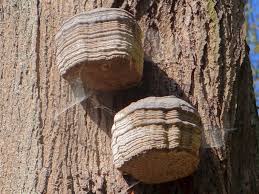
A great, chalky, bitter polypore fungus that forms heavy, hoof-like conks on old conifers (especially larch), historically moving through many botanical names (including Polyporus officinalis and the older Boletus laricis). In homeopathic literature it is often discussed as “White Agaric” or “Larch agaric”, and its sphere is stamped by two converging actions: (1) an irritant, alterative influence on the gastrointestinal mucosa with profuse bilious/mucous stools, tenesmus, lienteric passages, and sinking faintness; and (2) a marked action upon the sweat function and the periodic fever-state (malarial, bilious, hectic), where chill, heat and sweat follow each other with notable regularity and exhaustion [Allen], [Hering], [Boericke].
The crude drug had a long reputation as a cathartic and as a checker of exhausting sweats; this dual reputation is mirrored in the proving and confirmations, where violent catharsis alternates with torpor and “bilious” malaise, and where night-sweat (often after midnight) stands alongside hepatic congestion, nausea, and deep frontal headache with a light, hollow sensation of the head [Hughes], [Clarke], [Hering]. A useful pathophysiological reading (without reducing it to chemistry) is that the remedy-image coheres around portal/visceral congestion and intestinal irritation: bitter taste, coated yellow tongue with tooth-marks, burning epigastric distress, dragging in the right lobe of the liver, and stools mixed with bile, mucus, blood, or undigested food, all culminating in great faintness after stool (solar plexus “all-gone” feeling) [Allen], [Hering]. This same portal-bilious axis helps explain the periodic sick-headaches “from organic lesion of liver”, the intermittent facial neuralgia “from torpid liver”, and the fever-picture where the paroxysm is followed by sweat “without relief” [Hering], [Boericke].
Proving Information
Provings and early collections are credited chiefly to William Burt and collaborators (including Lord, Smedley, Wood, Cooley, and Miller), with publication in American Homeopathic Observer (1868) and later compilation into Timothy Field Allen’s encyclopaedic record. The materia medica tradition preserves both triturations (notably for “Boletus purgans/laricis” forms) and tincture preparations (as recorded under Polyporus officinalis), with clinical confirmations in intermittent and bilious fevers, periodical headaches, facial neuralgia from hepatic torpor, jaundice, and chronic diarrhoeal states with lienteria [Allen], [Hering], [Clarke]. Dose guidance in the pocket manuals tends toward low potencies/first attenuation, fitting the remedy’s strong tissue-level and functional visceral picture [Boericke].
Remedy Essence
Boletus laricis is a remedy of periodic collapse arising from a portal-bilious centre. The organism behaves as though the liver and solar plexus govern everything: mood sinks into gloom and irritability, the head becomes hollow and light yet oppressed with deep frontal pain, and the stomach remains nauseated with a coppery-bitter taste and a thick yellow tongue bearing the imprint of the teeth [Hering], [Allen], [Boericke]. The patient is not theatrically anxious; rather, he is dull, depressed, and indisposed to exertion, as if the vitality were continually drained by an internal congestion and irritation that never fully clears even between attacks [Hering].
The signature of periodicity runs through the entire picture. Headaches come at fixed hours or even monthly; neuralgic pains strike like a clock (noon to midnight); chills creep along the spine, followed by heat and then sweat, the sweat itself often waiting for the after-midnight hours, and even then offering little true relief [Hering], [Boericke]. This is not merely an intermittent fever remedy; it is an intermittent state remedy: during apyrexia the patient still tastes bitter, feels nauseated, remains coated, and carries pains in the abdominal viscera, especially the liver, with great lassitude [Hering].
The bowel is the second pole. The abdomen rumbles and knots, urging and distress appear both before and after stool, and the stool may be bilious, mucous, bloody, undigested, or papescent with oily-looking droplets; afterwards comes the hallmark faintness—an “all-gone” solar plexus collapse that can be more decisive than the stool itself [Allen], [Hering]. Motion aggravates—walking worsens the frontal headache and many pains—so the patient becomes still and inert, not from comfort but from incapacity, a modality that can mimic Bryonia but differs by the remedy’s bile-stained, periodic, malarial constitution [Allen], [Kent].
In its tubercular colouring, the same pattern intensifies: phthisis with copious night sweats and watery diarrhoea drains the patient nightly; heat and sweat do not refresh; and the constitution becomes weak, languid, and bluish at the extremes, while the mind remains gloomy and the tongue remains coated [Boericke], [Hering]. In practice, the essence is this: when a case says “liver + hollow frontal head + nausea with coppery bitterness + stool-collapse + periodic chills/sweats (after midnight) + worse motion”, Boletus laricis is not merely relevant—it is often singularly fitting among rare remedies [Allen], [Hering].
Affinity
- Hepato-biliary system (portal congestion; right lobe; gall-bladder region) — Dragging, dull aching distress in the right lobe of liver, with jaundiced states and profound lassitude; the hepatic origin of the sick-headache is repeatedly emphasised (see Head; Abdomen) [Hering], [Allen].
- Solar plexus / epigastrium (sinking faintness; “all-gone” sensation) — Great faintness in the epigastric region, especially after stool or during visceral distress, is one of its most prescribing features (see Stomach; Generalities) [Hering], [Allen].
- Small intestine and colon (rumbling; knotting pains; bilious/mucous stools) — Loud borborygmus, distress about the umbilicus “as if intestines were tied in knots”, and stools of bile, mucus, blood, or undigested food (see Abdomen; Stool) [Hering], [Allen].
- Stool function (violent catharsis vs. costiveness; tenesmus) — From violent purgation with papescent stools (sometimes oily-looking droplets) to constipation with dull headache and languor; straining after stool is notable (see Rectum; Stool) [Allen], [Hering].
- Fever periodicity (intermittent, remittent, bilious; spinal chills) — Chill creeping along the spine with hot flashes; alternation of chill and fever; sweat after midnight; regular periodicity (see Fever; Chill/Heat/Sweat) [Hering], [Boericke].
- Perspiration (night-sweats; sweat without relief) — Profuse night-sweat, especially after midnight, often exhausting and not relieving the fever-state (see Perspiration; Sleep) [Boericke], [Hering].
- Head and nervous system (light, hollow head; frontal headache; bilious gloom) — Deep frontal headache with the peculiar “light and hollow” sensation, worse from motion, often tied to liver torpor and fever-states (see Head; Mind) [Allen], [Hering].
- Neuralgic sphere (periodical facial neuralgia; teeth/temple pains) — Periodical neuralgia of face/temple/teeth, classically linked with torpid liver and intermittent types (see Face; Teeth) [Hering].
- Musculo-articular pains with debility (large joints; back; knees weak) — Aching distress in shoulders and joints, small of back, bones of legs; knees so weak he can hardly stand (see Back; Extremities; Generalities) [Hering], [Boericke].
- Skin heat/dryness and itching — Skin hot and dry (palms especially), with itching between scapulae and on forearms (see Skin) [Boericke].
Better For
- Eructations — Headache and qualmishness lessen after eructations, pointing to the remedy’s gastric-portal linkage (see Head; Stomach) [Allen].
- Sour things (desire for; relief from) — A notable desire for sour things with relief, often when the stomach is unsettled and the head heavy (see Stomach; Food and Drink) [Allen], [Hering].
- Rest and keeping still (general; especially for head pains) — The headaches are aggravated by motion and walking; therefore quiet and stillness are the natural relief (see Head) [Allen].
- Lying down during visceral distress — When the “terrible distress between stomach and navel” will not permit relief in any posture, the patient still seeks recumbency and stillness; the remedy suits that collapse-state rather than the restless anxiety of Arsenicum (see Stomach; Abdomen) [Allen].
- Warmth in chill states (covering, avoiding open air) — The remedy is characteristically chilled by open air and damp change; warmth becomes palliative during the spinal chills (see Fever; Generalities) [Hering].
- Between paroxysms (relative ease in apyrexia) — Though still “bilious” and heavy between attacks, the acuteness of the paroxysm abates and the remedy’s periodicity becomes diagnostically valuable (see Fever; Generalities) [Hering].
- After vomiting (when it occurs) — Nausea may end in vomiting; where vomiting occurs it may temporarily relieve the “fauces” oppression and epigastric distress (see Throat; Stomach) [Hering].
- Shallow breathing during hepatic stitch — Full inspiration provokes sharp hepatic pains; gentle, shallow breathing and stillness become the only tolerable relief (see Abdomen; Respiration) [Allen], [Hering].
Worse For
- Motion (general), walking (especially) — Violent frontal headache and many pains are < from motion and walking; this is one of its clearest modalities (see Head; Chest; Heart) [Allen].
- Stooping or shaking the head — Headache with soreness in the brain is increased by stooping or shaking the head, resembling the “bilious” hangover state yet arising from the drug (see Head) [Allen].
- Before stool — Great distress and pain in bowels with rumbling precede stool; the urging comes with burning and knotting sensations (see Abdomen; Stool) [Allen], [Hering].
- After stool — Faintness and distress in the solar plexus after stool are strong confirmatory features (see Generalities; Stool) [Hering], [Allen].
- Night, especially after midnight — Restlessness after midnight and profuse perspiration waking the patient are characteristic (see Sleep; Perspiration) [Hering], [Boericke].
- Full inspiration — Full inspiration produces sharp cutting pains in the right lobe of liver and dorsal region (see Abdomen; Respiration) [Allen], [Hering].
- Rising up (from sitting or bed) — Lumbar pain and weakness are < on rising, fitting the “small of back” failure in fever states (see Back) [Allen].
- Open air; damp change — Cannot bear open air; it makes him chilly; takes cold from least damp change (see Fever; Generalities) [Hering].
- During chill and fever paroxysm — Joint and back pains, weakness of knees, nausea, coated tongue and gloom intensify with the paroxysm (see Fever; Extremities; Mind) [Hering].
- Quinine-abused intermittents (clinical setting) — Obstinate intermittents, especially where quinine has been abused, tend to show the remedy-picture strongly (see Fever; Clinical Tips) [Hering].
Symptomatology
Mind
The mind is clouded with a bilious gloom: low-spirited, desponding, and morose, with irritability at the least trifle, as though the whole nervous system were oppressed by hepatic congestion [Hering], [Allen]. There is “absence of mind” and loss of memory, not the flighty distraction of Coffea but a dull, heavy incapacity for exertion, mental or physical, which tallies with the great languor already noted under Generalities [Hering]. The patient feels indisposed to any effort, and the depression is often most marked in intermittent and bilious fever states, where the periodicity itself becomes part of the mental picture (gloom returning with each paroxysm) [Hering]. This mental state is not dramatic; it is quiet, sullen, and exhausted, and may coexist with nausea, coated tongue, and the hollow lightness of the head, showing the stomach-liver-mind axis of the remedy [Allen]. In fever-cases, the patient may be irritable yet too weak to express it, a collapsed, “bilious” peevishness rather than the sharp impatience of Nux vomica, though the two can resemble each other in irritability and gastric distress [Hering]. Case-note style: an intermittent sufferer, drugged with quinine and opiates, becomes gloomy, despondent, irritated at trifles during the paroxysm, with coated tongue and nausea, and is restored by the remedy-picture of Boletus laricis [Hering].
Head
The keynote sensation is that the head feels “very light and hollow”, and yet there is a deep frontal headache, as if the brain were sore and empty at once [Allen], [Hering]. The pain is dull, heavy, oppressive, often frontal or in temples, and is markedly aggravated by motion and especially by walking, which must be remembered as a guiding modality (worse from motion) [Allen]. Stooping or shaking the head increases the pain, and this modality, together with the bilious feeling “as if one were said to be bilious”, keeps the prescriber mindful of hepatic origin even when the complaint looks merely cephalic [Allen]. In clinical confirmations the headache may be sick-headache, periodic, returning at a regular hour each day, or even monthly, and is explicitly tied to organic lesion or torpor of the liver (this tallies with the hepatic dragging pains in Abdomen and the jaundice references) [Hering]. Headache often accompanies fever, with hot flushed face and a coated yellow tongue, and may be relieved by eructations, again linking the head pain to gastric-portal disturbance (better from eructations) [Allen]. A violent frontal headache at morning hours, greatly aggravated by walking, with faintness, belongs to the same collapse-visceral picture and should prompt enquiry into stool and liver symptoms (before/after stool aggravations) [Allen], [Hering].
Eyes
The eyes show a small but characteristic keynote: agglutination of the eyelids every morning, pointing to catarrhal stickiness in a generally bilious, feverish state [Allen]. Eyeballs ache severely, with deep drawing pains, as if the ocular muscles and nerves share in the general neuralgic tendency of the remedy (compare the temple/teeth neuralgia) [Allen]. These eye symptoms often accompany the dull frontal headache, so that the patient wakes with heavy head and glued lids, and the whole morning is burdened by the same hollow-headed oppression (worse from motion later in the day) [Allen]. In hepatic states the eyes may be indirectly affected (jaundiced complexion rather than explicit eye pathology), so the prescriber should read the eye symptom as part of a portal-bilious complex rather than an isolated ophthalmic remedy [Hering]. The ocular discomfort is not intensely photophobic or inflammatory, but rather aching and drawing, in keeping with the remedy’s dull, heavy pains and general languor [Allen]. When combined with nausea and coated tongue, the agglutinated lids become a confirming “minor keynote” rather than a leading indication by itself [Allen].
Ears
The ear sphere is not prominent in the classical provings and compilations, and the remedy rarely declares itself chiefly by otic symptoms [Allen], [Hering]. Where ear complaints occur in a Boletus laricis case they are more likely secondary to the fever and congestion state, as when headaches, chills, and portal oppression create a general heaviness of the senses [Hering]. The prescriber should therefore look past incidental ear noises and find the decisive confirmers: hollow light head with frontal pain (worse from motion), bitter/coppery taste, hepatic dragging, and the bowel distress before and after stool [Allen]. If there is neuralgia in temples and face, ear pains may be part of the same neuralgic radiation, but the remedy is chosen by the periodicity and hepatic association, not by local ear pathology [Hering]. In intermittent fever states, subjective ear stuffiness can accompany chills and hot flushes, yet remains non-characteristic compared with the spinal chill and after-midnight sweat [Hering], [Boericke]. Thus, the ear section teaches restraint: use the remedy for its generals and visceral picture, and let the ear symptom be confirmatory at most [Allen].
Nose
Coldness of the nose, with cold hands and feet, appears during the chill stage, fitting the remedy’s sensitivity to open air and damp change (worse from open air) [Hering]. The nose symptom is therefore a thermal/vascular sign rather than a catarrhal keynote, and should be read with the spinal chills and alternating heat and cold [Hering]. In bilious fever, the patient may feel chilled to the core by the least exposure, the nose becoming cold while the palms later grow hot and dry during the heat stage, a striking alternation (see Fever; Skin) [Hering], [Boericke]. Coryza is not emphasised in the chief sources, so nasal discharge alone is not an indication [Allen]. Yet the coldness of extremities and nose can help differentiate the case from remedies with burning heat and desire for open air, since Boletus laricis “cannot bear the open air” [Hering]. When these thermal signs accompany nausea, coated tongue, and hepatic dragging, they strengthen the totality and point away from purely respiratory remedies [Hering].
Face
The face may take on a bluish colour during severe states, aligning with the collapse tendency, feeble pulse, and cold extremities noted in ague cases [Allen], [Hering]. A leading facial manifestation is periodical facial neuralgia, often of the left side, tied to torpid liver, and coming at regular hours, a true intermittent neuralgia rather than a continuous neuritis [Hering]. The classic picture includes burning pain in upper teeth and left jaw with pain in left temple, intense from noon until midnight, then subsiding, leaving slight discomfort through the forenoon; such clock-like recurrence is highly characteristic and should always prompt enquiry into liver and stool symptoms [Hering]. Intermittent neuralgia of left temple and side of head belongs here, linking Face and Head in the periodic hepatic theme [Hering]. The facial expression in fever may be hot and flushed during heat, yet the underlying patient is weak and languid, with nausea and coated tongue, so the face alternates between flush and bluish collapse (see Fever) [Boericke]. Thus, facial symptoms are best understood as expressions of the malarial-bilious constitution, not as isolated trigeminal disorders [Hering].
Mouth
The mouth is stamped by bitter, flat, metallic and notably coppery tastes, lingering for days and making all food seem unnatural; this taste change is a strong confirmatory sign in the “bilious” state [Allen], [Hering]. The tongue is coated white or thickly yellow, and the teeth indentations may be seen in the coating, a small but practical keynote frequently mentioned in pocket manuals (teeth indented) [Boericke], [Allen]. Teeth and gums become sore, and the gums may feel tender as though the whole oral cavity shares in a toxic, congestive condition [Allen]. The mouth picture ties closely with nausea and hepatic dragging: the bitter taste is not merely gastric acid but part of the portal congestion and bilious fever state (see Stomach; Abdomen) [Hering]. This combination of coppery taste, yellow tongue, nausea, and frontal headache can resemble certain mercurial or quinine-drugged states, which is clinically relevant because many intermittent cases have been abused with quinine (see Fever; Clinical Tips) [Hering]. If the mouth symptoms stand alone they are not decisive; but when they accompany the hollow light head, motion aggravation, and bowel distress before/after stool, they become sharply diagnostic for Boletus laricis [Allen].
Teeth
A striking symptom is burning pain in the upper teeth (often left), associated with jaw and left temple pain, coming daily at noon and lasting until midnight in intermittent neuralgia, and this periodicity is among the most valuable guiding features (by symptoms: “clock-like neuralgia”) [Hering]. Teeth may feel as if forced out of their sockets, and gums and teeth become very sore, echoing the remedy’s general tendency to neuralgic, dragging, and aching pains [Allen]. The tooth pains should not be read in isolation; they point back to torpid liver and intermittent fever states, and commonly accompany poor appetite, weakness, and bilious coating of tongue [Hering]. This tallies with the modality “forenoon slight, at noon severe”, and the overall periodic nature of the remedy, which distinguishes it from the purely local toothache remedies [Hering]. The prescriber must also remember the motion aggravation in the head and the visceral distress about the umbilicus; when these accompany tooth neuralgia, Boletus laricis rises above mere dental palliation [Allen]. Case style: a languid bilious patient with intermittent neuralgia—burning upper tooth and left temple daily at noon, with coppery taste and hepatic dragging—finds the paroxysm broken by Boletus laricis [Hering].
Throat
The throat may feel raw and scraped through afternoon and evening, a minor catarrhal irritation accompanying the gastric disturbance [Allen]. There can be a sensation in the fauces as if one would vomit, sometimes without actual nausea, showing how the remedy expresses nausea in the throat itself (see Stomach) [Allen]. With the flat coppery taste and coated tongue, the throat symptom forms part of a bilious toxic picture rather than a primary pharyngitis [Hering]. In fever cases, the throat sensation may accompany constant nausea and loss of appetite, and becomes worse at night when the patient is restless and chilly from exposure (worse from night; worse from open air) [Hering]. There is no strong keynote of thirstlessness or great thirst in the throat itself; thirst, when present, belongs to the systemic fever state (see Fever; Food and Drink) [Allen]. Thus the throat section primarily confirms the remedy by linking the fauces to nausea and portal congestion, not by producing marked local inflammation [Allen], [Hering].
Stomach
Nausea is frequent, sometimes momentary but often constant, with distress in the stomach and umbilicus, forming a continuous thread through the remedy’s picture [Allen]. The patient may feel a lump in the stomach, burning in the epigastrium, and a profound “all gone” faintness in the epigastric region, especially during visceral crises or after stool, which is among the remedy’s most practical indications [Hering], [Allen]. Appetite fluctuates: sometimes ravenous, more often absent; there may be a notable desire for sour things which relieve, a small but clinically helpful modality (better from sour) [Hering]. Heartburn with acid risings can appear, yet the dominant sensation is not simple acidity but burning distress extending toward the liver and umbilicus, with urgent desire for stool and persistent rumbling (cross-reference Abdomen; Stool) [Allen]. The gastric distress may be aggravated by walking (motion aggravation), again tying the stomach to the head modality (worse from motion) and showing the remedy’s general aggravation from exertion [Allen]. Severe sharp cutting pains in the stomach and bowels may occur, particularly at night, making the patient unable to find relief in any position and producing faintness and fever; this collapse with cutting visceral pain should prompt immediate attention to the stool picture (bilious/mucous/bloody) [Allen], [Hering].
Abdomen
The abdomen is dominated by hepato-biliary and umbilical distress: heavy dragging pains in the liver, especially the right lobe, with dull burning distress that may extend through the dorsal region, describing a true portal congestion state [Allen], [Hering]. Full inspiration produces sharp stabbing or cutting pains in the right lobe and lower dorsal region, a precise modality (worse from full inspiration) that the prescriber should not overlook [Allen]. Burning distress in the region of the gall-bladder, with sharp pains in the stomach and heavy aching in the liver, shows the close association of stomach and liver in this remedy (cross-reference Stomach) [Allen]. About the umbilicus there is constant distress, sometimes described as if the small intestines were being tied in knots, with loud rumbling and fermentation-like borborygmus, especially in summer diarrhoea states [Hering]. These pains often precede stool and are followed by similar distress after stool, a double aggravation (before stool and after stool) that helps distinguish Boletus laricis from remedies where stool relieves [Allen], [Hering]. The abdomen can be very painful to touch during acute attacks, and the patient may experience lacerating pains during the day that settle into hypogastric distress, again with urgent desire for stool and faintness, pointing to the solar plexus involvement [Allen].
Urinary
Urine is often high-coloured and scanty, described as bilious, fitting the remedy’s hepatic congestion and fever picture (see Abdomen; Fever) [Hering], [Allen]. In provings there may also be frequent urination, even constant desire with profuse pale urine, showing that the remedy can swing between concentration and diuresis depending on the stage and the systemic state [Allen]. Pain in the region of the kidneys with frequent high-coloured urine is recorded, which can accompany the general dorsal-lumbar distress and weakness of the small of back (see Back) [Allen]. Night urination can occur, aligning with the after-midnight restlessness and sweat, and adding to the patient’s exhaustion (see Sleep) [Allen]. The urinary picture is best read as part of the broader fever-visceral syndrome: chills, nausea, coated tongue, liver pains, and bowel disturbances, rather than as a primary cystitis remedy [Hering]. When urinary symptoms accompany jaundice and lassitude, they may confirm the portal congestion totality and help differentiate from remedies with more burning vesical tenesmus [Hering].
Rectum
The rectal sphere shows urging with flatulence, disposition to strain, and painful sensations about the anus; there may be severe pain in the anus and a persistent sense of incomplete evacuation [Allen]. Tenesmus can be severe in dysenteric cases, with colicky hypogastric pains and frequent bloody-mucous passages, illustrating the remedy’s capacity for violent intestinal irritation in intermittent fever contexts [Hering]. A practical point is that the remedy has both constipation and diarrhoea in its range, but whichever appears, it tends to be accompanied by dull headache and great languor (constipation) or by sinking faintness and distress (diarrhoea) [Hering]. The rectal urging is frequently coupled with loud rumbling in the abdomen, and the patient feels as if diarrhoea will come on even before the stool begins (see Abdomen) [Allen]. Straining after stool is especially noted, a feature that persists even when the stool is papescent, indicating a spastic, irritated rectum rather than simple looseness [Allen]. When rectal symptoms are linked to hepatic dragging and bitter taste, the prescriber should strongly suspect a portal-bilious dyscrasia rather than a purely local bowel disorder [Hering].
Male
A sharp pain in the glans penis (very severe) is noted, suggesting neuralgic irritability even in the genital sphere, consistent with the remedy’s periodic neuralgias elsewhere [Allen]. Beyond this, the male sexual sphere is not richly developed in the classical record, and the remedy is not chosen for genital symptoms alone [Allen]. If the genital pain appears in an intermittent fever case with hepatic dragging and bilious stools, it may be a confirming satellite symptom rather than a leading indication [Hering]. In such cases the prescriber should prioritise the generals: spinal chills, hot flashes, after-midnight sweat, motion-aggravated frontal headache, and sinking faintness after stool [Hering], [Boericke]. The general weakness of knees and debility can also colour sexual function indirectly, but this belongs to Generalities rather than a specific sexual keynote [Hering]. Thus, male symptoms in Boletus laricis serve chiefly as occasional confirmers within a strongly systemic picture [Allen].
Female
Female-specific local symptoms are not prominent in the principal compilations, and the remedy is rarely selected on uterine grounds alone [Allen], [Hering]. Yet the clinical sphere includes a lady past the change of life with periodic sick-headache, implying that hormonal life stages may modulate the periodicity and bring the hepatic-headache picture into prominence (see Head) [Hering]. Where women present with bilious intermittents, jaundice tendencies, or chronic diarrhoea with lienteria and profound faintness after stool, Boletus laricis may be as suitable as in men, because its centre of gravity is visceral and periodic rather than sexual [Hering]. In phthisical states with night sweats and watery diarrhoea, women may show the same collapse and hectic pattern, again pointing to the tubercular colouring (see Chest; Perspiration) [Boericke], [Hering]. The prescriber should therefore think of the remedy in women when the tongue is thickly yellow with tooth-marks, nausea is constant, chills creep along the spine, and the stools are bilious/mucous/bloody or undigested, regardless of the absence of pelvic keynotes [Allen]. In short, the female sphere is “generalised”: the remedy belongs to the constitution and organs, not to the uterus [Hering].
Respiratory
Respiration is indirectly affected by the hepatic modality: full inspiration causes sharp hepatic pains extending to the dorsal region, so breathing becomes shallow and guarded during attacks (worse from full inspiration) [Allen], [Hering]. The suffocating feeling in the night lung pains makes the patient rise up in bed, a pattern that parallels the general midnight restlessness and perspiration, showing nocturnal aggravation in the respiratory sphere [Allen]. In intermittent fever cases, respiration may be oppressed during chills and hot flashes, but the remedy is chosen by the spine-chill, coated tongue, nausea and visceral pains rather than by dyspnoea alone [Hering]. The remedy does not present the typical thirst-driven air hunger of Arsenicum nor the sighing of Ignatia; rather it presents an exhausted, languid organism with visceral distress and periodic fever [Hering]. If cough is present in phthisis, it is clinically secondary to the exhausting sweats and diarrhoea; Boletus laricis then supports the constitution by checking the night-sweat pattern in the totality [Boericke]. In short, respiratory symptoms confirm the nocturnal periodic collapse-state, and must be read with the hepatic and stool keynotes [Hering].
Heart
Sharp piercing pain in the region of the heart, aggravated by motion, is recorded, again echoing the remedy’s striking motion-aggravation across systems [Allen]. Pulse is accelerated (often 90–110), full and soft, particularly in fever states, matching the remedy’s place in intermittents and continued fevers [Allen]. The heart symptom is not one of palpitation from anxiety but of pain within a generally febrile and exhausted constitution, where nausea, coated tongue and hepatic distress are prominent [Hering]. In such cases the prescriber should look for the spinal chill and the after-midnight sweat, as these are far more characteristic than the heart pain itself [Hering], [Boericke]. The heart region pain can also be interpreted clinically as part of the “neuralgic” tendency (temples, teeth, face, chest), where pains are sharp and periodic rather than inflammatory [Hering]. Thus the heart symptom confirms the remedy’s general modality (worse from motion) and its systemic fever picture rather than establishing it as a primary cardiac remedy [Allen].
Chest
The chest picture is twofold: acute pains (sharp darting pains in the left lung with a slight suffocating feeling causing the patient to rise in bed) and chronic wasting states (phthisis with copious night sweats and watery diarrhoea) [Allen], [Hering]. The nocturnal aggravation is important: pains and suffocative sensations appear at night, aligning with the general restlessness after midnight and the profuse perspiration (see Sleep; Perspiration) [Allen]. Pain in ribs is aggravated by motion, which fits the remedy’s general < from motion and helps connect chest pains with the head modality (worse from walking) [Allen]. The phthisical indication is strongly characterised by night-sweats that do not relieve and by hectic chills and fever, marking a tubercular colouring in an otherwise bilious-malarial remedy (see Fever; Perspiration) [Boericke]. The chest symptoms should therefore be assessed with the totality: coated yellow tongue, constant nausea, hepatic dragging, and bowel derangements, because these often coexist and distinguish Boletus laricis from more purely pulmonary remedies [Hering]. In collapse states, bluish face and cold extremities may accompany chest discomfort, reinforcing the systemic nature of the remedy (see Face; Generalities) [Hering].
Back
The back is heavy, aching, and weak, with pains in dorsal and lumbar regions that may feel as if proceeding from the liver, reinforcing the portal congestion theme (see Abdomen) [Allen]. Severe backache with stiffness is noted; the patient can hardly rise after sitting a few minutes, and lumbar pain is greatly aggravated by rising up (worse from rising) [Allen]. This back weakness is not merely muscular; it is constitutional, appearing with fever, chills, and joint pains, and is one of the ways the remedy expresses debility in the “small of back” [Boericke]. A shooting pain may run up the back of the neck from between shoulder blades, followed by occipital soreness and a disposition to throw the head back, showing a transient nervous spinal involvement [Allen]. Creeping chills along the spine, between shoulder blades up to nape of neck, are a characteristic fever feature and connect the back region to the remedy’s intermittents (see Fever) [Hering]. When back pain is accompanied by bitter coppery taste, coated tongue, nausea, and bilious stools with faintness after stool, the remedy picture becomes strongly coherent and clinically reliable [Hering], [Allen].
Extremities
Great weakness of arms and legs is prominent, with severe aching distress in shoulders, elbows, wrists, hips, knees and ankles, particularly during chills and fevers; this matches the remedy’s “large joint” affinity [Allen]. The knees may be so weak the patient can hardly stand, a striking expression of collapse during intermittent paroxysms (see Generalities; Fever) [Hering]. The pains can be described as aching in joints and bones of legs, with yawning and stretching when chilly, connecting the extremity sphere directly to the chill stage and its modalities [Hering]. Unlike Rhus tox, where motion relieves, here motion tends to aggravate many pains, and weakness predominates over restlessness of limbs; the patient is languid and depressed rather than compelled to move [Allen], [Hering]. Extremities may become cold and bluish in severe ague, again reflecting the systemic vascular state rather than local pathology (see Face; Chill/Heat/Sweat) [Hering]. In practice, these extremity symptoms are most valuable when they appear with the hollow light head, hepatic dragging, and bowel distress before and after stool, because then they confirm the totality rather than mislead toward purely rheumatic remedies [Allen].
Skin
The skin is hot and dry, especially the palms of the hands, a small keynote repeated in the fever description and useful in differentiating from remedies with moist heat [Boericke]. Itching occurs more between scapulae and on forearms, aligning with the remedy’s general dryness and psoric colouring [Boericke]. In ague cases, extremities may be cold and bluish, while the face may be flushed and hot, showing the alternation of chill and heat (see Fever) [Hering]. The most important skin function, however, is perspiration: profuse night sweats, especially after midnight, often without relief, and often in phthisical or hectic states (see Perspiration) [Boericke], [Hering]. This sweat can be so exhausting that it becomes a leading indication, especially when accompanied by watery diarrhoea and weakness, suggesting tubercular colouring [Hering]. When skin heat/dryness and itching coexist with bitter taste, coated tongue and hepatic pains, they confirm the constitutional nature of Boletus laricis rather than indicating a mere topical skin remedy [Boericke].
Sleep
Sleep is disturbed, restless and uneasy, often with a marked aggravation after midnight, where the patient wakes in profuse perspiration and cannot settle again (worse after midnight) [Hering], [Boericke]. The restlessness is not from anxiety but from feverish discomfort, aching in joints, and visceral distress, so the patient tosses without finding ease (this parallels the “terrible distress” that allows no comfortable position) [Allen]. Yawning and stretching appear as part of the chill state, and the patient may be disposed to yawn and stretch when chilly, blending sleepiness with fever periodicity rather than true refreshing sleep [Hering]. Night may also bring stomach pains—cutting pains in epigastrium and bowels—so that sleep is broken by visceral crises and urgent desire for stool (see Stomach; Abdomen) [Allen]. In phthisical states, the night-sweat is copious and debilitating, and the patient’s sleep becomes a sequence of waking, sweating, and exhausted dozing, which is precisely where Boletus laricis has clinical value [Boericke]. This sleep picture is deeply consistent with the remedy’s overall periodicity: the night stage, especially after midnight, is the time of sweat and restlessness, following the earlier chill and heat phases (see Chill/Heat/Sweat; Perspiration) [Hering].
Dreams
Dreams are noted chiefly as disturbing and restless, contributing to an uneasy night rather than providing a highly characteristic dream theme [Hering]. The patient may wake from dreams feeling tired, sweaty, and feverish, and the dreams become part of the general “restless all night” picture during fever paroxysms [Hering]. Given the remedy’s bilious gloom and despondency, dreams may be coloured by heaviness and oppression, but the classical record does not insist on specific dream images [Allen]. Clinically, the value of the dream symptom lies in its timing: sleep disturbed by dreams in a night already marked by after-midnight sweat and aching joints points back to Boletus laricis rather than to purely psychic remedies [Hering]. When dream-disturbed sleep occurs with coated yellow tongue, nausea, and hepatic dragging, it confirms the systemic nature of the disturbance rather than suggesting a primary mental origin [Allen]. Therefore, dreams are confirmatory, not leading: they underline the remedy’s nocturnal aggravation and feverish unrest (see Sleep; Fever) [Hering].
Fever
The fever is classically intermittent, remittent, bilious, and even hectic in phthisis, with a striking periodicity: chills creep along the spine, between shoulder blades up to nape, followed by hot flashes, then sweat, often profuse after midnight [Hering]. The patient cannot bear open air because it makes him chilly, and he takes cold from the least damp change, showing a strong weather modality in fever states (worse from open air; worse from damp change) [Hering]. Chill alternates with fever several times a day in some, while in others the paroxysm is every other day, and the intermission may be very short, almost continued fever; these variations still preserve the remedy’s hallmark of periodic recurrence [Hering]. During apyrexia, there may remain headache, bitter taste, coated tongue, loss of appetite, nausea, and pains in abdominal viscera (especially liver) with great lassitude, meaning the “between attacks” state still carries the remedy signature [Hering]. Sweat is described as light and without relief in quotidian intermittent fever, which is a crucial clinical note: sweating does not necessarily ameliorate the suffering, and the patient remains weak and languid [Boericke]. A classic case picture includes: ague of two years duration, drugged with quinine, opium and mercurials; chills, fever and sweat every other day, thirst between paroxysms, vomiting, no appetite, pain in back and bones, pulse rapid, restless at night—here Boletus laricis meets the totality, especially when hepatic and stool features accompany [Hering].
Chill / Heat / Sweat
Chilliness is spinal: frequent creeping chills along the spine, commencing between shoulder blades, often with yawning and stretching, and with coldness of nose, hands and feet [Hering]. Hot flashes intermingle with chills, and the skin becomes hot and dry, especially the palms, with flushed face and headache during heat; thus the heat stage expresses both vascular excitement and visceral oppression [Hering], [Boericke]. Sweat tends to follow, frequently profuse after midnight, and may be copious in phthisical hectic states; yet in quotidian intermittents the sweat may be “light and without relief”, a keynote that differentiates from remedies where sweat brings ease [Boericke]. The alternation of chill and heat several times a day, with short intermissions, creates a picture of unstable thermoregulation, often accompanied by nausea, coated tongue, and hepatic pains (cross-reference Abdomen; Stomach) [Hering]. The remedy’s inability to bear open air belongs primarily to the chill stage, and is aggravated by damp change, so the patient wraps up, avoids exposure, and still suffers spinal chills (worse from open air) [Hering]. The full fever-state is therefore not merely temperature: it is a whole-body periodic collapse with gastrointestinal and hepatic distress, which is why the remedy must be chosen on the combined totality of fever + liver + stool + hollow head [Hering].
Food & Drinks
Appetite is often diminished or lost, though sometimes there is ravenous appetite; this variability is typical of bilious and intermittent states where the stomach is alternately irritable and torpid [Hering]. Thirst may be increased, especially in fever states, and in ague there may be thirst between paroxysms, aligning with the systemic cycle rather than with a purely gastric disorder [Allen], [Hering]. A strong desire for sour things is notable, and sour things relieve, which is a practical prescribing hint when the stomach is nauseated and the head is dull and hollow (better from sour) [Hering]. Taste is frequently bitter and coppery, so foods taste unnatural, and this aversion can drive the patient away from normal meals, compounding weakness (see Mouth) [Allen]. There may be nausea with a tendency to vomit felt in the fauces, and sometimes vomiting of sour watery fluid that is intensely bitter, again tying food relations to the bilious taste theme [Allen]. Clinically, one should ask about previous drugging with quinine or heavy medicines in intermittents, as such histories often accompany the anorexia, nausea, and coated tongue where Boletus laricis is indicated [Hering].
Generalities
The general state is one of profound languor and weakness: “very weak and languid”, indisposed to exertion, with a feeling of not being well that resembles the common “bilious” malaise, and this general debility is as important as any local symptom [Allen]. Great faintness is a central keynote, especially in the epigastric/solar plexus region and notably after stool; the patient feels “all gone”, and this sinking is often the most alarming feature of the case [Hering]. Periodicity governs the case: headaches come at regular hours, neuralgia returns daily at noon, chills recur every other day, and sweat is especially after midnight; this periodicity should be treated as a general modality rather than as a mere detail (see Head; Fever; Perspiration) [Hering]. The patient is sensitive to open air and damp change, becoming chilly easily, which shapes the entire management of the case and differentiates from remedies that crave fresh air [Hering]. Pains are dull, heavy, aching, dragging, and cutting; they range from deep frontal and temple pains to hepatic dragging, umbilical knotting, and large-joint aching, often aggravated by motion and walking, so the patient becomes still, inert, and exhausted (worse from motion) [Allen]. The stool aggravations are unusually characteristic: distress both before and after stool, with faintness after stool, and stools that may be bilious, mucous, bloody, undigested, or even oily-looking drops; this is not a simple diarrhoea remedy but a portal-intestinal remedy with collapse [Allen], [Hering]. Fever states bring aching distress in joints, small of back weakness, hot dry palms, coated yellow tongue, nausea, and gloom, all merging into a coherent “malarial-bilious” constitution [Boericke], [Hering]. Even in chronic states (phthisis), the same general pattern holds: night-sweats drain vitality, watery diarrhoea further exhausts, and the patient becomes weak, languid, and depressed, with little true relief from the sweat (sweat without relief) [Boericke]. The prescriber should therefore anchor on the generals—periodicity, portal congestion, stool-collapse, motion aggravation, and after-midnight sweat—then confirm with the minor keynotes (coppery taste, tooth-indented yellow tongue, glued eyelids) [Allen].
Differential Diagnosis
By Hepatic / portal congestion (headache, jaundice, “torpid liver”)
- Chelidonium — Both have right-lobe liver pains and jaundice tendencies; Chelidonium is more fixed right-scapular radiation and food intolerance, while Boletus laricis adds strong periodicity, hollow frontal head, and collapse after stool [Clarke], [Hering].
- Leptandra — Both cover “black/bilious” stools and hepatic torpor; Leptandra is more purely hepatic–intestinal with black, tarry, offensive stool, while Boletus laricis shows pronounced malarial periodicity, spinal chills, and sweat after midnight [Hughes], [Hering].
- Podophyllum — Both have profuse diarrhoea and liver involvement; Podophyllum is gushing, painless, early morning, and relieved after stool, whereas Boletus laricis has distress before and after stool with faintness after stool, and stools may be mucous/bloody/undigested with periodic fever [Hering].
- Nux vomica — Both are “bilious”, irritable, nauseated with coated tongue; Nux is more spasmodic, oversensitive, and often relieved after stool or vomiting, while Boletus laricis is more periodic and collapsed, with hollow light head and after-midnight sweat [Kent], [Hering].
By Intermittent / remittent fevers (spinal chills, hot flashes, quinine-abuse)
- Cinchona (China) — Both follow malarial states and drugging; China has marked tympanitic distension, great debility from loss of fluids, and periodicity, but Boletus laricis adds hepatic dragging, coppery taste, and the peculiar stool-collapse with distress after stool [Hering], [Kent].
- Eupatorium perfoliatum — Both have intermittents with bone pains; Eupatorium has intense “bones broken” pains and thirst before chill, while Boletus laricis emphasises portal congestion, bitter/coppery taste, coated yellow tongue, and after-midnight sweat without relief [Kent], [Hering].
- Gelsemium — Both have dull headache and weakness in fever; Gelsemium is drowsy, heavy, trembling with eyelids drooping, while Boletus laricis is more bilious-portal with nausea, coppery taste, liver pains and bowel distress before/after stool [Clarke], [Hering].
- Cornus — Both have marked periodicity and intermittents; Cornus is often clean-cut chill/fever cycles with less hepatic/stool pathology, while Boletus laricis shows the liver-headache and bilious intestinal picture [Hering].
By Stool picture (lienteria, bilious/mucous/bloody stool; “oily drops”; tenesmus)
- Aloe — Both have urgent stool with rumbling; Aloe is more driving rectal insecurity and relief after stool, whereas Boletus laricis has great faintness after stool and prominent hepatic dragging with periodic fever [Clarke], [Hering].
- Mercurius — Both can have dysentery with blood and mucus and tenesmus; Mercurius has salivation, offensive sweat, and a more septic, trembling picture, while Boletus laricis carries the malarial periodicity, hollow frontal head, and “bilious” hepatic root [Kent], [Hering].
- Arsenicum album — Both may have watery diarrhoea with collapse; Arsenicum is anxious, restless, burning, and relieved by warmth, while Boletus laricis is gloomily depressed rather than anxious, and shows strong liver pains, coppery taste, and before/after stool distress [Kent], [Hering].
- Sulphur — Both may have diarrhoea and heat of palms; Sulphur is more standing heat, burning soles, and constitutional psora with craving for open air, while Boletus laricis cannot bear open air (chilly) and shows stronger malarial periodicity with hepatic dragging [Kent], [Hering].
By Night sweats / hectic states (phthisis; sweat without relief)
- Phosphorus — Both cover phthisis with sweats; Phosphorus is more haemorrhagic, anxious, thirsty for cold drinks, and chest-dominant, while Boletus laricis adds watery diarrhoea, bitter taste, hepatic pains, and after-midnight sweat with bilious periodicity [Clarke], [Boericke].
- Silicea — Both have night sweats and weakness; Silicea is chilly, suppurative, slow-reacting with profuse head sweats, while Boletus laricis is more visceral-bilious with violent stool states and malarial cycles [Kent], [Boericke].
- Calcarea carbonica — Both sweat at night; Calcarea is flabby, chilly, head-sweats on sleep, craving eggs, whereas Boletus laricis has the hollow frontal head, coppery taste, hepatic dragging, and watery diarrhoea in phthisis [Kent], [Boericke].
- Agaricus (muscarius) — Both belong to the fungi and have nervous features; Agaricus is more twitching, choreic, frostbite-like sensations, whereas Boletus laricis is hepatic-bilious with intermittents and collapse after stool [Hering].
By Motion aggravation (headache and pains < walking; collapse)
- Bryonia — Both are worse from motion; Bryonia is dry, thirsty, irritable, relieved by pressure and lying still, with stitching serous pains, while Boletus laricis adds coppery taste, yellow tooth-indented tongue, bilious stools with faintness after stool, and fever periodicity [Kent], [Hering].
- Rhus toxicodendron — Both have aches; Rhus is better from motion and has restless relief, whereas Boletus laricis is worse from motion and walking, and weakness predominates, especially in knees during fever [Kent], [Allen].
- Ipecacuanha — Both have persistent nausea; Ipecac has clean tongue and nausea unrelieved by vomiting, while Boletus laricis has coated yellow tongue with tooth-marks, bitter/coppery taste, and hepatic dragging with bowel distress [Kent], [Hering].
Remedy Relationships
Remedy Relationships
- Compare: Cinchona — Shared periodicity and debility after malarial states; Boletus laricis adds hepatic dragging and stool-collapse [Hering].
- Compare: Bryonia — Both < motion; Boletus laricis is more bilious, malarial, with after-midnight sweat and violent stool states [Hering].
- Compare: Cornus — Both intermittents; Boletus laricis is more portal-bilious and intestinally destructive [Hering].
- Compare: Gelsemium — Both fevers with weakness; Boletus laricis more hepatic and stool-defined [Hering].
- Compare: Ipecacuanha — Both nausea; Boletus laricis has coated yellow tongue and hepatic distress [Hering].
- Compare: Leptandra — Both liver–bowel axis; Boletus laricis adds spinal chill and after-midnight sweat [Hering].
- Compare: Nux vomica — Both bilious irritability; Boletus laricis more periodic and collapsed after stool [Hering].
- Compare: Podophyllum — Both diarrhoea; Boletus laricis has distress after stool and fever periodicity [Hering].
- Related (constituent): Agaricin — Historically referenced for enervating night sweats; use as a clinical pointer to the sweat sphere within Boletus laricis cases [Boericke].
- Related (fungi group): Agaricus — As a kingdom comparison: Agaricus is more nervine/twitchy; Boletus laricis more hepatic–malarial with bowel collapse [Hering].
Clinical Tips
- Think Boletus laricis in malarial/bilious intermittents when chills creep along the spine, hot flashes follow, and sweat comes after midnight, especially in those made worse by exposure and neglect or by abuse of quinine; confirm with coated yellow tongue, nausea, and liver pains [Hering], [Boericke].
- Headache and neuralgia with hepatic root: periodic sick-headache “from organic lesion of liver” and intermittent facial/temple/tooth neuralgia “from torpid liver” are classic confirmations; always seek the accompanying bitter/coppery taste and stool disturbances [Hering].
- Stool-collapse is a keynote: the case is not simply diarrhoea; it is diarrhoea (or dysentery/lienteria) with great faintness and distress in the solar plexus after stool and often hepatic dragging before/after stool [Hering], [Allen].
- Phthisis with night sweats and watery diarrhoea: consider it when night sweat is copious and enervating, especially after midnight, and does not relieve, with concomitant feverish unrest [Boericke], [Hering].
- Potency: classical pocket guidance tends toward low potencies/first attenuation, consistent with the remedy’s strong visceral and functional sphere; in periodic fever states, repetition is often guided by the paroxysm cycle rather than by routine daily dosing [Boericke], [Hering].
Case pearls:
- Intermittent neuralgia—burning upper tooth and left temple daily at noon until midnight, with coppery taste and torpid liver—points strongly to Boletus laricis [Hering].
- Ague of long standing after quinine abuse, with coated yellow tongue, constant nausea, spinal chills, and sweat after midnight, plus weakness of knees so he can hardly stand, is a classic clinical portrait [Hering].
Selected Repertory Rubrics
Mind
- Mind; despondency; gloomy, bilious — Central mood-tone in hepatic and intermittent states [Hering].
- Mind; irritability; trifles, from — The sullen peevishness of exhaustion rather than violent passion [Allen].
- Mind; indolence; aversion to exertion — Matches “indisposed to exertion” with visceral oppression [Allen].
- Mind; memory; weakness, loss of — Confirmatory with “absence of mind” [Hering].
- Mind; melancholy; with liver complaints — Clinically ties mind to hepatic root [Hering].
- Mind; morose; taciturn — The quiet, bilious depression that accompanies nausea and coated tongue [Hering].
Head
- Head; pain; forehead; deep, frontal — With “light and hollow” sensation [Allen].
- Head; pain; forehead; motion; agg. — One of the clearest modalities (worse from motion) [Allen].
- Head; pain; walking; agg. — Frontal headache greatly aggravated by walking [Allen].
- Head; pain; stooping; agg. — Soreness in brain < stooping/shaking [Allen].
- Head; pain; periodic; daily, at same hour — Keynote periodicity of headache [Hering].
- Head; sensation; hollow; lightness — Characteristic “light and hollow” head feeling [Hering].
Eyes
- Eyes; lids; agglutination; morning — Small but practical confirmatory symptom [Allen].
- Eyes; pain; eyeballs; aching — With headache and bilious state [Allen].
- Eyes; pain; drawing — Fits the remedy’s neuralgic tendency [Allen].
- Eyes; heaviness; with frontal headache — Confirmatory as part of the cephalic totality [Allen].
- Eyes; complaints; with fevers — Secondary, in the malarial-bilious constitution [Hering].
- Eyes; symptoms; morning aggravation — Corresponds with glued lids on waking [Allen].
Mouth / Taste / Tongue
- Mouth; taste; bitter — Strongly characteristic, bilious [Allen].
- Mouth; taste; coppery/metallic — Notable confirming keynote [Hering].
- Tongue; coating; yellow; thick — With teeth imprints [Allen].
- Tongue; indentation; teeth marks — Useful bedside observation [Boericke].
- Teeth; pain; periodic — Neuralgia at regular hours (noon to midnight) [Hering].
- Gums; soreness; with coated tongue — Part of the toxic-bilious state [Allen].
Stomach
- Stomach; nausea; constant — With distress and coated tongue [Allen].
- Stomach; faintness; epigastrium; “all gone” — Solar plexus collapse keynote [Hering].
- Stomach; burning; epigastrium — With hepatic dragging [Allen].
- Stomach; appetite; loss of — Especially in chronic malaria/bilious states [Hering].
- Stomach; desires; sour; ameliorates — Desire for sour things which relieve [Hering].
- Stomach; eructations; relieve headache/nausea — Clinical linking of stomach and head [Allen].
Abdomen / Liver
- Abdomen; liver; pain; right lobe — Central affinity and confirmation [Hering].
- Abdomen; liver; dragging; heaviness — With portal congestion and jaundice [Allen].
- Abdomen; gall-bladder region; burning distress — With gastric pains [Allen].
- Abdomen; umbilicus; pain; as if tied in knots — Characteristic sensation in summer diarrhoea [Hering].
- Abdomen; rumbling; loud — With stool urgency [Hering].
- Abdomen; inspiration; agg.; hepatic stitch — Full inspiration < liver pains [Allen].
Rectum / Stool
- Rectum; tenesmus; dysentery — With blood/mucus and intermittent fever [Hering].
- Stool; diarrhoea; bilious; mucous — Runs “in a stream” with distress [Hering].
- Stool; undigested; lienteria — Chronic anaemia and debility context [Hering].
- Stool; diarrhoea; after stool; faintness — Keynote collapse after stool [Hering].
- Stool; constipation; with dull headache and languor — The opposite pole in the same remedy [Hering].
- Rectum; straining; after stool — Disposition to strain even after passage [Allen].
Urinary
- Urine; scanty; high coloured — Bilious urine in hepatic states [Hering].
- Urination; frequent; night — Recorded in provings [Allen].
- Urination; urging; constant desire — In some prover records [Allen].
- Kidneys; pain; with frequent urination — Confirmatory with dorsal distress [Allen].
- Urine; changes; with fever — Part of the intermittent constitutional picture [Hering].
- Bladder; symptoms; with liver complaints — Indirectly confirmatory in portal congestion states [Hering].
Fever / Chill / Sweat
- Fever; intermittent; quotidian — Classic indication [Boericke].
- Chill; spine; creeping — Strong keynote (between scapulae to nape) [Hering].
- Fever; flashes; with chills alternating — Hot flashes intermingled with chills [Hering].
- Sweat; night; after midnight — Characteristic timing [Hering].
- Sweat; night; phthisis — Night-sweat in consumption with diarrhoea [Boericke].
- Fever; bilious; with coated tongue and nausea — Totality marker [Hering].
Skin / Generalities
- Skin; hot; dry; palms — Practical confirmatory sign [Boericke].
- Skin; itching; between scapulae; forearms — Minor keynote [Boericke].
- Generalities; weakness; knees; cannot stand — Notable collapse in intermittents [Hering].
- Generalities; motion; agg. — Governing modality across systems [Allen].
- Generalities; after stool; faintness — Central keynote for selection [Hering].
- Generalities; open air; agg.; chilliness — Cannot bear open air; damp change causes chill [Hering].
References
Constantine Hering — Guiding Symptoms of Our Materia Medica (1879): clinical confirmations (intermittents, liver-headache, neuralgia), keynotes (after-midnight sweat, stool-collapse, periodicity).
John Henry Clarke — A Dictionary of Practical Materia Medica (1900): clinical framing, remedy relationships and comparative notes on bilious states.
William Boericke — Pocket Manual of Homeopathic Materia Medica (1906): concise keynotes (quotidian intermittent fever; sweat without relief; night-sweat in phthisis), dose note.
Timothy Field Allen — Encyclopedia of Pure Materia Medica (1874–1879): proving records (hollow light head, motion < headache, hepatic pains, stool character, urinary changes).
Richard Hughes — A Cyclopaedia of Drug Pathogenesis (1895): historical drug context and pathogenesis orientation (bilious/portal interpretations).
James Tyler Kent — Repertory of the Homeopathic Materia Medica (1897): rubric framing and comparisons (periodicity, motion modalities, liver-related head pains).
E. A. Farrington — Lectures on Clinical Materia Medica (1889): clinical differentiation of intermittent and bilious states (comparative guidance).
S. R. Phatak — Materia Medica of Homoeopathic Medicines (c. 1977): succinct confirmers and relationship pointers for rare remedies.
Carroll Dunham — Lectures on Materia Medica (1850s/1860s): method of remedy differentiation in periodic and visceral states (general approach).
Adolph von Lippe — Clinical writings and confirmations as reflected through encyclopaedic compilations (intermittent fever practice tradition).
C. M. Boger — Boger Boenninghausen’s Characteristics & Repertory (1905): modality-centred repertory logic supporting periodic and motion-aggravated cases.
E. B. Nash — Leaders in Homoeopathic Therapeutics (1904): practical keynote method for fever and visceral cases (supportive framing).
American Homeopathic Observer (1868): proving-era publication cited in the classical chain of sources (Burt/Lord/Smedley contributions).
Disclaimer
Educational use only. This page does not provide medical advice or diagnosis. If you have urgent symptoms or a medical emergency, seek professional medical care immediately.