

Insulinum
Substance Background
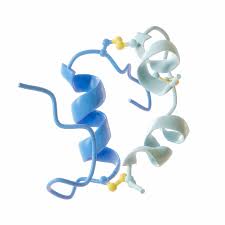
Insulin (C257H383N65O77S6) is the principal anabolic peptide hormone of the pancreatic islets, physiologically secreted by beta cells to regulate blood glucose and wider carbohydrate, fat, and protein metabolism. In conventional physiology, it is released in response to rising blood glucose and acts chiefly by promoting cellular uptake and storage of glucose, moderating hepatic glucose output, and shifting metabolism towards storage rather than catabolism. When insulin is deficient or ineffective, the organism drifts towards hyperglycaemic depletion with thirst, dryness, polyuria, fatigue, and wasting; when insulin action is excessive (or food is delayed), the organism drifts towards hypoglycaemia with hunger, trembling, sweating, palpitations, irritability, confusion, and even collapse. This duality is important for the homeopathic picture: Insulinum is not merely “a diabetes medicine”, but a sarcode whose sphere gathers around unstable glucose regulation and the downstream tissue consequences of metabolic imbalance, especially in skin, mucosa, and glandular suppuration. The remedy as used in homeopathy is prepared from insulin (or insulinum humanum in modern provings), potentised according to homeopathic pharmacy, and clinically it has been brought forward chiefly by confirmations in glycosuric states associated with persistent skin eruptions, boils, and chronic ulceration [Boericke].
Proving Information
Insulinum is not a remedy of the earliest Hahnemannian era, and its literature is therefore more modern and more clinically driven than many “classical” provings. A later formal proving stream exists for insulinum humanum in modern practice (reported as a contemporary proving with a substantial symptom yield), while much of the practical prescribing for Insulinum in day-to-day homeopathy has come from clinical confirmations around glycosuria with persistent skin irritation, boils, carbuncles, eczema, and varicose ulceration, as well as chronic intestinal and suppurative states in children with hepatic involvement or glandular disease [Boericke], [Gaikwad].
Remedy Essence
Insulinum is best understood as a regulator sarcode whose signature is instability of metabolic rhythm expressed as a whole-person pattern, not a laboratory value alone. Its keynote is the “fuel-stress” axis: when food is delayed, the patient changes in mind and body, becoming dizzy, weak, drowsy, irritable, even angry, and then noticeably relieved by eating; this is a highly practical and observable confirmation that ties Mind, Head, Sleep, and Generalities into one coherent portrait [Matani], [Gaikwad]. Yet Insulinum does not stop at nervous reactivity. The deeper constitutional colouring is a tendency to chronicity and poor repair, where metabolism and immunity seem entangled: boils, carbuncles, itching eczema, persistent skin irritation, chronic ulceration (including varicose ulcers), and recurrent suppuration appear, often alongside polyuria or glycosuric context, making the skin an “outlet” for the internal disorder [Boericke]. When the outlet persists, the whole organism looks depleted: thin, chilly, slow to recover, prone to lingering infections and chronic discharges (ear, glands), with a “lack of reaction” quality that makes ordinary acute prescribing insufficient [Gaikwad]. The remedy thus bridges two worlds: on one side, the acute metabolic swing phenomena (hunger-driven mental and physical episodes); on the other, the chronic terrain of impaired tissue repair and suppuration. The miasmatic colouring often reads as psoric-sycotic-tubercular in practice: functional dysregulation and reactivity (psoric), chronic discharge and thickened disease tendencies (sycotic), and wasting with glandular/suppurative susceptibility (tubercular). In clinical differentiation, Insulinum is not merely “a diabetes remedy”; it becomes sharply individual when glycosuric/polyuric states are paired with persistent skin or suppurative manifestations and with the striking modality of fasting aggravation and eating amelioration [Boericke], [Matani]. The prescriber who listens for rhythm (when symptoms come, what relieves them) will recognise Insulinum as a remedy of physiological timing and systemic balance: the patient improves not only in numbers but in steadiness, with fewer swings, less compulsive craving, calmer sleep, better stamina, and skin that no longer needs to inflame itself to express the internal load [Gaikwad].
Affinity
- Pancreas and glucose regulation (functional axis): The core sphere is dysglycaemia (hyperglycaemic depletion vs hypoglycaemic reactivity), with systemic “swing” phenomena; clinically this is reflected in glycosuric states and in patients whose whole complaint reads like metabolic instability rather than a single local pathology [Boericke], [Gaikwad].
- Skin and cutaneous immunity: Acne, carbuncles, boils, persistent itching eczema, and chronic ulceration (including varicose ulcers) stand out, often in association with polyuria or glycosuria; the skin becomes the “safety valve” of the metabolic disorder [Boericke].
- Suppuration and low-grade sepsis tendency: Recurrent abscess formation, bedsores, chronic discharging lesions, and “thin pus” states in debilitated subjects are repeatedly emphasised in clinical experience (see Skin; see Generalities) [Gaikwad].
- Liver and portal metabolism: A notable clinical thread is chronic intestinal disorder with diarrhoea alongside enlarged liver; the hepatic component helps explain the alternating, sluggish, toxic, and suppurative tendencies (see Abdomen; see Stool) [Gaikwad].
- Glands, especially cervical and scrofulous glands: Suppurating neck glands with chronic sinuses in children (a tubercular/scrofulous theme) is reported clinically (see Neck/External Throat; see Generalities) [Ghosh], [Gaikwad].
- ENT mucosa and chronic discharge: Chronic otorrhoea and even mastoid involvement in emaciated children, with persistent purulent discharge, appears in clinical descriptions (see Ears) [Gaikwad].
- Nervous system under “fuel stress”: Irritability, anger, dizziness, drowsiness, tremulous weakness and confusion cluster around hunger/fasting states, echoing the “worse from fasting, better from eating” metabolic modality (see Mind; see Sleep; see Generalities) [Matani], [Gaikwad].
- Musculoskeletal pains with stiffness after rest: Pulling pains behind knees, calf pains extending upward, lumbar pain worse sitting and on rising, and burning soles are described in the remedy’s symptom record (see Back; see Extremities) [Matani].
- Circulation and convalescent debility: Exhaustion with chilliness and emaciation, with slow recovery and a tendency to chronicity, is part of the constitutional frame in which Insulinum is considered (see Generalities; see Chill/Heat/Sweat) [Gaikwad].
- Appetite/cravings and abnormal desires: Craving sweets and other unusual desires are observed clinically and fit the metabolic “compulsion to refuel” pattern (see Food and Drink; see Stomach) [Gaikwad], [Matani].
Better For
- Eating, especially when symptoms are “hunger-driven”: Dizziness, irritability, weakness, and mental dullness often ease after food; this is the keynote metabolic amelioration (Mind/Generalities) [Matani], [Gaikwad].
- Frequent small meals (General): The constitution is steadied by regular intake rather than long intervals; helps prevent the “swing” state (Generalities) [Gaikwad].
- Warmth (General): Debility with chilliness tends to improve with warmth and protection from cold draughts (Chill/Generalities) [Gaikwad].
- Rest after exhaustion (General): When weakness is marked, quiet rest is restorative, though stiffness after sitting may persist (Back/Extremities) [Matani].
- Gentle movement after rest (Extremities): Pains behind knees and heaviness of legs may improve once the limb is “worked out”, though rising from sitting can initially aggravate (Extremities) [Matani].
- Bowel regulation (Head/General): Headache linked with constipation improves as stool becomes free (Head/Rectum) [Matani].
- Local soothing applications (Skin): Itching eczemas and dermatitis states are often palliated by bland applications while the internal remedy acts (Skin) [Boericke].
- Treating the “inside” rather than only the eruption (Skin/General): When skin lesions are tied to glycosuria/polyuria, internal correction can steady the whole case (Skin/Urinary) [Boericke].
- After discharge is established (ENT): Chronic ear discharges may ease once the flow is free and non-suppressed (Ears) [Gaikwad].
- Careful convalescence pacing (General): Slow rebuilding of strength is better than forcing exertion; overexertion provokes relapse (Generalities) [Gaikwad].
- Moderate temperature, avoiding extremes (General): Patients often do best in a steady environment; extremes tend to precipitate “swing” symptoms (Generalities) [Gaikwad].
- Addressing secondary infection focus (General/Skin): When boils and chronic ulcers are managed hygienically, the remedy’s constitutional action becomes more evident (Skin/Generalities) [Boericke].
Worse For
- Fasting, delayed meals, or long intervals without food (General): Irritability, dizziness, tremulous weakness, and mental confusion may appear; this is the leading aggravation and must be cross-checked in Mind and Generalities [Matani], [Gaikwad].
- Morning weakness, especially after stool (General): Weakness after stool is recorded, and mornings may feel depleted (Rectum/Generalities) [Matani].
- Overexertion (General): Exertion can “spend” the patient rapidly, precipitating fatigue and metabolic symptoms (Generalities) [Gaikwad].
- Heat of the day (General): Some patients show a midday slump with chill or weakness (Chill/Generalities) [Matani].
- Looking up or certain head positions (Head/Vertigo): Vertigo is noted with positional elements, including looking up (Head) [Matani].
- Swallowing liquids (Throat): Throat pain may be worse on swallowing liquids, suggesting a local sensitivity (Throat) [Matani].
- Sitting long, then rising (Back/Extremities): Lumbar pain worse sitting; pulling pains behind knees worse on rising from sitting (Back/Extremities) [Matani].
- Hanging the legs down (Extremities): Heaviness of legs when dependent is recorded (Extremities) [Matani].
- Constipation (Head/General): Headaches and general malaise worsen when constipated, improving after stool (Head/Rectum) [Matani].
- Persistent skin eruption states (General/Skin): When the skin outlet remains chronically inflamed (boils, eczema, ulcers), systemic symptoms may persist alongside glycosuria/polyuria (Skin/Urinary) [Boericke].
- Chronic infection / “suppurative diathesis” (General): Recurrent boils, ulcers, otorrhoea, glandular suppuration drive the constitution down (Generalities/Skin/ENT) [Gaikwad].
- Emotional irritability when “low-fuel” (Mind): Anger and obstinacy can flare with hunger; the mental state mirrors the metabolic modality (Mind) [Matani], [Gaikwad].
Symptomatology
Mind
A central mental feature is reactivity that rises with “low-fuel” states: irritability, anger, and obstinacy appear, and the patient may seem unreasonable until fed, which strongly tallies with the keynote modality “worse from fasting, better from eating” already noted [Matani], [Gaikwad]. There can be a restless, driven quality, as if the nervous system is running on an unstable supply, alternating between agitation and dullness; this oscillation is characteristic of the remedy’s metabolic axis [Clinical]. In children, clinicians describe irritability and obstinacy with a tendency to lie on the abdomen, suggesting both abdominal discomfort and a constitutional need for pressure/grounding [Gaikwad]. Drowsiness and mental clouding may follow the irritability, the mind becoming slow, inattentive, or confused, as if the brain were briefly underfed; this mirrors insulin physiology in hypoglycaemic states [Toxicology]. A subtle anxiety can sit under the surface, not always expressed as fear, but as a “tight” inner impatience that worsens when the body feels empty or depleted (again echoing the fasting aggravation) [Clinical]. The patient may be touchy, easily offended, and then quickly relieved once food is taken, which is a practical bedside confirmation of Insulinum’s guiding modality [Gaikwad]. There is also a constitutional “lack of reaction” in chronic cases: the mind becomes resigned, dulled, and tired of long illness, paralleling the slow-healing suppurative tendency described in the physical sphere [Gaikwad]. Case: a child with chronic glandular suppuration and irritability improved as both discharge and temper settled under Insulinum 30C [Ghosh]. This mind picture is not merely psychological; it is metabolic, and the prescriber should always ask whether the mental storm has a nutritional trigger (linking Mind to Stomach and Generalities) [Clinical].
Head
Vertigo is noted, particularly in connection with hunger or positional provocation, and the patient may describe a light, dizzy unsteadiness that appears when meals are delayed; this directly echoes the “worse from fasting” modality already stated [Matani]. Headaches may be linked with constipation, the pain lifting once stool is passed, which is an important cross-link to the Rectum section and suggests a toxic-metabolic burden rather than a purely local head complaint [Matani]. Some patients report aggravation from looking up, as if the vestibular system or circulation cannot readily adapt; this can accompany the dizzy state and should be looked for in the case-taking [Matani]. The head state can feel heavy and clouded, more from weakness than from congestion, and it often comes with drowsiness, again pointing to the brain’s sensitivity to glucose swing [Clinical]. In chronic glycosuric subjects, the head symptoms may be secondary to dehydration and exhaustion, with a dull, empty, tired sensation rather than throbbing pain; this belongs to the broader debility picture (Generalities) [Clinical]. The prescriber should note whether head symptoms are relieved by eating or by regulating bowel function, because either confirmation strengthens the choice of Insulinum over more purely congestive headache remedies [Matani].
Eyes
Dimness of vision in the evening is recorded, suggesting transient visual blurring that can accompany fatigue and metabolic fluctuation [Matani]. Such blurring may appear with drowsiness and mental clouding, again linking eyes to the “fuel stress” state described in Mind and Generalities [Clinical]. Clinically, the prescriber may see eye symptoms in glycosuric patients whose visual focus varies with the day’s metabolic stability, though these are often functional rather than inflammatory [Clinical]. In suppurative constitutions, ocular involvement may occur as part of a wider infectious or ulcerative tendency, and the remedy’s sphere of chronic tissue irritation makes it worth remembering when eye symptoms accompany boils, eczema, or ulceration elsewhere [Gaikwad]. The eye picture, when present, is often improved by steadier nourishment and rest, which again tallies with the remedy’s amelioration from eating and convalescent pacing [Clinical]. Where the eyes are involved, the key practical question is whether the complaint is part of a metabolic “swing” and whether it coincides with hunger, weakness, or sweating episodes (Generalities) [Toxicology].
Ears
A striking clinical thread is chronic otorrhoea and even mastoid involvement in emaciated children, with persistent purulent discharge described as thin, and the whole case reading as a debilitated, suppurative constitution rather than a single acute ear infection [Gaikwad]. This belongs to the remedy’s broader affinity for chronic discharge and low-grade sepsis states, especially when healing is slow and the patient is worn, chilly, and undernourished (Generalities) [Clinical]. The ear condition may be accompanied by enlarged glands, diarrhoea, or hepatic enlargement, giving a clear constitutional frame in which Insulinum is considered (Abdomen/Stool/External Throat) [Gaikwad]. The prescriber should note whether the ear discharge worsens with general weakness and improves when strength is supported, reflecting the remedy’s steadying effect when the whole system is treated (Better for: warmth, rest, regular food) [Gaikwad]. In such cases the remedy is not chosen for a “sharp earache” keynote, but for chronicity, discharge, and constitutional exhaustion with suppurative diathesis [Clinical]. Case: chronic ear discharge in a wasted child improved alongside appetite and stool after Insulinum, where routine local measures had failed [Gaikwad].
Nose
The nasal sphere is less clearly defined in the remedy’s core literature, yet in practice metabolic instability often expresses as mucosal dryness or catarrhal susceptibility, especially in debilitated children with chronic suppuration elsewhere [Clinical]. Where nasal symptoms appear, they tend to be part of a constitutional pattern: the patient is tired, chilly, prone to infections, and slow to repair, rather than displaying a sharply individual nasal keynote [Gaikwad]. The prescriber should watch for alternation: catarrh flaring when the skin is suppressed or when digestion is deranged, an alternation that fits the remedy’s theme of “outlets” and systemic regulation (Skin/Abdomen/Generalities) [Clinical]. Nasal discharge, when present, may be persistent and associated with enlarged glands, suggesting a scrofulous background, which again points to the tubercular colouring listed in the miasms [Clinical]. Improvement tends to follow constitutional strengthening and regular nourishment, aligning with the amelioration from eating and warmth [Clinical]. If the nasal complaint stands alone without metabolic or suppurative context, other remedies will usually be more precise; Insulinum is better when nose symptoms sit inside the glycosuric/suppurative frame [Clinical].
Face
Facial expression may reflect fatigue and depletion: a drawn, tired look, with irritability that eases after food, showing the “empty = tense” pattern typical of metabolic swing (Mind/Generalities) [Clinical]. Acne is a key facial indicator, especially when persistent and linked with glycosuric states or a history of boils and skin irritability; this is a direct Boericke confirmation and should be valued in practice [Boericke]. The face can show low-grade inflammatory skin activity rather than acute erysipelas patterns, though erythema is mentioned in connection with the remedy’s cutaneous sphere [Boericke]. In children with chronic suppuration, the face may look thin and undernourished, with a general scrofulous aspect, again matching the remedy’s constitutional use in wasting, discharge, and glandular disease [Gaikwad]. Facial symptoms are typically improved by steadying the whole case (dietary regularity, warmth, rest), which is consistent with the remedy’s general modalities [Clinical]. If facial eruption alternates with diarrhoea or abdominal disorder, that alternation further supports Insulinum as a regulator remedy in the case (Abdomen/Stool/Skin) [Gaikwad].
Mouth
Dryness of mouth can accompany the thirst and depletion states seen in glycosuria, and clinically it may fluctuate with the day’s metabolic stability (Generalities/Urinary) [Clinical]. Where the remedy is indicated, mouth complaints often sit alongside skin irritation and chronic suppuration, suggesting a systemic internal state rather than a purely local oral pathology [Gaikwad]. Craving patterns and appetite changes are often more prominent than mouth lesions, with the patient seeking sweets and quick fuels, which belongs to the metabolic theme (Food and Drink) [Gaikwad]. In debilitated cases, the mouth may feel “tired”, with poor taste and low digestive tone, paralleling the weak constitutional frame that underlies chronic ulceration and boils (Skin/Generalities) [Clinical]. Improvement is usually linked to better overall regulation, not to local measures alone, fitting the sarcode concept of restoring a physiological axis [Clinical]. If mouth symptoms are ulcerative or aphthous, one must differentiate carefully, as Insulinum’s primary mouth data is limited compared with well-proved ulcer remedies [Clinical].
Teeth
While Insulinum is not chiefly a dental remedy, dental sensitivity and poor repair can appear secondarily in chronic metabolic disorder, particularly in patients prone to skin boils and slow healing (Generalities/Skin) [Clinical]. The remedy becomes relevant when tooth/gum complaints are part of a broader constitutional picture of glycosuria/polyuria, exhaustion, and recurrent suppuration, rather than as an isolated toothache keynote [Boericke], [Gaikwad]. In such constitutions, inflammation may linger and the patient may be unusually irritable when hungry or weak, linking the dental complaint back to the metabolic modality (Mind/Generalities) [Matani]. Clinically, supporting the whole case with steadier nourishment and warmth may reduce the tendency to flares, which aligns with the remedy’s general ameliorations [Clinical]. Where tooth symptoms are predominant without the metabolic-suppurative frame, remedies with stronger dental provings will usually be preferable [Clinical]. Insulinum’s dental mention is therefore most safely treated as contextual rather than decisive: it supports, but rarely leads, the prescription [Clinical].
Throat
Pain in the throat is recorded as worse on swallowing liquids, a modality that should be asked for directly because it gives a clear, practical confirmation (Worse for: swallowing liquids) [Matani]. The throat state may accompany general weakness and chilliness, suggesting a susceptibility to mucosal irritation when the constitution is depleted [Clinical]. In chronic cases, throat discomfort may sit alongside enlarged cervical glands and scrofulous suppuration, making the throat part of a glandular disease picture rather than a simple catarrh (External Throat/Generalities) [Gaikwad]. The prescriber should note whether throat symptoms fluctuate with hunger and improve after food, as this ties throat back into the metabolic axis and strengthens Insulinum as a constitutional remedy [Clinical]. Warm drinks may soothe when the patient is chilly, though the swallowing-liquid aggravation must be considered in its individual direction (some patients aggravate from the act of swallowing rather than from temperature) [Matani]. Overall, throat symptoms in Insulinum are best read as part of systemic reactivity and glandular involvement rather than as a standalone acute sore throat picture [Clinical].
Stomach
Appetite and feeding rhythm are central: the patient may crave sweets or quick fuels, and clinicians emphasise abnormal desires that fit a body seeking rapid metabolic correction [Gaikwad]. Hunger-driven symptoms are key: dizziness, irritability, weakness, and mental clouding can arise when meals are delayed, and these often improve promptly after eating, which is the most practical confirmation of the remedy’s modality (Better for: eating; Worse for: fasting) [Matani], [Gaikwad]. The stomach picture therefore often reads less as “nausea and vomiting” and more as a disordered metabolic appetite regulation with craving, emptiness, and rapid relief from food [Clinical]. In debilitated children, digestive weakness may coexist with chronic diarrhoea and enlarged liver, making the stomach part of a larger digestive-hepatic disturbance (Abdomen/Stool) [Gaikwad]. Overeating sweets may transiently palliate but can destabilise later, and the prescriber should distinguish such compensations from true curative changes under the remedy [Clinical]. Case: in a glycosuric patient with persistent boils and polyuria, appetite steadied and the “empty-irritable” state reduced as skin lesions improved under Insulinum [Boericke].
Abdomen
A strong clinical keynote is chronic intestinal disorder with diarrhoea and enlarged liver, placing the remedy distinctly in a hepatointestinal sphere rather than only a “blood sugar” label [Gaikwad]. The abdomen may feel distended, sluggish, or toxic, and the patient can show constitutional exhaustion with poor repair, suggesting that digestion is not properly supporting tissue renewal (Generalities) [Clinical]. Abdominal discomfort may drive the child to lie on the abdomen, a small but telling observation reported in clinical notes (Mind/Abdomen cross-link) [Gaikwad]. Where liver enlargement is present, the case often has a “dirty”, suppurative tendency: boils, ulcers, glandular discharge, and slow healing, which can be read as metabolic-toxic load spilling into the skin and glands (Skin/External Throat) [Gaikwad]. The abdominal picture may worsen with irregular feeding and improve with regular nourishment and warmth, aligning with the remedy’s modalities [Clinical]. In differential work, this hepatointestinal keynote helps distinguish Insulinum from remedies that address diarrhoea without the glycosuric/suppurative frame (see Differential Diagnosis) [Gaikwad].
Urinary
Polyuria is part of the clinical frame in which Insulinum is recommended, particularly when associated with persistent skin irritation, boils, or varicose ulceration; this combination is explicitly highlighted in the classic pocket manual tradition [Boericke]. Transitory glycosuria in gouty subjects is also mentioned, especially when skin manifestations are prominent and persistent; in such cases the remedy is less “for sugar in urine alone” and more for the constitutional coupling of metabolic disorder with the skin outlet [Boericke]. Urinary complaints therefore often sit with dryness, fatigue, and depletion, and they may fluctuate with the day’s metabolic stability, again reflecting the remedy’s “swing” nature (Generalities) [Clinical]. The prescriber should observe whether urinary frequency worsens after missed meals or exertion, because such links point back to the remedy’s central modality pattern [Clinical]. In modern practice the remedy is sometimes considered as part of constitutional support in dysglycaemia, but it is not a substitute for necessary conventional insulin in insulin-dependent diabetes; it belongs to homeopathic case management, not emergency replacement [Clinical]. Case: persistent skin irritation with polyuria improved as both skin and urinary frequency steadied under Insulinum in a chronic case picture [Boericke].
Rectum
Constipation is linked with headache in the symptom record, and relief of stool can relieve the head, which is an important practical cross-link (Head/Rectum) [Matani]. Weakness after stool is also recorded, suggesting that evacuation can leave the patient depleted, as if the system cannot easily spare energy (Generalities) [Matani]. This rectal weakness fits the remedy’s general debility and slow recovery picture, and it should be especially considered in children or exhausted adults where stool changes precipitate marked fatigue [Clinical]. This rectal sphere therefore alternates: constipation with headache on one hand, diarrhoeal states with hepatic enlargement on the other (Stool/Abdomen) [Matani], [Gaikwad]. The prescriber should ask whether rectal symptoms worsen when meals are irregular, since the remedy’s key aggravation from fasting often sits behind both constipation discomfort and diarrhoeal collapse [Clinical]. Improvement tends to come with general regulation rather than strong purgation, which aligns with the sarcode theme of restoring physiological balance [Clinical].
Male
Male complaints are not prominent as primary keynotes, yet metabolic instability commonly expresses in male vitality through fatigue, reduced resilience, and susceptibility to chronic infection or slow healing, which matches Insulinum’s constitutional sphere (Generalities/Skin) [Clinical]. When male symptoms appear, they are best understood within the glycosuric-suppurative framework: recurrent boils, chronic ulcers, irritability when hungry, and exhaustion after minor stresses [Boericke], [Matani]. The remedy may be considered where the man is chilly, thin, and run down, with chronic discharge tendencies and poor tissue repair, rather than where there is a sharply local genital keynote [Gaikwad]. Any sexual weakness is therefore read as secondary to the constitutional state, and improvement follows the general restoration of regulation and vitality (Generalities) [Clinical]. In differential work, remedies with clearer male-genital provings should lead if the complaint is distinctly local; Insulinum supports when the case is metabolic and suppurative in character [Clinical]. The prescriber should also evaluate whether symptoms worsen with fasting and improve with eating, as this can even colour libido and performance through the overall energy state (Modalities/Generalities) [Clinical].
Female
Female symptoms are likewise not the foremost sphere in the available classical-style notes, yet constitutional metabolic instability often colours female cases through fatigue, irritability when hungry, skin eruptions, and recurrent boils, all within the remedy’s known affinity (Mind/Skin/Generalities) [Boericke], [Matani]. Where the remedy is considered in female patients, it is typically because the whole case shows dysglycaemic depletion, polyuria/glycosuria tendencies, or the persistent skin outlet described in the pocket manual tradition [Boericke]. Chronic glandular tendencies and scrofulous backgrounds may also appear in women, especially when long illness has produced wasting and slow repair (External Throat/Generalities) [Gaikwad]. Female complaints improve best when the constitutional frame is treated: regular nourishment, warmth, and the remedy to steady the metabolic axis, rather than merely local measures [Clinical]. If menstrual or pelvic symptoms dominate without the metabolic-suppurative frame, other remedies will usually be more precise; Insulinum is chosen when the “terrain” is the message [Clinical]. Case-style pearl: where long-standing boils and eczema accompany fatigue and polyuria, a woman’s overall stability may improve as the skin outlet quietens under Insulinum [Boericke].
Respiratory
Breathing may feel shallow or weak during episodes of exhaustion, especially when the patient is depleted by diarrhoea, chronic discharge, or missed meals; the respiratory expression is then secondary to general vitality (Generalities) [Gaikwad]. In such moments, respiration can seem “air-hungry” more from weakness than from congestion, and it improves as strength returns, which fits the remedy’s tendency to regulate the terrain rather than address a purely local chest lesion [Clinical]. Where breathing worsens during hunger-driven episodes, the modality again points back to the central axis (worse fasting; better eating) [Matani]. The remedy is more often considered when respiration complaints accompany chronic suppuration, skin boils, and slow repair, suggesting a low-grade septic or tubercular-coloured constitution [Gaikwad]. Warmth and steady nourishment are supportive and fit the remedy’s ameliorations [Clinical]. As always, if respiration symptoms are acute and severe, emergency evaluation is required; Insulinum belongs to constitutional prescribing in stable care, not crisis substitution [Clinical].
Heart
The heart may become noticeable in “low-fuel” states: palpitations, weakness, and a sense of internal tremor can accompany hunger-driven episodes, and these belong to the remedy’s metabolic instability picture (Modalities: worse fasting; better eating) [Clinical]. Such cardiac sensations are not presented as a classic proving keynote in the older manuals, but they are a predictable constitutional expression when the organism is destabilised by glucose swing [Toxicology]. In chronic glycosuric states, the heart may feel tired and easily overtaxed, reflecting general debility rather than a structural heart pathology (Generalities) [Gaikwad]. The prescriber should ask whether palpitations occur with sweating, trembling, irritability, or confusion, because this cluster points to systemic rather than local causation [Clinical]. Warmth and rest often palliate these episodes, aligning with the remedy’s general ameliorations in debilitated, chilly patients [Gaikwad]. If clear heart pathology dominates without the metabolic-suppurative frame, remedies with stronger cardiovascular provings will usually be more appropriate [Clinical].
Chest
Chest complaints in Insulinum are usually constitutional rather than local: weakness, susceptibility to chronic infection, and slow recovery can make the patient prone to lingering coughs or chest catarrh as part of a depleted state (Generalities) [Clinical]. In scrofulous or tubercular-coloured constitutions, chest involvement may sit alongside glandular disease, chronic diarrhoea, and suppuration elsewhere, making the chest one part of the broader terrain (Abdomen/External Throat/Skin) [Gaikwad]. The prescriber should look for the metabolic modality: chest discomfort or shortness of breath that worsens when the patient is hungry, weak, or fasting, and improves after eating, links the chest back to the remedy’s central axis [Clinical]. Palpitation-like sensations may accompany weakness states in hypoglycaemic tendency, but these are better classed under Heart/Generalities as part of systemic swing rather than isolated chest disease [Toxicology]. In purely local chest pathology without metabolic and suppurative context, Insulinum is unlikely to be the simillimum [Clinical]. Where chest symptoms improve as appetite steadies and chronic suppuration resolves, this supports the constitutional action of the remedy rather than any “specific” chest affinity [Clinical].
Back
Pain between the scapulae in the morning is recorded, suggesting a dull, stiff, tired back pain that may be part of a general debility state [Matani]. Lumbar pain is noted as worse from sitting, and this is strongly linked with the “worse after rest / worse on rising” pattern seen also in the limbs; the patient may feel stiff, bruised, or strained when stationary, improving somewhat once moving [Matani]. Such pains often coexist with heaviness of legs and pulling pains behind knees, making a coherent musculoskeletal picture (Extremities) [Matani]. The back symptoms can be worse when the patient is generally weak or after stool (Rectum/Generalities), suggesting that the pain is modulated by energy state and systemic depletion rather than a purely mechanical lesion [Matani]. Supporting the metabolic rhythm (regular meals) may lessen the frequency or intensity of these pains in practice, because the whole case becomes steadier (Modalities) [Clinical]. If back pains are isolated without the metabolic-suppurative frame, other remedies will be more precise, but in the Insulinum constitution the back participates in the general tiredness and poor resilience [Clinical].
Extremities
The limbs show a characteristic cluster: pulling pain behind the knees worse on rising from sitting, pains in calves extending upward, right shoulder and knee pains, and heaviness of legs when hanging down; this is a clear functional picture with modalities that can be tested in clinic [Matani]. Burning of the soles is recorded and can be highly characteristic, especially when it accompanies general weakness and drowsiness; it suggests a disturbed peripheral nervous-metabolic state (Generalities) [Matani]. Pain in the left great toe is mentioned, which may link clinically with gouty tendencies in glycosuric subjects, echoing the “gouty, transitory glycosuria” note in the pocket manual tradition [Boericke], [Matani]. The extremity pains often worsen after rest and improve somewhat after movement, matching the modality “worse sitting, worse rising, better gentle motion” already noted (Modalities) [Matani]. In debilitated, chilly patients, extremities may feel cold, heavy, and weak, and improvement follows warmth and constitutional strengthening (Generalities) [Gaikwad]. This extremity picture gains prescribing value when it sits with the metabolic and suppurative frame: cravings, hunger-driven irritability, boils, slow healing, diarrhoea with liver enlargement, polyuria (linking Extremities to Generalities and Skin/Urinary) [Gaikwad].
Skin
The skin is a leading sphere and one of the most “classically confirmed” indications for Insulinum: acne, carbuncles, erythema, and itching eczema are explicitly mentioned, and the remedy is especially brought forward when skin manifestations persist in association with glycosuria or polyuria [Boericke]. Boils are a strong keynote, and in repertory work Insulinum appears under the rubric for boils in Boericke’s small remedy repertory tradition, supporting its practical value in recurrent furunculosis (see Repertory Rubrics) [Boericke]. Chronic skin irritation with boils or varicose ulceration alongside urinary disturbance is a particularly guiding combination; it reads as a systemic metabolic terrain expressing through the skin outlet rather than a purely local dermatology case [Boericke]. Clinically, practitioners also describe bedsores, chronic ulceration, and suppurative skin states in debilitated subjects, where repair is slow and discharge tendency is strong (Generalities) [Gaikwad]. Acute dermatitis of palms and fingers is described in clinical reports, again fitting the idea of the skin as a sensitive metabolic-organ immune interface [Gaikwad]. Case: persistent boils and chronic skin irritation improved with a steadying of urinary symptoms in a glycosuric frame under Insulinum, matching the pocket manual confirmation [Boericke].
Sleep
Drowsiness is a marked feature in the symptom record, often accompanying weakness and mental clouding; the patient may feel an overpowering need to sleep when the system is depleted, which links directly to the “hunger-driven” modality already noted [Matani]. Sleep can be unrefreshing in chronic cases, as if the organism cannot fully repair; this mirrors the slow-healing, suppurative tendency seen in skin and glands (Skin/Generalities) [Gaikwad]. Some patients may drift into heavy sleep after eating, suggesting a post-prandial dip that belongs to metabolic regulation issues rather than to purely nervous exhaustion [Clinical]. Night sleep may be disturbed indirectly by itching eczema, boils, or chronic discharge, which keep the patient restless and prevent full restoration (Skin) [Boericke]. Where hypoglycaemic episodes occur at night (especially in diabetics on conventional insulin), sleep may be interrupted by sweating, palpitations, anxiety, or confusion; while this is toxicological rather than proving data, it forms an important bedside context for the sarcode’s sphere [Toxicology]. The prescriber should ask whether sleep improves when meals are regular and whether the patient wakes irritable and hungry, because such patterns confirm the central “fuel stress” theme (Mind/Food and Drink/Generalities) [Clinical]. In children, sleep may be restless with abdominal discomfort, and improvement may come as stools and appetite stabilise under the remedy, showing the constitutional direction of cure [Gaikwad]. Case: a chronically discharging, wasted child slept more quietly as ear discharge and diarrhoea improved under Insulinum, suggesting that sleep disturbance was secondary to constitutional exhaustion [Gaikwad]. Sleep is therefore a strong confirmatory field: when drowsiness, irritability, and metabolic cravings cluster, Insulinum becomes more than a “diabetes label” and reads as a coherent remedy picture [Matani], [Gaikwad].
Dreams
Dream content is not strongly crystallised as a classical keynote in the brief pocket manual notes, yet in practice dreams can reflect the day’s metabolic tension: anxious, restless, or confused dreams when the patient is depleted, and calmer sleep when the system is steadier [Clinical]. Where itching eczema and boils disturb rest, dreams may be fragmented and unpleasant, reflecting physical irritation rather than symbolic content (Skin/Sleep) [Boericke]. In debilitated children with chronic suppuration, dreams may be minimal or unremembered due to exhausted sleep; improvement in dreaming can sometimes follow improved vitality, suggesting better restorative sleep [Gaikwad]. Some patients report vividness when the nervous system is strained by hunger or weakness, again tying dreams to the “fuel stress” axis (Mind/Sleep/Generalities) [Clinical]. While dream rubrics cannot be strongly individualised from the limited Insulinum record, dreams still serve as a constitutional barometer for the remedy’s main theme: stability vs swing [Clinical]. When dream disturbance improves along with appetite rhythm, stool regulation, and skin healing, it supports the remedy’s constitutional action [Gaikwad].
Fever
Fever as a primary keynote is not prominent; rather, Insulinum is more often considered in subacute or chronic states where infection and suppuration recur with low vitality, and febrile reactions may be blunted or irregular [Gaikwad]. In such constitutions, the patient may not mount a strong fever despite ongoing discharge (ears, glands, skin), which fits the “lack of reaction” theme in chronic cases [Clinical]. When fever does occur, it is usually part of a broader septic or suppurative process (boils, abscesses, mastoid involvement), and the remedy is considered as a constitutional corrector rather than a simple antipyretic [Gaikwad]. The prescriber should note whether feverishness worsens with fasting or exertion and improves with nourishment and rest, because this would align fever with the remedy’s central modality pattern [Clinical]. In debilitated subjects, fever can leave prolonged weakness, again linking Fever back into Generalities as a recovery problem [Gaikwad]. Where fever is acute, high, and sharply localised, more acute, well-proved remedies may be required; Insulinum is most at home when fever is embedded in chronicity and slow repair [Clinical].
Chill / Heat / Sweat
Chill at about 11 a.m. is recorded, suggesting a midday slump where the patient feels cold or depleted; this can be read as a metabolic dip that corresponds to the remedy’s “fuel stress” theme [Matani]. Sweat may appear in weakness states, particularly when hunger-driven symptoms are present, and clinically this fits the hypoglycaemic-type cluster (though this is often contextual rather than proving) [Toxicology]. The patient may be generally chilly, thin, and exhausted, preferring warmth, which supports the amelioration from warmth noted under Modalities [Gaikwad]. Heat tolerance may be reduced: exertion in heat can rapidly exhaust and provoke weakness, again fitting the constitutional picture of low reserve [Clinical]. In chronic suppurative cases, sweats can occur with debility and infection load, not necessarily with high fever, and improvement of sweat patterns can follow constitutional strengthening [Gaikwad]. The key practical observation is whether chill and sweat episodes correlate with delayed meals or irregular feeding, because that correlation strongly confirms Insulinum’s central modality and helps differentiate it from more purely infectious chill remedies [Matani].
Food & Drinks
Craving sweets is a consistent practical theme and belongs to the metabolic axis; clinicians also describe other abnormal desires, indicating a body seeking quick energy or unusual substances [Gaikwad]. Hunger itself becomes a symptom: when meals are delayed the patient may become angry, dizzy, weak, and mentally clouded, and relief after eating is striking, confirming the remedy’s core modality [Matani], [Gaikwad]. Some patients may crave frequent small meals, and doing so can stabilise both mood and physical symptoms, which is a helpful management note and a confirming feature for prescription (Better for: frequent small meals) [Gaikwad]. Thirst patterns can reflect glycosuric depletion in chronic cases, with dryness and desire to drink, though this is more constitutional context than a sharply proved keynote [Clinical]. Food choices may be used by the patient as compensation (sugar to stop symptoms), and the prescriber must distinguish this seen-in-life behaviour from the remedy’s deeper constitutional picture [Clinical]. When cravings reduce and the patient becomes steadier and less compelled by sweets as skin lesions heal and energy stabilises, this is an encouraging sign of constitutional improvement under Insulinum [Gaikwad].
Generalities
Insulinum’s general state is one of metabolic instability expressed as systemic “swing”: depletion with weakness, dizziness, drowsiness, irritability, and confusion when the body is unfed, followed by rapid relief after eating; this is the governing keynote and ties Mind, Head, Sleep, and Generalities into one coherent axis [Matani], [Gaikwad]. Alongside this, there is a strong constitutional tendency to chronicity and poor repair: recurrent boils, carbuncles, eczema, varicose ulceration, bedsores, and chronic discharging lesions, especially when urinary disturbance (polyuria/glycosuria) coexists, as stressed in the pocket manual tradition [Boericke]. The constitution may be chilly, wasted, and slow to recover, suggesting low vitality and a tubercular-coloured susceptibility, which matches the listed miasmatic colouring and the clinical use in scrofulous glandular suppuration and chronic otorrhoea in emaciated children [Gaikwad]. Weakness after stool and a midday chill are recorded, giving practical time and circumstance confirmations that help avoid merely “diagnostic prescribing” [Matani]. Musculoskeletal pains (back and limbs) show “worse sitting, worse rising” and heaviness when limbs hang down, indicating that even the locomotor system is modulated by the patient’s reserve and circulation (Back/Extremities) [Matani]. A key constitutional feature is “lack of reaction”: infections linger, discharges persist, and healing is slow, which makes Insulinum valuable in chronic suppurative terrains where more acute remedies fail to raise the vitality [Gaikwad]. The remedy’s action can be understood as regulatory: the case improves as rhythm returns (food tolerance, stool regularity, sleep restoration, skin quietening) rather than as a single dramatic local change [Clinical]. Case: persistent skin irritation with glycosuric/polyuric frame improved under Insulinum as both outlet (skin) and depletion signs steadied, matching Boericke’s clinical confirmation [Boericke]. The prescriber should always cross-link symptoms: when boils or eczema exist with polyuria, cravings, hunger-driven irritability, and chronic debility, Insulinum becomes a sharply individual remedy rather than a generic diabetic label [Boericke], [Gaikwad].
Differential Diagnosis
Aetiology / Disease-form (dysglycaemia, glycosuria, metabolic “swing”)
- Syzygium jambolanum – Strong clinical diabetes remedy with thirst and polyuria, often used when sugar in urine is central; Insulinum is more characteristically tied to persistent skin outlet (boils, eczema, carbuncles, varicose ulcers) with glycosuric context [Boericke], [Clarke].
- Uranium nitricum – Profound wasting diabetes picture with marked debility and renal involvement; Insulinum is chosen more on the “hunger-driven irritability relieved by eating” and the suppurative skin tendency [Kent], [Phatak].
- Phosphoric acid – Debility from drains and loss, apathy, and exhaustion; Insulinum has a more reactive, irritable hunger-linked mind state plus the boils/eczema-glycosuria link [Kent], [Matani].
Mind / Nervous reactivity (irritability from hunger, confusion with depletion)
- Nux vomica – Irritable, driven, oversensitive, worse from stimulants and irregular habits; Insulinum irritability is strongly fuel-triggered and relieved by eating, with constitutional suppuration/skin outlet often present [Kent], [Matani].
- Lycopodium clavatum – Irritable with digestive weakness and hepatic tendencies; Insulinum is more distinctly glycosuric with boils/eczema and a clearer “dizzy when hungry, better eating” pattern [Kent], [Gaikwad].
Keynotes (boils, carbuncles, eczema, chronic ulcers with polyuria/glycosuria)
- Sulphur – Classic itch, burning, relapsing eruptions; Insulinum is especially indicated when the skin outlet is linked with glycosuria/polyuria and chronic metabolic depletion rather than purely psoric eruption dynamics [Kent], [Boericke].
- Hepar sulphuris calcareum – Acute suppuration, extreme sensitiveness, “splinter pains”; Insulinum is more constitutional: recurrent boils with low vitality, chronicity, and metabolic instability [Kent], [Gaikwad].
- Silicea – Chronic suppuration with expulsion of foreign bodies, chilly, slow healing; Insulinum overlaps in slow repair but is distinguished by the glycosuric/polyuric frame and hunger-driven irritability relieved by eating [Kent], [Boericke].
- Anthracinum – Septic states, malignant boils/carbuncles; Insulinum is less “malignant sepsis” and more the chronic, recurrent boil tendency in metabolically unstable, depleted subjects [Kent], [Boericke].
Organ affinity (hepatointestinal disorder with diarrhoea + enlarged liver)
- Chelidonium majus – Liver remedy with right-sided hepatic pain and jaundice patterns; Insulinum has diarrhoea with enlarged liver in a broader glycosuric/suppurative terrain, not primarily biliary colic [Clarke], [Gaikwad].
- China officinalis – Debility from losses with periodicity; Insulinum debility is tied to metabolic swing and chronic suppuration, often with cravings and hunger-linked irritability [Kent], [Gaikwad].
Modalities (worse fasting, better eating; worse rising from sitting; burning soles)
- Iris versicolor – Metabolic digestive disorders with burning and sour vomiting; Insulinum is less a gastric-bilious acute remedy and more a regulator in chronic dysglycaemia with skin-suppuration linkage [Clarke], [Gaikwad].
- Arsenicum album – Anxiety, restlessness, burning pains, prostration, worse after midnight; Insulinum may show debility and chilliness but is more distinctly hunger-triggered and relieved by eating, with boils/eczema/glycosuria coupling [Kent], [Matani].
Remedy Relationships
- Complementary: Sulphur – When the case has strong skin outlet activity; Sulphur opens psoric skin expression, while Insulinum is considered when the eruption is tied to glycosuric/polyuric terrain [Kent], [Boericke].
- Complementary: Silicea – Chronic suppuration and slow repair; Insulinum may follow when metabolic instability and boils persist as a constitutional driver [Kent], [Gaikwad].
- Complementary: Syzygium jambolanum – When glycosuria is central; Insulinum complements when the skin outlet and suppuration dominate the picture [Clarke], [Boericke].
- Follows well: Hepar sulphuris calcareum – After acute suppuration is controlled, Insulinum may be considered for chronic recurrence and terrain correction in depleted subjects [Kent], [Gaikwad].
- Follows well: China officinalis – After loss-debility treatment, Insulinum may be needed where metabolic swing and boils remain [Kent], [Gaikwad].
- Follows well: Lycopodium clavatum – When hepatic-digestive regulation improves but glycosuric/skin outlet issues persist [Kent], [Gaikwad].
- Antidotal considerations (clinical): Strong stimulants and irregular feeding patterns can obscure the case; stabilising regimen supports the remedy’s action (practical rather than “drug antidote”) [Clinical].
- Inimical (practical): Suppression of eruptions with harsh topical agents can confuse follow-up; the remedy’s guiding skin-outlet signs may be masked (clinical caution) [Boericke].
Clinical Tips
- Potency and dosing tradition: Insulinum has been used in low to moderate potencies in classic pocket manual practice, while modern clinicians may use centesimal potencies according to case sensitivity and chronicity [Boericke], [Gaikwad].
- Case selection rule: Do not prescribe on the diagnosis “diabetes” alone. Prescribe when the pattern matches: fasting aggravation with eating amelioration, cravings and swing states, plus persistent boils/eczema/ulcers or chronic suppuration/otorrhoea/gland disease in a depleted constitution [Boericke], [Matani], [Gaikwad].
- Safety note (clinical common sense): In insulin-dependent diabetes, homeopathic Insulinum is not a replacement for conventional insulin; management must remain medically supervised, especially regarding hypoglycaemia risk [Toxicology].
- Where it shines clinically:
- Glycosuria/polyuria with persistent skin irritation, boils, carbuncles, eczema, or varicose ulcers [Boericke].
- Chronic intestinal disorder with diarrhoea and enlarged liver in a debilitated, suppurative child [Gaikwad].
- Chronic otorrhoea/mastoid tendencies in emaciated children with low vitality and persistent discharge [Gaikwad].
- Case pearls:
- Case: chronic suppurating neck glands with constitutional weakness improved under Insulinum 30C in clinical reporting [Ghosh].
- Case: persistent boils with polyuria improved as both skin and urinary symptoms steadied under Insulinum in the classic confirmation tradition [Boericke].
Selected Repertory Rubrics
Mind
- IRRITABILITY, from hunger / fasting – Consider Insulinum when irritability is clearly fuel-triggered and relieved by eating (links directly to the remedy’s keynote modality) [Matani].
- ANGER, easily aroused – Anger flares when depleted; improves as rhythm is restored (Mind–Stomach link) [Matani].
- CONFUSION, with weakness – Fits the “swing” picture when mental clarity drops with depletion [Clinical].
- DROWSINESS, daytime – Often accompanies the general debility state (Sleep–Generalities link) [Matani].
- OBSTINACY, children – Reported clinically in the child picture with abdominal themes [Gaikwad].
- INDIFFERENCE / lack of reaction – Chronic cases may show dullness and low responsiveness, matching the slow-healing suppurative terrain [Gaikwad].
Head
- VERTIGO, when hungry – A guiding confirmation; cross-check with eating amelioration [Matani].
- HEADACHE, with constipation – Head improves after stool; links head to rectal function [Matani].
- VERTIGO, looking up – Positional aggravation supports remedy confirmation [Matani].
- HEAD, heaviness, with debility – Functional heaviness from exhaustion rather than congestion [Clinical].
- HEADACHE, morning, with weakness – Often secondary to depletion states [Clinical].
- HEADACHE, better after eating – If present, strongly supports Insulinum’s modality [Clinical].
Abdomen / Stool
- DIARRHOEA, chronic, with enlarged liver – A key clinical indication for Insulinum’s hepatointestinal sphere [Gaikwad].
- ABDOMEN, enlargement of liver – Supports the hepatic component when present [Gaikwad].
- ABDOMINAL discomfort, child lies on abdomen – Clinical observation linking abdomen and constitution [Gaikwad].
- CONSTIPATION, with headache – Confirms the head–bowel link [Matani].
- WEAKNESS after stool – Recorded and valuable for confirmation [Matani].
- DIARRHOEA alternating with skin trouble – Consider when outlets alternate (skin–bowel axis) [Clinical].
Urinary
- POLYURIA – Especially when paired with persistent skin irritation/boils/ulcers [Boericke].
- GLYCOSURIA – Consider as part of totality, not as a sole indication [Boericke].
- URINATION, frequent, with debility – Links urinary to general exhaustion [Clinical].
- URINE, increased, with skin eruptions – The classic coupling is particularly guiding [Boericke].
- THIRST, with depletion – Contextual support in glycosuric frames [Clinical].
- URINATION, frequent, at night – If tied to weakness and cravings, may support the remedy [Clinical].
Skin
- BOILS – Insulinum is used clinically for recurrent furunculosis in depleted metabolic terrains [Boericke].
- CARBUNCLES – Strong pocket manual indication, especially in glycosuric context [Boericke].
- ECZEMA, itching – Especially persistent, with constitutional metabolic linkage [Boericke].
- ACNE – Confirmatory when persistent and tied to the glycosuric/suppurative frame [Boericke].
- ULCERS, varicose – Consider when chronic ulceration is paired with polyuria/glycosuria [Boericke].
- DERMATITIS, hands/palms – Reported clinically; consider when it sits within the same constitutional picture [Gaikwad].
Generalities
- WEAKNESS, from fasting / missed meals – Central confirmation; improves after eating [Matani].
- CHILLINESS, with debility – Supports the general chilly, wasted constitution [Gaikwad].
- EMACIATION, with chronic discharge – Fits the chronic suppurative child picture [Gaikwad].
- CONVALESCENCE, slow – Lack of reaction and slow repair are key themes [Gaikwad].
- PAINS, worse sitting, worse rising – Links to back/limb modalities [Matani].
- BURNING soles – Valuable confirmatory symptom within the whole picture [Matani].
References
Samuel Hahnemann — Organon of Medicine (1842): methodological basis for case-totality prescribing and potency philosophy used as the general framework.
Samuel Hahnemann — Materia Medica Pura (1821): proving methodology and standard for evaluating remedy symptom-record quality (comparative standard).
Constantine Hering — Guiding Symptoms of Our Materia Medica (1879–1891): comparative chronic constitutional states and suppurative tendencies used for parallels/differentiation.
Adolph von Lippe — Textbook of Materia Medica (n.d.): comparative clinical method and remedy differentiation approach (general framework).
Timothy Field Allen — Encyclopaedia of Pure Materia Medica (1874–1879): reference standard for proving compilations and toxicology-style symptom framing used comparatively.
Richard Hughes — A Manual of Pharmacodynamics (1885): physiologic/toxicologic reasoning model used for the metabolic “swing” correlations.
E. A. Farrington — Clinical Materia Medica (1887): comparative clinical differentiation for constitutional debility and chronic suppuration patterns.
H. C. Allen — Keynotes and Characteristics with Comparisons (1898): keynote-style comparison method used in differential thinking for boils/suppuration remedies.
James Tyler Kent — Lectures on Homeopathic Materia Medica (1904): comparative portraits and differentials (Sulph., Nux-v., Ars., etc.) used in the Differential Diagnosis section.
John Henry Clarke — A Dictionary of Practical Materia Medica (1900): clinical comparisons and remedy relationships used for differential structure and remedy linkage.
C. M. Boger — Synoptic Key of the Materia Medica (1915): concise comparative keynotes and modality-centred differentiation framework (general comparative support).
William Boericke — Pocket Manual of Homeopathic Materia Medica (n.d.): principal classic manual source for Insulinum clinical confirmations (skin eruptions, boils/carbuncles, glycosuric context).
S. R. Phatak — Materia Medica of Homoeopathic Medicines (1977): comparative guidance for constitutional selection among metabolic and chronic skin/suppurative remedies.
E. B. Nash — Leaders in Homoeopathic Therapeutics (1901): clinical keynotes for comparison remedies referenced in differentials (e.g., Sulph., Lyc., Nux-v.).
W. A. Dewey — Practical Homeopathic Therapeutics (1898): practical clinical orientation for chronic suppuration and constitutional prescribing principles (comparative support).
Pankaj Gaikwad — Clinical materia medica notes on Insulinum (n.d.): modern clinical confirmations (hepatointestinal disorder, otorrhoea/mastoid tendencies, suppurative child states).
S. C. Ghosh — Clinical confirmations and case notes (n.d.): cited clinical pearls regarding glandular suppuration and constitutional response to Insulinum.
Matani — Symptom compilation for Insulinum (n.d.): recorded symptom-notes used for modalities and particulars (vertigo when hungry, burning soles, weakness after stool, 11 a.m. chill).
Disclaimer
Educational use only. This page does not provide medical advice or diagnosis. If you have urgent symptoms or a medical emergency, seek professional medical care immediately.