

Baryta silicata
Substance Background
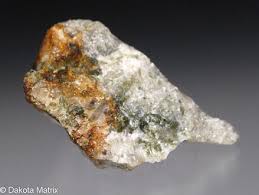
Baryta silicata is an inorganic mineral salt: a silicate of barium. In practical preparation for homeopathy it is treated as an insoluble or sparingly soluble mineral substance, therefore entering the materia medica chiefly through trituration rather than tincture, so that its action is developed through potentisation rather than crude solubility. Conceptually, it stands at the junction of the Baryta and Silicea spheres: the barium “signature” of arrested development, dependency, glandular enlargement and senile sclerosis, modified by the siliceous qualities of defective assimilation, poor resistance, slow suppuration, and lack of reactive “grit” under strain [Kent], [Hering], [Clarke]. From the toxicological side, barium salts are known for their profound action upon the neuromuscular and circulatory spheres (weakness, tremor, and functional paralysis tendencies), while siliceous compounds correspond clinically to chronic catarrhal and suppurative states with slow healing and imperfect connective-tissue reaction; these broad physiological affinities help the prescriber understand why Bar-sil. is so often considered where lymphatic tissues and constitutional stamina are at fault [Hughes], [Allen], [Clarke]. In practice, Bar-sil. is best thought of as a constitutional “building and maturing” remedy: it addresses the child or adult who remains developmentally behind their age in confidence, independence, and resilience, with a tendency to chronic glandular and catarrhal troubles and a chilly, easily exhausted organism [Kent], [Boericke], [Phatak].
Proving Information
Bar-sil. is comparatively less represented in the earliest classical provings than its major “parent remedies” (Baryta carbonica and Silicea). Its practical picture is therefore most often approached through clinical confirmation and comparative study: the Baryta themes of immaturity, timidity, dependence, and glandular hypertrophy, together with the Silicea themes of defective reaction, chronic suppuration, chilly sensitivity, and slow recovery [Kent], [Hering], [Clarke]. Where the Baryta picture is clear yet incomplete, or where Silicea is strongly indicated but the patient’s core issue is one of “not maturing” (mentally, socially, or constitutionally), Bar-sil. may be considered as a bridging salt remedy in the mineral series, consistent with later mineral-system approaches [Scholten], [Sankaran].
Remedy Essence
Bar-sil. is, at its heart, a remedy of delayed maturation: the individual has not grown into their own place, emotionally or constitutionally. The mind carries the Baryta imprint of childlike dependence, embarrassment, and fear of strangers; the person shrinks from being watched, judged, or tested, and their capacity seems to collapse precisely when observation or expectation is strongest [Kent], [Farrington]. This timidity is not merely “shyness” but a deeper conviction of inadequacy, a fear that exposure will reveal incompetence; hence the characteristic performance inhibition and the tendency to become tongue-tied, mentally blank, or stubborn under pressure [Kent], [Tyler]. The Silicea colouring adds a second axis: not only does the person fear exposure, but the organism itself is chilly, slow, and under-reactive. Recovery is incomplete; infections relapse; discharges linger; wounds and inflammations take too long to finish, and the patient’s vitality seems unable to bring processes to a healthy conclusion [Hering], [Clarke]. This is why Bar-sil. so often belongs to cases where chronic enlarged tonsils and adenoids, recurrent catarrh, and swollen glands accompany emotional backwardness; the same “unfinished development” is expressed in tissues and in personality.
The pace of the remedy is slow and constitutional. Improvements come by “building,” not by sudden shifts: sleep becomes more restful as fear subsides, the child becomes more willing to speak as confidence grows, and the body gains resistance gradually rather than dramatically [Boger], [Kent]. The modalities form a coherent map of this essence: cold, damp, drafts, and fatigue diminish the already weak reaction, while warmth, open air, quiet, reassurance, and stable routine support the patient in functioning at their best. The paradox of wanting warmth yet needing fresh air reflects the constitution’s need for protection without suffocation: the person wants safety, but must not be confined and pressured, either physically or emotionally [Clarke], [Hering]. Mineral-system perspectives describe such remedies as dealing with issues of position, support, and capacity in life; Bar-sil. particularly speaks to the stage where growth into independence should occur but does not, leaving the patient stranded between childhood dependence and adult expectation [Scholten], [Sankaran]. Clinically, this essence sharpens differentiation: Bar-sil. is less the soft, complacent inertia of Calcarea, less the restless striving of Tuberculinum, and less the compensatory arrogance of Lycopodium; it is a more literal immaturity, with fear of exposure and a constitution that reacts too slowly, too weakly, and too chillily to life’s demands [Kent], [Boericke].
Affinity
- Lymphatic and glandular system (tonsils, adenoids, cervical glands) – Chronic hypertrophy, induration, and recurring inflammation of lymphatic tissues, reflecting the classic Baryta glandular sphere, often with the slow, imperfect reaction and lingering catarrh akin to Silicea (see Throat, Neck/Back, Generalities) [Kent], [Clarke], [Phatak].
- Mental and emotional development (immaturity, dependency, social inhibition) – Arrested confidence and “childlike” dependence, with fear of strangers and embarrassment, strongly Baryta in tone yet often with Silicea’s self-doubt and lack of sustained courage (see Mind, Sleep) [Kent], [Hering], [Boericke].
- Respiratory mucosa and chronic catarrh – Recurrent colds, adenoidal breathing, chronic throat and nasal catarrh, with slow convalescence and tendency to relapse (see Nose, Throat, Respiration) [Clarke], [Hering].
- Connective tissue and repair (slow healing, imperfect suppuration) – Defective tissue reaction, slow resolution of inflammations, tendency to recurrent boils or lingering discharges; the “siliceous” stamp on recovery (see Skin, Extremities, Generalities) [Hering], [Clarke].
- Vascular and senile sphere (hardening, degeneration) – Where “Baryta senility” and arteriosclerotic tendencies are prominent, with mental dullness and reduced elasticity, Bar-sil. may be considered in constitutions with added poor reaction and chronic catarrh (see Heart, Generalities) [Kent], [Clarke].
- Digestive assimilation and nutrition – Weak assimilation with poor growth, delayed strength-building, easy fatigue from small exertion; stools may reflect sluggishness and imperfect intestinal tone (see Stomach, Abdomen, Rectum, Generalities) [Boericke], [Phatak].
- Skin and suppurative tendencies – Boils, abscess tendency, unhealthy skin with slow healing and easy relapse; this often parallels the chilly modality already noted (see Skin, Chill/Heat/Sweat) [Hering], [Clarke].
- Muscles and nerves (weakness, tremulousness under strain) – Neuromuscular fatigue and trembling when overtaxed, not as flamboyant as Zinc. nor as acute as Gels., but with a slow, constitutional lack of reserve (see Extremities, Sleep) [Hughes], [Allen], [Kent].
- Childhood constitutional states – Backwardness, delayed puberty, poor resistance to infections, chronic enlarged glands and tonsils; the whole constitution appears “behind time” (see Mind, Throat, Generalities) [Farrington], [Kent], [Clarke].
- Genitourinary and sexual maturation (secondary) – In some constitutions, delayed or weak sexual development and functional weakness may appear as part of the broader “immaturity” theme (see Male/Female, Generalities) [Kent], [Phatak].
Better For
- Better in open air – Fresh air relieves head heaviness and catarrhal oppression, and the patient steadies emotionally when not confined; this tallies with the glandular-catarrhal affinity (see Nose, Throat, Generalities) [Clarke], [Hering].
- Better from warmth and wrapping – Chilly constitution is comforted by warm clothing and warm room when not close and oppressive; this echoes the Silicea-like sensitivity to cold (see Chill / Heat / Sweat, Skin) [Hering], [Boericke].
- Better from gentle, steady routine – The patient functions best with predictable structure, reassurance, and familiar surroundings; improvement is often seen when fear of criticism is reduced (see Mind) [Kent], [Tyler].
- Better after gradual “building up” – Slow, sustained improvement rather than sudden shifts; convalescence improves with rest, nutrition, and time (see Generalities) [Boger], [Clarke].
- Better from quiet and being left undisturbed – Emotional steadiness improves when not watched or pressed; performance anxiety subsides when alone or with trusted people (see Mind, Sleep) [Kent], [Boericke].
- Better from warm drinks and warm food – Chilly, under-reactive constitutions often feel soothed by warmth internally, which may also ease throat discomfort (see Throat, Stomach) [Boericke], [Phatak].
- Better after discharge or completion of suppuration – Complaints lessen when catarrh or abscesses drain properly; this reflects the siliceous “need to finish” the process (see Skin, Nose) [Hering], [Clarke].
- Better from moderate, non-competitive exercise – Gentle walking steadies nerves and improves circulation without the strain that aggravates; contrasts with exhaustion from overexertion (see Extremities, Generalities) [Boger], [Kent].
- Better with reassurance and protection – Timid, dependent patients improve when supported and not exposed to ridicule (see Mind) [Kent], [Farrington].
- Better in dry, settled weather – Damp and cold commonly aggravate, while dryness supports the chilly, catarrhal constitution (see Nose, Skin, Generalities) [Hering], [Phatak].
- Better after sleep when sleep is unbroken – When the patient finally sleeps soundly, mental confidence and physical stamina are noticeably improved (see Sleep, Generalities) [Boericke], [Kent].
- Better from gradual social familiarisation – With time, familiarity reduces the “stranger aggravation,” and speech and confidence improve (see Mind, Throat) [Kent], [Tyler].
Worse For
- Worse from cold air, drafts, and getting chilled – Chilly constitution with easy relapse into catarrh and glandular swelling; this aggravation should be echoed in Nose/Throat and Skin (see those sections) [Hering], [Boericke].
- Worse from damp weather and cold, wet exposure – Dampness deepens catarrh and induration tendencies and increases fatigue (see Nose, Throat, Generalities) [Hering], [Phatak].
- Worse from strangers, being observed, or performance pressure – Timidity and embarrassment markedly increase; speech may fail and the mind “freezes” (see Mind, Throat) [Kent], [Farrington].
- Worse from mental exertion and school strain – Head heaviness, irritability, and discouragement appear after study; the child becomes more childish or stubborn when pressed (see Mind, Head) [Kent], [Boger].
- Worse from criticism, ridicule, or fear of being laughed at – The core fear of inadequacy is stirred; withdrawal and resentment follow (see Mind, Sleep) [Kent], [Tyler].
- Worse from overexertion and fatigue – Weakness and trembling appear when pushed beyond modest limits (see Extremities, Generalities) [Boger], [Hughes].
- Worse in close, stuffy rooms – Catarrh and head dullness increase, and the patient becomes more sluggish and anxious (see Head, Nose) [Clarke], [Hering].
- Worse from chronic suppression or incomplete resolution of discharges – When catarrh is “driven in,” the constitution reacts with deeper glandular and respiratory troubles (see Nose, Skin, Generalities) [Hering], [Clarke].
- Worse in the evening from accumulated strain – As the day’s demands mount, irritability and fear of failure intensify; sleep becomes more difficult (see Mind, Sleep) [Kent], [Boericke].
- Worse before examinations, interviews, or speaking – Anticipatory fear produces trembling, dry mouth, and mental blankness (see Mind, Mouth, Throat) [Kent], [Tyler].
- Worse from uncovering and cold feet at night – Sleep is disturbed by chilliness; this is a practical keynote of the siliceous tendency (see Sleep) [Hering], [Boericke].
- Worse from recurrent infections and slow recovery – Each cold leaves the patient weaker and more backward, deepening the constitutional immaturity (see Generalities) [Clarke], [Boger].
Symptomatology
Mind
Bar-sil. presents a mind that is, in the Baryta sense, behind its age: timid, bashful, and easily embarrassed, with a marked fear of strangers and a tendency to hide behind stronger personalities rather than assert itself [Kent], [Farrington]. The child (or adult with a “childlike” emotional posture) often fears criticism and ridicule; being watched makes them clumsy, tongue-tied, or mentally blank, which corresponds to the modality “worse from strangers and performance pressure” already noted [Kent]. There is usually a deep lack of self-confidence, not the dramatic despair of Aur. nor the tearful dependence of Puls., but a quiet, shrinking conviction of inadequacy that prevents healthy risk-taking and maturation [Boericke], [Tyler]. Yet alongside this timidity there may be obstinacy: the patient refuses, sulks, or becomes stubborn when pushed, so that caregivers mistake immaturity for wilfulness; this is a well-known Baryta paradox and helps differentiate from the more yielding Calc. child [Kent], [Clarke]. Mental development may be slow: learning is difficult, comprehension delayed, and the patient tires quickly from study, which tallies with the aggravation from mental exertion and the tendency to head dullness after school strain [Boger], [Kent]. Silicea adds its own colouring: a conscientious, inwardly anxious self-doubt, with fear of failure and a tendency to brood quietly over perceived shortcomings rather than complain openly [Hering], [Clarke]. Socially, the patient avoids new situations, prefers familiar routines (better from structure and reassurance), and may cling to home and family as a safe enclosure; growth into independence is resisted, consciously or unconsciously [Kent]. Irritability is usually passive rather than explosive; the patient withdraws, becomes silent, or answers shortly when overwhelmed, and later may feel remorse or fear of reproach [Tyler], [Kent]. In adults, the same theme may show as a persistent “smallness” in the face of authority, paired with a chronic fear of being found incompetent, which drives avoidance and stagnation rather than ambition [Sankaran], [Scholten]. Case-style impression: a backward, bashful schoolchild with enlarged tonsils and mouth-breathing, who cannot answer when spoken to directly yet becomes stubborn at home, often leads the prescriber into the Baryta group and toward Bar-sil. when Silicea-like chilliness and slow reaction are prominent [Kent], [Clarke].
Head
Head symptoms in Bar-sil. often arise from mental strain and constitutional sluggishness: a dull, heavy, or pressing headache after study, with a sense that the brain cannot cope with sustained effort, matching the “worse from mental exertion” modality already stated [Boger], [Kent]. There may be a cloudy, muzzy feeling on waking, especially after restless sleep from anxiety about the coming day, showing the intimate connection between Mind and Head in this remedy picture [Boericke]. In catarrhal subjects, frontal or supraorbital heaviness accompanies nasal obstruction and adenoidal breathing; the head clears in open air, echoing the amelioration “better in fresh air” and the chronic catarrhal affinity (see Nose) [Clarke], [Hering]. Chilliness is frequently involved: exposure to cold air or drafts can bring on head pain or a sense of cranial tension, which is distinctly siliceous in modality and must be looked for in practice [Hering], [Boericke]. The patient may complain that headaches worsen in close rooms, with mental dullness and irritability, then improve when outside or when the room is ventilated, which helps separate it from purely vascular congestive headaches [Clarke]. In older constitutions where the Baryta senile sphere is present, head symptoms may include a heavy, congestive or dull aching linked with arteriosclerotic tendencies and reduced elasticity; here Bar-sil. is considered when chronic catarrh and poor reaction accompany the picture [Kent], [Clarke]. The head pain is seldom dramatic; it is more a sign of constitutional insufficiency and overtaxed reserve, and it returns with each period of school pressure, worry, or infection relapse (see Generalities) [Boger], [Kent].
Eyes
The eyes may show signs of chronic catarrhal constitution: heaviness of lids, a tired, dull look, and easy eye fatigue from reading or close work, corresponding with the general aggravation from mental exertion and study [Boger]. In children, the gaze may appear timid or avoidant; eye contact is uncomfortable, and the child looks away when spoken to, reflecting the Mind theme of embarrassment and fear of being observed [Kent]. Catarrhal irritation may produce mild redness, watery discharge, or recurring styes in those with a siliceous tendency to suppuration and imperfect local reaction [Hering], [Clarke]. Photophobia is not usually dominant, but the patient may prefer soft light when anxious or tired; bright light can add to headache and irritability, indirectly linking Eyes with Head and Mind [Boericke]. In chronic states, there may be slow recovery from minor inflammations, with recurring complaints that never quite “finish,” echoing the affinity for defective repair (see Skin, Generalities) [Hering]. The prescriber should note that ocular symptoms here are usually constitutional adjuncts rather than leading keynotes; their value lies in confirming the chilly, catarrhal, backward picture and in showing slow convalescence after local disease [Clarke].
Ears
Ear complaints often follow the same lymphatic-catarrhal line: recurring earaches or dullness of hearing associated with enlarged tonsils, adenoids, and chronic nasal obstruction, a well-known chain in Baryta constitutions (see Throat, Nose) [Clarke], [Kent]. Children may suffer from repeated middle-ear catarrh, with thick, lingering discharge or a tendency to relapse after each cold, reflecting the “worse from cold and damp” modality already noted [Hering], [Phatak]. Hearing may be functionally reduced in older subjects, accompanied by general mental slowing; in such cases, the Baryta senile sphere is to be considered, especially if arteriosclerotic tendencies are present [Kent], [Clarke]. Noise can be emotionally aggravating when the patient is anxious and overstrained; not a true hyperaesthesia keynote, but a practical observation that loud environments increase timidity and irritability, worsening sleep later (see Sleep) [Tyler]. Ear symptoms improve in dry weather and with good ventilation, again supporting the general constitutional modality “better in dry, open air” and “worse in close rooms” [Clarke], [Hering]. As with the eyes, ear symptoms in Bar-sil. are commonly confirmatory: they indicate the depth of the lymphatic-catarrhal weakness and the slow reactive power rather than providing a singular keynote [Boger], [Clarke].
Nose
The nasal sphere frequently reveals the remedy’s constitutional weakness: chronic coryza with obstruction, thick mucus, and mouth-breathing in children with adenoids and enlarged tonsils, which is strongly aligned with the Baryta glandular picture [Kent], [Clarke]. The patient catches cold easily from drafts or damp weather, and each episode lingers, matching the aggravations “worse from cold, damp” and the affinity for slow convalescence [Hering], [Boericke]. Discharges may be thick, tenacious, and persistent; the nose feels stuffed in warm rooms yet clears somewhat in open air, reflecting the modality “better in fresh air” and “worse in close, stuffy rooms” [Clarke]. In the siliceous colouring, the nose may show a tendency to chronic, half-resolved catarrh: symptoms improve when the discharge is free but worsen when it is suppressed or suddenly checked, which connects to the listed aggravation from suppression of discharges [Hering], [Clarke]. The child may appear dull and slow chiefly because of chronic nasal obstruction and disturbed sleep; thus Nose, Sleep, and Mind form a single clinical triangle in this remedy (see Sleep) [Kent], [Boericke]. Seasonal changes, especially cold damp weather, often trigger relapse, and the constitutional chilly state is made evident by cold feet and dislike of drafts, again confirming the remedy’s place among chilly mineral constitutions [Hering]. The prescriber should not overlook the emotional impact of chronic nasal issues: the child’s social withdrawal and embarrassment may be reinforced by mouth-breathing, snoring, and speech difficulties (see Throat, Mouth) [Kent], [Tyler].
Face
The facial expression is frequently characteristic in the broader Baryta series: a timid, “serious” look, sometimes with an impression of being younger or less mature than the age, and a tendency to blush easily when spoken to or observed, corresponding to the Mind aggravation from strangers [Kent]. In children with chronic adenoids and tonsils, the face may appear dull or heavy, with open mouth from nasal obstruction, which is a practical confirmatory sign linking Face to Nose and Throat [Clarke]. The patient may show pallor or a lack of robust colour, consistent with constitutional weakness and poor assimilation; the face looks tired after small exertion or after school strain (see Generalities) [Boger]. Skin eruptions around the mouth or face are not defining, but slow-healing cracks or recurring small pustules may appear in those with a siliceous suppurative tendency [Hering]. Facial pains are not prominent, though dull aching in the jaws or around the ears may occur with chronic throat and gland trouble; here the face symptoms are again secondary reflections of deeper lymphatic involvement (see Throat, Neck/Back) [Clarke]. In adults, facial expression may show a peculiar mixture of dependence and guardedness: the patient wants protection yet fears judgement, a polarity that is central to the remedy essence and can be observed in the face before it is articulated in words [Tyler], [Sankaran].
Mouth
In the mouth, Bar-sil. may show dryness and awkwardness under anxiety: the mouth becomes dry before speaking or in examinations, with a sense of tongue-tiedness, linking directly to the modality “worse before speaking/public situations” and to the Mind theme of performance inhibition [Kent]. Taste may be dull when chronic catarrh is present, and appetite may be variable with worry, reflecting the broader sluggish assimilation picture (see Stomach, Food and Drink) [Boericke]. Children may have delayed or imperfect dentition as part of a general slow development picture, particularly when nutrition is weak and infections are recurrent; this is confirmatory rather than diagnostic but strengthens the “behind time” theme [Farrington], [Clarke]. Salivation is not usually a keynote, yet catarrhal subjects may have thick mucus in the mouth on waking, again pointing to chronic nasal and throat involvement [Clarke]. Ulcers are not prominent, but when present they tend to heal slowly, consistent with the siliceous lack of reactive power and the tendency for complaints to linger [Hering]. The mouth is clinically important chiefly as the stage upon which the patient’s anxiety is displayed: dry mouth, inability to find words, stammering tendencies, and fear of being corrected, which should always be cross-referenced back to Mind and Throat [Kent], [Tyler].
Teeth
Dental symptoms, when present, follow the constitutional line: delayed eruption, poor development, or slow recovery after dental work, reflecting defective repair and assimilation [Hering], [Clarke]. Teeth may be sensitive in chilly subjects, with complaints worse from cold air or cold drinks, paralleling the general aggravation from cold and the desire for warmth already noted [Boericke]. In some constitutions there may be a tendency to caries or fragile enamel, particularly where nutrition has been poor and infections frequent; this is more a constitutional confirmation than a keynote [Farrington]. Gum troubles may accompany chronic glandular and throat problems, with swelling that resolves slowly, again showing the “slow to finish” pattern of Silicea-like reaction [Hering]. The prescriber should observe whether dental issues coincide with enlarged cervical glands and chronic tonsils; if so, the remedy choice is strengthened by a coherent lymphatic picture spanning teeth, throat, and neck [Clarke]. As with many mineral remedies, the dental sphere is valuable when it fits into the whole constitutional portrait of delayed development and imperfect resistance, rather than as an isolated local symptom [Boger].
Throat
The throat is a strong confirming sphere for Bar-sil.: chronic enlargement of tonsils, repeated tonsillitis, and adenoidal hypertrophy with mouth-breathing and snoring in children who are mentally and socially backward [Kent], [Clarke]. The glands of the neck are often involved, swollen and indurated, with slow resolution after each infection; this corresponds to the affinity for lymphatic tissues and the aggravation from recurrent infections with slow recovery [Phatak], [Boger]. The throat tends to relapse from cold and damp exposure, and symptoms are often worse in winter or in drafts, matching the siliceous modality already recorded [Hering], [Boericke]. Pain may be dull, aching, or burning, not necessarily violent; the clinical emphasis is on chronicity and recurrence rather than acute intensity, which helps differentiate from more acute inflammatory remedies [Clarke]. Discharges may be thick; the patient feels better when mucus is expectorated freely, but worse when the throat feels blocked and dry, supporting the principle “better after discharge” and “worse when suppression occurs” (see Nose) [Hering]. In timid children, throat symptoms often coincide with speech inhibition: they speak softly, hesitate, or become mute under scrutiny, so that Throat and Mind must be read together rather than separately [Kent]. In adults, chronic follicular throat and recurrent catarrh may accompany a general lack of resilience and a sense of premature ageing or “hardening,” suggesting the Baryta senile line with siliceous defective reaction superadded [Clarke], [Kent].
Stomach
The stomach reflects weak assimilation and the emotional component of appetite: the patient may have poor appetite when anxious or when anticipating school or social demands, linking directly with the Mind aggravations from performance pressure [Boericke]. Digestion is often slow; heavy foods may sit badly, especially when the constitution is chilled or overtired, consistent with the general lack of reserve and the aggravation from fatigue [Boger]. Warm drinks and warm food may feel soothing, not merely emotionally but physically, aligning with the amelioration “better from warmth” already noted [Phatak], [Boericke]. In children, the stomach picture may be less a set of peculiar cravings and more a general failure to thrive: poor appetite, easy satiety, and slow growth, which is clinically central to Bar-sil. as a “maturing” remedy [Farrington], [Clarke]. Nausea is not strongly characteristic, but a faint, uneasy stomach may occur under nervous stress, again showing the link between emotional strain and physical function [Tyler]. The prescriber should watch for the pattern: each infection or school stress reduces appetite, further weakening the child, producing a vicious circle of catarrh, poor sleep, and backwardness (see Sleep, Generalities) [Boger], [Kent].
Abdomen
Abdominal symptoms often reflect sluggish intestinal tone and constitutional weakness: distension, flatulence, and a sense of heaviness after eating, especially when the patient is tired or chilled [Boger]. Children may have colicky pains that appear with anxiety or change of routine, again showing the link between emotional insecurity and visceral function [Tyler]. There may be a tendency to enlarged mesenteric glands in lymphatic constitutions, mirrored clinically by poor weight gain and recurrent respiratory and throat troubles; while not always directly observed, it fits the broader glandular affinity and the “tubercular” colouring often considered in such backward, catarrhal cases [Clarke], [Kent]. The abdomen is often better from warmth, and worse from cold exposure, echoing the modalities already stated and aligning with the chilly mineral constitution [Hering], [Boericke]. Pain is usually dull rather than sharp; the clinical emphasis is on chronicity, imperfect digestion, and a body that does not readily recuperate from ordinary dietary indiscretions [Boger]. When abdominal symptoms accompany chronic catarrh and enlarged tonsils, they strengthen the view that the case is constitutional rather than local, directing the prescriber away from narrow organ remedies and toward a deeper mineral remedy selection such as Bar-sil. [Kent], [Clarke].
Urinary
Urinary symptoms are not usually the leading keynote, yet constitutional weakness may show as frequent urging during anxiety, particularly in children before school or public events, reflecting the Mind modality “worse before examinations and speaking” [Tyler]. In chilly subjects, urinary discomfort may worsen from cold exposure, and improve with warmth, matching the general modality set (see Chill / Heat / Sweat) [Boericke]. There can be a tendency to lingering urinary irritation after minor infections, again reflecting slow reactive power and incomplete resolution, which is a siliceous stamp in chronic cases [Hering]. In older patients, urinary weakness may be part of the Baryta senile line: diminished tone and functional troubles in the context of sclerosis and general slowing [Kent], [Clarke]. The prescriber should treat urinary symptoms here as part of the broader constitutional portrait: backwardness, glandular troubles, chilliness, and poor recuperation, rather than a stand-alone urinary remedy picture [Boger]. Improvement in urinary frequency often follows emotional reassurance and increased confidence, showing again how Bar-sil. ties the autonomic sphere to the mental and emotional state [Tyler], [Sankaran].
Rectum
The rectal sphere commonly shows sluggishness: constipation with insufficient urging or a sense that the bowel is “lazy,” corresponding to the general slow, delayed development theme in physiology as well as psychology [Boger]. Stools may be large, difficult, or passed with effort in children who are otherwise timid and backward, linking rectal function with overall constitutional inertia [Clarke]. In some cases stools alternate with mild looseness during infections or emotional stress, but the prevailing tone remains one of weak intestinal function and imperfect assimilation [Boericke]. The patient may be worse from cold exposure and better from warmth, again consistent with the overarching modalities [Hering]. The value of rectal symptoms is chiefly confirmatory: a Bar-sil. constitution often shows delayed or incomplete “finishing” in many spheres, and constipation is one such expression when combined with glandular and mental immaturity [Kent]. Where diarrhoea is present, it tends to be part of catarrhal states rather than acute food poisoning; look for it in tandem with nasal and throat discharge patterns, and observe whether suppression of discharges worsens the general state (see Nose, Generalities) [Hering], [Clarke].
Male
Male symptoms, when present, tend to reflect delayed maturation and functional weakness rather than intense passion or acute pathology: late development, lack of confidence in sexual matters, and a shy, embarrassed disposition in young men who remain “boyish” [Kent], [Tyler]. In older men, Bar-sil. may be considered where the Baryta senile sphere (weakness, sclerosis, diminished vitality) is combined with chronic catarrhal states and poor general reaction, a combination that points away from purely local prescribing [Clarke], [Kent]. Sexual desire may be diminished in those who are chronically tired and anxious, consistent with the general lack of reserve and the aggravation from prolonged strain [Boger]. Functional complaints may worsen from anxiety and improve with reassurance and stable routine, again echoing the Mind modalities [Tyler]. Any genital complaints should be read through the constitutional lens: a remedy that matures and strengthens the whole person often improves these secondary spheres without needing to chase local symptoms [Kent], [Clarke]. Where genital symptoms are prominent and destructive, other remedies must be considered; Bar-sil. is more for delayed, weak, and underdeveloped functional states than for aggressive pathology [Boger].
Female
Female symptoms similarly reflect developmental and constitutional themes: delayed puberty, irregular menses in backward, chilly girls, and functional disturbances that worsen from emotional stress and fear of judgement [Kent], [Boericke]. The young female may be excessively shy, avoiding social situations, and may physically manifest this as menstrual irregularity around school strain or examinations, linking Female symptoms directly with Mind and Sleep [Tyler]. In women with chronic catarrh and glandular issues, menses may be delayed or scanty as part of a general failure to thrive; here Bar-sil. is considered when the core is immaturity and weak reactive power rather than purely hormonal disturbance [Clarke], [Boger]. Chilly sensitivity is often present: complaints worsen from cold and damp, and improve with warmth, matching the global modalities [Hering]. In adult women, the remedy may be considered where chronic throat and gland troubles persist with a deep lack of confidence and dependence, especially when Silicea-like slow healing and recurring suppurations are part of the constitutional pattern [Clarke], [Hering]. As always, female symptoms here are best used as corroboration of the totality: timidity, arrested maturation, glandular hypertrophy, catarrh, chilliness, and slow recovery [Kent].
Respiratory
Respiratory function is often restricted by chronic nasal and throat obstruction: mouth-breathing, snoring, and a sense of not getting enough air in close rooms, all of which improve in open air, aligning with the previously stated amelioration [Clarke]. The child may breathe shallowly when anxious, as though holding the breath under scrutiny; this is a subtle but clinically observed link between respiratory pattern and the Mind fear of being watched [Tyler]. In catarrhal constitutions, respiration may be more laboured during damp, cold weather, and easier in dry, mild conditions, echoing the modal picture [Hering], [Phatak]. Shortness of breath on exertion may occur because the general vitality is low; the patient tires quickly and becomes discouraged, showing the whole constitution’s lack of reserve rather than a local lung pathology [Boger]. Improvement comes with gentle conditioning and stability, but relapse is easy if the patient is chilled or overtaxed, reflecting the aggravations from cold and fatigue [Hering]. The respiration section, therefore, again supports Bar-sil. chiefly as part of a coherent constitutional story: backwardness, catarrh, chilliness, and slow recovery [Kent], [Clarke].
Heart
The heart sphere, when involved, usually reflects constitutional weakness and anxiety rather than acute organic disease: palpitations from fear of being observed, stage fright, or anticipatory anxiety, directly mirroring the Mind modalities [Tyler], [Kent]. In such cases, reassurance and quiet reduce palpitations, supporting the amelioration “better from quiet and being left undisturbed” [Kent]. In older patients with arteriosclerotic tendencies, the Baryta family is classically considered; Bar-sil. comes into view where the patient also shows siliceous sluggishness of repair, chronic catarrh, and chilliness, suggesting a constitution that hardens yet cannot mount a healthy reaction [Kent], [Clarke]. Circulation may be sluggish; extremities cold, especially feet at night, worsening sleep and reinforcing the constitutional chilliness (see Sleep, Chill / Heat / Sweat) [Hering], [Boericke]. The prescriber should avoid forcing a heart keynote where none exists; heart symptoms are most valuable here when they integrate with glandular and mental immaturity and the global modality set [Boger]. Where heart symptoms are violent, irregular, or destructive, other remedies may be more appropriate; Bar-sil. is primarily a constitutional maturing remedy rather than an acute cardiac one [Clarke].
Chest
Chest symptoms are generally catarrhal: lingering coughs after colds, recurring bronchial catarrh in those who do not recover quickly, and a tendency for each infection to leave the chest weak and irritable [Clarke], [Hering]. The cough may be worse in damp, cold weather and better in open air, reflecting the modalities already stated and the respiratory affinity [Hering], [Phatak]. In children with adenoids and tonsils, chest symptoms may develop from chronic mouth-breathing and recurrent infections, showing a downward extension of the lymphatic-catarrhal weakness from throat to bronchi [Clarke]. Oppression may be felt in close rooms; ventilation improves both breathing and mental comfort, again linking chest function with emotional steadiness [Clarke]. In older constitutions, where Baryta’s senile sphere is relevant, chest complaints may coincide with weakness, shortness of breath on exertion, and a general “hardening” tendency; Bar-sil. is considered when poor reaction and chronic catarrh are prominent alongside the degenerative tendency [Kent]. The chest sphere, therefore, often confirms the remedy by showing slow, recurring catarrh rather than presenting a unique hallmark symptom [Boger], [Clarke].
Back
The neck and back may show the glandular and structural side of the remedy: enlarged cervical glands, stiffness, and soreness around the neck associated with chronic tonsillar trouble (see Throat) [Clarke]. In weak, chilly constitutions, backache may appear after exertion or after being chilled, and improve with warmth, matching the modalities already described [Boericke]. In those with a siliceous stamp, there may be slow recovery after strains, with lingering soreness that seems disproportionate to the injury, reflecting defective repair (see Extremities) [Hering]. Posture may be somewhat withdrawn: shoulders rounded, head slightly down, as though physically mirroring the psychological shrinking from observation, which is a useful clinical correspondence rather than a rubricised keynote [Tyler]. In older patients, stiffness and a sense of rigidity may accompany the Baryta senile sphere, fitting the “hardening” tendency, particularly when combined with reduced mental flexibility and chronic catarrh [Kent]. The back symptoms thus either confirm glandular involvement (neck) or constitutional weakness (lumbar fatigue), both consistent with Bar-sil. [Boger], [Clarke].
Extremities
Extremities often show the constitutional lack of reserve: weakness and easy fatigue from small exertion, with trembling when pushed beyond modest limits, which corresponds to the aggravation from exertion and the general slow recuperation [Boger], [Hughes]. Coldness of feet, especially at night, is common in chilly mineral constitutions and can disturb sleep; the patient may need socks or extra covering, echoing the aggravation from uncovering and the amelioration from warmth (see Sleep) [Hering], [Boericke]. The child may be clumsy when observed, dropping things or moving awkwardly in public, which is an extremity expression of the Mind fear of judgement and the performance aggravation [Kent]. In siliceous colouring, minor injuries heal slowly and leave lingering soreness; the extremities feel weak, “unfinished” in recovery, again showing defective repair [Hering]. Pains are usually dull and tiring rather than sharp; the patient complains of heaviness and lack of stamina rather than dramatic neuralgia [Boger]. In older subjects, extremities may show signs of poor circulation and reduced elasticity; here Bar-sil. is thought of when the general picture includes mental slowing and chronic catarrh rather than purely vascular symptoms [Kent], [Clarke]. Clinically, the extremities confirm that the case is not merely psychological timidity but a whole-body immaturity of strength and reaction [Boger], [Kent].
Skin
The skin often carries the siliceous stamp: tendency to boils, small abscesses, unhealthy eruptions that linger, and slow healing of minor lesions, especially in chilly subjects worse from cold and damp [Hering], [Clarke]. The skin may look pale, thin, or poorly nourished in backward children, consistent with weak assimilation and poor “building,” and eruptions may recur after each infection, reflecting the constitutional nature of the weakness [Boger]. Suppurations may be slow to mature; the patient feels better when discharge is established, aligning with the amelioration “better after discharge” already noted [Hering]. Cracks, fissures, or chronic roughness may appear where vitality is low and tissue reaction sluggish; these are confirmatory rather than defining but often helpful in remedy confirmation [Clarke]. The prescriber should ask whether suppression of eruptions or discharges has led to deeper catarrhal or glandular issues; if so, the remedy choice is strengthened by the siliceous tendency to internalise trouble when outlets are closed (see Nose, Generalities) [Hering], [Clarke]. Skin symptoms frequently improve slowly with constitutional treatment, again reflecting the “gradual building up” nature of the remedy’s action [Boger], [Kent].
Sleep
Sleep in Bar-sil. is often disturbed by the same fears and insecurities that dominate waking life: the patient worries about the next day, anticipates failure, and becomes mentally blank under pressure, then lies awake rehearsing mistakes and feeling ashamed, a clear extension of the Mind picture into night [Kent], [Tyler]. Children may resist bedtime, cling to parents, and fear being alone, reflecting dependency and the “smallness” theme of the Baryta series [Kent], [Farrington]. Even when sleep comes, it may be unrefreshing if nasal obstruction and mouth-breathing are present; snoring and restless turning are common where adenoids and tonsils are enlarged, linking Sleep directly to Nose and Throat [Clarke], [Boericke]. Chilliness often interferes: cold feet, sensitivity to drafts, and aggravation from uncovering at night are practical keynotes that fit the siliceous modality and are strongly confirmatory when present, especially if the patient wants extra covering yet dislikes close, stuffy rooms [Hering], [Boericke]. Dreams may be anxious, of being tested, ridiculed, or failing, which again mirrors the daytime fear of criticism; the patient wakes embarrassed and discouraged [Tyler], [Sankaran]. When sleep is finally sound and unbroken, the patient is noticeably better: calmer, more confident, and physically stronger, confirming the modality “better after unbroken sleep” (see Better For) [Kent]. Night waking may occur from anxiety, from nasal obstruction, or from chilliness; the patient may seek reassurance, a drink of something warm, or extra covering, all of which are small but clinically valuable confirmations [Boericke]. In adults, sleep may be light with early waking if the mind is overburdened by responsibility beyond the person’s emotional maturity; they wake with apprehension about coping, which is central to the remedy essence of insufficient inner development [Kent], [Sankaran]. Case-style impression: a timid child with chronic enlarged tonsils, mouth-breathing, cold feet at night, and fear of being alone, whose school performance collapses under observation, is a classic constellation leading toward Bar-sil. [Kent], [Clarke].
Dreams
Dreams tend to follow the emotional theme: dreams of examinations, public exposure, being laughed at, or being unable to speak, reflecting the waking fear of judgement and the performance aggravation already described [Tyler]. Children may dream of being lost or separated from parents, again expressing dependency and insecurity rather than adventurous fear [Kent]. Dreams may be anxious without being vivid or violent; the patient wakes with a lingering sense of shame or dread rather than terror [Tyler]. In catarrhal children, dreams may be restless simply because sleep is physically obstructed; the content may be fragmentary and the waking unrefreshing (see Sleep, Nose) [Clarke]. Chilly subjects may dream of cold or of seeking warmth, which correlates with the strong sensitivity to cold and the need for covering at night [Hering], [Boericke]. In adults, dreams may feature themes of being inadequate, failing responsibilities, or being judged by authority figures, mirroring the deep mineral theme of insecurity in one’s position and capacity [Sankaran], [Scholten]. While not always peculiar, dreams here are clinically helpful when they reiterate, night after night, the same fear of exposure and failure that shapes the waking personality [Tyler].
Fever
Fever patterns are usually those of recurrent infections rather than dramatic acute crises: the child catches colds repeatedly, with mild fever and slow convalescence, which is often more important clinically than the height of temperature [Clarke]. Fever may be low-grade and lingering, leaving the patient weak, timid, and more backward than before, confirming the “slow recovery” and “worse from recurrent infections” modalities [Boger]. In such states, the remedy is considered not because it has a striking febrile keynote but because the fever is part of a chronic pattern of poor resistance and incomplete restoration of vitality [Kent], [Clarke]. Chilliness is often prominent even during feverish states, and the patient wants warmth and covering, aligning with the broader chilly constitution (see Chill / Heat / Sweat) [Boericke]. Sweating, if present, is not typically curative; the patient may perspire lightly and still feel exhausted, indicating weak reactive power rather than a strong crisis [Hering]. The prescriber should look for the broader context: fever with enlarged glands, chronic throat trouble, and timid dependence, rather than fever alone [Boger], [Kent].
Chill / Heat / Sweat
Chilliness is frequently the dominant thermal feature: the patient is sensitive to cold air and drafts, worse in damp cold weather, and may have cold feet at night that disturb sleep, matching the modalities already stated [Hering], [Boericke]. Heat is usually secondary and may occur in close rooms or with mild febrile states during recurrent infections; the patient may feel better in open air even while wanting warmth of clothing, a nuance that the prescriber should observe carefully [Clarke]. Sweats, when present, may be light and not relieving; the patient remains weak and under-reactive, consistent with the remedy’s slow-building action [Boger]. Chill often precedes infections, and the child “takes cold” easily, reinforcing the constitutional susceptibility and the need to treat deeper than the local episode [Clarke]. The alternation of chilliness with periods of mild heat underlines a functional instability of reaction rather than a robust febrile crisis, distinguishing such cases from remedies with strong, decisive fever patterns [Hering]. This whole thermal picture should be read as constitutional confirmation: Bar-sil. is a chilly, slow-reacting remedy with a preference for warmth yet a need for fresh air, and this nuance recurs across Sleep, Nose, Skin, and Generalities [Boericke], [Clarke].
Food & Drinks
Appetite and food relations tend to reflect weakness of assimilation and the emotional influence of fear: the patient eats poorly when anxious, especially before school or public tasks, and may feel faint or unsettled in the stomach under pressure, which confirms the Mind-stomach linkage [Boericke], [Tyler]. Warm food and drinks often soothe, fitting the chilly constitution and the amelioration from warmth already noted [Phatak]. There are seldom striking cravings, but the patient may do better on simple, nourishing fare; heavy, rich foods aggravate sluggish digestion and increase fatigue, aligning with the general lack of reserve [Boger]. In children who fail to thrive, the key observation is not a peculiar desire but a general inability to “build” robustly; weight gain is slow, and each infection reduces appetite further, deepening the backwardness (see Generalities) [Clarke]. Cold drinks may aggravate in chilly subjects, increasing throat discomfort or digestive unease, again paralleling the cold aggravation [Boericke]. Food and drink symptoms are most clinically useful when they reinforce the constitutional picture: timid dependence, glandular-catarrhal weakness, chilliness, and slow recovery [Kent], [Boger].
Generalities
The general picture of Bar-sil. is that of insufficient development and insufficient reaction: the patient is, in mind and body, behind time, and cannot meet ordinary demands with normal confidence or resilience [Kent], [Clarke]. In children, this appears as delayed mental progress, bashfulness, dependence on parents, enlarged tonsils and glands, chronic catarrh, and a tendency to take cold easily and recover slowly, making the whole case one of constitutional immaturity rather than isolated throat trouble [Farrington], [Kent]. The modalities are coherent and recurring: worse from cold, drafts, and damp; worse from being observed and from mental pressure; better in open air; better from warmth and protection; better from quiet routine and gradual building up, and these should be explicitly traced across Mind, Sleep, Nose, and Throat as already noted [Hering], [Boericke], [Clarke]. The patient often has poor stamina: small exertions tire, and overexertion leads to trembling weakness, showing a body without reserve rather than a body with dramatic acute reactions [Boger], [Hughes]. Complaints are chronic and relapsing; each infection or stressor leaves the patient weaker, slower, and more timid, which is a central prescribing clue and differentiates from constitutions that rebound quickly even if they fall ill often [Boger]. Emotionally, the patient shrinks from challenge; physically, the body shrinks from cold; in both spheres the theme is retreat and dependence, and this polarity is the heart of the remedy essence (see Mind, Sleep) [Kent], [Sankaran]. Bar-sil. sits close to Baryta carbonica and Silicea, yet is considered when the “maturing” theme is primary and the siliceous chilliness, slow healing, and chronic catarrh clearly modify the picture, producing a blended state of immaturity plus defective reaction [Kent], [Hering], [Clarke]. Clinically, when the prescriber sees a timid, backward patient with chronic enlarged glands and tonsils, slow convalescence, chilliness, and a marked aggravation from being observed or pressured, Bar-sil. should be strongly considered as a constitutional remedy aimed at maturation and strengthening over time [Kent], [Boger].
Differential Diagnosis
By Arrested Development, Dependency, and Infantilism
- Bar-c. – The nearest parent remedy: profound bashfulness, fear of strangers, and arrested mental and physical development with enlarged glands and tonsils [Kent], [Farrington]. Bar-sil. is considered when the same Baryta immaturity is clearly present but the constitution is even more chilly, slow-reacting, and “unfinished” in recovery, resembling Silicea in modality [Hering], [Boericke].
- Calc. – Calcarea children are often slow and fearful, but more soft, yielding, and generally more open than the Baryta child; they cling from fear but are less specifically embarrassed by being observed [Kent], [Boericke]. Bar-sil. is more ashamed, more inhibited in speech and performance, and more distinctly glandular in tonsils/adenoids with a siliceous slow-healing cast [Clarke], [Hering].
- Calc-phos. – Delayed growth and development with weakness and poor assimilation, often in thin, growing children [Boericke], [Farrington]. Calc-phos. is more “bone-growth” and change-of-weather sensitive, while Bar-sil. is more about social immaturity, timidity before strangers, and chronic throat-gland hypertrophy with chilliness [Kent], [Clarke].
- Tub. – Tubercular constitutions show restlessness, changeability, desire for travel, and a dissatisfied striving, often with recurrent infections [Kent], [Clarke]. Bar-sil. is the opposite in emotional posture: retreat, dependence, fear of exposure, preference for the familiar, with backwardness rather than restless aspiration [Kent], [Sankaran].
- Lyc. – Lycopodium has lack of confidence with fear of undertaking new tasks, yet often compensates with bravado at home and domination over inferiors [Kent], [Clarke]. Bar-sil. is more genuinely childish and dependent, with less compensatory arrogance, and more marked glandular/tonsillar pathology and chilliness [Kent], [Boericke].
By Enlarged Tonsils, Adenoids, and Chronic Lymphatic States
- Merc. – Marked glandular swellings and throat infections with offensive breath, increased salivation, and general aggravation at night; Merc. is more acute-inflammatory and septic in tone [Kent], [Clarke]. Bar-sil. is slower, more chronic, with timid dependency and chilliness, and often less offensive, more indurated and relapsing [Boger], [Clarke].
- Phyt. – Powerful throat remedy with intense glandular inflammation and hardness, often with pain radiating to ears [Clarke], [Boericke]. Phyt. is more acute and local; Bar-sil. is constitutional, with the whole pattern of backwardness, fear of strangers, and recurring catarrh [Kent].
- Calc-sil. – Deep constitutional remedy for slow-developing complaints, weakness, and poor reaction, often with atrophy in children; chilly and sensitive, yet worse from overheating in some pictures [Boericke]. Calc-sil. often shows “disabled dependence” themes in later mineral interpretations, but Bar-sil. is more specifically Baryta-like in embarrassment, immaturity, and glandular throat hypertrophy [Boericke], [Sankaran].
- Con. – Glandular induration and hard nodes, especially in older or rigid constitutions; Con. is more about progressive induration and sexual or nervous weakness with a specific “hardness” theme [Clarke], [Kent]. Bar-sil. is more childlike immaturity (or senile backwardness) with chilliness and chronic catarrh rather than purely indurative pathology [Kent], [Clarke].
By Chilliness, Slow Reaction, and Incomplete Recovery
- Sil. – The principal parent remedy for chilliness, defective reaction, slow suppuration, and lingering complaints [Hering], [Clarke]. Silicea is more “want of grit” with deep chilly sensitivity and suppurative tendencies; Bar-sil. adds the Baryta theme of arrested maturation, dependency, and fear of strangers, making the emotional picture more childish and inhibited [Kent], [Hering].
- Hep. – Profound sensitivity, irritability, and suppuration with great intolerance of cold; Hepar is more acutely irritable and oversensitive, often with violent pain and splinter-like sensations [Hering], [Clarke]. Bar-sil. is less acute and less violent, more chronic, timid, and backward with slow, recurring infections and glandular hypertrophy [Boger], [Kent].
- Kali-phos. – Nervous exhaustion, lack of stamina, and poor recovery after strain [Clarke], [Boericke]. Kali-phos. is more depressive and nerve-exhausted; Bar-sil. is more developmentally immature, embarrassed, and glandular-catarrhal, with stronger cold aggravation and throat involvement [Kent], [Clarke].
By Fear of Exposure, Performance Anxiety, and Speech Inhibition
- Gels. – Anticipatory anxiety with trembling and weakness, but Gels. is more dull, drowsy, and heavy, with paralysis-like weakness in acute states [Clarke]. Bar-sil. is chronic, developmentally timid, and glandular, with cold aggravation and a long history of backwardness rather than an acute exam tremble alone [Kent], [Boger].
- Arg-n. – Anticipatory anxiety with diarrhoea, impulsive haste, and fear of public places; often more restless and hurried [Kent], [Clarke]. Bar-sil. is more slow, shrinking, dependent, and chilly, with chronic tonsils/adenoids and a lifelong immaturity theme rather than acute nervous haste [Kent], [Boericke].
- Staph. – Sensitive to insult and humiliation, with suppressed anger and a “wounded pride” picture [Kent]. Staph. is more about indignation and suppressed rage; Bar-sil. is more about childish embarrassment and fear of judgement, with less pride and more dependency [Tyler], [Kent].
By Senile Weakness and “Hardening” States
- Bar-c. – Again central: senile degeneration, glandular atrophy/hypertrophy, and mental slowing in the Baryta sphere [Kent], [Clarke]. Bar-sil. is considered when alongside the senile Baryta picture there is marked defective reaction, chronic catarrh, chilliness, and slow repair resembling Silicea [Hering], [Clarke].
- Aur. – Profound depression, self-condemnation, and strong suicidal despair with high responsibility themes [Kent], [Clarke]. Aur. differs by the intensity of anguish and moral suffering; Bar-sil. is more timid, dependent, and backward rather than crushed by responsibility, though both may show sclerosis tendencies [Kent].
Remedy Relationships
- Complementary: Bar-c. – Bar-sil. often stands near Bar-c. in constitutional work; when the Baryta picture is clear but needs a more siliceous modality/repair colouring, Bar-sil. may follow or complete the case [Kent], [Clarke].
- Complementary: Sil. – Where defective reaction and chronic suppuration are central, Silicea complements; Bar-sil. is considered when immaturity and dependency dominate the mental portrait [Hering], [Clarke].
- Complementary: Calc-sil. – Shared slow-developing, deep constitutional weakness; Calc-sil. may suit more “structural/atrophic” pictures, while Bar-sil. keeps the Baryta childishness and stranger-fear in the foreground [Boericke], [Sankaran].
- Follows well: Calc. – After Calcarea has improved nutrition and general stability, a remaining Baryta-like immaturity with chronic tonsils may indicate Bar-sil. for maturation of confidence and glands [Kent], [Farrington].
- Follows well: Tub. – In recurrent-infection children where Tub. relieves restlessness and susceptibility yet immaturity and stranger-fear remain, Bar-sil. may address the deeper developmental arrest [Kent], [Clarke].
- Antidotal/supportive: Warmth, protection, and stable routine – Practical “antidotes” in the constitutional sense: the case worsens with exposure and pressure, and improves with reassurance and warmth, which should be used clinically alongside remedy work [Tyler], [Boger].
- Related: Kali-phos. – Overlap in lack of stamina and school strain; Kali-phos. is more nerve-exhaustion, Bar-sil. more developmental immaturity with glandular-catarrhal weakness [Clarke], [Kent].
- Related: Lyc. – Both show lack of confidence; Lyc. compensates with dictation at home, Bar-sil. remains childlike and dependent with stronger glandular throat emphasis [Kent], [Clarke].
- Inimical (practical): Repeated suppression of discharges – Chronic suppression tends to deepen the case in siliceous constitutions; maintaining healthy outlets is clinically important when working with this remedy sphere [Hering], [Clarke].
Clinical Tips
Bar-sil. should be considered in backward children with chronic enlarged tonsils/adenoids, mouth-breathing, repeated colds, swollen cervical glands, and marked fear of strangers or embarrassment when spoken to directly; the child may be stubborn at home yet collapse socially at school [Kent], [Clarke]. It is also worth considering in adults whose emotional posture remains childlike and dependent, especially when chronic catarrh and chilliness persist and recovery from ordinary illnesses is slow [Boger], [Clarke].
Potency selection follows general mineral practice: many clinicians begin with medium potencies (6C–30C) where the picture is clear and the case is not heavily suppressed, reserving higher potencies when the constitutional portrait is unmistakable and the patient is sensitive; repetition should be cautious, allowing time for slow constitutional change consistent with the remedy’s nature [Kent], [Boericke]. Supportive measures that align with modalities are not trivial here: warmth, avoidance of drafts/damp, good ventilation, and reduction of performance pressure often make the remedy response clearer and prevent relapse [Boger], [Tyler].
Case pearls:
- Timid, backward child, hides behind mother, cannot answer when watched, chronic tonsils and adenoids with mouth-breathing; gradual maturation and fewer infections under Bar-sil. when chilliness and slow recovery were prominent [Kent], [Clarke].
- Recurrent catarrhal colds with swollen cervical glands in a shy, dependent adolescent who fears judgement and avoids social exposure; confidence and resistance improve slowly, matching the “building” character of the remedy [Boger], [Tyler].
- Adult with chronic throat catarrh, chilly constitution, and lifelong fear of scrutiny leading to stagnation in work; improved sleep and steadier self-confidence as physical reactivity strengthens [Sankaran], [Clarke].
Selected Repertory Rubrics
Mind
- Mind; timidity; strangers; before – Core keynote: fear of strangers with shrinking, childlike withdrawal (central Bar-sil. theme) [Kent].
- Mind; confidence; want of; in public – Performance inhibition with mental blankness under observation [Kent], [Tyler].
- Mind; fear; ridicule; of – Dread of being laughed at; embarrassment paralyses expression [Kent].
- Mind; obstinate; children; in timid – Stubborn resistance when pressed, despite underlying fear [Kent], [Clarke].
- Mind; bashful; spoken to; when – Avoids eye contact; cannot answer directly; confirms stranger aggravation [Kent].
- Mind; anxiety; anticipation; examinations; before – Anticipatory fear with trembling and dry mouth; links to Sleep disturbance [Tyler], [Kent].
- Mind; aversion; company; prefers home – Retreat into the familiar; dependence rather than adventurousness [Kent], [Sankaran].
- Mind; dullness; mental; from exertion – Slow comprehension; fatigue from study; head heaviness follows [Boger], [Kent].
Head
- Head; pain; dull; from mental exertion – School or study headaches with brain fatigue [Boger].
- Head; heaviness; frontal; with coryza – Catarrhal heaviness linked to nasal obstruction and adenoids [Clarke].
- Head; pain; cold air; from – Draft aggravation confirms chilly mineral modality [Hering], [Boericke].
- Head; confusion; morning; on waking – Clouded head after restless, obstructed sleep [Boericke].
- Head; pain; close room; in; worse – Stuffiness aggravates; open air relieves [Clarke].
- Head; pain; recurring; chronic; with glandular states – Recurrent, constitutional, not purely acute-inflammatory [Boger], [Clarke].
Nose
- Nose; coryza; chronic; relapsing – Recurrent colds with slow recovery, a constitutional hallmark [Clarke].
- Nose; obstruction; adenoids; with mouth-breathing – Confirms the throat-nose-sleep triad [Clarke], [Kent].
- Nose; discharge; thick; tenacious – Catarrh that lingers and clears slowly [Hering], [Clarke].
- Nose; colds; take cold easily; from drafts – Draft and damp aggravation central to the case [Hering], [Boericke].
- Nose; better; open air – Ventilation relieves obstruction and head heaviness [Clarke].
- Nose; suppression; of discharge; aggravates – When “driven in,” deeper trouble appears; siliceous colouring [Hering], [Clarke].
Throat
- Throat; tonsils; enlarged; chronic – Major clinical sphere; recurrent hypertrophy and infection [Kent], [Clarke].
- Throat; adenoids; hypertrophy; children – Mouth-breathing and snoring with backwardness [Clarke], [Kent].
- Throat; inflammation; recurrent; cold damp weather; from – Damp-cold relapse pattern [Hering], [Phatak].
- Throat; mucus; tough; hawking – Thick catarrh with slow clearance [Clarke].
- Throat; pain; better; warm drinks – Warmth soothes chilly throat states [Boericke].
- Throat; swelling; glands; cervical; with – Throat trouble linked to neck gland enlargement [Clarke], [Phatak].
Extremities
- Extremities; coldness; feet; night – Cold feet disturb sleep; key practical confirmation [Hering], [Boericke].
- Extremities; weakness; exertion; from – Lack of reserve; trembling when pushed [Boger], [Hughes].
- Extremities; trembling; anxiety; from – Performance fear expressed physically [Tyler], [Kent].
- Extremities; injuries; slow healing – Defective repair; siliceous stamp in the constitution [Hering].
- Extremities; clumsiness; observed; when – Awkwardness under scrutiny; extension of Mind keynote [Kent].
- Extremities; circulation; sluggish – Cold limbs in chronic, under-reactive constitutions [Boger], [Clarke].
Skin
- Skin; boils; recurrent; slow to heal – Suppurative tendency with imperfect resolution [Hering], [Clarke].
- Skin; eruptions; chronic; relapsing – Recurs after each infection; constitutional weakness [Boger].
- Skin; cracks; fissures; slow healing – Tissue repair sluggish; confirms siliceous colouring [Hering].
- Skin; eruptions; worse; cold damp – Damp-cold aggravation appears in skin as well as catarrh [Hering], [Phatak].
- Skin; abscess; better; after discharge – Relief when suppuration finishes; supports “better after discharge” [Hering].
- Skin; pallor; unhealthy look – Weak assimilation and low vitality reflected in skin tone [Boger].
Sleep
- Sleep; restless; snoring; mouth-breathing – Adenoidal sleep disorder, central in many child cases [Clarke].
- Sleep; sleeplessness; from anxiety; anticipation – Exam/speaking fear drives wakefulness [Kent], [Tyler].
- Sleep; waking; frequent; from obstruction – Wakes because nose is blocked; links Sleep with Nose [Clarke].
- Sleep; chilliness; feet; cold; prevents sleep – Cold feet as a direct cause of insomnia [Hering], [Boericke].
- Sleep; better; warm covering; needs – Wants extra covering; worse if uncovered [Boericke].
- Dreams; anxious; examinations; of – Dream content mirrors the daytime fear of exposure [Tyler].
Generalities
- Generalities; development; arrested; children – The grand keynote: behind time mentally and physically [Kent], [Farrington].
- Generalities; glands; swollen; chronic – Lymphatic constitution with induration and recurrence [Clarke], [Phatak].
- Generalities; colds; recurrent; slow recovery – Illnesses linger; patient does not rebound quickly [Boger], [Clarke].
- Generalities; cold; aggravates – Chilly mineral modality; drafts and damp especially [Hering], [Boericke].
- Generalities; open air; ameliorates – Fresh air improves head, catarrh, and emotional steadiness [Clarke].
- Generalities; exertion; aggravates – Weak reserve; trembles and tires easily when pushed [Boger], [Hughes].
- Generalities; warmth; ameliorates – Warmth supports the chilly constitution and sleep [Boericke].
- Generalities; pressure; observation; aggravates – Life stressor modality: worse when watched/judged [Kent], [Tyler].
References
Hahnemann — The Chronic Diseases (1828–1830): constitutional framing of chronic miasmatic states; comparative context for Baryta/Silicea themes.
Hering — The Guiding Symptoms of Our Materia Medica (1879–): Silicea and Baryta group confirmations (chilliness, suppuration, developmental arrest).
von Lippe — Text Book of Materia Medica (1866): clinical portraiting method for constitutional remedies; comparative Baryta foundations.
Allen, T. F. — Encyclopaedia of Pure Materia Medica (1874–79): toxicology and proving collections for mineral spheres (Baryta and Silicea comparisons).
Hughes, R. — A Manual of Pharmacodynamics (1870): physiological/toxicological commentary on mineral salts and neuromuscular-circulatory action.
Phatak, S. R. — Materia Medica of Homoeopathic Medicines (1977): condensed keynotes and modalities for Baryta and Silicea groups used comparatively.
Farrington, E. A. — Clinical Materia Medica (1889): clinical differentiation of Baryta carbonica and related developmental/glandular states.
Kent, J. T. — Lectures on Homeopathic Materia Medica (1905): core Baryta carbonica portrait (immaturity, stranger fear) and Silicea modalities used in differential reasoning.
Clarke, J. H. — A Dictionary of Practical Materia Medica (1900): clinical notes on glandular-catarrhal constitutions; comparative mineral remedy relationships.
Boericke, W. — Pocket Manual of Homeopathic Materia Medica (1901): concise modality and constitutional pointers (Silicea chilliness; Calc-sil. deep slow states).
Boger, C. M. — Synoptic Key of the Materia Medica (1915): generalities and constitutional tempo; slow-building remedy patterns.
Tyler, M. L. — Homeopathic Drug Pictures (1942): practical observations on shy, inhibited constitutions and performance-related fear.
Scholten, J. — Homeopathy and the Elements (1996/1999): mineral-series interpretation for themes of development, position, and maturation (contextual support).
Sankaran, R. — The Soul of Remedies (1997): mineral thematic language; insecurity and capacity themes relevant to Bar-sil. interpretation.
Vithoulkas, G. — Lectures on Materia Medica (various): clinical differentiation of Baryta carbonica and related constitutional pictures.
Morrison, R. — Desktop Guide to Keynotes and Confirmatory Symptoms (1993): confirmatory keynote method used for comparative differentials.
Disclaimer
Educational use only. This page does not provide medical advice or diagnosis. If you have urgent symptoms or a medical emergency, seek professional medical care immediately.