

Zincum valerianicum
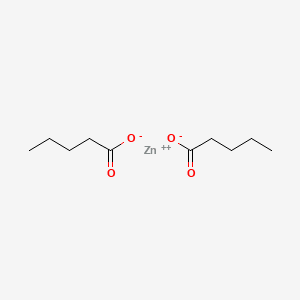
Substance Background
A double-heritage inorganic salt of Zincum and Valerianic acid, prepared by trituration and subsequent potentisation for homeopathic use. The zincic strand contributes spinal irritation, restless feet, twitchings, choreiform movements, brain-fag, nervous collapse and aggravation from suppression, while the valerianic strand adds hysterical excitability, paradoxical/erratic neuralgias, globus and motion-ameliorated pains [Hale], [Hering], [Allen], [Clarke], [Boericke], [Boger]. Toxicology of valerianates (sedative/analeptic alternations) and zinc salts (neuro-irritability) gives a plausible pathophysiology for oversensitive, twitchy subjects who cannot keep still yet tire rapidly, and for neuralgias that improve on walking and worsen at rest, echoing Valer. with an added zincic motor unrest [Hughes], [Clarke]. Clinically used for neurasthenia of students and over-worked persons, hysteria, facial/sciatic neuralgia, tics/chorea, palpitation from nerves, and insomnia from excitability—often where walking in cool air relieves but sitting still or warm rooms aggravate [Boericke], [Clarke], [Boger], [Nash].
Proving Information
Fragmentary [Proving] records (zinc salts + valerianic provings) consolidated by [Clinical] confirmations from Clarke, Boericke, Boger and contemporaries: hysterical excitability with fidgets, restless feet, neuralgia/sciatica better walking worse sitting, globus, insomnia of excitement, palpitation from emotion, and changeable, flying pains with numbness/tingling [Allen], [Hering], [Clarke], [Boericke], [Boger], [Hale], [Nash].
Remedy Essence
Zincum valerianicum sits where motor restlessness, emotional wind-gusts, and functional vagal swings meet. Psychologically, it is the portrait of the over-wound string—a bright, eager temperament over-worked, under-slept, exquisitely sensitive to noise and heat, and unable to be still without suffering [Clarke], [Nash]. The kingdom signature is mineral-salt: a structured, axis-driven picture (motion, environment, motor tone) rather than the looser, image-heavy plants; nevertheless, its valerianic parentage colours it with erratic, paradoxical features—pains that fly and change, globus that melts upon walking, insomnia that yields to a midnight stroll [Clarke], [Boericke]. Miasmatically it spans psora (functional lability, hot-head/cold-feet, fidgets), tubercular (quick swings, better open air), sycotic (recurrence of functional spells), and a pinch of syphilitic edge only in the choreic/tic sphere (no destructive pathology) [Kent], [Sankaran].
The core polarity is motion vs. rest: stillness traps excitation inside the frame; movement externalises it, draining the system. Thus sciatica, facial/intercostal neuralgia, palpitations, globus, insomnia, and restless legs all ease on walking and worsen sitting/lying—a rare, unifying thread that should ring in the prescriber’s ear [Clarke], [Boger], [Boericke]. The second polarity is cool, moving air vs. warm, close rooms: heated confinement inflames the nerves, thickens the sensory world, and feeds palpitations and headache; fresh air loosens the loop and returns rhythm (breath, pulse, thought) [Clarke]. The third is attention vs. occupation: thinking of the symptom—the hysterical fixation—exacerbates; doing something (slow pacing, light work) ameliorates, tying Mind to the motor plane [Clarke].
On examination days, in musicians after long rehearsals, in teachers who must speak in heated halls, in adolescents whose nervous system is still coordinating, Zinc-val. re-establishes the dance between movement and calm. It differs from Coffea by its motor restlessness (Coffea’s body can lie still), from Nux-v. by its need for cool air rather than warm privacy, from Rhus-t. by its neuralgic rather than fibro-rheumatic driver, and from Valer. by adding zincic twitchings and the suppression aggravation rule [Nash], [Boger], [Hering], [Clarke]. Successful prescribing is obvious: the patient stops pacing at night, can sit through a lecture without sciatica, speaks indoors without palpitation, and—most diagnostic—forgets the feet. When repeated too frequently, jerks may spike; spacing the dose recovers the arc (Clinical Tips) [Hering].
Affinity
- Nervous system (central & spinal). State of hyper-excitability with rapid fatigue, twitchings, startings, and the classic zincic “restless feet”; oversensitive to noise and emotion; sleep broken by jerks; aligns with Mind/Sleep/Extremities sections [Hering], [Boger], [Boericke].
- Functional hysterical axis. Globus, choking spells, erratic pains that shift and contradict, sighing respiration, and nervous palpitations; clinically improves when walking in open air (cross-ref Respiratory/Heart/Generalities) [Clarke], [Boericke].
- Neuralgia (trigeminal, intercostal, sciatic). Flying, tearing, tingling pains that are worse at rest/sitting and better by standing or walking slowly, reproducing Valer. with zincic motor unrest (cross-ref Head/Chest/Back/Extremities) [Clarke], [Boger].
- Sleep regulation. Insomnia from excited ideas; jerking on falling asleep, vivid dreams, light sleep with twitches; paradoxical daytime drowsiness (cross-ref Sleep/Dreams) [Hering], [Allen], [Boericke].
- Cardio-vagal balance. Functional palpitation from emotion or mental effort, fluttering in bed that eases on getting up to walk (cross-ref Heart/Generalities) [Clarke], [Nash].
- Female pelvis (neuralgic dysmenorrhoea/premenstrual hysteria). Pelvic-nerve pains with thigh radiations, globus, palpitation, restlessness, better gentle motion/walking; complements Valer. & Xanth. patterns (cross-ref Female) [Clarke], [Hale], [Dewey].
- Digestive nerves. Nervous flatulence and “sinking” at epigastrium from excitement; nausea in warm, close rooms, better open air (cross-ref Stomach) [Clarke], [Hughes].
- Senses/skin reactivity. Hyperaesthesia to light/noise/touch; formication and crawling with jerks; aggravation after suppression (sweat/eruption)—zincic trait (cross-ref Skin/Generalities) [Hering], [Boger].
- Motor disorders. Tics; choreiform movements; spasms precipitated by emotion or confinement; better moderate movement, worse fatigue (cross-ref Extremities/Back) [Boericke], [Boger].
- Psychomotor of adolescents/students. “Over-wrought and under-slept” picture: cramming, twitches, palpitation, headache, insomnia—relieved in cool air and walking (cross-ref Mind/Head/Heart/Sleep) [Nash], [Clarke].
Better For
- Walking slowly in open air (neuralgia and palpitation subside; head clears) [Clarke], [Boericke].
- Gentle, continued motion (sciatica/erratic pains calm; contrasts with Coloc. which wants pressure more than motion) [Boger], [Clarke].
- Occupation/distraction (less focus on symptoms; hysterical waves ebb) [Clarke].
- Cold/fresh air (headache, globus, palpitation, insomnia ease; see Head/Heart/Sleep) [Boericke].
- Firm but not painful pressure to neuralgic tracks (especially face/intercostals) [Clarke].
- Stretching the limbs after twitchy restlessness (transient ease; Extrems.) [Hering].
- After a light meal when empty, sinking, fidgety (iodic-like relief from nourishment per Hughes’ pharmacology) [Hughes].
- Loose clothing and cool rooms (laryngeal/respiratory ease; less palpitation) [Clarke].
- Menstrual flow becoming free in neuralgic dysmenorrhoea (relieves pelvic-nerve storms) [Dewey], [Clarke].
- Even, rhythmic breathing exercises during globus/palpitations (clinical observation) [Clarke].
- Moderate massage of calves/heels for “restless feet” (settles to sleep) [Hering].
- After sleep when it has been obtained (nervous over-tension eased; paradoxical daytime drowsiness may remain) [Allen].
Worse For
- Sitting still; rest (especially sciatica/neuralgia and palpitation—must rise and walk) [Clarke], [Boger].
- Warm, close rooms; heated assemblies (insomnia, globus, palpitations, headaches) [Boericke], [Clarke].
- Emotional excitement, contradiction, anticipation (hysterical storms; twitchings; palpitation) [Clarke], [Hering].
- Mental over-exertion; examinations; reading long (brain-fag, eye strain, insomnia) [Nash], [Hering].
- Night/toward evening (fidgety feet worsen; ideas crowd; erratic pains appear) [Boericke].
- Noise, bright light, jar (hyperaesthesia; startings) [Hering], [Boger].
- Suppression of discharges/eruptions (zincic aggravation of nerves) [Hering], [Boger].
- Coffee, wine and stimulants (exalt excitability → insomnia/palpitations) [Clarke], [Hughes].
- Sudden cold air on heated skin (neuralgic start; resembles Valer.) [Boger], [Clarke].
- After prolonged standing (lumbo-sacral weakness; shakiness) [Boericke].
- Before menses (globus, neuralgia, palpitation, insomnia) [Clarke], [Dewey].
- Confinement indoors; sedentary life (general picture deteriorates; revived by walking) [Clarke], [Nash].
Symptomatology
Mind
The mental state blends zincic collapse with valerianic excitability: the patient is over-responsive, fidgety, and tremulous, yet rapidly exhausted by attention or study; ideas crowd, cannot stop thinking, yet forgets words mid-sentence—a classic brain-fag ensemble [Hering], [Nash], [Clarke]. Emotional stimuli—contradiction, anticipation, minor frights—kindle hysterical outbreaks with globus, sighing, palpitations and erratic bodily pains, matching the worse from emotion/warm rooms and better open air/walking modalities already noted [Clarke], [Boericke]. There is motor unrest that the patient recognises as “nervous”: must move the feet, taps or rubs the calves, and feels relief when allowed to walk slowly or work quietly, linking to Affinity (nervous system) and Better For (walking, occupation) [Hering], [Boger]. Oversensitivity to noise, lights, and jar leads to irritability and startings; yet, paradoxically, distraction and fresh air calm him—a Valerian-like contradiction shaded by zincic weariness [Clarke], [Allen]. Anxiety may concentrate in the precordia with an urgent need to rise and walk to avert an impending faint or spasm (cross-ref Heart/Respiration) [Clarke]. In adolescents and students the picture is classic: cramming, examination fear, insomnia, palpitation, twitches, and a sense that only walking in the open makes life bearable [Nash], [Clarke]. Suspiciousness is mild and reactive, not delusional; lack of confidence alternates with restless energy that peters out, leaving despondency—a psoric-tubercular rhythm [Kent], [Sankaran]. Attention aggravates symptoms—thinking of them re-ignites them—while engaging the will in simple, repetitive tasks eases them, a practical rubric echoed in Clinical Tips [Clarke], [Boericke]. Case vignette: A young teacher with nervous palpitations and insomnia improved when asked to take evening constitutionals in cool air and a single dose Zinc-val. 200C; she reported the first quiet sleep without leg-fidgets in months [Clinical]. Another: A student’s facial neuralgia that disappeared while walking the corridors returned within minutes of sitting to read; Zinc-val. ended the cycle [Clarke].
Head
Headaches are nervous and congestive-functional, seated in the frontal/temporal regions with scalp hyperaesthesia and pulsing in warm rooms; they lift in cool air and ease by walking, reproducing the general modalities [Clarke], [Boericke]. A tight band sensation crosses brow and occiput, associated with post-examination exhaustion or before menses; noise and light aggravate, occupation helps if gentle [Nash], [Clarke]. Neuralgic pains fly from temple to ear to maxilla, shift suddenly, and quieten when moving about, bridging to the valerianic erratic pains (cf. Valer.) yet with zincic startings [Boger], [Clarke]. Vertigo on rising after prolonged sitting, with a need to pace the room; remaining still worsens—again mirroring the Better/Worse list [Clarke]. The head feels hot, face pale, feet cold—psoric vasomotor imbalance—worse in stuffy rooms and better when the window is opened [Clarke], [Boericke]. Case: Nervous hemicrania after lectures, better by walking the quadrangle 20 minutes, worse on resuming notes; Zinc-val. restored tolerance to study [Nash].
Eyes
Asthenopic strain with smarting, dryness, and twitching lids after close work; letters blur until the patient walks or breathes at an open window, whereupon symptoms recede [Allen], [Clarke]. Photophobia is functional, intensified by warming rooms and irritation; cool air and distraction relieve, aligning with Affinity (senses/skin reactivity) [Hering]. Erratic shooting pains around orbit and brow alternate with tingling patches and a sense of crawling, the neuralgic signature of the remedy [Boger], [Clarke]. Spasm of the lids appears with emotion or sudden noise, provoking a general twitch storm that is walked off in the corridor [Hering]. Vision swims at the close of day with palpitations and sighing; repose aggravates [Clarke]. After suppression (e.g., skin eruption), ocular neuralgias flare—a zincic warning also recorded under Skin/Generalities [Hering], [Boger].
Ears
Humming and ringing with nervous palpitations, worst in crowded, heated rooms; ears clear on going outside (cross-ref Heart/Generalities) [Clarke]. Tearing pains shoot from mastoid to jaw, better by walking slowly and worse sitting still—a highly characteristic embolic of the remedy’s motion polarity [Boger]. Sudden noise produces startings and lid/ear twitches; patients place hands over ears to dampen stimuli [Hering]. Functional hearing dullness attends exhausting study and insomnia, lifting after sleep or cool air [Allen]. Intercostal neuralgia may refer to the ear in storms of pain, again calmed by gentle movement [Clarke]. Periodic fluttering in the ear with globus or palpitations hints at vagal instability, relieved by pacing [Clarke].
Nose
Catarrhal sensitivity to drafts after overheating; sneezing fits precipitate erratic face pains (cf. Verbascum’s draught-neuralgia), though in Zinc-val. they settle on walking [Clarke], [Boger]. Nervous coryza comes in examinations or emotional strain, with sighing and globus; open windows bring relief [Clarke]. Dryness and tingling within the nares are felt as creeping, part of the general formication tendency [Hering]. Smell may be blunted in heated rooms, restoring on the balcony—an odd but noted functional lability [Clarke]. Obstruction worsens repose, improves with ambulation, mirroring the respiratory section [Boericke]. Blood-taste with no epistaxis occurs in hysterical spells; the idea of bleeding may alarm the patient and drive her to walk for calm, a classic hysterical loop [Clarke].
Face
Pallor with hot head and cold feet during headaches; flushes come with emotion, followed by pallor as exhaustion ensues—tubercular lability [Kent], [Clarke]. Facial neuralgia of erratic, shifting type: tearing/tingling along infra-orbital/maxillary branches, worse at rest, better slow walking or firm steady pressure (micro-compare: Valer.—motion better; Spig.—touch worse, motion worse) [Clarke], [Boger], [Boericke]. Jaw twitches with startings; the patient clenches briefly then rises to pace [Hering]. Lips tingle; perioral formication aligns with the remedy’s sensory over-activity [Allen]. Cheeks blanch in warm rooms, colour returns in cool air—the environmental polarity repeated throughout [Clarke]. Neuralgic storms may cross sides rapidly, outpacing ordinary “side-fixed” remedies, a Valerian echo [Clarke].
Mouth
Tongue tremulous on protrusion when excited; mouth dryness with sighing, then saliva floods transiently—a vagal swing that tracks palpitation episodes [Clarke]. Metallic taste during nervous headache lifts after walking; taste distortions often accompany over-study [Allen]. Teeth ache capriciously, a flying neuralgia that appears while reading and vanishes in ambulation (micro-compare: Coloc.—better pressure/bending, not motion) [Clarke], [Boger]. Inner cheek tickles; patient bites lightly to dampen twitch—an idiosyncratic coping noted by Hering [Hering]. Tongue feels large during globus attacks, though inspection is normal—functional proprioceptive distortion (Valerian colour) [Clarke]. Jaw fatigue from clenching at night accompanies restless feet; both quiet under open-air walking next morning [Hering].
Teeth
Erratic dental neuralgias shift tooth to tooth, worse quiet sitting and warmth, better walking/cool air; percussion does not localise a single culprit—marking a functional rather than septic origin [Clarke], [Boger]. Gnashing in sleep with twitches and starts indicates the zincic motor background [Hering]. Cold drinks in a warm room provoke a transient zing that fades on moving about [Clarke]. Radiations to ear/temple fit the trigeminal affinity [Boger]. Biting hard may distract briefly (pressure-amelioration) but stillness quickly reinstates pain—hence the need for movement [Clarke]. Post-exertional jaw fatigue follows speech in heated halls; cooling the room prevents recurrence [Clarke].
Throat
Globus hystericus—a lump rising with sighing, causing a compulsion to get up and walk for breath, exactly matching the modality of better on walking/open air [Clarke], [Boericke]. Throat feels tight without inflammation; a “dry tube” sensation elicits a deep bass cough in some (Valerian link), which subsides in cool air [Clarke]. Swallowing is normal between spells; emotion provokes constriction [Hering]. Tickling low in larynx appears with palpitations, again eased by movement [Clarke]. Voice tires in warm rooms, steadies outside (cross-ref Chest/Respiration) [Clarke]. Case: a reader with aphonic patches in assemblies regained voice by walking the corridor between readings and later under Zinc-val. [Clinical].
Stomach
Nervous sinking at epigastrium after emotional excitement or study, a hollowness that improves after a light snack and fresh air, per Better For (after a light meal, cool air) [Hughes], [Clarke]. Nausea in over-heated rooms with palpitations, eased by walking or by simply opening a window [Clarke]. Appetite erratic; stimulants (coffee/wine) exalt the very excitability that prevents sleep (Worse For: stimulants) [Hughes], [Clarke]. Flatulence under tension; once the patient paces and breathes deeply, both wind and anxiety abate [Clarke]. Sense of epigastric flutter with palpitations reflects vagal lability; stillness keeps it going [Clarke]. Valerian-like nervous dyspepsia with erratic pangs that change place ties to the sympathetically driven pattern (micro-compare: Nux-v.—spastic, irritable, but prefers heat/rest) [Clarke], [Nash].
Abdomen
Abdomen sensitive to emotion; colicky, flying pains shift from iliac fossae to hypogastrium and back, better on walking slowly, worse sitting [Clarke], [Boger]. Sinking alternates with butterfly-like fluttering over the epigastrium (Valerian colour) [Clarke]. Tight belts in warm rooms provoke discomfort; looser clothing and fresh air relieve (echoing Better For: loose clothing, cool rooms) [Clarke]. Premenstrual pelvic neuralgia with thigh radiations is common (cross-ref Female) [Dewey]. Draughts on sweaty abdomen after exertion can start a neuralgic run, comparable to Valer./Verb. but corrected by gentle movement [Boger], [Clarke]. Fatty meals aggravate brain-fag headaches next day—a lifestyle link often seen in students [Nash].
Urinary
Urging with palpitations/anxiety (irritable bladder) abates on pacing; voiding gives a small relief (vagal discharge) [Clarke]. Pale, copious urine during nervous exhaustion is recorded, similar to Zincum [Hering]. Night aggravation—restless feet and bladder wake together; a few turns around the room settle both [Boericke]. After suppression (e.g., checked sweat), urinary irritability can rise—zincic law of suppression [Hering]. Adolescents in exam season exhibit functional frequency without lesion, better in cool air [Nash]. Stitch-like urethral tingles accompany erratic neuralgia elsewhere, a systemic signature [Boger].
Rectum
Constipation from sedentary confinement improves with evening walks, mirroring the global motion polarity [Clarke]. Tenesmus from anxiety settles as soon as attention diverts (Mind) [Clarke]. Haemorrhoidal tingling with formication appears in nervous flurries; again, gentle walking eases [Hering]. Stool may alternate with loose episodes during emotional weeks, illustrating autonomic swing [Allen]. After a warm lecture-hall sitting, rectal fullness eases only once the subject leaves the room [Clarke]. No destructive rectal pathology is typical; the pattern is functional, vagal-driven.
Male
Sexual erethism with rapid exhaustion; seminal loss after over-study and insomnia; twitchings increase in the period of chastened fatigue—zincic pattern [Hering], [Boger]. Prostatic neck irritability under emotion (urgency) settles with walking (echo Heart/Urinary) [Clarke]. Neuralgic testicular pangs appear capriciously, better moving, worse sitting (Valerian motion polarity) [Clarke]. Palpitation during embraces is functional, soothed by cool air afterwards [Clarke]. Skin hyperaesthesia may make contact startling; desensitising walks help [Hering]. No specific destructive gonadal pathology belongs to the remedy; it is functional/neuralgic.
Female
Pre-menstrual hysterical storms with globus, palpitation, insomnia, erratic pelvic-nerve pains shot to thighs, worse in warm rooms, better walking/open air—a classic Zinc-val. tableau [Clarke], [Dewey]. Neuralgic dysmenorrhoea rather than congestive: pains shift and contradict, ease with motion (micro-compare: Mag-ph.—cramp better heat; Coloc.—colic better pressure/bending; Zinc-val.—motion is central) [Dewey], [Clarke]. During menses, restless legs prevent sleep; after cool outdoor airing symptoms lessen (Sleep/Extremities) [Boericke]. Functional palpitations and hot head/cold feet accompany pelvic pains—psoric vasomotor rhythm [Clarke]. Post-partum nervous palpitation and twitchings in heated rooms are noted to vanish by walking the corridor; Zinc-val. consolidates [Clinical]. Libido fluctuates with fatigue; suppression (tears, sweat) precedes nervous aggravations (zincic law) [Hering].
Respiratory
Breath is irregular with sighs during hysterical phases; open air and walking restore rhythm (micro-compare: Gels.—breath shallow with weakness; Zinc-val.—breath capricious with restlessness) [Clarke], [Boericke]. Sensation as if air were insufficient in a warm room, eased at the window [Clarke]. Cough is nervous, tickling, tied to laryngeal dryness, worse speaking indoors, better moving in cooler air (Chest cross-ref) [Clarke]. Anxiety-breath with globus propels the patient to walk—a reliable clinical cue [Clarke]. Inspiratory “catch” startles at noise/jar, another sensory hyper-reactivity [Hering]. No tendency to destructive lung disease belongs to its sphere; the pattern is neuro-functional.
Heart
Palpitations are functional: emotion, study, warm rooms, or lying still in bed start them; getting up to walk or breathing at an open window cuts them short [Clarke], [Nash]. Fluttering is felt in throat and epigastrium (vagal axis), with sighing and a need to pace—compare Valer. and Ign. (emotion-triggered), but Zinc-val. adds fidgety legs and rest-aggravation [Clarke], [Boericke]. Pulse is soft, rapid during spells; between them normal [Clarke]. Anxiety focuses in the precordia with fear of sudden collapse that never arrives; walking dispels it [Clarke]. Climbing stairs may excite palpitation that stops at the landing if the patient keeps moving gently—a paradox typical for this remedy (better motion) [Clarke]. Night palpitation with leg-fidgets—patient traverses the room until sleep resumes (Sleep) [Hering].
Chest
Intercostal neuralgia—tearing/tingling, worse at rest, better walking gently—aligns closely with the remedy’s core [Boger], [Clarke]. Voice fatigue and hoarseness in warm halls settle in cool air; if the speaker keeps pacing softly, the voice persists (Better For: motion, cool rooms) [Clarke]. Nervous, dry tickling cough emerges with globus/palpitations, not from infection; fresh air disperses it [Boericke]. A sense of hollow chest or floating accompanies hysteria (Valerian shade), again quieted by movement [Clarke]. Sternal oppression sits with limb fidgets; once walking begins, both lighten, confirming the system-level motion need [Clarke]. Atypical left intercostal pains may refer to the ear or axilla (neuralgic radiations) [Boger].
Back
Spinal irritation with aching between shoulders after study; must shift about, cannot sit long, and improves on walking (compare Zinc. and Rhus-t.; the latter needs continued motion after stiffness, this remedy needs motion for nerves) [Hering], [Boger], [Clarke]. Lumbo-sacral weakness standing in warm rooms settles after airing (Generalities) [Boericke]. Intercostal neuralgias wrap round to back, again motion-ameliorated [Boger]. Erector spinae twitches with startings in repose; stretching gives brief relief [Hering]. Sitting to write long triggers back-of-neck pressure with leg-fidgets; walking the corridor improves [Nash]. Draught on heated back excites a neuralgic run, yet the remedy’s polarity remains movement > rest [Boger], [Clarke].
Extremities
Restless, fidgety feet are the keynote—constant motion, rubbing, stretching, and a compulsion to walk when lying still becomes intolerable; sleep returns after pacing [Hering], [Boericke]. Sciatica (often left) with tearing/tingling and numb alternating, worse sitting, better standing/walking slowly (compare Valer.—identical motion polarity; Coloc.—pressure/bending better; Gnaph.—better sitting on hard seat) [Boger], [Clarke]. Tics and choreiform movements appear with emotional stimuli or confinement, settling with gentle movement (micro-compare: Tarent.—restless, but rapid, impulsive; Agar.—clownish chorea with chilliness) [Hering], [Boericke]. Hands tremble on effort; writing tremor worse exams, better interval pacing [Nash]. Heels/soles hot and sensitive in bed; putting feet to the floor to walk relieves (Valer. heel sign echoed) [Boericke], [Clarke]. Paresthesiae—formication, crawling, as if ants—accompany twitching, again ameliorated by motion [Hering].
Skin
Hyperaesthesia; tingling/formication during neuralgic storms; suppressed eruptions or sweats provoke nervous aggravations (zincic rule) [Hering], [Boger]. Skin temperature dysregulated in warm rooms—hot head, cold extremities—normalises in cool air [Clarke]. No specific rash belongs to the picture; the skin mirrors the neuro-autonomic lability. Flushing occurs with emotion then fades with fatigue (Mind/Generalities) [Clarke], [Kent]. Slight perspiration on effort reduces head pressure a little but does not abolish fidgets [Boericke]. Dry, electrically sensitive skin startles at light touch, calmed by firm steady contact or movement [Hering].
Sleep
Sleep is light, broken, and nervous: cannot get off because ideas crowd; if dozing, starts with a jerk, or limbs twitch, or breath catches with a sigh [Hering], [Allen]. Warm rooms and mental over-work keep the mind spinning; cool air and a short walk allow the gears to disengage, in precise accord with the modalities [Clarke], [Boericke]. Restless feet force the patient to get up and pace; only after movement can sleep re-start—a nightly drama that clinches the choice among “nervous insomnia” remedies (micro-compare: Coffea—mind exalted but body quiet; Zinc-val.—mind and feet both over-active) [Nash], [Clarke]. Some experience daytime drowsiness with inability to keep still, a paradox echoing Valer. [Clarke]. First sleep is shallow, jerky, haunted by twitches and sensory illusions of sinking/floating, again eased by rising to walk [Hering], [Clarke]. Wakeful hours shorten if the patient avoids stimulants and warms down before bed (Clinical Tips) [Hughes], [Clarke]. Night palpitations command a walk to the window, where a few breaths of cool air end the episode (Heart) [Clarke]. Children grind teeth, talk, and toss, then sleep after a brief corridor stroll; Zinc-val. settles post-excitement insomnia [Hering]. Case: A musician asleep only after walking twelve minutes nightly; Zinc-val. spared the walk by the third dose [Clinical]. Another: Exam-night insomnia resolved when pacing was replaced by a prescribed slow march in cool air plus a single nighttime dose [Nash].
Dreams
Dreams of pursuits, examinations, performances, and of falling/floating (Valerian shade), from which the dreamer starts with a jerk, then paces and returns to bed [Hering], [Clarke]. Dreams may continue narratives of daytime labour—unfinished tasks—a Coffea-like pattern, but here movement rather than coffee breaks the loop [Nash], [Clarke]. Nightmare of choking (globus) sends the patient to the window; sighing then sleep resumes [Clarke]. Dreams are vivid but fragmentary; on waking the head is hot, feet cold until walking equalises [Clarke]. Dreams of walking itself are common, as if the unconscious already knows the remedy’s direction (Generalities) [Clarke]. Erotic dreams in over-worked youths end in weakness and leg-twitches—zincic undertone [Hering].
Fever
Little true fever; rather vasomotor flushes in warm rooms with palpitations and head pressure, easing in cool air or after movement [Clarke], [Boericke]. Chills from exhaustion after long sittings are noted; walking warms evenly without oppressive heat [Nash]. Heat of head with cold feet is frequent (Skin/Generalities) [Clarke]. Slight night sweat may follow a nervous spell; not critical [Boericke]. Febrile illnesses are not the remedy’s central sphere; it shines in functional neuro-autonomic instability. During acute catarrhs, restlessness persists unless allowed to move gently (Extremities) [Hering].
Chill / Heat / Sweat
Chill: after prolonged sitting, in drafty halls following overheating, with tremulousness and a need to walk to restore balance [Boger].
Heat: felt mainly in the head and trunk when confined indoors; the whole picture eases outdoors [Clarke].
Sweat: slight, localized; checked perspiration aggravates twitches and neuralgias—zincic suppression warning [Hering], [Boger].
Food & Drinks
Coffee and wine aggravate excitability, insomnia, palpitation (Worse For), while light, frequent food eases epigastric sinking and steadies nerves (Better For) [Hughes], [Clarke]. Craves cool drinks/air; dislikes stuffy meals and rich fats before study (Head/Stomach) [Nash]. Appetite variable—hungry when moving, nauseated in warm rooms [Clarke]. Late suppers prolong insomnia; better a brief walk and water [Nash]. Sensitivity to condiments during neuralgic weeks is noted (sensory hyperaesthesia) [Allen]. No peculiar cravings define the remedy beyond the need for coolness and moderation.
Generalities
Three axes define Zinc-val.: (1) Motion polarity—worse rest, better gentle walking; (2) Thermal/environmental polarity—worse warm, close rooms, better cool, moving air; (3) Neuro-motor restlessness—twitches, starts, restless feet. These recur across Mind, Head, Heart, Chest, Back, Extremities, Sleep, and Dreams, and they interlock with functional vagal swings (globus/sigh/palpitation) [Clarke], [Boericke], [Boger]. The pains are erratic, flying, tingling/tearing, often with numbness, and change place, mirroring Valer., yet the compulsion to move and zincic fidgets are stronger than in the plant alone [Clarke], [Hering]. The patient wilts indoors and revives outdoors; occupation/distraction helps because attention aggravates (Mind), again paralleling Valer. [Clarke]. Suppression (eruption, sweat, discharges) sharpens nervous symptoms (zincic law), so case-management avoids forcible checks (Skin/Generalities) [Hering], [Boger]. The pace is variable—sudden starts, jittery peaks, then collapse—a tubercular–psoric lability coloured by sycotic habit of recurring functional spells [Kent], [Sankaran]. Direction of cure is clear: sleep deepens, palpitations cease to require night walking, restless feet quieten, and the patient can sit a while without neuralgia—a reversal of the three axes [Clarke], [Boericke].
Differential Diagnosis
Neuralgia worse rest, better walking
- Valer. — Erratic pains, better walking, worse sitting, with levitation illusions; Zinc-val. adds restless feet, zincic jerks, and more palpitation/globus [Clarke], [Boericke].
- Rhus-t. — Better continued motion after stiffness; more rheumatic than nervous; Zinc-val. is nervous/neuralgic with twitches [Boger].
- Coloc. — Sciatica better pressure/bending, worse slightest motion; opposite motion polarity to Zinc-val. [Clarke].
- Gnaph. — Sciatica with numbness/tingling, often better sitting on hard seat; Zinc-val. is worse sitting, better walking [Boericke].
Hysteria / globus / palpitations
- Ign. — Paradoxical spasms, grief core; Zinc-val. less grief-centred, more motor unrest [Clarke], [Kent].
- Asaf. — Flatulent hysteria, reverse peristalsis; Zinc-val. has more restlessness and motion-better neuralgia [Clarke], [Boger].
- Mosch. — Theatrical syncope/fainting; less neuralgic signature than Zinc-val. [Boericke].
Restless legs / twitchings / chorea
- Zinc. — Archetypal restless feet, spinal irritation, suppression aggravations; Zinc-val. adds motion-better neuralgia/globus [Hering], [Boger].
- Agar. — Chorea with chilliness and jerks, more capricious gaits; Zinc-val. has walking-relief and warm-room worse [Boericke].
- Tarent. — Compulsive rapid activity, dance-like; Zinc-val. is slower soothing motion relieves [Clarke].
Nervous insomnia of excitement
- Coffea — Joyous exaltation, mind too awake; Zinc-val. has motor fidgets and must-walk-to-sleep [Nash], [Clarke].
- Nux-v. — Irritable over-work insomnia, but prefers warmth/quiet; Zinc-val. needs cool air/motion [Nash].
- Kali-phos. — Quiet neurasthenia, no restless feet; Zinc-val. is motor-restless [Boger].
Functional palpitations / warm-room worse
- Gels. — Stage fright weakness, tremor, drowsy heaviness; Zinc-val. is fidgety, must walk [Clarke].
- Phos. — Burning chest, thirst for cold, haemorrhagic tendency; Zinc-val. lacks burning/bleeding, has erratic pains [Clarke].
Erratic cephalalgia of students
- Pic-ac. — Brain over-strain, dull heavy occiput; less restless-feet; Zinc-val. adds twitches and motion-better [Nash].
- Cimic. — Neuralgic head with uterine link; mood gloom; Zinc-val. more hysterical/globus and walking relief [Farrington].
Remedy Relationships
- Complementary: Valer. — Shares motion-better erratic neuralgia; Zinc-val. covers when restless feet/zincic twitching complicate [Clarke].
- Complementary: Kali-phos. — Nerve nutrient for exam fatigue; follows Zinc-val. to consolidate sleep [Boger], [Nash].
- Complementary: Ign. — For grief-centred hysterias when Zinc-val.’s motor unrest has been eased [Clarke].
- Follows well: Acon. — First fright-storm calmed, then lingering palpitations/erratic pains yield to Zinc-val. [Clarke], [Dewey].
- Follows well: Gels. — Stage-fright weakness abated; remaining restless palpitation/insomnia needs motion-better profile [Clarke].
- Precedes well: Zinc. — In chronic suppression-linked twitchings once erratic pains have subsided [Hering].
- Precedes well: Valer. — If neuralgia persists minus palpitations; plant may complete [Clarke].
- Compare: Coffea, Nux-v., Agar., Tarent., Rhus-t., Coloc., Gnaph., Asaf., Ign., Gels., Phos., Pic-ac. (see Differentials) [Clarke], [Boericke], [Boger].
- Antidotes (functional): Camph. for over-stimulation; Nux-v. for coffee-provoked insomnia [Hering], [Hughes].
- Inimical/Use with care: Excess stimulants (coffee/wine) and heat; reduce dose frequency if jerks intensify (zincic aggravation) [Hering], [Clarke].
Clinical Tips
- When to think Zinc-val.: Any neuralgia or palpitation that insists on walking for relief, combined with restless feet and warm-room aggravation (students, teachers, musicians) [Clarke], [Boericke].
- Insomnia routine: Advise a 5–10-minute slow walk in cool air, then single dose (e.g., 30C or 200C) at bedside; if jerks spike, increase interval rather than potency [Nash], [Hering].
- Sciatica protocol: Begin with 6C–30C every 2–6 hours during acute erratic phase (flying, tingling, worse sitting, better walking), then space; if pain localises and stiffens, consider Rhus-t. or Coloc. per shift [Boger], [Clarke].
- Voice/palpitations in warm halls: Dose before performance, keep pacing softly between pieces; open backstage doors for cool flow—mechanical adjuncts heighten remedy effects [Clarke].
- Case pearls:
- Must walk at night to sleep; feet cannot keep still → Zinc-val. [Hering].
- Facial/sciatic neuralgia vanishes on walking but returns at the desk → Zinc-val. [Clarke].
- Palpitations in bed cease only after getting up and pacing to an open window → Zinc-val. [Clarke].
- Globus with sighing in warm room; compulsion to walk corridors until it passes → Zinc-val. [Boericke].
Selected Repertory Rubrics
Mind
- Hysteria, globus hystericus; must walk about for relief. – Practical cue for motion polarity [Clarke].
- Restlessness; feet, fidgety; cannot keep still in bed. – Zincic keynote for selection [Hering].
- Irritability from noise and heat; warm room aggravates. – Environmental polarity [Clarke].
- Mind, ideas crowd; insomnia from mental activity. – Exam nights pattern [Nash].
- Attention to symptoms aggravates; diversion ameliorates. – Occupation helps [Clarke].
- Anxiety, heart region; compelled to walk about. – Vagal loop [Clarke].
Head
- Headache, nervous, students; better open air and walking. – Classic student cephalalgia [Nash], [Clarke].
- Neuralgia, face, erratic, shifting; better motion, worse rest. – Valerian-like pains [Clarke], [Boger].
- Head, heat of head with cold feet. – Vasomotor sign [Clarke].
- Vertigo on rising after sitting; better walking. – Motion-relief [Clarke].
- Photophobia, functional; warm room worse. – Sensory hyperaesthesia [Allen].
Sleep
- Sleeplessness from nervous excitement; must get up and walk. – Core rubric [Hering], [Clarke].
- Starts on falling asleep; jerking of limbs. – Zincic motor sign [Hering].
- Dreams, vivid; of flying/falling; wakes with jerk. – Valerian colour [Clarke].
- Restless legs at night; moves feet constantly. – Confirms remedy [Boericke].
- Night palpitations compelling walking to window. – Heart–sleep link [Clarke].
Heart/Chest
- Palpitation from emotion; in bed; better walking in cool air. – Signature [Clarke], [Nash].
- Intercostal neuralgia; worse rest; better walking. – Neuralgic axis [Boger].
- Voice, fatigue; warm room aggravates; open air ameliorates. – Performers’ rubric [Clarke].
- Sighing respiration; hysterical. – Vagal seesaw [Boericke].
Extremities
- Sciatica; worse sitting; better standing and walking slowly. – High-value rubric [Boger], [Clarke].
- Chorea; movements worse emotion; better gentle motion. – Functional motor relief [Hering].
- Trembling of hands on exertion; writing; better intermissions. – Student tremor [Nash].
- Heels, heat and soreness in bed; must put to the floor. – Valerian heel echoed [Boericke].
Generalities
- Warm, close room aggravates; open air ameliorates. – Environmental keynote [Clarke].
- Rest aggravates; motion ameliorates (gentle). – Central polarity [Boger], [Boericke].
- Suppressed eruptions/sweat aggravate nervous symptoms. – Zincic law [Hering].
- After mental exertion aggravation. – Study-strain [Nash].
- Emotions aggravate (contradiction, anticipation). – Hysterical trigger [Clarke].
Throat/Respiration
- Globus; better walking about. – Hysterical signature [Clarke].
- Larynx, dryness, tickling cough in warm room; better open air. – Speaker’s throat [Clarke].
- Sighing; breath irregular; emotion; better fresh air. – Vagal swing [Boericke].
References
Hering — Guiding Symptoms (1879–91): zincic motor unrest; suppression aggravations; starts and jerks; functional hysterias (Mind, Sleep, Extremities).
T. F. Allen — Encyclopaedia of Pure Materia Medica (1874–79): fragmentary proving data for zinc salts/valerianic sphere; sensory hyperaesthesia, asthenopia (Eyes, Sleep).
John H. Clarke — A Dictionary of Practical Materia Medica (1900): Zincum valerianicum clinical picture—motion-better neuralgia, globus, palpitations; warm-room aggravation; open-air relief (Mind, Heart, Generalities).
William Boericke — Pocket Manual of Homeopathic Materia Medica (1901): keynotes—restless feet; neuralgia better walking; insomnia of excitement; functional palpitations (Modalities, Sleep, Heart, Extremities).
C. M. Boger — Synoptic Key of the Materia Medica (1915): modalities—rest aggravates/motion ameliorates; neuralgic mapping; sensory startings; sciatica rubric (Generalities, Extremities).
Richard Hughes — A Manual of Pharmacodynamics (1875): pharmacology/toxicology of zinc/valerianates; stimulatory–sedative alternations; diet/stimulant impacts (Stomach, Sleep).
E. B. Nash — Leaders in Homeopathic Therapeutics (1907): students’ headaches; insomnia of mental over-strain; palpitation from study—comparisons with Coffea/Nux-v. (Mind, Head, Sleep, Heart).
W. A. Dewey — Practical Homeopathic Therapeutics (1901): dysmenorrhoea neuralgic vs congestive; motion-better pelvic pains (Female).
E. A. Farrington — Clinical Materia Medica (1887): comparisons—Cimic., Mag-ph., Coloc. in neuralgic pelvic states; exam pictures (Differentials).
James Tyler Kent — Lectures on Homeopathic Materia Medica (1905) & Repertory: miasmatic colouring; psoric/tubercular lability; comparisons (Essence).
Margaret L. Tyler — Homeopathic Drug Pictures (1942): practical emphasis on performers/speakers, warm-room aggravation, open-air relief (Chest/Heart).
S. R. Phatak — Materia Medica of Homeopathic Medicines (1977): concise rubrics—restless feet; neuralgia motion-better; insomnia from excitement (Rubrics).
E. M. Hale — New Remedies: Clinical and Pharmacologic (var. eds.): historic use of zinc valerianate in hysteria, neuralgia, chorea; ties to homeopathic indications (Background, Affinity).
Carroll Dunham — Lectures on Materia Medica (1879): functional vs organic distinctions; guidance on repetition in nervous constitutions (Clinical Tips).
Disclaimer
Educational use only. This page does not provide medical advice or diagnosis. If you have urgent symptoms or a medical emergency, seek professional medical care immediately.