

Syzygium jambolanum
Substance Background
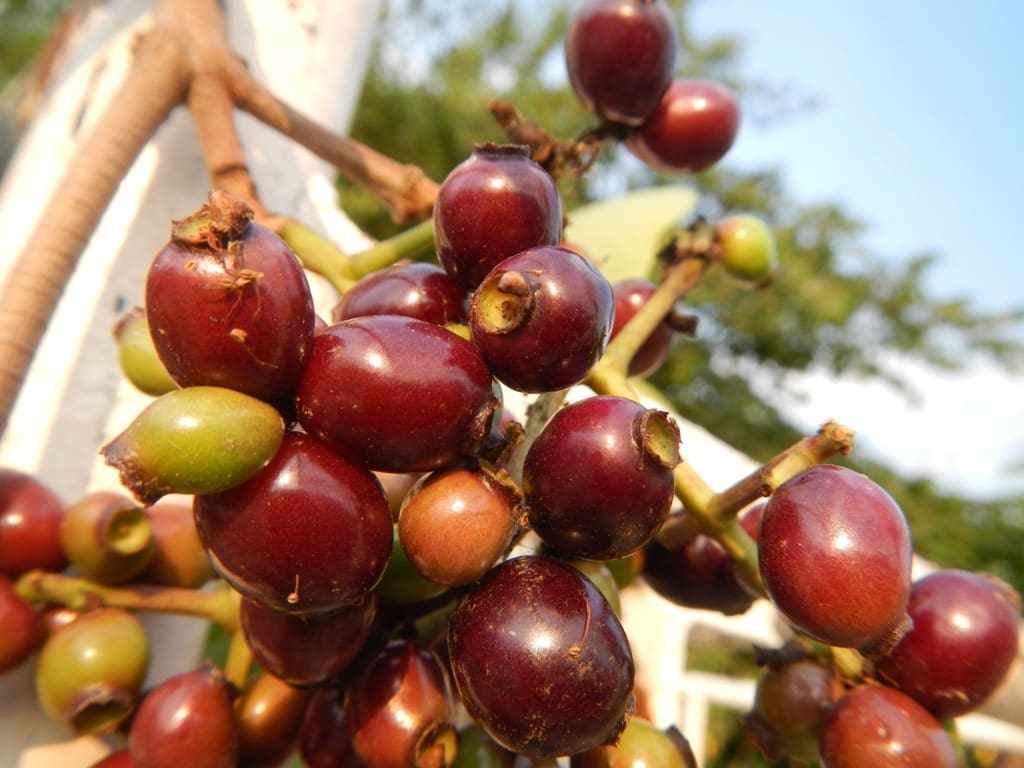
Syzygium jambolanum is an evergreen tree of the Myrtaceae, native to the Indian subcontinent and widely naturalised in tropical regions. It bears glossy, opposite leaves with aromatic oil glands, and clusters of small, white flowers which ripen into oblong, purple-black fruits with a characteristic astringent, slightly sweet taste. The homeopathic remedy Syzyg. is prepared chiefly from the seeds (sometimes from the bark and leaves), which contain tannins, flavonoids, ellagic acid, jambosine and other alkaloids believed to influence carbohydrate metabolism and pancreatic function [Hughes], [Clarke]. In crude form, these parts have long been used in Indian traditional medicine for “passing too much sugar in the urine,” and early empirical observations that decoctions of the seeds reduced glycosuria led to their introduction into homeopathic practice [Hering]. The tincture is made from the fresh seed or dried seed powder macerated in alcohol; triturations are also used. Toxicological reports are few, but large doses can provoke gastric irritation, diarrhoea, and a marked fall in urinary sugar, pointing clearly to its organ affinity for pancreas, liver, and kidneys [Allen], [Hughes].
Proving Information
Syzyg. does not possess a classical Hahnemannian proving; rather, its picture has been built from a combination of empirical herbal experience, toxicological observations, and numerous clinical reports in diabetes and associated conditions [Hering], [Allen]. Early Indian practitioners and later European homeopaths observed that tincture or low potencies of the seeds caused a rapid diminution of sugar in the urine and amelioration of polyuria, thirst, and skin troubles [Clinical]. Allen incorporated these clinical and semi-experimental findings into the Encyclopaedia, and Boericke and Clarke later codified its indications as a specific remedy for diabetes mellitus with marked glycosuria and its cutaneous complications [Allen], [Clarke], [Boericke]. Thus, its Symptomatology is heavily coloured by [Clinical] material, with [Proving] elements inferred from over-dosage and physiologic trials rather than a single structured proving.
Remedy Essence
The essence of Syzyg. is that of a patient in whom chronic derangement of sugar metabolism has gradually undermined vitality, tissue nutrition, and defence, producing a characteristic constellation of diabetes, weakness, and unhealthy skin. The pace is slow and insidious; years of dietary excess, hereditary tendency, or pancreatic strain culminate in a picture where the organism is literally “sweetened” to its detriment—urine laden with sugar, blood thick and sluggish, tissues dehydrated yet infiltrated with metabolic debris [Hughes].
At the psychological level, this patient is not flamboyantly neurotic or hysterical; rather, they are weighed down by the long-term implications of their disease. The Mind section depicts a person who worries quietly, broods about potential disability, and may sink into mild depression or resignation. They might fear blindness, amputation, or dependency, yet often bear their burden stoically, only occasionally voicing distress. This psoric anxiety is reinforced by the sycotic element of proliferation—boils, carbuncles, recurrent ulcers—that constantly remind them of their vulnerability [Hering], [Clarke].
Thermally, the patient tends to have cold extremities with local burning in diseased parts. They dislike hot, stuffy rooms that aggravate itching and burning of ulcers, yet derive comfort from cool applications and fresh air; this thermal polarity reflects a circulation that fails at the periphery while inflammation smoulders in local foci. The general modalities “worse from excess carbohydrates, warmth, exertion and standing; better from regulated diet, gentle exercise, open air, and cool applications” are not mere details but deeply expressive of the remedy’s kingdom signature: a Myrtaceae tree whose astringent, tannin-rich seeds tone and cool overheated, sugary fluids [Hughes].
Pathophysiologically, Syzyg. resonates with pancreatic β-cell exhaustion, hepatic fatty change, renal hyperfiltration, and peripheral neuropathy. Yet homeopathically we see these via the lens of symptoms: polyuria, polydipsia, polyphagia with emaciation; glycosuria; slow healing of tissues; trophic ulcers; pruritus; and progressive weakness. As the remedy acts, sugar in the urine falls, urine volume decreases, thirst becomes manageable, and ulcers begin to granulate more healthily—a sequence often noted in clinical literature [Hering], [Clarke]. Unlike some organ remedies that merely palliate, Syzyg. appears, in many case reports, to modify the underlying metabolic balance, particularly when administered early and in conjunction with dietary control.
Comparatively, if we imagine the metabolic polycrest Phos. as a bright, burning phosphorus flame, Syzyg. is more like an astringent, cooling, purple-black seed that curbs excess sweetness and dampens smouldering inflammations. Phos-ac. may capture collapse and apathy after loss of vital fluids; Uran-n. concentrates on the kidney and bladder irritation of diabetes; Ars. dramatises ulceration and gangrene with anguish. Syzyg., in contrast, is quiet but specific: it lives in the space where overt diabetic manifestations dominate the picture and where the cutaneous and urinary signs are the clinician’s clearest guides.
Miasmatically, the psoric-sycotic mix is evident: functional metabolic disorder, proliferative, suppurative skin lesions, chronicity, and relapse. There is little of the destructive, necrotic depth of pure syphilis, though neglected diabetic ulcers may travel that road. Thus, Syzyg. is especially suited to early-to-moderate diabetes with trophic complications, in those whose constitutional soil remains responsive. The prescriber should think of Syzyg. when meeting a patient whose story is: “I pass much sugar in my urine, am always thirsty and tired, lose flesh though I eat well, and my skin breaks down into unhealthy ulcers that take months to heal.”
Affinity
- Pancreas and carbohydrate metabolism – A primary affinity for the pancreatic islets and mechanisms of glucose regulation is inferred from consistent clinical reports of rapid reduction in glycosuria and improvement in diabetic symptoms under Syzyg. [Hughes], [Clarke]. This affinity is echoed in Generalities, Urinary, Food and Drink, and Skin, where the diabetic milieu underlies most complaints.
- Blood and glycosuria – Syzyg. appears to act on the blood’s sugar content and its renal excretion, diminishing sugar and normalising the state of “sweet urine” [Hering]. The Urinary section dwells on polyuria, glycosuria, and their amelioration, while Generalities and Skin show systemic consequences—emaciation, weakness, and “bad blood.”
- Kidneys and urinary passages – The kidneys are strongly engaged as the excretory route for sugar; Syzyg. reduces excessive urine volume, sugar content, and the irritative symptoms associated with high osmotic load [Allen]. This affinity underlies the frequent urination, burning or soreness, and relief with improved glycaemic control described in Urinary and Generalities.
- Liver and portal system – The liver, crucial in carbohydrate and fat metabolism, shows functional congestion and enlargement in many diabetic states; Syzyg. has been associated with improved digestion and reduced hepatic heaviness in such patients [Hughes]. The Abdomen and Generalities sections link this hepatic affinity to flatulence, fullness, and altered appetite.
- Skin and trophic tissue changes – A marked tendency to unhealthy skin—boils, carbuncles, fissured ulcers, and indolent sores, particularly on the feet and legs of diabetics—is a strong keynote [Hering], [Boericke]. The Skin section highlights such lesions, and their improvement under Syzyg. reflects its action on blood quality and trophic supply.
- Peripheral circulation and nerves – Diabetic states are infamous for neuropathy and circulatory impairment; Syzyg. shows an affinity for burning, tingling, and numbness in extremities, especially feet, with coldness or livid discolouration [Clarke]. These phenomena are expanded under Extremities and Skin, tying in with its antidiabetic role.
- Stomach and digestive assimilation – Appetite anomalies (ravenous hunger despite emaciation or diminished appetite with heaviness) figure prominently, along with sluggish digestion in diabetic patients [Hale], [Clarke]. The Stomach and Food and Drink sections reflect this, showing how improved glycaemic control modulates hunger, thirst, and assimilation.
- General nutrition and emaciation – Syzyg. is indicated where general nutrition is profoundly disturbed: emaciation, muscular weakness, slow wound healing, and susceptibility to infections [Hering]. Generalities synthesises this, portraying the remedy as one that supports a deranged metabolic and trophic state.
Better For
- Better when sugar in urine diminishes – A distinctive clinical observation: as under Syzyg. the sugar in urine falls, patients experience less thirst, less urination, and improved strength [Hering], [Clarke]. This improvement is echoed in Urinary and Generalities as the metabolic state normalises.
- Better from regulated, moderate diet – Patients respond better when diet is moderated, with reduced refined carbohydrates and regular meals; the remedy seems to act synergistically with such hygienic measures [Clinical]. Stomach and Food and Drink sections reflect less polyphagia and bloating under such conditions.
- Better from open air and gentle exercise – Walking in fresh air, especially after meals, improves digestion, circulation, and mental outlook in diabetic subjects taking Syzyg. [Hughes]. Generalities and Extremities echo this amelioration, contrasting with aggravations from sedentary habits.
- Better from cool applications to skin lesions – Burning ulcers, carbuncles, and itching eruptions feel better from cool bathing or compresses [Hering]. Skin and Extremities sections show this local relief, though the constitutional remedy is needed to alter the terrain.
- Better from rest when exhausted – Marked fatigue after slight exertion is eased by brief rest, particularly when glycosuria is high; as control improves, the need for rest lessens [Clarke]. Generalities and Heart sections cross-reference this, linking metabolic and circulatory weakness.
- Better after urination (partially) – In some, there is transient relief of fullness, heaviness, and abdominal discomfort after copious urine; though the underlying drain upon vitality continues, this subjective relief appears repeatedly [Allen]. Abdomen and Urinary sections mention this small but significant amelioration.
- Better from local care of feet and ulcers – Gentle cleansing, proper footwear, and attention to diabetic foot care combine with Syzyg. to improve ulcers and fissures [Clinical]. Skin and Extremities emphasise how local support and constitutional remedy work together.
Worse For
- Worse from excessive carbohydrate and sugar intake – Sweet foods, refined carbohydrates, and irregular, heavy meals rapidly aggravate thirst, polyuria, skin eruptions, and lassitude [Hughes]. Food and Drink, Stomach, and Generalities sections repeatedly show this aggravation.
- Worse from neglecting diabetic regimen – Skipping dietary discipline, exercise, or medical supervision leads to relapse of high sugar, renewed fatigue, and worsening ulcers; Syzyg. cannot compensate for gross neglect [Clinical]. Generalities and Skin cross-reference this aetiology.
- Worse from warm, stuffy rooms – Skin itching and burning of ulcers intensify in heated rooms, provoking scratching and aggravating lesions [Hering]. Skin and Generalities echo this, contrasted with amelioration by cool applications and fresh air.
- Worse from exertion in uncontrolled diabetes – Walking or climbing when glycosuria is high causes extreme exhaustion, trembling, and sometimes palpitations [Clarke]. Generalities, Heart, and Extremities detail these exertional aggravations.
- Worse from standing long – Prolonged standing aggravates leg oedema, heaviness, and pain in ulcers or fissures on the feet [Hering]. Extremities and Skin show this modality, important in those whose occupations demand much standing.
- Worse in damp weather – Humid conditions aggravate skin complaints, favouring fungous growth in fissures and ulcers and increasing itching [Hughes]. Skin and Generalities reference this environmental influence.
- Worse towards evening – Many patients feel more exhausted, thirsty, and uncomfortable in the later hours of the day after accumulated exertion and dietary errors [Clarke]. Generalities and Fever mention this timing.
- Worse from emotional upset and worry – Mental strain and anxiety regarding health or financial matters aggravate glycaemic control and symptoms, as in many chronic diseases [Hering]. Mind and Generalities tie this to the psoric background.
Symptomatology
Mind
The mental state in Syzyg. reflects long-standing metabolic derangement. Patients often feel weary, burdened by chronic illness, and anxious about the future course of their disease, particularly about blindness, amputation, or dependency [Clarke]. This worry is usually quiet and brooding rather than dramatic: a subdued fear that “something will give way,” accompanied by low spirits and diminished hope [Hering]. Irritability may arise from constant thirst, interrupted sleep to pass urine, and persistent itching or soreness of the skin; such irritability is often directed inward, manifesting as self-reproach for dietary lapses or perceived weakness.
There is commonly a sense of mental dullness or inability to sustain attention, especially after meals or when glycosuria is high, reflecting inadequate glucose utilisation by the nervous system [Hughes]. In some cases the patient becomes indifferent to surroundings, apathetic about business, and resigned to decline—yet still distressed by physical discomforts. Memory may be impaired, particularly for recent events, and mental effort leads to headache or great fatigue, connecting Mind with Head and Generalities. Compared with Phos-ac., which shows marked apathy after grief or depletion, Syzyg. is more coloured by physical discomfort and worry about chronic disease than by emotional shock. Case: A middle-aged man with long-standing diabetes became melancholic and withdrawn, troubled by ulcers on his legs; after Syzyg. with dietary control, his urine sugar fell and his mood brightened [Hering] [Clinical].
Head
Head symptoms in Syzyg. are generally secondary to metabolic disturbance and circulatory weakness. Patients complain of dull, heavy headaches, often frontal or vertex, especially when the urine is loaded with sugar or after dietary indiscretions [Clarke]. There may be a feeling of fullness or pressure in the head, as if the blood were thick and sluggish, improving as glycaemia is better controlled, reflecting its action on blood quality [Hughes]. Headache is worse after eating sweet or heavy food, worse in warm, close rooms, and better in open air, linking to Food and Drink and Generalities modalities.
Vertigo or giddiness may occur on rising quickly, especially in emaciated, anaemic diabetics, and may be accompanied by dimness of vision. The patient may complain of a “foggy brain” sensation, with inability to think clearly, often coinciding with midday or evening fatigue. Compared with Phos., which shows more cerebral hyperaesthesia and burning, Syzyg.’s head pains are dull and heavy, the expression of chronic metabolic clogging rather than acute inflammation. Relief of headaches often parallels reduction in glycosuria under Syzyg., making the head symptoms useful barometers of therapeutic progress [Hering].
Eyes
Ocular symptoms in Syzyg. arise chiefly as consequences of the diabetic state. Patients may notice blurring of vision, difficulty focusing, or transient dimness, especially when blood sugar is poorly controlled [Clarke]. Objects seem hazy; letters swim on the page; the eyes tire quickly from reading. These symptoms fluctuate with metabolic control, improving as sugar in urine diminishes, which ties Eyes closely to Generalities and Urinary. There may be sensitivity to light, particularly in the presence of retinal changes or early cataract, though such pathology is not specific to Syzyg. but to diabetes in general [Hughes].
Some report burning or smarting in the eyes, dryness or slight lachrymation, and a tendency to conjunctival congestion in the evenings after a day of strain. Diabetic retinopathy itself is outside the scope of classical materia medica description, yet Syzyg. is often considered in diabetic patients with visual disturbances and concurrent skin or urinary complaints. In comparison with Phos., which is more deeply indicated in retinal haemorrhages and degenerations, Syzyg. plays a more supportive role in the milieu of metabolic disease rather than as a primary eye remedy.
Ears
Ear symptoms are not prominent in Syzyg., but some diabetic patients complain of humming or buzzing noises (tinnitus), especially when fatigued or when circulation is poor [Clarke]. There may be a sense of stuffiness or diminished hearing if vascular changes in the inner ear have occurred, though this is not specific. Occasional sharp, neuralgic pains in and around the ears may reflect general neuropathic tendencies of diabetes rather than a direct action of the remedy.
In most cases, ear symptoms contribute little to remedy choice; they may, however, serve as minor confirmations when occurring alongside classic Syzyg. indications—marked glycosuria, great thirst, skin ulcers, and general weakness. Comparatively, remedies like Chin. and Sal-ac. have a stronger ear and auditory sphere; Syzyg. remains focused on metabolic and cutaneous expressions.
Nose
Nasal symptoms in Syzyg. are generally slight. Chronic diabetics may show a tendency to dryness of mucous membranes, including the nasal passages, with crusts or fissures, particularly in cold or dry weather [Hughes]. Minor epistaxis can occur in those with vascular fragility; such nosebleeds are usually slight and may follow sneezing or nose-blowing.
Offensive odours emanating from infected nasal or sinus areas are less characteristic than similar odours from ulcers and skin lesions. The nasal sphere thus plays only a minor role, though it illustrates the systemic dryness and vascular fragility of long-standing metabolic disease.
Face
The facial aspect of a Syzyg. patient is often one of chronic illness. The skin may appear sallow, with greyish or earthy undertones, reflecting anaemia and poor nutrition [Clarke]. There is often some emaciation of the cheeks, with hollow eyes surrounded by dark rings from interrupted sleep and chronic thirst. In long-standing diabetes, facial skin may be dry, with fine wrinkles, or show pruritic eruptions, especially around the mouth or chin, again linking Face and Skin.
There may be an expression of quiet anxiety or resignation rather than overt distress, aligning with the Mind section. Parotid or submaxillary enlargement is not typical. Compared with Graph. or Ars., which show more pronounced cachectic facial pictures and intense anxiety, Syzyg. presents a milder, more specific picture anchored to the diabetic state.
Mouth
The mouth is markedly affected by dryness and thirst. Patients often complain of a dry, sticky mouth and tongue, especially at night, prompting frequent drinks of water [Hering]. The tongue may be coated white or yellowish, with imprints of the teeth in some cases, or may be red at the tip and edges when thirst is intense [Clarke]. Taste is frequently altered—insipid, bitter, or metallic—particularly upon waking.
There may be a tendency to aphthous ulcers or fissures in the mucosa in poorly controlled diabetics; such lesions heal slowly and may be sore or burning. Gums can be spongy and bleed easily, reflecting general vascular and connective tissue impairment [Hughes]. Halitosis may be offensive if there are associated oral infections. The mouth picture reinforces the triad of dryness, thirst, and delayed healing that pervades the remedy, connecting directly to Stomach, Urinary, and Skin.
Teeth
Dental health is frequently compromised in chronic diabetic states. In Syzyg. cases there may be a tendency to dental caries and periodontal disease, with looseness of teeth, bleeding gums, and slow healing after dental work [Clarke]. Toothache may be dull, throbbing, or sensitive to hot and cold, worsened by sweets or after meals.
Pus pockets or periodontal abscesses, especially when healing is notably slow and associated with glycosuria, may form part of the Syzyg. picture. However, these signs are not strongly differentiated from other diabetic or cachectic remedies; they serve mainly to reinforce the underlying metabolic and trophic disturbance.
Throat
The throat, like the mouth, often feels dry and parched, particularly at night when thirst is greatest [Hering]. Patients may wake repeatedly to drink, with a sensation of roughness or slight burning in the fauces. Swallowing water gives temporary relief but the dryness soon returns.
Chronic pharyngitis with dryness and a tendency to minor infections may be seen in long-standing diabetics, though Syzyg. is not a specific throat remedy. When throat symptoms are present, they should be viewed as an expression of systemic dryness and vulnerability rather than as leading indications.
Stomach
Stomach symptoms are central in Syzyg., reflecting disordered appetite and digestion in diabetes. A common picture is ravenous hunger with progressive loss of flesh: the patient eats much but still emaciates, driven by cellular starvation despite hyperglycaemia [Hale], [Clarke]. This polyphagia is often worse in the forenoon and may be accompanied by a gnawing or empty feeling in the epigastrium. Conversely, some patients experience diminished appetite with a sense of heaviness and fullness in the stomach, especially after sweet or fatty foods, showing a spectrum from hyper- to hypo-function.
Eructations, flatulence, and a tendency to acid dyspepsia are common, particularly after dietary indiscretions. Nausea may occur during periods of severe hyperglycaemia, sometimes with a sense of disgust for food, though vomiting is not a keynote. The stomach symptoms are closely tied to Food and Drink modalities: worst from excess carbohydrates and irregular meals, better from moderate, regulated diet and gentle exercise. Compared with Phos-ac., which has marked longing for refreshing, juicy foods and profound weakness after eating, Syzyg. is more anchored to the diabetic metabolism, evident in the coexisting polyuria, thirst, and skin lesions.
Abdomen
Abdominal findings in Syzyg. reflect both hepatic and intestinal involvement. A sense of fullness or heaviness in the right hypochondrium is common, suggestive of liver congestion and fatty infiltration seen in many diabetics [Hughes]. There may be dull aching or soreness over the liver region, worse after heavy meals and better from gentle walking or when glycosuria improves. The abdomen may be distended with gas, rumbling, and colicky pains, especially when dietary discipline is poor.
In some cases there is a dragging or bearing-down sensation in the lower abdomen, associated with constipation or rectal fullness. Diarrhoea is less common but may occur transiently after dietary excesses or in intercurrent infections. The abdomen section thus reinforces Syzyg.’s role in hepatic and portal aspects of metabolic disease, tying into Generalities and Stomach.
Urinary
Urinary phenomena form the heart of the Syzyg. picture. There is profuse urination—polyuria—with large quantities of pale or straw-coloured urine containing high levels of sugar [Hering]. Patients must rise several times at night to pass water, with consequent sleep disturbance and exhaustion. The urine may have an odour of freshly baked bread or fruit and leaves sticky stains as it dries, classic signs of glycosuria [Clarke]. As Syzyg. acts, observers note a steady reduction in the amount of urine and in its sugar content, often correlated with improved strength and diminished thirst [Clinical], [Hughes].
There may be burning or smarting in the urethra, particularly at the end of micturition, and a sense of soreness in the bladder neck, due to the irritant effect of concentrated glucose solutions on mucosa. In some cases, pruritus of the external genitalia, especially the vulva in women, accompanies the sugary urine. The bladder may feel irritable, with urgent desire and scanty output if infection supervenes. Compared with Phos-ac. or Uran-n., also known for glycosuria, Syzyg. is distinguished by its strong cutaneous and ulcerative accompaniments and by empirical evidence of directly diminishing sugar.
Rectum
Rectal symptoms include a tendency to constipation in many Syzyg. cases, with hard, dry stools passed with difficulty [Clarke]. This may stem from autonomic neuropathy, sedentary habits, and dietary imbalance, all common in long-standing diabetics. Haemorrhoids or fissures may develop, particularly where stools are dry and mucosal healing is slow; such fissures may be painful and prone to infection.
In other cases, there may be intermittent loose stools with offensive odour, especially when skin and urinary symptoms are active, reflecting general toxin load. However, marked dysenteric phenomena are not keynote features. The rectal manifestations serve chiefly to illustrate systemic dryness and impaired tissue repair, similar to the mouth, skin, and urinary passages.
Male
In the male, Syzyg. covers sexual consequences of chronic diabetes: diminished sexual desire, erectile weakness, and occasional nocturnal emissions in the context of emaciation and debility [Clarke]. These changes reflect general neuropathy and vascular insufficiency rather than direct gonadal disease. There may be pruritus of the glans and prepuce due to candidal infection favoured by sugary urine, with fissures or balanitis that heal slowly [Hughes].
Painful or tender areas in the scrotal skin due to excoriation and secondary infection may appear; such local symptoms, when occurring in a clearly diabetic milieu with the urinary and skin picture of Syzyg., support the choice of the remedy. However, sexual symptoms are secondary to its major sphere of action and should not be over-weighted.
Female
In women, Syzyg. has relevance where diabetes and its sequelae coincide with menstrual and genital complaints. Menstruation may be scanty or delayed in markedly emaciated women, or conversely may become profuse and protracted due to vascular fragility and endocrine imbalance [Clarke]. Pruritus vulvae is a frequent complaint, often intense, especially at night and after urination when the sugary urine irritates the mucosa; this can lead to excoriations and secondary infections.
Leucorrhoea may be thick, whitish or curdy, offensive, and persistent, healing slowly, again reflecting the immunologic and trophic deficits associated with diabetes [Hughes]. Post-partum or post-operative healing may be delayed, with tendency to wound infection or dehiscence in diabetic women, suggesting Syzyg. as a possible constitutional support in conjunction with careful allopathic management.
Respiratory
Respiratory symptoms are not central, but mild dyspnoea on exertion and a tendency to sighing respiration may be observed in weakened diabetics [Clarke]. Breathlessness after climbing a short flight of stairs, improved by rest and aggravated by overweight and poor glycaemic control, is typical. In very advanced, uncontrolled disease, dyspnoea may herald cardiomyopathy or infection; Syzyg. in such cases would be at most a minor adjunct.
There is no particular cough, expectoration, or laryngeal feature to mark Syzyg. out; hence the Respiratory section mainly serves to remind us of the systemic consequences of chronic metabolic disturbance.
Heart
The heart in Syzyg. patients bears the burden of chronic metabolic strain. Palpitations may occur on slight exertion, with a sense of fluttering or irregular beating, especially in the elderly or in those with co-morbid hypertension or coronary disease [Hughes]. Pulse may be soft and weak in emaciated subjects, or full but easily accelerated in plethoric ones.
There may be precordial discomfort or mild angina-like pain on exertion in long-standing diabetics. These manifestations signal the need for careful conventional assessment; Syzyg. should not be used as a stand-alone intervention in such cases. From the homeopathic perspective, the cardiac symptoms integrate into the general picture of circulatory and nutritive impairment: better when glycosuria is controlled, worse when metabolic chaos reigns.
Chest
Chest symptoms in Syzyg. are usually mild and secondary. Patients may complain of shortness of breath on exertion, especially when anaemic, overweight, or when cardiac complications of diabetes have developed [Clarke]. There can be a sense of oppression or tightness in the chest, sometimes with palpitations, when climbing stairs or walking briskly. Such symptoms are aggravated by poor glycaemic control and improve as metabolism stabilises, linking Chest with Generalities and Heart.
Cough is not a chief feature; however, in diabetics predisposed to infections, bronchitis or pneumonia may occur and heal slowly. While Syzyg. is not a specific lung remedy, its use as a constitutional metabolic support may indirectly improve respiratory resilience.
Back
Back symptoms in Syzyg. are those of weakness and ache rather than sharp rheumatism. Dull pain in the lumbar region, worse after standing or walking and better upon lying down, is often reported, partly due to muscular fatigue and partly to renal involvement [Hering]. Some patients describe a dragging sensation in the small of the back, especially when urine is copious and sugar-laden, connecting Back with Urinary.
In advanced neuropathic states, there may be altered sensation—numbness, burning, or prickling along the spine or in the paraspinal muscles, but these signs are not as pathognomonic as the urinary and skin manifestations. Compared with Phos. or Kali-carb., which have more distinct spinal weakness and pain modalities, Syzyg. remains less sharply defined in the back sphere.
Extremities
Extremities, particularly the feet and lower legs, are a crucial site of Syzyg.’s action. Patients often exhibit coldness of feet, mottled or livid discoloration, and diminished peripheral pulses, reflecting compromised circulation [Clarke]. There may be burning pains, tingling, or numbness—signs of peripheral neuropathy—that are worse at night and after exertion and better from rest and improved glycaemic control [Hughes].
Trophic changes are prominent: callosities, fissures at the heels, corns that ulcerate, and especially indolent ulcers on the legs and feet that heal slowly and tend to recur [Hering]. These ulcers are often surrounded by bluish or dusky skin, with scanty granulation tissue and a tendency to sloughing; they may be offensive, with thin, ichorous discharge. Standing and walking aggravate pain and swelling; cold applications and elevation bring some relief, tying into the modalities listed earlier.
Case: A diabetic patient with chronic ulcers on the dorsum of the foot, unhealed for months despite local measures, showed rapid improvement of ulcer granulation and reduction of sugar after Syzyg. in low potency with dietary regulation [Hering] [Clinical]. Comparatively, remedies like Sec. or Ars. are deeper in gangrenous and septic states; Syzyg. occupies an earlier stage where trophic impairment is marked but not yet frankly gangrenous.
Skin
Skin pathology is one of Syzyg.’s strongest keynote spheres. Diabetics requiring this remedy often suffer from boils, carbuncles, furuncles, and indolent ulcers that heal with difficulty [Hering], [Boericke]. The skin may be dry and itchy, particularly on the trunk, groins, genital region, and lower limbs; scratching offers little relief and may lead to excoriations and secondary infections. A prickly-heat-like eruption of small, red, papular spots may appear on the trunk and limbs, especially in warm weather or after dietary errors [Clarke].
Ulcers are typically surrounded by discoloured, unhealthy skin; they may ooze thin, offensive, sometimes blood-tinged fluid and show scanty granulations. Pain is often burning or gnawing and is worse at night, from warmth of bed, and from standing; cool applications give temporary relief, echoing the modalities “better from cool applications” and “worse in warm, stuffy rooms” [Hering]. Cracks and fissures of the heels, fingertips, and corners of the mouth are frequent, healing slowly.
The cutaneous picture firmly roots Syzyg. in the sycotic-psoric realm of chronic, metabolic terrain disorders. When seen alongside glycosuria, great thirst, and polyuria, such skin manifestations are highly confirmatory for this remedy.
Sleep
Sleep in Syzyg. patients is often disturbed by the demands of their diabetic state. They may fall asleep from exhaustion but are woken repeatedly by urgent need to urinate, by thirst, or by itching and pain from skin lesions [Hering]. Thus, sleep is broken, unrefreshing, and followed by morning fatigue. Nighttime restlessness may also be aggravated by burning in the feet, numbness, or tingling, forcing the patient to move or hang the limbs out of bed—linking Sleep with Extremities and Skin.
Dreams, when recalled, often concern daily anxieties, business worries, or fear of illness and disability, reflecting the psychological burden described in Mind. Sleep is worse after heavy or late meals, particularly those rich in carbohydrates; such nights bring increased thirst, urination, and itching, as recorded under Food and Drink. Compared with Coffea or Scut-l., Syzyg. is not a remedy of intrinsic insomnia from nervous excitement but of secondary insomnia due to metabolic and cutaneous discomforts.
Dreams
Dreams may be anxious or depressing, centred on inability to work, loss of limbs, or being helpless due to illness [Clarke]. Patients may dream of walking with difficulty, of falling, or of being pursued, waking with palpitations and renewed thirst. Such dreams reflect both the mental and physical state—a mixture of fear of future disability and current neural discomfort.
Nightmares are not a strong keynote, but the feeling on waking is one of being unrefreshed and weighed down by the chronic burden of illness. The Dreams section thus reinforces the remedy’s psychological and physical integration.
Fever
Fever is not a primary feature, yet low-grade evening rises of temperature may occur in patients with chronic ulcers or carbuncles, reflecting mild sepsis and tissue breakdown [Hering]. Such fevers are accompanied by increased weakness, thirst, and sometimes night sweats. The patient feels hot and uncomfortable in bed, with burning of ulcers and skin, and may toss about seeking cool places for the affected parts.
Acute febrile states are better covered by other remedies; Syzyg. is more relevant in subacute, smouldering inflammatory conditions superimposed on chronic diabetes. When it improves the underlying metabolic state, the tendency to such low-grade fevers diminishes.
Chill / Heat / Sweat
There may be a tendency to feel chilly in the extremities, especially feet and hands, yet subjectively hot in the trunk or at the site of ulcers, illustrating disordered peripheral circulation [Hughes]. Heat is often felt in the affected skin regions—burning ulcers, carbuncles—especially at night in bed; this local heat contributes to sleeplessness and irritability, tying Chill/Heat with Skin and Sleep.
Sweats are usually generalised and may be more pronounced at night, particularly in those with infections or in obese diabetics. However, they rarely relieve symptoms and may leave the patient more exhausted. The distribution and quality of chill, heat, and sweat patterns are less diagnostic than in classic febrile remedies.
Food & Drinks
Food and Drink are of central importance. Syzyg. patients often exhibit the classic diabetic triad of polyphagia, polydipsia, and polyuria [Hering]. There may be intense craving for water; the patient drinks large quantities yet remains thirsty, especially at night. Hunger may be ravenous, with rapid return of appetite soon after meals, despite continuing weight loss [Clarke]. Yet, paradoxically, some advanced cases lose their appetite and become anorexic; both extremes indicate profound metabolic dysregulation.
Sweet foods, pastry, and refined carbohydrates aggravate all symptoms: thirst, urination, itching, ulcers, and weakness intensify after such indulgence [Hughes]. Fatty and fried foods likewise burden the liver, worsening fullness and flatulence. Alcohol is often poorly tolerated, leading to increased thirst and unstable blood sugar. Plain water, non-sweetened herbal teas, and moderate, balanced meals are best tolerated and synergise with Syzyg.’s action. The Food and Drink section thus directly links lifestyle and remedy action, emphasising that this remedy works best when the diet is rational and supportive.
Generalities
The general picture of Syzyg. is that of a person whose metabolic economy is profoundly deranged, chiefly in the diabetic direction. Emaciation despite good or excessive appetite, profound weakness, and slow healing of tissues are hallmarks [Hering], [Clarke]. The patient may appear older than their years, with sagging muscles, poor skin tone, and decreased stamina. Slight exertion brings on disproportionate fatigue, palpitations, and sometimes breathlessness; yet, with improved glycaemic control under Syzyg., stamina slowly returns.
The keynote of glycosuria with large quantities of urine and intense thirst cannot be overstated. When such a state coexists with unhealthy skin—boils, carbuncles, fissured sores, indolent ulcers—and with neuropathic sensations in the feet, Syzyg. stands prominently among candidate remedies [Boericke]. Modalities reiterate that the state is worse from excessive carbohydrates, warm, stuffy rooms, and prolonged standing or exertion, and better from fresh air, regulated diet, gentle exercise, and cooling local measures.
From a pathophysiological perspective, Syzyg. encompasses pancreatic insufficiency, hepatic congestion, renal overwork, and peripheral trophic failure. Comparatively, Uran-n. also addresses diabetes but with more direct kidney and bladder irritation; Phos-ac. emphasises nervous collapse and mental apathy; Ars. highlights burning, anguish, and collapse. Syzyg. is quieter but specific: it aims at reducing sugar and improving the trophic milieu, particularly in skin and extremities [Hughes]. Its miasmatic colour is psoric-sycotic, with chronic functional disturbance and proliferative skin manifestations rather than gross destructive lesions, though these may be prevented by timely intervention.
Differential Diagnosis
By Diabetes / Glycosuria
- Phos-ac. – Diabetes with great mental apathy, indifference, and exhaustion after grief or loss [Hering]. Both have polyuria and thirst; Syzyg. shows more marked skin ulcers and empirical reduction of sugar, Phos-ac. more pronounced mental collapse.
- Uran-n. – Intense irritation of bladder and urethra with burning, dribbling, and albuminuria in diabetes [Clarke]. Uran-n. has stronger urinary tract inflammation; Syzyg. has more emphasis on sugar reduction and skin pathology.
- Phos. – Diabetes with great thirst for cold water, emaciation, and burning sensations [Kent]. Phos. covers deep constitutional phosphorus states, especially when respiratory or nervous symptoms predominate; Syzyg. focuses on metabolic and cutaneous sequelae.
By Skin Ulcers / Trophic Changes
- Ars. – Burning pains, restlessness, great prostration, and tendency to gangrenous ulcers [Hering]. Ars. is more acute and anxious, with burning better from heat; Syzyg. has burning ulcers better from cool applications, with a quieter, more specific diabetic background.
- Sec. – Dry gangrene, especially in old, cachectic persons with icy cold limbs [Clarke]. Sec. suits more advanced, frankly gangrenous states; Syzyg. is indicated earlier, when ulcers are indolent but not yet gangrenous.
- Graph. – Cracks, fissures, and eczema with thick, honey-like discharge [Hering]. Graph. is colder, fatter, and more eczematous; Syzyg. is more emaciated and diabetic, with boils and carbuncles rather than typical Graph. eczema.
By General Metabolic Disturbance
- Lyc. – Flatulent dyspepsia, liver congestion, emaciation above with swelling below, and craving for sweets [Kent]. Lyc. shows marked right-sided abdominal and hepatic emphasis and mental pride; Syzyg. is less psychological and more specifically diabetic, with glycosuria and ulcers.
- Calc. – Obesity, faulty calcium metabolism, and sweat, especially in younger or scrofulous constitutions [Clarke]. Calc. may precede or accompany metabolic syndrome; Syzyg. is suited when overt diabetes and glycosuria are present.
By Peripheral Neuropathy / Circulation
- Phos. – Burning in feet, desire to uncover, and numbness [Kent]. Phos. is warmer and more mentally open; Syzyg. is more specifically anchored in diabetic neuropathy with trophic ulcers.
- Sec. – As above, more advanced vascular and nerve degeneration; cold, insensible limbs, impending gangrene.
By Thirst / Polyuria
- Bry. – Intense thirst for large quantities, dryness, and scanty urine in febrile states [Hering]. Bry. belongs to acute, dry serous inflammations; Syzyg. to chronic diabetes.
- Nat-m. – Great thirst, emaciation, and general dryness [Clarke]. Nat-m. shows prominent emotional aetiology (disappointed love) and headache pattern; Syzyg. is keyed to metabolic disease.
Remedy Relationships
- Complementary: Phos-ac. – Both cover glycosuria and weakness; Phos-ac. addresses deeper nervous and emotional exhaustion, Syzyg. the metabolic and cutaneous aspects [Hering].
- Complementary: Uran-n. – Uran-n. may be used when bladder and kidney irritation is prominent; Syzyg. then acts to sustain longer-term glycaemic control [Clarke].
- Complementary: Lyc. – Lyc. may precede Syzyg. in patients with pronounced hepatic congestion and dyspepsia that later tip into diabetes [Kent].
- Complementary: Aralia / Gymnema (clinical) – Other organ remedies occasionally combined with Syzyg. in complex diabetic protocols [Clinical].
- Follows well: Nux-v. – After Nux-v. has dealt with drug, alcohol, or dietary excess and digestive derangement, Syzyg. can follow to treat established glycosuria and skin sequelae [Kent].
- Follows well: Phos. – After Phos. in cases with significant hepatic and constitutional involvement, when the case settles into a more straightforward diabetic pattern [Hughes].
- Follows well: Ars. – Ars. may first manage acute septic or gangrenous tendencies; Syzyg. may then be indicated to stabilise the underlying diabetic state and prevent recurrence [Hering].
- Related: Sec. – Another remedy for peripheral vascular insufficiency; Sec. for advanced gangrene, Syzyg. for earlier trophic ulcers in diabetics [Clarke].
- Related: Graph. – Both show skin cracks and slow healing; Graph. in colder, more obese, non-diabetic subjects; Syzyg. in slender, diabetic ones.
- Antidotal/supportive – Strictly speaking there is no classical chemical antidote relation, but Syzyg. may be viewed as functionally “antidoting” some metabolic results of excessive carbohydrate intake and pancreatic insufficiency when prescribed appropriately [Hughes].
Clinical Tips
- Consider Syzyg. as a key organ remedy in diabetes mellitus, especially when urine is rich in sugar, the patient is thin and weak, and there are recurrent boils, carbuncles, or indolent ulcers on the legs and feet [Hering], [Boericke]. Use in conjunction with strict medical supervision and dietary management; it is not a substitute for conventional care.
- Low potencies (Ø, 1x, 2x, 3x) and mother tincture in small, frequent doses have been used traditionally to reduce glycosuria [Clinical], [Hughes]. Higher potencies (6C–30C) may be chosen when the constitutional picture is clear and sensitivity high.
- Watch the clinical sequence: first a reduction in urine sugar and volume, then improved energy and diminished thirst, and finally better behaviour of skin lesions. Monitor progress with regular urine and, where possible, blood tests [Clinical].
- Syzyg. can be valuable in diabetic foot care, taken constitutionally while meticulous local care, footwear modification, and vascular assessment are pursued, helping promote granulation and closure of chronic ulcers [Hering].
- Think of Syzyg. in slender, under-nourished diabetics with ravenous hunger and heavy glycosuria, more than in obese, sluggish, pre-diabetic states where Calc., Lyc., or Sulph. might be more appropriate.
- Case pearls:
-
- Thin, middle-aged man with marked glycosuria, intense thirst, emaciation despite appetite, and multiple boils on trunk and thighs; Syzyg. Ø reduced sugar and prevented further boils with dietary regulation [Hering] [Clinical].
- Elderly diabetic woman with recurrent leg ulcers, profuse glycosuria, and great weakness improved in ulcer granulation and general strength under Syzyg. 2x and regulated carbohydrates [Clarke].
- Young adult with newly diagnosed diabetes, polyuria, and pruritic papular eruption on trunk responded to Syzyg. along with strict regimen; itching and rash subsided as sugar fell [Clinical].
Selected Repertory Rubrics
Mind
- Mind; anxiety; health, about; chronic disease – Quiet worry about consequences of long-standing diabetes; supports Syzyg. choice [Clarke].
- Mind; depression; chronic complaints; with weakness – Low spirits in emaciated, glycosuric patients.
- Mind; concentration; difficult; after meals – Mental dullness and heaviness of head after food when sugar is high.
- Mind; irritability; from physical suffering; itching, ulcers – Irritability due to persistent skin discomfort and broken sleep.
Head
- Head; pain; forehead; dull; after eating – Dull frontal headaches, worse after heavy or sweet meals, in diabetics [Clarke].
- Head; heaviness; vertex; with glycosuria – Sense of heavy head in those with sugar-laden urine.
- Head; vertigo; rising; quickly; in emaciated – Giddiness on rising in weak, cachectic diabetic subjects.
Sleep
- Sleep; disturbed; by frequent urination – Waking many times to pass large quantities of urine, classic sign [Hering].
- Sleep; unrefreshing; from chronic disease – Sleep broken by thirst, itching, and ulcers, leaving morning fatigue.
- Sleep; waking; thirst, from – Awakening with intense dryness of mouth and throat, needing water.
Urinary
- Urine; sugar; glycosuria; with great thirst – Central rubric: large quantities of urine loaded with sugar and intense thirst [Hering], [Clarke].
- Urine; quantity; increased; day and night – Polyuria in diabetes mellitus.
- Urine; odour; sweetish – Urine smelling sweet, sticky on drying.
- Urination; frequent; night; large quantities – Nocturnal polyuria as a chief complaint.
Skin
- Skin; boils; recurrent; in diabetics – Repeated furuncles in those with glycosuria, keynote of Syzyg. [Hering].
- Skin; carbuncles; slow healing – Carbuncular formations with sluggish granulation and weakness.
- Skin; ulcers; lower limbs; indolent – Chronic, non-healing ulcers on legs and feet in diabetic subjects [Boericke].
- Skin; itching; diabetes, in – Generalised or local itching in those with sugar in urine.
- Skin; eruptions; papular; prickly heat-like – Red papular rash, especially on trunk, in hot weather and poor glycaemic control [Clarke].
Extremities
- Extremities; ulcers; feet; diabetics, in – Trophic ulcers of feet with glycosuria and trophic disturbance.
- Extremities; pain; burning; soles – Burning feet in diabetics, worse at night and from warmth.
- Extremities; numbness; feet; diabetic – Peripheral neuropathy signs in diabetes.
- Extremities; weakness; walking; short distance aggravates – Great fatigue from slight exertion in metabolically depleted subjects.
Generalities
- Generalities; diabetes mellitus; glycosuria – Syzyg. as a principal remedy in diabetic states [Hering], [Boericke].
- Generalities; emaciation; with good appetite – Loss of flesh despite adequate or ravenous appetite, classic diabetic pattern.
- Generalities; weakness; from loss of fluids; urine – Debility from polyuria and glycosuria.
- Generalities; carbohydrates; sweet things; aggravate – Sweets worsen thirst, urine, and skin troubles [Hughes].
- Generalities; air; open; better – Fresh air improves general state and head symptoms.
References
Hering — The Guiding Symptoms of Our Materia Medica (1879–): clinical accounts of Syzygium jambolanum in diabetes and skin ulcers.
Allen, T. F. — Encyclopaedia of Pure Materia Medica (1874–79): compiled toxicological and clinical data on Syzygium jambolanum.
Hughes, R. — A Manual of Pharmacodynamics (1870): commentary on pharmacological and physiological action of Jamun on glycosuria.
Clarke, J. H. — A Dictionary of Practical Materia Medica (1900): detailed clinical picture in diabetes mellitus, skin and urinary symptoms.
Boericke, W. — Pocket Manual of Homeopathic Materia Medica (1901): keynotes for “most useful remedy in diabetes” and skin manifestations.
Farrington, E. A. — Clinical Materia Medica (1887): comparative notes on metabolic and skin remedies, including diabetic pictures.
Dunham, C. — Homoeopathy: The Science of Therapeutics (1877): general principles and references to organ remedies in chronic disease.
Nash, E. B. — Leaders in Homeopathic Therapeutics (1898): leaders for chronic metabolic disorders and comparative insights.
Boger, C. M. — Synoptic Key of the Materia Medica (1915): compact indications for diabetes and skin lesions.
Dewey, W. A. — Practical Homeopathic Therapeutics (1901): therapeutics of diabetes and its complications.
Vithoulkas, G. — The Science of Homeopathy (1980): modern understanding of chronic disease and metabolic miasms applied to remedy choice.
Morrison, R. — Desktop Guide to Keynotes and Confirmatory Symptoms (1993): clinical keynotes for diabetic and trophic remedies (Syzygium, Phos-ac., Uran-n., etc.).
Disclaimer
Educational use only. This page does not provide medical advice or diagnosis. If you have urgent symptoms or a medical emergency, seek professional medical care immediately.