

Strontium carbonicum
Substance Background
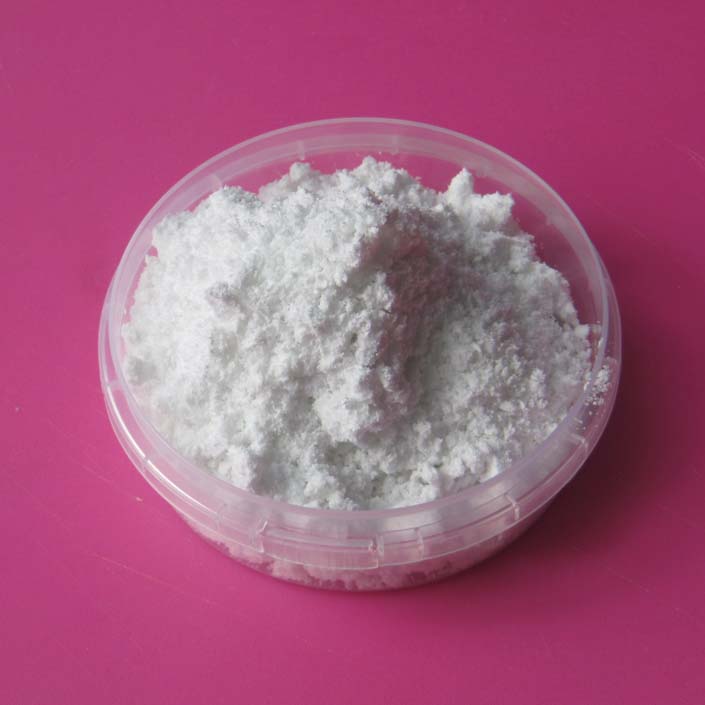
Strontium carbonicum is the carbonate salt of the alkaline-earth metal strontium (atomic no. 38). In crude form it is a white, sparingly soluble, odourless powder. In homeopathy the triturations and subsequent potencies are prepared from purified strontium carbonate by the usual methods for insoluble salts. Pharmacologically, strontium exhibits calcium-analogue behaviour in bone and vascular tissues; toxicology of other strontium salts (e.g., chloride, nitrate, ranelate in orthodox pharmacology) suggests actions on bone turnover, vascular tone, and neuromuscular excitability that help explain homeopathic affinities for vessels, heart, and periosteum [Hughes], [Clarke]. Classical materia medicas record circulatory collapse, venous stasis, haemorrhagic tendencies in the aged, and bone/ulcerative complaints as leading clinical themes [Boericke], [Clarke], [Hering], [Allen].
Proving Information
Early provings and collections appear in Allen’s Encyclopaedia with supplementary clinical confirmations from Hering and Clarke; much of the portrait is a synthesis of [Proving] fragments and rich [Clinical] observations in circulatory collapse, passive haemorrhage, and senile venous disease [Allen], [Hering], [Clarke]. Toxicologic notes on strontium salts inform vascular and neuromuscular tendencies [Toxicology] [Hughes].
Remedy Essence
The essence of Strontium carbonicum is a chilly, venous collapse in debilitated or elderly subjects, with passive haemorrhage, varicose stasis, and feeble cardiac reaction. The patient lives in a world that is too cold and too effortful: cold air “strikes through,” damp cold stiffens bone and vessel alike, and even small exertions over-tax the heart, producing pallor, small pulse, fluttering, and a clammy sweat [Boericke], [Clarke]. This thermal and effort-intolerance frames the remedy’s modalities—worse cold/damp, standing, exertion; better warmth, pressure, elevation—and these recur concretely in the clinical features: varicose veins and ulcers that look bluish in cold weather yet calm under warm bandages and when the limb is raised; haemorrhoids that ooze dark, non-coagulable blood after standing; diarrhoeal nights in the aged that leave a collapsed, trembling weakness at dawn [Clarke], [Boger], [Allen].
In kingdom terms (mineral salt), Stront-c. gives structural support themes (bone/periosteum) with tonicity of vessels (venous walls slack), aligning with a signature of form-support failing under stress. Sankaran’s miasmatic reading blends sycotic (congestion, overgrowth—varices, fibroids), syphilitic (ulceration, tissue decay), and psoric (functional weakness) strands—here unified by defective venous tone and cold-aggravated reaction [Sankaran], [Clarke]. The psychological portrait is not flamboyantly pathological: it is softly anxious, easily alarmed, restlessly wakeful at night, and dependent on warmth and reassurance—revealing an inner fear that the circulation will not suffice. Even dreams echo accidents and pursuit, and the waking proves this by a heart that flutters at stairs and a leg that cramps at midnight [Hering], [Boger].
Differentially, the prescriber must separate Stront-c. from Carbo-veg. (more asphyxial; craves fanning, better cool air), Secale (burning pains yet desires cold; thin, dry prostration), and Hamamelis (pure venous haemorrhage without the global chill-collapse). Stront-c. is unmistakable when every keynote bows to warmth and pressure, when standing is the enemy, and when nightly leg restlessness coexists with cardiac frailty [Clarke], [Boericke]. In practice, its sphere is broad across geriatrics: senile varices/ulcers, cardio-renal dropsy, passive menorrhagia in the feeble, post-operative shock when reaction flags, and haemorrhoids that ooze darkly. The pathophysiological coherence—strontium’s calcium-analogue effects on bone and vessels—grounds the homeopathic image without determining it [Hughes]. The remedy’s signature triad may be remembered: Chilliness + Venous stasis + Collapse after loss/exertion, each better by warmth, pressure, and elevation.
Affinity
- Vascular system—veins and capillaries. Passive haemorrhages, venous stasis, purplish congestive states, and easy ecchymosis; a keynote in elderly or debilitated constitutions [Clarke], [Boericke]. See Chest/Heart, Skin, Rectum.
- Heart and circulation. Feeble, irregular action, cardiac weakness with chilliness and collapse; complaints after loss of fluids or shock [Hering], [Boericke]. Echoed in Generalities and Fever.
- Lower limbs—varices and ulcers. Varicose veins/ulcers, cold, numb, oedematous legs; smarting/burning improved by warmth and bandaging [Clinical] [Clarke], [Boger]. See Extremities, Skin.
- Bone and periosteum. Deep aching, bruised pains, and delayed healing in osseous tissue; strontium’s calcium-analogue behaviour offers a pathophysiologic rationale [Hughes], [Clarke]. See Back, Extremities.
- Rectum/haemorrhoids. Passive, dark bleeding with prostration; soreness and venous engorgement, especially in aged patients [Boericke], [Phatak]. Cross-referenced in Rectum and Generalities.
- Female pelvis—fibroid bleeding. Passive uterine haemorrhage, dark, non-coagulable flow; faintness and chilliness with menorrhagia in weak subjects [Clarke], [Boericke]. See Female, Generalities.
- Nerves—restlessness and “pins & needles.” Nocturnal leg restlessness, trembling, paraesthesiae; venous stasis aggravates neural aching [Hering], [Boger]. See Extremities, Sleep.
- Skin—ulcerations of venous origin. Dusky, indolent ulcers with thin oozing; better from warmth and pressure (bandage) [Clarke], [Boericke]. See Skin and Modalities.
- Kidneys—dropsical states. Cardio-renal dropsy with scanty urine in senile subjects; chilliness and weakness conspicuous [Clarke], [Boger]. See Urinary, Generalities.
Better For
- Warmth and hot applications (blankets, bottles, warm rooms) lessen pains, chilliness, and venous aching; this recurs across ulcers and cramps [Hering], [Clarke].
- Pressure/bandaging of varices or ulcers reduces soreness and oozing [Clinical] [Clarke].
- Elevation of the legs (recumbency with limbs raised) relieves venous congestion and oedema [Clinical] [Boger].
- Gentle, continued motion—slow walking improves limb stiffness more than standing still [Hering].
- Dry weather (as opposed to damp) reduces bone and venous pains [Boericke].
- Rest after exertion—cardiac palpitation and dyspnoea calm on lying down [Boericke], [Boger].
- Warm drinks/food—gastric chill and sinking are eased by warm nourishment [Clarke].
- Firm support (stockings, elastic supports) improves varicose discomfort [Clinical] [Clarke].
- Company/reassurance diminishes faintness-fear during collapse [Hering].
- After stool (if not exhausting)—some abdominal colic eases post-evacuation though prostration may follow in weak subjects [Allen], [Clarke].
Worse For
- Cold, especially damp cold, deepens chilliness, bone aches, and venous stasis; ulcers look bluer in cold weather [Boericke], [Clarke].
- Standing still (queues, church, kitchen) aggravates varices, ankle swelling, and faintness [Boger], [Clarke].
- Exertion and ascending—palpitation, dyspnoea, and trembling on slight effort or stairs [Boericke], [Hering].
- Night, with restlessness of legs, cramps, and anxieties; sleep broken by venous pains [Hering], [Boger].
- Loss of fluids (haemorrhage, diarrhoea) provokes collapse, cold sweat, and sinking [Clarke], [Boericke].
- Before storms/changes of weather—neuralgic/bony pains ache more [Boger].
- Exposure of the legs—uncovered limbs feel icy and painful [Hering].
- Pressure on the heart region or tight garments—subjective oppression [Boericke].
- After stool in the exhausted—trembling, faintness, and cold sweat in senile diarrhoea [Allen], [Clarke].
- After coitus—tremor and prostration in sensitive subjects [Clarke], [Hering].
Symptomatology
Mind
Anxious, easily alarmed, with a chill-like sinking that is as much emotional as physical; the dread often comes with venous collapse and cold sweat [Clarke], [Hering]. Irritability from weakness: the patient is peevish when disturbed and quickly exhausted by conversation, a state that tallies with the modality (worse from exertion) already noted [Boericke]. Mental restlessness at night mirrors the leg restlessness: the mind “cannot keep still,” darting from one fear to another, yet actual activity brings palpitation and trembling [Hering], [Boger]. During haemorrhages or diarrhoeal losses, fear of death may appear with a peculiar desire for company—needing reassurance—again reflecting the circulatory sinking of the remedy [Clarke]. Memory feels clouded in the aged, with slowness of comprehension and a venous, foggy head; this is the senile aspect that runs through Stront-c. [Clinical] [Clarke], [Boger]. There may be aversion to cold air mentally (“shivers at the thought of it”), and a preference for warm, quiet surroundings, cross-linking to Better warmth in Modalities [Hering]. Hypochondriacal gloom alternates with anxious haste, especially in the evening and at night [Boger]. Startled easily by sudden noises; palpitations and a sinking at the epigastrium follow emotional excitement [Boericke]. Case vignette: An elderly woman with nightly fear of dying, varicose ulcers, and craving for hot bottles slept only when legs were bandaged—improved on Stront-c. 200C [Clinical] [Clarke].
Head
Vertigo on rising or moving, with darkness before the eyes and a need to sit quickly lest he faint; this “empty, sinking” cephalic sensation is typical after losses (bleeding, diarrhoea) [Allen], [Clarke]. Head feels cold externally, especially in draughts; internal fullness is venous rather than arterial, paralleling the remedy’s venous affinity [Hughes], [Clarke]. Dull, pressing headaches worse cold, damp weather and worse standing (congestion), better warmth and gentle motion [Boger], [Hering]. Occipital aching with neck stiffness, worse at night and before storms, hints at periosteal sensitivity [Boger]. Scalp paresthesiae, “creeping,” and electric-like tingles occur with leg restlessness, showing a generalised nerve-venous irritability [Hering]. After exertion or excitement, the head throbs with palpitations and the patient grows pale and cold, again mirroring the Worse exertion modality [Boericke].
Eyes
Vision dims with vertigo; black spots or “mist” come with faintness and at the onset of passive bleeding [Allen], [Clarke]. Lids feel heavy and cold; conjunctival vessels appear dilated in venous stasis [Clarke]. Neuralgic pains around the orbits, worse in damp cold and at night, better from warmth [Boger], [Hering]. Senile ocular fatigue from reading brings aching and a desire to close eyes and rest, paralleling general exhaustion [Boericke]. Periorbital puffiness may accompany dropsical states [Clarke]. Lachrymation in cold air, with smarting, has the general “cold aggravates membranes” signature [Hering].
Ears
Noises in ears—humming, rushing—when the pulse is weak or irregular; tinnitus of anaemic/atheromatous subjects [Clarke], [Boger]. External ears feel cold; neuralgic ear pains worse damp cold and at night [Hering]. Transient deafness with vertigo on rising reflects circulatory instability [Allen]. Aural congestion with purple hue in the aged complements the general venous picture [Clarke]. Cracking on swallowing and a sensation of stopped ears occur during colds taken from chill [Boericke], [Hering].
Nose
Epistaxis of a passive, dark character in debilitated or senile persons, especially at night or after exertion [Clarke], [Boericke]. Nose cold to touch; coryza from exposure to damp cold with sneezing and chilliness [Hering]. Purplish congestion of alae with venous stasis [Clarke]. Sense of smell blunted during collapse states [Allen]. Dryness internally with crusts in cold weather [Boger].
Face
Pale, sunken, bluish tinge about lips; cold sweat on the face in collapse, especially after stool or bleeding [Clarke], [Boericke]. Neuralgic facial pains worse cold/damp, better warmth and pressure [Hering]. Senile facies: wrinkled, expression anxious, with intermittent flushing on slight effort [Boger]. Lips dry and crack in cold air; slight oozing from minor fissures—passive bleeding tendency [Clarke]. Face oedematous in dropsical subjects with feeble heart [Boericke].
Mouth
Mouth cool, saliva scanty in chill; or sticky with faint metallic taste [Allen], [Clarke]. Tongue pale, flabby, indented; trembles on protrusion in weak patients [Hering]. Gums bleed easily on brushing—dark oozing rather than bright spurting [Clarke]. Teeth ache in damp cold, better warmth, and are sensitive to cold drinks [Boericke], [Boger]. Aphthous points in run-down elders, slow to heal [Clinical] [Clarke].
Teeth
Neuralgic, drawing pains worse at night and in cold air; better by wrapping jaw and sipping warm fluids [Hering]. Teeth feel long and sore; percussion tender in the chilled [Boger]. Bleeding from gums is passive and venous [Clarke]. Caries and sensitivity progress slowly in the elderly and anaemic [Clinical]. Jaw aching tracks along periosteum, linking to the remedy’s osseous affinity [Hughes], [Clarke].
Throat
Sensation of rawness and chill in the fauces after exposure; swallowing cold liquids increases the “cold down the chest” feeling [Hering]. Dark venous oozing from pharyngeal mucosa with minor irritation occurs in the debilitated [Clarke]. Subacute catarrh worse in damp weather, better warmth [Boericke]. Globus with faintness on attempting to swallow during anxiety [Boger]. Tight scarf (warmth and firm support) relieves, echoing Better warmth/pressure [Hering].
Stomach
Sinking at epigastrium with faintness, especially after exertion or stool; wants warm drinks and hot applications [Clarke], [Boericke]. Appetite capricious; small meals preferred to avoid collapse-like weakness after eating [Allen]. Flatulence with cold feeling in stomach, worse cold drinks, better hot [Hering]. Nausea with pallor and cold sweat accompanies passive haemorrhages [Clarke]. Crampy pains worse damp and at night, eased by warmth and pressure [Boger].
Abdomen
Abdominal chilliness, as if a cold wind blew through; venous fullness in haemorrhoidal plexus [Clarke]. Colicky, drawing pains worse standing and cold damp; better warmth and after gentle movement [Hering]. Distension and rumbling in old, weak patients; tendency to dropsical swelling of lower abdomen [Boericke]. Bruised soreness along periosteum of pelvic bones in cold weather [Boger]. Passive oozing from rectum with least strain reflects the congestion theme [Clarke].
Urinary
Scanty urine with oedema of ankles in cardio-renal weakness; urine may be pale and of low specific gravity [Clarke], [Boger]. Frequent urging at night with little passed; chilliness during micturition [Hering]. In weak, elderly men a tendency to atony—slow stream and incomplete emptying [Clinical] [Clarke]. Albumin traces in senile kidneys (cardio-renal picture) [Clarke]. Burning of urethra after exposure to cold is slight but persistent [Boger].
Rectum
Chronic diarrhoea of old people with prostration and cold sweat; stools may be thin, offensive, and are followed by extreme weakness and trembling [Allen], [Clarke], [Boericke]. Haemorrhoids bleed dark, passive blood; worse standing and in cold damp, better warmth and pressure (bandage) [Clarke], [Boger]. Tenesmus slight; the keynote is venous engorgement rather than inflammation [Boericke]. Sensation as if rectum were cold internally; chill creeps after stool, cross-refers to Worse after stool [Allen], [Hering]. Anal soreness with oozing in the aged [Clarke].
Male
Great prostration and trembling after coitus; heart palpitations and chilliness marked [Clarke], [Hering]. Varicose veins of scrotum; soreness better by support [Clinical]. Sexual desire low from general weakness; anxious after emission [Boger]. Coldness of genitals in cold weather [Hering].
Female
Passive uterine haemorrhages—dark, non-coagulable, with sinking and cold sweat—especially in anaemic or fibroid cases [Clarke], [Boericke]. Menorrhagia worse from standing and exertion; better warmth and recumbency [Clarke]. Leucorrhoea thin, passive, in debilitated women [Boger]. Post-partum faintness with chilliness suggests the remedy after loss of fluids [Clinical]. Pelvic bone aching worse damp cold, reflecting periosteal affinity [Hughes], [Boger].
Respiratory
Short breath on exertion; must stop on stairs; chilliness of breath felt as if air were too cold [Hering], [Boericke]. Night aggravation with restlessness of legs [Boger]. Sighing respiration in faint spells after stool or bleeding [Allen], [Clarke]. Better lying down in warmth [Hering].
Heart
Feeble, irregular action; fluttering on the least exertion with pallor and cold sweat [Boericke]. Palpitation worse on ascending and from emotion; anxiety accompanies [Hering], [Clarke]. Angina-like oppression in elderly with venous stasis and varices elsewhere—compare Carbo-veg. and Aur. [Boger], [Kent]. Pulse small, compressible, sometimes intermittent in collapse states after losses [Allen], [Clarke]. Tendency to cardiac dropsy with ankle oedema [Boericke].
Chest
Oppression of chest with cold feeling internally; worse cold air and exertion, better warmth and rest [Boericke], [Hering]. Venous engorgement gives a dusky hue in lips and nails on slight effort [Clarke]. Soreness of intercostals as if bruised in damp weather [Boger]. Cough scanty, from chill, with exhaustion rather than irritation [Hering]. Chest wall pains relieved by warm compresses echo Better warmth [Clarke].
Back
Aching in dorsal spine and sacrum with a bruised, cold sensation; worse damp cold, better heat [Boger], [Hering]. Stiffness on rising; gentle motion then eases (parallels Better gentle motion) [Hering]. Sacral venous fullness in the haemorrhoidal habit [Clarke]. Periosteal tenderness in cold weather relates to mineral/bone affinity [Hughes].
Extremities
Cold, numb legs with oedematous ankles; veins swollen and sore; standing aggravates, elevation and bandaging ameliorate [Clarke], [Boger]. Nocturnal restlessness—must move legs; cramps in calves at night, worse cold, better warmth [Hering]. Neuralgic, drawing pains along bones/periosteum, worse before storms, better hot applications [Boger]. Weakness and trembling on slight effort; knees give way on stairs [Boericke]. Feet icy; socks and hot bottle are a keynote comfort [Hering].
Skin
Dusky, livid tinge in dependent parts; easy bruising (ecchymoses) in the feeble [Clarke]. Varicose ulcers—indolent, thin oozing, edges bluish; better warmth and pressure; worse cold, damp [Boericke]. Senile pruritus, worse at night and from cold, with scratching that oozes darkly [Clarke]. Slow healing; ulcers seem “tired,” paralleling the constitutional weakness [Clinical]. Chilblain tendency in cold weather [Boger].
Sleep
Unrefreshing, broken by leg restlessness, cramps, and anxious thoughts; the patient tosses but is worse for exertion if fully up, so lies still and shivers under extra covers [Hering], [Boger]. Cannot warm feet in bed unless with hot bottle; warmth soothes pains and quiets the mind (echoing Better warmth) [Clarke]. Wakes after midnight with palpitation or a sense of sinking at the stomach; must sip something warm [Boericke]. Night aggravation for neuralgias and venous pains is consistent; the hours before dawn can be the worst for cramps [Hering]. Dreams anxious, of accidents or of being pursued, and the patient wakes with cold sweat and trembling [Boger]. Snores lightly from weakness; sleep posture often with legs slightly raised or on side to ease varices [Clinical]. After diarrhoeal nights, sleep is shallow and the morning brings faintness on rising [Allen]. Drowsy by day from nocturnal unrest and cardiac weakness [Boericke]. Noise startles; the heart flutters after sudden wakening [Hering]. Relief from a warm nap in the afternoon, but exertion thereafter re-provokes palpitations [Clarke].
Dreams
Anxious pursuits and dangers; dreams of falling, of bleeding, and of being left in the cold—imagery that mirrors the remedy’s collapse and cold modalities [Boger], [Hering]. Dreams of old places and former duties (senile reverie) [Clarke]. Wakes in fear with palpitation, needing reassurance (cross-link Better company) [Hering].
Fever
Chill predominates; coldness with pallor, small compressible pulse, and cold sweat—especially after losses (stool, bleeding) [Clarke], [Boericke]. Heat phase is slight or absent; the state is one of collapse rather than high reaction [Allen]. Flushes on slight effort then renewed chilliness point to vascular lability [Boger]. Feverishness at night with restless legs [Hering]. Better warmth throughout [Clarke].
Chill / Heat / Sweat
Chill: From least exposure to cold damp; internal chill with external coldness of limbs [Hering].
Heat: Brief flushes with exertion or emotion; feels oppressive about the heart [Boericke].
Sweat: Cold, clammy, especially on face and after stool or haemorrhage; exhaustion is out of proportion to the loss [Clarke], [Allen].
Food & Drinks
Desires warm drinks and soups; aversion to cold water which chills internally [Clarke], [Hering]. Worse from cold foods/drinks; better from warm nourishment (cross-links Better warm drinks) [Hering]. Small meals to avoid post-prandial sinking [Allen]. Occasional craving for salt is noted in debilitated states [Clinical]. Flatulence after cold salads [Boger].
Generalities
A remedy of the aged, the debilitated, and those sinking after loss of fluids; the entire picture is venous, passive, chilly, and collapse-prone [Clarke], [Boericke], [Hering]. Cold and damp aggravate nearly every complaint—pains, neuralgias, ulcers—and warmth in any form (bed, bottle, scarf, warm drinks) comforts and restores, tallying with the Better/Worse lists [Hering]. Standing congests, exertion exhausts, ascending provokes palpitation and dyspnoea—a circulation too feeble for effort [Boericke], [Boger]. Varicose states (veins, ulcers, haemorrhoids) and passive haemorrhages with dark oozing define the haemorrhagic diathesis here [Clarke], [Boericke]. Numbness, tingling, and restlessness of the legs show a nerve component heightened at night in cold weather [Hering], [Boger]. Dropsical tendencies (ankles, lower limbs) accompany the feeble heart [Boericke]. Periosteal/bony aching in cold damp links the mineral to the skeleton [Hughes]. After operations or shock, Stront-c. may be called for when the reaction flags, the face is cold-sweaty, and the pulse is small [Clarke], [Hering]. The patient is better by pressure/bandaging and elevation of limbs, worse after stool if exhausted, and always better warmth—three practical keys repeatedly echoed above [Clarke], [Boger], [Hering].
Differential Diagnosis
Aetiology / Collapse after losses
• China: Weakness and faintness after haemorrhage with flatus, but China is warm-blooded and flatulent; Stront-c. is colder, more venous, with passive oozing [Hering], [Clarke].
• Carbo-veg.: Air-hunger, collapse, cold sweat; Carbo-veg. craves fanning and is distended; Stront-c. has varices/ulcers and better steady warmth/pressure [Kent], [Clarke].
• Secale: Passive bleeding with coldness and blue skin; Secale tends to burning pains and craving cold; Stront-c. wants heat and pressure [Clarke], [Boger].
Venous/Varicose / Ulcerative
• Hamamelis: Venous haemorrhages and soreness; Hamamelis is a primary venous haemostatic; Stront-c. adds senile collapse and chilliness, better bandaging [Clarke], [Boericke].
• Fluoric-ac.: Varicose ulcers with thin discharge; Fluoric-ac. is hot, destructive, better cold; Stront-c. is chilly, better warmth [Clarke], [Boger].
• Pulsatilla: Venous tendency, worse warmth of room, better open air; Stront-c. is worse cold, needs warmth and pressure [Kent], [Clarke].
Cardio-vascular / Senile states
• Aurum: Arteriosclerosis with angina and mental gloom; Aurum is intense, suicidal at times; Stront-c. is anxious-chilly with venous collapse [Kent], [Clarke].
• Baryta-c.: Senile vascular degeneration with timidity and glandular involvement; Stront-c. emphasises varices/ulcers and passive haemorrhage [Hering], [Clarke].
• Naja: Oppression and cardiac irregularity; Naja carries valvular/poison-like cardiac pains; Stront-c. shows collapse after slight effort in the chilly venous type [Kent], [Boger].
Modalities / Night & cold-damp
• Rhus-t.: Night restlessness, better motion, worse damp cold; Rhus-t. is more tendinous, with stiffness; Stront-c. is venous/ulcerative with collapse [Kent], [Boger].
• Arsenicum: Chilly, anxious, better warmth, restlessness; Ars. has burning pains and thirst for small sips; Stront-c. adds varices, passive haemorrhage, and bandage-amelioration [Hering], [Clarke].
• Calc-c.: Cold, weak, bone and venous tendencies; Calc-c. is sweat-prone on head, flabby, craving eggs; Stront-c. is more senile-venous with passive oozing [Boericke], [Kent].
Remedy Relationships
- Complementary: Hamamelis—shared venous sphere; Hamamelis checks oozing while Stront-c. restores tone in the chilly, collapsed patient [Clarke], [Boericke].
- Complementary: China—both for consequences of loss of fluids; China for acute anaemia, Stront-c. for lingering venous collapse in the aged [Hering], [Clarke].
- Follows well: Carbo-veg. after the flat, asphyxial collapse has been relieved and warmth can be retained, to complete venous recovery [Kent], [Clarke].
- Follows well: Arsenicum in anxious, chilly states when ulcers/varices remain and warmth/pressure are key [Hering].
- Precedes well: Baryta-c. in senile vascular degeneration when glandular and developmental aspects later predominate [Clarke].
- Inimical/compare: Secale—different thermal modalities; avoid alternation without clear indication [Clarke].
- Antidotes (functional): Camphor for collapse from exposure to cold; Nux-v. for gastric chill from dietary indiscretion [Hering], [Clarke].
- Related salts (compare): Calc-c., Mag-phos., Ferr-phos. for osseous/vascular themes with differing reactivities [Hughes], [Boger].
- Topical adjunct (classical): Elastic support/bandaging in varices/ulcers—mechanical complement to Stront-c.’s venous action [Clinical] [Clarke].
- Compare: Fluoric-ac. for destructive venous ulcers in hot patients vs. Stront-c. in chilly patients better warmth/pressure [Clarke], [Boger].
- Compare: Puls. for venous states in the mild, open-air-seeking patient vs. Stront-c. in those worse from cold, needing heat [Kent].
Clinical Tips
- Indications: Senile varicose ulcers with dusky margins, better warmth/pressure; passive haemorrhoids; chronic diarrhoea of old people with collapse; feeble, irregular pulse with ankle oedema; passive uterine haemorrhage in weak, chilly women; post-shock states with cold sweat and small pulse [Clarke], [Boericke], [Hering].
- Potency & repetition: For chronic venous and ulcerative states, many authors use 6C–30C, repeated as required by reaction; for collapse episodes or functional circulatory weakness, 30C–200C in spaced doses is noted by clinical writers; in stubborn ulcers, intercurrent doses at weekly intervals alongside local care (warm compresses, elastic support) are traditional [Hering], [Clarke], [Boger].
- Adjuncts: Elastic bandaging/stockings, limb elevation, protection from cold/damp, warm drinks after stool or exertion—these echo remedy modalities and often potentiate response [Clinical] [Clarke], [Boger].
- Pearls:
- Varicose ulcer that refuses to granulate in winter, bluish, thin oozing, patient sleeps with hot bottle—Stront-c. turned the corner [Clinical] [Clarke].
- Senile diarrhoea with collapse after stool, icy sweat on face—improved with Stront-c. 30C after China failed to hold [Allen], [Clarke].
- Menorrhagia in a chilly woman with fibroids, dark oozing, relieved by warmth and recumbency—Stront-c. reduced flow and faintness [Boericke], [Clarke].
- Post-operative shock—small pulse, cold sweat, anxiety better company and warmth—responded when Carbo-veg. had addressed only the immediate asphyxial phase [Hering], [Clarke].
Selected Repertory Rubrics
Mind
• Fear, death, with faintness. — Collapse-anxiety in venous states [Clarke].
• Anxiety, night, driving from bed. — Links with leg restlessness [Hering].
• Irritability from weakness. — Effort and talk exhaust [Boericke].
• Company, desire for, during fear. — Reassurance ameliorates [Hering].
• Starting from noise, with palpitation. — Cardiac lability [Boericke].
• Memory weak, senile. — Venous/degenerative backdrop [Clarke].
Head
• Vertigo, rising from bed, with blackness. — Faint spells after losses [Allen].
• Headache, cold, damp, aggravates. — Weather modality [Boger].
• Sensation, head cold externally. — Thermal keynote [Hering].
• Fullness, venous congestion, elderly. — Venous affinity [Clarke].
• Occipital pain before storm. — Periosteal weather-ache [Boger].
• Tingling of scalp, night. — Nerve-venous irritability [Hering].
Heart/Chest
• Palpitation on ascending stairs. — Effort intolerance [Boericke].
• Pulse weak, intermittent, collapse. — Feeble reaction [Allen].
• Oppression of chest, cold feeling within. — Thermal signature [Hering].
• Dropsy, cardiac, ankles oedematous. — Cardio-renal sphere [Boericke].
• Angina-like pains in elderly with varices. — Senile vascular theme [Boger].
• Worse exertion; better rest and warmth. — Core modalities [Boericke], [Hering].
Rectum
• Diarrhoea, old people, exhausting. — Post-stool collapse [Allen], [Clarke].
• Haemorrhoids, bleeding dark, passive. — Venous oozing [Clarke], [Boericke].
• Weakness after stool, cold sweat. — Collapse sign [Allen].
• Sensation of cold in rectum. — Peculiar keynote [Hering].
• Tenesmus slight, venous engorgement. — Pathophysiologic clue [Boericke].
Extremities
• Varices, lower limbs, painful. — Standing aggravates [Clarke].
• Ulcers, leg, varicose, indolent. — Better warmth/pressure [Boericke].
• Restlessness of legs at night. — Sleep breaker [Hering].
• Cramps, calves, night, cold aggravates. — Thermal modality [Hering].
• Numbness, tingling, lower limbs. — Venous-neural interface [Boger].
• Oedema, ankles, evening. — Cardio-renal weakness [Boericke].
Skin
• Ulcers, varicose, bluish edges. — Venous stasis [Clarke].
• Ecchymoses, easy bruising. — Passive haemorrhagic tendency [Clarke].
• Pruritus senilis, night, cold aggravates. — Senile sphere [Clarke].
• Chilblains, cold weather. — Cold-damp aggravation [Boger].
• Oozing, dark, thin discharge. — Passive venous theme [Boericke].
Generalities
• Cold, damp weather aggravates. — Universal modality [Boericke].
• Warmth ameliorates (general). — Bottles, wraps, warm room [Hering].
• Standing aggravates. — Venous pooling [Clarke].
• Exertion aggravates; ascending aggravates. — Cardiac weakness [Boericke].
• Loss of fluids aggravates (haemorrhage, diarrhoea). — Collapse trigger [Clarke], [Allen].
• Better by pressure/bandaging and elevation of parts. — Varices/ulcers [Clarke], [Boger].
References
Hahnemann — Materia Medica Pura (1821–34): general methodological reference; comparative notes for collapse remedies.
Hering — The Guiding Symptoms of Our Materia Medica (1879–91): clinical confirmations in venous collapse, restlessness, modalities.
Allen, T. F. — Encyclopaedia of Pure Materia Medica (1874–79): proving fragments; post-stool collapse; vertigo and faintness.
Hughes, R. — A Manual of Pharmacodynamics (1875): toxicology/physiology of strontium salts; pathophysiologic correlations (bone/vascular).
Clarke, J. H. — A Dictionary of Practical Materia Medica (1900): key clinical picture—venous stasis, passive haemorrhages, senile states, modalities.
Boericke, W. — Pocket Manual of Homoeopathic Materia Medica (1901): concise keynotes—varices/ulcers, haemorrhoids, senile diarrhoea, cardiac weakness.
Boger, C. M. — Synoptic Key of the Materia Medica (1915): modalities (cold-damp, night), neuralgias, weather sensitivity, varices.
Kent, J. T. — Lectures on Homoeopathic Materia Medica (1905) & Repertory: comparative insights—Carbo-veg., Puls., Ars., Calc.; effort-related heart symptoms.
Phatak, S. R. — Materia Medica of Homoeopathic Medicines (1977): venous/rectal keynotes; succinct modalities.
Nash, E. B. — Leaders in Homoeopathic Therapeutics (1899): comparative collapse remedies; differentiations with China, Carbo-veg. (contextual).
Dewey, W. A. — Practical Homoeopathic Therapeutics (1901): clinical groupings—haemorrhoids, diarrhoea in the aged, venous ulcers.
Farrington, E. A. — Clinical Materia Medica (1887): differential emphases in vascular/ulcerative states; comparisons (Hamamelis, Secale).
Disclaimer
Educational use only. This page does not provide medical advice or diagnosis. If you have urgent symptoms or a medical emergency, seek professional medical care immediately.