

Rubia tinctorum
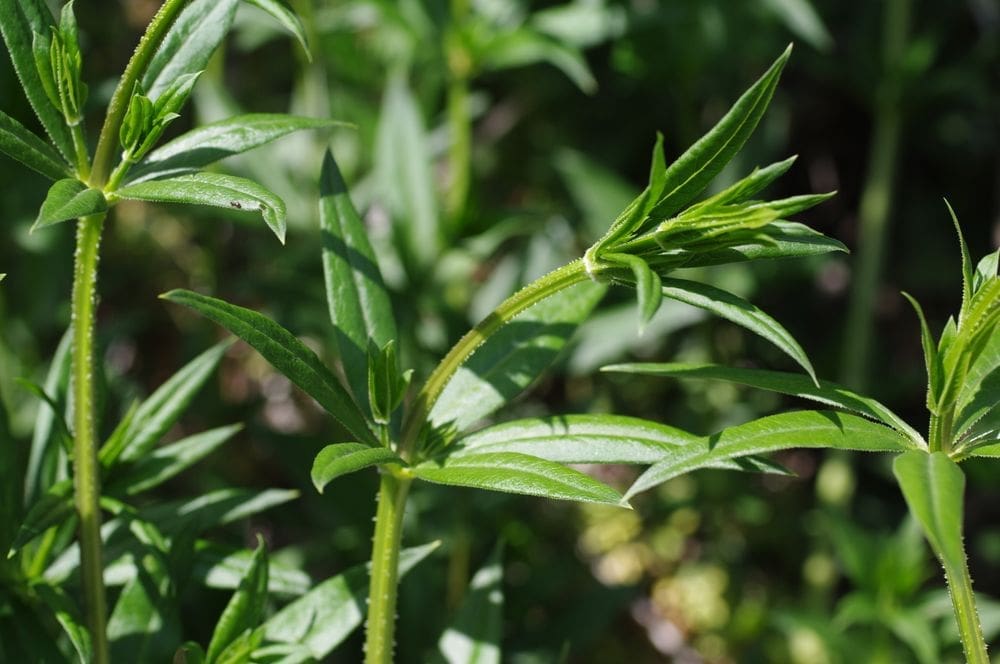
Substance Background
Rubia tinctorum is a perennial of the Rubiaceae whose roots contain anthraquinone dyes—alizarin, purpurin and congeners—long used for red and madder-lake pigments. Toxicological feeding experiments in animals famously produced red staining of the growing bones and teeth, alterations in epiphyseal growth, and a tendency to reddish urine—an observation that led the old physiologists to track bone deposition with madder. Homoeopathically, the remedy’s sphere follows these signatures: osseous metabolism (periosteum, callus, rachitic states), the uterus and ovaries (emmenagogue tendency; menorrhagia/amenorrhoea), urinary tract (haematuria, gravel, red urine), and a secondary relationship to spleen and portal circulation in anaemic, chlorotic constitutions. Mother tincture is prepared from the dried root; triturations and potencies were introduced early and symptoms collated chiefly from provings, toxicology, and clinical confirmations. [Hughes], [Allen], [Clarke], [Hering]
Proving Information
Rubia lacks a large Hahnemannian proving; its portrait comes from smaller provings, toxicological observations (animal/accidental), and [Clinical] use, notably in amenorrhoea/menorrhagia, rachitic bone states, delayed or faulty callus, splenic fulness, haematuria, and characteristic reddish discolourations (urine, sweat) unaccounted for by diet. Where suitable, tags indicate [Proving] or [Toxicology]. [Allen], [Hering], [Clarke], [Hughes]
Remedy Essence
Rubia’s essence is the quiet anaemic with a triadic signature: (1) pelvic (uterine) irregularity—too early/too free or suppressed; (2) urinary redness or haematuria with vesical urging; (3) bone–periosteal soreness with slow or tender callus—all set against splenic drag and sallow pallor. The kingdom signature of Madder—its power to stain growing bone—maps to a constitutional influence on ossific metabolism, explaining its usefulness in adolescents (chlorosis with bone aches), convalescents (fracture with faulty callus), and the rachitic or fragile. The miasmatic colouring is sycotic–psoric: retention and congestion (spleen, portal, pelvis) alternating with passive discharge (uterine bleeding, urinary red), yielding relief when flow is established—“better when it runs.”
Psychologically the patient is subdued, effort-shy, anxious about weakness, not demonstrative; she anticipates the period with heaviness and feels relief when it comes. The clock is before menses (worse), during free flow (better), and the weather is damp cold (bone and spleen worse). The modalities are practical: better warmth, pressure/binder, slow motion, warm drinks, worse jar, damp, cold drinks, exertion, and tight waistbands. Rubia is neither the dramatic bleeder of Sabina nor the throbbing, flushing Ferrum; it is the pale worker behind them—binding uterus, urine, and bone into a coherent, gently curative path, often in sequence with blood-builders and pelvic tonics. When the case speaks in colours (sallow skin, red urine, dark menses), in weights (spleen and sacrum), and in surfaces (periosteum tender), Rubia’s soft red thread can be followed to recovery. [Clarke], [Hughes], [Allen], [Hering]
Affinity
- Bones & periosteum. Influences ossific metabolism; promotes or regulates callus; old rickets and fragile bone states; tendency to epiphyseal tenderness and “growing pains.” See Back/Extremities/Generalities. [Hughes], [Clarke], [Allen]
- Uterus & ovaries. Emmenagogue action; menses too early and too profuse or suppressed with pelvic weight; uterine fibroid bleeding. See Female. [Clarke], [Hering]
- Urinary tract. Red urine, haematuria, uric gravel; vesical irritation with frequent urging; burning neck of bladder. See Urinary. [Allen], [Clarke]
- Spleen & portal system. Splenic fulness and dragging in anaemic/chlorotic patients; portal congestion with haemorrhoids. See Abdomen/Rectum. [Clarke], [Hughes]
- Liver–biliary tint. Secondary catarrhal jaundice; muddy, sallow skin; itching with anaemia. See Skin/Abdomen. [Hughes], [Clarke]
- Teeth & dentition. Red streaking or banding in new enamel in sensitive subjects; dentinal hypersensitivity; delayed dentition with anaemia. See Teeth. [Allen], [Clarke]
- Circulation. Passive haemorrhages (uterine, urinary, nasal) in pale, weary types; chilliness with easy flushing. See Fever/Generalities. [Clarke]
Better For
- Gentle warmth to pelvis or aching limbs; warm wraps. [Clarke]
- Steady pressure over spleen or sacrum; abdominal binder during menses. [Hering]
- Slow motion after first stiffness; short, easy walking. [Allen]
- Evacuation—free menses or urine; discharge relieves pelvic and splenic weight. [Clarke]
- After food (light, warm)—faintness and pelvic sinking lessen. [Hughes]
- Resting recumbent with knees slightly flexed; cushions under popliteal space. [Hering]
- Warm drinks (broths, milk) in anaemic headaches. [Clarke]
- Open, dry air rather than damp rooms. [Allen]
Worse For
- Exertion, especially ascending or carrying; bone pains and pelvic weight return. [Allen]
- Damp cold and fog; rheumatic–periosteal aches; spleen tugs. [Clarke]
- Before menses—pelvic heaviness, lumbar drag, irritability. [Hering]
- Suppressed menses/lochia—urinary or splenic symptoms rise. [Clarke]
- Jar and stepping; riding in a cart; bone tenderness. [Allen]
- Stooping or tight waistbands (portal and uterine congestion). [Hughes]
- Cold drinks (vesical irritation; chill followed by urging). [Clarke]
- Night for bone aches; forenoon for languor and pallor. [Hering]
Symptomatology
Mind
A pale, effort-averse state, with lassitude of will and a quiet, anxious preoccupation about health—especially about the blood (“I am blood-less”) and the menses. Memory dull for names; application to study wearies the head and eyes; irritable when questioned but too languid to dispute. In adolescent girls: shyness, tearfulness before the period; relief when the flow begins. Mothers after haemorrhage become faint, low-spirited, dread climbing stairs, yet improve with warm drinks and rest—mirroring the anaemic–portal sphere. Compare Ferr. (red face that pales on rising; hot flushes), China (weakness after loss of fluids, flatulence, sound-sensitivity), and Calc-phos. (school weariness with bone pains). Rubia’s mental picture is quieter, more spleen–pelvis weighted, and governed by colour changes in urine/bleeding. [Clarke], [Hering], [Allen], [Hughes]
Head
Anaemic headaches—dull, band-like constriction across forehead with sallow face and cold hands; worse stooping and exertion; better warm broth and lying still. Vertex lightness with dim vision on rising (post-haemorrhagic). Occipital dragging before menses, easing as flow establishes. A peculiar note in some provers: a glow in malar regions with palest lips. Compare Ferr. (hammering, red flush then pallor) and Sep. (nauseous head before menses with pelvic heaviness). [Clarke], [Allen], [Hering]
Eyes
Circles blue-green under eyes in chlorotic youths; conjunctivae pale, sometimes slightly icteric. Lachrymation in wind; tendency to photophobia on fatigue. Eyeballs ache with reading; lids heavy before menses. No specific deeper ocular pathology belongs to Rubia’s core, yet the colour tale (pale sclerae/yellowish tint) often accompanies the case. [Clarke], [Allen]
Ears
Faint buzzing or seashell sound with pallor; transient deafness on rising; cold ears with warm cheeks during menorrhagia. Earache in damp weather with splenic fulness—> warmth. [Allen], [Clarke]
Nose
Epistaxis in anaemic girls at the time a period should appear (vicarious menses), thin bright blood, better after a short bleed. Coryza in damp fog with sneezing and chilliness. Smell blunted in sallow states. Compare Ferr. (epistaxis in anaemia) and Puls. (vicarious bleed with mildness). [Clarke], [Hering]
Face
Sallow, earthy with greenish tinge in some lights; lips colourless or faintly bluish. Cheeks flush with the least effort, then blanch. Expression subdued, somewhat anxious. In long-standing cases, a muddy pallor like Nat-s. but with stronger pelvic–urinary story. [Clarke], [Hughes]
Mouth
Taste flat or slightly bitter on waking; tongue pale, indented, thinly coated toward base. Aphthous points in run-down states. The mouth and tongue feel cool; thirst is mild but prefers warm drinks. [Allen], [Clarke]
Teeth
Sensitive necks of teeth; “cold air twinges to the roots.” In children with bone issues, delayed dentition and poor enamel; old notes of reddish streaking in new enamel (from [Toxicology]) appear in sensitive subjects—more confirmatory than prescriptive. Gnashing during fever rare but noted. Compare Calc-phos. (delayed dentition with open fontanelle) and Fluor-ac. (crumbling enamel). [Allen], [Clarke], [Hughes]
Throat
Relaxed fauces with pale tonsils; easy hawking of small, tasteless mucus in the forenoon. Throat feels empty and sinking when menses delayed; warm sips relieve. [Clarke], [Hering]
Stomach
Poor appetite with desire for warm simple food; aversion to fat and cold liquids. Sinking at epigastrium before menses; faintness on standing, better lying and after warm broth. Nausea slight, more a qualm than retching. Flatulence upper abdomen in chlorotics. Compare China (marked flatulent distension after loss), Ferr. (eructations with throbbing). [Clarke], [Allen]
Abdomen
Splenic region full and dragging, tender on jar; left hypochondrium feels weighty, worse damp and before menses; better pressure (binder) and warmth. Portal congestion with sense of waistband tightness; abdomen otherwise soft, non-inflamed. Stitching here and there in the iliac fossae with walking. In some, dull right hypochondrial ache (secondary biliary catarrh) accompanying sallow skin. [Clarke], [Hughes], [Allen]
Urinary
Key sphere. Urine red-tinged, sometimes brick-dust sediment; pinkish/“madder-red” tinge may appear transiently (even without dietary pigment) in sensitive constitutions. Haematuria—bright blood at close of micturition with vesical tenesmus; burning at neck of bladder; frequent urging, worse cold drinks and jar. Gravel with dull loins and relief after passing sand. Compare Sars. (end-stream tearing), Canth. (intense burning and tenesmus), Ferr-phos. (painless haematuria in anaemia). Rubia stands by its colour change and coexisting uterine/splenic weight. [Allen], [Clarke], [Hering]
Rectum
Haemorrhoids soft, bleed easily during pelvic congestion; stool normal or slightly constipated in the anaemic. Tenesmus rare. After a little bleeding the head feels easier—passive haemorrhage relieving. Compare Aes. (purple, dry piles without bleeding) and Aloe (fullness, mucus). [Clarke], [Boger]
Male
Dull spermatic cord ache in damp weather; sexual desire low in chlorotic states; emissions rare. Haematuria after exertion in youths; tenderness of pubic bones after over-walking. [Allen], [Clarke]
Female
Central field. Emmenagogue action: menses too early and too profuse, dark, sometimes clotted, with lumbosacral dragging, splenic weight, and bone aches; or amenorrhoea with vicarious epistaxis and urinary redness. Dysmenorrhoea—aching, bearing-down, better warm applications and when the flow becomes free. Bleeding from uterine fibroids or after suppression (cold bath, shock). Leucorrhoea pale, scanty in anaemia. After childbirth, slow uterine involution with persistent lochia and sacral dragging; Rubia steadies the uterine tone when the picture is pale, splenic, and bone-sore. Compare Sabina (bright blood with pain to sacrum, more active haemorrhage), Trill. (oozing with faintness), Ferr. (flush-and-pallor type). [Clarke], [Hering], [Allen]
Respiratory
Short on exertion; must stop at the stair landing; breathes easier in dry open air than damp indoors. Occasional cold sensation in trachea with inspiration. [Allen], [Clarke]
Heart
Chest
Oppression on ascending; sighing and desire for deeper breath in chlorosis. Submammary stitches left or right, fleeting. In girls with early, profuse periods, a sense of weight on chest the day before. Cough dry in damp air; no deep pulmonic pathology is characteristic; chest illustrates the anaemic fatigue. [Clarke], [Allen]
Back
Lumbosacral dragging as if the pelvis would fall; > pressure and warm wraps; < before menses. Between shoulders a weighty fatigue after writing or sewing; spine tender to jar. With urinary gravel, dull renal ache; with bone affinity, a sense that periosteum is sore on long standing. [Clarke], [Allen], [Hughes]
Extremities
Bone and periosteal aches—tibiae, radius–ulna margins, and along epiphyses in growing youths; < damp cold, < jar, > warmth and slow motion. Calf cramps at night in chlorosis. In fracture convalescence where callus is tardy or exuberant and tender, Rubia has aided healthy remodelling (clinical). Compare Calc-phos. (developmental bone needs), Symphytum (bone trauma knitting), Ruta (periosteum after strain). [Hughes], [Clarke], [Allen], [Hering]
Skin
Pale, muddy or sallow with itching in warmth (bile–blood). Chilblain tendency in damp cold. Bruises leave yellow-red stains long; small ecchymoses appear easily in anaemic women. Sweat sometimes pinkish on linen in sensitive subjects (confirmatory). [Clarke], [Hughes], [Allen]
Sleep
Unrefreshing; falls asleep early from fatigue; wakes too soon with empty, sinking feeling at epigastrium. Dreams of exertion and climbing stairs; wakes with limb heaviness and reluctance to rise. Naps brief and helpful; long morning sleep makes the head heavier. Bone aches disturb toward night, eased by warmth. [Hering], [Clarke]
Dreams
Of blood and red colours; of losing one’s way in a fog (damp aggravation’s symbol); of hospitals and bandages (fracture/callus motif). Dreams of menstruation starting, with relief on waking. [Allen], [Clarke]
Fever
Chilliness in damp air with gooseflesh; afternoon flushes without thirst; sweat slight, sometimes pinkish-stained; in intermittents, the splenic weight looms large and menses derange the cycle. Post-haemorrhagic low fevers with pallor and weakness respond when the Rubia triad (uterus–urine colour–bone aches) is present. [Clarke], [Hughes]
Chill / Heat / Sweat
Chill: from damp/fog; better warm room. Heat: flushes with palpitation, face red then pale. Sweat: slight, sometimes tinged, relieves head pressure; feet sweat in bed with cold toes. [Clarke], [Allen]
Food & Drinks
Desires warm drinks, soups, and simple fare; aversion to fat and cold liquids; little thirst. Craves salt at times in chlorosis. Worse from cold water taken hastily (urinary urging). [Clarke], [Allen]
Generalities
A pale, chlorotic constitution with splenic weight, uterine irregularity (too early/too free or checked), and urinary redness/haematuria, set upon a background of bone–periosteal aching and tardy or faulty callus. Worse damp cold, jar, before menses, exertion; better warmth, gentle pressure, slow motion, and after free discharges (menses/urine). The colour leitmotif—red tints in urine/sweat, sallow skin, pallid mucosae—threads the totality. Think Rubia when uterus–urine–bone speak together in a quiet, anaemic patient. [Clarke], [Hering], [Allen], [Hughes]
Differential Diagnosis
Uterine bleeding / Menstrual irregularity
- Sabina. Bright red blood with pain shooting to sacrum, hot patient; Rubia is paler, splenic, with urinary red tinge. [Clarke]
- Trillium. Profuse haemorrhage with sinking at epigastrium, giddiness on rising; less bone/periosteal story. [Hering]
- Ferrum. Menorrhagia of anaemia—face flushes then pales, throbbing; Rubia has quieter pulse and splenic drag. [Clarke]
Amenorrhoea / Vicarious bleeding
- Puls. Mild, tearful, chill-open air liking; less urinary colour change, fewer bone aches. [Clarke]
- Sepia. Bearing-down and pelvic laxity with indifference; Rubia more anaemic, bone-sore, and red urine prone. [Farrington]
Haematuria / Gravel
- Sarsaparilla. End-stream tearing; child screams; Rubia less violent, more pale–splenic. [Allen]
- Cannabis sativa. Acute urethritis with smarting; Rubia is chronic, quiet haematuria with menses link. [Clarke]
- Ferr-phos. Painless haematuria in anaemia; Rubia adds red sweat/tinge and splenic drag. [Hering]
Bone / Periosteum / Callus
- Calc-phos. Growth/development, open fontanelle; broader trophic range; Rubia more periosteal soreness with anaemia. [Hughes]
- Symphytum. Trauma knitting (fractures) with prickling in periosteum; Rubia for faulty or tender callus and rachitic background. [Clarke]
- Ruta. Strain of periosteum/tendons; more traumatic than constitutional. [Boger]
Spleen / Portal
- China. Post-haemorrhagic weakness, tympany, sound sensitivity; Rubia adds menses/urine red and bone story. [Clarke]
- Ceanothus. Marked left hypochondrial pain, worse lying on left; spleen keynote is stronger; Rubia’s spleen is dragging with uterine/urinary link. [Clarke]
Chlorosis (adolescents)
- Ferrum (and Ferr-phos.). Flushing, throbbing, vascular; Rubia is quieter, bone-sore, red urine. [Clarke]
- Nat-mur. Reserved, headaches, salt desire; lacks urinary redness and callus motif. [Kent]
Remedy Relationships
- Complementary: Ferr./Ferr-phos. (builds blood), Calc-phos. (growth and bone), China (after haemorrhage), Ceanothus (if spleen remains prominent). [Clarke], [Hughes]
- Follows well: Trill. or Sabina after controlling acute uterine haemorrhage when anaemia and bone soreness persist. [Hering], [Clarke]
- Precedes well: Sepia or Puls. for enduring pelvic tone once colour/flow regularise with Rub-t. [Farrington]
- Related (family/chemical): Cinchona group for post-loss weakness; Fluor-ac. for enamel/bone with venous stasis (different temperament). [Hughes], [Clarke]
- Caution: Distinguish dietary pigment (beetroot, colouring) from true Rubia-type red urine—prescribe by the whole. [Clarke]
Clinical Tips
- Amenorrhoea or delayed first menses in pale, splenic, bone-sore girls—Rubia has often started the flow gently; follow with Ferr. or Calc-phos. if indicated. [Clarke], [Hughes]
- Menorrhagia of fibroids where bleeding is passive and the patient is pale, spleen-dragging, urine tinged—Rubia steadies tone after acute arrest with Trill./Sabina. [Hering], [Clarke]
- Haematuria with vesical neck irritation in anaemic adults—quiet, bright end-stream blood with relief after passing sand; avoid cold drinks; Rubia has served well between Sars. attacks. [Allen], [Clarke]
- Fracture convalescence—when callus is tardy or tender and patient is sallow and weary, Rubia has helped remodelling; consider Symphytum for trauma edge and Calc-phos. for nutrition. [Hughes], [Clarke]
- Mini-pearls
-
- Vicarious epistaxis at menses time in a chlorotic girl with splenic drag → Rubia 200C regulated cycle in weeks. [Clarke]
- Pink-tinged urine, vesical urging, before-period back drag, bone tenderness to jar → Rubia cleared the urinary colour and improved pelvic tone. [Allen]
- Old rickets with tibial aches in damp spring, sallow skin → Rubia plus regimen and sun brought sturdier legs. [Hughes]
Selected Repertory Rubrics
Mind
- Anxiety about health with lassitude and pallor; dislikes exertion. (Rubia constitution). [Clarke]
- Irritability before menses, relieved when flow is free. [Hering]
- Concentration difficult in chlorosis; mental fatigue after slight effort. [Allen]
Head
- Headache anaemic, band-like; better warm drinks and rest. [Clarke]
- Vertex lightness on rising in the anaemic. [Allen]
- Headache before menses with splenic weight. [Clarke]
Nose
- Epistaxis as vicarious menses in anaemic girls. [Clarke]
- Coryza worse damp fog. [Allen]
Female
- Menses too early and too profuse, dark/clotted, with lumbosacral drag. [Clarke]
- Amenorrhoea with urinary redness or epistaxis. [Hering]
- Uterine haemorrhage (passive) in pale women; better warmth and pressure. [Clarke]
- Pelvic heaviness and sacral pain before menses. [Allen]
Urinary
- Urine red-tinged (pink/madder), not explained by diet. [Clarke]
- Haematuria, bright at end of micturition; vesical neck burning. [Allen]
- Gravel with relief after passing red sand. [Allen]
Bones/Extremities
- Periosteal pain, tibiae; worse damp and jar, better warmth. [Allen]
- Rachitic or fragile bone states; delayed dentition. [Hughes]
- Callus faulty or tender in fracture convalescence. [Clarke]
Abdomen/Spleen
- Splenic fulness and dragging, better pressure, worse damp. [Clarke]
- Waistband intolerable from portal congestion. [Hughes]
Rectum
- Haemorrhoids that bleed easily in pale subjects. [Clarke]
- Relief after slight bleeding (passive). [Boger]
Generalities
- Worse damp cold, jar, before menses, exertion; better warmth, gentle pressure, slow motion, after free discharges. [Clarke], [Allen]
- Anaemia/chlorosis with sallow skin and bone aches. [Hughes]
References
Hughes — A Manual of Pharmacodynamics/Pharmacography (1867–68): dye chemistry, toxicology, bone-staining; clinical inferences to bone and blood.
Allen, T. F. — Encyclopaedia of Pure Materia Medica (1874–79): scattered proving notes; urinary colour, haematuria, periosteal pains.
Clarke, J. H. — A Dictionary of Practical Materia Medica (1900): uterine/urinary sphere; splenic drag; chlorosis; relationships and modalities.
Hering, C. — The Guiding Symptoms of our Materia Medica (1879–91): clinical confirmations—menstrual regulation, passive bleedings, bone soreness.
Farrington, E. A. — Clinical Materia Medica (1887): comparisons for uterine haemorrhage (Sabina, Trillium) and pelvic states.
Kent, J. T. — Lectures on Homoeopathic Materia Medica (1905): miasmatic colour (sycotic–psoric) and constitutional traits in chlorosis.
Boericke, W. — Pocket Manual of Homoeopathic Materia Medica (1901): concise keynotes—emmenagogue, haematuria, splenic/osseous hints.
Boger, C. M. — Boenninghausen’s Characteristics & Repertory (1905) & Synoptic Key (1915): rubrics—passive bleedings, damp-agg., pressure-better.
Dunham, C. — Lectures on Materia Medica (1879): anaemia–pelvic–spleen relations; convalescence strategy.
Nash, E. B. — Leaders in Homoeopathic Therapeutics (1899): post-haemorrhagic states; sequencing with blood-builders.
Tyler, M. L. — Homoeopathic Drug Pictures (1932): chlorosis adolescents; bone/growth comparisons (Calc-phos., Ferr.).
Phatak, S. R. — Materia Medica of Homoeopathic Medicines (1977): distilled keynotes—uterine irregularity, haematuria, bone tenderness.
Disclaimer
Educational use only. This page does not provide medical advice or diagnosis. If you have urgent symptoms or a medical emergency, seek professional medical care immediately.