

Ptelea trifoliata
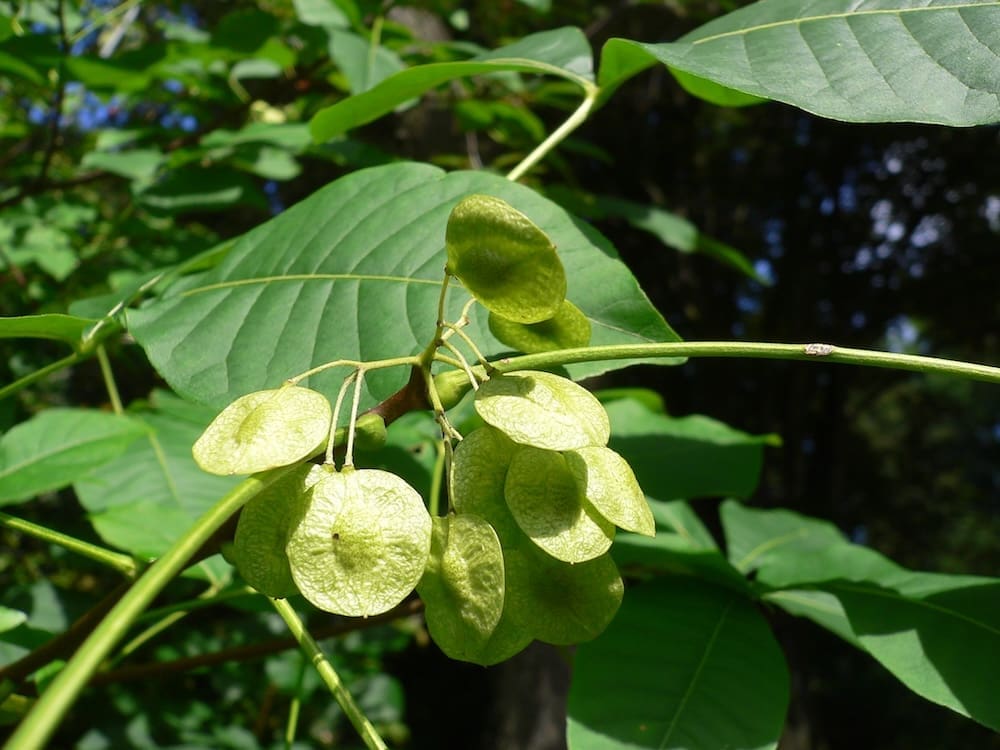
Substance Background
A small Rutaceae tree native to North America; the bitter, aromatic root-bark is tinctured fresh for homeopathy. Rutaceae bitters (coumarins, volatile oils, alkaloids) account for a stomachic–hepatic action: increased gastric secretion early, then catarrhal irritation of the stomach–duodenum with reflex congestion of the liver and right hypochondrium; dizziness and cardiac irritability may follow gastric embarrassment [Hughes], [Clarke]. Toxicologic notes from overdosing describe epigastric heat and fulness, bitter mouth, salivation, nausea, and palpitations, framing later keynotes of “stone-like” stomach and right hypochondrial pressure [Hughes], [Allen]. [Toxicology]
Proving Information
Proved chiefly by the American school (Hering’s circle; Hale, Burt), with symptoms compiled by Allen and clinical confirmations in Clarke and Boericke. The most verified themes: load/weight in epigastrium “as from a stone,” gastric catarrh running into duodenal/liver irritation, bitter mouth, pale or bilious stools, right hypochondrial soreness, and palpitation from gastric causes [Allen], [Hering], [Clarke], [Boericke]. [Proving] [Clinical]
Remedy Essence
Ptelea trifoliata is the bitter, torpid-bilious remedy whose centre of gravity is the epigastrium and right hypochondrium. The patient describes a stone lying at the pit of the stomach after even small meals; the epigastrium is hot, heavy, and tender, and the mouth tastes bitter. As the gastric weight mounts, the heart is drawn into the drama—palpitation and chest oppression arise purely from indigestion and subside with a few eructations. The liver sympathises: a sense of fullness and soreness under the right ribs, pale or bilious stools, and a sallow look. The modalities are practical and deciding: after eating, worst after rich/fatty/fried food or cold drinks; better from warm drinks, gentle walking, loose clothing, open air, right-side lying, and a free stool. The temperament is not the explosive irritability of Nux-v. but the dull, worried torpor of the bilious; the patient wants to sit still, rub the pit with warmth, and wait for the belch that lifts the weight. In clinic, Ptelea earns consideration in duodenal catarrh, postprandial palpitation, “sick-headaches” from rich food, and constipation with pale stools where other hepatic or gastric remedies only partially fit. Attend closely to the language—stone, weight, bitter, right side, after eating, better belching—and the case clarifies. [Clarke], [Hughes], [Allen], [Boericke]
Affinity
- Stomach and duodenum (gastric catarrh): “Stone in stomach,” burning and weight with distension after small meals; sour/bitter risings; epigastrium tender. See Stomach. [Allen], [Clarke]
- Liver and right hypochondrium: Tension, pressure, and soreness at the right lobe with bilious taste and altered stools; reflex to back. See Abdomen. [Hughes], [Boericke]
- Pylorus/duodenal ring: Gnawing, constricting pains radiating to back and right scapular region during digestion. See Abdomen, Back. [Clarke]
- Mouth and salivary glands: Bitter mouth, salivation or dryness alternating, coated tongue; appetite capricious. See Mouth. [Allen], [Clarke]
- Heart (gastric–cardiac reflex): Palpitation and oppression from dyspepsia, worse after meals, better as wind passes. See Heart, Generalities. [Hughes], [Boericke]
- Head (gastric): Frontal/temporal aches with bilious taste and nausea; “sick-headache” type. See Head. [Clarke], [Nash]
- Bowel habit: Tendency to constipation with pale, light or clay-coloured stools, alternates with bilious looseness. See Rectum, Food & Drink. [Boericke], [Allen]
Better For
- Eructations (even tasteless) ease weight and palpitation (see Stomach, Heart) [Allen], [Hughes].
- Warm drinks and warmth to epigastrium soothe gnawing pains [Clarke].
- Gentle walking after meals (instead of sitting) helps gastric oppression [Boericke].
- Lying on right side with knees slightly drawn relieves right hypochondrial pressure [Clinical].
- Small, bland meals and avoiding late suppers temper nocturnal palpitation and flatulence [Clarke].
- Loosening clothing around the waist during an attack [Boericke].
- Open air when the room is close and heated [Clarke].
- After a free stool when constipation has been present [Allen].
Worse For
- After eating, especially rich, fatty, fried things; pastry; late suppers (echoed in Food & Drink) [Clarke], [Boericke].
- Cold drinks with meals; ice-water on a warm stomach [Hughes].
- Sitting bent at a desk after dinner; tight belts (see Generalities) [Boericke].
- Night, particularly on first lying down after a full meal (palpitation; epigastric heat) [Allen].
- Right side pressure, jar, or stooping—stirs right hypochondrial soreness [Clarke].
- Mental worry and business strain—digestion flags, palpitation appears [Nash].
- Coffee and alcohol when stomach is irritable [Hughes].
- Damp, warm rooms—oppression and drowsy fulness aggravate [Clarke].
Symptomatology
Mind
The patient is dull, despondent, and easily worried when the stomach is oppressed, business cares seeming heavier as the epigastric weight increases [Clarke]. Irritability and impatience appear after meals, with a disinclination for exertion or conversation while the “stone” lies at the pit of the stomach; mental work flags until eructations relieve, echoing the better from eructations already noted [Allen]. Anxiety is bodily rather than existential, linked to palpitation that follows indigestion, and it subsides as the gastric symptoms ease [Hughes]. Compared with Nux-v., Ptelea is less explosive and more torpid-bilious; compared with Lycopodium, it lacks the marked evening flatulence and right-to-left pattern though the right hypochondrial focus may be common [Nash], [Clarke]. [Clinical]
Head
“Bilious” frontal or temporal headache accompanies the bitter taste and gastric oppression, often with vertigo on rising after a heavy dinner [Clarke]. The head feels stuffed and hot when the room is close; relief comes with open air or on belching, underlining the gastric–head axis [Allen]. Nausea may accompany the pain, and the tongue is coated with bitter mouth on waking. A sick-headache type appears after pastry, rich gravies, or late suppers, improved by warmth to the epigastrium and small sips of hot drink [Boericke], [Hughes]. [Clinical]
Eyes
Heaviness of lids and blurred focus during dyspeptic attacks; not a primary ocular remedy, but patients complain that reading after meals aggravates the head and epigastrium [Clarke]. [Clinical]
Ears
Stuffiness and humming with fulness of head in warm rooms; clears in open air or as stomach lightens. Not a decisive sphere [Allen]. [Clinical]
Nose
Occasional catarrhal stuffiness with a sick, bitter taste; odours of food may nauseate when the stomach is loaded. Minor note [Clarke]. [Clinical]
Face
Sallow, heavy, “bilious” expression during attacks; lips dry with bitter taste; a faint flush after meals if the room is warm [Clarke]. [Clinical]
Mouth
Bitter mouth on waking or after meals; coated tongue (yellowish-white), saliva alternately increased or mouth dry; taste of food is flat or nauseating [Allen], [Clarke]. Thirst is moderate but prefers warm drinks which soothe the epigastrium—tying to the warmth better modality. [Clinical]
Teeth
No fixed dental picture; teeth may ache if cold drinks are taken on a warm stomach, paralleling gastric irritability [Hughes]. [Clinical]
Throat
Sense of mucus in fauces with frequent hawking after meals; swallowing cold liquids chills the epigastrium and renews nausea [Clarke]. [Clinical]
Stomach
Key sphere. Weight and pressure at the pit of the stomach “as from a stone,” with heat and distension after very little food; tenderness of the epigastrium and pyloric ring to pressure [Allen], [Clarke]. Sour or bitter risings, waterbrash, and a sensation that the food sits undigested; the oppression induces palpitation and dyspnoea on lying down after a full meal, both of which ease with eructations—a classic gastric–cardiac reflex [Hughes], [Boericke]. Warm drinks and warmth to the region soothe; fatty/fried foods and cold drinks aggravate. Compared with Iris (violent sour vomiting, burning), Ptelea is more weight–pressure with right hypochondrial association; compared with Nux-v., it is less spasmodic and more atonic–catarrhal [Clarke]. [Clinical]
Abdomen
Right hypochondrium is sore, tense, and heavy, with a feeling of full liver; pains may run to the back or under the right scapula during digestion [Clarke], [Hughes]. A constricting, girdling sense about the duodenal region presses backward; abdomen distended with flatus but eructations relieve more than downward wind. The pylorus/duodenum feel as if gripped after rich food or cold drink; small warm sips and gentle walking assist. Differential: Chelidonium has sharper right-scapula stitch and jaundiced colouring; Hydrastis has gastric catarrh with stringy mucus and sinking at epigastrium; Ptelea stands out by the stone-like weight and mixed bitter–bilious mouth with right lobe soreness [Clarke], [Boericke]. [Clinical]
Urinary
Urine scanty and high-coloured during gastric–hepatic stasis; voiding may relieve a sense of internal heat. No characteristic urethral pains recorded [Clarke]. [Clinical]
Rectum
Constipation with pale, light, or clay-coloured stools is frequent; stools may alternate with bilious looseness when the liver is stirred [Boericke], [Allen]. Ineffectual urging in the morning and relief of gastric oppression after a free stool are often observed—aligning with better after stool under Modalities. [Clinical]
Male
Sexual desire reduced during dyspeptic periods; occasional dull ache in the right groin with hepatic tension; otherwise not distinctive [Allen]. [Clinical]
Female
Menses may be delayed or scanty in anaemic, dyspeptic subjects needing Ptelea; pelvic symptoms generally secondary to gastric–hepatic state [Clarke]. [Clinical]
Respiratory
Short, shallow breathing during epigastric pressure; a few eructations allow deeper breaths. Open air relieves indoor oppression, echoing general modalities [Clarke]. [Clinical]
Heart
Palpitation from stomach disorder, felt at night on first lying down after a full meal; pulse irregular until oppression lifts; warmth and belching relieve [Clarke], [Hughes]. Choose Ptelea rather than Nux-v. when the temperament is more torpid and the keynote is weight rather than cramp. [Clinical]
Chest
Oppression across the lower sternum after meals, linked to epigastric weight; sighing or taking a long breath is attempted but increases discomfort until eructations break the pressure [Hughes]. No primary bronchial catarrh. [Clinical]
Back
Aching beneath the right scapula during digestion suggests duodenal–hepatic involvement; better from change of posture and as stomach lightens [Clarke]. [Clinical]
Extremities
Lassitude after meals; heaviness of limbs with drowsiness; desire to sit or lie in warm surroundings though close heat aggravates head and stomach [Allen], [Clarke]. [Clinical]
Skin
Sallow or earthy hue in chronic cases; occasional pruritus with constipation and bile deficiency; not a primary cutaneous remedy [Clarke]. [Clinical]
Sleep
Drowsy after dinner; sleep unrefreshing if a late supper has been taken; nocturnal palpitation and epigastric heat disturb first sleep, improving after belching or sitting up for warm drink [Allen], [Clarke]. [Clinical]
Dreams
Business, worry, and unfinished tasks repeat when digestion is taxed; dreams cease as the stomach quiets—mirroring the state’s reflex nature [Clinical].
Fever
Subfebrile warmth with epigastric heat after rich food; skin dry in close rooms; not a sustained febrile remedy [Clarke]. [Clinical]
Chill / Heat / Sweat
Chilliness after cold drinks, followed by internal heat at epigastrium; slight sweat with relief post-eructation; aligns with gastric irritability [Hughes]. [Clinical]
Food & Drinks
Worse: rich, fatty, fried foods; pastry; coffee; alcohol; cold drinks with meals. Better: warm drinks; small, bland meals; gentle postprandial walking (cross-links Stomach, Abdomen, Heart) [Clarke], [Hughes], [Boericke].
Generalities
A gastric–hepatic bitter picture: stone-like epigastric weight, bitter mouth, right hypochondrial soreness, palpitation from dyspepsia, and constipation with pale stools. Modalities circle food and temperature: after eating, fatty things, and cold drinks bring on oppression; eructations, warmth, open air, looser clothing, and a free stool relieve. Ptelea sits between Nux-v. (spasmodic irritability) and Chelidonium (right-scapula stitch with jaundice), nearer Hydrastis for gastric catarrh yet marked by its stone-weight keynote [Clarke], [Hughes], [Boericke], [Allen]. [Clinical]
Differential Diagnosis
- Gastric weight/pressure after food
- Ptel. vs Nux-v. — Nux is crampy, irritable, < coffee; Ptel. is torpid-bilious with stone-like weight and right hypochondrial soreness. [Clarke], [Nash]
- Ptel. vs Hydrastis — Hyd. has stringy gastric mucus, sinking at epigastrium; Ptel. has weight + bitter mouth and palpitations from dyspepsia. [Hughes], [Clarke]
- Ptel. vs Iris — Iris violent sour vomiting/burning; Ptel. weight and pressure predominate. [Allen]
- Hepatic/right hypochondrium
- Ptel. vs Chelidonium — Chel. right-scapula stitch and marked jaundice; Ptel. soreness/pressure with gastric catarrh and cold drink aggravation. [Clarke], [Boericke]
- Ptel. vs Lycopodium — Lyc. evening flatulence, fermenting abdomen, right→left pattern; Ptel. earlier postprandial weight with bitter mouth. [Nash]
- Gastric–cardiac reflex
- Ptel. vs Carbo-veg — Carbo-veg wants air fanned, collapse; Ptel. has palpitation/oppression > eructations without collapse. [Hughes]
- Ptel. vs Spigelia — Spig. cardiac pains neuralgic, < motion; Ptel. palpitation is dyspeptic and tracks meals. [Clarke]
Remedy Relationships
- Complementary: Nux-v. (regulates habits in the irritable dyspeptic; Ptel. finishes atonic–bilious weight) [Nash].
- Complementary: Hydrastis (catarrhal stomach lining; Ptel. adds right-lobe tension and cardiac reflex) [Hughes].
- Follows well: Chelidonium (after jaundiced phase when gastric weight persists without marked scapular stitch) [Clarke].
- Precedes well: Sulph. in chronic dyspeptics with bilious skin and habitual constipation (constitutional follow-up) [Kent].
- Allies: Iris, Robinia, Lyc., Carbo-veg., China for digestive comparisons. [Boericke], [Boger]
Clinical Tips
Ptel. often works well in low to mid potencies for digestives—3x–6x through meals for a few days—then 30C once or twice daily as the pattern breaks; space doses once the postprandial weight and palpitation subside [Boericke], [Clarke]. In “sick-headache” cases tied to rich food or late suppers, beginning with 30C at onset plus warm sips and a short post-meal walk is practical; address habits (avoid cold drinks with meals, loosen waistbands) to mirror the remedy’s modalities [Hughes], [Nash].
Pearls (one-liners):
- Stone at epigastrium + bitter mouth + palpitation after dinner → Ptel. 6x every 3–4 hours on day one, then PRN. [Clarke], [Hughes]
- Right hypochondrial soreness with clay-coloured stool in the torpid dyspeptic → Ptel. 30C nightly for a week, then review. [Boericke]
- Sick-headache after pastry; > warm drink, > belching → Ptel. 30C at onset; avoid cold drinks with meals. [Allen], [Nash]
[Clinical]
Selected Repertory Rubrics
Mind
- MIND — DESPONDENCY — dyspepsia; during. — Mood sinks with gastric load. [Clarke]
- MIND — IRRITABILITY — after eating. — Postprandial peevishness. [Allen]
- MIND — CONCENTRATION — difficult — stomach disorders; during. — Headwork fails till belching. [Hughes]
Head
- HEAD — PAIN — frontal — gastric; with. — Sick-headache from rich food. [Clarke]
- HEAD — VERTIGO — after dinner. — Postprandial giddiness. [Allen]
- HEAD — HEAT — room; in warm — aggravates. — Better open air. [Clarke]
Mouth/Stomach
- MOUTH — TASTE — bitter — after eating; on waking. — Classic bitter mouth. [Clarke]
- STOMACH — WEIGHT — epigastrium — as of a stone. — Central keynote. [Allen]
- STOMACH — HEAT — epigastrium — after eating. — Post-meal burning. [Hughes]
- STOMACH — ERUCTATIONS — palpitation — amel. by. — Gastric–cardiac reflex. [Hughes]
- STOMACH — DRINKS — cold — aggravate — during meals. — Ice-water <. [Clarke]
Abdomen/Rectum
- ABDOMEN — LIVER — pain; soreness — right hypochondrium. — Hepatic tension. [Clarke]
- ABDOMEN — DUODENUM — constriction — digestion; during. — Pyloro-duodenal ring. [Clarke]
- STOOL — CLAY-COLOURED; pale. — Bile deficiency sign. [Boericke]
- STOOL — CONSTIPATION — alternating — diarrhoea; with bilious. — Alternation pattern. [Allen]
Chest/Heart/General
- CHEST — OPPRESSION — after eating. — From gastric weight. [Hughes]
- HEART — PALPITATION — dyspepsia — after eating; from. — Cardinal reflex. [Clarke]
- GENERALITIES — EATING — after — aggravates. — Global postprandial <. [Clarke]
- GENERALITIES — FOOD — fatty — aggravates. — Rich/fried foods <. [Boericke]
- GENERALITIES — ERUCTATIONS — ameliorate. — Relief sign. [Allen]
Sleep
- SLEEP — DROWSINESS — after dinner. — Daytime sopor from gastric torpor. [Allen]
- SLEEP — UNREFRESHING — late supper — after. — Night disturbed by oppression. [Clarke]
References
Hughes — A Manual of Pharmacodynamics (1870s): bitter pharmacology; gastric–hepatic rationale; toxicology notes.
Clarke — A Dictionary of Practical Materia Medica (1900): source, tincture, gastric–hepatic picture, modalities, clinical use.
Allen, T. F. — Encyclopaedia of Pure Materia Medica (1874–79): proving symptoms—epigastric weight, bitter mouth, palpitations.
Hering — Guiding Symptoms (1879): confirmations—right hypochondrium, gastric catarrh.
Boericke — Pocket Manual of Homoeopathic Materia Medica (1901): keynotes—postprandial oppression, clay stools, fatty food <.
Boger — Synoptic Key (1915): relationships among gastric–hepatic remedies.
Nash — Leaders in Homoeopathic Therapeutics (1907): differentiations (Nux-v., Lyc., Chel.).
Dewey — Practical Homoeopathic Therapeutics (1901): digestive groups; hepatic comparisons.
Disclaimer
Educational use only. This page does not provide medical advice or diagnosis. If you have urgent symptoms or a medical emergency, seek professional medical care immediately.