

Okoubaka
Substance Background
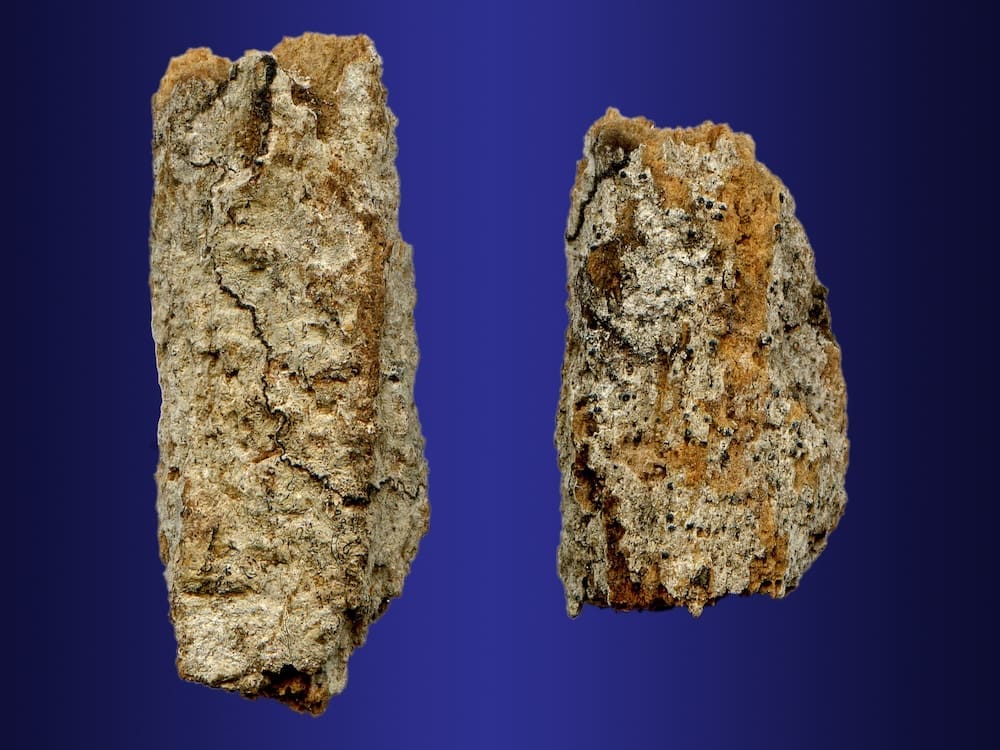
Okoubaka aubrevillei is a tall, deciduous, hemi-parasitic rainforest tree of West and Central Africa, chiefly found in Ghana, Ivory Coast and Nigeria. It belongs botanically to the family Santalaceae, historically also placed in Octoknemaceae, and grows up to 30–40 metres with a massive trunk and thick, grey-brown bark. The homeopathic drug is prepared from the dried, finely comminuted stem bark, which is rich in tannins, catechins, gallic and protocatechuic acids and other phenolic constituents that confer astringent, mildly antimicrobial and phagocytosis-stimulating properties. In traditional medicine, powdered bark is taken by the teaspoonful as a protective “antidote” against poisoning from food, drink, or maliciously administered toxins; decoctions are also used in skin diseases and serious infections. From this background, homeopathy has recognised Okou. as a remedy whose sphere lies chiefly in the gastrointestinal tract, the detoxification organs, and the immune system’s handling of exogenous substances. Mother tincture is prepared by ethanolic extraction of the bark according to homeopathic pharmacopoeias, and potencies (notably D1–D4, 6C, 12C) are widely registered in Germany and elsewhere.
Proving Information
Okou. is a comparatively new remedy. Early empirical indications arose from traditional African usage and clinical experience in Germany in cases of food poisoning, tropical enteritis and drug intoxication [Clinical]. A modern randomised, placebo-controlled proving with Okoubaka 12C documented symptoms principally in the gastrointestinal tract (abdominal cramping, flatus, altered stool) and musculoskeletal system, along with mental changes such as confusion, “head like in cotton,” irritability, and unusual calmness under stress [Proving]. Other provings and clinical syntheses (Kunst, Julian, Bagot, Riley) have confirmed a profile dominated by after-effects of poisoning, digestive tropism, and a predisposition to spasms and cramping, placing Okou. “between Nux-v. and Ars.” in many repertorisations [Proving], [Clinical]. The Symptomatology below draws on these modern provings [Proving] and on clinical confirmations [Clinical].
Remedy Essence
The essence of Okou. can be summed up as “the organism as gatekeeper against foreign invasion.” It is the remedy of a body that has become acutely aware of what enters it—from food and drink to medicines and chemicals—and that reacts disproportionately when its internal boundaries are violated. Traditional Africans taking Okoubaka bark before feasts to prevent poisoning provide a striking image: a living “filter” that stands between the person and potential toxins.
At the psychological level, this may appear as irritability, impatience and a sense of being easily overloaded by modern life: too many inputs, too many chemicals, too many demands. The mind fatigues, concentration falters, and there is a tendency to withdraw, rest, and simplify. Provers describe confusion, slowing down, and a desire for quiet and order, yet also episodes of inner calm and improved perspective, as if Okou. can help re-establish a reflective distance from chaos [Proving]. This mirrors its somatic action: it does not primarily suppress symptoms but helps the organism eliminate and re-regulate.
Physiologically, the terrain of Okou. is one of disturbed gastrointestinal and hepatic function with heightened reactivity to exogenous agents. The gut, liver, and associated immune tissues are central: they decide what is “self” and what is “foreign.” When overburdened by spoiled food, infections, long drug courses, vaccines, or chemotherapy, this system begins to misfire. The result is a person who “cannot tolerate anything”: minimal dietary deviations provoke nausea, cramps, diarrhoea or skin eruptions; minor drugs cause disproportionate malaise; travel becomes an ordeal for fear of food and water. Yet, paradoxically, once Okou. has helped the organism clear toxic residues and re-set thresholds, tolerance improves and life expands again [Clinical].
Miasmatically, Okou. sits on the psoric–sycotic frontier with a strong superimposed drug/iatrogenic layer. Psora provides the functional weakness and sensitivity; sycosis lends chronicity, repetition of episodes, and the tendency to “over-react”; the iatrogenic element arises from modern exposure to synthetic drugs and pollutants. Unlike deep cancer or tubercular remedies, Okou. does not primarily address destructive or degenerative processes, but rather the functional dysregulation and terrain vulnerability that may precede such outcomes. Its pace is often subacute to chronic: a clear “never well since” poisoning, infection or treatment, followed by lingering gut and skin issues and fatigue.
Clinically, the core sentence for Okou. might be: “Since that poisoning / since that infection / since those drugs, my digestion and tolerance have never been the same.” Everything is coloured by aetiology. This is why the remedy has found a particular niche not only in travellers’ diarrhoea and tropical enteritis, but also in oncology supportive care: chemotherapy is experienced by the organism as a massive toxic invasion. Okou. has been used, in low potencies, to reduce gastrointestinal toxicity—nausea, diarrhoea—when given shortly before and during cytostatic infusions, always as an adjunct to, not a replacement for, conventional care [Clinical].
Okou. is thus not a grand constitutional archetype in the sense of Sulph. or Lyc., but rather a highly specific terrain and aetiology remedy—a gatekeeper that helps re-establish proper boundaries between the organism and its chemical world. When the story, the modalities and the organ focus match, it can markedly hasten recovery from post-toxic states and strengthen resilience against further insults.
Affinity
- Gastrointestinal mucosa (stomach and intestines) – Primary sphere: acute and chronic disturbances after spoiled food, dietary indiscretions, tropical enteritis, chemotherapy- or drug-induced nausea and diarrhoea [Clinical], elaborated under Stomach, Abdomen and Rectum.
- Liver and detoxification pathways – Functional hepatic congestion, intolerance of alcohol, rich or chemical-laden foods, and sluggish detox responses after pharmaceuticals or environmental toxins [Hughes]. This affinity is reflected in Abdomen, Stomach, Food and Drink, and Generalities.
- Gut-associated lymphoid tissue and immune regulation – Heightened sensitivity to foreign proteins, additives and microbial antigens, with a tendency to post-infectious states and dysbiosis [Clinical]. Mind, Generalities, Skin and Food and Drink cross-reference this.
- Post-toxic and iatrogenic states (drugs, vaccines, chemotherapy) – Reactions and sequelae after antibiotics, vaccines, antihelmintics, anaesthetics, and notably chemotherapy, in which Okou. has been used to mitigate gastrointestinal toxicity [Clinical]. This permeates Generalities, Stomach, Abdomen, Rectum, Sleep.
- Musculoskeletal system (cramping, post-toxic aches) – Cramping of calves, knees and aching in feet and limbs, closely linked with gastrointestinal cramping and flatus [Proving]. See Extremities and Generalities.
- Skin and mucocutaneous surfaces – Eruptions, urticaria, pruritus and worsening of chronic dermatoses after dietary errors, drugs or infections [Clinical]; see Skin and Generalities.
- Nervous system and vitality – Post-infectious and post-toxic fatigue, “brain fog,” difficulty concentrating, and dull headaches as part of the convalescent picture [Proving], echoed in Mind, Head and Generalities.
Better For
- Better from elimination (vomiting, diarrhoea, flatus) – Many Okou. states show classic relief once the offending material is expelled; nausea eases after vomiting, abdominal distension after flatus or stool [Clinical]. This “better when the body can get it out” is echoed in Stomach, Abdomen, Rectum and Generalities.
- Better from light, simple diet – Symptoms improve on bland, freshly prepared food (rice, vegetables, broths) and worsen with rich, processed foods [Clinical]. Cross-referenced under Food and Drink and Generalities.
- Better from warm drinks and easily digestible, warm food – Nausea, cramping and chilliness are eased by warm teas, soups and cooked food, a keynote in oncology supportive care where warm intake reduces chemo-induced nausea [Clinical]. See Stomach and Generalities.
- Better from rest, especially after acute poisoning – Lying quietly, avoiding exertion and giving the system time to recover ameliorates vertigo, headache, abdominal pain and weakness [Clinical]; cross-referenced in Head, Abdomen and Generalities.
- Better from fresh air and gentle motion – Open air and slow walking after the acute phase relieve nausea, head heaviness and mental dullness [Proving], connecting Mind, Head, Generalities.
- Better from perspiration – Sweating in acute toxic states may coincide with a turning-point: after a warm sweat the patient feels lighter, less nauseated, less “poisoned” [Clinical]; see Generalities and Perspiration.
Worse For
- Worse from spoiled, old, or reheated food – Classical aetiology “after food poisoning”: meat, fish, eggs, sauces, salad bars, street food; everything points to error in diet or decomposition [Clinical]. Stomach, Abdomen and Rectum repeatedly echo this.
- Worse from chemical additives, preservatives, alcohol – Intolerance of industrial foods, colourings, flavour enhancers, and alcoholic drinks, which trigger nausea, headache, pruritus or diarrhoea [Clinical]; cross-referenced in Food and Drink, Head, Skin.
- Worse from change of diet, water, or climate (travelling) – Travel, new cuisines, unfamiliar microbes and water often provoke acute Okou. pictures; it is widely used prophylactically in travellers’ diarrhoea [Clinical], connecting Generalities, Abdomen, Rectum.
- Worse from drugs, vaccines, chemotherapy – After antibiotics, anti-malarials, vaccinations or cytostatics, the patient develops persistent digestive, cutaneous or fatigue syndromes; Okou. is particularly valued here [Clinical]. This modality is central in Generalities, Stomach, Rectum, Skin.
- Worse from rich, fatty meals and overeating – Heavy, greasy, or abundant meals overload the compromised digestive system, leading to bloating, cramps and loose stools [Clinical]; reflected in Stomach, Abdomen, Food and Drink.
- Worse towards evening and night – Many complaints, especially abdominal distension, nausea and itching, increase later in the day or into the night, disturbing sleep [Proving]; see Abdomen, Skin, Sleep.
- Worse from fasting or irregular meals – Skipping meals or erratic eating aggravates nausea, weakness and “empty” sinking in the stomach; the system needs regular, modest nourishment [Clinical], cross-referenced in Stomach and Generalities.
Symptomatology
Mind
The mental state of Okou. reflects the experience of being poisoned, overloaded, or contaminated. Patients often describe a sense of inner discomfort, irritability and impatience whenever the organism is confronted with foreign substances—spoiled food, chemical additives, heavy drugs. They may become unusually short-tempered, snappy or intolerant when physically unwell, especially if digestive symptoms predominate [Proving]. At the same time there can be a paradoxical calmness or detached clarity amidst external stress, as if the remedy strengthens the capacity to maintain inner distance from turmoil, observed in provers as a state of tranquillity despite difficulties [Proving].
Confusion and “brain fog” are frequent: feeling as if the head were in cotton wool, “like under a bell,” or drunken, with clumsiness, oversights, dropping things and difficulty finding words [Proving]. This ties closely to the toxic burden reflected in Head and Generalities. Concentration is weak after infections, food poisoning or influenza-like illnesses, and there is a clear desire for rest, withdrawal and simplification of demands [Clinical]. Hypersensitivity of the senses may occur – heightened smell, acute hearing, clearer vision – which, combined with disgust or aversion to certain odours and foods, points to an organism that detects and rejects threats at a subtle level [Proving].
Emotionally, patients can oscillate between irritability, anger and discouragement, with feelings of incompetence or being overwhelmed by modern life’s chemical and informational load. In chronic states with atopic or post-toxic complaints, anxiety about diet, environment and health may become pronounced: fear of contaminated food, fear of medicines, fear of travelling or eating out. Yet there is also a constructive side: a longing for purity, natural food, clean surroundings, which tallies with the betterment from simple diet and fresh air noted among the modalities.
Head
Head symptoms in Okou. are typically post-toxic or post-prandial. There may be dull, pressing or heavy headaches, often frontal or vertex, appearing after unsuitable meals, alcohol, or during acute gastroenteritis [Clinical]. Patients describe the head as “full,” “wrapped in cotton,” or “as if under a bell,” sometimes with slight vertigo and difficulty focusing [Proving]. These headaches are commonly aggravated by indoor heat and mental effort, and ameliorated by fresh air, rest, and especially by successful elimination of the offending substance via vomiting or stool.
In modern oncology supportive care, Okou. has been used to ease chemotherapy-related headaches that accompany waves of nausea and gastrointestinal distress, again with the pattern of relief from warm drinks and gentle perspiration [Clinical]. Compared with Nux-v., whose headaches are more congestive, irritable and linked to overwork and stimulants, Okou. headaches are quieter, more “toxic,” and closely knit to abdominal symptoms and aetiology “after poisoning.”
Eyes
Eye symptoms are generally secondary and arise in the context of general intoxication. Provers noted transient blurring, difficulty focusing, and a sensation of tired, strained eyes, especially during phases of mental dullness and fatigue [Proving]. Some described a paradoxical sharpening of vision, with colours appearing clearer or more distinct, as if perception became momentarily heightened [Proving].
In clinical practice, patients with food or drug intolerance may report burning, redness of conjunctivae, or mild photophobia accompanying headaches and nasal or digestive complaints, particularly after exposure to preservatives, fumes or allergens [Clinical]. These eye signs are not specific enough to prescribe on, but serve as confirmatory phenomena when the gastrointestinal and general Okou. picture is clear.
Ears
Ear symptoms are not prominent in Okou., but slight tinnitus (humming, buzzing) or a feeling of fullness may occur in post-toxic fatigue states, particularly after infections or medications [Clinical]. Some provers reported increased acuity of hearing—sounds and voices more clearly perceived—linking to the general heightening of senses in the proving [Proving].
Ear complaints, when present, usually run parallel to general weakness and head heaviness, and tend to improve as the overall toxic burden is reduced. They do not form a primary prescribing keynote and are mainly of confirmatory value.
Nose
The nose participates as one of the primary “gatekeeper” organs. Provers described heightened sense of smell—odours becoming intense or even overpowering—and this hypersensitivity often triggered nausea, disgust, or avoidance of certain foods [Proving]. Strong kitchen smells, perfumes and chemical odours may provoke headaches or waves of queasiness, tying Nose to Stomach and Mind.
Clinically, Okou. patients can show a tendency to acute or subacute rhinitis or sinus irritation following environmental or dietary exposures: runny or stuffy nose after restaurants, parties, or exposure to fumes, often combined with abdominal discomfort and loose stools [Clinical]. Allergic rhinitis linked to food sensitivities may be part of the broader picture, especially when accompanied by atopic skin and gut symptoms.
Face
The facial expression in Okou. states often betrays digestive distress: pale, greyish or slightly sallow complexion, dark rings under the eyes, and a drawn look during acute poisoning or after heavy meals [Clinical]. There may be transient flushing with nausea, especially after alcohol or spicy, inappropriate food. In chronic post-toxic conditions, the skin may look worn and the features tired, with a hint of underlying irritability.
Fine facial perspiration may accompany waves of nausea or abdominal cramping, and the lips can be dry or show small cracks in those who have suffered repeated gastrointestinal upset. However, the face offers more of a general toxic–digestive impression than sharply defined, remedy-specific signs.
Mouth
In the mouth, Okou. often exhibits a coated tongue—whitish or yellowish, sometimes with imprints of teeth—after intoxication, infections, or medication courses [Clinical]. Taste may be bitter, metallic, or simply “off,” particularly on waking or after rich meals. Halitosis, offensive or sour, is common when the gastrointestinal tract is burdened; this tends to improve as elimination is encouraged.
Provers reported dryness of mouth and throat in phases of irritability and mental overload, while others had increased salivation accompanying nausea, as in many gastric remedies [Proving]. Ulcerations or aphthous spots can appear on mucosa in those with marked dysbiosis or post-antibiotic states, healing slowly until the terrain is addressed. The mouth picture thus mirrors the digestive and toxic state rather than providing leading keynotes.
Teeth
Teeth are not a central sphere of Okou., yet some patients show a tendency to dental sensitivity or transient toothache after chemical or dietary insults, especially cold sweets, acids or very hot drinks [Clinical]. Gums may feel tender or swollen in the wake of repeated antibiotic courses or chemotherapy, with delayed healing after dental procedures.
Grinding of teeth or clenching the jaw under stress may be observed in individuals with strong irritability and “overload,” but this is more a general stress expression than a specific remedy indication. Teeth symptoms therefore serve only as minor local confirmations in a broader gastrointestinal, post-toxic picture.
Throat
Throat complaints include a sense of nausea rising from the stomach, sometimes felt as a lump or constriction in the lower throat with an urge to gag or vomit, especially after unsuitable food or chemical exposures [Clinical]. Burning or rawness can be present when gastric reflux accompanies toxicity, with acid rising into the oesophagus.
In some provers there was a sensation of dryness in the throat with increased need to swallow, or slight soreness associated with general catarrh following influenza-like states [Proving]. These throat symptoms are closely linked to Stomach and Abdomen and should be interpreted as part of the gastro-oesophageal flow of disturbance rather than a primary pharyngeal pathology.
Stomach
The stomach is a principal seat of Okou. action. Keynotes include nausea, queasiness, and heaviness in the epigastrium after spoiled or rich food, alcohol, chemicals, or drugs, often with a sense that the stomach is sluggish and “poisoned” [Clinical]. There may be a strong desire to vomit but inability to do so, with relief once vomiting occurs, mirroring the modality “better from elimination.”
Appetite is usually reduced during acute states; the mere thought or smell of food provokes nausea. Yet outside acute episodes the patient may eat fairly normally but react disproportionately to minor dietary errors (a small glass of wine, restaurant food, reheated leftovers). Warm food and drinks frequently relieve, while cold, greasy or sweet items aggravate. Cramping or griping pains in the epigastrium, often radiating downwards and associated with flatulence, are common; they are worse in the evening and at night, and better lying still, with warmth over the abdomen, or after belching or passing stool [Proving].
In supportive oncology, Okou. has been used to prevent or reduce chemotherapy-induced nausea and vomiting, especially when warm intake soothes and when the digestive tropism “after intoxication” is clear [Clinical]. Compared with Nux-v. (more irritable, congestive, with marked urging and spasmodic retching) or Ars. (burning pains, restlessness, fear of death), Okou. tends to a quieter, more “detoxification-oriented” stomach picture, with a strong aetiological emphasis on exogenous insults.
Abdomen
Abdominally, Okou. presents with bloating, rumbling, and cramping colic, particularly around the umbilicus and lower abdomen. Cramping is closely associated with flatus; pains often come in waves, accompanied by audible borborygmi, and are relieved by passing gas or stool [Proving]. Distension is worse after eating, especially heavy, fatty foods or in the evening, and better from warmth applied to the abdomen and from lying quietly with knees drawn up.
Right hypochondrial fullness or discomfort may signal hepatic involvement after repeated drugs, alcohol, or chronic dietary overload [Clinical]. In tropical or infectious enteritis, Okou. may help settle lingering abdominal unrest when the acute infection has passed but reactive cramping and sensitivity to minor dietary variation persist. Here it resembles Chin. (flatulent distension after loss of fluids) but with a clearer poisoning aetiology and stronger connection to post-drug and post-chemo states.
Urinary
The urinary system is not a primary focus, but some patients exhibit dark, concentrated urine with strong odour during acute toxic states, reflecting dehydration and metabolic strain [Clinical]. There may be slightly increased frequency with scanty output when the body is attempting to flush toxins, or conversely a relative oliguria in severe dehydration.
Mild burning at the urethral orifice can appear when chemical or drug overload irritates mucosa generally, but this is non-specific. As Okou. supports restoration of fluid balance and gut function, urinary characteristics tend to normalise.
Rectum
Rectal symptoms revolve around diarrhoea after poisoning, after bad food, after drugs, after chemotherapy. Stools may be watery, offensive, brown or greenish, sometimes with undigested food; they are often preceded by colicky cramps and accompanied by flatus [Clinical]. There may be urgency with a fear of incontinence, especially in travellers’ diarrhoea or in chemo-induced enteritis, but typically without the violent burning and restlessness of Ars.
In other states the stool pattern may alternate: transient diarrhoea followed by a phase of sluggish bowel with incomplete evacuation, especially after antibiotics have disturbed the flora. Okou. is indicated when the aetiology is unmistakably post-toxic and when there is significant abdominal cramping that improves with discharge. Compared with Podoph. (profuse, painless, early morning diarrhoea with gushing stool) or Aloe (mucous, jelly-like stool with incontinence), Okou. emphasises the “foreign substance” trigger and the concomitant mental dullness and fatigue.
Male
In males, Okou. has no prominent sexual sphere, but digestive and post-toxic states may secondarily impair libido and stamina; patients feel too nauseated, bloated or exhausted to be interested in sexual activity [Clinical]. There may be aggravation of haemorrhoids or perianal irritation in the wake of frequent diarrhoeal episodes, with soreness and itching.
Where chemotherapy or other intense drug regimens have impacted sexual function, Okou. plays more of a general detox and supportive role rather than having specific prostatic or testicular indications. It is chiefly chosen for the gastrointestinal and general post-toxic picture in such patients.
Female
In females, Okou. is relevant when dietary, environmental or therapeutic insults exacerbate gynaecological and skin symptoms. Premenstrual bloating, abdominal cramps and irritability can be noticeably worse after alcohol, sweets or processed foods; regulating diet and prescribing Okou. may ease both digestive and menstrual discomfort [Clinical].
Women undergoing chemotherapy often experience digestive toxicity (nausea, diarrhoea) around treatment cycles; Okou. has been used to prevent or reduce these side-effects and thereby support overall resilience [Clinical]. Chronic vulvovaginal candidiasis or pruritus linked to antibiotics, sweets or recurrent gut dysbiosis may also fall in the remedy’s orbit, especially when accompanied by abdominal complaints and skin eruptions after similar triggers.
Respiratory
Respiration may be shallow and slightly hurried during waves of nausea or abdominal pain; patients may sigh frequently or feel they cannot take a full breath until the gut settles [Proving]. In atopic individuals, certain foods or additives may provoke brief bronchial irritation or a tendency to cough along with urticaria or gastrointestinal upset, reflecting a gut–lung axis of reactivity [Clinical].
However, there is no distinct cough, expectoration or asthma pattern that would define Okou. It must be chosen on the global post-toxic and gastrointestinal picture.
Heart
Cardiac complaints in Okou. are minor and mostly functional. Palpitations may occur during episodes of anxiety relating to poisoning or in states of dehydration and weakness after diarrhoea or vomiting [Clinical]. There may be a sense of the heart beating more strongly when lying down at night after a day of dietary indiscretions or treatment exposures.
These are not specific enough for primary prescribing but offer context; when palpitations arise in clear connection with digestive toxicity and resolve as the system is cleared, they support the overall Okou. narrative.
Chest
Chest symptoms are usually secondary, arising in the context of post-infectious states or chemotherapy. A feeling of oppression or slight tightness may accompany abdominal bloating and reflux, with belching sometimes relieving chest discomfort [Clinical]. Shortness of breath after heavy, unsuitable meals or under chemotoxic fatigue may be present, better for rest and fresh air.
Okou. is not a primary chest remedy; local respiratory pathologies should be evaluated and treated according to their own picture. The chest manifestations simply mirror the underlying digestive and toxic overload.
Back
Back involvement reflects general strain. Dull aching in the lumbar region is common in acute diarrhoeal states, worsened by repeated stools and dehydration, and relieved by lying down and drinking warm fluids [Clinical]. Provers also reported stiffness and aching in the thoracic and lumbar spine accompanying cramping in the abdomen and lower limbs [Proving], tying Back to Abdomen and Extremities.
In chronic post-infectious fatigue, the patient may complain of “tired back,” especially after standing or working for long periods, improved by rest and gentle stretching. Again, not primary, but fitting within the post-toxic convalescent theme.
Extremities
Extremities show two characteristic trends. First, cramping in the calves, knees and feet, often associated with abdominal cramping and flatus: pains drawing, knotting, sometimes nocturnal, ameliorated by stretching, walking a little, or passing gas and stool [Proving]. Second, there is a general tiredness and heaviness of limbs, particularly after infections, influenza, or gastroenteritis—the patient feels drained, as if toxins or drugs have sapped muscular tone [Clinical].
Aching foot pains which improve during the proving, along with calf cramps linked to gastrointestinal patterns, were specifically highlighted in Riley’s materia medica [Proving]. Compared with Chin. (aching limbs after fluid loss) or Ars. (restless, burning limbs), Okou. extremities emphasise cramping with digestive aetiology and a more subdued, detoxifying energy.
Skin
Skin manifestations support Okou.’s role as a detoxification remedy. Urticarial eruptions, pruritic rash or flares of chronic eczema may arise after certain foods (shellfish, eggs, nuts), alcohol, food colourings or medications [Clinical]. Itching can intensify in the evening and at night, disturbing sleep, and is often accompanied by abdominal bloating or loose stools, confirming the gut–skin connection.
Post-infectious and post-toxic dermatoses—eczema after antibiotics, persistent rash after tropical illnesses, aggravation of acne or seborrhoea with junk food—may respond when the core aetiology “after intoxication” is present. Okou. herein resembles Sulph. (skin and gut, worse from heat and diet errors) and Lyc. (bloating, right-sided issues, skin complaints), but its sphere is more restricted and specifically tied to exogenous toxins.
Sleep
Sleep is frequently disturbed in Okou. states. In acute poisoning or during chemotherapy, patients may wake repeatedly with nausea, abdominal cramping or the need to pass stool, leading to unrefreshing, broken sleep [Clinical]. Even when gastrointestinal symptoms are mild, there can be difficulty settling due to a persistent sense of inner restlessness or “unease in the body,” especially after late or unsuitable meals.
Provers described tiredness by day and evening, with a strong desire for rest, yet non-restorative sleep at night, correlating with the general fatigue and mental clouding [Proving]. Early-morning waking with rumbling, urge to stool, or itching eruptions is not uncommon. Relief of sleep disturbance often parallels successful detoxification and regulation of diet: once the system is not constantly provoked by exogenous irritants, sleep becomes deeper and more continuous.
Dreams
Dreams in Okou. may reflect themes of contamination, disorder and travel. Patients report dreams of dirty kitchens, spoiled food, being forced to eat something repulsive, or being poisoned [Clinical]. Others dream of missing trains or being lost in foreign places, mirroring anxiety about travelling, new foods and unfamiliar environments.
Dreams of previous illnesses, hospitals, or medical treatments may surface during Okou. cures, as if the organism re-processes old toxic exposures on a psychic level. While not highly characteristic, these dreams support the notion of a remedy that helps re-negotiate the relationship with a toxic world.
Fever
Fever in Okou. is modest and generally associated with acute enteritis, influenza-like illnesses, or post-infectious states. Slight evening rises of temperature may accompany abdominal pain and diarrhoea, with chilliness, limb aches and a desire to lie still [Clinical]. As the acute phase passes and the system clears via stool, sweat and urine, temperature normalises.
Okou. is not primarily a fever remedy; other polychrests (Bell., Gels., Bry., Ars.) are more clearly indicated in markedly febrile states. Here it plays a role in convalescence and in preventing relapse of post-infectious functional disturbances.
Chill / Heat / Sweat
Chilliness and heat alternate in Okou. acute phases. Patients may feel chilled with gooseflesh and cold extremities during the onset of poisoning or infection, then swing into heat with facial flushing and abdominal burning as diarrhoea or vomiting begin [Clinical]. Heat is usually internal, not strongly expressed as high fever, and is followed by perspiration that brings relief.
Night sweats may occur during prolonged post-infectious convalescence, leaving the patient weak yet somewhat clearer internally. Excessive heat of bed is typically uncomfortable when nausea or itching are pronounced; patients desire moderate warmth and fresh air.
Food & Drinks
Food and drink are central. Okou. patients are notoriously sensitive to dietary quality. They react to old, reheated, or contaminated food, to processed items with additives, to canteen and restaurant meals of dubious freshness, and to excessive alcohol [Clinical]. Rich, fatty, smoked, spicy or heavily seasoned dishes aggravate; simple, fresh, lightly cooked food ameliorates.
The remedy has an aetiological hallmark “after poisoning” – after bad fish, meat, salad, shellfish; after contaminated water; after chemical or medicinal ingestion [Clinical]. Appetite may be diminished during acute states, with aversion to food, or variable in chronic dysbiosis, where certain foods are instinctively avoided while others are craved. Warm food and drinks are distinctly better for nausea and cramping than cold; cold drinks can aggravate abdominal pain and diarrhoea, a key observation in oncology supportive care [Clinical].
Generalities
The general Okou. picture is that of an organism overburdened by exogenous toxins and dietary insults, struggling to maintain equilibrium. There is a marked tendency to acute and subacute gastrointestinal disturbances after food, drink, infections, drugs or environmental toxins, with incomplete recovery, leaving the patient in a chronic post-toxic state: easily upset digestion, fatigue, brain fog, skin flares, and a sense of being “never quite right” since the original event [Clinical].
Weakness and tiredness are prominent; provers reported slowing down, fatigue, and need for rest during the proving, with improved tolerance as the phase passed [Proving]. The body seems to have a lowered threshold for overload: small errors in diet or minor medical interventions provoke disproportionate reactions. Yet when elimination is facilitated—through stool, sweat, urine—and when diet is simplified, the system responds swiftly. This dynamic fits the miasmatic colouring: psoric functional disorder and sensitivity, with sycotic tendencies to persistent reactive states and recurrent infections, overlaid by iatrogenic layers from modern pharmacology.
Modalities unify the remedy: worse from spoiled or industrial food, alcohol, drugs, vaccinations, chemotherapy, travel and diet changes; better from elimination, simple warm diet, fresh air and gentle motion, and from perspiration and rest. In differential terms, Okou. stands between Nux-v. and Ars.: it shares with Nux-v. the sphere of overtaxed digestion and drug effects, with Ars. the aetiology “after food poisoning” and anxiety about health, yet is less irritable than Nux-v. and less anguished and burning than Ars., with a more “quiet detox” quality.
Differential Diagnosis
Aetiology: Acute food poisoning / bad water
- Ars. – Violent vomiting and diarrhoea with burning pains, restlessness, great prostration and fear of death [Hering]. Ars. has more burning, anxiety and chilliness; Okou. is quieter, more about cramping, heaviness and post-toxic regulation.
- Nux-v. – Gastric and hepatic disturbances after overindulgence in rich food, alcohol, coffee; irritable, oversensitive, with ineffectual urging [Kent]. Nux-v. is more congested, angry, chilly, with marked rectal tenesmus; Okou. shows a strong poisoning aetiology, less rectal spasm, more emphasis on “foreign substances” and chronic post-toxic states.
- Ipec. – Constant, intense nausea with clean tongue, little relief from vomiting [Hering]. Okou. nausea is linked to diet/chemicals, improved by vomiting and warm drinks, with more abdominal cramping and diarrhoea background.
By Chronic post-infectious / post-toxic gut states
- Chin. – Weakness and flatulence after loss of fluids (diarrhoea, haemorrhage), sensitive to touch and drafts [Hering]. Chin. is more about depletion; Okou. emphasises continued hypersensitivity to dietary or drug triggers.
- Sulph. – Chronic dysbiosis with burning eructations, flatulence, loose morning stools, and skin complaints, aggravated by heat and diet errors [Kent]. Sulph. is broader, more inflammatory and hot; Okou. is narrower, cooler, and more focused on exogenous toxins.
- Lyc. – Chronic liver–gut states with bloating, right-sided complaints, flatulence and skin issues [Clarke]. Lyc. has strong right-sidedness, 4–8 p.m. aggravation and complex emotional picture; Okou. is more purely aetiological and less personality-defined.
By Drug / Chemotherapy / Vaccination after-effects
- Nux-v. – Classic drug remedy for over-medication, stimulants, and narcotics [Kent]. Nux-v. has more nervous irritability, congestive headaches and spastic tenesmus; Okou. is particularly suited to gastrointestinal and skin consequences of modern polypharmacy and chemotherapy, with gentler temperament.
- Carc. – Deep cancer miasm; long-term effects of vaccines, antibiotics, and emotional suppression [Foubister]. Carc. addresses constitutional terrain and tendency to malignancy; Okou. targets more acute and subacute post-toxic digestive states, and can complement Carc.
- Thuja. – Sycotic miasm with warty growths, vaccination sequelae and mucous membrane troubles [Clarke]. Thuja is more fixed on structural, proliferative changes; Okou. more on functional, eliminative disturbances.
By Gastro-intestinal cramping
- Coloc. – Violent colic better bending double, often from anger or vexation [Hering]. Okou. cramps are more toxic-dietary, with clear relation to food/drugs and less emotional causation.
- Podoph. – Profuse, painless, gushing diarrhoea with early morning aggravation [Hering]. Okou. diarrhoea is more painful, clearly linked to poisoning or chemo, and accompanied by mental dullness and “toxic” feeling.
Remedy Relationships
- Complementary: Nux-v. – Both act on digestion and drug effects. Nux-v. may clear the acute congestive, spastic state; Okou. then consolidates by addressing ongoing intolerance to foods and toxins.
- Complementary: Ars. – Ars. manages severe, burning poisoning crises; Okou. follows to handle lingering gut and skin sensitivity and to prevent relapse in those who “never recovered” after the acute poisoning.
- Complementary: Sulph. / Lyc. – Deeper antipsoric remedies that can stabilise constitutional dysbiosis and metabolic imbalance once Okou. has cleared acute post-toxic layers.
- Complementary: Carc. – In cancer patients with strong carcinic terrain, Carc. may be used constitutionally, Okou. as an adjunct for digestive and chemotoxic side-effects [Clinical].
- Follows well: Ipec., Ars., Nux-v. – After these acute gastric remedies in violent food poisoning, when the storm has passed but the system remains hypersensitive and easily upset.
- Follows well: Antimicrobial and chemo regimens – Okou. is often introduced between cycles or after heavy drug exposure to support the organism’s eliminative and regulatory functions [Clinical].
- Related: Chin., Bapt., Sulph., Lyc. – Other remedies for post-infectious or toxic states; Okou. is chosen when the poisoning aetiology and strong digestive tropism, especially with cramping and post-chemo context, stand out.
Clinical Tips
- Think of Okou. prophylactically in travellers’ diarrhoea and when eating in environments with uncertain hygiene or water quality, especially in patients known to react strongly to dietary changes [Clinical].
- Consider Okou. in “never well since food poisoning” cases: persistent bloating, loose stools, intolerance to rich foods, and brain fog following a clear gastroenteritis event.
- Use Okou. in post-antibiotic and post-drug dysbiosis, especially when there are combined gut and skin manifestations (eczema, urticaria) with a history of repeated courses of antimicrobials, anti-inflammatories or vaccines [Clinical].
- In oncology supportive care, low potencies (D1–D4, 6C) given shortly before and during chemotherapy cycles have been used to reduce nausea and diarrhoea, with good clinical experience reported; this must always be coordinated with the oncology team and never replace standard antiemetic protocols [Clinical].
- Potency choice: for acute poisoning and travellers’ diarrhoea, low to medium potencies (D3–D6, 6C–12C) repeated as needed over a short period are common; for chronic post-toxic states and terrain work, less frequent dosing of 12C–30C may be considered, guided by individual sensitivity [Clinical].
- Case pearls:
-
- Adult with long-standing dyspepsia, bloating, and loose stools “since a bad seafood meal on holiday,” reacting to minimal diet changes; Okou. 6C before meals with diet simplification improved digestive tolerance and reduced episodes.
- Child with recurrent gastroenteritis and eczema flares after sweets and antibiotics; Okou. alongside diet management and constitutional treatment led to fewer infections and calmer skin over several months.
- Cancer patient receiving chemotherapy who developed severe diarrhoea and nausea after each cycle; Okou. in low potency before and during subsequent cycles substantially reduced gastrointestinal toxicity, improving ability to continue treatment [Clinical].
Selected Repertory Rubrics
Mind
- Mind; irritability; from physical discomfort; digestion, during – Irritable, impatient when gut is upset.
- Mind; confusion; as if intoxicated; head in cotton – “Head like in cotton,” clumsiness, mental slowing after poisoning or infection [Proving].
- Mind; ailments from; poisoning; sequelae of – Long-standing complaints since food, chemical, or drug poisoning.
- Mind; oversensitive; to odours and food – Aversion and nausea from smells, strong disgust reactions.
Head
- Head; pain; forehead; after eating; bad food, from – Frontal heaviness and dull pain after unsuitable meals.
- Head; pain; as if in a fog; intoxicated, as if – Toxic headaches with mental clouding.
- Head; heaviness; with nausea; better vomiting – Relief of head symptoms after gastric elimination.
Stomach
- Stomach; nausea; food poisoning, from – Central aetiology of Okou. in acute states.
- Stomach; nausea; after drugs; after chemotherapy – Post-drug and chemo nausea with warm food and drink ameliorating [Clinical].
- Stomach; heaviness; after eating; rich, fatty food – Weight and fullness after rich meals in sensitive subjects.
- Stomach; cramping pain; with flatus; better belching, better stool – Spasmodic pains easing with gas and stool discharge [Proving].
Abdomen
- Abdomen; colic; poisoning, after – Abdominal cramps following spoiled food, chemicals, or drugs.
- Abdomen; distension; after eating; slightest indiscretion aggravates – Bloating from minimal diet errors in post-toxic states.
- Abdomen; flatulence; noisy; with rumbling – Loud borborygmi accompanying cramps.
Rectum
- Rectum; diarrhoea; after poisoning; after bad food – Cardinal Okou. indication in acute enteritis.
- Rectum; diarrhoea; during chemotherapy – Chemo-related diarrhoea amenable to Okou. support [Clinical].
- Rectum; stool; offensive; food particles undigested – Offensive, partly undigested stool in acute or post-toxic disruption.
Skin
- Skin; urticaria; after food; after drugs – Hives from foods, additives, or medications in detox-sensitive patients.
- Skin; eruptions; aggravated by diet errors – Eczema/acne flaring after sweets, fats, and processed foods.
- Skin; ailments from; antibiotics, after – Chronic dermatoses following repeated antibiotic courses [Clinical].
Generalities
- Generalities; poisoning; after; sequelae – Global rubric for “never well since” poisoning – Okou. a key remedy [Clinical].
- Generalities; diet; errors in; aggravate – Marked sensitivity to small deviations in diet.
- Generalities; drugs; abuse of; after – Post-drug and iatrogenic conditions with digestive tropism.
- Generalities; chemotherapy; during; digestive disturbances – Supportive use to prevent gastrointestinal toxicity of cytostatics [Clinical].
- Generalities; air; open; better – Fresh air relieves headache, nausea and mental clouding.
References
Teut M., Dahler J., Hirschberg U. et al. — “Homeopathic drug proving of Okoubaka aubrevillei: a randomised placebo-controlled trial.” Trials 14:96 (2013): primary proving data and symptom analysis.
Bagot J-L. — “Okoubaka aubrevillei: A new homeopathic medicine for the side effects of chemotherapy.” Revue d’Homéopathie 6 (2015): clinical use in oncology supportive care.
Bagot J-L. — “Indications of Okoubaka aubrevillei in oncological supportive care.” Allgemeine Homöopathische Zeitung 265(4) (2020): synthesis of provings and large-scale clinical experience.
Kunst M. — “Okoubaka: Ein neues homöopathisches Arzneimittel.” AHZ 3 (1972): early German clinical and proving observations.
Julian O. A. — Dictionary of Homeopathic Medical Matters: The 130 new homeotherapeutics (1981): early materia medica notes for Okoubaka.
Riley D. S. — Materia Medica of New and Old Homeopathic Medicines (2012): concise proving-based profile highlighting GI and musculoskeletal cramping.
Ladipo D. O., Adebisi A. A., Bosch C. H. — “Okoubaka aubrevillei Pellegr. & Normand.” in Schmelzer & Gurib-Fakim (eds.), Plant Resources of Tropical Africa 11(1): Medicinal Plants 1 (2008): ethnobotany and pharmacology.
Wagner H., Kreutzkamp B., Jurcic K. — “Inhaltsstoffe und Pharmakologie der Okoubaka-Rinde.” Planta Medica 51 (1985): phytochemical and pharmacological studies, including phagocytosis stimulation.
Schroyens F. — Synthesis Repertory 9.2, Treasure Edition (2009): repertory rubrics for Okoubaka and related post-toxic remedies.
Schmelzer G. H., Gurib-Fakim A. (eds.) — Plant Resources of Tropical Africa 11(1): Medicinal Plants (2008): monograph on Okoubaka with distribution, constituents and uses.
Disclaimer
Educational use only. This page does not provide medical advice or diagnosis. If you have urgent symptoms or a medical emergency, seek professional medical care immediately.