

Nux vomica
Substance Background
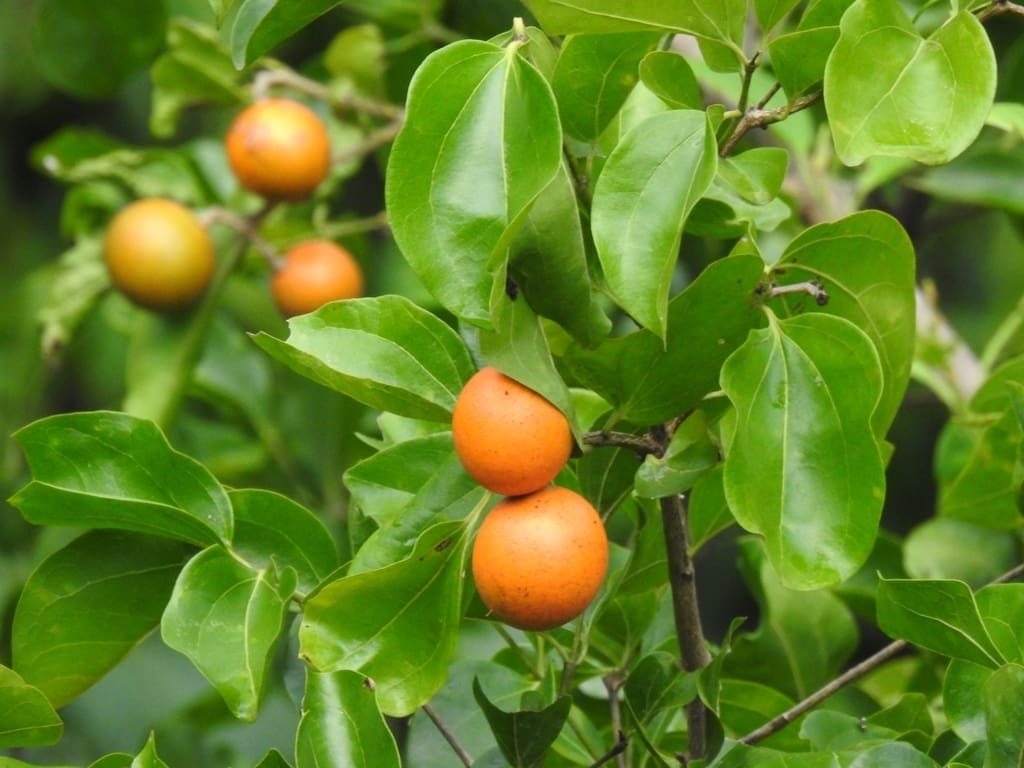
Prepared from the dried seeds of Strychnos nux-vomica, a tree native to India, Southeast Asia, and northern Australia. The seeds contain two powerful alkaloids: strychnine and brucine, known for their intense neurological stimulation.
Proving Information
First proven by Samuel Hahnemann in 1805. Hahnemann’s Materia Medica Pura contains the original proving symptoms.
Remedy Essence
Nux vomica is the archetype of the modern man or woman—driven, overstimulated, addicted to coffee, deadlines, and mental exertion. The mind is sharp but overloaded, the digestion overworked, the nervous system strained to breaking. It is the remedy of excess and reactivity, where the organism, once resilient, begins to buckle under self-imposed demands. The vital force is stuck, spasmodic, trying to expel but cannot—seen in the mind, bowels, bladder, and sleep. It is a civilised suffering, born from ambition.
Affinity
- Nervous system: marked hypersensitivity, reflex irritation, spasms
- Liver and portal circulation: hepatic congestion, sluggish digestion
- Stomach and gastrointestinal tract: dyspepsia, nausea, constipation
- Rectum: classic ineffectual urging, tenesmus
- Spine: hyperirritability, stiffness
- Mind: oversensitivity, irritability, ambition
- Sleep: disturbed, unrefreshing, due to mental overactivity
- Sexual organs: high desire, impotence, or suppressed function from overstimulation
Better For
- Warmth: wrapping up warmly, especially in bed [Clarke]
- Rest: temporary relief from rest after exertion [Kent]
- Short sleep: catnaps or brief rests often restore clarity [Hering]
- Evening: many symptoms ease in the later part of the day [Allen]
- Free discharges: vomiting, stool, or menstruation sometimes relieve tension [Clarke]
Worse For
- Cold: open air, cold weather, uncovering, drafts aggravate most symptoms [Clarke]
- Mental exertion: study, concentration worsen headaches, irritability [Kent]
- Overeating or stimulants: coffee, alcohol, rich food trigger gastric and hepatic disturbances [Boericke]
- Morning: marked aggravation on waking, especially after a late night [Hering]
- Noise, odours, light: extreme irritability to sensory impressions [Allen]
- Anger, contradiction: mental disturbances, ailments from suppressed indignation [Kent]
Symptomatology
Mind
A quintessential remedy for the over-driven, overstimulated individual, Nux vomica reflects the ambitious, competitive, irritable temperament. The patient is often exacting, fault-finding, intolerant of contradiction, and prone to sudden flashes of anger [Kent]. Oversensitivity is a hallmark—light, noise, odours, even the ticking of a clock can be unbearable [Hering]. Mental activity is intense, but quickly exhausts—leaving the person fatigued, irascible, and impatient. He suffers from ailments brought on by overwork, late nights, alcohol, stimulants, or prolonged mental strain [Clarke]. They are often discontented, always striving, always agitated by perceived slights. Ailments from anger, suppressed rage, or business pressures are key indications. Sleep offers no rest—the patient awakens at 3–4am and cannot fall asleep again due to racing thoughts [Boericke].
Head
Headaches are typically congestive, bursting, or hammering, localised to the forehead or occiput, often following stimulants or alcohol. Described as “a nail driven into the head,” especially over the left frontal region [Hering]. Vertigo on rising or after debauchery. Headache worse in the morning, better after short sleep or warmth. Mental exertion aggravates, and so does motion or open air [Clarke].
Eyes
Dry, smarting, and oversensitive to light. Twitching of eyelids and spasmodic closure. Blurred vision from mental strain. Redness with burning, worse from light or reading. Pupils may be contracted. Vision disturbed by overuse of stimulants or sleeplessness [Allen].
Ears
Sensitive to the slightest noise. Buzzing or roaring in the ears, especially during digestion. External ear may feel congested or hot [Boericke]. Sounds may appear exaggerated or distorted.
Nose
Frequent sneezing and obstructed coryza, worse in warm rooms, better in open air—unusual for Nux vomica generally being worse for cold air. Nasal discharge is acrid and burning. Alternating nostril obstruction is characteristic [Clarke].
Face
Flushes of heat, with facial redness. Tension and stiffness, especially in the jaw muscles. Expressions of irritation, anxiety, or suppressed rage. Lips may be dry or twitching. Facial neuralgia brought on by cold or stress [Hering].
Mouth
Dryness with thirst and bitter taste in the morning. Tongue coated white with red edges, or yellowish during hepatic congestion. Offensive breath. Ulcers from excessive use of tobacco or alcohol. Heat in mouth despite normal temperature elsewhere [Clarke].
Teeth
Toothache from exposure to cold air, coffee, or stimulants. Pressing or gnawing pain; worse at night or after mental effort. Bruxism at night in overstressed individuals. Gums may be swollen, bleeding easily.
Throat
Raw, rough, scraping sensation, worse on swallowing and in the morning. Hawking of mucus. Constriction and spasmodic closure with tickling cough. Sensation of a lump in the throat. Hoarseness worse in the morning and after anger [Hering].
Stomach
Classic remedy for dyspepsia, especially from overeating, spicy food, coffee, alcohol, or emotional strain. Nausea with constant ineffectual retching. Craving for stimulants but they worsen the state. Feels worse after meals, better from rest or heat. Sour taste, heartburn, fullness, and bloating. “As if there is a stone in the stomach.” Hypersensitivity to odours of food. Vomiting relieves. Gastric catarrh from chronic indulgence [Clarke].
Abdomen
Bloated, cramping, colicky pains that come in waves. Flatulence is trapped, with no relief. Liver region tender and engorged. Constipation alternating with diarrhoea, especially in sedentary individuals. Irritable bowel states, worse in the morning. Region of the hypochondria is sore, especially the right side [Allen].
Urinary
Frequent urging with scanty flow. Irritable bladder, with spasms. Retention of urine from cold or emotional stress. Painful, slow urination with burning. Ineffectual urging paralleling rectal symptoms. Worse after coffee or alcohol [Clarke].
Rectum
Perhaps the most famous keynote: constant urging for stool, but only small quantities passed. A feeling of incomplete evacuation. “Wants to but can’t” [Hering]. Tenesmus remains after stool. Haemorrhoids that protrude, are painful, and bleed. Better with warm applications. Diarrhoea in early morning after debauchery.
Male
High sexual desire but functional impotence, especially from overwork or indulgence. Prostatic irritation. Nocturnal emissions with lascivious dreams. Seminal fluid thin and debilitating [Boericke].
Female
Menses early, profuse, and painful. Dysmenorrhoea with irritability and chilliness. Uterine spasms. Nausea and faintness before flow. Bearing-down pains. History of stimulant use or stress-induced amenorrhoea [Hering].
Respiratory
Shortness of breath, sighing respiration, or constricted breathing from emotional strain. Tightness worse from mental effort or gastric fullness. Dry cough with irritation in larynx and chest constriction.
Heart
Palpitation with tremulous anxiety. Irregular heartbeat from stimulants, anger, or suppressed emotions. Cold hands with bounding pulse. Sensation as if heart will stop on falling asleep [Kent].
Chest
Oppression and tightness, especially with anxiety or gastric complaints. Palpitation from stimulants or anger. Stitching pains that come and go. Chest symptoms often secondary to digestive or emotional disturbances [Clarke].
Back
Stiffness and aching, especially in the lumbar spine and sacrum. Worse in morning or after long sitting. Pain relieved by warmth or lying on something hard. Back pain associated with digestive complaints or constipation [Hering].
Extremities
Twitching, jerking, and spasmodic movements. Cramping in calves or soles. Coldness of hands and feet with hot head. Drawing, tearing pains. Numbness from prolonged sitting or cold [Boericke].
Skin
Dry, itching, and oversensitive to contact. Urticaria from indigestion. Acne in highly driven individuals. Skin may burn or feel as if insects crawling [Hering].
Sleep
Cannot fall asleep due to mental hyperactivity. Wakes at 3–4am with worries or indigestion. Unrefreshing sleep. May sleep briefly and feel worse on waking [Kent].
Dreams
Vivid, anxious, or quarrelsome dreams. Dreams of business, fights, pursuits, or unfinished tasks. Wakes irritable and unrested [Hering].
Fever
Chilly with flushed face. Chilliness predominates, especially with gastric or hepatic issues. Fever with internal heat, yet wants to be covered. Alternating chills and heat. Thirst during chill and heat stages [Boericke].
Chill / Heat / Sweat
Chilly even in a warm room. Heat in face with cold extremities. Perspiration scanty, often limited to upper body. Sweating does not relieve [Allen].
Food & Drinks
Craves: coffee, spicy food, alcohol, fat.
Aversion to: food smells, especially early morning.
Worse from: coffee, alcohol, rich meals, tobacco, spices.
Digestion is sluggish and irritable, especially in sedentary individuals [Clarke].
Generalities
Over-sensitiveness to all stimuli—light, sound, odours, touch, temperature. Chilly yet worse from cold air. Better from warmth, rest, and free discharges. Ailments from modern lifestyle excesses—stress, business, stimulants. Sudden, intense symptoms with great irritability [Kent, Hahnemann].
Differential Diagnosis
- Bryonia – Both are irritable and constipated, but Bryonia prefers stillness and dryness; Nux is more restless and spasmodic.
- Chamomilla – Angry and sensitive, but Chamomilla is more whiny, tearful, and suited to children; Nux is adult, type-A.
- Sulphur – Both have digestive and skin complaints; Sulphur is messier, more philosophical and lazy, while Nux is exacting and industrious.
- Arsenicum album – Both are oversensitive and chilly; Arsenicum has more anxiety and fear, Nux is more aggressive and irritable.
Remedy Relationships
Clinical Tips
- Ideal for executives, students, or anyone breaking down under mental and lifestyle stress
- Use in hangovers, drug or coffee withdrawal, and functional GI disorders
- Often needed in first-aid after overeating, alcohol, or stimulant abuse
- Lower potencies (6C–30C) for acute GI states
- Higher potencies (200C–1M) for constitutional traits
- Responds well to early morning dosing with rare repetition
Selected Repertory Rubrics
Mind
- Anger, from contradiction
- Irritability, trifles about
- Oversensitive to noise, odours, light
- Ailments from overwork
- Sleeplessness from mental activity
Head
- Pain, as from a nail
- Headache, morning on waking
- Headache, after mental exertion
Eyes
- Photophobia, reading agg.
- Spasms, eyelids
Stomach
- Nausea, after eating
- Heartburn, after coffee
- Vomiting, from alcohol
- Craving, stimulants
Rectum
- Constipation, with frequent ineffectual urging
- Tenesmus, after stool
- Haemorrhoids, painful, bleeding
Urinary
- Urging, frequent, small quantity
- Retention, from cold
Sleep
- Wakes at 3am, cannot sleep again
- Unrefreshing sleep
- Dreams, anxious, business
Skin
- Itching, without eruption
- Urticaria, after indigestion
Generalities
- Worse, morning
- Worse, cold air
- Better, warmth
- Ailments from stimulants, mental exertion
References
Samuel Hahnemann – Materia Medica Pura: Primary proving source; described the full range of Nux’s irritability, digestive issues, and oversensitivities.
James Tyler Kent – Lectures on Homoeopathic Materia Medica: Provided deep insights into mental characteristics, modality structure, and clinical applications.
C. Hering – Guiding Symptoms of Our Materia Medica: Contributed expanded details on sleep, dreams, fever, and rectal symptoms.
William Boericke – Pocket Manual of Homoeopathic Materia Medica: Offered reliable clinical tips, liver indications, and modality refinements.
John Henry Clarke – Dictionary of Practical Materia Medica: Detailed notes on digestion, liver, nose, and eye symptoms, and linked to miasmatic insights.
Timothy Allen – Encyclopaedia of Pure Materia Medica: Helped with subtle distinctions in gastric, ear, and emotional indications.
Disclaimer
Educational use only. This page does not provide medical advice or diagnosis. If you have urgent symptoms or a medical emergency, seek professional medical care immediately.