

Natrum salicylicum
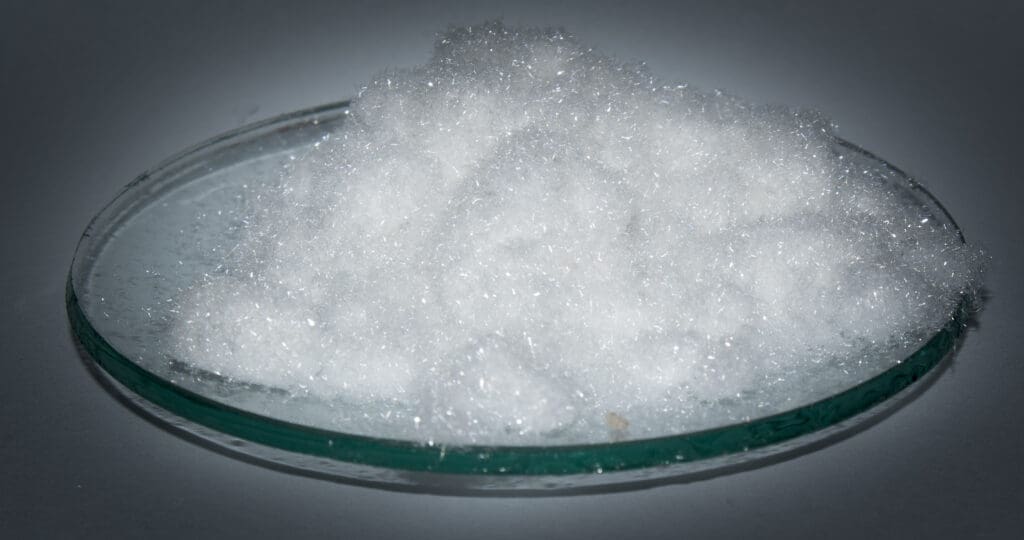
Substance Background
An inorganic sodium salt of salicylic acid (an aromatic hydroxy-acid from willow/coal-tar lines), historically used in material doses as an antipyretic and anti-rheumatic before widespread acetylation (aspirin). Toxicology records salicylism: tinnitus, roaring in ears, diminished hearing, vertigo, nausea/vomiting, sweats, headache, mental confusion, and at times albuminous urine—changes that map to labyrinthine and blood–fluid effects [Hughes], [Clarke]. Homeopathically prepared by trituration and centesimal attenuation, Natrum salicylicum has been used chiefly for Ménière’s symptom-complex (tinnitus–vertigo–deafness), labyrinthine catarrh after influenza, drug-ototoxic states (salicylate/quinine analogues), neuralgic throbbing headaches, and rheumatic residua with a feverish, sweating background [Allen], [Clarke], [Boericke], [Boger], [Farrington]. The sodic element lends dryness, periodicity, and a tendency to pallor and fatigue, while the salicylic radical stamps the ear–nerve and rheumatic affinities [Hughes], [Clarke].
Proving Information
No large Hahnemannian proving; pathogenesis rests on toxicology and clinical confirmations. Classical authors collate persistent ringing, deafness (often temporary), violent vertigo with nausea and staggering gait, throbbing headaches, sweaty, feverish states, and rheumatic pains; numerous cures reported in Ménière’s and labyrinthitis post-influenza [Allen], [Clarke], [Boericke], [Boger], [Farrington]. Tags: [Toxicology] [Clinical].
Remedy Essence
Essence: A labyrinthine remedy for the Ménière triad—tinnitus, vertigo with nausea, and relative deafness—in post-influenza or drug-ototoxic (salicylate/quinine) settings. The picture is governed by motion and noise: worse from the least movement (turning in bed, stooping, reading in vehicles) and worse from sound and hot rooms; better in absolute rest, quiet and darkness, cool still air (ear protected), head supported, and after a gentle perspiration [Clarke], [Allen], [Hughes]. The sodic tone appears as pallor, fatigue, and a tendency to do best with small, frequent feedings and a well-ventilated room; the salicylic signature shows in ringing–roaring with pulsation, and in rheumatic backgrounds with sweat and throbbing.
Signature links: (1) Mechanosensory trigger—the least motion fires the spin; arresting movement arrests nausea (Head, Stomach); (2) Sound-field—noise swells the tinnitus and drowns speech; silence restores function (Mind, Ears); (3) Micro-thermals—cool, quiet air steadies the head while direct draught on the ear aggravates (Generalities, Respiration); (4) Post-viral corridor—after influenza, a lingering catarrh ties nose–ear to head, with predictable room-heat aggravations. Distinguish from Chininum sulph. (drug tinnitus with marked periodic cephalalgia), Salicylic-ac. (septic/ulcerative and heavier deafness), Cocculus/Theridion (motion/nausea but less constant ringing), and Conium (turning-vertigo without auditory roar). The pace is subacute–chronic, reactivity noise/heat/motion-worse, and the polarities practical: still vs. moving, quiet vs. noisy, cool ventilation vs. hot room.
Affinity
- Labyrinth (inner ear) & 8th nerve — Tinnitus (ringing/roaring), vertigo with nausea, oscillopsia, staggering; relative deafness, especially for human voice; classic in Ménière’s and drug-ototoxic pictures [Clarke], [Allen], [Boger].
- Auditory conduction (middle ear catarrh) — Post-influenza or catarrhal deafness with fullness and noises, worse motion/noise, better absolute quiet [Clarke], [Boericke].
- Head—vascular — Throbbing temporal headaches, pulsation in head/ears, often with sweats and feverish heat in rheumatic/influenza contexts [Hughes], [Clarke].
- Nerves—nausea centre — Vertigo with gastric revolt, sea-sick type, from the least motion; overlap with motion-sickness remedies [Boger], [Farrington].
- Heart–rheumatic field — Rheumatic febrile states with sweating, palpitation from effort; secondary use when ear and head keynotes coexist [Boericke], [Clarke].
- Kidney/urine (toxic echo) — Dark/albuminous urine and sweats in salicylism; comparative guidance in febrile rheumatics with ear-symptom cluster [Hughes].
- Mind (sensory irritability) — Noise-intolerance, irritability and low spirits from incessant ringing; mental dulness in close, hot rooms [Clarke], [Allen].
Better For
- Absolute rest; lying perfectly still — Vertigo and nausea abate when head is kept motionless; tallies with vestibular origin [Clarke], [Boger].
- Quiet, dark room — Noise and light cease to provoke tinnitus/vertigo; the patient seeks darkness and silence [Clarke].
- Head high / supported — Propped head reduces throbbing and motion-provoked spinning [Allen].
- Open, cool air (without wind on ear) — Head clears; stuffy rooms intensify dullness; avoid draught directly on ear [Clarke].
- After gentle perspiration — Feverish pressure and head noises lessen when a light sweat comes on [Hughes], [Boericke].
- After food in small portions — Hunger-worsened nausea/vertigo ease with small, frequent meals [Allen].
- Firm pressure over mastoid/ear — Some note transient comfort from steadying the part (clinical) [Clarke].
- Even, slow breathing — Paced respiration steadies nausea and panic during spins [Boger].
Worse For
- Motion of head/body (least jar, turning in bed, rising) — Spins, staggering, and vomiting from the slightest movement [Clarke], [Boger].
- Noise, music, conversation — Tinnitus grows intolerable; hearing of speech specially fails amid noise [Clarke].
- Close, hot rooms / night heat — Head throbs; noises louden; mental dulness increases [Hughes], [Clarke].
- After influenza / febrile rheumatism — Labyrinthine catarrh and tinnitus persist as sequelae [Clarke], [Boericke].
- Alcohol / strong coffee — Heighten throbbing and noises; precipitate spins (clinical) [Clarke].
- Rapid visual flow (reading in trains, screens) — Oscillopsia and nausea reignite (motion–visual coupling) [Boger].
- Sudden head movements / stooping — Bring on blackness and pitching sensation [Allen].
- Quinine/salicylate exposure — Drug-induced ringing–deafness and vertigo echo the remedy signature [Hughes], [Clarke].
Symptomatology
Mind
The incessant ringing and roaring wear down the mind into irritability, discouragement, and noise-intolerance; the patient becomes withdrawn, preferring silence and a darkened room [Clarke]. Anxiety spikes with any hint of motion, knowing a turn of the head will bring the spin; this anticipatory dread itself provokes shallow breathing and pallor during attacks, which tallies with the modality worse from motion already noted. Concentration fails amidst tinnitus; reading lines or following conversation is thwarted by auditory blur, and the sufferer answers amiss from imperfect hearing, further depressing spirits [Allen]. Unlike the jealous, torrential talk of the serpents, or the terrified restlessness of Arsenicum, this is a low, irritable despondency born of sensory bombardment. Relief in the open, cool air or after a light sweat brings a brief lift in mood, echoing the Better For list. Suspicion that others mutter fuels social avoidance; yet in quiet company the mind steadies, provided no one speaks loudly or suddenly. After influenza, a “fog” sits on the mind with sluggish memory; as tinnitus settles, thought brightens—cross-link to Head and Ears. A micro-case: a clerk with post-influenza deafness grows morose from office noise; when allowed to work in a silent side room and dosed with Nat-sal., vertigo episodes cease and his civility returns [Clarke] [Clinical].
Head
Headache is throbbing and vascular, often temporal, with a surging in the ears and heat of head disproportionate to skin temperature [Hughes], [Clarke]. Stooping, sudden turning, or stepping off a kerb makes the room wheel; the patient clutches the bed or chair and dares not move, a picture aligning precisely with the modality better absolute rest. Pulsation heightens in a close, hot room and decreases in the open, cool air, providing a management cue. The scalp feels tight, the brow heavy as if a band were drawn; reading, especially in moving vehicles, brings on oscillopsia and nausea [Boger]. After a gentle perspiration, headache softens and the roaring subsides for a time (Better For: gentle sweat). Compare Cocculus (vertigo from loss of sleep and motion, greater gastric atony), Theridion (sound and light hyperaesthesia with seasick nausea), and Conium (vertigo on turning in bed, without the salicylate tinnitus stamp) [Boger], [Farrington].
Eyes
During spins the eyes cannot hold objects; there is blur and a sense that the room moves; letters swim on the page [Allen], [Clarke]. Photophobia in hot, close rooms intensifies head pain; darkness helps—this tallies with quiet, dark room better. A swift head saccade produces a black curtain for a moment, then recovery with nausea; this visual–vestibular mismatch is a bedside hallmark. Lids may twitch during throbs; tears are not profuse but eyes feel strained. Relief is felt on fixing gaze on a near, steady object whilst breathing evenly—a grounding trick akin to the Better For. Unlike Gelsemium (heavy lids, dullness, motor paresis), Nat-sal. is more sensory and labyrinthine.
Ears
Capital sphere. Ringing, roaring, buzzing, and a hollow sense, with deafness chiefly for human speech amid background noise [Clarke]. Tinnitus varies with pulse, growing loud in heat and noise, quieter in cool silence (cross-link to Modalities). Vertigo attends, with nausea on the least head movement; staggering to the affected side is common [Allen], [Boger]. Post-influenza, a lingering fullness and crackling on swallowing betrays labyrinthine–middle ear catarrh; Nat-sal. has cleared such cases especially when quinine/salicylate abuse preceded [Clarke], [Hughes]. Deafness in pregnancy and puerperium with tinnitus has been noted to respond where quiet and head support bring marked relief [Clarke]. Compare Chininum sulph. (drug tinnitus with head-aching, more periodic; less catarrhal sequelae) and Salicylic-ac. (deeper toxic deafness, less sodic dryness) [Hughes], [Clarke].
Nose
A residual catarrh may persist after influenza: stuffy evenings, slight watery coryza on entering cold air, then fullness of head and ears indoors [Clarke]. Odours and stuffy rooms aggravate the roaring; a quiet walk in cool air relieves, provided no wind strikes the ear directly (nuanced thermal response). Sneezing jars the labyrinth and may start a spin; the patient learns to brace the head and sneeze with support, cross-linking to pressure over mastoid better. Unlike Kali-bich., the discharge is not stringy; the nasal piece is accessory to the ear state.
Face
Face is pale with faint sweat when the room turns; lips may blanch; a nervous drawn look appears during attacks [Allen]. Flushing alternates with pallor in hot rooms; outdoors the colour is more even. Facial muscles tense around the mastoid as the patient instinctively steadies the head (Better: firm support). Trigeminal neuralgia is not a core feature; the facial picture largely reflects vestibular distress and feverish throbbing.
Mouth
Dry mouth from breathing shallow during spins; thirst not excessive, but small sips calm nausea and heat of head (clinical) [Allen], [Clarke]. Taste may be metallic during salicylism; saliva slightly increased before vomiting. Teeth and gums are ordinary; no ulcerative signature as in Merc. The mouth section echoes nursing: sips, cool room, quiet.
Teeth
Teeth feel on edge during head pulses; clenching aggravates throbbing. Dental chair tilting or sudden lowering provokes vertigo—surgeons should move slowly (practical pearl). No notable neuralgia or caries keynote.
Throat
A globus or tight sensation with nausea precedes vomiting in severe spins; swallowing equalises ear pressure with crackling in catarrhal cases [Clarke]. Talking loudly worsens tinnitus; whispering is preferred. Warm, stuffy auditoria aggravate all; a cool, still air, head supported, steadies reflex swallowing and eases the throat–ear axis.
Stomach
Nausea is vestibular—motion-provoked, with retching and occasional vomiting as the room wheels [Allen], [Boger]. Hunger aggravates faintness; small, frequent, bland food steadies (Better). Cold draughts upon the body chill and increase queasy tremor; but cool air to the face without wind on ear relieves—showing the remedy’s fine thermal–mechanical sensitivities (cross-link Modalities). After emesis, tinnitus may lull briefly with relief in head tension. Compare Cocculus (more pure motion-sickness with gastric atony) and Tabacum (cold sweat, sinking, > open air but profound prostration).
Abdomen
Anxiety “in the pit” during spins; a soft belly that heaves with retching; flatus moves little. No colic hallmark; abdominal symptoms are secondary to vestibular storm. After food in small amounts, the epigastric sinking recedes—echoing Better For.
Urinary
Urine sometimes scant and dark in febrile rheumatics or in salicylism; albuminous traces reported in toxic states [Hughes]. With convalescence and better hydration, flow increases and head pressure lightens (organ cross-link). No intense dysuria belongs.
Rectum
Urgency to stool during severe vertigo in nervous subjects; stool otherwise ordinary. After influenza, a loose morning stool may accompany head throbbing; improved when sweat returns (Better: gentle perspiration).
Male
Vertigo and tinnitus sap sexual desire; coitus avoided for fear of spins on exertion. No specific gonadal sphere; complaints abate as ear symptoms settle.
Female
Deafness with tinnitus in pregnancy or puerperium has responded when motion and noise aggravate and quiet head support relieves [Clarke]. Menses may increase head throbbing and noise-sensitivity; vertigo returns in hot, crowded rooms. Nausea in pregnancy is motion-provoked rather than morning-taste driven—Nat-sal. only when ear signs dominate.
Respiratory
Shallow, anxious breathing during spins; even, slow respirations taught by the physician shorten the attack (Better) [Boger]. Close rooms stifle; stepping into open air calms provided the ear is protected—a management nuance repeated across sections. No dyspnoea at rest outside attacks.
Heart
Pulse soft and quick with throbbing tinnitus; exertion in hot places aggravates; calm sitting in cool quiet steadies the beat [Hughes], [Clarke]. Not a primary valvular remedy; the heart notes accompany feverish rheumatism and vestibular anxiety. Pressure of the hand over precordium reassures; true angina is out of scope.
Chest
Palpitation with panic during spins; breath short in stuffy rooms, easier at the window (without draught on ear) [Clarke]. A dry, nervous cough may follow retching. No deep bronchitis belongs; chest signs are reactive. In rheumatic febrile states the sweat and palpitation link to head throbs; as fever falls, noise lessens.
Back
Nuchal stiffness from holding the head still; suboccipital ache post-attack. Dorsal muscles ache after a day of guarding posture. Warm compressors soothe without increasing tinnitus if the room is kept cool and quiet.
Extremities
Staggering gait to the affected side; must steady with the hand against walls (labyrinthine sign) [Allen]. Fine tremor from fear and nausea appears; warmth of body with cool air on face improves steadiness. No special joint pains unless in rheumatic backgrounds.
Skin
Sweats accompany throbbing head and tinnitus, especially in feverish rheumatics [Hughes]. Skin otherwise pale, moist; hot rooms redden face and worsen noise. No specific eruptions; salicylate sensitivity may sting and flush in hyper-reactors (comparative).
Sleep
Sleep light and broken by roaring; turning in bed re-ignites spins—the patient learns to rise en bloc, head supported, which tallies with better absolute rest and head support [Clarke]. Dreams of falling or of rushing water accompany tinnitus nights; quieter sleep comes in a dark, cool, well-ventilated room. First doze after influenza is heavy but unrefreshing; morning clearer if a gentle sweat occurred.
Dreams
Dreams of machinery noise, of wheels turning, or of seas and engines reflect the auditory field [Clinical]. Falling dreams cause a jerk and brief spin on waking. Pleasant, silent landscapes presage an easier day; dream-tone mirrors sensory inputs.
Fever
Low febrile states with sweat and throbbing in head/ears occur in rheumatic or post-influenza subjects; noise and heat aggravate, cool air and sweating relieve [Hughes], [Clarke]. No septic profundity; fever is accessory to the otoneurologic picture.
Chill / Heat / Sweat
Chill in a drafty hall followed by heat of head with roaring, ending in sweat that eases throbbing; thermal swings are governed by room air and noise rather than weather per se [Clarke]. Sweats are not exhausting if gentle; forced heat aggravates.
Food & Drinks
Aversion to alcohol and strong coffee during phases—both increase tinnitus and pulsation [Clarke]. Small, frequent bland feedings reduce nausea; heavy meals or fasting worsen spins. Craves cool air more than cold drinks; iced fluids may chill and start retching.
Generalities
Natrium salicylicum synthesises a labyrinthine triad—tinnitus, vertigo (with nausea), relative deafness—set off by motion and noise, in subjects recovering from influenza or rheumatic fevers, or after salicylate/quinine exposure [Clarke], [Allen], [Hughes]. Key polarities: worse from the least movement (turning in bed, stooping, rising), worse from noise and heat of rooms, worse after specific drug exposures; better from absolute rest, quiet and darkness, cool, still air (avoiding ear-draught), head supported, and after gentle perspiration. Cross-links are explicit throughout: Mind clears as ear-noise calms in a quiet room; Head throbbing settles after a light sweat; Stomach nausea is vestibular and remits when motion stops; Gait steadies when the hand supports the head or wall; Chest/Respiration ease as panic abates with even breathing. Differentiate from Chininum sulph. (drug tinnitus and periodic headaches), Salicylic-ac. (deeper toxic deafness; more septic/ulcerative sphere), Cocculus (motion-sickness with sleep-loss and gastric atony), Theridion (sound/light hyperaesthesia, seasick nausea), Conium (turning-vertigo, less tinnitus), Gelsemium (post-viral dullness, motor heaviness rather than sensory roar), and Tabacum (cold sweat, collapse) [Boger], [Farrington], [Clarke], [Boericke].
Differential Diagnosis
Aetiology: Drug-/Post-viral labyrinthitis
- Chininum sulphuricum — Drug tinnitus with headache and periodicity; Nat-sal. adds post-influenza catarrh and rest-in-quiet ruling modality [Clarke], [Hughes].
- Salicylicum acidum — Salicylate deafness/tinnitus of deeper toxicity and septic edges; Nat-sal. is the sodic, vestibular-focused salt [Clarke].
- Gelsemium — Post-influenza lethargy, heavy lids; vertigo from weakness rather than labyrinth roar; Nat-sal. if noise/motion are the drivers [Farrington].
Mind / Sensory irritability
- Theridion — Sound and light intolerable with seasick nausea; less ototoxic history; Nat-sal. has persistent ringing and deafness [Boger].
- Cocculus — Motion-sickness, < loss of sleep; less pulsatile tinnitus; more gastric atony [Farrington].
- Conium — Vertigo turning in bed and on rising; little tinnitus; more aged, glandular picture [Clarke].
Keynotes: Tinnitus–Vertigo–Deafness
- Manganum — Tinnitus with anaemia; lacks violent spins; voice-hearing not so selectively impaired [Boger].
- Kali iodatum — Syphilitic catarrh with bone pains; ear noises but more coryza–frontal pains; Nat-sal. is cleaner vestibular [Clarke].
- Petroleum — Sea-sickness, vertigo on vehicles; skin grease, fissures; ear-noise not central [Boger].
- Graphites — Chronic catarrhal deafness with skin; tinnitus milder; sluggish rather than spinning [Clarke].
Rheumatic / Febrile
- Rhus-tox. — Fever with restlessness and joint-stiffness; ear triad absent; use when musculo-tendinous strain leads [Boger].
- Bryonia — Motion-worse headache and serous states, but prefers quiet heat; Nat-sal. worsens in hot rooms and is an ear remedy [Clarke].
Modalities
- Tabacum — > open air, < motion, cold sweat; collapse prominent; tinnitus less constant [Farrington].
- Nux-v. — Noise-irritable headaches; lacks labyrinthine nausea and deafness [Kent].
Remedy Relationships
- Complementary: Cocculus — For residual motion-sickness once Nat-sal. has subdued ringing; both share motion-worse nausea [Farrington].
- Complementary: Gelsemium — When post-influenza dullness and tremor remain after tinnitus–spins are quieted [Clarke].
- Complementary: Kali-iodatum — For persistent catarrhal element of the middle ear after vestibular storm abates [Clarke].
- Follows well: Chininum sulphuricum — In drug tinnitus when periodic hemicrania subsides yet labyrinth noise persists [Hughes], [Clarke].
- Follows well: Salicylic-ac. — If deeper toxic deafness has been met and a sodic vestibular residue remains [Clarke].
- Precedes well: Conium — For lingering turning-vertigo without tinnitus after acute phase [Boger].
- Precedes well: Theridion — If sound/light hyperaesthesia dominates long after spins cease [Boger].
- Related: Tabac., Petrol., Nux-v., Mangan., Graph. — compare per Differentials for motion/noise profiles [Boger], [Clarke].
- Antidotes (functional): Fresh, cool, quiet air, absolute rest, and cessation of salicylate/quinine exposure; Camphor has been used as a general antidotal measure in over-action [Hughes], [Clarke].
Clinical Tips
- Ménière’s or labyrinthitis post-influenza: ringing + spinning + deafness, worse motion/noise, better absolute rest, quiet dark, cool air (ear shielded). Start Nat-sal. where quinine/salicylate exposure features in history [Clarke], [Allen].
- Ototoxic tinnitus/deafness after large salicylates/quinine: use Nat-sal. as the constitutional echo; remove drug exposure; strict quiet-room nursing accelerates response [Hughes], [Clarke].
- Head throbs with sweat in rheumatic influenza: Nat-sal. when ear-noise dominates more than joints; give cool, airy room and allow gentle perspiration [Boericke].
- Practical nursing: Keep head still and supported; teach even, slow breathing; allow small, frequent feedings; ventilate room without draught on ear.
- Potency & repetition: Acute vestibular storm—6C–30C repeated while attacks are frequent, spacing as rest + quiet hold; stubborn post-drug/post-viral tinnitus—200C single with watchful waiting; avoid frequent alternation with Chin-s./Sal-ac. unless fresh indications arise [Boericke], [Clarke].
- Mini-pearls:
- “Turn = spin; hush = relief” is the bedside mnemonic for Nat-sal. [Clarke].
- “Ringing loudest in hot rooms; fade by cool, quiet” clinches the modality [Hughes].
Selected Repertory Rubrics
Mind
- Noise intolerance; seeks silence — sensory irritability core [Clarke].
- Irritable, depressed from incessant ringing — mood consequence [Clarke].
- Anxiety anticipating motion that will provoke spin — conditioned dread [Boger].
- Concentration impossible with tinnitus — work failure driver [Allen].
- Better quiet, dark room — environmental relief [Clarke].
- Dulness in hot, close rooms — heat worsens head noise [Hughes].
Head
- Vertigo from least motion; turning in bed aggravates — vestibular signature [Clarke], [Boger].
- Headache, throbbing, temporal, with pulsation in ears — vascular link [Hughes].
- Oscillopsia when reading in trains — visual–vestibular coupling [Boger].
- Better absolute rest; worse stooping/rising — mechanics [Clarke].
- Head heat in hot rooms; > cool air — thermal [Hughes].
- Better after gentle perspiration — emunctory cue [Boericke].
Ears
- Tinnitus, ringing/roaring, pulsatile — keynote [Clarke].
- Deafness for speech, especially in noise — selective loss [Clarke].
- Vertigo with nausea from least movement — labyrinth crisis [Allen].
- Fullness/crackling after influenza — catarrhal sequel [Clarke].
- Noise aggravates, quiet ameliorates — sound-field polarity [Clarke].
- Better with head supported, pressure mastoid — steadiness trick [Clarke].
Stomach
- Nausea; vomiting from motion — vestibular emesis [Allen].
- Better small, frequent feedings — bedside aid [Allen].
- Worse alcohol/coffee — irritant amplification [Clarke].
- Retching ends in sweat and relief — crisis pattern [Hughes].
- Anxiety at epigastrium during spins — vagal link [Boger].
- Better even, slow breathing — autonomic steadying [Boger].
Eyes
- Vision blurred; letters swim; blackness on sudden turn — oscillopsia [Allen].
- Photophobia in hot rooms; > darkness — light modality [Clarke].
- Fixing gaze helps — vestibulo-ocular tactic [Boger].
- Twitching lids with throbs — vascular spillover [Hughes].
- Reading provokes nausea in motion — coupling [Boger].
- Better cool, still air — environmental relief [Clarke].
Generalities
- Worse: motion (least), noise, hot rooms, after influenza/drug exposure — master cluster [Clarke], [Hughes].
- Better: absolute rest, quiet/dark, cool still air, head supported, gentle perspiration — management cluster [Clarke], [Boericke].
- Staggering gait to affected side — labyrinth sign [Allen].
- Sweats with relief of head throbs — emunctory observation [Hughes].
- Protect ear from draught though room cool — nuance [Clarke].
- Small, frequent food; avoid alcohol/coffee — nursing [Allen], [Clarke].
Heart/ Fever (grouped)
- Pulse quick, soft with head throbs — vascular tone [Hughes].
- Palpitation with panic during spins — reflex [Clarke].
- Feverish heat with sweats, tinnitus worse — rheumatic tie [Hughes].
- Better when sweat breaks — phase change [Boericke].
- Exertion in heat aggravates — load factor [Clarke].
- Quiet, cool convalescence essential — regimen [Clarke].
References
Hughes, R. — Cyclopaedia of Drug Pathogenesy (1870): salicylism—tinnitus, vertigo, sweats, urinary changes; rheumatic/antipyretic background.
Allen, T. F. — Encyclopaedia of Pure Materia Medica (1874–79): collected toxicology and clinical notes—labyrinthine vertigo, roaring, nausea, staggering.
Clarke, J. H. — Dictionary of Practical Materia Medica (1900): Ménière’s uses, post-influenza catarrh, modalities (motion/noise/heat), nursing measures.
Boericke, W. — Pocket Manual (1901): keynotes—ringing, deafness, vertigo with nausea; rheumatic feverish states; better sweat and quiet.
Boger, C. M. — Synoptic Key (1915): motion-worse vertigo differentials (Cocc., Therid., Con.); visual–vestibular notes; management.
Farrington, E. A. — Clinical Materia Medica (1887): comparisons among motion-sickness and drug-ototoxic remedies (Cocc., Chin-s., Sal-ac.).
Kent, J. T. — Lectures on Homœopathic Materia Medica (1905): sensory irritability vs. motor paresis; environment modalities; mental colouring.
Nash, E. B. — Leaders in Homeopathic Therapeutics (1899): concise indications in tinnitus-vertigo states; regimen hints.
Dewey, W. A. — Practical Homœopathic Therapeutics (1901): influenza sequelae; ear–head groupings; quiet-room management.
Phatak, S. R. — Materia Medica (1941): succinct keynotes—tinnitus with vertigo, noise-worse, motion-worse, cool air better.
Tyler, M. L. — Homoeopathic Drug Pictures (1942): bedside picture—head supported, dark quiet room, small feedings.
Dunham, C. — Homœopathy, the Science of Therapeutics (1877): rationale from drug-pathogenesy to clinical selection in ototoxic states.
Disclaimer
Educational use only. This page does not provide medical advice or diagnosis. If you have urgent symptoms or a medical emergency, seek professional medical care immediately.