

Mutabile
Substance Background
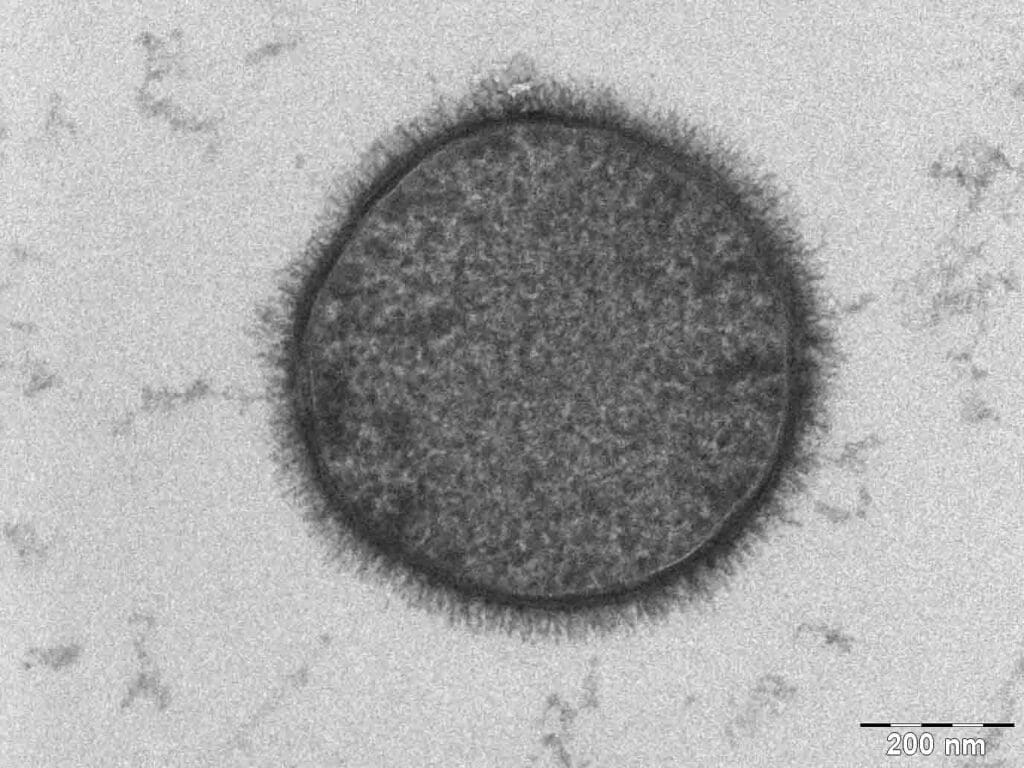
Bacillus mutabile was described by Edward Bach as a bowel organism of striking instability: when cultured from the stool it changes rapidly from a non-lactose-fermenting type to one that ferments lactose, lying bacteriologically between B. coli and the true non-lactose fermenters. This mutability gave the nosode its name and foreshadows its clinical theme of changeability and alternation. Paterson later confirmed that Mutabile belongs to the coliform/Enterobacteriaceae flora, acting as an intermediate between the “B. coli” group and the Morgan-type non-lactose bacilli in diseased stools. Modern microbiological work suggests that preparations labelled “Mutabile” are actually mixed cultures containing Salmonella spp., Escherichia coli and Morganella strains, reflecting the technical difficulty of obtaining pure isolates at the time. For the homeopathic nosode, Bach attenuated cultures of these organisms from human stool in the usual centesimal scale, producing a remedy that embodies disturbed intestinal ecology, food sensitivity, and the tendency for symptoms to migrate or alternate between systems. As with other bowel nosodes, Mutabile represents a complex biochemical “imprint” of dysbiotic metabolism rather than the action of a single chemical constituent.
Proving Information
There is no classical Hahnemannian proving of Mutabile. Its pathogenesis has been pieced together from Bach’s early vaccine observations and Paterson’s long series of stool cultures correlated with remedy response, together with clinical reports in allergic, asthmatic and mixed skin–respiratory cases. The nosode has therefore a predominantly [Clinical] rather than [Proving] foundation, with keynotes drawn from the theme of alternation of symptoms (especially skin eruptions and asthma), marked food allergy, and renal involvement such as albuminuria. Subsequent authors have confirmed these indications in case series and small observational studies on bowel nosodes.
Remedy Essence
Mutabile represents a subtle but powerful layer in the evolution of chronic atopic and dysbiotic disease. Its essence lies in the word that names it—changeability—and in the intermediate position it occupies between B. coli and the Morgan group, between simple coliform saprophytes and more clearly pathological bowel flora. Clinically, this translates into patients whose symptoms never truly settle, whose disease picture refuses to crystallise in one organ or one classical remedy, and whose life history is dominated by alternating skin, respiratory, bowel and urinary complaints against a background of emotional dependency and environmental sensitivity.
Psychologically, Mutabile patients (often children or young adults) resemble Pulsatilla: gentle, easily moved to tears, seeking affection and reassurance, improved by cool open air and by the presence of supportive people. They dislike heat and stuffy rooms; they are timid in new situations but crave company. Yet, whereas Pulsatilla alone may cure early phases of such constitutions, the Mutabile patient has often passed through a more complex journey: repeated antibiotics, steroid creams, vaccinations, and modern environmental burdens have altered the bowel flora and immune system, giving rise to a deeper, nosodic layer. The organism responds to this disturbance with a kind of internal restlessness: when one outlet is blocked, another opens; when skin is suppressed, lungs speak; when bowels are quieted, kidneys or joints take over.
Miasmatically, Mutabile belongs in the psoro-sycotic–tubercular spectrum. Psora contributes the allergic reactivity, itching, functional disturbances and emotional dependency; sycosis underlies the proliferative, mucous, catarrhal and structural (diverticulum, hypertrophy) manifestations; the tubercular element reveals itself in the constant urge to change, the sensitivity to weather and environment, and the alternating, shifting nature of pathology. Unlike deeply destructive syphilitic remedies, Mutabile expresses the organism’s attempt to adapt, to move the burden from vital organs to less vital, then back again when outlets are closed.
The essence could be summarised as “the atopic Pulsatilla of the bowel nosode world.” When a kind, soft, weeping Puls. or Ferr-phos. child presents with long histories of eczema, asthma, otitis, allergies and digestive upsets that have swapped places for years, and when conventional treatments have suppressed one only to see others rise, Mutabile deserves serious consideration. It is not a substitute for constitutional prescribing but a bridge: it restores a degree of order to the terrain, helping the immune system and flora re-establish a healthier relationship, so that classical remedies can act more predictably.
In practice, you may see Mutabile’s essence in the child whose eczema cleared quickly with steroid creams only to develop asthma; whose asthma was controlled with inhalers only to develop nephritic changes; whose nephritic picture was managed with orthodox drugs only for chronic colitis or IBS to appear. All along, the emotional tone remained Puls-like: gentle, needy, better with comfort and cool air. Or in the adult whose life story is one of shifting complaints across skin, sinuses, lungs, gut and urinary tract, each phase triggered by diet, stress or environmental shifts, with stool cultures repeatedly revealing coliform anomalies and poor diversity of flora. For such patients, Mutabile acts as a catalyst to reinstate older symptoms (especially safer outlets like skin), reduce dangerous alternations, and allow a clear constitutional portrait to emerge.
The pace of Mutabile is subacute to chronic; it does not act at lightning speed like Acon. or Bell., but over weeks and months you see a re-ordering. Old skin lesions may reappear; asthma attacks may lessen in frequency and severity; albuminuria may decrease as the organism chooses safer avenues. When this occurs, one must resist the temptation to suppress the returning skin, recognising instead that the case is moving in a Heringian direction. The essence of Mutabile is thus intimately linked with Hering’s Law: it encourages the vital force to re-adopt more peripheral, less dangerous expressions of disease in an organism whose defence has been distorted by gut dysbiosis and suppression.
Affinity
- Skin and respiratory mucosa – Mutabile has a marked affinity for cases in which skin eruptions (eczema, urticaria, atopic rashes) alternate with asthma or recurrent bronchitis, as if the organism mirrored the body’s tendency to shift its expression between integument and airways. This affinity underpins the Skin, Respiration and Chest sections, where alternating or migrating complaints are a keynote [Clinical], echoing the Pulst. association.
- Allergic diathesis and food intolerance – The nosode acts deeply upon allergic regulation and gut–immune interaction, particularly in those with multiple food allergies, intolerances or idiosyncrasies (eggs, dairy, coloured sweets, additives). This affinity will reappear in Stomach, Abdomen, Food and Drink and Generalities as a pattern of changeable digestive upsets and systemic reactions after offending foods.
- Intestinal mucosa and microbiome – As a bowel nosode, Mutabile touches the intestinal mucosa and flora themselves, especially where dysbiosis leads to alternating constipation and diarrhoea, colicky pains, and bloating that are never long in one pattern. This intestinal affinity is elaborated in Stomach, Abdomen, Rectum and Generalities, where the theme of “changeability” in bowel habit is central.
- Renal parenchyma and urinary tract – Clinical reports and repertorial notes suggest a link with albuminuria, nephritic states and recurrent urinary complaints, often in allergic or changeable constitutions. This affinity is reflected in Urinary and Generalities, especially where renal pathology alternates with skin or respiratory symptoms.
- Endocrine–metabolic regulation (especially in children) – Mutabile appears in malnourished, sub-tubercular or over-grown children with erratic appetite, erratic growth, and alternation between diarrhoea and constipation, echoing its position as an intermediate coliform between nutritional and inflammatory bowel groups. This is echoed in Stomach, Abdomen, Generalities and the paediatric notes in Mind and Sleep.
- Urogenital mucosa (urethra, cervix, diverticula) – Modern reviews note Mutabile’s association with urethral diverticulum and changeable genito-urinary complaints, especially where mucous discharges and irritative symptoms alternate with skin or joint troubles. This affinity underlies the Urinary, Male and Female sections.
- Neuro-vegetative system – Like other bowel nosodes, Mutabile acts strongly upon the autonomic nervous system, with changeable vasomotor states, erratic fevers, sweats, and functional palpitations accompanying allergic and gut symptoms. These features recur in Fever, Chill / Heat / Sweat, Perspiration and Generalities, often fluctuating rapidly (tubercular colouring).
- Emotional field of dependency and changeability – Mutabile’s mental sphere strongly overlaps Pulsatilla’s: emotional softness, dependency, need for affection, and marked variability of mood and symptoms. This affinity is prominent in Mind, Sleep and Dreams, where the nosode adds depth in chronic, relapsing Pulsatilla-type cases.
- “Transitional states” between ordinary reactivity and frank chronic disease – Paterson stressed that certain bowel nosodes appear in transition phases where the case does not yet crystallise into a clear remedy, and symptoms keep changing place. Mutabile is especially linked to such liminal situations, a fact synthesised in Generalities, Differential Diagnosis and Remedy Relationships.
- Post-suppression states – Mutabile frequently appears after suppression of eruptions (steroids, cosmetics, over-washing) or of discharges (chronic ENT, urinary or leucorrhoeal), when deeper complaints arise in lungs, kidneys or joints. This is cross-linked throughout Skin, Respiratory, Urinary, Female and Generalities and tallies with the modalities (worse from suppression of skin, better when old eruptions return).
Better For
- Better in cool, open air – Like Pulsatilla, the Mutabile patient often feels less blocked, less oppressed and less itchy when outside in moving air, while warm, stuffy rooms aggravate respiratory and skin complaints. This amelioration will be clear in Respiration, Chest, Head and Skin, and confirms the Pulst. relationship [Clinical].
- Better when old eruptions or discharges reappear – A deep keynote of bowel nosodes: when an old eczema, acne, or catarrhal discharge comes back, asthma eases, joints are freer, or urinary findings improve, corresponding to the vital re-opening of peripheral outlets. Skin, Respiration and Urinary echo this as “better when rash out” or “better when menses or leucorrhoea flows”.
- Better for gentle, slow movement – Gentle walking or unhurried motion eases abdominal bloating, stiffness and congestive head symptoms, contrasting with aggravation from hurried effort. This modality is picked up under Head, Abdomen, Extremities and Generalities, and resembles Ferr-phos. and Kali-s. [Clinical].
- Better from simple, bland, easily digested food – Light, non-fatty meals and avoidance of known allergens or rich combinations lessen abdominal distress, diarrhoea, and cutaneous flares, a point cross-linked under Stomach, Abdomen and Food and Drink.
- Better after stool and flatus – Many patients describe a sense of relief in abdomen, respiration or even head once gas and stool have passed, though the pattern often changes rapidly. This matches the bowel affinity and appears in Abdomen, Rectum and Generalities.
- Better after short sleep or nap – A brief doze may markedly improve irritability, headache and allergic sensations, even if nocturnal sleep is disturbed; this will be emphasised in Sleep and Generalities [Clinical].
- Better for weeping and emotional expression – In Pulsatilla-type Mutabile cases, crying, comfort and open sharing of feelings bring emotional lightness and sometimes relief of somatic symptoms, paralleling Mind and Sleep patterns.
- Better around or after the menstrual flow – Premenstrual tension, migraines, asthma or skin aggravations often ease once the flow is fully established, linking Female, Head, Skin and Respiration and echoing the “better for free discharges” pattern.
- Better when one set of symptoms “takes over” – Patients and prescribers notice that when the skin erupts strongly, the chest is easier, or when diarrhoea appears, the migraine lifts. This paradoxical “better from one complaint displacing another” is a core Mutabile keynote, woven through Skin, Respiration, Head, Abdomen and Generalities.
- Better for cool applications on hot, itching skin – Cool compresses, tepid baths or gentle air on affected areas can soothe inflammatory rashes and urticaria, reflected in Skin and Fever.
- Better during stable, predictable routines – Emotional and physical symptoms often ease when routines are regular, diets stable and environments less changeable, linking Mind and Generalities to the very theme of “mutability” that Mutabile aims to harmonise.
Worse For
- Worse for alternation or suppression of skin eruptions – When chronic eczemas, urticaria or other rashes disappear (spontaneously or under suppressive treatment), asthma, hay-fever, nephritic findings or colitis often intensify, a key indication cited by Paterson and later authors. This aggravation recurs in Skin, Respiration, Urinary and Generalities.
- Worse for marked changeability of symptoms – The very hallmark of the nosode: headaches giving place to abdominal pains, then to wheezing; constipation alternating with diarrhoea; right-sided complaints giving way to left-sided, and so on. The patient rarely remains with one symptom pattern long, a phenomenon described through Mind, Head, Abdomen, Respiration, Skin and Generalities.
- Worse from rich, fatty, creamy food and mixed dishes – Ice-cream, cream sauces, fried foods and heavy combinations provoke stomach and skin reactions in Pulsatilla-like Mutabile cases, cross-linking Food and Drink, Stomach, Abdomen and Skin and echoing the associated remedy picture.
- Worse from sudden changes of weather and temperature – Alternation of hot and cold, damp and dry, or wind direction often precedes flares of rheumatic, respiratory, or skin complaints, highlighting the tubercular tone; this will be echoed under Chest, Respiration, Extremities, Skin and Generalities.
- Worse in warm, stuffy rooms – Congestion of head and nose, aggravation of wheezing, and an oppressive sensation in chest appear indoors, better in the open air. This parallels Puls., but with more overt bowel and allergy background.
- Worse from damp cold and getting wet – Getting feet or clothes wet, damp basements, and low, damp weather trigger joint pains, respiratory aggravations or rashes, weaving Damp-aggravation through Extremities, Respiration, Skin and Generalities.
- Worse before menses, at puberty, and with hormonal swings – Premenstrual skin flares, migraines and asthma, adolescent instability of mood and complexion, and changeable cycles are all pointers to Mutabile’s sycotic–tubercular field; this is reflected in Female, Mind, Skin and Head.
- Worse from antibiotics and gut-disrupting drugs – Courses of antibiotics, repeated vaccinations or heavy suppressive medication often precede the emergence of Mutabile pictures, by disturbing the bowel flora and immune balance. These aggravations are noted in Generalities, Stomach, Abdomen and Skin.
- Worse in the late afternoon and evening – Fatigue, allergic congestion and mental lability tend to increase towards evening, with more asthma, itching and emotional weeping, connecting Mind, Respiration, Skin and Generalities.
- Worse from emotional insecurity, abandonment, and loss of support – Mutabile patients, especially children, may deteriorate under emotional neglect or instability of caregiving, with increased dependency, clinginess and somatic flares, reflecting Mind, Sleep and Generalities in a Pulsatilla-coloured way.
- Worse from irregular meals and dietary chaos – Snatching food, skipped meals and constant changes of diet increase digestive and allergic instability, echoing the bowel affinity and changeability theme in Stomach, Abdomen and Food and Drink.
- Worse from tight clothing or pressure on distended abdomen or inflamed urinary tract – Tight waistbands and pressure over gut or kidneys aggravate discomfort, linking Abdomen, Urinary and Generalities.
- Worse from over-heating and profuse sweating – Over-clothing and hot, sweaty conditions tend to aggravate skin eruptions and itching, cross-linking Skin, Fever and Perspiration.
Symptomatology
Mind
The mental picture of Mutabile is one of emotional softness and variability, strongly reminiscent of Pulsatilla yet coloured by the depth and chronicity of a nosode. Patients are often gentle, yielding and easily influenced, with a strong need for affection and reassurance; they feel lost when support is withdrawn, and their physical state often mirrors their emotional security. [Clinical] Mood fluctuates rapidly: at one time tearful, clinging and anxious; at another, relatively cheerful and playful, only to sink again after trivial disappointments or changes of circumstance, echoing the underlying theme of changeability that runs throughout the remedy. There is a tendency to somatise emotional tension: an unpleasant remark can be followed by an itching rash, a quarrel by abdominal colic, or a minor fright by wheezing, which tallies with the modalities “worse from emotional insecurity” and “worse from change” already noted.
Children needing Mutabile are often shy in new situations yet crave company; they cling to parents, are better carried or cuddled, and may become fretful at dusk, with weeping and desire for fresh air. This dovetails with the Pulst. affinity but the Mutabile child tends to have a more complex history of food allergies, recurrent infections and alternating complaints. Adults may show indecision, constantly changing their mind about plans, careers or relationships, never quite settling, paralleling the frequent alternation of physical symptoms. Anxiety tends to be anticipatory and diffuse: fear of future illness, of being left alone, of the impact of foods or treatments, sometimes bordering on hypochondriacal preoccupation, yet usually mild and weeping rather than intense and silent as in Nat-m. In some cases, irritability appears when their environment or routine is disturbed, particularly in sub-tubercular constitutions, but anger is less pronounced than emotional dependence.
Case [Clinical]: An atopic adolescent girl with long-standing eczema treated with topical steroids developed episodic asthma and recurrent “migrating” joint pains; she was changeable in mood, wept easily, wanted company and open air, and had multiple food intolerances. Mutabile 30C, repeated at long intervals, eased the alternation between skin and chest, steadied her mood, and allowed the Pulst. picture to emerge more clearly for follow-up prescription. This illustrates Mutabile’s role in resolving confused, rapidly changing cases and unmasking the underlying constitutional remedy.
Head
The head symptoms of Mutabile reflect congestive and vasomotor instability rather than fixed pathology. Headaches are often frontal or supra-orbital, dull or throbbing, and show a marked tendency to shift in localisation or character: a frontal ache may move to one temple, then to the occiput, or alternate from right to left, sometimes changing side with the appearance of abdominal colic or skin itching. This “wandering cephalalgia” matches the general theme of mutability and is aggravated by warm, stuffy rooms, rich food, and emotional upset, while relieved by cool open air and gentle movement, in line with the modalities already given. Patients describe headaches that alternate with other complaints: recurring eczema or urticaria lessens the head pain, or an asthmatic episode takes over; when the asthma subsides, the headache returns, giving an almost kaleidoscopic symptom evolution.
There may be headaches linked to menses and hormonal swings—pre-menstrual or ovulatory migraines that change side or pattern over time, often with concurrent changes in skin or digestive complaints. In children, headaches can arise after sweets, coloured drinks or party foods and may be followed by diarrhoea or a rash, reflecting the close tie between head symptoms and allergic–intestinal reactions. Vertigo is usually mild and transient, appearing on rising quickly or when the air in a room becomes close and oppressive; it tends to disappear in the open air. Compared with Puls., which has wandering headaches but often combined with venous congestion and heaviness, Mutabile’s headaches are more clearly linked to alternations between systems and to allergic or bowel events, supporting the choice of a nosode when the picture is muddled and shifting. [Clinical]
Eyes
In the ocular sphere, Mutabile is relevant in allergic and vasomotor conditions rather than structural disease. The eyes may itch, burn and water, especially in the context of hay-fever or allergic rhinitis that alternates with skin eruptions or bronchial symptoms. Conjunctival redness and mucoid discharge come and go, tending to flare in warm, stuffy rooms, among dust or animal dander, and abate in clean, cool air, echoing the general respiratory and environmental modalities. In many cases the eye symptoms do not stand alone but form part of a broader atopic picture with eczema, asthma and food intolerance, again emphasising Mutabile’s systemic reach.
Patients can experience episodes of blurred vision or a sensation of haze before the eyes during headaches or after heavy, rich meals, which pass as the digestive disturbance or cephalalgia shifts to another organ expression. Children may rub their eyes constantly during spring or autumn allergy seasons, then, as ocular symptoms lessen, develop wheeze or abdominal pain, demonstrating the alternating pattern that calls for the nosode. Unlike remedies with strong ciliary muscle fatigue (Ruta-g., Nat-m.), Mutabile’s eye picture is less about strain and more about allergic, changeable phenomena bound up with mucosal hypersensitivity. [Clinical]
Ears
Mutabile’s ear symptoms are chiefly those of recurrent, changeable catarrh and otitis in atopic children. These children have repeated middle-ear infections, sometimes alternately affecting first one ear then the other, or switching sides between episodes, and often accompanied by changing patterns of nasal discharge, eczema, or bronchial wheezing. Suppression of ear discharges with repeated antibiotics or procedures may be followed by asthma, more severe eczema or nephritic changes, aligning with the “worse from suppression of discharges” modality and the bowel nosode concept of shifting disease inward.
There may be sensations of fullness, popping or crackling in the ears during swings of atmospheric pressure or weather changes, paralleling the tubercular sensitivity to climate. Hearing in such children is often fluctuating, better on some days, worse on others, in keeping with the overall instability of their mucosae and immune responses. Adults may describe neuralgic pains about the ear or mastoid region that change side or pattern and are accompanied by changeable nasal and throat catarrh. Compared with Puls., which is a foremost remedy in otitis media of mild, yielding children, Mutabile is considered where there is deeper allergic and bowel background, frequent antibiotic histories, and a broad alternation of ENT issues with chest, skin or urinary symptoms. [Clinical]
Nose
The nasal sphere shows typical atopic features: recurrent coryza, alternating obstruction of nostrils, and changeable discharges that reflect the internal instability. Discharge may be at one time thin, watery and irritating; at another, thicker and bland; sometimes yellow-green; and these shifts can parallel changes in skin eruptions, chest symptoms or bowel habit. Nasal catarrh often alternates with skin eruptions or asthma, in a “see-saw” relationship familiar to those working with Mutabile, and is worse in warm rooms and from rich foods that provoke histamine-like reactions.
Sneezing fits may come on suddenly with exposure to dust, pollen or animal dander, then subside as another symptom takes precedence, such as itching, wheezing or abdominal cramp. Children may have “snuffles” that never follow one pattern for long—now blocked, now running, now seemingly clear—yet always embedded in a broader allergic constitution. Compared with the clearer, more stable catarrhal picture of Kali-s. or the cold, bland discharge of Puls., Mutabile’s nasal symptoms are less diagnostically clear on their own; it is the chronic history of alternating ENT–skin–chest–bowel complaints that really indicates the nosode. [Clinical]
Face
The facial expression in Mutabile cases is often that of a mild, sensitive, somewhat tired or drawn person—frequently a child—with variable colour: at times pale, at other times flushed or blotchy. Dark rings under the eyes reflect poor sleep, chronic allergic irritation and digestive strain. Perioral eczema, changing patches on cheeks and around the nostrils, or chapped lips that come and go with weather or food exposures are common features that tie the face to the Skin and Food and Drink sections.
Expression changes quickly with emotion: ready tears at reproach, smiles returning when comforted, and rapid alternation between moods, mirroring the inner oscillation of the organism. Facial swelling or puffiness may appear transiently during allergic flares, sometimes associated with periorbital oedema, then recede as the reaction shifts to the chest or skin elsewhere. Overall, the face confirms the atopic, Pulsatilla-like yet nosodic nature of Mutabile’s subjects: soft, easily affected by environment, and visibly changeable. [Clinical]
Mouth
In the mouth, Mutabile may show transient aphthous ulcerations or erosions, especially in children with multiple food sensitivities or after courses of antibiotics, suggesting a disturbed mucosal immunity and flora. These ulcers may appear in different locations at different times—cheek one week, tongue or palate the next—never remaining in one place, in keeping with the remedy’s mutability. Coated tongue, often white or yellowish and moist, follows indigestion from rich food, sweets or inappropriate dietary combinations, and improves when diet is simplified and bowel function more regular.
The breath may be foul during periods of sluggish digestion or intestinal dysbiosis, yet become normal when the gut is functioning better, suggesting that this symptom, too, is changeable and secondary to underlying flora imbalance. Saliva is usually normal, though some patients may have morning dryness after disturbed sleep or night-time mouth-breathing during nasal obstruction phases. The mouth symptoms alone rarely point to Mutabile but gain significance when they shift with skin, bowel and respiratory complaints in a Pulsatilla-coloured allergic terrain. [Clinical]
Teeth
Direct tooth pathology is not a primary focus of Mutabile, but dental issues can be part of the general constitutional picture. Some children show alternation between periods of rapid caries and periods of relative stability, mirrored by changes in diet, bowel flora and immune status. Toothache may come and go, moving from one tooth or side of the jaw to another, and tends to aggravate after sweets or rich, sticky foods, yet improve when these are avoided.
Grinding of teeth in sleep, particularly in allergic or anxious children, may alternate with phases of quiet sleep once dietary and bowel factors are addressed with the nosode and associated remedies. The gums may be at times swollen or bleeding during episodes of systemic hypersensitivity, then settle, only to be replaced by another complaint such as eczema or colic. Such changeable dental–periodontal phenomena support Mutabile only when they form part of a broader shifting, allergic pattern in the case. [Clinical]
Throat
The throat in Mutabile shows recurrent, changeable catarrhal or allergic symptoms. Patients, especially children, suffer from frequent sore throats, often with mild tonsillar enlargement, but the quality and localisation of pain change: sometimes right-sided, then left-sided; sometimes extending to the ears; sometimes limited to scratchiness or dryness. Throat episodes often alternate with skin eruptions, rhinitis or bronchitis; when the throat improves, eczema may re-appear, or asthma flare, and vice versa.
Mucus in the throat is variable—now thick and yellowish, then white and tenacious, then almost absent—tracking dietary indiscretions, weather changes and emotional strain. Sensation of a lump in the throat or “cannot swallow” may appear during emotional upsets, especially in dependent, Puls-like patients, and resolve when they are comforted and allowed to cry, drawing a link between Mind and Throat. Compared with remedies like Lach. or Ign., Mutabile’s throat picture is milder and more fluctuating, with less intense pain but more clear alternation with other systems. [Clinical]
Stomach
The stomach sphere is strongly engaged by Mutabile, as befits a bowel nosode. Appetite is inconsistent: at one time ravenous, at another poor, often influenced by emotional state and recent food reactions. Children may crave sweets, creamy desserts or junk food, which then precipitate abdominal pain, nausea, itching or respiratory complaints, illustrating the interaction between food and multisystem allergy. Vomiting can be present in episodes—sometimes projectile in small children during acute allergic reactions or viral illnesses—but the pattern is not fixed; some episodes end with vomiting, others with diarrhoea, yet the basic constitutional picture remains.
Dyspeptic symptoms include fullness and heaviness after rich meals, eructations of foul or sour gas, and a tendency to nausea from fatty foods. These complaints are worse from dietary chaos, overeating, and high-fat, multi-item meals and better from simple, bland diets, echoing the modalities “worse rich foods, better bland food” and supporting the use of Mutabile with dietary hygiene. There is often a “nervous stomach” component: excitement, anxiety or changes of routine upset digestion, with butterflies, nausea or alternating craving and aversion. In some patients, gastric symptoms alternate with headaches, skin or respiratory issues: a period of gastritis is followed by remission of eczema, only for the eczema to return when the stomach quiets, reinforcing the theme of alternating organs of expression. [Clinical]
Abdomen
Abdominal symptoms in Mutabile centre on functional disturbances and dysbiosis. Bloating, flatulence and colicky pains are common, often shifting in location—from periumbilical to right iliac fossa, then to left flank—and in character, with cramping alternating with soreness or simply distension. Stool habits are notoriously changeable: episodes of loose stools or diarrhoea alternate with constipation, sometimes with an apparent sensitivity to specific foods, yet patterns change over time, making standard remedy pictures harder to fix. This is precisely where Mutabile comes in: when the prescriber notes a long history of changeable bowel states, food allergies and migrating complaints.
Colics may precede or follow skin eruptions or respiratory attacks, and sometimes relieve them—abdominal pains intensify, diarrhoea occurs, and the chest or skin improves, or vice versa. There may be mucous stools, suggesting catarrhal colitis, and occasional blood when the mucosa is fragile, but the histological picture (when examined) often reveals inflammatory–allergic rather than destructive pathology, consistent with psoro-sycotic and tubercular miasms rather than syphilitic destruction. Tenderness may be found variably along the colon; yet on another day the abdomen is soft and nontender, underlining mutability. Comparatively, Morgan-type nosodes often show more consistent portal congestion, while Mutabile is more about fluctuation and alternation between bowel and other systems. [Clinical]
Urinary
The urinary sphere is a significant field for Mutabile, particularly where albuminuria, nephritic patterns or recurrent urinary tract symptoms coexist with changeable skin or respiratory conditions. Paterson and later authors note Mutabile’s usefulness where albumin appears in urine in allergic, Puls-type constitutions, especially when urinary findings fluctuate—present at one time, absent at another—and may alternate with eczematous or asthmatic phases. Children or adults may have recurrent cystitis or urethral irritation that comes and goes, sometimes associated with urethral diverticulum or anatomical variations, and these episodes may alternate with bowel or skin complaints.
Symptoms include burning on urination that is not constant but appears in bouts, cloudiness of urine in one period followed by clear urine in another, and variable frequency depending on temperature, emotional state and diet. The Mutabile patient may show transient oedema, especially periorbital or pedal, during certain allergic or infectious flares, then lose it as another symptom takes precedence. Comparatively, Proteus or Morgan nosodes may show more sustained urinary or portal pathology; Mutabile’s hallmark is the fluctuation and alternation of urinary signs within a broader atopic context. [Clinical]
Rectum
Rectal manifestations follow the same pattern of instability. Some patients suffer recurring episodes of diarrhoea with undigested food, especially after dietary indiscretion or acute stress, followed by periods of sluggish stool with incomplete emptying. Mucus in the stool may come and go; at times there is tenacious, jelly-like mucus suggesting catarrh; at others, stools are relatively formed but accompanied by itching or soreness around the anus, especially in children with concomitant eczema.
Rectal itching itself may be changeable, sometimes intense in the evening, then absent for weeks, only to reappear when another complaint improves. Occasional reports link Mutabile to haemorrhoidal tendencies and fissures in allergic or varicose constitutions, but these are not keynotes; the more reliable indication is a long-term pattern of alternating bowel disturbances, often correlated with flares in skin, chest or urinary symptoms. [Clinical]
Male
In the male, Mutabile appears less frequently in isolation and more within systemic allergic or bowel pictures. There may be changeable urethral irritation, possibly linked to diverticulum or structural issues, in men with concurrent eczema, asthma or colitis; burning, soreness or discharge come and go, sometimes triggered by specific foods, beers or sexual activity. Libido itself may fluctuate: periods of heightened desire during times of general wellbeing alternate with phases of low drive when allergic or bowel symptoms are prominent.
Prostatitis-like symptoms—urgency, weak stream, perineal pain—may come and go without clear infection, often worsening in damp cold or after dietary and emotional excess. As with other systems, Mutabile is suggested where genito-urinary symptoms form part of a wider pattern of changeable, alternating complaints and a Puls-type emotional climate. [Clinical]
Female
In women, Mutabile finds significant application in menstrual and reproductive contexts, especially where cycles and associated symptoms are in flux. Menses may be irregular in timing or flow—scanty one cycle, profuse the next; early then late; and pains changeable in localisation, moving from back to thighs, or from left ovary to right, echoing the broader mutability theme. Premenstrual flares of eczema, asthma or migraine are common, often easing once the flow is established (better from free discharges), while suppression or abrupt cessation of flow may be followed by increased chest, skin or urinary complaints.
Leucorrhoea, when present, may be changeable in quantity and character, and sometimes alternates with bowel or urinary discomfort. Pregnancy and the puerperium often reveal the depth of the allergic–bowel terrain: some women see old skin eruptions return during pregnancy with relief of asthma or migraines; others experience the opposite pattern. Mutabile is especially worth considering in women with long histories of hormonal contraception, recurrent vaginal or urinary infections, and atopic tendencies whose symptom picture keeps changing too fast for a single constitutional remedy to cover. [Clinical]
Respiratory
Respiratory symptoms strongly express the alternation central to Mutabile. Wheezing, shortness of breath and tightness in the chest frequently alternate with skin eruptions, nasal discharge or bowel complaints. Parents often report that when the eczema is bad the child’s chest is free, but when the skin clears “too well,” asthma appears or worsens; Mutabile is indicated to rebalance this dynamic. Dyspnoea is worse in warm, stuffy rooms and in damp, foggy weather and better in cool open air, particularly on gentle walking, closely paralleling Puls. yet with more profound alternation patterns and gut involvement.
Cough may be dry, irritating and spasmodic at one phase, then loose and productive at another, following weather and allergen exposure. Breathlessness may come on with sudden changes of temperature or emotional excitement, yet patients often become quickly tolerant of particular stimuli, again emphasising change and adaptation. Comparative study shows that while Bacillus Proteus tends to acute, violent spasm with “brain-storm” phenomena, Mutabile’s respiratory picture is more part of a chronic atopic evolution, in which nosode prescription can shift the case back towards constitutional remedies and more stable expression. [Clinical]
Heart
Heart symptoms are functional and reflect neuro-vegetative lability rather than organic pathology. Patients experience palpitations that come and go, often linked to emotional upsets, rich meals, allergic flares or changes in temperature; the heart may pound during asthmatic episodes or systemic allergic reactions, then calm when the crisis passes. There may be a sensation of missed beats during phases of bowel disturbance or nocturnal anxiety, but E.C.G.s are usually normal or show only minor rhythm variations.
These palpitations are worse in closed, overheated rooms and with stimulants (coffee, alcohol), and better in cool air and with regulation of diet and lifestyle, linking Heart clearly to Generalities and Food and Drink. Awareness of heart-beats during alternating phases of asthma, rash, or bowel disorder underscores Mutabile’s character as a regulator of systemic reactivity rather than a primarily cardiac remedy. [Clinical]
Chest
Chest involvement in Mutabile is largely allergic and asthmatic. Asthma or wheezing bronchitis often alternates with skin eruptions and may appear after suppression of eczemas or chronic nasal discharges, in line with the nosode’s guiding indications. The asthma may shift in pattern over time: childhood spasmodic attacks triggered by cold damp weather or exertion give way in adolescence to exercise-induced or emotion-linked wheeze, then to adult patterns influenced by occupational exposures or dietary triggers.
Chest constriction is worse in warm, stuffy rooms and better in cool, open air, and may be accompanied by changeable expectoration—now scanty and tenacious, then loose and copious, then almost absent. Palpitations and chest flutterings may accompany allergic reactions or periods of anxiety, reflecting autonomic instability, but structural heart disease is generally absent. Comparatively, Bacillus Proteus is more prominently linked with sudden violent spasms and hypertension; Mutabile’s chest picture is more subacute, alternating and entwined with skin and bowel. [Clinical]
Back
Back symptoms include changeable pains and stiffness, often reflecting autoimmune and allergic influences on musculo-skeletal tissues. There may be alternating lumbar and dorsal aches, sometimes linked to menstrual cycles or digestive and urinary fluctuations; on one occasion the lower back is stiff and sore, on another the thoracic region, with no consistent rheumatic pattern. Pains are worse in damp cold and from sitting in one position and better from gentle motion and warmth, mirroring the general modalities.
In some cases, sacro-iliac discomfort alternates with abdominal cramping or pelvic pains, again suggesting periodic shifts of focus in inflammatory processes. Post-infectious back pains after urinary or intestinal infections may ape the picture of spondyloarthropathies yet be more variable and reversible under Mutabile and associated remedies. These back symptoms rarely define the remedy alone but contribute to the whole mutable landscape. [Clinical]
Extremities
In the extremities Mutabile shows both allergic and rheumatic elements. Joint pains are wandering, alternately affecting knees, ankles, wrists or small joints of the hands, sometimes with ephemeral swelling or warmth, and frequently alternating with skin eruptions or gastrointestinal upsets. Pains may change side or location within hours or days, are influenced by weather, and are often worse in damp and before storms, pointing to tubercular sensitivity.
Children may have “growing pains” that shift from leg to leg, often at night and associated with restless sleep and itching; adolescents may complain of alternating ankle and knee pains after exertion, especially when diet is poor or bowel function disturbed. Numbness, tingling or transient weakness in arms and legs can appear during allergic crises or post-infectious phases and then vanish as other symptoms take their place. Overall, the extremity picture reinforces Mutabile’s role in changeable rheumatic–allergic states rather than fixed arthritides. [Clinical]
Skin
The skin is one of Mutabile’s most important fields. Atopic eczema, urticaria, mixed eruptions and “changing” rashes are cardinal indications. Eczema may shift in localisation and morphology: flexural lesions of infancy give way to discoid or nummular forms, then to lichenified plaques on neck or hands; at times the skin is relatively clear, at others inflamed and oozing—often in response to identifiable food or environmental triggers. Urticaria may appear in bouts after certain foods, drugs or stress, sometimes alternating with respiratory or gut symptoms so that when the hives are active the asthma is quiet, and vice versa.
Suppression of skin lesions with potent topical steroids or cosmetic procedures often precedes deeper manifestations (asthma, nephritic changes, colitis), making Mutabile a key remedy when the case history clearly shows such iatrogenic shifts. Itching is frequently severe, worse in heat and warm rooms and after hot baths, and better in cool air and with cool applications, aligning with the modalities. Eruptions may “wander” over the body: an area clears while another breaks out, reflecting the internal search for outlets. Compared to Morgan-pure, which is also a major skin–portal remedy, Mutabile’s eruptions are more entwined with alternating asthma, food allergy and urinary changes, marking it as a nosode for the atopic constellation characterised by changeability. [Clinical]
Sleep
Sleep in Mutabile cases is affected by itching, colic, respiratory difficulties and emotional insecurity, but, as always with this nosode, patterns change over time. Children may go through phases of difficulty falling asleep due to itching or fears, then periods of restless, broken sleep with frequent waking, then phases of relatively sound sleep, only for a new symptom (e.g. asthma) to disturb it. Dreams may be vivid one month, almost absent the next, often reflecting recent experiences and anxieties.
Many patients are worse in the first half of the night: itching, cough or abdominal pains drive them out of bed, better for cool air or wandering about, then they doze towards morning. Others wake in the early hours with wheezing or urgency to pass stool or urine, in a pattern that changes as different systems take the burden of expression. Children frequently seek parental presence or physical contact to settle, consistent with the Puls-like emotional climate. Episodes of night-time enuresis may alternate with periods of dryness and with other complaints (eczema, colic), again supporting Mutabile in changing, developmental terrain. When the nosode is well indicated, sleep tends gradually to become more regular and restorative as the organism finds a more stable way of expressing its chronic tendencies and the underlying constitutional remedy picture clarifies. [Clinical]
Dreams
Dreams, though not a primary deciding factor for Mutabile, often mirror the patient’s emotional dependency and exposure to change. Children dream of being lost, separated from parents or unable to find their way home, then, in later phases, of school, friends and social situations that oscillate between acceptance and exclusion. Atopic adolescents may dream of embarrassment related to their appearance (rashes, swelling), overlapping with the psychological burden of chronic visible illness.
Dream content tends to change with the current dominant complaint: during periods of asthma, dreams of suffocation, smoke or enclosed spaces may appear; during skin phases, of insects, dirt or contamination; during digestive phases, of unclean food or toilets. This thematic linking of dreams and somatic symptom focus reinforces the idea of Mutabile as a remedy for an organism that is continuously adapting, moving its stresses through different channels. [Clinical]
Fever
Fever in Mutabile is typically low-grade and irregular, appearing as part of allergic or post-infectious responses rather than the main focus. Children may have slight evening rises of temperature preceding or accompanying flares of eczema, asthma or bowel disturbance, with heat of face and head, irritability and restlessness, then normal or subnormal temperature the next day. Febrile episodes often shift in prominence as other systems flare or quieten.
During acute infections (e.g. viral gastro-enteritis or respiratory illnesses), Mutabile is less an acute remedy and more part of the chronic terrain; yet, in children whose chronic pattern clearly matches the nosode, a dose may be given between or after acute phases to reset the flora and re-establish more orderly chronic expression. Fever is usually worse in warm rooms and improved in cool air, and sweats are often patchy and variable. [Clinical]
Chill / Heat / Sweat
Thermal regulation in Mutabile reflects vasomotor instability. Patients are often sensitive to changes of weather and temperature; they may feel chilly one moment and hot the next, prefer cool air yet seek warmth when feeling drained, reflecting a tubercular-psoric interplay. Chills may be slight and irregular, sometimes preceding allergic or inflammatory flares; heat may be local (e.g. hot, burning skin lesions) or general, with a desire for uncovering despite chilly sensations internally.
Sweats are typically moderate and may occur at night during phases of active allergic or gut disturbance, sometimes with offensive odour when the intestinal flora is particularly disordered. Sweating pattern itself may change over months—night sweats during one phase, then mainly exertional sweats in another—as part of the broader mutability of the case. These features are most usefully interpreted as confirming the general pattern of an organism that over-reacts, then adapts, then shifts again, rather than as keynotes on their own. [Clinical]
Food & Drinks
Food and drink are central in Mutabile. Multiple food sensitivities, confirmed or suspected, are common: dairy, eggs, wheat, food colourings, and chemical additives are frequently implicated. Reactions are not uniform; a food tolerated one week may provoke itching or diarrhoea the next, then again be apparently tolerated, highlighting the underlying immune instability. Rich, fatty, creamy and mixed foods commonly aggravate, precipitating abdominal discomfort, vomiting, diarrhoea, hives or asthma; in contrast, simple, bland, lightly cooked foods are often better tolerated, consistent with the modality “better from simple food.”
Thirst may be changeable, at times increased (during fevers or diarrhoea), at others minimal, while craving for sweets and junk food is frequent in children, though usually harmful. Some patients develop aversions to foods that have repeatedly provoked reactions, leading to restricted diets that may aggravate nutritional compromise. Alcohol and coffee can trigger flares of skin and respiratory symptoms in adults. Mutabile, used alongside careful dietary management, often stabilises gut and immune reactions enough for a clearer picture of constitutional remedy to emerge and for less rigid dietary regimes to become possible. [Clinical]
Generalities
The general picture of Mutabile is that of an organism that cannot hold one pattern for long. Symptoms migrate, alternate, and transform: skin, lungs, kidneys, bowel, joints and mucosae take turns manifesting the underlying diseased state. This mutability is more than mere variety of symptoms; it is a dynamic, almost rhythmic alternation, often connected with attempts at suppression or modern environmental stresses (antibiotics, vaccines, corticoids, allergen load). The constitutional host is usually of Pulsatilla-Ferr-phos-Kali-s. colouring: mild, emotionally dependent, changeable in mood, with a strong atopic diathesis and sensitivity to weather, diet and emotional climate.
General weakness fluctuates: at one time the patient feels drained and weary, at another relatively the same as peers, only to be pulled down again by the next flare. Weight may be low, normal or erratic, often with signs of malassimilation (poor muscle bulk, picky appetite, recurrent infections in children). Convalescence from acute illnesses tends to be incomplete, with recurrent low-grade complaints, alternating across systems. Reactivity to weather is marked—especially changes of temperature and damp—and to environmental stresses (pollution, chemicals, allergens).
The hallmark modalities (worse from suppression of eruptions and discharges; worse rich food, damp and heat; better cool open air, free discharge and expression) run through almost every system and help distinguish Mutabile from other nosodes. When the patient’s story shows repeated shifts of pathology between skin and chest, gut and kidneys, mucosae and joints, each apparently arising as another is silenced, Mutabile acts as a regulator: it can allow a more orderly return of old outlets and a clarification of the remedy picture. In this sense, it is both a bowel flora regulator and a deep, miasmatic agent in psoric–sycotic–tubercular constitutions, bridging the coliform and Morgan groups and making the terrain amenable again to classical remedies.
Differential Diagnosis
Aetiology & Terrain (bowel nosodes)
- Morgan-pure – Both are bowel nosodes with strong skin and portal affinities. Morgan-pure suits more congestive, offensive, sluggish states with persistent eruptions and constipation; Mutabile suits more atopic, allergic patients with changeable bowel habits and alternation of skin with chest or urinary symptoms.
- Morgan-Gaertner – Morgan-Gaertner relates to inflammatory portal and intestinal conditions with hepatic involvement and more fixed pathology; Mutabile is indicated when inflammation and expression shift rapidly from gut to other organs and back, with multiple food allergies.
- Proteus – Proteus corresponds to intense neuro-vascular storms, violent spasms and severe mental strain (“brain storm”), while Mutabile is quieter but more changeable, with multi-system atopy and alternations; both may follow suppression, but Proteus cases tend to be acutely dramatic, Mutabile chronically unstable.
- Gaertner (Bach) – Gaertner relates strongly to malnutrition, assimilation failure and intestinal–nutritional issues with fixed emaciation; Mutabile shares malabsorption themes but adds alternating allergic phenomena and Puls-like emotional softness, and is chosen where symptoms never stay in one area.
- Bacillus No. 7 – Associated with musculo-skeletal weakness and aging, with more stable degenerative trends; Mutabile fits younger, atopic patients with shifting complaints, though both may be considered in mixed bowel nosode cases.
Mind & Emotional Field (Pulsatilla family)
- Pulsatilla – The closest associated remedy: mild, weeping, yielding patients better in open air, worse in warm rooms, with changeable symptoms. Puls. alone may fail in long-standing atopic cases where history shows major gut flora disturbance and repeated suppressions; Mutabile prepares the ground, after which Puls. often acts more deeply.
- Kali-s. – Like Mutabile, shows wandering pains and shifting catarrhs, but is a simple mineral salt with clearer mucous and respiratory indications; Mutabile is deeper, nosodic, with more marked food allergy and bowel–skin–lung alternation.
- Ferr-phos. – Shares susceptibility to infection, low-grade inflammation and anaemic states in gentle, often fair subjects; Ferr-phos. suits early, vague inflammatory stages, whereas Mutabile corresponds to more chronic atopic and alternating patterns with definite bowel flora disturbance.
Allergy & Atopy
- Tuberculinum – Both have changeability, atopy, and sensitivity to weather and environment. Tub. shows stronger restlessness, destructive impulses, desire to travel and deeper lung and bone pathology; Mutabile is more focused on alternating allergic expressions and modern dysbiosis.
- Medorrhinum – Med. has extremes, precocity, and sycotic overgrowth tendencies, with strong genital/urinary emphasis; Mutabile has mild, Puls-like dependency and multi-system atopy, less sexual precocity and less obsessionality. Both may show alternation of skin with asthma.
- Sulphur – Deep psoric with strong cutaneous manifestations and tendency to internalisation of disease when skin suppressed. Sulph. is more ego-centred, philosophical, untidy and hot-blooded; Mutabile is milder and more obviously allergic and bowel-related. Sulph. often follows Mutabile when the psoric core emerges.
Renal & Urinary
- Nat-m. – Renal and urinary complaints with emotional introversion and silent grief; in Nat-m. alternations are more between headache, anaemia and emotional states; Mutabile’s urinary picture is more clearly tied to atopy, albuminuria and alternation with skin and lung.
- Bacillus Faecalis – Another minor bowel nosode linked with Sepia, stagnation and pelvic congestion; Faecalis suits more stasis with proven stool flora pattern, Mutabile more mutable allergic–urinary combinations.
Bowel & Food Allergy
- Nux-v. – Digestive complaints from dietary excess, stimulants and sedentary lifestyle, with irritable, driven temperament. Nux-v. deals with acute toxic–irritative states; Mutabile addresses chronic allergic–dysbiotic, multi-system evolution in softer, Puls-like types.
- – Right-sided abdominal distension, flatulence and hepatic–portal involvement. Lyc. has strong intellectual irritability and fixed patterns; Mutabile is more child-like, emotionally dependent and energetically changeable, with wider atopic involvement.
Remedy Relationships
- Complementary: Puls. – Primary associated remedy; Mutabile often precedes or alternates with Puls. in atopic, changeable patients, helping to clear bowel flora imbalance and allowing Puls. to act more deeply.
- Complementary: Ferr-phos. – In pale, easily inflamed children with recurrent infections and changing complaints, Ferr-phos. supports blood and immune function while Mutabile re-organises flora and allergic patterns.
- Complementary: Kali-s. – Combines well in wandering catarrhs and rheumatic pains where mucous membranes and joints alternate in their complaints; Kali-s. handles surface catarrh, Mutabile the deeper atopic and bowel groundwork.
- Complementary: Tuberculinum – In strongly tubercular families with marked changeability, Tub. may follow Mutabile as the deeper miasmatic agent when the allergic and bowel layer has been stabilised.
- Complementary: Morgan-pure – In heavily congestive portal and skin conditions with incomplete response to Morgan-pure, Mutabile may assist where strong atopic, alternating features suggest an intermediate coliform involvement.
- Follows well: Proteus – After acute Proteus-type crises (“brain storms,” violent spasms) in atopic patients, Mutabile may consolidate recovery and guide the organism back to more stable chronic expression.
- Follows well: Gaertner – In malnutrition cases where Gaertner has improved assimilation but alternating skin–chest or renal features persist, Mutabile may complete the bowel adjustment in Puls-type patients.
- Follows well: Nux-v. – After Nux-v. has dealt with acute toxic effects of dietary abuse or drugging, Mutabile can be given in chronic atopic patients to address the underlying flora imbalance and multi-system alternation.
- Precedes well: Constitutional Puls., Sulph., Lyc., Nat-m. – Mutabile clears confusion and unexpected alternations, after which a clear classical constitutional picture often emerges and responds better to these polycrests.
- Related nosode: Morgan-pure – Shares skin and portal emphases; Mutabile is more changeable, allergic and Puls-coloured, Morgan-pure more congestive, Sulph-coloured.
- Related nosode: Bacillus Faecalis – Both minor bowel nosodes; Faecalis is closer to Sepia in stagnation and pelvic focus; Mutabile closer to Pulsatilla in changeability and atopy.
Clinical Tips
- Think of Mutabile in atopic children with alternating eczema and asthma, especially when each has been suppressed in turn and deep remedies (Puls., Sulph., Tub.) have only partially helped. A single or few doses of Mutabile 30C or 200C, given at long intervals, may produce re-appearance of old skin, easing of chest, and clarification of the constitution. [Clinical]
- In chronic food allergy and IBS-like states with multiple sensitivities and alternating diarrhoea/constipation, Mutabile can be used after careful dietary adjustment and, where available, stool culture correlations showing Mutabile flora predominance. Potencies from 6C to 30C are commonly used in clinical practice; repetition should be cautious, guided by response.
- In cases of albuminuria or fluctuating nephritic signs in atopic patients whose symptoms alternate with skin or lung issues, Mutabile may serve as an intercurrent nosode alongside organ-specific and constitutional remedies, but never as a replacement for proper medical monitoring.
- Case pearl [Clinical]: Child, 5, with long history of eczema suppressed by steroids, recurrent otitis treated with antibiotics, now with wheezing and early albuminuria; Puls. and Sulph. gave only partial relief. Mutabile 200C, single dose, produced a marked flare of eczema with reduction in wheezing and stabilisation of urinary findings; subsequent Puls. prescriptions acted more deeply.
- Case pearl [Clinical]: Adult woman with alternating IBS, urticaria and mild asthma after repeated antibiotics; bowel nosode repertorisation and stool culture suggested Mutabile. Over months with Mutabile 30C at monthly intervals plus dietary work, bowel and skin stabilised and the underlying Nat-m. picture (emotional history) emerged and responded to constitutional treatment.
- Case pearl [Clinical]: Adolescent boy with “migrating” joint pains, alternating with hay-fever and diarrhoea, emotionally soft and clingy, with history of repeated ENT infections: Mutabile 30C cleared the alternations enough for Gaertner and later Tuberculinum to complete the case.
Selected Repertory Rubrics
Mind
- Mind; changeable; symptoms; mental and physical – Mental state and bodily complaints alternate and change rapidly, central theme for Mutabile.
- Mind; dependence; emotional; needs support – Emotional softness, dependency and need for company in atopic, alternating cases (Puls. group).
- Mind; anxiety; health; about; with alternating complaints – Worry about constantly shifting illnesses, fearing deeper disease.
- Mind; weeping; easily; better consolation – Weeps readily; relief from sympathy and contact, aligning with Puls. association.
- Mind; fear; abandonment; children in – Clinging, fear of being left, especially in atopic children with migrating complaints.
- Mind; irritability; from suppression; of eruptions – Irritability and unrest after skin suppressed, with internalisation of complaints.
Head
- Head; pain; alternating; with other complaints – Headache alternates with bowel, skin or chest symptoms, pointer to Mutabile terrain.
- Head; pain; forehead; dull; after rich food – Dull frontal ache after creamy, fatty food, in allergic–dysbiotic subjects.
- Head; pain; wandering; side to side – Pains change side and localisation, matching remedy theme.
- Head; congestion; warm room; in – Oppression and head fullness in stuffy rooms, better open air.
- Head; pain; menses; before; with eczema – Premenstrual migraines accompanied by skin flares, alternating with asthma.
Respiration / Chest
- Respiration; asthma; alternating; with eruptions – Asthma alternates with skin eruptions, classic Mutabile indication.
- Respiration; asthma; better; eruptions; when out – Chest improves when rash appears or worsens.
- Respiration; difficult; warm room; in – Dyspnoea worsened in stuffy atmosphere, better in cool air.
- Cough; changeable; character of – Cough shifts from dry to loose and back, following allergen exposure.
- Chest; oppression; suppression; of eruptions; after – Oppression and wheeze after skin suppressed by drugs.
Skin
- Skin; eruptions; alternating; with asthma – Eczema or urticaria alternates with asthma attacks.
- Skin; eruptions; suppressed; internal complaints; followed by – Internal diseases (kidney, bowel, lungs) after suppression of eruptions.
- Skin; eczema; atopic; children; in – Atopic eczema with multi-system allergic phenomena.
- Skin; urticaria; food; from – Hives from various foods and additives in changeable patterns.
- Skin; itching; warm room; in; worse – Itching aggravated in heat and stuffy rooms, better cool air.
- Skin; eruptions; wandering – Eruptions change site frequently, never long in one region.
Stomach / Abdomen / Rectum
- Stomach; indigestion; rich food; from – Dyspepsia and allergic flares after creamy, fatty meals.
- Abdomen; colic; alternating; with other complaints – Colic alternates with headache, rash or asthma.
- Abdomen; diarrhoea; alternating; with constipation – Changeable bowel habit, constipation and diarrhoea by turns.
- Rectum; stool; mucous; alternating with dry stool – Alternation of mucous and formed stools in allergic–dysbiotic patients.
- Rectum; complaints; after antibiotics – Rectal and bowel disturbances following repeated antibiotics, calling for bowel nosode.
Urinary
- Urine; albumin; intermittent – Albuminuria appears and disappears, with alternating skin or lung symptoms.
- Urine; complaints; alternating; with eruptions – Urinary discomfort alternates with skin flares.
- Bladder; cystitis; recurrent; atopic patients; in – Recurrent cystitis in atopic constitutions with multisystem alternations.
- Urethra; inflammation; diverticulum; with – Urethral irritation associated with diverticular pathology.
Generalities
- Generalities; changeable; symptoms – Constantly changing totality, key rubric pointing towards Mutabile and allied nosodes.
- Generalities; suppression; of eruptions; from; followed by internal complaints – Sequence of suppressions and deeper pathology, classical bowel nosode indication.
- Generalities; food; rich; aggravates – Rich, fatty foods worsen systemic and bowel symptoms.
- Generalities; air; open; better – Cool open air relieves head, chest and skin, aligning with Puls. family.
- Generalities; weather; change of; aggravates – Sensitive to sudden change in weather, tubercular colouring.
- Generalities; antibiotics; after; complaints – Chronic troubles after repeated antibiotic courses.
References
Paterson, J. — The Bowel Nosodes (1950/1998): foundational clinical and bacteriological work on bowel nosodes, including Mutabile and remedy associations.
Bach, E. — The Relation of Vaccine Therapy to Homoeopathy (1920): early paper linking intestinal vaccines, potentised bowel flora and chronic disease.
Nayak, C., Nayak, D., Roja, V. — An Update on Bowel Nosodes with Comparisons (2015): modern synthesis of bowel nosodes, themes and miasmatic analysis.
Sharma, C. P., Ambwani, M., Saraswat, K. — Bowel Nosodes: A Boon to Homoeopathy (2021): overview of bowel nosodes, prototype remedies and themes including Mutabile–Pulsatilla changeability.
Mendonça, V. — The Therapeutic Role of Bowel Nosodes in Light of Gut Microbiota Research (2022): discusses composition (Salmonella, E. coli, Morganella) and clinical themes of Mutabile.
Feldman, M. — A Repertory of the Bowel Nosodes (1998): repertorial rubrics and associated remedies, including Mutabile’s link to Pulsatilla, Ferr-phos., Kali-s.
Nayak, C. et al. — Study on Effectiveness of Homoeopathic Bowel Nosodes in Cervical Spondylosis (IJRH, 2014): demonstrates clinical application of stool-guided bowel nosode prescribing.
Tripathy, T. et al. — Bowel Nosodes of Homoeopathy in Colorectal Cancer & Other Conditions (2023): classifies Mutabile among minor nosodes, discusses biochemical and clinical themes.(SAS Publishers)
Leupen, A. — Bowel Nosodes in Homeopathic Practice (Homœopathic Links, 2014): practical guidelines on indications, potencies and integration with constitutional remedies.
Cummings, S. — History and Development of the Bowel Nosodes (Br Hom J, 1988): historical context of Bach and Paterson’s work.
Feldman, M. — Repertory of the Intestinal Nosodes (1998): rubrics and differential considerations for intestinal nosodes.
Disclaimer
Educational use only. This page does not provide medical advice or diagnosis. If you have urgent symptoms or a medical emergency, seek professional medical care immediately.