

Morgan Bach
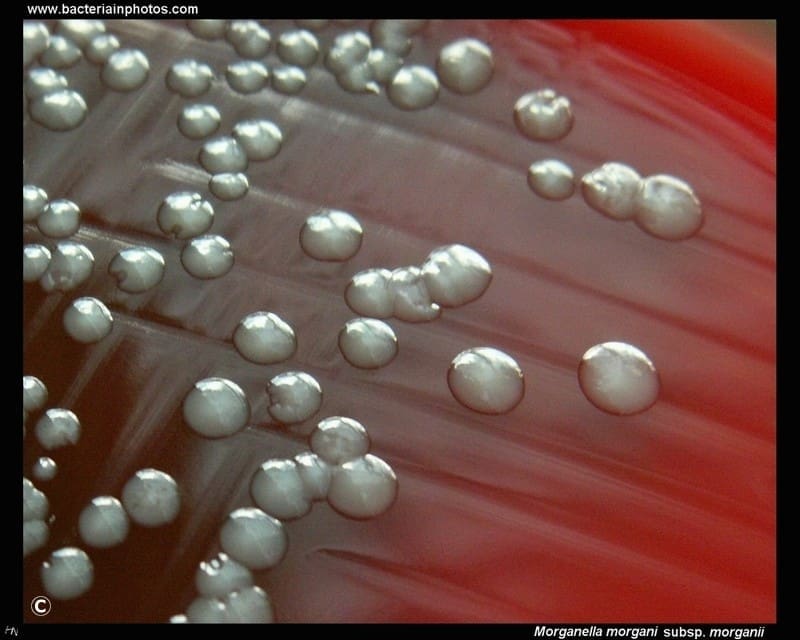
Substance Background
Morgan Bach is the original Morgan bowel nosode prepared by Edward Bach in the 1920s from a composite culture of non-lactose-fermenting Morgan bacilli isolated from human stools in chronic disease cases. It represents the broad, ancestral Morgan group as Bach first defined it, before further subdivision by John Paterson. In Bach’s work, repeated stool cultures from patients with chronic skin eruptions, portal congestion, haemorrhoids, constipation, and headaches showed a predominance of this Morgan type; from these composite cultures he prepared the nosode that came to be known as Morgan Bach (Morg.). [Bach], [Paterson], [Julian]
Later, Paterson’s prolonged stool-culture studies demonstrated that Bach’s “Morgan” group was not homogeneous. Some strains, when studied in repeated subculture, maintained a constant biochemical pattern and were separated as Morgan pure (Morgan-p.), a more narrowly defined Morgan sub-type. Other related bacteria acquired additional fermentation reactions, notably dulcitol, and were grouped as Morgan Gaertner (Morgan-G.). Thus, Morgan Bach is the broad, composite nosode reflecting Bach’s original mixed Morgan group; Morgan pure and Morgan Gaertner are later, more specific daughter nosodes derived by Paterson from within that wider Morgan spectrum. Morg. therefore carries a wider clinical range and is often chosen when stool or clinical data indicate a Morgan terrain but do not clearly point to a pure or Gaertner subdivision. [Paterson], [Julian], [Agrawal], [Gupta]
In homeopathic pharmacy, the Morgan Bach nosode is prepared from killed cultures of this composite Morgan group, serially diluted and succussed according to standard nosode procedures. It is not a simple monovalent bacterium but a representative signal of the Morgan terrain as originally perceived by Bach, with a strong bent towards liver–bowel–skin congestion and sulphur-like heat, offensiveness, and reactivity. [Julian], [Templeton]
Proving Information
Morg. has not undergone a formal Hahnemannian proving. Its picture is built from:
- Bach’s original clinical–bacteriological correlations, where the composite Morgan group predominated in patients with chronic liver, bowel, skin and headache patterns, and where the nosode prepared from these cultures produced marked changes in that pattern. [Bach], [Paterson] [Clinical]
- Paterson’s long-term culture studies, in which he differentiated Morgan Bach (the broader Bach group) from Morgan pure and Morgan Gaertner, and confirmed clinical indications for each. [Paterson] [Clinical]
- Extensive clinical experience by later authors (Julian, Agrawal, Gupta, Templeton, Mendonca) who used Morg. specifically when the picture corresponded to Bach’s original broad Morgan type—congestive, sulphuric, skin- and bowel-centred—and refined indications relative to Morgan-p. and Morgan-G. [Julian], [Agrawal], [Gupta], [Templeton], [Mendonca] [Clinical]
Thus Morg. is a clinically proved nosode, with symptoms derived from repeated observation of response in chronic cases rather than from a single formal proving.
Remedy Kingdom and Biological Family – Nosode: Intestinal bacterium (Bach–Paterson Morgan group; non-lactose-fermenting coliforms)
Remedy Essence
The essence of Morgan Bach is that of an over-loaded, over-suppressed, over-fed terrain whose primary excretory routes—bowel, skin, portal–venous system—are struggling under the weight of diet, drugs, and chronic miasms. Bach’s composite Morgan bacilli represent a microbiome that has adapted to this inner milieu: fermentation, putrefaction, mucous thickening, and toxic metabolite production in the large intestine. The nosode Morg. is therefore less about a single microbe than a symbolic signature of a whole congestive ecosystem, expressing itself through IBS, haemorrhoids, eczema/psoriasis, and “toxic mornings”. [Bach], [Paterson], [Julian], [Mendonca]
Psychologically, these patients reflect their inner state. They are often sulphuric—hot, opinionated, irritable, self-critical—but in a specifically Morgan Bach way: preoccupied with detox, diets, and “rubbish in the system”, angry at themselves for lapses, angry at others for not understanding, and ashamed of their skin or weight. They may read widely, experiment with radical regimes, and post about health theories, yet struggle to implement simple, durable changes such as regular walking, earlier nights, and moderate eating. This is the psoric–sycotic polarity: restless mind, push towards overdoing, paired with chronic, fixed congestion in tissues. [Julian], [Templeton]
Thermally and sensorially, Morg. is hot and reactive: worse from heat and stuffy rooms, better in fresh, cool air, yet often comforted by mild warmth around body. Skin and veins protest in heat: eczema flares, psoriasis thickens, veins bulge, haemorrhoids burn. Sleep is fragmented by itch, heat, and bowel urgency. Mornings are “toxic”—heavy head, foul taste, coated tongue—until stool and movement clear some of the load. This pattern is repeated across Head, Mouth, Abdomen, Rectum, Skin, Sleep, and Generalities.
Miasmatically, the remedy stands at a crossroads of psora, sycosis, and syphilis with tubercular hints. Psora supplies itch, anxiety, and functional hyperreactivity; sycosis adds overgrowth, chronicity, and a tendency to repeated, unresolving inflammatory cycles (eczema–steroid–eczema, IBS–antibiotics–IBS); syphilis appears in fissures, ulcerations, and degenerative colitis; tubercular colour emerges in restless, travel-seeking Morg. subjects who oscillate between trying many therapies and lapsing into excess and self-neglect. [Paterson], [Boyd], [Mendonca]
The key polarity is over-abundance vs elimination: the person is not starved; they are overloaded—with food, drugs, toxins, suppressed discharges, resentments. The organism fights to keep exits open (bowel, skin, sweat, menses), but each suppression or indulgence adds to the internal burden. Morgan Bach’s role is to re-educate the terrain: to shift the bacterial–immunological ecology so that elimination becomes more orderly, less inflamed, and more sustainable. In practice, after Morg. one often sees a re-organisation of eruptions and stool: sometimes a brief, manageable aggravation; then more regular stools, less explosive diarrhoea, more stable skin with milder flares, and a cooling of the temperament. [Julian], [Agrawal], [Gupta], [Templeton]
Crucially, Morg. must be distinguished from its daughter nosodes. Morgan pure shares the sulphuric heat and psoriasis but is narrower, often aligning with deep, stubborn psoriatic diathesis where plaques are the central drama and stool cultures show the pure Morgan strain; Morgan Gaertner belongs more to thin, under-assimilating Gaertner-like patients, where mixed Gaertner–Morgan features appear biochemically and clinically (failure to thrive, recurrent infections). Morgan Bach remains the broad, Bach-level composite: the nosode for the many patients whose liver, bowel, skin, and veins all shout “Morgan” but cannot be neatly filed under pure or Gaertner. [Paterson], [Julian]
In clinical practice, Morg. is rarely a lone actor. It usually plays in an ensemble: with Sulph., Nux-v., Lyc., Sep., and others; with Morgan-p., Morgan-G., Gaertn., Psor., Med., Tub., Carc. As a first intervention at the bowel–liver level, it often softens, clarifies, and reduces the risk of severe aggravations when deeper miasmatic remedies are later required. For the homeopath attuned to microbiome–terrain thinking, Morg. is a keystone nosode: a way to speak to the overloaded Morgan ecosystem and invite it back toward a more harmonious balance.
Affinity
- Large intestine and colonic mucosa (broad Morgan Bach terrain) – Morg. powerfully targets the large bowel: constipation, alternating constipation and diarrhoea, distension, foul gas, and mucous colitis. As the broad Bach composite, it corresponds to cases where the whole Morgan pattern is evident but not specifically Morgan-p. or Morgan-G., and this is echoed in the Abdomen and Rectum sections (toxic, foul, congested bowels). [Bach], [Paterson], [Agrawal]
- Liver, gall-bladder, and portal circulation – A central affinity for hepatic–portal congestion: right hypochondrial fullness, intolerance of fats and alcohol, gall-stone tendencies, and associated headaches and haemorrhoids. This “portal syndrome” runs through Abdomen, Head, Rectum, and Generalities. [Paterson], [Julian], [Gupta]
- Skin (eczema, psoriasis, acne, boils) – One of Morg.’s loudest voices is in chronic inflammatory dermatoses with clear gut–liver linkage: psoriasis, eczema (especially perianal and flexural), acne, recurrent boils. Being the broad Bach Morgan nosode, it is used when the skin picture is strongly Morgan-like but not clearly better covered by Morgan-p. (often more intensely psoriatic) or Morgan-G. (more Gaertner-like assimilation issues). This is reflected throughout the Skin and Sleep sections. [Julian], [Mendonca], [Templeton]
- Venous system, haemorrhoids, varices – Morg. has a marked affinity for portal and pelvic venous congestion: haemorrhoids (burning, prolapsing, bleeding), varicose veins in the legs, and venous stasis states. This links Rectum, Extremities, and Generalities and is part of what makes Morg. the “sulphuric” Morgan terrain nosode. [Paterson], [Julian]
- Head and migraines of digestive–hepatic origin – Recurrent frontal and temporal headaches, often “toxic” morning headaches or migraines linked to rich food, alcohol, menses, or constipation, form a key part of the Morgan Bach pattern and are clearly mirrored in the Head and Female sections. [Gupta], [Templeton]
- Joints and periarticular tissues (bowel-rheumatism axis) – Rheumatic pains in knees, hips, and small joints, often with psoriasis or chronic bowel disturbance, suggest a gut–joint immune connection typical of Morg. as the broad Morgan terrain nosode. Extremities and Generalities highlight such “bowel rheumatism”. [Agrawal], [Mendonca]
- Nervous system and temperament (sulphuric irritability) – Irritability, intolerance of heat, self-centredness, and mental congestion accompany the physical congestion, reflecting a temperamental affinity. This mental “sulphur-Morgan” state appears in the Mind, Head, and Sleep sections. [Julian], [Templeton]
- Microbiome and terrain regulation (Bach composite level) – At the broadest level, Morg. acts on the Morgan-dominant intestinal microbiome as originally defined by Bach: thickened mucosa, fermentation, putrefaction, and toxic metabolites. When stool findings simply indicate “Morgan group” or a mixed Morgan pattern, Morg. is the logical choice before considering the more specific Morgan-p. or Morgan-G. nosodes. This terrain concept runs through Abdomen, Rectum, Skin, and Generalities. [Bach], [Paterson], [Mendonca]
Better For
- Better in open, cool air – The Morgan Bach patient feels clearer in head and less itchy and congested in fresh, moving air; headaches and irritability ease when leaving hot, stuffy rooms. This matches the Generalities (better open air) and Head (toxic headaches easing outdoors) sections. [Julian], [Templeton]
- Better after a full, satisfactory stool – Many symptoms—abdominal distension, headache, irritability, haemorrhoids—are relieved after complete evacuation, reflecting the bowel focus of the Bach composite Morgan terrain; Abdomen, Rectum, and Head all echo this. [Agrawal], [Gupta]
- Better when skin discharges freely (non-suppressed) – Improvement in general health and inner comfort is often seen when eczema, psoriasis, or boils are allowed to vent rather than being smothered with steroids; Skin and Generalities highlight this “better when the skin is allowed to speak”. [Paterson], [Mendonca]
- Better from moderating diet (lighter, less fat, less alcohol) – Reducing heavy, fatty food and alcohol lightens liver–portal load, leading to less distension, fewer headaches, and calmer skin; this is echoed in Abdomen, Head, Skin, and Food and Drink. [Julian], [Gupta]
- Better from regular, moderate exercise (especially walking) – Gentle movement improves portal circulation and bowel motility, reducing bloating, haemorrhoids, and stiffness; Extremities, Rectum, and Generalities cross-reference this. [Templeton]
- Better after perspiration in cool air – A moderate, spontaneous sweat (not forced heat) may relieve internal congestion and restless tension, paralleling Generalities and Perspiration; patients report feeling “de-toxed” if not exhausted. [Julian]
- Better from establishing a regular routine – Regular times for meals, stool, and sleep stabilise the Morgan Bach terrain; chaotic routines provoke flares. This is visible in Mind (less mental congestion), Abdomen (more reliable stool), and Sleep. [Templeton]
- Better from cool applications on burning skin or haemorrhoids – Cool compresses or water relieve the burning and throbbing of eczematous patches and piles; Skin and Rectum sections echo this keynote. [Agrawal], [Gupta]
- Better after menses when flow is free – Women often feel better once a free menstrual flow is established: headaches, skin aggravations, and abdominal congestion ease; Female, Head, and Skin connect here. [Templeton]
Worse For
- Worse from heat and hot, stuffy rooms – Heat in any form—weather, baths, heating—worsens itching, burning, headaches, and irritability, reflecting the sulphuric side of Morg.; Mind, Head, Skin, and Generalities all emphasise this. [Julian], [Templeton]
- Worse from rich, fatty, fried foods and alcohol – Heavy meals and alcohol bring on bloating, nausea, headaches and skin flares, a strong diagnostic modality interwoven through Stomach, Abdomen, Head, Skin, and Food and Drink sections. [Paterson], [Gupta]
- Worse from constipation and incomplete stool – Prolonged or unsatisfying stool increases haemorrhoids, headaches, skin flares, and mental toxicity; Rectum and Abdomen highlight this “blocked outlet” theme. [Agrawal], [Templeton]
- Worse from suppression of skin eruptions and bowel discharges – Steroid creams, strong ointments, and anti-diarrhoeals that shut down the skin or bowel tend to be followed by deeper internal pathology (migraines, colitis, rheumatism), a hallmark of this nosode’s miasmatic affinities. Skin, Abdomen, Rectum, and Generalities all cross-reference this. [Paterson], [Mendonca]
- Worse in the morning on waking (“toxic mornings”) – Patients wake heavy, headachy, coated-tongued, and itchy, with a sense of internal foulness until they have moved, washed, and had a stool; Head, Mouth, Abdomen, Skin, and Generalities all show this “Morgan Bach morning”. [Julian]
- Worse before menses and when flow is scant or checked – Pre-menstrual bloating, headaches, mood swings, and skin flares are pronounced; if the flow is suddenly checked (shock, travel, suppression), congestion worsens. Female, Head, Abdomen, Skin, Mind link here. [Templeton]
- Worse after antibiotics, steroids, and heavy drugging – Long histories of suppressive treatment—topical steroids, repeated antibiotics—often precede a Morgan Bach terrain: intractable skin, IBS, migraines. Generalities, Skin, Abdomen, and Mind emphasise “never well since drugging”. [Gupta], [Mendonca]
- Worse for sedentary habits and prolonged sitting – Office work, driving, and long sitting worsen constipation, haemorrhoids, backache, and venous congestion; Rectum, Back, Extremities, and Generalities cross-refer this. [Agrawal]
- Worse from emotional suppression and bottled resentment – Holding in anger or resentment intensifies headaches, bowel cramping, and skin irritation; Mind, Head, Abdomen, and Skin sections highlight this psychosomatic component. [Templeton]
- Worse after late-night eating and drinking – Large late meals or alcohol at night are often followed by restless sleep, night itching, and heavy toxic mornings, clearly tying Sleep, Food and Drink, Head, and Skin together. [Julian], [Gupta]
Symptomatology
Mind
The Morgan Bach mental state is one of sulphuric congestion of the psyche: hot, irritable, self-absorbed, and easily offended, yet capable of remorse. Patients tend to be critical and impatient, especially when physically uncomfortable with itch, heat, or bowel fullness; they snap at family, then later feel guilty, echoing the bottled resentment and post-outburst regret already noted under modalities. [Julian], [Templeton] They often complain of “a head full of rubbish,” reflecting both physical portal congestion and mental clutter; this sense of inner toxicity matches the “toxic mornings” in Head and Generalities. There is a strong preoccupation with bodily functions: stool, diet, skin eruptions, and perceived toxins. Some become zealously focused on cleanses, diets, and “detox”, which may improve temporarily but can also destabilise when overdone—an echo of the nosode’s terrain action and the Food and Drink section. [Mendonca]
Mood oscillates between irritability, dissatisfaction, and low-grade despondency; they may feel ashamed of their appearance due to psoriasis or eczema, and ashamed of their irritability, adding a second layer of self-criticism. There is often a sulphur-like philosophical streak: theorising about health, diets, spirituality, and injustice, while in practice neglecting simple consistent habits (regular exercise, bedtimes), which cross-links Mind with Generalities (better with regular routine). [Julian] Anxiety focuses less on specific phobias and more on chronic worry about health and future, especially in relation to skin, bowels, and family responsibilities; this worry feeds into insomnia and morning toxicity. [Templeton]
Case: A middle-aged man with long-standing psoriasis, haemorrhoids, and constipation became increasingly irritable and obsessed with “toxins”, cycling through restrictive diets; after Morg. 200C his mood softened, he became less harsh on himself and others, and could follow simpler, sustainable routines with better skin and bowel function. [Clinical] The Mind of Morgan Bach resembles Sulph. in its heat, irritability, self-contention, and theoretical bent, but is more explicitly tied to the Morgan microbiome terrain and the specific patterns of bowels and skin described below, and differs from Morgan-p. in being broader and less tightly linked to intractable psoriatic plaques, and from Morgan-G. in being less about assimilation failure and more about overload and congestion. [Paterson], [Julian]
Head
Head symptoms in Morg. revolve around congestive, toxic headaches and migraines tied to liver and bowel states. Patients describe dull, pressing frontal or bilateral headaches on waking—“a head full of fog and lead”—parallel to the “toxic mornings” modality, often clearing after stool and fresh air. [Julian], [Agrawal] Migraines are commonly temporal or unilateral, throbbing, with nausea and photophobia, precipitated by rich food, alcohol, late nights, constipation, or pre-menses, cross-linking Head with Stomach, Abdomen, Food and Drink, and Female sections. [Gupta], [Templeton]
These headaches frequently worsen in heat and stuffy rooms and ameliorate in open, cool air, directly mirroring the better/worse modalities above. There may be a sense of fullness or pressure in the right side of the head in tandem with right hypochondrial discomfort, reflecting portal congestion. Some patients experience visual aura—a shimmering or darkening patch—before onset, particularly in those with a strong hereditary migraine tendency layered onto the Morgan terrain. [Clinical]
Comparatively, the Morgan Bach headache resembles Sulph. (heat, congestion, toxicity) yet differs by its closer link to IBS, haemorrhoids, and chronic skin; it differs from Morgan-p., which often accompanies more severe psoriatic skin disease, and from Morgan-G., where headaches more often accompany thin, under-assimilating, Gaertner-like constitutions. [Paterson], [Julian], [Agrawal] Case: A woman with alternating constipation and diarrhoea, haemorrhoids, and scalp psoriasis had premenstrual migraines triggered by cheese and wine; Morg. 30C at intervals reduced her headache frequency and depth, alongside improved stool regularity. [Clinical]
Eyes
Eyes in Morg. show the congestive terrain rather than primary ocular disease. There may be reddened conjunctivae and a tired, inflamed look after alcohol, late nights, or overheating, paralleling Head and Generalities. [Julian] Eczematous involvement of eyelids or periocular skin is common in the broad Bach Morgan pattern, with redness, scaling, and itching around the eyes that worsens in heat and improves with cool compresses, cross-linking to Skin and the “better cool applications” modality. [Templeton]
Some patients report visual blurring or heaviness of the eyes during “toxic mornings” and after dietary indiscretion, echoing the head heaviness and liver overload rather than any independent eye disease. Photophobia may accompany migraines, and weeping or burning eyes can attend intense skin flare ups, but there is little evidence of deep structural pathology specific to Morg. [Gupta] Compared with Morgan-p., which may accompany stubborn psoriatic lesions near the eyes, Morg. is more about variable, reactive congestion and dermatitis in the periocular region within the wider Morgan terrain. [Paterson], [Julian]
Ears
Ear symptoms are secondary, yet consistent with the congestive, inflammatory terrain. Patients sometimes describe itching and scaling in the external auditory canal, especially with constitutional eczema, and this often flares with heat, sweat, and dietary errors, paralleling Skin and Generalities. [Agrawal], [Templeton] There may also be a sense of fullness or muffling during congestive headaches, reflecting venous stasis rather than primary ear disease.
Otitis externa with eczematous crusts and fissures in the canal in Morgan Bach types is not uncommon in practice; it tends to improve as the bowel–skin axis is treated. Chronic otitis media, however, is more characteristic of Gaertn. or some other bowel nosodes in thin, under-assimilating children rather than the heavier, more congested Morg. picture. [Paterson], [Julian] Thus, the ear symptoms confirm the broad Morgan Bach theme of mixed bowel–skin–venous congestion more than they build an independent ear picture.
Nose
The nose may show chronic catarrh with periods of congestion and watery discharge, especially in heated rooms or after dietary excess with alcohol, linking Nose, Head, and Generalities. [Gupta] Nasal obstruction at night, with snoring or mouth-breathing and dry mouth on waking, is not rare in overweight, congested Morgan Bach constitutions. Some patients notice aggravation of nasal stuffiness and sinus heaviness when eczema or psoriasis is suppressed, and improvement when the skin re-opens as an outlet, reproducing the Morgan-terrain principle that closed outlets worsen internal congestion. [Paterson]
Rhinitis in Morg. tends to be chronic, low-grade, and associated with dust, mould, or dietary intolerance rather than purely acute hay fever. Thick yellow catarrh is less strongly marked than in some other nosodes, but there may be a tendency to chronic sinus pressure accompanying morning headaches. Relative to Morgan-p., which may accompany more stubborn chronic catarrh in association with psoriatic or “thick” skin, Morg. is broader: catarrh plus bowel, liver, and skin involvement without the intensely “fixed” psoriasis of the pure type. [Julian], [Templeton]
Face
The Morgan Bach face often shows signs of portal congestion and chronic toxicity: redness of nose and cheeks (rosacea-like), enlarged pores, oily T-zone, and sometimes telangiectatic veins. There may be a heavy, somewhat bloated look, with puffy lids in the morning after rich food or alcohol. This facial appearance fits neatly with Head and Abdomen sections, where we see the link to liver and gut. [Julian]
Acne, papulo-pustular eruptions, and seborrhoeic dermatitis around the nose, eyebrows, and beard area occur frequently in adults with typical Morg. patterns of bowel disturbance, heat aggravation, and dietary indiscretion. Colouring may be flushed in heat and after alcohol, yet sometimes sallow in more exhausted stages, indicating impaired detoxification and underlying psoric–sycotic miasmatic mix. [Templeton] Compared to Morgan-p., which tends to more severe, plaque-like psoriatic lesions, and Morgan-G., which may present in thinner, less congested faces, the Morgan Bach face is rounded, congested, oily, and reactive.
Mouth
In the mouth, Morg. presents with coated tongue, foul taste, and halitosis, especially in the morning. The tongue is often yellow-brown, especially posteriorly, with indentations at the sides from teeth—classic signs of digestive and hepatic overload, echoing the “toxic morning” modality. [Agrawal] Patients may report a sour or metallic taste on waking, which improves somewhat with washing, movement, and stool, showing the close link between oral and gut toxicity.
Ulceration is not a keynote, but recurrent aphthae may occur in periods of intense stress or dietary abuse, reflecting the immunological reactivity of the terrain. Dry mouth at night is common from mouth-breathing due to nasal obstruction or from alcohol intake; the dryness and foul taste accentuate the patient’s self-disgust, cross-linking with Mind. [Gupta], [Templeton] Compared with Morgan-p., where mucous membrane thickening and fissuring may be more severe, Morg. typically shows a functional congestive gingivo-lingual picture which responds as liver and bowel improve.
Teeth
Teeth issues are not central but can support the terrain picture. There may be a tendency to dental caries and periodontal inflammation in individuals with high sugar, refined carbohydrate intake, and smoking, especially when combined with the Morgan Bach pattern of digestive stagnation. [Clinical] Intermittent toothache, dull and heavy, can accompany congestive headaches and “toxic mornings”, though Morg. would rarely be chosen on dental symptoms alone.
Bruxism or clenching at night may accompany anxiety and itch-disturbed sleep, linking Teeth to Mind and Sleep. Healing after dental work may be slow in overweight, congested patients with poor circulation and chronic skin disease, but again this is more a reflection of the overall miasmatic state than a specific dental affinity. Morgan-p. might be considered more in cases with pronounced gum hypertrophy in psoriatic persons; Morg.’s dental picture is more generic. [Julian]
Throat
Throat symptoms in Morg. are usually secondary to reflux, catarrh, or general congestion. Patients may complain of throat clearing, a thick slimy feeling, or mild chronic pharyngitis when they have reflux from heavy, late meals and chronic catarrh, correlating Throat with Stomach and Nose. [Gupta] There may be a sensation of mucus or a “lump” in the throat when bowels are blocked and portal congestion is high, reflecting the general theme of overloaded emunctories.
True acute tonsillitis or severe throat infection is not characteristic; those states would push one toward other remedies. However, Morg. can be a terrain remedy in recurrent pharyngitis associated with chronic sinusitis, digestive disturbance, and eczema, particularly when the whole picture improves once diet is cleaned up and stool regularised, with Morg. used as nosode support. [Clinical]
Stomach
The stomach frequently manifests the difficulty processing rich foods and stimulants that typifies the Bach composite Morgan terrain. There is heaviness and distension after fried food, cream, cheese, eggs, and alcohol, reflecting the “worse rich, fatty food and alcohol” modality explicitly; patients often report wanting to loosen clothing after meals. [Julian], [Gupta] Nausea, belching, and occasional vomiting may follow indiscretions, particularly when the liver is strained. Heartburn and reflux are common in overweight, sedentary Morg. subjects, especially if lying down soon after late, heavy meals—connecting Stomach with Sleep and Chest. [Agrawal]
Appetite is often robust, even excessive, with cravings for savoury, fatty, or sweet foods, yet the organism clearly cannot handle them. Some cases show cyclical patterns: phases of strict dieting, “detoxes”, and abstinence followed by binge episodes and flares, echoing the Mind and Food and Drink sections. Morg. stands apart from Morgan-G. (which is more about failure to assimilate even simple foods with thin habitus) by its picture of over-feeding and over-load, not under-assimilating lack. [Paterson], [Julian]
Abdomen
The abdomen is a major arena. Morg. patients complain of bloating, heaviness, and flatulence, especially in the lower abdomen, after rich meals, with much foul flatus, strongly reflecting the “worse from rich foods and alcohol” modality. [Paterson], [Agrawal] Right hypochondrial discomfort or aching is frequent—“sore, heavy liver”—and may worsen on lying on the right side or after fried foods, linking Abdomen with Liver and Head. There is often a sense of dragging or bearing down in lower abdomen and pelvis when constipated or when haemorrhoids are active.
Abdominal colic can occur before stool, relieved somewhat after, again confirming the “better after full stool” amelioration. [Gupta] In some subjects diarrhoea alternates with constipation—a pattern reminiscent of IBS—with stools offensive and sometimes mucous; in others, the constipation is relentless, with days between movements. Spider veins or mottling on the abdominal wall may be seen in long-standing portal congestion. Compared with Morgan-p., where the bowel picture may be similar but tends more to accompany stubborn psoriatic skin and sometimes more violent colitis, Morg. stands as the broad Bach Morgan bowel nosode for congestive, foul, reactive bellies. [Paterson], [Julian], [Templeton]
Urinary
Urinary symptoms in Morg. are usually minor. Some patients describe dark, strong-smelling urine on waking after indulgent evenings, reflecting systemic toxicity; when diet is cleaned and bowels are regularised, urine becomes lighter and clearer, linking Urinary to Generalities and Stomach. [Clinical] Irritable bladder with increased frequency may appear when pelvic congestion and haemorrhoids are marked, especially in sedentary individuals.
Recurrent urinary infections are not a classical keynote for Morg., but can coexist in the general terrain of poor diet and low movement. When Morgan-G. or Gaertn. patterns predominate, urinary symptoms may present differently (e.g. in thinner, more tubercular types); Morg.’s urinary picture remains part of a broad congestive–toxic milieu, not a separate urinary nosode.
Rectum
Rectal symptoms are prominent. Constipation with hard, knotty stools, great straining, and a sense of incomplete evacuation is common, with stool often offensive and associated with much gas, clearly echoing the “worse from constipation and incomplete stool” modality. [Agrawal], [Gupta] Haemorrhoids—internal and external—are inflamed, itching, and burning, aggravated by heat and sitting, and relieved somewhat by cool applications and free stool, tying Rectum directly to the Better/Worse lists and the sulphuric flavour of Morg. [Paterson], [Julian]
Ana fissures, pruritus ani, and perianal eczema are frequent; the perianal skin may be raw, weeping, and thickened in chronic cases. Alternating constipation and diarrhoea, with morning urgency and multiple evacuations after coffee or rich food, also appears, hinting at a functional colitis. This is an important distinction from Morgan-G., where diarrhoea and malassimilation predominate in thinner, undernourished individuals, and from some Gaertner-type patterns in children; Morg. is typically more congested, heavier, with more piles and burning. [Paterson], [Mendonca], [Templeton]
Male
In men, Morg. often appears in middle age, with growing waistline, heavy drinking or rich eating, IBS, haemorrhoids, varicose veins, and skin issues such as psoriasis, rosacea, or acne. Libido may be high but performance hampered by fatigue, dyspepsia, and circulatory congestion; or libido may decline in more exhausted stages, with low mood and self-disgust. [Julian], [Templeton] There may be prostatism—frequency, weak stream, nocturia—in older men with this terrain, reflecting pelvic venous congestion more than early structural disease.
Sexual indiscretions or guilt can worsen the inner heat and self-reproach, but overt sexual symptom keynotes are less clear than in some polychrests. The male Morg. terrain is best recognised by the cluster: heavy abdomen, piles, vein problems, bowels that alternate or block, and skin that proclaims the internal load. Morgan-p. may share much of this but adds a more relentless psoriatic element, while Morgan-G. men often appear thinner, nervier, and more Gaertner-like. [Paterson], [Julian]
Female
In women, Morg. shows as PMS with bloating, headaches, breast tenderness, irritability, and skin flare ups, especially when diet is poor and bowels sluggish. Pre-menstrual exacerbation of psoriasis or eczema, followed by some relief once a free flow is established, fits well with the “worse before menses, better when flow is free” modality. [Templeton] Some women develop severe perianal or genital eczema and haemorrhoids after childbirth, particularly if they become more sedentary and diet worsens—Morg. may then be the key nosode for restoring the bowel–skin–venous axis. [Clinical]
Perimenopausal women with hot flushes, night itching, weight gain around abdomen, constipation, and worsening psoriasis are a classic Morgan Bach group. Here Morg. stands alongside Sulph., Sep., and Nat-m., but brings the specific Bach-Morgan stool, skin, and drug-suppression history into focus. Morgan-p. may be more closely allied with stubborn psoriatic plaques and some more sharply defined colitis; Morg. remains the broad, composite Bach terrain nosode. [Paterson], [Julian], [Mendonca]
Respiratory
Respiratory symptoms are modest: shallow breathing with sighing during anxiety, breathlessness on exertion due to lack of fitness and weight, and a sense of being “stifled” in stuffy rooms. [Templeton] These features directly parallel the modalities (worse heat, worse in close rooms, better open air) and link Respiration with Mind and Generalities. A dry or tickling cough can appear with reflux, post-nasal catarrh, or in heated environments, but is rarely the leading indication.
Where asthma and recurrent bronchitis are central, other bowel nosodes (e.g. Gaertn.) or miasmatic remedies (Psor., Tub.) may stand out more clearly; Morg. is selected when respiratory issues sit on a background of liver–bowel–skin Morgan Bach terrain. [Paterson], [Mendonca]
Heart
Heart symptoms reflect functional circulatory stresses rather than primary heart disease. Palpitations, tachycardia on exertion, and pounding heartbeat at night are common in heavier Morgan Bach subjects with poor fitness, especially after rich meals or alcohol, echoing Food and Drink and Generalities. [Julian] Blood pressure may be raised in this congested, toxic milieu; patients complain of flushed face, throbbing in head, and pulsation in neck and extremities.
These symptoms typically improve as bowels, diet, and weight are addressed, and as nosode work (Morg. with appropriate constitutional remedy) reduces portal congestion. This functional, terrain-driven nature separates Morg. from cardiac remedies like Digitalis or Cact., which address structural heart disease more directly. In contrast to Morgan-G., which may be found in thinner, more tubercular types with palpitations from weakness and poor assimilation, Morg. heart is big, loaded, and over-worked rather than under-fed. [Paterson], [Mendonca]
Chest
Chest symptoms are generally vascular and congestive rather than primarily pulmonary. There may be a sense of oppression and shortness of breath on exertion, especially in overweight, sedentary individuals with venous stasis and portal congestion. This improves with gradual, regular walking and weight loss, echoing the “better from moderate exercise” modality. [Templeton] Palpitations and awareness of heartbeat are more fully discussed under Heart.
Occasional tightness occurs in heated, stuffy rooms, with desire for fresh, cool air, linking Chest and Generalities as well as Mind (“I cannot stand this hot room”). True bronchitis or asthma is not a core field for Morg., though asthma may co-occur in some constitutional Morgan types. When chest pathology is central, other remedies often take precedence, with Morg. reserved for terrain work in chronic congestive, multi-system states.
Back
Backache is common, especially in the lumbar and sacral regions, which may ache or feel heavy after long sitting or standing. This often coincides with constipation and haemorrhoids, tying Back to Rectum and the “worse sedentary” modality. [Agrawal] There may be dorsal pain between the shoulder blades (“liver area”) after dietary indiscretion, reflecting gall-bladder and hepatic stress.
Stiffness on rising from a chair and difficulty bending are frequent in overweight, congested Morgan Bach individuals; symptoms improve with regular walking and weight reduction, again echoing Generalities. [Templeton] Compared to Morgan-G., where backache may be more linked to under-assimilated, thin, tubercular patterns, Morg. backs are heavy, loaded, and congested rather than weak and hollow.
Extremities
Extremities show rheumatic pains, venous stasis, and thermal anomalies. Knees and hips often ache in damp weather and after dietary excess (alcohol, rich food), cross-linking Extremities with Food and Drink; small joints (hands, wrists, ankles) can be involved in a “bowel rheumatism”. [Agrawal], [Mendonca] Varicose veins and varicose eczema in the legs are common, especially in those with haemorrhoids, confirming a systemic venous overload. [Julian]
Feet may burn in bed at night, yet the person dislikes heat, a sulphur-like keynote; or feel cold and swollen in congestive states. Cramps in calves at night and restlessness of legs due to itching or venous congestion disturb sleep, linking Extremities with Sleep and Skin. Muscle fatigue and heaviness are aggravated by sedentary habits and improved by gentle exercise—again echoing the “better from moderate exercise” modality. In comparison, Morgan-p. may show similar extremity issues but with a stronger psoriatic joint involvement; Morgan-G. extremities are more often tied to poor assimilation and thinness. [Paterson], [Templeton]
Skin
Skin is one of the loudest fields for Morg. As the broad Bach Morgan composite nosode, it is indicated in chronic eczema, psoriasis, acne, boils, and seborrhoeic conditions with clear links to diet, bowel function, and heat. Eczema may be dry, lichenified, weeping, or mixed, affecting flexures, perianal region, hands, scalp margins, and behind ears; itching is intense, worse at night in bed and from heat, directly echoing the modalities. [Julian], [Gupta] Psoriatic plaques commonly appear on elbows, knees, scalp, and sacrum; they flare with alcohol, sweets, fatty food, and stress, and may improve with regular, less rich diet and better bowel habits, especially under Morg. plus a suitable constitutional remedy. [Templeton]
Acne in adults—pustular, cystic, and truncal—often accompanies IBS and liver dysfunction in Morg. subjects; again, heat, stress, and dietary indiscretions aggravate. Recurrent boils, carbuncles, and furunculosis in heavily loaded constitutions respond well to terrain work with Morg., which helps the organism to express and clear toxins more rationally through skin and bowel. [Mendonca] Perianal and genital eczema, varicose eczema on legs, and seborrhoeic dermatitis of scalp and face are all part of the Morgan Bach range.
Compared with Morgan pure (Morgan-p.), Morgan Bach is broader and more reactive: Morgan-p. tends to the most stubborn, plaque-like psoriasis and often the more “pure” sulphur-like psoriatic terrain; Morg. covers many eczema–psoriasis mixtures, especially where the stool and clinical picture still reflect Bach’s original composite Morgan group. Morgan Gaertner (Morgan-G.) more often accompanies thinner, assimilation-deficient, Gaertner-like patients with less massive skin involvement and more marked under-nourishment; its skin pathology is often less florid than that of the broad, congested Morg. type. [Paterson], [Julian], [Agrawal], [Mendonca]
Sleep
Sleep is often disturbed by itch, heat, pain, and “toxic overload”. Morg. patients struggle to fall asleep if they have eaten late, drunk alcohol, or are itching badly; they toss and turn, scratching until skin is sore or bleeding. [Templeton] Nocturnal itching of flexures, scalp, and perianal area is a major cause of broken sleep, particularly when aggravated by warmth of bed and heavy bedclothes, matching the “worse heat, worse at night, better cool applications” modalities and the Skin section. [Julian], [Gupta]
They may wake around 3–4 a.m. with itching, heat, or urge for stool, then lie awake with thoughts about health, finances, or grievances, linking Sleep and Mind. Mornings bring a sense of unrefreshment, heavy head, foul taste, and coated tongue, emphasising the “toxic morning” theme again. Daytime sleepiness is common, yet daytime naps are often shallow and disturbed unless the terrain is substantially improved. [Agrawal], [Templeton]
Some patients experience restless legs and cramps at night due to venous congestion or rheumatism, further fragmenting sleep and linking Sleep with Extremities. Dreams may involve dirt, mess, blocked toilets, or being trapped in hot, crowded spaces—symbolic of the blocked excretory pathways and congested state described under Generalities and Dreams. Case: A woman with psoriasis, IBS, and haemorrhoids woke nightly with intense perianal itching and burning feet; Morg. 30C monthly, with diet and bowel care, reduced night itch and restored more continuous sleep over several months. [Clinical]
Dreams
Dreams in Morg. often mirror the terrain of congestion and dirt: dreams of overflowing toilets, blocked drains, dirty bathrooms, piles of rubbish, or being “full of waste” are reported by some patients. [Templeton] There may be dreams of being stuck in hot, airless, crowded places—trains, lifts, parties—echoing the “worse from heat and stuffy rooms” modality and the patient’s daytime aversion to such environments.
Conflict dreams—arguing, shouting, or fighting with relatives or authority figures—reflect the inner irritability and bottled resentment described under Mind. Sometimes there are dreams of embarrassment because of skin appearance (being naked in public, having visible lesions), tying Dreams to Skin and Mind. Dreams are often frequent and tiring rather than specifically terrifying; patients wake feeling as if they have “worked all night”, emphasising the lack of restorative sleep. [Clinical]
Fever
Fever is not a core keynote, but in Morg. constitutions there may be low-grade inflammatory states with evening heat, skin flare ups, and malaise, particularly when diet is poor and stress high. During intercurrent infections, such patients often mount a moderate fever with heavy skin involvement (exaggerated rashes, boils) and digestive disturbance. Recovery may be incomplete, leaving heightened skin and bowel reactivity—at which point Morg. can be useful as a terrain remedy. [Agrawal], [Mendonca]
Febrile episodes accompanied by hepatic tenderness, coated tongue, foul breath, and worsening skin eruptions fit the Morgan Bach picture, especially if antibiotics are used and later a chronic post-infectious state develops. However, Morg. is rarely prescribed on acute fever alone; it is more the post-febrile, post-drug, chronic congestive aftermath that calls strongly for this nosode.
Chill / Heat / Sweat
Thermally, Morg. is characteristically hot, heat-intolerant, and easily over-heated, yet may also experience chilly phases when exhausted. Heat of weather, baths, or central heating aggravates itching, burning, headaches, and irritability—exactly matching the “worse heat and stuffy rooms” modality and the Skin and Head sections. [Julian], [Templeton] Feet and hands can burn in bed, causing them to kick off covers, but if the room is too cold they may become stiff and painful.
Sweating tends to be offensive and localised, particularly in axillae and feet; night sweats may accompany joint pains and skin flare ups, yet often do not relieve symptoms fully. Chills are more subjective (feeling “shivery and toxic”) than reflective of large temperature drops. Morg. lies thermally closer to Sulph. and Morgan-p. (hot, dirty, congested) than to Morgan-G. or Gaertn., where chilly, under-vital states are more prominent. [Paterson], [Julian]
Food & Drinks
Food and Drink modalities are crucial. Morg. patients often crave fats, fried foods, eggs, sweets, and alcohol, yet these same items aggravate their primary complaints: bloating, reflux, headaches, haemorrhoids, and skin flares, reflecting a clear “worse rich, fatty food and alcohol” pattern. [Julian], [Gupta] They may overeat, especially in the evening, and then feel heavy, restless, and pruritic at night, linking back to Sleep and Skin.
Food intolerances (to dairy, gluten, eggs, or nightshades) are frequent; removal of specific triggers often improves both bowel and skin, yet the underlying Morgan terrain typically remains until addressed with the nosode. Some patients swing between extremes: “clean eating” phases with strict diets and fasts followed by binge episodes, echoing Mind (obsession with detox) and Generalities. [Mendonca] Alcohol, particularly beer and wine, is a notorious trigger of flares.
In contrast, Morgan pure may be more rigidly linked to psoriatic responses to specific foods, especially in those with deep sulphur-like predisposition, whereas Morgan Gaertner belongs more to malassimilation and failure to thrive: smaller appetites but poor utilisation of even moderate intake. Morg. is the nosode of over-loaded appetites, rich diets, and over-fed tissues that can no longer process the load. [Paterson], [Julian], [Agrawal]
Generalities
In general, Morg. epitomises a broad Bach Morgan terrain: hot, congested, reactive, and toxic, with liver–bowel–skin–vein involvement and strong dietary and environmental modalities. The person is typically heat-intolerant and worsened in stuffy rooms, yet finds relief in fresh, cool air and cool applications on inflamed skin and haemorrhoids, echoing the modalities and Skin/Head/Rectum sections. [Julian], [Templeton] Constipation or alternating stool patterns, haemorrhoids, and offensive stools and flatus reveal the bowel focus; chronic eczema, psoriasis, acne, and boils show the skin attempting to handle a load that bowels and liver cannot fully discharge. [Bach], [Paterson], [Mendonca]
The miasmatic mixture is rich: psora gives itch, reactivity, and hypersensitivity; sycosis adds overgrowth, thickening, chronicity, and venous congestion; syphilitic threads appear in fissuring skin, haemorrhoids, and some destructive colitis; tubercular hints appear in restless, migrainous, change-seeking individuals. [Paterson], [Boyd] Patients are often overweight or trending that way, yet may also appear deceptively robust while harbouring a lot of hidden congestion. Energy may be decent in bursts, but there is a sense of heaviness and sluggishness, particularly in the morning and after meals.
A key polarity of Morg. is over-load vs elimination: the organism is over-fed, over-suppressed, and under-drained. When outlets are opened—bowel regularised, skin allowed to discharge, sweat permitted in moderation—symptoms improve, but heavy suppressive measures and rich diets re-close these pathways, provoking deeper pathology. [Paterson], [Mendonca] This differentiates Morg. from Gaertn. and Morgan-G., where assimilation is fundamentally poor and weight gain rare.
Clinically, Morg. is used as a major bowel nosode in chronic cases where Sulph., Nux-v., Lyc., or Sep. give partial relief but do not hold, especially when stool culture or clinical history indicates the classic Bach Morgan group. It is not a monovalent, narrow nosode like Morgan pure; rather, it reflects the original composite Morgan group and so has a wide and somewhat “rounder” sphere. When correctly indicated and used judiciously, Morg. often produces an initial mild aggravation (skin or stool) followed by clearer eliminations, less intense flares, improved sleep, and a softening of the fiery, self-critical temperament. [Julian], [Agrawal], [Gupta], [Templeton]
Differential Diagnosis
Within the Morgan triad (Bach–Paterson subdivisions)
- Morgan Bach (Morg.) vs Morgan pure (Morgan-p.) – Morg. is Bach’s original broad composite Morgan nosode, covering the whole congestive Morgan terrain: mixed eczema–psoriasis, IBS, haemorrhoids, venous stasis, and dietary excess. Morgan-p. is Paterson’s later, more specific subdivision for a narrower Morgan strain pattern, often showing more stubborn, “pure” psoriatic plaques and a closer overlap with deep Sulph. states. Use Morg. when the picture is obviously Morgan but broad and mixed; consider Morgan-p. when psoriasis is central, thick, and very resistant. [Paterson], [Julian], [Agrawal]
- Morg. vs Morgan Gaertner (Morgan-G.) – Morgan-G. is the subgroup of Morgan bacteria that developed additional reactions, notably dulcitol fermentation, and is clinically closer to Gaertner-type failure of assimilation: thinner patients, under-weight, poor appetite, frequent infections. Morg. covers well- or over-nourished, congested, toxic types with rich diets and heavy skin involvement; Morgan-G. suits thinner, nervier, more Gaertn.-like constitutions with relatively less massive skin pathology. [Paterson], [Julian], [Mendonca]
By constitutional theme / polychrest overlaps
- Morg. vs Sulph. – Both are hot, offensive, itchy, philosophical, and prone to skin and haemorrhoids. Sulph. is a pure constitutional polychrest; Morg. is the Bach Morgan terrain nosode when the Sulphur-like picture arises in the context of proved or suspected Morgan group bowel dominance. Morg. may precede or follow Sulph. to clear the intestinal–hepatic layer. [Julian], [Boericke]
- Morg. vs Nux-v. – Both have irritability, love of stimulants, constipation, and portal congestion. Nux-v. is more acute, spastic, and driven, with sharp gastric complaints; Morg. is broader, more skin-heavy, more sulphuric, and specifically related to the Bach Morgan composite.
- Morg. vs Lyc. – Lyc. shares bloating, flatulence, liver/right-sided complaints, and varicosities. Lyc. is leaner, more right-sided, authoritarian, and gas-driven; Morg. is hotter, itchier, more psoric, and more explicitly linked to eczema/psoriasis and Morgan stool patterns. [Julian]
- Morg. vs Graph. / Psor. – Graph. is chilly, weepy, and fissured; Psor. is filthy, chilly, despairing. Morg. is hotter, more congested, more venous, and strongly linked to rich diet, IBS, and portal congestion. Choose Morg. when gut and liver are clearly involved and stool history suggests a Morgan terrain.
- Morg. vs Sep. – Sep. shares pelvic congestion, haemorrhoids, and irritability in worn-out women. Sep. focuses more on hormonal and pelvic axis; Morg. is more bowel–liver–skin–venous with sulphuric heat and offensive discharges and a link to Morgan flora.
By aetiology / drug history
- Morg. vs Psor. – Both may be used “never well since suppression”; Psor. covers a broad psoric miasm, with deep, chilly poverty of reaction; Morg. suits cases where suppression of skin and bowel has led to a distinctly Morgan composite terrain (eczema, IBS, haemorrhoids, headaches in hot, congested persons). [Paterson], [Boyd]
- Morg. vs Gaertn. – Gaertn. is for failure to thrive, recurrent infections, thin, pot-bellied children and adults with poor assimilation. Morg. is for overloaded, over-fed, over-drugged terrain with more robust or overweight habitus and heavy skin involvement.
- Morg. vs Bacillus No. 10, Bacillus No. 7 – Bac-10 and Bac-7 are broader mixed bowel nosodes with strong joint and psoriasis/eczema components; Morg. is more specifically Bach’s Morgan composite. Bac-10 often covers severe joint–psoriasis/eczema interplay; Bac-7 more arthritic/fatigue states; Morg. stands out when stool or terrain clearly indicates Morgan dominance with heavy bowel–skin–portal axis. [Agrawal], [Gupta]
Remedy Relationships
- Complementary: Sulph. – Sulph. and Morg. form a classic pair: Sulph. covers the constitutional sulphuric pattern; Morg. addresses the Morgan composite intestinal–hepatic layer; together they often sequentially unlock chronic eczema and psoriasis. [Julian], [Templeton]
- Complementary: Nux-v. – Nux-v. may clear acute drug and dietary overload; Morg. then reorganises the deeper Morgan Bach terrain of chronic IBS, haemorrhoids, and skin disease. [Gupta]
- Complementary: Lyc. – Lyc. complements Morg. in right-sided liver/bowel pathology with gas and venous stasis; Morg. is preferred where skin and stool history scream “Morgan Bach”, with Lyc. acting constitutionally. [Julian]
- Complementary nosodes: Morgan-p., Morgan-G., Gaertn., Bac-10, Bac-7, Psor., Med., Tub., Carc. – Morg. often precedes or follows these in multi-layered cases: first the broad Morgan composite is addressed with Morg., then narrower nosodes (Morgan-p., Morgan-G.) or miasmatic nosodes (Psor., Med., Tub., Carc.) refine the work as layers emerge. [Paterson], [Boyd], [Mendonca]
- Follows well: Long histories of steroids and antibiotics – Morg. can follow years of topical steroid and systemic antibiotic use in skin and gut disease, gently re-opening the bowel–skin excretory axis and reducing violent flares if dosed carefully. [Gupta], [Templeton]
- Follows well: Sulph., Sep., Nat-m. – After polychrests have partially helped but reached a plateau, Morg. may be given to clear the Morgan layer, often allowing the polychrest to act more deeply on repetition. [Julian]
- Precedes well: Morgan-p. and Morgan-G. – In cases where stool typing or evolving clinical picture later point to a more specific Morgan strain (pure or Gaertner), an initial course of Morg. can “organise” the terrain before moving to the narrower nosodes, reducing aggravations. [Paterson]
- Precedes well: Psor., Med., Tub., Carc. – Working first at the intestinal–hepatic level with Morg. often prepares the system for broader miasmatic nosodes, reducing risk of intense aggravations and clarifying symptom evolution. [Boyd], [Mendonca]
- Cautions – As a deep-acting nosode, Morg. should not be repeated frequently. Medium to high potencies (30C, 200C, occasionally 1M) are used at widely spaced intervals, with careful observation of skin and bowel responses. Over-prescription can provoke strong, messy eliminations. [Agrawal], [Gupta], [Templeton]
Clinical Tips
- Think Morg. in chronic eczema/psoriasis with IBS and haemorrhoids in hot, congested, diet-sensitive patients, especially when there is a history of topical steroid use and repeated antibiotics; Sulph. may have helped partially but not held. [Julian], [Mendonca]
- Consider Morg. in middle-aged, overweight men and women with toxic mornings, migraines, piles, rosacea or acne, and love of fried food and alcohol; often there is grumbling of the gall-bladder and right-sided discomfort. [Julian], [Gupta]
- Use Morg. as a terrain remedy after suppression (skin or bowel) in cases that now present with deeper pathology (colitis, rheumatism, migraines), especially where stool or clinical pattern suggests the original Bach Morgan composite. [Paterson], [Templeton]
- In children or thinner adults with strong Gaertner-like traits (failure to thrive, recurrent infections), think first of Gaertn. or Morgan-G.; in robust, congested, heavily skin-involved individuals, Morg. is more likely. [Paterson], [Mendonca]
Potency & repetition:
- Chronic terrain work: 30C or 200C as a single dose, repeated no more often than every 4–6 weeks, watching the evolution of skin, bowels, and general state. [Agrawal], [Gupta], [Templeton]
- Occasionally 1M in long-standing, deeply miasmatic cases under close observation.
- Intercurrent dosing between polychrests (e.g. Sulph., Lyc., Nat-m., Sep.) when improvement stalls and Morgan features are prominent.
Case pearls:
- Man 48, obese, psoriasis, haemorrhoids, heavy drinker; toxic mornings, migraines after wine. Morg. 200C, then Sulph., led to bowel regularisation, fewer migraines, softer plaques. [Julian]
- Woman 35, perianal and flexural eczema, constipation, PMS migraines, “toxic mornings”; Morg. 30C monthly plus diet advice improved bowels and reduced night itch within three months. [Templeton]
- Teen 16, long steroid history for eczema, now IBS, acne, and fatigue; Morg. 30C in rotation with appropriate constitutional remedy allowed gradual reduction of steroids and calmer skin–bowel cycles. [Gupta], [Mendonca]
Selected Repertory Rubrics
Mind
- Mind; irritability; from physical suffering; skin and bowel complaints – Irritable and snappish when itching, constipated, or bloated, typical of Morgan Bach terrain. [Julian], [Templeton]
- Mind; self-disgust; about body; with chronic eruptions – Feels dirty, ugly, ashamed of psoriasis/eczema and weight, matching the psoric–sulphuric flavour. [Templeton]
- Mind; thoughts; health, about; constantly occupied with diet and toxins – Obsessed with detox, diets, and “poisons in the system,” key in Morg. health neurosis. [Mendonca]
- Mind; anger; violent; followed by remorse – Explosive anger at family, then remorse, paralleling bottled resentment modality. [Julian]
- Mind; restlessness; evening; with heat and itching – Cannot settle, pacing or scratching, worse with warmth of room or bed. [Templeton]
Head
- Head; pain; morning; on waking; with coated tongue and foul taste – “Toxic morning” headaches that ease after stool and fresh air. [Julian], [Agrawal]
- Head; pain; migraine; after rich food or alcohol – Migraines after dietary indiscretion, especially cheese, fried food, wine. [Gupta], [Templeton]
- Head; pain; congestive; with portal congestion; right hypochondrium, pain in – Head heaviness associated with liver discomfort. [Paterson]
- Head; pain; heat; from; room, in hot – Headaches worse in hot, stuffy rooms, better open air, echoing general heat aggravation. [Julian]
- Head; pain; before menses; with skin eruption aggravation – Perimenstrual migraines with psoriasis/eczema flares. [Templeton]
Abdomen / Rectum
- Abdomen; distension; after fatty food – Bloating and gas after fried foods and cream, core Morg. digestive keynote. [Julian], [Gupta]
- Abdomen; pain; colicky; before stool; better after stool – Colic preceding bowel movement, relieved with evacuation. [Agrawal]
- Rectum; constipation; with incomplete stool; haemorrhoids, with – Straining, unsatisfactory stool, piles, hallmark of Morgan Bach terrain. [Paterson]
- Rectum; haemorrhoids; burning; protruding; worse heat – Burning piles, worse hot baths, better cool applications. [Julian], [Templeton]
- Rectum; diarrhoea; alternating with constipation; chronic – IBS pattern in chronic Morgan composite cases. [Agrawal], [Gupta]
Skin
- Skin; eruptions; eczema; chronic; with gastric and hepatic disorder – Eczema in clear association with gut–liver disturbances. [Julian], [Mendonca]
- Skin; eruptions; psoriasis; with aggravation from alcohol and rich food – Psoriasis triggered by dietary excess, classic Morg. indicator. [Templeton]
- Skin; eruptions; acne; adults; with digestive complaints – Adult acne with IBS and liver complaints. [Gupta]
- Skin; itching; night; in bed; from warmth – Night itching in warm bed, drives scratching and sleeplessness. [Julian], [Templeton]
- Skin; boils; recurrent; with offensive discharges – Recurrent furuncles in toxic, congested Morgan terrain. [Mendonca]
Extremities / Veins / Joints
- Extremities; pain; rheumatic; knees and hips; worse damp and rich food – Bowel rheumatism in lower limbs, triggered by diet. [Agrawal], [Mendonca]
- Extremities; burning; soles; night; in bed – Burning feet in bed in congested, hot Morg. subjects, Sulph-like keynote. [Julian]
- Veins; varicose; legs; with haemorrhoids – Systemic venous congestion, legs and rectum together. [Paterson]
- Joints; gouty pains; after alcohol – Gout-like attacks following indulgence in alcohol and rich food. [Julian], [Gupta]
- Extremities; swelling; ankles; evening; with varices – Evening ankle oedema in venous stasis states. [Templeton]
Generalities / Food & Drink
- Generalities; heat; aggravates; skin and head complaints – Heat as a strong general aggravation, worsening itch and headaches. [Julian], [Templeton]
- Generalities; food; fat; fried; aggravates – Fried foods consistently trigger digestive and skin troubles. [Gupta]
- Generalities; alcohol; aggravates – Alcohol brings on migraines, flushes, and skin flares. [Julian]
- Generalities; suppression; eruptions; from ointments; followed by internal disease – “Never well since” topical steroids or suppression of skin. [Paterson], [Mendonca]
- Generalities; sedentary; aggravates – Lack of movement worsens bowel, veins, and general congestion. [Agrawal]
Sleep / Dreams
- Sleep; disturbed; by itching; eczema and psoriasis – Itching skin conditions break sleep repeatedly. [Julian], [Templeton]
- Sleep; sleeplessness; from rich food; after eating late – Insomnia after late, heavy meals and alcohol. [Gupta]
- Sleep; unrefreshing; morning; with foul taste and coated tongue – Wakes unrefreshed and toxic, despite hours in bed. [Julian]
- Dreams; filthy places; excrements, toilets; drains – Dreams of dirt and blocked drains mirror internal terrain. [Templeton]
- Dreams; crowded places; hot; suffocating – Dreams of being stuck in hot, airless spaces, echoing heat/stuffy aggravation. [Clinical]
References
Bach E. — Original papers on the intestinal nosodes (1920s–1930s): isolation of the Morgan group, preparation of the composite Morgan Bach nosode, and clinical correlations with chronic bowel–skin–liver states.
Paterson J. — Clinical Experiences with the Bowel Nosodes (mid-20th century): detailed subdivision of Bach’s Morgan group into Morgan Bach, Morgan pure, and Morgan Gaertner, with indications and stool culture patterns.
Paterson J. & Paterson E. — “Observations on the Bowel Flora in Chronic Disease” (lectures and articles): long-term culture work underpinning the Morgan subdivisions and their clinical use.
Boyd H. — “The Bach–Paterson Bowel Nosodes” (Journal of the American Institute of Homeopathy, 1936): overview of intestinal nosode development, including the original Morgan Bach composite nosode.
Julian O. A. — Materia Medica of the Nosodes (1981): extensive Materia Medica on Morgan Bach and the other Morgan nosodes, emphasising liver–bowel–skin–venous affinities and dietary modalities.
Agrawal Y. K. — A Treatise on the Bowel Nosodes (1981): systematic presentation of Morg. clinical indications, modalities, and comparisons with Morgan-p., Morgan-G., Bac-10, and Bac-7.
Gupta A. C. — Materia Medica of the Bowel Nosodes with Therapeutic Index (1982): therapeutic notes, clinical cases, and repertory rubrics for Morgan Bach in chronic eczema, IBS, migraines, and haemorrhoids.
Cummings S. — “History and Development of the Bowel Nosodes”: historical article summarising Bach’s work and Paterson’s refinements, including Morgan Bach’s role as the original composite Morgan nosode.
Templeton J. — The Bowel Nosodes in Clinical Practice: modern clinical synthesis with numerous cases of Morgan Bach in psoriasis, eczema, IBS, portal congestion, and venous stasis.
Mendonca V. — “Bowel Nosodes and the Gut Microbiota”: contemporary analysis linking Morgan Bach terrain with modern views on dysbiosis, detoxification, and immune modulation.
Sharma C. P., Ambwani M., Saraswat K. — “Bowel Nosodes – A Boon to Homeopathy”: review of clinical indications and miasmatic background of Morgan Bach and related nosodes in chronic degenerative and inflammatory disorders.
Kshirsagar I. et al. — “Clinical Utility of Bowel Nosodes in Chronic Disease Management: A Case Series”: includes Morgan Bach cases with chronic skin, bowel, and venous complaints.
Alexander M. — “Re-identifying the Bowel Nosodes” (British Homoeopathic Journal, 1998): microbiological reassessment of Bach–Paterson nosodes, including the Morgan group, in light of modern enteric bacteriology.
Disclaimer
Educational use only. This page does not provide medical advice or diagnosis. If you have urgent symptoms or a medical emergency, seek professional medical care immediately.