
Lac lupinum
Substance Background
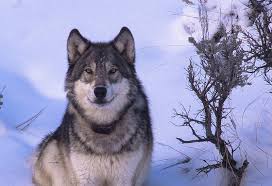
Lac-lup. is prepared from the milk of the wolf, the archetypal wild canid whose life is organised around pack-belonging, territorial boundaries, and vigilance against intrusion. In lactation terms, “milk” remedies often carry a twofold signature: the physiology of nourishment/attachment and the psychology of bonding, separation, protection, and dependency; yet in Lac-lup. these themes are sharpened by the wolf’s social reality of rank, expulsion, and threat at the edge of the pack. [Hatherly] Clinically, modern authors repeatedly describe a polarity between longing to belong and the terror of being repudiated or treated as dangerous, “bad”, or untrustworthy; from this arises watchfulness, suspiciousness, and a strategic mind that scans for danger. [Trotter] The remedy picture is therefore less a sentimental “loneliness” and more a state of belonging under threat: connection is craved, yet closeness can feel like exposure. [Spurling] As with all newer remedies, the Organon standard must be kept: we prescribe not the animal story, but the patient’s characteristic symptoms, modalities, and confirmatory patterns, validated through proving/cases and repertorial consistency. [Hahnemann] [Hughes] A practical safeguard is to demand at least one strong physical axis (motion sickness, digestive intolerance, sensory overstimulation, tension patterns, or characteristic dreams) that repeats alongside the mental state, so the prescription is anchored in observable totality rather than metaphor alone. [Trotter] [Schroyens]
Proving Information
Published modern case literature explicitly links Lac-lup. to proving ideas and dreams appearing in patients who required the remedy, particularly around being feared/outcast, danger at the boundary, and distinctive dream imagery. [Trotter] Additional clinical case material is available through contemporary journals and case archives, including a detailed case narrative emphasising first impressions of “wolf-like” presence, healing/animal affinity, and the remedy response over time. [Spurling] Repertorial confirmation and rubric availability in modern repertories is noted in published sources and is used here as a cross-check rather than as a substitute for materia medica meaning. [Schroyens] Methodologically, Morrison’s discussion of “clinically verified materia medica” supports a conservative stance: use cases to confirm, not to invent; and keep the patient’s exact language and modalities at the centre. [Morrison]
Remedy Essence
Lac-lup. is the milk remedy of a creature who belongs by loyalty and survives by vigilance; therefore the remedy state is a paradox of longing and defence. The patient craves a tribe, a bond, a place where they are “inside”, yet expects repudiation: they anticipate being mistrusted, blamed, or cast out, and so they organise life around boundaries, control of access, and scanning for threat. [Trotter] This produces a characteristic nervous-system posture: calm on the surface, watchful underneath, able to read danger cues quickly, and highly reactive to anything that resembles surveillance or intrusion. [Spurling] The wolf does not merely fear being alone; it fears unchosen aloneness, exile, the moment the pack turns away. In practice this becomes two different “alone” states: chosen solitude is medicinal and restores autonomy, while abandonment collapses the psyche into despair, panic, or humiliating bargaining to prevent being left. [Trotter] Relationship dynamics therefore carry rank sensitivity: jealousy and the need to be “first” can appear, not as vanity but as survival logic—if I am not first, I may be expelled. [Trotter]
The dream life often speaks the state with brutal clarity: intruders at the boundary, being watched, hiding, danger, violence, animals in distress, and sometimes teeth imagery, all of which mirror the waking experience of exposure and suppressed rage. [Trotter] When the remedy is correct, these dreams tend to soften and the waking after-effect becomes less guarded, which is clinically valuable for follow-up and repetition decisions. [Morrison] The physical body corroborates the story through modalities that are unusually consistent: quiet and night help; noise aggravates as intrusion; open air and walking restore self-possession; travel sickness is worse as passenger and better with control. [Hatherly] [Trotter] To keep prescribing rigorous, the clinician must insist on this coherence: the same theme must appear in mind, modalities, dreams, and at least one bodily axis; otherwise Lac-lup. becomes an attractive narrative rather than a true simillimum. [Hahnemann]
Affinity
- Mind–nervous system (hypervigilance; suspicion; scanning for danger) — A perceptive, threat-oriented awareness with guardedness towards questioning or authority; the patient may feel constantly assessed or at risk of intrusion (see Mind; Sleep). [Trotter] [Hatherly]
- Belonging vs repudiation (pack injury; outsider identity) — Core sensitivity to exclusion, being cast out, mistrusted, or seen as “dangerous”; may abandon first to avoid being abandoned (see Mind; Generalities). [Trotter] [Spurling]
- Boundaries (intrusion ↔ hiding ↔ exposure) — Marked reactivity to being watched, surveyed, invaded, questioned, or “found out”; strong need for private space and control of access (see Mind; Dreams; Generalities). [Hatherly] [Spurling]
- Dream life (intruders; danger; violence; animals; teeth imagery) — Dreams become highly diagnostic and often mirror the core state more clearly than waking narrative (see Dreams). [Trotter] [Spurling]
- Vestibular sphere (motion sickness; travel intolerance) — Nausea/vertigo, especially when not in control, often mirrors the mistrust/defence dynamic (see Stomach; Generalities). [Schroyens]
- Digestive intolerance (food sensitivity; alternating appetite) — Functional disturbance linked to tension and “threat physiology”, often with strong food modalities (see Stomach; Food and Drink). [Trotter]
- Sensory overstimulation (noise as intrusion) — Sound and environmental pressure can feel like direct invasion of the nervous system (see Ears; Sleep; Generalities). [Hatherly]
- Musculoskeletal tension vs collapse (rigidity ↔ laxity) — A polarity of bracing/armouring then giving way; tension patterns often improve with movement and open air (see Back; Extremities). [Hatherly]
- Relational intensity (jealousy; humiliation bargaining; need to be “first”) — Attachment can become desperate when love is threatened; dignity collapses into appeasement, then rage (see Mind; Male/Female). [Trotter]
Better For
- Night / late evening (general and mind) — Clearer thinking and calmer functioning when the world is quiet and “threat inputs” reduce (see Mind; Sleep). [Hatherly]
- Walking outdoors (general) — Particularly when alone; restores self-possession and reduces intrusion (see Generalities). [Hatherly] [Spurling]
- Chosen solitude (mind) — Relief when alone by choice (not abandoned), because boundaries are secure (see Mind). [Hatherly]
- Movement and exercise (general) — Motion discharges inner tension and can stabilise mood (see Extremities; Sleep). [Hatherly]
- Taking control of direction/speed (general) — Travel symptoms may lessen when the patient is “in charge”, matching the control-safety axis (see Stomach). [Trotter]
- Quiet environments (general) — Less noise reduces defensive arousal; sleep becomes possible (see Ears; Sleep). [Hatherly]
- Open air / “the elements” (general) — Many feel restored by wind, weather, raw outdoors, which reduces inner compression (see Generalities). [Hatherly]
- Warm, trusted contact (mind/general) — When safe, physical closeness can soothe, yet it must be on the patient’s terms (see Mind). [Spurling]
- Integrity and clear ethics (mind) — The psyche settles when truth and boundaries are respected; deception aggravates (see Mind). [Trotter]
Worse For
- Noise (general) — Feels invasive and heightens vigilance and irritability (see Ears; Sleep; Mind). [Hatherly]
- Intrusion / being watched / surveillance (mind) — Questioning, inspections, officials, probing interviews provoke defensive strategy (see Mind; Generalities). [Spurling] [Hatherly]
- Being a passenger (general) — Loss of control aggravates travel nausea and anxiety (see Stomach). [Trotter]
- Morning weakness (general) — A vulnerable window with heaviness and low strength, as if facing threat again (see Sleep; Generalities). [Hatherly]
- Afternoon drop (general) — Weariness and irritability can rise despite baseline endurance (see Generalities). [Hatherly]
- Relationship threat (mind) — Jealousy, humiliation, and desperate bargaining when attention shifts away (see Mind; Male/Female). [Trotter]
- Family entanglement / boundary violations (mind) — Old pack-wound reactivates; the patient becomes suspicious, tense, and reactive (see Mind). [Spurling]
- Exposure / “being found out” (mind) — Fear of shame or punishment; urge to hide, cover up, or control narrative (see Dreams). [Hatherly]
- Unchosen aloneness (mind) — Abandonment differs from chosen solitude and can precipitate collapse or panic (see Mind; Generalities). [Trotter]
Symptomatology
Mind
Lac-lup. is often defined by the experience of belonging under threat: the patient longs for a tribe, yet expects repudiation, mistrust, or punishment, as if they are always one mistake away from being expelled. [Trotter] This produces a watchful, strategic mind that reads subtle cues rapidly and can seem calm in danger while remaining internally primed for intrusion, a paradox noted in published case discussion. [Trotter] Suspiciousness is not mere “paranoia” but an organised defence: probing questions, authority figures, forms, inspections, or anything resembling surveillance can immediately stiffen the psyche into guardedness, oppositionality, or rapid exit-planning. [Spurling] Boundaries become central; the patient may need privacy, control of access, and clear “rules of engagement”, feeling violated when others enter emotionally, physically, or conversationally without permission. [Hatherly] There is often a black-white moral geometry: people are safe or unsafe, loyal or betraying, inside or outside; “grey” is hard to tolerate when the nervous system is on alert, and this rigidity may soften noticeably when the remedy is correct. [Trotter] In love, the wolf state can become undignified: jealousy and fear of losing rank in the beloved’s attention may drive humiliating bargaining, then rage at the self for needing so much. [Trotter] Yet alongside this can be a profound protectiveness of the vulnerable and a strong affinity for animals or “healer” roles, especially where touch and intuition feel safer than words, reflecting an attempt to bond without exposure. [Spurling] The modalities often echo the mental state exactly: noise and intrusion aggravate as direct nervous invasion; walking alone outdoors and night quiet restore self-possession. [Hatherly] A case-style pointer is when the patient’s dreams and language repeatedly return to intruders, threat at the boundary, violence imagery, or being “found out”, while waking life is structured around avoidance of exposure. [Trotter]
Head
Head symptoms, when present, frequently appear as part of a stress-digestive or overstimulation pattern rather than a neatly localised migraine. [Trotter] The patient may describe heaviness or pressure that accompanies the morning vulnerable window or the afternoon drop, as though the system cannot sustain vigilance all day. [Hatherly] Noise can sharpen head discomfort, not purely as a sensory headache trigger, but as an intrusion that forces the nervous system into defensive arousal, increasing tension and perception of pain. [Hatherly] Head symptoms may improve with walking outdoors, which functions as a general regulator and aligns with the broader amelioration from open air and movement. [Hatherly] Where travel provokes head pain alongside nausea, consider whether vestibular disturbance is central, especially when being a passenger aggravates and control ameliorates. [Trotter] The practitioner should insist on confirming concomitants: the same boundary themes, dream signature, and clear general modalities must be present for head symptoms to meaningfully support Lac-lup. [Hahnemann]
Disclaimer
Educational use only. This page does not provide medical advice or diagnosis. If you have urgent symptoms or a medical emergency, seek professional medical care immediately.