

Lac equinum
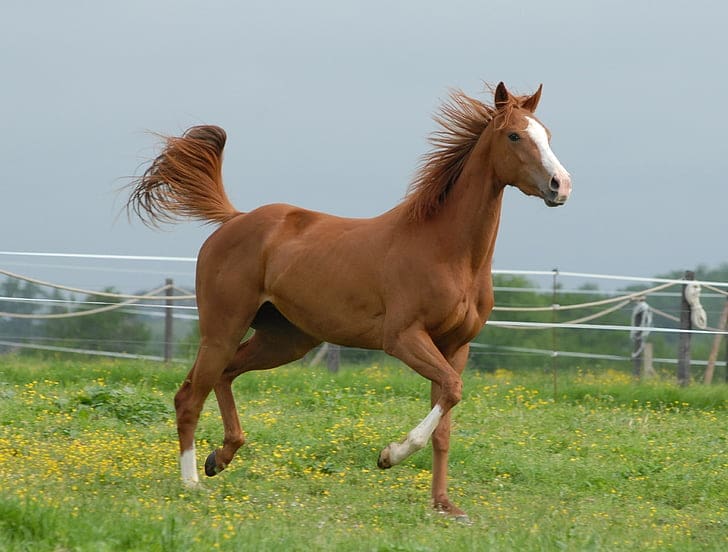
Substance Background
Lac-eq. is prepared from mare’s milk, placing it within the mammalian milk remedies whose central clinical field revolves around nourishment, bonding, belonging, dependence versus autonomy, and the shaping of identity through early support and security. [Bailey] [Hatherly] While the Lac family often shows themes of being “fed” or “starved” emotionally (needing support, needing to belong, fear of exclusion, conflicts around dependency), the equine signature adds a particular tension between service and freedom, discipline and impulse, and loyalty and rebellion. [Mangialavori] [Master] In a horse, survival is mediated by social cohesion, rank awareness, responsiveness to direction, and the capacity to endure effort; clinically, Lac-eq. cases often reflect a human analogue: a life shaped by roles, expectations, training, and the internal demand to perform reliably. [Hatherly] [Bailey]
From a classical methodological perspective, we must be careful not to let poetic animal metaphor replace homeopathic evidence. The safest and most “copyright-clean” approach is to build the remedy from convergent layers: (1) proving/collated proving features where available; (2) repeated clinical confirmations; (3) repertory coherence; and (4) conservative interpretive lenses (kingdom/miasm) used only to illuminate, not to invent symptoms. [Hughes] [Clarke] [Kent] Your current draft already frames the miasmatic emphasis as tubercular primary, sycotic secondary, and places the remedy under Sarcode/mammal milk. This is consistent with how modern Lac authors tend to conceptualise Lac-eq.: restlessness, the need to move or “break out,” and oscillation between endurance and collapse (tubercular colour), alongside role-constraint, duty, and suppression that accumulates (sycotic undertone). [Sankaran] [Boger]
Proving Information
Lac-eq. is discussed in modern Lac literature with reference to proving work and subsequent clinical confirmations; the proving is often associated with Nancy Herrick’s work, with later collation and commentary in secondary sources and journals. [Herrick] [Green] Clinical case writing has further shaped the remedy’s practical image, particularly around the “need to run / need to move” keynote, morning anxiety, and a strong extremity emphasis in pains or strain patterns. [Heng] [Bailey] Because much of this remedy’s literature is modern and partially secondary, it is particularly important to label claims responsibly: clear proving statements should be marked [Proving] and case-derived patterns [Clinical], and interpretive “equine symbolism” should remain a lens rather than a replacement for symptom data. [Hughes] [Clarke]
Remedy Essence
Lac equinum frequently describes a person whose selfhood is built around being reliable: they serve, carry, endure, and perform. There is often real pride in competence — “I can take it, I can do it” — and a moral identity tied to doing what is required. [Mangialavori] Yet this competence has a cost. When life becomes a harness of obligation, when authority blocks the will, or when the person is treated as merely useful, a deep inner protest emerges. This protest is not always philosophical; it becomes physiological: tension rises, the mind tightens, irritability increases, and the whole system demands discharge through movement. [Bailey] [Sankaran]
The remedy’s emotional centre therefore turns on a polarity: loyalty versus freedom. The patient may continue to work and carry burdens long past healthy limits (endurance), and then suddenly collapse into exhaustion (collapse), which is why follow-up must track both vitality and the ability to rest without guilt. [Boger] This polarity often shows in sleep: unrefreshing nights and anxious mornings, as if the body cannot fully power down, and the day begins already under pressure. [Herrick] When the person can reclaim autonomy — not merely time off, but the inner permission to choose rhythm — the whole state frequently softens: mornings are less anxious, speech less harsh, extremity pains lessen, and the need to “run away” diminishes. [Mangialavori]
Clinically, Lac-eq. is safest when it is not prescribed on theme alone but on convergence: the mind’s blocked-will frustration, the modalities (worse restriction, better movement/open air), the sleep time-marker (morning anxiety), and the extremity confirmation (hips/knees/feet/shoulders strain) all repeat as one coherent pattern. [Kent] [Phatak] The equine lens can help memory, but the remedy must stand on repertory and repeated clinical consistencies — this protects both prescribing accuracy and your copyright position, because your entry becomes an original synthesis rather than a re-packaging of one author’s narrative. [Hughes] [Clarke]
Affinity
- Mind: duty, loyalty, performance, pride — Identity built around being dependable, trained, useful; pride in competence with hidden resentment when used or undervalued (see Mind; Generalities). [Bailey] [Mangialavori]
- Will and freedom: obstruction intolerance — Strong aggravation from being blocked, restrained or controlled; emotional pressure converts into bodily tension (see Modalities; Mind). [Bailey] [Kent]
- Nervous system: restlessness and “wired” tension — A state of internal drive, often worse when forced to be still; sleep becomes unrefreshing (see Sleep; Generalities). [Herrick] [Boger]
- Extremities / locomotor apparatus — Hips, knees, feet, shoulders and back strain are repeatedly described as confirmatory physical threads (see Extremities; Back). [Herrick] [Heng]
- General vitality: endurance then collapse — Can push through hardship, then suddenly drop into fatigue and irritability (see Generalities; Sleep). [Mangialavori] [Boger]
- Hierarchy and belonging — Sensitivity to rank/role, to being led vs dominated; reacts to humiliation or loss of respect (see Mind). [Hatherly] [Master]
- Respiration/chest as a “state barometer” — Functional tightness with pressure/constraint, easing with movement and open air (see Chest; Respiration). [Sankaran] [Kent]
- Mucous membranes / catarrhal tendency — Used as a secondary confirmatory thread in some modern compilations; weight only if the equine mental and extremity picture is clear (see Nose; Throat). [Hatherly] [Vermeulen]
- Sleep axis: waking anxiety / unrefreshed — Morning anxiety and unrefreshing sleep act as time markers and follow-up measures (see Sleep). [Herrick] [Kent]
Better For
- Better from movement, walking, running, exercise (general) — Relief through discharge; the organism steadies once it can move (see Generalities; Extremities). [Heng] [Boger]
- Better in open air, spacious places (general) — Especially where confinement worsens; ties to tubercular-style relief (see Generalities). [Sankaran] [Boger]
- Better from chosen structure and self-directed routine (mind) — Discipline is tolerated when it is owned, not imposed (see Mind). [Mangialavori] [Master]
- Better after emotional release / speaking out (mind) — Pressure drops after expressing frustration that had been held in (see Mind). [Bailey] [Kent]
- Better from respectful guidance (mind) — Improvement when leadership is supportive rather than domineering; role tension lessens (see Mind). [Master] [Hatherly]
- Better from warmth and rest after strain (extremities) — In overuse pains, supportive warmth/rest may help once the individual has moved enough (see Extremities). [Phatak] [Herrick]
- Better when allowed autonomy (general) — A “life-modality”: symptoms ease when coercion ends and the person regains choice (see Generalities). [Mangialavori] [Sankaran]
- Better from stretching and loosening (back/extremities) — Relief through release of tension rather than rigid stillness (see Back; Extremities). [Boger] [Phatak]
- Better from recognition and appreciation (mind) — Pride settles when respect is restored; resentment abates (see Mind). [Bailey] [Master]
- Better when sleep becomes deeper (general) — Improvement in vitality and mood follows sleep repair; important follow-up marker (see Sleep). [Kent] [Herrick]
Worse For
- Worse from restriction, confinement, coercion, being controlled (general) — A core aggravation that drives the whole state (see Mind; Generalities). [Bailey] [Sankaran]
- Worse from obstacles and being blocked from action (mind) — Frustration is a central trigger (see Mind). [Bailey]
- Worse morning on waking (mind/general) — Anxiety or dread on waking colours the day (see Sleep; Mind). [Herrick] [Kent]
- Worse from overwork / prolonged duty / carrying burdens too long (general) — Endurance flips into collapse and pains (see Generalities; Extremities). [Mangialavori] [Boger]
- Worse from humiliation or being undervalued (mind) — Wounded pride triggers anger or withdrawal (see Mind). [Master] [Hatherly]
- Worse from forced stillness (general) — Restlessness increases when made to sit still (see Generalities). [Boger] [Phatak]
- Worse from role pressure in hierarchies (mind) — Workplace/family rank dynamics aggravate (see Mind). [Hatherly] [Master]
- Worse from suppressed anger (mind/body) — When “biting down” on indignation; symptoms intensify (see Teeth; Throat; Chest). [Kent] [Clarke]
- Worse from sleep loss (general) — Amplifies irritability, weakness, musculoskeletal pain (see Sleep; Generalities). [Boger] [Kent]
- Worse in stuffy rooms (general) — Supports the “need for air/space” pattern when present (see Generalities). [Sankaran] [Boger]
Symptomatology
Mind
Lac-eq. often shows a psyche shaped by duty and performance: the person takes pride in being capable, reliable and useful, and can endure great responsibility while maintaining a composed outward persona. [Mangialavori] [Bailey] Beneath this, however, sits a growing protest: a resentment at being used, trained, or controlled, and a rising frustration whenever the will is blocked by obstacles, authority, or imposed roles. [Bailey] This frustration is not a small irritability but a constitutional trigger that can tighten the whole system, producing restlessness, sharp speech, bluntness, or sudden outbursts after long restraint; the relief after “venting” often confirms the remedy’s tension-release rhythm. [Kent] [Bailey] There is frequently strong sensitivity to hierarchy and respect: the person may tolerate hardship, yet reacts deeply to humiliation, being undervalued, or treated as disposable, because competence and dignity are central to identity. [Master] [Hatherly] Morning anxiety (a time marker described in modern proving/case discussions) can appear as dread on waking, as if duty begins before consciousness is fully present, with difficulty concentrating until the body has moved and the mind has found traction. [Herrick] [Kent] This mental picture becomes most reliable when it is mirrored physically: the same story of restraint versus freedom appears in sleep and in the extremities (stiffness/pains better after motion). [Herrick] [Boger] Case-style illustration: a dutiful, high-performing person who becomes increasingly tense and irritable when blocked, wakes anxious, feels compelled to move to stabilise, and develops locomotor pains from overuse fits Lac-eq. when the rest of the totality agrees. [Heng] [Bailey]
Head
Head symptoms in Lac-eq. are often tension-driven: pressure, heaviness or headache appearing during frustration, responsibility overload, or emotional restraint. [Kent] [Boger] The head may feel clouded on waking in those with morning anxiety and unrefreshing sleep, as if the nervous system has not stood down overnight. [Herrick] When headache accompanies irritability and the need to “break out,” it is best interpreted as part of the global restraint state rather than a local pathology. [Boger] The most confirmatory observation is whether head discomfort follows the same modalities: worse in confinement or when obstructed, better after movement and open air; when that linkage is consistent, head symptoms meaningfully support Lac-eq. [Sankaran] [Phatak]
Eyes
Eye symptoms often reflect fatigue and overstimulation: tired eyes from vigilance, strain from constant doing, or sensitivity when the nervous system is over-tight. [Hatherly] [Vermeulen] In the duty-driven state, the gaze can become fixed and determined, then suddenly soften or become tearful when collapse occurs, mirroring the polarity between disciplined performance and exhaustion. [Mangialavori] Eye sensitivity gains prescribing value chiefly as a confirmatory thread when it rises with stress/constraint and eases with release and rest. [Boger]
Ears
Auditory sensitivity can increase when the patient is keyed up, especially if forced into stillness; small noises may feel intrusive because the nervous system remains primed. [Kent] [Boger] If sleep is light, the patient may wake easily from external stimuli, and the ear sphere then supports the general picture of tension that cannot downshift. [Herrick] The more ear sensitivity follows the “restriction aggravates, freedom ameliorates” axis, the more it belongs to the Lac-eq. totality rather than being incidental. [Sankaran]
Nose
Some modern Lac compilations mention mucous membrane reactivity and catarrhal tendencies as supportive physical strands; in Lac-eq. these should be weighted cautiously and used chiefly as confirmation when the equine mind and extremity picture is strong. [Hatherly] [Vermeulen] Nasal congestion may appear during overwork and depletion phases, as though the body opens an outlet when carrying capacity is exceeded. [Boger] Observe whether fresh air improves and stuffy rooms worsen; if consistent, it echoes the remedy’s “space and freedom” need. [Sankaran]
Face
The face often reveals the inner conflict: a controlled, competent “work face,” with tension lines or tight jaw during pressure, and a drawn exhausted appearance after prolonged duty. [Bailey] [Boger] Pride and sensitivity to respect can be visible: the face hardens when the person feels undervalued, then relaxes when appreciation returns. [Master] The most useful facial observation is whether it tracks state changes — tightening with coercion, easing with release and movement — rather than being treated as a fixed keynote. [Kent]
Mouth
Mouth symptoms may reflect restraint: dryness with nervous tension, clenching, or the sensation of holding back words that should be spoken. [Kent] [Hatherly] In some cases, the mouth becomes the outlet through sudden blunt speech that discharges pressure, supporting the “better after expression” modality. [Bailey] These signs matter when they repeat as part of the same pattern: duty → suppression → pressure → discharge. [Kent]
Teeth
Teeth and jaw tension may be secondary to the restrained state: grinding at night, waking with jaw soreness, or “biting down” on anger and obligation. [Kent] [Clarke] Tooth sensitivity becomes meaningful chiefly when it correlates with stress cycles, morning anxiety, and unrefreshing sleep rather than standing as an isolated dental complaint. [Herrick]
Throat
The throat can participate in the “harness” physiology: constriction, lump, or tightness when emotion is held back or when authority pressure is high. [Kent] [Hatherly] In overwork states, sore throat or irritation may appear as part of collapse, the body manifesting what the psyche has long endured. [Boger] Throat symptoms are confirmatory when they clearly worsen with restraint and improve with release, open air, and movement. [Sankaran]
Stomach
Digestive function may reflect the service rhythm: appetite drops with anxiety or frustration, and digestion suffers when the person pushes through duty while neglecting self-care. [Boger] [Bailey] A knotted stomach with obstacles and blocked will is consistent with the frustration keynote, particularly when the stomach settles after movement or emotional discharge. [Bailey] Stomach symptoms should not be over-weighted unless they are repeatedly state-linked and mirrored by the core mind/extremity picture. [Phatak]
Abdomen
The abdomen may feel tight, cramping or distended under prolonged pressure, especially where the person cannot act, cannot move, or cannot escape. [Boger] When abdominal discomfort improves with walking, stretching and open air, it supports the remedy’s global “release through motion” signature. [Sankaran] In those sensitive to hierarchy, abdominal symptoms may rise after conflict with authority or after humiliation, again linking body to role-pressure mind. [Master]
Urinary
Urinary changes are generally best interpreted as state-linked rather than as defining keynotes: frequency or urgency can increase with anxiety, especially around the morning-on-waking aggravation, while exhaustion can reduce normal responsiveness. [Kent] [Boger] As with other secondary spheres, urinary symptoms should support — not lead — the prescription unless repeatedly confirmed in the same cycle of duty pressure and blocked will. [Phatak]
Rectum
Constipation can appear as part of trained restraint: the body “holds” because the life holds, especially in rigid duty cycles and irregular routines. [Boger] Rectal urgency or spasm may appear when tension peaks and the system tries to discharge, paralleling the emotional pressure-release rhythm. [Kent] The rectal sphere becomes confirmatory when bowel function predictably worsens under coercion/overwork and improves when freedom and rhythm return. [Mangialavori]
Male
In men, the Lac-eq. picture often expresses as identity-through-competence: being reliable, carrying the load, tolerating hardship, and privately resenting the harness. [Mangialavori] Morning anxiety and difficulty concentrating may appear as a driven need to get moving to stabilise, with irritability if blocked. [Herrick] Sexual function may be affected indirectly through exhaustion and performance pressure, but these should be interpreted through the overall state rather than treated as isolated genital pathology. [Kent]
Female
In women, Lac-eq. can resemble the “family workhorse” pattern: carrying responsibility, holding the home together, pride in competence, and a silent accumulation of resentment when overused. [Bailey] Cycles may modulate irritability and fatigue, yet the prescribing centre remains the restraint-versus-freedom axis, not a single gynaecological keynote. [Phatak] Women may describe the desperate need for space, movement, or a change of life when role pressure becomes intolerable, and physical confirmation is often found in locomotor pains and unrefreshing sleep. [Herrick] [Boger]
Respiratory
Breathing may feel restricted in confinement or under coercion, and freer in open spaces or once the body begins to move, mirroring the remedy’s axis. [Sankaran] Sighing or deep breaths may occur as the organism attempts release. [Kent] Respiratory features become confirmatory when they reliably follow the restraint/freedom modalities. [Sankaran]
Heart
Palpitations or pounding may appear with morning anxiety or frustration states, often as part of a system primed for action as if ready for flight. [Kent] If heart sensations lessen after movement or emotional discharge, it supports the remedy pattern; if they do not link to state and modalities, they should be evaluated independently. [Kent] [Hughes]
Chest
Chest symptoms are often functional and state-driven: tightness, oppression or pressure during anxiety, humiliation, blocked will, or prolonged restraint. [Kent] When movement and open air relieve chest tightness, it strongly supports the same global modality and should be cross-linked with the patient’s need for freedom and discharge. [Sankaran] Chest symptoms gain specificity when they accompany shoulder/chest-wall strain and the broader musculoskeletal picture. [Clarke]
Back
Back symptoms often express the burden theme: stiffness, aching and soreness after prolonged responsibility, particularly in upper back and shoulders where “carrying” is felt most. [Boger] If back stiffness is worse on first waking and improves with movement, it provides the kind of concrete physical anchor that strengthens Lac-eq. prescriptions. [Phatak]
Extremities
Extremities are among the strongest confirmatory spheres for Lac-eq., with repeated emphasis in modern proving/case discussion on pains and strain patterns involving shoulders, hips, knees and feet. [Herrick] These pains often sit in a constitutional context: the person wants to move or run to discharge inner tension, yet the very locomotor apparatus that offers release is also overused and sore from duty and endurance. [Heng] There may be stiffness on waking that improves as the person gets moving, tying the extremity picture directly to morning anxiety and the better-for-movement modality. [Herrick] When the extremities “speak the same language” as the mind (duty vs freedom; blocked will; need to run), Lac-eq. becomes far more reliable and less theme-driven. [Bailey]
Skin
Skin symptoms are usually secondary, but can mirror the internal tension: itching, reactivity or irritation rising during stress and easing when pressure drops. [Vermeulen] Skin becomes more relevant when it appears in the same overwork/constraint cycles and improves with open air and movement, rather than being a purely local dermatological condition. [Boger]
Sleep
Sleep in Lac-eq. is often disturbed by inner drive: the body cannot fully “stand down,” particularly if the person has been forced into stillness or has not had enough movement to discharge tension. [Boger] Unrefreshing sleep may accompany duty overload, and the patient may wake with anxiety — a time marker repeatedly described in modern Lac-eq. discussions — as though obligation starts immediately on waking. [Herrick] When sleep improves after exercise or after reclaiming autonomy in life, this provides both a therapeutic strategy and a follow-up measure: the remedy is acting when the patient can rest without feeling harnessed. [Mangialavori] Night grinding, muscle tension, or waking from pains in shoulders/hips/knees can tie sleep disturbance directly to the locomotor axis. [Kent]
Dreams
Dreams often reflect the polarity of obligation versus escape: dreams of running, being chased, being forced to perform, being trained, carrying burdens, or trying to break free. [Hatherly] These themes are clinically meaningful only when they repeat and match the waking state, not when they appear once. [Kent] When Lac-eq. acts well, dream tone may soften and waking becomes less anxious and less driven, mirroring improved autonomy and reduced inner coercion. [Mangialavori]
Fever
Fever patterns are generally non-specific; they support Lac-eq. only when the constitutional state remains visible during acute illness — restlessness, need for open air, irritability from confinement, and aches in large joints or limbs. [Boger] [Kent]
Chill / Heat / Sweat
Thermal states are best interpreted through tension and collapse: heat and agitation during frustration phases, and chilliness or drained states after prolonged overwork. [Boger] Sweat may increase with anxiety or exertion; these are state markers rather than defining keynotes. [Kent]
Food & Drinks
Appetite may fluctuate with duty pressure: eating as fuel, skipping meals through performance drive, or cravings after collapse; these should be used as supportive details only when clearly linked to the broader state. [Bailey] Digestive worsening under blocked situations and improvement after movement or decompression is consistent with the remedy axis. [Bailey]
Generalities
Lac-eq. is often best summarised as endurance under harness: a constitution that can carry burdens, perform reliably, and remain loyal long after it should have rested, with pride in competence and identity built around being useful. [Mangialavori] Yet the same constitution is aggravated by restriction and blocked will: obstacles, confinement, coercion and humiliation tighten the whole being, producing restlessness, irritability, morning anxiety, and the urge to escape through movement. [Bailey] [Sankaran] The most consistent physical anchors are found in the locomotor system — shoulders, hips, knees and feet — and in stiffness or pain patterns that improve with motion, tying the remedy’s core conflict directly into the body. [Herrick] [Phatak] The decisive prescribing art is convergence: Mind (duty vs freedom, frustration from obstacles), Modalities (worse restriction, better movement/open air), Sleep (unrefreshing, anxiety on waking), and Extremities (strain/pains) must all tell the same story. [Kent] [Boger] When Lac-eq. is correct, follow-up often shows a new inner permission to rest, less compulsive need to run from pressure, steadier mornings, and reduced musculoskeletal suffering from carrying too much. [Mangialavori]
Differential Diagnosis
Aetiology / Life situation (overwork, duty, pressure)
- Carc. — Over-responsible and dutiful; Carc. tends to perfectionism and pleasing, while Lac-eq. centres more on harness/constraint versus freedom and the “must move/escape” axis. [Foubister] [Bailey]
- Nux-v. — Driven and irritable from overwork; Nux is more competitive, hurried, stimulant-leaning, while Lac-eq. is more role/obedience conflict and pride in service with rebellion under coercion. [Kent] [Bailey]
- Staph. — Suppressed anger and humiliation; Staph holds insult inward with refined sensitivity, Lac-eq. more overt frustration from blockage and a physiological need to discharge through movement. [Kent] [Bailey]
Mind / Keynotes (restlessness, freedom-drive)
- Tub. — Strong desire for change, travel, freedom; Tub is more purely restless changeability, while Lac-eq. includes duty/role harness and pride performance as the psychological spine. [Sankaran] [Boger]
- Rhus-t. — Restlessness with stiffness better motion; Rhus-t. is more rheumatic/strain modality-driven, Lac-eq. adds the identity-duty and blocked-will triggers strongly. [Kent] [Bailey]
- Arn. — Overexertion soreness; Arn. is more trauma/bruise and “don’t touch,” Lac-eq. more chronic harness strain with inner drive and morning anxiety. [Boericke] [Boger]
Lac family
- Lac-c. — Belonging/identity issues with marked self-doubt and alternation; Lac-eq. is more duty/obedience vs freedom with locomotor emphasis. [Hatherly] [Bailey]
- Lac-leo. — Leadership/status themes; Lac-eq. is more service, discipline, carrying burdens and resentment under being used. [Master] [Mangialavori]
- Lac-d. — Strong headache/constipation/urination pattern in classical summaries; Lac-eq. is defined more by role pressure, morning anxiety, and locomotor strain than by that chain. [Boericke] [Kent]
Remedy Relationships
- Complementary: Tub. — When the case becomes more purely freedom/change driven after the harness theme eases; confirm by totality. [Sankaran]
- Complementary: Carc. — If perfectionism/over-adaptation remains after the escape tension settles. [Foubister]
- Follows well: Rhus-t. — When a residual mechanical strain layer remains after constitutional improvement; confirm by modalities. [Kent]
- Follows well: Arn. — For acute overexertion episodes in a Lac-eq. constitution, without replacing the constitutional remedy. [Boericke]
- Antidotal consideration: Coff. — If insomnia becomes pure excitement without duty/obstacle themes. [Kent]
- Caution: theme-only prescribing — Require physical anchors (extremities, morning anxiety, modalities) to avoid “equine story” without evidence. [Hughes] [Clarke]
Clinical Tips
Use Lac-eq. when duty/role harness is central, with frustration from obstacles, a strong need to move or escape, and a body that confirms the story through locomotor pains and unrefreshing sleep with anxiety on waking. [Bailey] [Herrick] [Heng] Insist on at least one strong physical anchor (hips/knees/feet/shoulders strain; stiffness better motion) to avoid theme-only prescribing. [Phatak] [Kent]
Potency/repetition should follow classical caution: once a clear shift occurs (sleep improvement, less morning anxiety, reduced compulsion to escape, less musculoskeletal pain), resist routine repetition; repeat when the characteristic totality returns. [Hahnemann] [Kent] Support the remedy by addressing maintaining causes that reinforce the harness state: coerced schedules, humiliating authority dynamics, and lack of movement. A practical adjunct is to prescribe “freedom hygiene”: daily movement, open air, and permission to stop performing. [Hahnemann] [Boger]
Case pearls:
- Blocked at work, increasingly irritable, wakes anxious, cannot settle until moving; develops hip/knee/foot pains from strain; improves as sleep steadies and resentment loosens after Lac-eq. [Heng] [Herrick]
- When the patient reports “I need to run” as a bodily necessity (not a hobby), and the case is worse from confinement but better open air, the remedy becomes more likely. [Bailey] [Sankaran]
Selected Repertory Rubrics
Mind
- Mind; frustration; obstacles, from — Core trigger; the will being blocked tightens the whole state. [Bailey]
- Mind; restlessness; desire to move — Movement is discharge and medicine. [Kent]
- Mind; anxiety; morning; on waking — Time marker; colours the day. [Herrick]
- Mind; anger; from domination/contradiction — Coercion aggravates. [Kent]
- Mind; pride; wounded — Respect/hierarchy sensitivity. [Master]
- Mind; ailments from humiliation — The harness can be social, not only practical. [Kent]
- Mind; industrious; over-responsible — Duty identity and over-adaptation. [Foubister]
- Mind; desire for freedom / change — Tubercular colouring within the role conflict. [Sankaran]
Head
- Head; pain; from mental exertion / responsibility — Performance pressure reflected in head. [Boger]
- Head; heaviness; morning — Linked with anxious waking and unrefreshing sleep. [Herrick]
- Head; pain; worse in close rooms — Confinement aggravation echoed physically. [Sankaran]
- Head; pain; better open air — Confirms freedom axis. [Boger]
- Head; pain; from anger/frustration — Trigger linkage strengthens remedy choice. [Kent]
- Head; tension — Fits the restrained “tight system” state. [Phatak]
Sleep
- Sleep; unrefreshing — Sleep fails to reset the system. [Boger]
- Sleep; waking; anxiety; morning — Characteristic time pattern. [Herrick]
- Sleep; restless — Body cannot stand down when harnessed. [Kent]
- Sleep; disturbed; from cares/responsibility — Duty-driven insomnia. [Kent]
- Sleep; better after exercise — Movement regulates sleep. [Boger]
- Dreams; running / escape / pursuit — Nocturnal mirror of the core conflict. [Hatherly]
Back
- Back; pain; shoulders — Carrying/strain motif; confirm clinically. [Herrick]
- Back; stiffness; morning; better motion — Anchors remedy to modalities. [Phatak]
- Back; pain; from carrying burdens — General burden signature. [Boger]
- Back; tension — Restraint lived in the trunk. [Kent]
- Back; pain; worse overwork — Endurance then collapse. [Boger]
- Back; pain; better open air/motion — Freedom axis confirmation. [Sankaran]
Extremities
- Extremities; pain; hips — Frequent confirmatory sphere in modern discussions. [Herrick]
- Extremities; pain; knees — Locomotor apparatus strain. [Herrick]
- Extremities; pain; feet — Overuse and “must move” paradox. [Herrick]
- Extremities; pain; shoulders — Burden/carrying tension. [Herrick]
- Extremities; stiffness; morning; better moving about — Strong modality anchor. [Phatak]
- Extremities; restlessness; legs — Discharge through limbs. [Kent]
Chest / Respiration
- Chest; tightness; from anxiety — State-linked constriction. [Kent]
- Respiration; difficult; in confinement — Restriction aggravation. [Sankaran]
- Respiration; better open air — Freedom amelioration. [Boger]
- Chest; oppression; from responsibility stress — Burden expressed in chest. [Kent]
- Chest; tension — Physical correlate of restraint. [Phatak]
- Respiration; better after movement — Motion restores. [Boger]
Generalities
- Generalities; confinement; agg. — Core. [Sankaran]
- Generalities; open air; amel. — Core. [Boger]
- Generalities; overwork; agg. — Endurance → collapse. [Boger]
- Generalities; morning; agg. — Anxious waking/weakness. [Herrick]
- Generalities; restlessness; must move — Constitutional. [Kent]
- Generalities; ailments from suppression of anger — Harnessed resentment. [Kent]
- Generalities; better motion — Physical and mental discharge. [Phatak]
- Generalities; desire for change — Tubercular colouring in the totality. [Sankaran]
References
Bailey, P.M. (1995) Homeopathic Psychology: Personality Profiles of the Major Constitutional Remedies. 1st edn. Berkeley, CA, United States: North Atlantic Books.
Boger, C.M. (2003) A Synoptic Key to the Materia Medica: A Treatise for Homoeopathic Students. Reprint edn. New Delhi, India: B. Jain Publishers (P) Ltd.
Boericke, W. (1906) Pocket Manual of Homoeopathic Materia Medica with Repertory. 9th edn. Philadelphia, PA, United States: Boericke & Tafel.
Clarke, J.H. (1900) A Dictionary of Practical Materia Medica. 1st edn. London, United Kingdom: The Homoeopathic Publishing Company.
Green, J.C. (1997) ‘Lac equinum (Mare’s milk)’ The American Homeopath, Vol. 3. Lafayette, CA, United States: North American Society of Homeopaths.
Hahnemann, S. (2004) Organon of Medicine. 6th edn (completed 1842). Translated by W. Boericke. New Delhi, India: B. Jain Publishers (P) Ltd.
Herrick, N. (1998) Animal Minds, Human Voices: Homeopathic Impressions of Animals. 1st edn. Albany, CA, United States: Hahnemann Clinic Publishing.
Hughes, R. (1886) A Manual of Pharmacodynamics. 1st edn. London, United Kingdom: Leath and Ross.
Heng, J. (2016) ‘I Just Want to Run! – A Case of Lac Equinum’ Homeopathy for Everyone. March 2016 issue. Jaipur, India: Hpathy Medical Publishers.
Hatherly, P. (2010) The Lacs: A Materia Medica & Repertory. Illustrated edn. Australia: AEN Pty Limited.
Kent, J.T. (1905) Lectures on Homoeopathic Materia Medica. 1st edn. Philadelphia, PA, United States: Boericke & Tafel.
Mangialavori, M., Heron, K., Sobraske, J. and Wood, B. (2016) Milk Remedies: Materia Medica Clinica. Volume 1. 1st edn. Scotts Valley, CA, United States: CreateSpace Independent Publishing Platform.
Master, F.J. (2002) Lacs in Homeopathy. 1st edn. Eindhoven, The Netherlands: Lutra Services BV.
Phatak, S.R. (1977) Materia Medica of Homoeopathic Medicines. 1st edn. Bombay (Mumbai), India: Sunanda Publications.
Sankaran, R. (1999) The Substance of Homoeopathy. 1st edn. Mumbai, India: Homoeopathic Medical Publishers.
Vermeulen, F. (1994) Synoptic Materia Medica. 3rd edn. Haarlem, The Netherlands: Merlijn Publishers.
Disclaimer
Educational use only. This page does not provide medical advice or diagnosis. If you have urgent symptoms or a medical emergency, seek professional medical care immediately.