

Faecalis alcaligenes
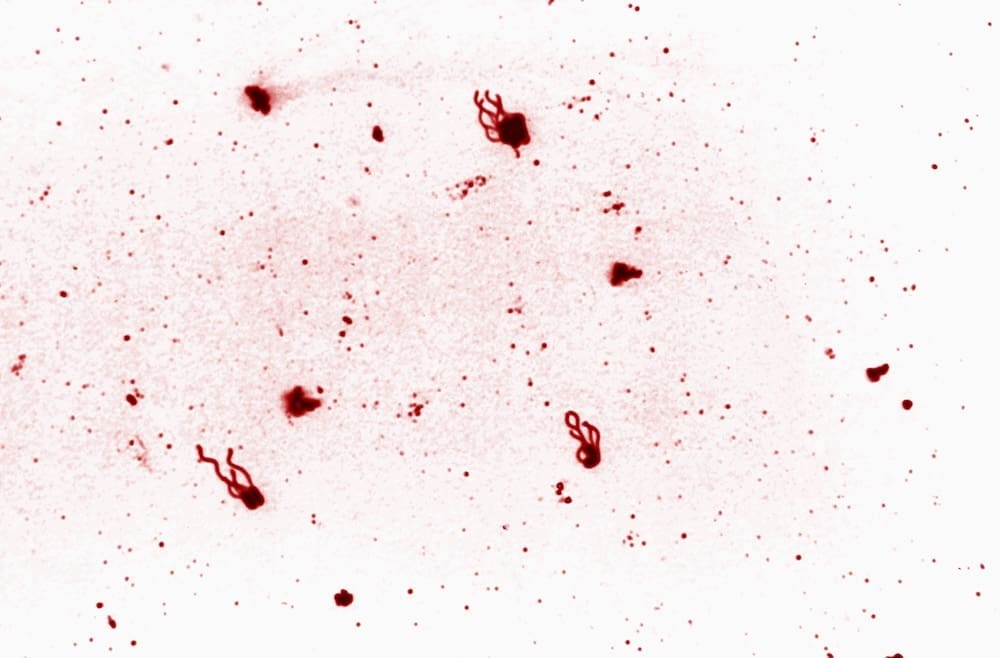
Substance Background
Faecalis is one of the original Bach intestinal nosodes, prepared from cultures of Bacillus faecalis alcaligenes (now re-classified in different modern bacterial schemes, but historically recognised as an intestinal bacillus isolated from stool samples of chronically ill patients). In health, related organisms can inhabit the large intestine as harmless commensals; in disturbed circumstances they may be associated with colitis, rectal–anal inflammation, urethral irritation and allergic or cutaneous manifestations. [Clinical]
The nosode was originally prepared by cultivating the organism on appropriate media, killing the culture and then potentising by serial dilution and succussion according to homeopathic pharmacy methods (Bach, Paterson, Julian). Faecalis thus represents a terrain pattern of stasis and congestion in the lower bowel and pelvic circulation: colitis, proctitis, haemorrhoids, anal fissures, pelvic venous engorgement, urethral irritation and allergy. Paterson repeatedly observed that when this organism appeared in stool cultures, the patient’s symptom totality nearly always corresponded to Sepia; this nosode therefore echoes a Sepia-type state, especially in its deeper intestinal–pelvic and venous aspects.
Proving Information
Faecalis has not been subjected to a full Hahnemannian proving on healthy volunteers. Its picture comes primarily from clinical observation, bacteriological correlation and limited provings in sensitive subjects. Bach and Paterson repeatedly found that when B. faecalis alcaligenes appeared in stool cultures, the clinical picture corresponded almost exactly to Sepia; Paterson even stated that he had “never found this nosode made from B. faecalis of much value in treatment”, because whenever the organism appeared, the totality pointed unambiguously to Sepia as the indicated remedy. Later authors (Julian, Agrawal, Gupta, Mendonca) extended the picture, emphasising colitis, rectal and anal inflammation, dysentery-like conditions, allergies, and involvement of colon, lymph ducts, skin and urethra. [Clinical]
Because of Paterson’s experience, Faecalis is used sparingly and deliberately, usually as an intercurrent nosode when a clear Sepia-like case with strong colon–rectum–pelvic pathology remains partially blocked, or when chronic drugging and intestinal dysbiosis have complicated the picture.
Remedy Essence
The essence of Faecalis is stasis: stasis of colon, stasis of rectum and anus, stasis of pelvic veins, and parallel stasis in the emotional life of the patient. Everything feels stuck, congested, heavy and over-burdened. The central axis is colon–rectum–pelvis, embedded in a Sepia-type psyche.
The patient – often a woman, though not exclusively – is tired of carrying responsibilities and tired of fighting her own body. She complains of dragging in the pelvis, haemorrhoids, fissures, colitis and abdominal bloating. Standing is a burden; menses and pregnancies have worsened the situation; there is a constant sense of weight and pressure bearing downwards. The intestines are irritable yet sluggish: stools are difficult or incomplete, or alternately loose, mucous and painful, leaving a raw, burning anus.
Emotionally, there is a striking echo of Sepia: irritability, aversion to those she loves, desire to run away, craving for solitude and independence. But this is not merely a psychological state; it is anchored in the physical misery of colitis, rectal soreness, pelvic heaviness and venous engorgement. The “Sepia woman” of Faecalis has an extra burden: a gut flora and bowel pathology that keep dragging her back into symptoms. Even when Sepia has been well chosen, improvement may stall at a certain level because the intestinal dysbiosis and mucosal inflammation remain untreated at the nosode level.
Faecalis occupies a niche among the bowel nosodes: less dramatic than Proteus or Dysentery-co, less global than Morgan-pure, less fatigue-drenched than Bacillus No. 7. Its hallmark is localised, stubborn, lower-bowel pathology with pelvic congestion in a Sepia-like personality – often with clear aggravation from pregnancy, childbirth and prolonged standing, and relief from vigorous exercise and occupation. Allergies and skin eruptions often accompany the bowel picture, reminding us that the gut–immune interface is central here.
Miasmatically, the remedy’s sycotic aspect appears in chronic congestion, overgrowth of mucosa, thick discharges, warts or varices; psora supplies the irritability, reactivity and functional disturbances of bowel and skin; syphilis lurks in ulcerative, fissuring, bleeding and destructive forms of colitis and proctitis. Faecalis therefore matches those cases in which long-standing lifestyle and hormonal burdens, suppressive drugging (especially of bowel function and skin eruptions) and genetic predispositions converge into a pattern of pelvic–rectal disease and emotional stagnation.
In prescribing, Faecalis must always be weighed against directly giving Sepia. Many cases with Faecalis flora respond beautifully to Sepia alone. The nosode becomes relevant when stool analysis, clinical history and partial response to Sepia suggest a deeper intestinal layer that needs to be addressed. Using Faecalis intercurrently can “reset” the bowel, so to speak, allowing constitutional remedies to act more cleanly.
The essence can be summed up as: “Sepia of the congested colon and pelvis” – a patient whose mental and physical energies are blocked by chronic lower-bowel and venous stasis, who improves with movement, open air and emotional distance from burdens, and in whom the intestinal organism B. faecalis alcaligenes has played a notable role in shaping the terrain.
Affinity
- Colon and rectum – Strong affinity for colitis, proctitis, mucous colitis, dysenteric states and chronic irritation of rectum and anus; Faecalis focuses on lower bowel mucosa where inflammation, stasis and congestion coexist. [Clinical]
- Anus and haemorrhoids – Tendency to haemorrhoids, anal fissures and ulceration with congestion of portal and pelvic veins; repeated straining, bleeding and soreness in Sepia-type patients with B. faecalis in stool cultures.
- Pelvic circulation and venous system – Pelvic congestion, portal stasis, pressure in pelvis, sense of bearing-down; varicose veins, especially in the lower limbs and around the anus; venous return compromised by long-standing stasis.
- Female pelvic organs – Uterine and ovarian congestion, prolapse sensations, dragging pains, premenstrual and menopausal pelvic fullness, Sepia-like indifference or irritability in women whose stools reveal Faecalis. [Clinical]
- Lymph ducts and mesenteric glands – Chronic lymphatic involvement in abdominal and pelvic regions; mesenteric node tenderness, low-grade abdominal pain, bloating and alternating bowel function.
- Skin and allergic states – Eczema, urticaria and other allergic skin manifestations associated with bowel dysbiosis, food sensitivities and intestinal permeability; Faecalis has been linked with certain allergic patterns in modern clinical literature. [Clinical]
- Urethra and lower urinary tract – Urethral irritability, recurrent low-grade urethritis or cystitis, particularly in women with coexistent rectal–anal inflammation and pelvic congestion; frequent urging, burning and incomplete emptying.
- Neuro–endocrine / Sepia axis – The entire Sepia-type neuro–endocrine axis: hormonal imbalance, exhaustion, irritability, aversion to family, desire to be left alone, better from vigorous exercise and occupation – all within a context of colon–pelvic stasis and Faecalis flora.
Better For
- Better from vigorous exercise and exertion – Like Sepia, Faecalis patients often feel emotionally and physically better after hard exertion: brisk walking, running, dancing, vigorous work relieve pelvic congestion and mental gloom. [Clinical]
- Better in open air and from fresh breezes – Open air lifts mood, clears the head and eases congestive headaches; stuffy rooms aggravate pelvic and portal stasis sensations.
- Better for firm support and pressure on pelvis – Sitting on a hard surface, crossing legs tightly, wearing a pelvic support belt or girdle may give relief from bearing-down sensations and pelvic heaviness.
- Better after a full, satisfactory stool – Although colitis and rectal pain may be present, a complete, well-formed evacuation often brings transient relief in head, pelvis and general energy. [Clinical]
- Better during rest after exertion (but not indolence) – Rest following healthy physical activity improves circulation and mood; long-term sedentary habits worsen congestion and depression.
- Better when allowed independence and space – Emotional improvement when the patient has time alone, away from domestic or social demands; forced family closeness can aggravate irritability and physical symptoms.
Worse For
- Worse from prolonged standing, especially still standing – Standing still aggravates pelvic pressure, haemorrhoids, varices and low-back pain; the feeling that all the organs are “dragging down”. [Clinical]
- Worse before and during menses – Pelvic congestion, rectal and anal symptoms, headache and irritability all worsen premenstrually and during the early days of flow; stools may become more urgent or loose.
- Worse from pregnancy, childbirth and repeated pregnancies – Each pregnancy increases pelvic and venous stasis; haemorrhoids, varices and colitis often begin or worsen during or after pregnancies in Faecalis/ Sepia-type women.
- Worse from sitting long, especially with pelvis slumped – Desk work, car journeys and sofas that encourage slouching intensify rectal fullness, haemorrhoids and low-back pain; the patient wants to move or lie flat.
- Worse after rich, fatty or heavy meals – Such meals overload the portal circulation, aggravate colitis, bloating and rectal irritation; the patient feels dull, sleepy and weighed down.
- Worse from suppression of discharges or constipation – Suppression of chronic diarrhoea, stopping haemorrhoidal bleeding too abruptly, or persistent constipation can precipitate increased pelvic pain, fissures, skin eruptions or emotional aggravation. [Clinical]
- Worse in damp cold and during weather changes – Damp cold aggravates varices, pelvic discomfort and arthritic accompaniments; weather changes may trigger both bowel upset and allergic skin manifestations.
Symptomatology
Mind
The Faecalis mental state is essentially Sepia-like, but set against a background of chronic colon–rectum–pelvic stasis. There is irritability, indifference and a need to withdraw, especially in women who feel over-burdened by domestic, maternal or relational demands. They may love their family yet feel inwardly alienated, craving solitude and freedom from responsibilities. Exhaustion, digestive discomfort and pelvic heaviness make them snappish and impatient. [Clinical]
The mood is often flat, grey, with inner resentment: “I have to carry everything.” There can be aversion to company, especially to family members who demand emotional energy. Apathy alternates with explosive irritability; small slights or interruptions to their limited “own time” provoke disproportionate outbursts. At the same time, there is anxiety about health – fear that bowel disease may become serious (cancer, ulcerative colitis) or that pelvic congestion may lead to prolapse or sterility.
Faecalis patients may lack motivation for gentle exercise but paradoxically feel better when they force themselves into robust physical activity. They often report feeling “stuck” – mentally and physically – mirroring intestinal and venous stasis. Under Faecalis (and/or Sepia), they begin to regain emotional elasticity: less reactive, less resentful, more capable of engaging with life without feeling trapped.
Head
Head symptoms usually reflect portal and pelvic congestion, hormonal shifts and bowel disturbance. There may be dull, dragging headaches in the forehead or occiput, worse before menses, from standing long, or after heavy meals. The head feels heavy, congested, as if blood is pooling in lower parts of the body, leaving the head both pressured and faint. [Clinical]
Some patients describe a band-like sensation or a “pulled-back” feeling from the nape, associated with low-back and sacral discomfort. Headaches may accompany bouts of colitis or rectal inflammation; relief sometimes follows a full stool or onset of menses. In allergic Faecalis states, there may be sinus pressure, frontal headaches and ocular itching, linking gut and immune reactivity.
Eyes
Eye symptoms are not primary but echo the underlying terrain. There may be tired, dull eyes in chronically exhausted women with pelvic stasis: dark circles, yellowish hue, a look of being “washed out”. In allergic types, conjunctival redness, itching and mild swelling may be associated with certain foods, bowel upset or seasonal triggers. [Clinical]
Occasional flickering before the eyes or transient blurring may occur with low blood pressure or after prolonged standing in congested states. As the colon–pelvic and allergic picture improves under Faecalis (and constitutional treatment), the eyes regain brightness and look more “present”.
Ears
Ear involvement is rarely prominent, but chronic congestion may be accompanied by slight tinnitus, fullness or dull hearing, especially in middle-aged patients with vascular stasis and low-grade hypertension or hypotension. In allergic states, Eustachian catarrh with popping and muffled hearing can accompany sinus and nasal issues. [Clinical]
These ear symptoms are usually minor and recede as general circulation, bowel function and allergic tendencies improve. Faecalis is not a primary otitis or ENT nosode like Coccal Co., but ear complaints may be part of the global congestive picture.
Nose
Nasal symptoms appear mostly in allergic intestinal–skin–respiratory patterns. There may be recurrent rhinitis with sneezing, itching, watery discharge that later becomes thicker and more mucous; mild sinus catarrh, worse from dairy or specific foods, may be reported. [Clinical]
Such patients often have coexisting colitis or irritable bowel, rectal irritation and skin eruptions. The nose is another outlet for the congested, over-reactive immune system. Faecalis is considered when this allergic rhinitis clearly runs parallel with intestinal pathology and Sepia-like mood.
Face
The face often shows signs of chronic stasis and exhaustion. There may be an earthy, yellowish or sallow tinge, with fine capillaries and visible veins in cheeks or around nose. Dark circles under eyes and a drawn expression reflect long-standing pelvic and portal congestion. [Clinical]
In women, facial expression frequently reveals the classic Sepia blend of weariness and quiet resentment; the corners of the mouth droop; eyes can look flat or lifeless. Flushing may accompany exertion, anger or hot flashes in perimenopausal Faecalis types, again tied to circulatory and hormonal swings.
Mouth
The mouth may exhibit coating, bad taste and dryness associated with sluggish digestion and portal stasis. The tongue often has a yellowish or brownish coating towards the back; breath may be sour or offensive, particularly in the morning or after heavy meals. [Clinical]
There may be a bitter taste on waking, improving after a bowel movement or light breakfast. Aphthous ulcers can appear during flare-ups of colitis or after strong emotions; gums may bleed easily in congested, low-grade inflammatory states. Faecalis is not chosen for isolated mouth pathology, but oral signs confirm the general digestive–venous disturbance.
Teeth
Tooth complaints are secondary: increased sensitivity, gingivitis and slow healing after dental work in patients with venous stagnation and intestinal dysbiosis. Teeth may ache dully from gum inflammation; repeated courses of antibiotics for dental procedures can further aggravate bowel flora, pushing the case towards a Faecalis terrain. [Clinical]
Where dental sepsis has precipitated or accompanied chronic bowel and pelvic issues, Faecalis may appear in the nosode strategy, supporting Sepia and other indicated remedies.
Throat
Throat symptoms are minor but may include chronic catarrh and a sensation of mucus, particularly in allergic states with associated colitis. A lump sensation (globus) in the throat may accompany anxiety and venous congestion, especially in peri-menopausal women. [Clinical]
Recurrent acute streptococcal throat infections belong more to Coccal Co.; in Faecalis the throat plays a secondary role to colon, pelvis and skin.
Stomach
The stomach shows sluggish digestion and portal congestion, especially after rich or fatty foods. There is heaviness in epigastrium, early satiety, bloating and a tendency to nausea if meals are too heavy or taken late. Patients often report a sinking, empty sensation relieved temporarily by eating, yet heavy meals make them worse. [Clinical]
Acid reflux, belching and heartburn may accompany colitis and rectal irritation; bending forward or lying down after food aggravates. Many patients gravitate towards lighter, simpler meals and feel mentally clearer when digestion is not overloaded.
Abdomen
The abdomen is a central theatre for Faecalis. There is fullness, bloating and pain in the lower abdomen, especially left iliac and hypogastric regions, associated with colitis and rectal–anal inflammation. Pain may be crampy, gripping, worse before stool; or dull and dragging with pelvic congestion. [Clinical]
Bowel habits vary: some patients have mucous diarrhoea, dysenteric stools with blood and mucus; others alternate between loose stools and constipation. Gas accumulates easily, leading to distension and rumbling; clothing feels tight around the waist. Palpation reveals tenderness over colon and mesenteric glands, particularly sigmoid and recto-sigmoid segments. Abdominal symptoms often worsen before menses, during pregnancy and after dietary indiscretions.
Urinary
Urinary symptoms commonly reflect lower urinary tract irritation and close recto–urethral relationships, especially in women. There may be frequent urging, burning at the urethral meatus, dribbling and a sense of incomplete emptying, particularly when colitis and rectal irritation are flaring. [Clinical]
Mild, recurrent cystitis can accompany anal and vaginal congestion; organisms may be subtle or culture-negative, yet symptoms recur, especially after coition, menses or gastro-intestinal upsets. In some cases Faecalis is used when urethral and rectal symptoms clearly run together in an allergic or dysbiotic terrain, with Sepia-type mental state.
Rectum
Rectal symptoms are among Faecalis’s strongest indications. There is chronic irritation of rectum and anus: burning, soreness, itching, tenesmus, mucus, and sometimes blood. Colitis and proctitis produce frequent urges with small amounts of stool and mucus, leaving a sensation of incomplete evacuation. Anal fissures, haemorrhoids and perianal eczema are common, making each stool painful and aggravating emotional irritability. [Clinical]
Stools may be dysenteric, with blood, mucus and tenesmus; or alternately formed and hard, then loose and offensive. Passing wind can be risky; soiling, minor incontinence or leakage of mucus may occur. Haemorrhoids swell, bleed and prolapse, worse from standing, straining, pregnancy or lifting; better from cold applications and lying down. Faecalis is especially relevant when this intense rectal picture coexists with Sepia-type mood and pelvic stasis.
Male
In men, Faecalis appears in colitis with haemorrhoids, pelvic heaviness, sexual indifference and irritability. Chronic rectal irritation, fissures and haemorrhoids may reduce desire for intercourse; erectile function can be intermittently weak or painful due to venous congestion. Prostatitis-like symptoms (perineal pain, urinary urgency) may accompany rectal inflammation. [Clinical]
There may be a sense of being “old” in the pelvic region: dragging, aching, reluctance to stand or walk far. As colon and pelvic veins improve under the nosode and constitutional remedies, sexual function and confidence often recover.
Female
The female sphere is particularly important. Faecalis women typically show Sepia-like pelvic congestion with colitis and rectal disease. There is dragging pain in pelvis, bearing-down sensation as if everything would protrude, worse from standing, better from crossing legs or supporting abdomen. Menses may be irregular, scanty or profuse; premenstrual irritability, depression and pelvic fullness are marked. [Clinical]
Pregnancy, childbirth and repeated pregnancies frequently aggravate or inaugurate haemorrhoids, fissures, colitis and pelvic varices. Postpartum women may be left with chronic rectal–anal issues, varicose veins, urinary urgency and emotional detachment from family. Menopause can bring hot flushes, sweats, worsening of bowel symptoms and intensification of Sepia-type mood. Faecalis acts as a deep intestinal–pelvic marker of such cases; often Sepia remains the main constitutional remedy, with Faecalis as a terrain nosode.
Respiratory
Respiratory symptoms are not central but may include shallow breathing, sighing and a sense of restriction in over-burdened women. Anxiety and congestion can cause patients to feel they cannot take a full breath; they sigh frequently, particularly when emotionally pressed. [Clinical]
Where allergic asthma accompanies colitis and skin eruptions in a Sepia-type, Faecalis may be part of the overall nosode strategy, though more specific lung remedies will usually be needed acutely.
Heart
Heart complaints usually reflect circulatory and hormonal shifts rather than structural disease. Palpitations may occur before menses, during hot flushes or after exertion in deconditioned, congested patients. Low blood pressure with faintness on standing is possible; conversely, high-normal pressure may be seen in older, heavier Faecalis types. [Clinical]
There is often a sense that the heart is overworked by stagnant circulation and lack of muscular tone. Improvement in bowel function, pelvic stasis and exercise tolerance under Faecalis/ Sepia leads to quieter, more stable heart sensations.
Chest
Chest symptoms are secondary: tightness or mild dyspnoea from venous congestion, poor posture and lack of exercise, rather than primary cardiac or pulmonary disease. Some patients complain of a weight on the chest after heavy meals or during constipated phases, reflecting portal engorgement and diaphragmatic tension. [Clinical]
In allergic Faecalis states, mild asthma or wheeze may accompany skin eruptions and bowel disturbance, but the nosode is not primarily chosen for severe respiratory pathology.
Back
Back symptoms are common, especially low-back and sacral pain. There is aching in the lumbosacral region, worse from standing or walking long, better from sitting upright or lying flat; pain radiates to pelvis and rectum. The patient feels as though the back is weak, unable to support the weight of congested pelvic organs. [Clinical]
Dorsal backache between shoulders may accompany portal congestion and digestive overload; cervical tension may be linked to chronic irritability and fatigue. Backache often worsens premenstrually and during pregnancy. Relief from vigorous exercise and strengthening the back is again very Sepia-like.
Extremities
Extremities often show venous stasis and tired, heavy limbs. Legs may feel heavy, bruised, weak, especially around menses or after prolonged standing. Varicose veins and varicose eczema in lower limbs are frequent; ankles may swell after long days. [Clinical]
Cold hands and feet may coexist with congestion in abdomen and pelvis; alternating flushes and chills reflect both venous stagnation and hormonal shifts. Muscle cramps, especially in calves at night, can accompany low mineral absorption in colitis states.
Skin
Skin manifestations include eczema, urticaria, pruritus ani and allergic eruptions linked to intestinal dysbiosis and food sensitivities. Faecalis has been associated in modern writing with allergic patterns and colitis; skin and bowel often flare together. [Clinical]
Perianal eczema, fissuring, excoriations and secondary infections are common; scratching aggravates, but itching can be intense, disturbing sleep and mood. Eruptions may appear in flexures, behind knees, on hands or trunk; they improve when bowel and pelvic congestion lessen, and when aggravating foods are reduced.
Sleep
Sleep is disturbed by pelvic discomfort, rectal itching, hot flushes and mental restlessness. Patients may have difficulty falling asleep because of itching, pain or brooding; they toss and turn, seeking a comfortable position. Lying on the back may aggravate pelvic congestion; many prefer lying on the side in a semi-foetal posture. [Clinical]
Night waking around 2–4 a.m. with heating, sweats, irritability or worrying about family and finances is common. Rectal urgency or the need to defecate may wake them early. As terrain improves, sleep becomes deeper and more refreshing; reduction of rectal irritation and hot flushes is often one of the first pleasant changes noted.
Dreams
Dreams often reflect themes of burden, disgust and entrapment. There may be dreams of dirty toilets, blocked drains, foul water, or being unable to find a clean place to relieve oneself – symbolic of colon–rectal issues and emotional repression. [Clinical]
Women may dream of leaving home, escaping family responsibilities, or being chased by demanding relatives or children; feelings of guilt and resentment are prominent. Sometimes dreams of falling, of things dropping from above, or of buildings collapsing echo the bearing-down sensation and fear of pelvic or rectal prolapse. As their terrain lightens, dreams become less oppressive.
Fever
Faecalis is not primarily a high-fever nosode. However, low-grade, intermittent fevers may accompany colitis flare-ups, proctitis or allergic–inflammatory states. The patient feels alternately chilly and hot, with tiredness and aching in back and limbs. [Clinical]
Stools may become more mucous, blood-streaked and urgent during these mini-febrile episodes. Faecalis is used to address the underlying terrain; acute fevers still call for more immediate remedies.
Chill / Heat / Sweat
Thermally, Faecalis patients (especially women) often experience chilliness with episodic heat and flushes. Cold extremities, sensitivity to draughts and low tolerance for damp weather combine with sudden flushes of heat in face, neck and upper chest, particularly at menopause or under emotional stress. [Clinical]
Sweats can be clammy and unpleasant, often worse at night or during anxiety episodes. Hot flushes aggravate rectal and pelvic discomfort, making haemorrhoids throb and itching worse.
Food & Drinks
Food and drink patterns reflect both intestinal reactivity and Sepia tendencies. Many Faecalis patients crave chocolate, sweets or stimulants (coffee, tea) to push through fatigue, yet these aggravate bowel and skin symptoms. Rich, fatty foods, fried dishes and alcohol often worsen colitis, haemorrhoids and pelvic congestion. [Clinical]
Some develop aversions to meat or heavy foods; others crave sour things or pickles. Food allergies or intolerances (e.g., to dairy, wheat, certain fruits) may present with diarrhoea, mucus, skin rashes and itching. Improvement under Faecalis and constitutional treatment usually includes clearer awareness of which foods truly aggravate and better tolerance overall.
Generalities
In general, Faecalis portrays a stagnant lower half of the body – congested colon, rectum, pelvis and veins – in a human being whose mind and emotions also feel stuck and over-burdened. The picture is dominated by colitis, rectal–anal inflammation, haemorrhoids, fissures, pelvic dragging, venous stasis, skin allergies and a Sepia-like mental state of irritability, indifference and need for escape. Fatigue is present but less extreme than in Bacillus No. 7; here the focus is more on stasis and congestion than on systemic collapse. [Clinical]
Modalities summarise: worse from prolonged standing, pregnancy, repeated childbirth, menses, rich food, constipation, damp cold and suppression of discharges; better from vigorous exercise, open air, firm support to pelvis, a good bowel movement and emotional space from responsibilities. Faecalis is rarely the first prescription; rather, it is a refined nosode tool for Sepia-type cases with stubborn colon–pelvic pathology and documented or suspected Faecalis intestinal flora, especially when Sepia alone does not fully resolve the terrain.
Differential Diagnosis
Within the bowel nosodes
- Morgan-p. (Morgan pure) – Stronger congestive and hepatic picture with marked skin involvement, migraines and classic Sulphur-like traits. Morgan-pure is more broadly congestive and inflammatory; Faecalis is a smaller nosode focused on colon–rectum–pelvic stasis in a Sepia-type.
- Mutabile – Alternating, changeable states; shifting symptoms, especially skin–asthma alternations and Pulsatilla-like emotionality. Mutabile is more about changeability; Faecalis about persistent stasis and congestion in the pelvic–rectal area.
- Bac-10 (Bacillus No. 10) – Gut–skin–joint axis with irritable bowel and psoriasis/eczema; more violent alternation of constipation and diarrhoea. Faecalis is less violent, more chronic and fixed, with rectal–anal focus and haemorrhoids.
- Dys-co. (Dysentery co.) – Severe dysenteric, tenesmic states with explosive stool, colic, acute colitis; more acutely Arsenicum-like. Faecalis covers more chronic colitis/proctitis with stasis and Sepia mental state.
- Bac-7 (Bacillus No. 7) – Systemic fatigue, inflammatory arthritis and low blood pressure; more widespread neuromuscular weakness. Faecalis is more localised to colon–pelvis–veins, with less emphasis on hypotension or arthritis.
By constitutional picture (Sepia and allies)
- Sep. – The primary prototype. Sepia covers the full mental and hormonal picture (indifference, irritability, desire to escape, better violent exercise, bearing-down) with broad pelvic and portal congestion. Faecalis is considered when documented intestinal flora or particularly stubborn rectal–colitis pathology suggests an additional nosode layer; often Sepia remains the main remedy and Faecalis acts intercurrently.
- Sulph. – Congestive, hot, itchy, lazy, philosophising type with haemorrhoids, portal congestion, skin eruptions; more superficial itch and burning, offensive body odour and desire for open air. Sulphur is more general; Faecalis is narrower, more specifically colitis–rectal–pelvic in a Sepia-like temperament.
- Nux-v. – Irritable, over-driven individuals with piles, constipation, portal congestion and digestive excess; more acute, spasmodic, with strong reaction to stimulants and alcohol. Faecalis is more chronic, sluggish, emotionally indifferent rather than driven, and more clearly linked with colitis and allergies.
- Aloe. – Sudden, urgent stools, jelly-like mucus, feeling of insecurity of anus; haemorrhoids and rectal fullness. Aloe is more explosive and acute; Faecalis is more chronic, with coexistent pelvic stagnation, Sepia mood and allergic components.
- Muriatic-ac. – Profound weakness, haemorrhoids that are exquisitely sensitive, protruding and bluish, worse for touch and least effort; great prostration. Faecalis shares haemorrhoids and venous stasis but not the extreme weakness and “sliding down in bed” of Muriatic acid.
By pelvic and venous stasis
- Lach. – Left-sided, congestive remedy with intense emotionality, jealousy, talkativeness, and intolerance of tight clothes; strong menopausal states. Faecalis has less intensity and more dull indifference, with stronger colon–rectal focus.
- Collinsonia. – Classic portal congestion with constipation and haemorrhoids; pronounced cardiac and pelvic symptoms in pregnant women and ministers, teachers, public speakers. Collinsonia is more purely venous–cardiac; Faecalis couples these with colitis and Sepia mental state.
By allergies and skin involvement
Remedy Relationships
- Complementary: Sep. (primary) – Faecalis is essentially a Sepia nosode of the bowel. It often complements Sepia, given intercurrently when colitis, rectal and pelvic pathology are prominent and response to Sepia alone is incomplete.
- Complementary: Sulph., Nux-v., Aloe, Collinsonia, Lach., Mur-ac. – These portal–pelvic–rectal remedies may work better after Faecalis has “unlocked” the intestinal–dysbiotic layer; they address specific patterns of haemorrhoids, constipation and venous stasis.
- Complementary: Morgan-p., Mutabile, Bac-10, Dys-co. – Other bowel nosodes may be indicated at different stages of the case; Faecalis is chosen when colon–rectum–pelvis predominate and the mental state is Sepia-like.
- Follows well: Over-prescribed Sepia or stalled Sepia cases – Where Sepia is clearly indicated but gives only partial, short-lived benefit, and there is strong colon–rectal pathology, Faecalis may be given between doses to clear the intestinal terrain, after which Sepia acts more deeply.
- Precedes well: Deep miasmatic nosodes (Psor., Med., Tub., Syph., Carc.) – In complex, multi-layered chronic cases with bowel involvement, Faecalis can be given before broader miasmatic nosodes to reduce congestion and dysbiosis, lessening the risk of aggravation.
- Related prototypes: Sepia officinalis – Many modern authors explicitly regard Faecalis as parallel to Sepia; some even conclude that whenever Faecalis is found in stool, Sepia is the remedy of choice rather than the nosode itself. Faecalis thus has a modest but precise role, mostly as an intercurrent in Sepia terrain.
- Cautions – As with all bowel nosodes, avoid frequent, mechanical repetition. Allow time to observe alterations in bowel function, rectal symptoms, pelvic congestion, allergic patterns and overall emotional state before re-dosing.
Clinical Tips
- Think of Faecalis in Sepia-type women with chronic colitis, proctitis, haemorrhoids, fissures and pelvic congestion, especially where the case has responded only partially to Sepia or other portal/pelvic remedies.
- Consider Faecalis when stool analysis shows B. faecalis alcaligenes (or related descriptions) and the clinical picture is dominated by colon–rectal–pelvic stasis, varices and allergic skin disease, with Sepia mental colouring.
- Use Faecalis as an intercurrent nosode when a well-chosen constitutional remedy (Sepia, Sulphur, Nux-v., Lach., Collinsonia, Aloe, etc.) improves the patient but fails to fully resolve stubborn rectal–anal pathology or colitis. After Faecalis, the same constitutional remedy often acts more deeply.
- In chronic haemorrhoidal states with recurrent fissures, prolapse and bleeding, especially after pregnancy and childbirth, Faecalis may be considered alongside Collinsonia, Aloe, Muriatic-ac., Sepia and Sulphur, particularly when colitis and allergies coexist.
- Potencies are typically medium to high (e.g. 30C, 200C) given at wider intervals (weeks or months). It is not a remedy to repeat frequently; observe long-term trends in bowel function, pelvic congestion, skin/allergy patterns and mental state before re-dosing.
Selected Repertory Rubrics
Mind
- Mind; indifference; loved ones, to; with irritability and pelvic disease – Classic Sepia-like detachment in the context of colitis and pelvic stasis.
- Mind; irritability; from pain; rectal and pelvic – Snappish, impatient when haemorrhoids, fissures and colitis flare.
- Mind; escape, desire to; from family and duties – Wants to run away, to be left alone, especially during bowel flares and before menses.
- Mind; aversion to company; family, of – Avoids close contact, particularly with those who demand emotional energy.
Abdomen / Rectum
- Abdomen; colitis; chronic; with mucus and blood – Long-standing colitis with alternating constipation and diarrhoea and Sepia-type features.
- Abdomen; bloating; lower; with pelvic congestion – Distension and gas in lower abdomen with heaviness in pelvis.
- Rectum; inflammation; proctitis; chronic – Persistent rectal pain, mucus, blood and urgency.
- Rectum; haemorrhoids; with pelvic congestion; pregnancy and after – Haemorrhoids aggravated by pregnancy, childbirth and standing.
- Rectum; fissures; with colitis and constipation – Painful fissures associated with Faecalis flora and Sepia traits.
- Rectum; tenesmus; with small mucous stools – Frequent ineffective urges with little stool and much discomfort.
Female
- Female; bearing-down; uterus; standing, when; with rectal symptoms – Dragging pelvis and rectal fullness on standing.
- Female; menses; before; aggravation of bowel and rectal complaints – Colitis and haemorrhoids flare premenstrually.
- Female; pregnancy; haemorrhoids; varicose veins – Pelvic–rectal stasis arising in pregnancy and persisting afterwards.
- Female; menopause; hot flushes; with colitis and Sepia mood – Menopausal Faecalis terrain combining bowel and hormonal symptoms.
Skin
- Skin; eruptions; eczema; with colitis and food intolerance – Eczema flares linked clearly with intestinal disturbances.
- Skin; urticaria; recurrent; after certain foods – Allergic rashes in a Faecalis gut–immune context.
- Skin; itching; anus, about – Perianal itching with eczema, fissures or haemorrhoids.
Extremities / Veins
- Extremities; heaviness; legs; with pelvic and portal congestion – Tired, heavy legs, worse standing.
- Veins; varices; legs; with pelvic congestion and haemorrhoids – Varicose veins in a Sepia-like woman with bowel disease.
- Extremities; cramps; calves; at night; in colitis patients – Nocturnal calf cramps accompanying bowel disturbance.
Generalities / Food & Drink
- Generalities; standing; prolonged; aggravates – Standing still worsens pelvic and rectal symptoms.
- Generalities; pregnancy; after; never well since – Chronic colitis and haemorrhoids beginning postpartum.
- Generalities; exercise; vigorous; ameliorates – Violent exertion improves mood and circulation despite fatigue.
- Stomach; food; rich, fatty; aggravates – Heavy meals worsen colitis, rectal pain and pelvic congestion.
- Generalities; antibiotics; after; chronic bowel disturbance – “Never well since” repeated suppressive treatments affecting gut flora.
Sleep / Dreams
- Sleep; disturbed; by itching of anus – Rectal itching wakes and prevents restful sleep.
- Sleep; waking; early; desire to defecate – Early-morning calls to stool with colitis symptoms.
- Dreams; toilets; dirty; cannot find clean one – Symbolic dreams of blocked or filthy toilets in bowel–pelvic disease.
- Dreams; escape; from home and duties – Dreams mirror conscious desire to flee responsibilities.
References
Bach E. — Early intestinal nosode papers (1920s–30s): original description of Bacillus faecalis alcaligenes stool isolates and development of the Faecalis nosode concept.
Paterson J. — Bowel Nosodes (lectures and articles, mid-20th century): remarks on Faecalis as a rarely used nosode, and repeated observation that its clinical symptomatology corresponded closely to Sepia.
Paterson J. — “Faecalis Bach” in Bowel Nosodes by Paterson: specific commentary that whenever B. faecalis was found in stools, the clinical symptoms pointed to Sepia as the indicated remedy rather than the nosode.
Julian O. A. — Intestinal Nosodes of Bach–Paterson (1981): Materia Medica notes on Faecalis, highlighting colitis, rectal and anal inflammation, dysentery-like conditions and Sepia correlation.
Agrawal Y. K. — A Treatise on the Bowel Nosodes (1981): outlines Faecalis as a minor but precise nosode with strong colon–rectum–pelvic affinity and links to Sepia.
Gupta A. C. — Materia Medica of the Bowel Nosodes with Therapeutic Index (1982): clinical indications for Faecalis in colitis, proctitis, haemorrhoids and pelvic stasis.
Boyd H. — “Clinical Use of the Bowel Nosodes” (Journal of the American Institute of Homeopathy, 1977): general clinical guidance on bowel nosode prescribing, including Faecalis as a rarely used but conceptually important nosode.
Cummings S. — “History and Development of the Bowel Nosodes” (Journal of Homoeopathic Practice, 1978): historical overview of Bach–Paterson work and classification, including Faecalis.
Mendonca V. — “The Therapeutic Role of Bowel Nosodes in Light of Gut Microbiota Research”: modern discussion linking B. Faecalis with colitis, rectal–anal inflammation, dysentery and allergic states.
Sharma C. P., Ambwani M., Saraswat K. — “Bowel Nosodes – A Boon to Homoeopathy”: review of indications and bacterial prototypes; lists Faecalis as Bach’s nosode corresponding to Sepia and emphasises its theme of stasis.
Disclaimer
Educational use only. This page does not provide medical advice or diagnosis. If you have urgent symptoms or a medical emergency, seek professional medical care immediately.