

Cornus circinata
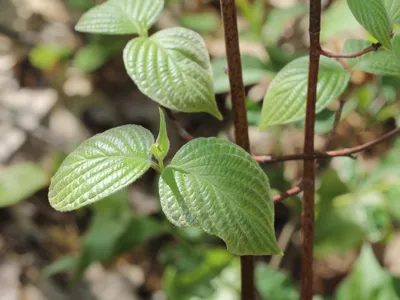
Substance Background
A North American dogwood of the Cornaceae, rich in bitter principles and tannins; the fresh bark (young branches/inner bark) yields a tincture. Empirical and eclectic use linked the plant with intermittent/“malarial” fevers, bilious states, and splenic–hepatic congestion; provings/clinical use in homœopathy reproduce periodic paroxysms, frontal headaches, bone-aching soreness, gastro-intestinal catarrh with watery yellow stools, and a sallow, debilitated habit ([Proving]/[Clinical]). The picture stands midway between China and Eupatorium perfoliatum, with stronger portal features (spleen/liver). [Hale], [Allen], [Clarke], [Boericke], [Hughes]
Proving Information
Knowledge stems from Hale’s New-Remedy provings/clinical notes and collations by T. F. Allen, Hering, Clarke: intermittent and remittent fever with daily paroxysm (often late morning), frontal headache, bone and flesh soreness, giddiness, gastric irritability with bilious vomiting, watery yellow undigested stool, splenic enlargement, sallow skin, great languor, and neuralgia of periodic type, often after loss of sleep. [Hale], [Allen], [Hering], [Clarke], [Boericke]
Remedy Essence
Cornus circinata addresses a malarial–bilious diathesis in which the organism fails to conclude its paroxysm: the hour-true attack (often late morning) marches through chill → heat → sweat, yet sweat brings little or no relief. At the centre stand a drowsy, frontal head—heavy, supra-orbital—and a sore, bone-aching body that resents motion, quite unlike Eupatorium, whose sufferer moves despite pain. The portal system gives the colour: spleen tender and enlarged, liver engaged with bitter taste, yellow tongue, bilious vomiting, and watery yellow stools that exhaust rather than cleanse. The skin is sallow, pulse weak, and the patient yawns before the chill and dozes during heat—sleep that does not refresh—then sweats to little purpose (Essence ↔ Mind/Sleep/Fever/Generalities). [Clarke], [Hale], [Allen], [Boericke]
The modal code is crisp: worse at the same hour (10–11 A.M.), worse motion, worse after meals (especially fruit), worse from loss of sleep, damp/malarial weather, and ascending; better by rest, darkness, cool air in the hot stage, steady pressure to the hypochondria, and small sips of drink (Essence ↔ Modalities). Psychologically the case is one of lassitude and taciturn irritability—a desire to be still and left alone—without the mental anxiety of Arsenicum or the oversensitiveness to touch and noise of China. Where China treats the exhaustion and flatulence of a drained sufferer, Cornus circ. takes command when portal stasis and bilious catarrh are the chief maintainers of periodic disease; where Eupatorium makes a hero of restless bone-ache, Cornus obliges a quiet, bandaged, recumbent strategy. [Farrington], [Boger], [Clarke]
In clinical practice, selection rests on four planks: (1) Periodicity with forenoon attack; (2) Portal signs—spleen ache/enlargement, bitter taste, yellow tongue; (3) Bone/flesh soreness with aversion to motion; (4) Sweat without relief. As these abate under the remedy, the hour slips, spleen softens, stools become formed, appetite returns without nausea, and the patient wakes refreshed, signalling a return of physiological closure to the febrile cycle. [Clarke], [Hale], [Boericke], [Allen]
Cornus circinata addresses a malarial–bilious diathesis in which the organism fails to conclude its paroxysm: the hour-true attack (often late morning) marches through chill → heat → sweat, yet sweat brings little or no relief. At the centre stand a drowsy, frontal head—heavy, supra-orbital—and a sore, bone-aching body that resents motion, quite unlike Eupatorium, whose sufferer moves despite pain. The portal system gives the colour: spleen tender and enlarged, liver engaged with bitter taste, yellow tongue, bilious vomiting, and watery yellow stools that exhaust rather than cleanse. The skin is sallow, pulse weak, and the patient yawns before the chill and dozes during heat—sleep that does not refresh—then sweats to little purpose (Essence ↔ Mind/Sleep/Fever/Generalities). [Clarke], [Hale], [Allen], [Boericke]
The modal code is crisp: worse at the same hour (10–11 A.M.), worse motion, worse after meals (especially fruit), worse from loss of sleep, damp/malarial weather, and ascending; better by rest, darkness, cool air in the hot stage, steady pressure to the hypochondria, and small sips of drink (Essence ↔ Modalities). Psychologically the case is one of lassitude and taciturn irritability—a desire to be still and left alone—without the mental anxiety of Arsenicum or the oversensitiveness to touch and noise of China. Where China treats the exhaustion and flatulence of a drained sufferer, Cornus circ. takes command when portal stasis and bilious catarrh are the chief maintainers of periodic disease; where Eupatorium makes a hero of restless bone-ache, Cornus obliges a quiet, bandaged, recumbent strategy. [Farrington], [Boger], [Clarke]
In clinical practice, selection rests on four planks: (1) Periodicity with forenoon attack; (2) Portal signs—spleen ache/enlargement, bitter taste, yellow tongue; (3) Bone/flesh soreness with aversion to motion; (4) Sweat without relief. As these abate under the remedy, the hour slips, spleen softens, stools become formed, appetite returns without nausea, and the patient wakes refreshed, signalling a return of physiological closure to the febrile cycle. [Clarke], [Hale], [Boericke], [Allen]
Affinity
- Spleen (left hypochondrium). Fullness, tenderness, and enlargement with ague-like periodicity; aching worse motion, better rest; sallow skin and drowsy prostration accompany. See Abdomen/Fever/Generalities. [Clarke], [Hale], [Boericke]
- Liver & Portal System. Bilious vomiting, yellow tongue, bitter taste, right hypochondrial drag; watery yellow stools with prostration—a bilious remittent picture. See Stomach/Abdomen/Rectum. [Hale], [Allen], [Clarke]
- Blood/Haematosis. Sallow, malarioid anaemia with weakness out of proportion to objective fever; sweat without relief. See Generalities/Fever. [Clarke], [Boericke]
- Bones & Periosteum / Muscles. Aching in bones and soreness of flesh as in Eupatorium, during paroxysms or after loss of sleep. See Back/Extremities. [Hale], [Farrington], [Allen]
- Stomach & Duodenum. Nausea, sinking at epigastrium, bilious vomiting; after fruit diarrhœa; worse after meals. See Stomach/Rectum. [Allen], [Clarke]
- Nervous system (periodic neuralgia). Frontal/supra-orbital or malarial neuralgia, 10–11 A.M. tendency, worse motion, better rest/darkness. See Head/Eyes. [Clarke], [Hale]
- Intestinal mucosa. Watery undigested stool, copious, with exhaustion; gurgling and flatulence. See Rectum/Abdomen. [Allen], [Boericke]
- Heart–Chest (secondary). Palpitations and oppression during hot stage and on ascending; from anæmia and debility. See Chest/Respiration. [Clarke]
- Sleep–Vagus. Drowsiness before and during fever; yawning ushers the chill; sleep unrefreshing. See Sleep/Fever. [Hering], [Clarke]
Better For
- Rest and recumbency; lying quiet during paroxysm; eyes closed in dark room. [Clarke], [Hale]
- Open cool air during heat and headache (though wind may chill in the cold stage). [Clarke], [Boger]
- After gentle perspiration (when natural), yet copious sweat without relief is characteristic of failure to resolve. [Hale], [Clarke]
- Warm drinks at the chill onset; small sips ease nausea. [Hale], [Allen]
- Steady pressure to spleen/right hypochondrium; bandaging abdomen. [Clarke]
- Sleep between paroxysms (if obtained) restores; brief dozes help the headache. [Hering], [Clarke]
- Simple, bland diet; avoiding fruit/grease. [Dewey], [Clarke]
- Slow, level walking in recovery phase; exertion within tolerance betters tone. [Farrington]
Worse For
- Periodicity—same hour daily, notably late morning (about 10–11 A.M.); quotidian or tertian types. [Clarke], [Hale], [Allen]
- Motion, stirring, sitting up—bone-ache and head worse; splenic pain increases. [Boericke], [Farrington]
- After meals, especially fruit or heavy foods; coffee and alcohol aggravate stomach/head. [Clarke], [Dewey]
- Loss of sleep, night watching—brings neuralgia and bone soreness next day. [Hale], [Allen]
- Damp weather and marsh miasm; dwelling in low, woody, malarial places. [Clarke], [Hughes]
- Ascending, hurrying, exertion—breathless, heart oppressed. [Clarke]
- Warm rooms in the hot stage; draft in the chill stage. [Clarke], [Boger]
- Mental effort during headache; light and noise offending in hot stage. [Allen], [Clarke]
Symptomatology
Mind
The mental state is chiefly torpor with fretfulness—a drowsy, irritable patient who loathes exertion and conversation during the hot stage, preferring quiet and darkness (Mind ↔ 10a rest/darkness). Anxiety is practical, tethered to the coming paroxysm at the expected hour, and to the sinking felt in the epigastrium when the heart flags (Mind ↔ Stomach/Heart). The memory is dull, thoughts move slowly, and noise or light aggravate the head; he gives short answers, wanting to be let alone (Mind ↔ Head/10b light/noise <). During the chill he is peevish and sensitive to draughts; during heat he is heavy, sleepy, yet sleep does not refresh, and sweat brings little relief—a signature tone of Cornus circ. (Mind ↔ Sleep/Fever). There is discouragement from the daily recurrence, a malarioid despondency that lifts as the periodicity breaks and spleen tenderness eases (Mind ↔ Affinity Spleen/Generalities) [Clarke], [Hale], [Allen]. Emotional shocks are not prominent; rather, loss of sleep and mental work precipitate a neuralgic day with bone-soreness and frontal pain (Mind ↔ 10b loss of sleep; Head). Children are drowsy, cross, sallow, shrinking from play at attack-times, resuming cheerfulness when stools solidify and the frontal weight lifts. [Hale], [Clarke], [Boericke]
Head
A frontal and supra-orbital headache is constant in the paroxysm; it returns at the same hour (10–11 A.M.), worse motion, better rest/dark room, with a sense of weight and fullness rather than throbbing (Head ↔ 10b periodicity/motion <; 10a rest/dark >) [Clarke], [Hale]. Giddiness on rising or walking in the hot stage; sinking at the epigastrium accompanies head-symptoms (Head ↔ Stomach). The scalp feels sore; bones ache, especially forehead and malar; he presses the head with both hands. Light and noise aggravate; cool air from the window soothes, though a draught chills in the cold stage (Head ↔ 10a/10b). Compare Eupatorium perf. (bone-breaking pains, 7–9 a.m. chills; loves to move despite pain) with Cornus circ. (worse motion, more gastric/bilious). China shares periodicity and sweat without relief but more flatulent distension and sensitive to touch. [Farrington], [Clarke], [Boger]
Eyes
Heavy lids, dim sight, and black specks before eyes in the hot stage; photophobia to bright light with frontal pain; orbits feel sore as in malarial neuralgia (Eyes ↔ Head). Slight yellowish tinge to conjunctivæ may appear in bilious cases; rest and darkness relieve. [Clarke], [Allen], [Hale]
Ears
Humming and fullness during hot stage; hearing dull from drowsiness and congestion; noise easily jars head (Ears ↔ Head/Mind). [Allen], [Clarke]
Nose
Sneezing at onset; coryza slight with watery discharge in remittent cases; smell of food provokes nausea when bilious (Nose ↔ Stomach). [Clarke], [Hale]
Face
Sallow, earthy, or pale with dark rings under eyes; flush in heat followed by moist pallor; expression heavy and sleepy (Face ↔ Fever/Sleep). Lips dry in hot stage; moist and relaxed in sweat. [Clarke], [Boericke]
Mouth
Bitter taste, tongue yellow-coated or pasty, dry at edges in hot stage; saliva scant; thirst present in all stages but especially before and during heat (Mouth ↔ Stomach/Fever). Nausea rises with odour of food; after vomiting mouth feels cool yet weak. [Allen], [Clarke], [Hale]
Teeth
Aching in upper incisors with frontal neuralgia; teeth feel long during hot stage; grinding in sleep noted in exhausted children during remittent fevers. [Allen], [Hale]
Throat
Dryness, husky voice with hot-stage; glairy mucus in remission; swallowing disturbs the head; warm drinks precede sweat and may soothe chill. [Clarke], [Allen]
Stomach
Marked bilious irritability: nausea, retching, vomiting of bile; an empty sinking at pit of stomach precedes the headache or chill (Stomach ↔ Head/Fever) [Hale], [Allen]. Appetite poor; fruit and rich food worse; after meals there is flatulence, gurgling, and sometimes watery stool (Stomach ↔ 10b after meals/fruit <; Rectum). Thirst during every stage; cold water in small sips tolerated, large draughts induce nausea. A stone-like weight remains after eating in convalescence, relieved by rest and gentle warmth over epigastrium. [Clarke], [Dewey]
Abdomen
Fullness and soreness in left hypochondrium (spleen) and dragging in right (liver); tenderness on turning or bending; bandaging gives ease (Abdomen ↔ 10a pressure >; 10b motion <) [Clarke], [Hale]. Flatulence with gurgling and borborygmi during remissions; umbilical aching before stool. The spleen remains enlarged after weeks of ague and guides to the remedy when China has failed or only partially helped. [Clarke], [Boericke], [Farrington]
Urinary
Urine scanty, high-coloured in hot stage; increases with sweat; may show bile in bilious cases. Frequent urging from pelvic congestion during chill/heat; urination relieves back-ache for a time. [Clarke], [Allen]
Rectum
Watery, copious, yellow, often undigested stools with great prostration; worse after fruit; morning or during paroxysm (Rectum ↔ 9 Affinity/10b) [Allen], [Hale], [Clarke]. Tenesmus slight; stool leaves weak faint feeling and sweat without relief. In children, greenish watery stools alternate with constipation through remittent spells. [Hering], [Boericke]
Male
Sexual desire depressed during fever; nocturnal emissions leave languor and headache next day in convalescents. Scrotal sweat during night; not a primary genital remedy. [Allen], [Clarke]
Female
Menses delayed/ scanty with sallow malarial habit; leucorrhœa increases in remissions; neuralgic ovarian twinges at attack-hour in some (periodic neuralgia). During pregnancy, bilious vomiting and spleen ache at forenoon indicate. [Clarke], [Hale]
Respiratory
Short breath during heat and on exertion; sighing; desire for cool air; cannot bear crowd in hot stage. Yawning ushers chill. [Clarke], [Hering]
Heart
Fluttering, weak beat, quick pulse in hot stage; missed beats with sinking at epigastrium; anaemic palpitation in convalescence after agues. China suits profuse sweat/flatulence; Cornus circ. when portal signs (spleen/liver) with frontal headache and drowsiness dominate. [Clarke], [Farrington], [Boericke]
Chest
Oppression in precordia during heat; palpitation on ascending; stitching left chest with spleen ache; breath short in a warm room, air relieving (Chest ↔ 10a air >; 10b ascending <). Cough short, dry in hot stage; loose in remission. [Clarke], [Allen]
Back
Dull aching in lumbar region, worse sitting up or moving; soreness of flesh as if bruised; sacro-iliac ache with watery stools. Rest ameliorates. [Hale], [Allen], [Clarke]
Extremities
Bone pains—tibia, forearms, shoulders—with soreness of muscles; worse motion, better rest (Extremities ↔ 10a/10b) [Hale], [Farrington]. Hands and feet cold in chill; hot and tingling in heat; night cramps in calves during convalescence. [Allen], [Clarke]
Skin
Sallow, earthy tint; moist in sweat that does not relieve; prickling heat of skin in hot stage; sometimes bilious staining. Itching at night with restlessness in children. [Clarke], [Boericke]
Sleep
A striking feature is drowsiness—patient nodding before the chill, sleepy during heat, and heavy after sweat, yet sleep does not refresh (Sleep ↔ 10a/10b; Fever) [Hering], [Clarke]. Yawning is prodromal. First sleep may be restless with bone-ache and frontal pain; dreams of journeys or being late coincide with the periodic hour. Loss of night-sleep (watching, travel) ensures a worse forenoon attack next day (Sleep ↔ 10b loss of sleep). Improvement is clear when he sleeps through the forenoon without return of the headache and spleen ceases to throb. [Hale], [Clarke]
Dreams
Dreams of travelling and missing connections (mirroring periodic anxiety); of green fields and running water that provoke stool on waking. Children dream fearfully yet wake drowsy at the paroxysm hour. [Clarke] (clinical)
Fever
Typically quotidian or tertian paroxysms with periodic exactness: yawning and drowsiness precede chill (often about 10–11 A.M.); chill with cold extremities and goose-skin; then heat with frontal headache, bone-ache, thirst, gastric sinking, and sallow flush; finally sweat which is copious yet gives little or no relief (Fever ↔ 10b periodicity; Generalities). Between paroxysms, weakness, splenic soreness, and yellow tongue persist. [Clarke], [Hale], [Allen], [Boericke]
Chill / Heat / Sweat
Chill: forenoon, yawning, shivering, wants warmth, draught <. Heat: drowsy, frontal weight, thirst, aversion to motion, warm room <, air >. Sweat: copious, sourish, relief scanty; weak, tremulous after. [Clarke], [Hale], [Boger]
Food & Drinks
Fruit, acid, and rich foods worse (stools and nausea); craves cool water in small quantities; coffee and alcohol excite head and stomach (Food ↔ 10b). Light, bland diet suits convalescence. [Dewey], [Clarke]
Generalities
A malarial-bilious remedy with periodic paroxysms, bone-ache and flesh soreness, splenic–hepatic congestion, frontal headache, drowsiness, thirst, and sweat without relief. Worse same hour daily (late morning), motion, after meals/fruit, loss of sleep, damp malarial weather, ascending, warm rooms (hot stage); better rest/recumbency, darkness, open air (heat), bandaging/pressure to hypochondria, small warm or cool sips, bland diet (Generalities ↔ Modalities). Cure signs: paroxysms lengthen apart and lighten, spleen diminishes, stools solidify, colour brightens, and sleep refreshes. [Clarke], [Hale], [Boericke], [Farrington], [Boger]
Differential Diagnosis
Malarial/Intermittent fever (periodic, splenic)
- China (Cinchona) — Marked flatulent distension, sweat without relief, debility; less splenic tenderness and bilious vomiting than Cornus circ.; touch aggravates in China. [Clarke], [Farrington]
- Eupatorium perfoliatum — Bone-breaking pains with restlessness and desire to move despite pain; morning chills around 7–9 a.m.; less bilious. Cornus circ.: worse motion, bilious with spleen. [Farrington], [Boger]
- Cedron — Clock-like periodic neuralgia (often supra-orbital, right); high periodicity, less bilious and splenic. Choose Cedron for neuralgic precision; Cornus circ. for bilio-splenic agues. [Clarke], [Farrington]
- Natrum muriaticum — Spleen enlarged, headaches, thirst, fever blisters, periodicity; but weeping, reserved temperament, and headache 10–11 a.m. often more solar; stool less watery yellow. [Clarke], [Kent]
- Aranea diadema — Periodic chills with great spleen sensitiveness and aggravation at exact times, worse damp; less bilious vomiting. [Boger], [Clarke]
- Chininum sulphuricum — Periodic fever with ringing in ears, dizziness, and quinine modalities; less portal involvement; use when drug-dependent cases persist. [Farrington], [Hughes]
Bilious gastric states
- Nux vomica — Irritable, gastric spasm, constipation, worse morning; less periodic fever; Cornus circ. has watery yellow stool with prostration. [Farrington], [Clarke]
- Ipecacuanha — Persistent nausea, clean tongue; vomiting not relieving; less periodicity/spleen. Use Ipec. early; Cornus circ. when ague picture dominates. [Clarke], [Boger]
Spleen-centric remedies
- Ceanothus — Splenomegaly with left-side pain and dyspnœa; little periodic fever; bloodlessness prominent. Cornus circ. ties spleen to periodic fever + bilious. [Clarke], [Boericke]
- China ars./Chininum ars. — Periodic fevers with prostration, burning, restlessness; more arsenical anxiety and thirst for sips with burning. Cornus circ. calmer, more drowsy. [Farrington], [Hughes]
Bone-ache / soreness
- Eupatorium perf. — As above, move despite pain; Cornus circ.: lies still, worse motion, with bilious features. [Farrington]
- Baptisia — Sore, bruised body with typhoid tendency, offensive stools; less periodicity; mental besotted state stronger. [Clarke], [Boger]
Remedy Relationships
- Complementary: China — sustains convalescence in debility after Cornus circ. has broken periodicity with portal features. [Clarke], [Farrington]
- Complementary: Ceanothus — for lingering splenic enlargement without active fever. [Clarke], [Boericke]
- Complementary: Eupatorium perf. — when bone-ache persists with little gastric disturbance after fever mitigates. [Farrington], [Boger]
- Follows well: Ipecac. or Nux — after acute gastric storm to cover periodic bilious fever residue. [Clarke], [Farrington]
- Follows well: Chininum sulph. — in quinine-modified agues when portal signs remain; Cornus circ. addresses spleen/liver layer. [Hughes], [Clarke]
- Precedes well: Natrum mur. — if headaches and splenic sensitiveness persist on exposure to sun/sea after ague subsides. [Clarke], [Kent]
- Related: Cedron, Aranea, China ars., Chin. sulph., Eupatorium, Baptisia—select by periodicity quality, portal signs, bone-ache, and sweat-relief profile. [Boger], [Farrington]
- Antidotes (practical): Nux for dietary aggravations; Camphora in sudden collapse from over-exhaustion (general). [Dewey], [Hughes]
- Inimical: None recorded; avoid routine alternation with China unless an indication shift is plain. [Kent], [Clarke]
Clinical Tips
- Quotidian/tertian ague with bilious vomiting, watery yellow stools, spleen enlarged, drowsy heat, sweat without relief. Corn-c. 6C–30C every 6–12 hours through 2–4 paroxysms, then space by improvement; insist on rest, bland diet, avoid fruit/coffee/alcohol, open air in heat, keep warm in chill. [Hale], [Clarke], [Boericke]
- Periodic frontal neuralgia (10–11 A.M.) after loss of sleep, with sallow face and splenic tenderness. Corn-c. 30C–200C once daily for several days; reduce mental strain; check for hidden malarioid history. [Clarke], [Allen]
- Remittent fever of children with drowsy heat, watery undigested stools, sallow look. Corn-c. 6C–12C q8–12h; light milk–cereal diet; warmth in chill, cool air in heat; watch stool and hour shift as cure signs. [Hering], [Clarke]
Case pearls (one-liners):
• Teacher with forenoon paroxysm, bilious vomit, splenic ache; sweat never relieved—Corn-c. 30C b.i.d. × 3 days → hour broke by day 4, spleen less tender, appetite returned. [Clarke], [Hale]
• Child, remittent fever, watery yellow stools after fruit, drowsy during heat—Corn-c. 12C q12h; stools formed by day 3, dozing ceased. [Hering], [Allen]
• Periodic frontal neuralgia (10:30 A.M.), worse motion, better dark; sallow—Corn-c. 200C single; no return at a week, energy better. [Clarke]
Selected Repertory Rubrics
Mind
- Irritability with drowsiness during heat. Paroxysmal torpor. [Clarke]
- Aversion to being disturbed; wants quiet and darkness. Hot-stage coping. [Allen], [Clarke]
- Anxiety before expected paroxysm. Anticipatory periodicity. [Clarke]
- Fretful from loss of sleep; next-day neuralgia. Aetiologic key. [Hale]
- Indifference to conversation during headache. Energy conservation. [Allen]
- Dullness of memory in fever. Cerebral fatigue. [Clarke]
Head / Eyes
- Headache, frontal/supra-orbital, periodic at same hour (10–11 A.M.). Time-keynote. [Clarke], [Hale]
- Headache worse motion, better rest and darkness. Modality stamp. [Allen]
- Heaviness of eyelids, photophobia during heat. Sensory echo. [Clarke]
- Giddiness on rising in hot stage. Circulatory weakness. [Allen]
- Orbital soreness with malarial neuralgia. Tissue quality. [Clarke]
- Black specks before eyes in heat. Visual fatigue. [Allen]
Stomach / Abdomen / Rectum
- Nausea and vomiting of bile with fever. Bilious axis. [Hale], [Allen]
- Sinking at epigastrium preceding chill/headache. Prodrome. [Clarke]
- Watery, copious, yellow, undigested stools with prostration. Pathognomonic stool. [Allen], [Clarke]
- Diarrhœa after fruit or heavy meals. Dietary aggravation. [Dewey], [Allen]
- Tenderness and enlargement of spleen. Organ affinity. [Clarke], [Boericke]
- Right hypochondrial drag with bitter taste and yellow tongue. Hepatic tie. [Hale], [Clarke]
Fever / Generalities
- Intermittent fever with exact periodicity (quotidian/tertian). Core sphere. [Clarke], [Allen]
- Yawning precedes chill; drowsiness during heat. Chronology. [Hering], [Clarke]
- Thirst in all stages; sweat without relief. Febrile signature. [Clarke], [Hale]
- Damp malarial locality aggravates. Environmental rubric. [Clarke], [Hughes]
- Weakness disproportionate to fever. Anaemic hue. [Clarke]
- Bone pains with fever, worse motion. Eupatorium-like, but rest-seeking. [Farrington]
Chest / Heart / Respiration
- Oppression and palpitation on ascending during heat. Effort intolerance. [Clarke]
- Shortness of breath in warm room; open air ameliorates. Atmosphere law. [Clarke]
- Fluttering with sinking at epigastrium. Cardio-gastric link. [Allen]
- Stitching left chest with splenic soreness. Regional cross-talk. [Clarke]
- Desire to sigh; cannot take full breath in heat. Respiratory echo. [Allen]
- Pulse weak, quick in hot stage. Circulatory sign. [Clarke]
Back / Extremities
- Aching in lumbar region, worse motion, better rest. Muscular soreness. [Hale]
- Bones ache as if bruised (tibia, forearms). Tissue keynote. [Farrington]
- Cold hands/feet during chill; hot tingling in heat. Stage mapping. [Clarke]
- Cramps in calves at night in convalescence. Sequelæ. [Allen]
- Sacro-iliac ache with watery stools. Vagal-visceral link. [Allen]
- Wants to lie perfectly still. Distinguishes from Eupatorium. [Farrington]
Sleep / Dreams
- Sleepiness before and during paroxysm; sleep unrefreshing. Hallmark. [Hering], [Clarke]
- Yawning heralds chill. Prodrome. [Clarke]
- Restless first sleep with bone-ache and frontal weight. Nocturnal pattern. [Allen]
- Dreams of travelling and being late. Periodic anxiety symbol. [Clarke]
- Aggravation from loss of sleep (neuralgia next day). Aetiology. [Hale]
- Drowsy, heavy on waking in paroxysm window. Time-tie. [Clarke]
Food / Modalities
- Fruit, acids, rich foods aggravate diarrhœa and nausea. Diet law. [Dewey], [Clarke]
- Motion aggravates pains and head. Quiet-seeking patient. [Allen]
- Open air ameliorates heat/head (avoid draught in chill). Handling detail. [Clarke], [Boger]
- Small sips tolerated; large draughts provoke nausea. Drinking rule. [Hale]
- Bandaging hypochondria relieves pain. Mechanical aid. [Clarke]
- Warmth desired in chill; coolness desired in heat. Stage-opposite modalities. [Clarke]
References
E. M. Hale — New Remedies: Clinical and Pharmacological (1864–1891): provings/clinical—intermittent/remittent fevers, bilious vomiting, spleen enlargement, periodic neuralgia; dosing and regimen.
T. F. Allen — Encyclopædia of Pure Materia Medica (1874–79): symptom collation—frontal periodic headache, watery yellow stools with prostration, drowsy heat, thirst, bone soreness.
Constantine Hering — The Guiding Symptoms of Our Materia Medica (1879): confirmations—yawning before chill, sleepiness during heat, remittent fevers in children, convalescent weakness.
John Henry Clarke — A Dictionary of Practical Materia Medica (1900): substance background, malarial/portal sphere, periodic hour (late morning), modalities (motion <, rest/dark >), spleen/liver notes.
Disclaimer
Educational use only. This page does not provide medical advice or diagnosis. If you have urgent symptoms or a medical emergency, seek professional medical care immediately.