

Cicuta virosa L.
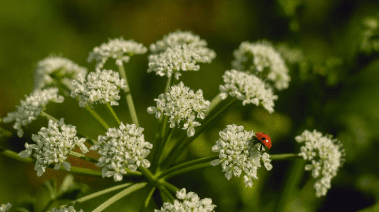
Substance Background
A highly poisonous umbellifer growing in marshes and watery meadows of Europe and northern latitudes. The fresh rootstock contains cicutoxin and allied polyacetylenes—potent GABA_A antagonists producing explosive convulsions, opisthotonos, lockjaw, and respiratory failure in toxic states ([Toxicology]) [Hughes], [Clarke]. For homœopathic use, Hahnemann prepared the mother tincture from the fresh root (alcoholic maceration) and potentised it; the toxicodynamics illuminate the clinical picture of violent tonic–clonic spasms, reflex hyperexcitability to touch, noise, and shining objects, and post-spasmodic stupor, along with a marked skin affinity for impetiginous crusts that, when suppressed, provoke nervous storms by the law of direction of cure (skin ↔ nerves). [Hahnemann], [Hering], [Allen], [Hughes], [Clarke]
Proving Information
Hahnemann proved Cicuta virosa and published symptoms in his Materia Medica; later enrichments came from Hering, Allen (encyclopædia) and clinical verifications of infantile spasms, epileptiform convulsions, tetanus-like opisthotonos, and skin–brain alternations (eruption suppressed → convulsions; eruption reappears → nerves quiet) ([Proving]/[Clinical]/[Toxicology]). [Hahnemann], [Hering], [Allen], [Clarke], [Hughes]
Remedy Essence
Cicuta virosa is the archetype of sensorimotor storm: a nervous system set on a hair-trigger, where sight, sound, or touch instantly explodes into tonic–clonic convulsion and opisthotonos, with lockjaw, suspended breath, involuntary evacuations, and then stupor. The polarity is stark—hyperexcitable reflex arcs against post-ictal blankness—rooted in the toxic model of GABA blockade (Hughes’ pharmacology), which supplies the “why” of the picture: without inhibition, trivial stimuli become overwhelming ([Toxicology]) [Hughes], [Clarke]. This reflex excitability is not the histrionic, psychogenic tremor of Tarentula, nor the grand cerebral blaze of Belladonna; it is peripheral-to-central spread: lids quiver, jaws chew, eyes roll, neck stiffens, back arches, and breath halts—a sequence faithfully observed by Hering and Allen across cases (Mind/Head/Eyes/Chest) [Hering], [Allen].
The second axis is skin ↔ brain alternation: thick, honey-yellow crusts on face/scalp (crusta/impetigo) stand as safety-valves; close them by ointment or over-washing and the brain storms; let them vent and the storms wane (Skin/Generalities) [Hering], [Clarke]. This gives Cicuta its Hering’s Law signature and miasmatic colouring: psoric exanthem and syphilitic nervous destructiveness entwined, with sycotic periodicity (recurring fits after minor triggers) [Kent]. Aetiologies—fright, head injury, worms, dentition, cold-bath shock, post-exanthem suppression, menstrual perturbation—all converge on a lowered threshold; the remedy therefore thrives when management removes mixed, bright, busy inputs, leaving a single calm stimulus, dim light, cool head, and no handling (Modalities 10a/10b) [Hering], [Clarke].
Psychologically, the adult may appear childish, regressed, silly between attacks, with sudden rages or dances, and animal visions at night—a brain reset to earlier patterns; in children the same pattern contextualises wormy irritability, grinding, nose-picking, and start-from-sleep that culminate in fits (Mind/Sleep/Rectum) [Hering], [Lippe]. The thermal signature is hot head/cold limbs, cold sweat with hot face, echoing the vaso-motor split of medullary upset (Chill/Heat/Sweat) [Clarke]. The pace is explosive, but the recovery is patient: improvement shows as longer intervals, fewer triggers, dimmer lights tolerated, eruption returning, worms passed, sleep gaining without starts, and stupor shortening; failures occur
Affinity
- Cerebrospinal axis (medulla/spinal cord). Violent tonic–clonic convulsions with opisthotonos, lockjaw, and respiratory arrest likelihood; reflex hyperexcitability—spasms from touch, noise, or shining objects (mirror/water, metallic gleam). See Mind, Head, Respiration, Generalities. [Hahnemann], [Hering], [Allen], [Hughes]
- Peripheral motor system. Jactitations, choreic twitchings, grimaces, and grotesque contortions; convulsions often begin in face/eyes then generalise; chewing and jaw spasm frequent. See Face, Mouth, Extremities. [Hering], [Allen], [Kent]
- Skin (impetigo/eczema). Thick, honey-yellow crusts (“milk-crust,” “porrigo,” impetigo capitis/face). Suppression → brain-storms; reappearance of rash → relief. See Skin, Generalities. [Hering], [Clarke], [Boericke], [Farrington]
- Eyes/retina. Photophobia; shining objects excite spasms; upward rolling of eyeballs per convulsive phase; pupils often dilated. See Eyes, Mind. [Hahnemann], [Allen]
- Gastro-intestinal tract. Nausea, hiccough, projectile vomiting, abdominal cramps as aura to seizures; worms as aetiology in children. See Stomach, Abdomen, Rectum. [Hering], [Allen], [Lippe]
- Respiratory centres. Irregular/stertorous breathing during fits; threatened apnoea; cyanosis; prolonged post-ictal sighing. See Respiration/Heart. [Hughes], [Clarke]
- Head/neck. Head drawn back; neck rigid; pain at occiput; cranial nerves irritable; effects of head injury—post-concussive spasms. See Head, Back. [Hering], [Kent], [Dunham]
- Genito-urinary sphincters. Involuntary evacuations during fits; sometimes suppressed urine between paroxysms. See Urinary, Rectum. [Allen], [Boericke]
- Psychic sphere. Childish regression in adults, idiocy or imbecile states post-encephalitic; visions of animals (dogs, cats), terror on waking, mania with singing/dancing. See Mind, Sleep, Dreams. [Hering], [Clarke], [Kent]
- Trauma/toxins. After fright, head injury, suppressed eruption, worms, or cold bathing; toxic model explains GABA blockade → convulsion. See Generalities/Differentials. [Hughes], [Hering], [Farrington]
Better For
- Eruption reappearing or being allowed to discharge (no suppression); nerves quiet as skin “opens”. [Hering], [Clarke]
- Absolute stillness; touch-avoidance; hands-off nursing during prodrome. [Hering], [Allen]
- Darkened room; away from shining objects (mirrors, polished metal, water, bright light). [Hering], [Allen]
- Cold air to face, cool room, head elevated during and after paroxysm (aids breathing). [Clarke], [Hughes]
- Gentle, sustained pressure at occiput/neck in opisthotonos (some cases). [Kent], [Hering]
- Warm coverings to limbs after the fit to prevent chill, while head kept cool. [Clarke], [Boericke]
- Sleep after convulsion—post-ictal doze restores; do not rouse unnecessarily. [Hering], [Allen]
- Vomiting or stool when GI aura precedes; discharge eases next fit (worms in children). [Lippe], [Allen]
- Regular bland feeding (avoid stimulants); stabilises reflex excitability between attacks. [Farrington]
- Calm, low voice; single soft stimulus rather than mixed inputs. [Kent], [Hering]
Worse For
- Touch (especially of the spine/head), even slight; handling a child brings a fit. [Hering], [Allen]
- Shining objects; water-glitter, mirror, knife-blade, polished ware; also bright light. [Hering], [Allen], [Clarke]
- Noise, jar, startle, draught of cold air, and sudden movement. [Hering], [Kent]
- Suppression of eruptions (impetigo/eczema) by ointments/washing; eruption alternating with spasms. [Hering], [Clarke]
- Worms, dentition, fright, head injury, cold bathing, after measles/scarlatina. [Lippe], [Hering], [Farrington]
- After sleep (on first dropping off or on waking), especially in children. [Allen], [Boericke]
- Menses or puerperal states; also suppressed menses suddenly. [Hering], [Kent]
- Milk/indigestible food in sensitive children with worms; gastric aura. [Lippe], [Allen]
- Stooping or forcing back the head; constriction at neck. [Kent], [Boger]
- Heat of room and crowded stimuli (many people fussing at once). [Clarke], [Kent]
Symptomatology
Mind
The mental state swings between terrified hypervigilance and post-convulsive stupor. During intervals the patient may exhibit childish behaviour—regression, silliness, playing with the fingers, or sucking motions—a post-encephalitic echo seen in Cicuta adults and children alike ([Clinical]) [Hering], [Clarke]. Fear precedes attacks; some describe visions of animals—dogs, cats, hideous faces—that precipitate a start and the fit, showing the sensory trigger axis (Mind ↔ 10b shining objects/noise) [Hering], [Kent]. Anger, fright, and contradiction irritate the nervous system; the patient becomes violent, sings or dances, or falls into a wild laugh–cry alternation, then suddenly passes into a convulsion, contrasting with Stramonium’s loquacity and photophobia and Hyoscyamus’s lascivious clowning [Kent], [Farrington]. After fits there is confusion, stupor, slow comprehension, and a distant gaze; questions irritate, and he wants darkness and to be left alone (Mind ↔ Sleep). In long cases the personality simplifies—a kind of imbecile tranquillity punctuated by sudden rages; Cicuta thus suits brain-injured or post-infective children who lost milestones after a rash was “cured” with ointment (Mind ↔ Skin) [Hering], [Clarke]. Consolation helps little; soft single-stimulus contact calms better than bustling attendance (Mind ↔ 10a calm voice). Religious or moral themes are not centre-stage as in Stramonium; the axis is sensory–motor: see/feel → spasm, then exhaustion. [Hering], [Kent], [Allen], [Clarke]
Head
A tetanic head: drawn strongly backward with board-like neck; attempts to flex aggravate (Head ↔ 10b stooping/forcing). Pain is felt at the occiput and along the cervical spine, worse touch, jar, and noise, better gentle pressure and stillness (Head ↔ 10a pressure/stillness). The face and eyes often announce the fit—quivering lids, grimaces, chewing movements—before the body stiffens and opisthotonos arches it off the bed [Hering], [Allen]. Injuries to the head (falls, blows) or cold bathing may initiate the history; Cicuta ranks high for post-concussive convulsions with sensory triggers (compare Natrum sulph. post-head-injury depression without convulsion) [Dunham], [Kent]. Headache after fits is dull, with heavy stupor rather than the throbbing heat of Belladonna; cold air to face helps while limbs crave warmth (vaso-motor split) [Clarke]. Children roll the head and bore the occiput into the pillow during prodrome; eye-lights or glitter precipitate the leap into spasm (Head ↔ Eyes/10b shining objects). [Hering], [Allen], [Clarke]
Eyes
Photophobia is prominent; the glitter of metal, water, or mirror excites the fit (Eyes ↔ 10b). Pupils are often widely dilated and slow to react during and after convulsions; upward rolling of the eyeballs or fixed stare precedes tonic spasm [Allen], [Hering]. The conjunctivæ may become injected; tears flow after the attack; vision swims in post-ictal phase. Children are fascinated and terrified by shining toys, alternating approach and recoil—an observation that helps differential against Stramonium (wild, light-craving yet light-intolerant) and Cuprum (eyes glassy with cyanosis) [Kent], [Farrington]. In chronic cases, twitching of lids and ocular chorea persists between fits; reading or bright light rekindles facial twitching. Keeping the room dim and avoiding reflective surfaces lowers threshold (Eyes ↔ 10a darkened room). [Hering], [Clarke], [Allen]
Ears
Noise—especially sudden—is a known trigger; a door-slam or shout may precipitate the attack (Ears ↔ 10b noise). During prodrome there is roaring or subjective hum; after the fit, hearing is dull with slow processing of words (post-ictal). Earache is not central; the organ is a trigger port, not a lesion focus—contrast China/Chininum where ringing is the complaint rather than the precipitant. Whispered single-voice reassurance helps more than mixed voices in the room (10a). [Hering], [Allen], [Clarke]
Nose
Face itching and nose-picking in children with worms may precede spasms (Nose ↔ Rectum). No consistent coryza; sneezing fits can start facial twitching which spreads to jaws—another example of peripheral to central spread (Nose ↔ Mouth/Head). [Lippe], [Hering]
Face
The face distorts: grimaces, sardonic smiles, trismus, foam at mouth; colour ranges from pale to cyanosed with sweat beading during the convulsion [Hering], [Allen]. Between attacks, pustular eruptions with yellow, honey-like crusts (impetigo) mark the Cicuta terrain; washing or salving these away brings back neurologic storms (Face ↔ Skin/10b suppression) [Hering], [Clarke]. Cheeks burn while extremities are cold (vaso-motor inversion). Children’s milk-crust glues lashes and cheeks; when the crust “flowers” the brain quiets (direction of cure). Compare Mezereum (thick crusts with bone-pains, intense itching) and Viola tricolor (crusta lactea with urinary smell) [Farrington]. [Hering], [Clarke], [Boericke]
Mouth
Lockjaw is frequent; chewing motions and grinding precede the storm; the tongue may be thrust and bitten during the clonic phase [Allen], [Hering]. Saliva frothy; mouth dry after; bitter taste seldom central. Talking triggers facial twitches; silence helps (Mouth ↔ 10a single stimulus). Cooling the lips/face comforts; warm drinks can provoke gagging in gastric aura. Sucking motions appear in childish regression states. [Hering], [Clarke]
Teeth
Children grind during sleep or prodrome; teeth chatter with facial myoclonus; pressing teeth together may momentarily abort minor twitches (counter-stimulation), though jaw-locking risk is present. Dental work/light glare in the chair can provoke a spasm—alert sign for the practitioner (Teeth ↔ 10b shining objects). [Allen], [Hering], [Kent]
Throat
Spasm of glottis and clonic pharyngeal movements complicate swallowing; choking sensation drives panic (Throat ↔ Respiration). Liquids may regurgitate through nose in infants during a fit. The throat is dry after; voice weak and tremulous. Introduced spoons or fingers aggravate—avoid forcible mouth-opening (Throat ↔ 10b touch). [Hering], [Clarke], [Allen]
Stomach
Nausea and hiccough are frequent prodromes; projectile vomiting can end the aura and defer the fit (Stomach ↔ 10a discharge better) [Allen], [Lippe]. Appetite is capricious; milk or heavy foods provoke gastric distress in wormy children (differential Aethusa when milk is the centre) [Lippe], [Farrington]. Epigastrium sensitive to touch; slightest palpation may start abdominal clonus spreading to the trunk (Stomach ↔ 10b touch). After attacks, the stomach is atonic, accepting only sips and bland feeds; stimulants worsen tremor. [Hering], [Clarke]
Abdomen
Cramp-like umbilical pains or belly-ache precede fits, especially in children with worms; borborygmi and flatus signal an approaching storm (Abdomen ↔ Rectum). Palpation aggravates; warm compresses comfort while handling must be minimal (10a/10b). The abdomen may be retracted during opisthotonos; diaphragm convulses with sighing afterward. Compare Cuprum (violent colic with blue face) and Nux (spasm more gastric/irritable without sensory-trigger axis). [Hering], [Allen], [Farrington]
Urinary
Involuntary urine during seizures; afterwards suppressed or scanty for hours (sphincter exhaustion). Urine often pale post-ictally; albumen not typical. Handling for catheterisation can re-trigger spasm—avoid unless essential (Urinary ↔ 10b touch). [Allen], [Boericke], [Hering]
Rectum
Worms (ascarides/oxyures) are common aetiologic companions; pruritus ani at night; scratching precedes restless sleep and fits (Rectum ↔ Sleep/Mind) [Lippe], [Hering]. Stool may be involuntary during convulsions; between attacks there is a tendency to constipation from fear of straining. Slimy stools occur in catarrhal children; when stool and worms pass, intervals lengthen (10a). [Hering], [Allen]
Male
Convulsions with sexual excitement appear in some adolescents; pollutions may precede a fit (compare Bufo where sexuality is a central aura) [Kent], [Farrington]. Testes retract during spasm; perineal muscles quiver. Between attacks libido is low with childish affect. Not a primary gonorrhœal or prostatic remedy. [Clarke], [Kent]
Female
Spasms at menses, suppressed menses, or puerperal periods; sudden suppression can precipitate severe tetaniform fits (Female ↔ 10b menses) [Hering], [Kent]. Rashes that disappear during pregnancy then rebound after confinement may alternate with post-partum convulsions; allowing the skin to discharge quiets nerves (Skin ↔ Female). Labour pains that cease, replaced by general convulsions, suggest Cicuta in sensitive, eruption-suppressed subjects (differential Cimicifuga where mental gloom and irregular pains dominate). [Hering], [Farrington], [Clarke]
Respiratory
Irregular, arresting, snoring in the fit; sighing and yawning when consciousness returns; gasp if the head is forced back (Respiration ↔ 10b forcing head). Cold air to face helps, but draughts can startle and worsen (Respiration ↔ 10a/10b). Dyspnœa is reflex not bronchitic, distinguishing from Ipecac./Ant. tart. [Clarke], [Hughes]
Heart
Pulse is rapid, irregular, often weak during and after fits; cyanosis hints at medullary depression (Heart ↔ Respiration) [Hughes]. Anxiety is from asphyxial threat, not cardiac lesion. Palpitations from startle or glare presage minor myoclonic bursts. Compare Digitalis (slow, blue, still) and Camphora/Carbo veg. (collapse) vs. Cicuta’s storm–stupor pattern. [Kent], [Nash], [Clarke]
Chest
During spasm the chest is rigid, breath arrested, then stertorous and sighing; intercostals quiver afterward (Chest ↔ Respiration) [Hughes], [Allen]. Cough may be spasmodic, inspiratory gasp-like, with head thrown back. Pressure at sternum may worsen by reflex; leave the chest free, head high (10a). No chronic catarrh keynote; the chest signs are neuro-muscular. [Clarke], [Boericke]
Back
Marked opisthotonos—arching of spine; spinal tenderness to the lightest touch, especially cervico-dorsal; stimuli conducted upward to bulbar storm (Back ↔ 10b touch) [Hering]. Post-ictal aching and bruised sensations track paraspinals; gentle pressure comforts (10a). Spinal injuries or falls are frequent aetiologies; compare Hypericum (nerve-pain without convulsion) and Natrum sulph. (mental change after head injury). [Dunham], [Kent], [Clarke]
Extremities
Spasms, jerks, contortions; thumbs sometimes clenched (less fixed than Cuprum); hands flex and feet extend; tremor persists between fits [Hering], [Allen]. Limbs are cold and sweaty; bruised after; child may suck the thumb in interval (childish regression). Chorea with grimaces and shoulder shrugs improves when skin erupts again (Extremities ↔ Skin/10a eruption). [Clarke], [Farrington]
Skin
The skin is a key axis: pustules → thick honey-yellow crusts on face/scalp, often exuding a gluey discharge; cycles of crusting–recrusting (new scabs form under old) typify Cicuta’s impetigo [Hering], [Clarke]. Suppression of these with ointments or harsh washing is followed by convulsions, chorea, or night terrors; letting the skin vent pacifies the brain (Skin ↔ 10b/10a) [Hering]. Itching is not as torturing as Mezereum, but touch of the crusts is hypersensitive and can start facial clonus. Eruptions may alternate with spasmodic cough or hiccough; when the rash “blooms,” nerves quiet. Compare Viola tricolor (urine odour, diaper rash), Graphites (thick honey-like exudation in folds, less convulsive link). [Farrington], [Boericke]
Sleep
Sleep is feared because dropping off may start the twitch; yet sleep after a fit is the best medicine (Sleep ↔ 10a “doze restores”) [Hering], [Allen]. Children start, grind teeth, and whimper; any touch awakens with a jerk (Sleep ↔ 10b touch/noise). Night terrors with animal images occur in eruption-suppressed cases (Sleep ↔ Dreams/Skin). The best sleep is in a cool, dim room with few stimuli; many short naps rather than long unbroken sleep are observed in convalescence. Parents report fits on waking at dawn in wormy children; after stool/worms, the morning fit is missed (Sleep ↔ Rectum/10a). Sighing and yawning signal recovery. Unlike Chloral, the terror is not from imagery alone but from sensory-triggered neuromuscular surge. [Clarke], [Hering], [Allen]
Dreams
Dreams of animals, falling, glittering water, or knives; the image often presages a daytime trigger—a useful counselling point (remove mirrors, cover metal) [Hering], [Clarke]. After repeated fits, dreams are absent—a blank post-ictal mind. Children dream they are choking or cannot call; they wake and convulse on hearing a noise. Dreams lessen as the rash returns or worms pass (Dreams ↔ Skin/Rectum). [Hering], [Allen]
Fever
Fever is not essential; heat may follow convulsions, with hot face and cold limbs (vaso-motor split). In infectious convalescence (measles/scarlatina) Cicuta fits appear when eruptions are suppressed, not during the full fever—distinguishing it from Belladonna’s fiery fever-convulsions. Slight evening heat may herald a night fit in children; sweat ends it. [Hering], [Clarke], [Farrington]
Chill / Heat / Sweat
Chill of extremities with hot head is common; heat mounts in the face during the paroxysm; sweat is cold and clammy on limbs, warm at head/neck [Allen], [Clarke]. Alternations mirror nervous storm–stupor. Drafts of cold air can startle into a fit (Chill ↔ 10b). [Hering], [Clarke]
Food & Drinks
Milk and indigestibles precipitate gastric aura in wormy children (differential Aethusa) [Lippe], [Farrington]. Desire is small; sips only after attacks; alcohol excites and should be avoided. Cold water to face calms; cold drink may shock if rapidly taken (Food ↔ 10a/10b). [Clarke], [Allen]
Generalities
Cicuta virosa centres on explosive convulsions with extreme reflex excitability—touch, noise, glare (especially shining objects) ignite the storm; the body arches; jaw locks; breath halts; urine/stool may escape; then comes stupor with sighs and cold limbs (Generalities ↔ Affinity Spine/Medulla; Modalities 10b) [Hering], [Allen], [Hughes]. The skin is the equal partner: thick honey-crusts on face/scalp alternate with nervous crises—suppress the skin → brain storms; let it vent → nerves quiet (Hering’s direction) [Hering], [Clarke]. Aetiologies include fright, head injury, worms, dentition, cold bathing, post-exanthem suppression, and menses perturbations; management respects single, gentle stimuli, dim light, cool air to head, warm limbs, and no handling (10a). Differentially, Strychninum has mobile tetanus without skin axis; Cuprum has clenched thumbs, cyanosis, and a gastric aura more constant; Stramonium and Hyoscyamus display maniacal mental pictures without the shining-object trigger and impetigo link. Cure runs in longer intervals, fewer triggers, return of eruption, quiet sleep, and post-ictal clarity. [Kent], [Farrington], [Boericke], [Boger]
Differential Diagnosis
Convulsions / Tetaniform states
- Strychninum — Pure tetanus; slightest touch → unbroken tonic spasm; less skin alternation. Cicuta has tonic–clonic, shining-object trigger. [Hughes], [Kent]
- Cuprum metallicum — Clenched thumbs, cyanosis, aura from stomach; spasms relieved by cold water; skin link weaker. Cicuta has face-first twitching and impetigo axis. [Farrington], [Hering]
- Belladonna — Fiery cerebral congestion with hot head, red face, light/noise <; fewer lockjaw–opisthotonos extremes and no eruption alternation. [Kent], [Clarke]
- Stramonium — Furious delirium, terror of darkness; spasms but mental picture dominates; glitter not keynote. Cicuta is sensorimotor. [Kent], [Farrington]
- Hyoscyamus — Clownish, lascivious, twitchy; convulsions from jealousy; no shining-object trigger or skin alternation. [Kent]
- Opium — Deep sopor, stertor, insensibility; less reflex hyperexcitability; Cicuta is reactive and then stuporous. [Kent], [Clarke]
- Helleborus — Post-meningitic stupefaction, slow responses; spasms uncommon; Cicuta has explosive fits with triggers. [Farrington]
- Artemisia (vulgaris/absinth.) — Petit mal clusters, shock-like; less opisthotonos, no skin link. [Farrington], [Boericke]
- Bufo — Epilepsy with sexual aura, onanism, tongue-biting; mental dullness; no shining trigger; more foetid secretions. [Kent], [Clarke]
- Oenanthe crocata — Violent water-hemlock-like seizures; more sudden collapse; skin link not stressed; think in status epilepticus. [Allen], [Boericke]
Childhood / Worms / Dentition
- Cina — Worms with nose-picking, irritable child, grinds teeth; fewer dramatic opisthotonos; Cicuta when fits and glitter triggers prevail. [Hering], [Lippe]
- Aethusa — Infant vomits milk → collapse; convulsions from milk; Cicuta when shining/touch precipitate, with impetigo alternation. [Farrington]
- Chamomilla — Anger/teething convulsions; crying must be carried; Cicuta child cannot be touched at all. [Kent], [Boericke]
Skin (crusta/impetigo)
- Mezereum — Thick crusts with intense itching, bone-pains; fewer convulsions; Cicuta when suppression → fits tie is clear. [Farrington], [Clarke]
- Viola tricolor — Crusta lactea, urine odour; less neurologic alternation; can complement Cicuta early. [Boericke]
- Graphites — Honey-like ooze in folds, cold patient; not explosive neuro-axis. [Boger], [Boericke]
Head injury / Post-exanthem
- Natrum sulphuricum — Mental depression, headaches, asthma after head injury; convulsions less; Cicuta for post-traumatic seizures. [Dunham], [Kent]
- Sulphur — After suppressed eruptions; generalised psoric state; convulsions uncommon. Use Sulph. to re-open skin if Cicuta is insufficient. [Hering], [Kent]
Triggers / Modalities
- Gelsemium — Tremulous weakness; start from fright; not convulsive explosions; light not a trigger. [Farrington]
- Tarentula — Hysteriform convulsions, musical rhythm >; seeks motion; Cicuta reflex touch/noise/glitter axis predominate. [Kent]
Remedy Relationships
- Complementary: Sulphur — restores eruptive vent after Cicuta calms convulsions; prevents relapse from suppression. [Hering], [Kent]
- Complementary: Viola tricolor — assists crusta lactea drainage in infants while Cicuta covers fits. [Boericke]
- Complementary: Cina — worm-expulsion measure when pruritus ani and teeth grinding persist; reduces convulsive triggers. [Lippe], [Hering]
- Follows well: Cuprum — after cyanotic, thumb-clenched attacks subside, if glitter/touch still provoke. [Farrington]
- Follows well: Helleborus — when stupor remains after acute encephalitic storm; Cicuta for residual reflex storms. [Farrington]
- Precedes well: Graphites/Mezereum — to finish chronic crust states once convulsions cease. [Farrington], [Boericke]
- Precedes well: Natrum sulph. — post-traumatic sequelae after seizures are controlled. [Dunham], [Kent]
- Related: Strychninum, Oenanthe crocata, Bufo, Artemisia — see Differentials; rotate by aura and trigger profile. [Allen], [Farrington]
- Compare (female): Cimicifuga, Hyoscyamus — puerperal/menstrual convulsions; choose Cicuta if shining object/touch < and skin alternates. [Kent], [Clarke]
- Antidotes (practical): Camphora, Opium, and high alcohol vapours reported in toxicology; homœopathically, Camph. may palliate collapse after storms (clinical tradition). [Hughes], [Clarke]
- Incompatible/Inimical: None classically fixed; avoid routine alternation with Stramonium unless mental fury dominates the picture. [Kent]
- Adjuncts: Dim room, remove mirrors/shine, minimal handling, head high, cool face/warm limbs, worm hygiene. [Hering], [Clarke]
Clinical Tips
- Infantile/childhood convulsions after suppressed milk-crust/impetigo, fright, or worms; avoid touch/glare/noise, dim the room, cool head/warm limbs; Cicuta 30C–200C during prodrome or immediately post-fit; space/stop as intervals lengthen. [Hering], [Allen], [Clarke]
- Post-traumatic seizures with head drawn back, glitter-trigger, and post-ictal stupor; consider Cicuta 200C single, then watch for skin return; follow with Nat-s. if mental depression remains. [Dunham], [Kent]
- Chorea with facial grimaces alternating with crusty eruptions; prioritise skin vent (dietary and topical simplicity) and dose Cicuta 6C–30C daily for a short run. [Farrington], [Hering]
Case pearls (ultra-concise):
• Toddler with impetigo face salved clean → nightly fits at light-glint; Cicuta 200C → impetigo re-bloomed, fits ceased. [Hering], [Clarke]
• Boy, fright at dog; convulsions on seeing shining spoon; head back, lockjaw; Cicuta 30C in prodrome → storm aborted; counselled de-glittering kitchen. [Allen], [Kent]
• Fall on occiput; months later, fits from touch/noise; eruption of scalp vanished earlier; Cicuta 1M single → scalp wept, seizures spaced out. [Dunham], [Clarke]
Selected Repertory Rubrics
Mind
- Delusions/visions of animals (dogs, cats). Typical pre-fit image; warns of trigger sensitivity. [Hering], [Clarke]
- Childish behaviour/imbecility in adults. Post-encephalitic regression pointer. [Hering], [Kent]
- Rage alternating with silly laughter. Motor-psychic instability; prelude to storm. [Kent]
- Fright followed by convulsions. Aetiologic lever for selection. [Hering], [Farrington]
- Aversion to being touched/approached. Handling triggers reflex arcs. [Hering]
- Wants to be left alone after fits. Post-ictal stupor care. [Allen]
Head/Eyes
- Head drawn backward (opisthotonos). Hallmark of tetaniform phase. [Hering]
- Convulsions excited by shining objects. Signature trigger—de-glitter environment. [Hering], [Allen]
- Eyes roll upward before spasm. Aura-to-attack sequence. [Allen]
- Photophobia with spasms. Avoid glare; dim rooms help. [Clarke]
- Head injury, consequences of—convulsions. Aetiology rubric. [Dunham], [Kent]
- Worse from jar/noise. Reflex hyperexcitability. [Hering]
Mouth/Face/Throat
- Trismus; chewing during convulsions. Jaw involvement signal. [Allen]
- Foam at mouth during seizures. Clonic hallmark. [Hering]
- Sardonic smile/grimaces. Facial motor storms. [Hering]
- Spasm of glottis; choking on attempts to swallow. Respiratory hazard. [Clarke]
- Tongue bitten during fit. Severity marker. [Allen]
- Salivation frothy; post-ictal dryness. Stage mapping. [Allen]
Skin
- Impetigo/porrigo with thick honey-yellow crusts (face/scalp). Terrain hallmark. [Hering], [Clarke]
- Eruptions suppressed—neurological symptoms follow. Direction-of-cure rubric. [Hering]
- Touch of crusts excites twitching. Local reflex input. [Hering]
- Crusta lactea in children with convulsions. Paediatric key. [Boericke]
- Eruptions alternate with spasms. Alternation rubric. [Hering]
- Itching not violent; touch hypersensitive. Distinguishes from Mezereum. [Farrington]
Generalities/Convulsions
- Convulsions from touch, noise, or bright/shining objects. Grand selection rubric. [Hering], [Allen]
- Opisthotonos; body arched; back bent backward. Tetaniform identity. [Hering]
- Urination/stool involuntary during fit. Sphincter clue. [Allen]
- After sleep—convulsions. Chronobiologic pattern. [Boericke]
- Worms as cause of convulsions. Aetiology. [Lippe]
- Cold limbs with hot head during attack. Vaso-motor split. [Clarke]
Abdomen/Rectum/Urinary
- Colic about umbilicus before seizure. Abdominal aura. [Allen]
- Vomiting/hiccough preceding spasm. Gastric prodrome. [Lippe], [Allen]
- Worms; pruritus ani at night. Paediatric terrain. [Lippe]
- Stool involuntary during convulsion. Severity rubric. [Allen]
- Urine involuntary during seizure; suppression after. Sphincter fatigue. [Allen]
- Touch of abdomen aggravates spasms. Handling rule. [Hering]
Sleep/Respiration/Heart
- Starting on going to sleep. Threshold instability. [Allen]
- Night terrors with animal images. Mind–sleep linkage. [Hering]
- Breathing ceases during convulsion; stertor later. Risk marker. [Clarke]
- Sighing after fit. Post-ictal sign. [Allen]
- Pulse weak, irregular post-ictally. Recovery metric. [Hughes]
- Better from sleep after attack. Resolution rubric. [Hering]
References
Hahnemann — Materia Medica Pura (1821–1834): primary proving; sensorimotor excitability; early convulsive observations.
Hering — The Guiding Symptoms of Our Materia Medica (1879): convulsions from touch/noise/glitter; skin–brain alternation; clinical confirmations.
Adolph von Lippe — Text-Book of Materia Medica (1866): worms and paediatric convulsions; gastric aura; handling cautions.
T. F. Allen — Encyclopædia of Pure Materia Medica (1874–79): seizure sequence (face-first signs, opisthotonos); mouth/jaw; urinary/rectal phenomena.
Richard Hughes — A Cyclopædia of Drug Pathogenesy (1891–95): toxicology of cicutoxin; GABA antagonism inference; respiratory/medullary notes.
S. R. Phatak — Concise Materia Medica (1977): keynotes—touch/noise <, shining objects <, opisthotonos, suppression of eruptions.
E. A. Farrington — Clinical Materia Medica (1887): differentials (Cupr., Stram., Hyos., Mez., Viola); child convulsions aetiologies.
Carroll Dunham — Lectures on Materia Medica (1879): head-injury sequelae; selection in post-traumatic convulsions.
H. C. Allen — Keynotes and Characteristics (1898): fit stages, face-first signs, involuntary evacuations.
C. von Boenninghausen — Therapeutic Pocket-Book (1846): modalities (touch/noise/light <), convulsion groupings.
James Tyler Kent — Lectures on Materia Medica (1905): miasmatic colour; mental contrasts (Stram./Hyos.); obstetric convulsions notes.
John Henry Clarke — A Dictionary of Practical Materia Medica (1900): skin (honey crusts), eruption-suppression link, management (dim light/cool head).
William Boericke — Pocket Manual of Homœopathic Materia Medica (1906): succinct keynotes—crusta + convulsions; after-sleep fits; care pearls.
C. M. Boger — Synoptic Key of the Materia Medica (1915): spinal modalities; generalities; aetiologic triggers.
Margaret Lucy Tyler — Homoeopathic Drug Pictures (1942): paediatric vignettes; sensory-trigger counselling (de-glittering).
E. B. Nash — Leaders in Homœopathic Therapeutics (1899): cardio-respiratory collapse comparisons; practical dosing/spacing.
W. A. Dewey — Practical Homœopathic Therapeutics (1901): convulsion therapeutics; worm management; nursing rules.
George Vithoulkas — Materia Medica Viva (1991): modern profiling—reflex excitability, skin–nervous alternation (interpretive).
Roger Morrison — Desktop Guide to Keynotes & Confirmatory Symptoms (1993): glitter/light trigger; opisthotonos; crusta alternation (modern synopsis).
Jonathan Shore — Portraits of Homœopathic Medicines (1992): sensory reactivity portraits; counselling environment (interpretive).
Disclaimer
Educational use only. This page does not provide medical advice or diagnosis. If you have urgent symptoms or a medical emergency, seek professional medical care immediately.