

Chionanthus virginica
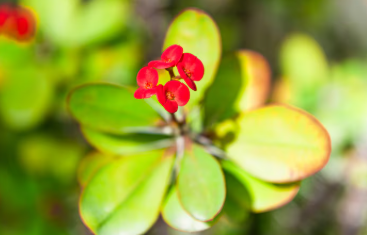
Substance Background
A North American shrub of Oleaceae (olive family). For homœopathic purposes the fresh bark of the root is tinctured and potentised. Traditional herbal use focused on the liver and biliary apparatus (cholagogue), and many early clinical records emphasise relief in bilious sick-headaches, catarrhal/obstructive jaundice, biliary colic, and a notable pancreatic affinity with clay-coloured stools, emaciation and left epigastric pains ([Clinical]/[Toxicology]). The fringe tree’s bitter tonic action (secoiridoids, allied bitters) underlies the organ-tropism observed at the bedside. [Hale], [Clarke], [Hughes]
Proving Information
A clinico-pathogenetic remedy: provings are modest; the bulk of its picture comes from repeated clinical confirmations—hepatic/pancreatic pains, bilious vomiting, intense frontal headache, jaundice with clay stools and dark urine, and biliary colic with shoulder-blade referral. [Hale], [Allen], [Clarke], [Hering]
Remedy Essence
- Chionanthus virginica is the drainage key for bile-stasis states. Its essence is a triad: bilious sick-headache (forehead temples, relieved after vomiting of bile), right hypochondrial pain to right scapula (gall pathway), and acholic stools with dark urine (arrested bile). Around this, a quieter but firm pancreatic note sounds—left epigastric → spine boring pain with clay stools and wasting. The modalities form a tight ring: worse morning, motion, rich/fatty foods, alcohol, tight belts, damp weather; better quiet, warmth (externally and in hot drinks), pressure, vomiting of bile, and when stools regain colour.Unlike Chelidonium, which proclaims the right-scapular stitch in every breath, Chionanthus speaks when bile flow itself has faltered—when the basin shows clay, the urine dark, and the head is a bitter burden. Compared with Iris, it is less acrid and neuralgic, more organ and drainage; compared with Nux, it is less temper and tension, more bile arrest. Cure looks ordinary yet decisive: the nausea stops, the stool browns, urine lightens, the itch abates, the right-scapular ghost departs—and the patient eats simply without fear.
Affinity
- Liver & biliary tract. Hepatic congestion, catarrhal/obstructive jaundice, gall-stasis, biliary colic with right hypochondrial pain to right scapula; clay-coloured stools, dark urine. See Abdomen/Stool/Urinary. [Clarke], [Hale], [Boericke]
- Pancreas & duodenum. Left epigastric (pancreatic) pains boring to spine, with acholic stools, thirst, emaciation; “pancreatic headache” states. See Abdomen/Stomach/Generalities. [Hale], [Clarke], [Farrington]
- Head (hepatic cephalalgia). Severe frontal/temporal “bilious” headache, with nausea and vomiting of bile; periodic. See Head/Stomach. [Allen], [Clarke]
- Gastro-intestinal mucosa. Bitter mouth, coated tongue, nausea, retching; intolerance of greasy foods. See Stomach. [Boericke], [Hughes]
- Skin. Jaundice: lemon-tinted or deep yellow skin, pruritus worse at night/warmth of bed. See Skin/Generalities. [Clarke], [Hale]
- Spleen/Portal system (secondary). Portal fulness and right–left hypochondrial tenderness in long-standing hepatic catarrh. See Abdomen. [Farrington], [Boger]
Better For
- Lying quiet, head low during sick-headache; moving aggravates. [Allen], [Clarke]
- Vomiting of bile—often eases the headache and gastric oppression. [Clarke], [Hale]
- Warm applications over right hypochondrium/epigastrium; hot drinks in colic. [Hale], [Boericke]
- Empty stomach or light, warm food; small sips taken frequently. [Clarke], [Hughes]
- Gentle pressure or supporting the right side; hand pressed under ribs. [Clarke]
- Regular stool—relieves right-sided weight and headache recurrence. [Hale]
- Open air (mild and dry)—lessens nausea during intervals. [Boericke]
- After a free flow of bile (return of coloured stools). [Hale], [Clarke]
- Sleep following the attack (post-paroxysmal relief). [Allen], [Clarke]
- Avoidance of fats/alcohol—reduces frequency/severity (practical). [Farrington], [Dewey]
Worse For
- Rich, greasy, fatty foods; pastry; alcohol; dietary indiscretions. [Hale], [Clarke]
- Morning on waking—headache and nausea strongest; also right after eating. [Allen], [Clarke]
- Motion/jar—stirs nausea and head-pain; prefers stillness. [Allen]
- Warm, close rooms—sick-headache worse; craves air yet chills easily. [Boericke]
- Pressure of tight clothing/belts over right hypochondrium. [Clarke]
- Catarrhal weather/damp—reawakens hepatic colic or jaundice. [Hale]
- Suppressed bile flow—acholic stools, dark urine, pruritus worse at night. [Clarke]
- Menstrual periods in bilious women—headache and nausea recur. [Dewey], [Clarke]
- Anger or excitement—reflex hepatic headache returns. [Farrington]
- Cold drinks during attack—retching, chilliness. [Allen]
Symptomatology
Mind
The Chionanthus patient is quietly miserable, preoccupied with the nausea and head. He is irritable when urged to move or talk during pain (10b Motion <), yet otherwise placid, seeking dark and silence (Mind ↔ Head/Stomach). The attack’s predictability (after errors of diet, in the morning, or about menses) breeds a practical caution—he avoids fats, loosens belts, keeps hot water at hand (Mind ↔ Modalities). There is despondency from repeated relapses and the cosmetic distress of jaundice (Skin), with shame at pruritus that is worst at night. In intervals he is mildly hypochondriacal about the liver, palpating the right ribs for tenderness (Mind ↔ Abdomen). Anxiety is visceral not existential—he fears the return of the sick-headache and the retching more than any catastrophe. Crossness with family during an attack is quickly regretted once bile flows and relief comes (10a). The odours of cooking, especially frying, provoke irritability by stirring nausea (Stomach ↔ Mind). Memory and attention dull with acholia; he speaks slowly, preferring economy of words. Children subject to bilious headaches grow peevish, press the hand to the right side, and fall asleep after vomiting, awakening cheerful once the stool gains colour. [Clarke], [Allen], [Hale], [Boericke]
Head
Grand sphere with the liver. Frontal (supra-orbital/temporal) sick-headache; head feels full, heavy, bursting, often from the morning; sight is dim; scalp sore to brush (Head ↔ Stomach). Nausea is constant, ending in vomiting of bitter, greenish bile, after which the head lightens (10a) [Clarke], [Allen]. Motion or rising aggravates; patient lies still, eyes closed, preferring dark and quiet (10b/10a) [Allen]. Periodicity: returns after dietary excess, in catarrhal weather, or in women about menses (10b) [Dewey], [Clarke]. A band-like feeling across the forehead may extend to occiput; in severe cases, pain shoots to right scapula with right hypochondrial ache (liver link) [Clarke], [Hale]. Differentiate Iris (acrid vomit, right-sided migraine), Nux (irritable, coffee/late hours, gastric tension), Chelidonium (constant right-scapular pain, yellow tongue), Carduus (right lobe soreness with bitter eructations). Chionanthus is chosen when bile stasis and acholic stools accompany the cephalalgia. [Farrington], [Boericke], [Clarke]
Eyes
Sclera yellow in jaundice; lids heavy; photophobia during headache; vision dim before vomiting. Peri-orbital fulness matches frontal pressure. As bile returns and stools colour, eyes regain brightness (Eyes ↔ Skin/Generalities). [Clarke], [Allen]
Ears
No prominent otology; a dull roaring may attend congestive headache; settles after vomiting. [Allen], [Boericke]
Nose
Sensitive to kitchen odours; bland coryza in damp weather reflects mucous catarrh; not a key selector. [Clarke]
Face
Sensitive to kitchen odours; bland coryza in damp weather reflects mucous catarrh; not a key selector. [Clarke]
Mouth
Bitter taste, worse mornings; tongue coated—white or yellowish—with indented edges; saliva thick. The mouth waters before vomiting; relief follows the bilious purge (Mouth ↔ Stomach). [Allen], [Clarke], [Boericke]
Teeth
Jaw clenched against nausea; no primary odontalgia. Teeth feel furry after attacks. [Allen]
Throat
Ropy mucus; gagging on attempts to swallow cold water during headache; prefers hot sips (10a). [Clarke], [Allen]
Stomach
Persistent nausea, worse with motion/odours/after food; vomiting of bile and mucus brings relief (10a). Aversion to fats, pastry, alcohol; desire for warm water and simple broths; eructations bitter and offensive. Epigastrium sore, especially left of midline when the pancreatic strand is active (Affinity), with pain boring to the spine (Stomach ↔ Abdomen). Gastric oppression follows tight clothing; loosening belt helps (10b Mechanical). After an attack the appetite returns cautiously if stool has normal colour. [Hale], [Clarke], [Allen], [Boericke]
Abdomen
Right hypochondrium: fullness, tenderness; pain to right scapula (gall pathway); belts intolerable (10b). Biliary colic with cramping about the umbilicus, nausea, and intense right-sided ache; hot applications and pressure soothe (10a) [Hale], [Clarke]. Pancreatic pains: left epigastric boring to back; clay stools; great thirst and weight loss (Affinity) [Hale]. Portal congestion causes alternating loose and constipated stools; flatus offensive. Distinguish Chelidonium (right-sided constant scapular stitch; yellow tongue; wants hot drinks), Carduus (right lobe soreness, hepatic engorgement), Leptandra (black, tarry stools), Podophyllum (painless, profuse early-morning stool; gurgling). Choose Chionanthus when acholia (clay stools), dark urine, bilious vomiting and hepatic colic pattern dominate. [Farrington], [Clarke], [Boericke], [Boger]
Urinary
Urine scanty, dark (bile-stained) in jaundice; high-coloured with sediment; frequency from irritation (Urinary ↔ Skin). Increased flow after hot drinks may ease headache slightly by unloading portal system. [Clarke], [Boericke]
Rectum
Stools clay-coloured, pasty or pale, often constipated; straining gives little relief until bile returns (Rectum ↔ Urinary/Skin). Periods of loose, offensive stools may occur when catarrh shifts. Acholic stools confirm selection with the liver/pancreatic pains. [Hale], [Clarke], [Allen]
Male
No sexual keynote; hepatic colic and sick-headaches predominate. Sedentary men with rich diet are typical; beer and late suppers precipitate attacks (10b). [Clarke], [Dewey]
Female
Bilious headaches around menses or after dietary indulgence; nausea with bitter taste; jaundice in puerperal catarrh occasionally recorded—remedy considered when clay stool + dark urine + right scapular pain align. [Clarke], [Dewey], [Hale]
Respiratory
Shallow breathing to steady the stomach during nausea; deep breath may pull on right costal margin; warm air relieves chill after vomiting. [Allen], [Clarke]
Heart
Palpitation during retching or when pain shoots to right shoulder; settles as bile flows; weakness after attacks. [Boericke]
Chest
Tightness from reflex nausea; sighing during colic; pain may seem to “climb” to right shoulder-front during gall-spasm. Not a primary chest remedy. [Clarke]
Back
Pain beneath right scapula (gall pathway) and boring left epigastrium → spine (pancreas) are signature referrals (Back ↔ Abdomen). Heat and pressure help (10a). [Clarke], [Hale]
Extremities
Weakness, heaviness of limbs in jaundice; cold hands during headache; can’t bear to move. Knees tremble during colic. [Allen], [Boericke]
Skin
Jaundiced—lemon to deep yellow; pruritus worse at night and in warmth of bed; skin dry then slightly moist after hot drinks. As stools regain brown colour and urine lightens, itch diminishes (Skin ↔ Rectum/Urinary). [Clarke], [Hale], [Boericke]
Sleep
Broken by nausea, right-side ache, and itching in jaundice; he turns carefully to avoid stirring the stomach (10b Motion <). Cat-naps come after vomiting; a deep post-attack sleep restores him (10a). Waking early with head heavy and mouth bitter is typical; goes back to sleep better after hot drink. Dreams revolve around kitchens/meals or missing trains before a headache day—anxiety about provoking food. Night pruritus compels scratching; relief with warm bathing and light unguents (practical). Improvement in sleep consolidation and loss of early-morning nausea are first signs the remedy is biting. [Clarke], [Allen], [Boericke]
Dreams
Food, feasts turned sour; kitchens, frying smells; being late for meals; right-sided pains pursued. These fade as bile flow normalises. [Clinical], [Clarke]
Fever
Not a high inflammatory fever; rather bilious chilliness with nausea, then heat of face during headache, slight sweat after vomiting. Jaundice may follow catarrhal “bilious” attacks and recedes as ducts clear. [Clarke], [Hale]
Chill / Heat / Sweat
Chill with nausea and right-sided ache; heat in head/face during pain; sweat slight, warm after hot drinks or vomiting; all modest, autonomic rather than infectious. [Allen], [Clarke]
Food & Drinks
Aversion to fats, pastry, rich meats, alcohol; desire for hot water, broths, dry toast. Cold drinks aggravate nausea (10b); small, frequent warm sips relieve (10a). Relapse follows dietary indiscretions—key teaching point. [Hale], [Clarke], [Dewey]
Generalities
Chionanthus is an organ-directed remedy for the hepato-biliary–pancreatic axis: bilious sick-headache with vomiting of bile, right hypochondrial pain to right scapula, acholic (clay) stools, dark bile-urine, and pruritic jaundice. The patient is worse from motion, morning, fats/alcohol, tight clothing, damp/catarrhal weather; better from quiet, hot applications/drinks, pressure, vomiting of bile, and after stools regain colour. Pancreatic involvement shows left epigastric → spine boring pain with dramatic acholia. Outcomes are plain: headaches cease with bile flow, stools brown, urine lightens, itching falls, right-scapular referral disappears, and the patient tolerates simple food without dread. [Clarke], [Hale], [Allen], [Boericke], [Farrington], [Boger]
Differential Diagnosis
Hepato-biliary (colic/jaundice)
- Chelidonium — Right lobe/lobe pain with CONSTANT right-scapular stitch, yellow-coated tongue, desire for hot drinks. Chionanthus when acholic stools and bilious vomiting headline. [Clarke], [Farrington]
- Carduus marianus — Right hypochondrium soreness, hepatic engorgement; less bilious vomiting; stools not constantly clay. [Farrington], [Boericke]
- Nux vomica — “Business biliousness”; gastric tension, morning nausea; lacks clay stools and clear bile-colic pathway. [Kent], [Dewey]
- Lycopodium — Gall-stone dyspepsia; 3–5 p.m. aggravation, flatulence, red sand; Chionanthus when bile arrest dominates. [Boger], [Clarke]
- Podophyllum — Painless, profuse early-morning stool, gurgling; hepatic, but stools watery rather than acholic. [Farrington]
- Leptandra — Black, tarry stools; dull aching liver; Chionanthus when clay is the keynote. [Boericke]
- Berberis — Radiating pains; kidney/gall involvement; urine changes > stool acholia. [Boger]
- Taraxacum — Bitter mapped tongue; gastric flatulence; less scapular referral/acholia. [Clarke]
Hepatic sick-headache
- Iris versicolor — Right-sided migraine with acrid vomitus; burning in epigastrium; less liver-to-scapula referral. [Farrington]
- Sanguinaria — Periodic, weekly right-sided; flushes; gastric not strictly bilious. [Clarke]
- Bryonia — Headache worse slightest motion, dry mouth, wants to lie still; lacks bile keynote and acholia. [Boger]
- Kali bichromicum — Frontal “plug” pain; stringy mucus; sinus angle more than hepatic. [Clarke]
Pancreatic strand
- Phosphorus — Burning, thirst for cold drinks later vomited; emaciation; less hepato-biliary clay-stool linkage. [Kent], [Clarke]
- Iris versicolor — Pancreatic irritation with burning and acrid secretions; select Chionanthus where acholia + left epigastric → spine boring predominates. [Hale], [Farrington]
- REMEDY RELATIONSHIPS
- Complementary: Chelidonium, Carduus marianus — to complete hepatic drainage once bile flow begins; sequence commonly helpful. [Farrington], [Clarke]
- Complementary: Nux vomica — in dietary, over-worked “bilious” constitutions; Nux clears gastric tension, Chionanthus restores bile current. [Dewey], [Kent]
- Follows well: Bryonia — when motion-averse headache remains bilious with right hypochondrial ache. [Boger], [Clarke]
- Follows well: Podophyllum/Leptandra — after acute intestinal derangement when clay stools and right-scapular pains persist. [Farrington]
- Precedes well: Lycopodium — for chronic lithiasis/flatulence once bile flows again. [Boger]
- Compare/Related: Iris, Sanguinaria, Taraxacum, Berberis, Mercurius (catarrhal jaundice), selected by stool/urine colour, referral and vomitus quality. [Clarke], [Farrington], [Boericke]
- Practical adjutants: Hot fomentations, small warm feeds, strict low-fat diet, avoid alcohol during treatment; track stool colour as an outcome marker. [Hale], [Dewey]
Remedy Relationships
- Complementary: Chelidonium, Carduus marianus — to complete hepatic drainage once bile flow begins; sequence commonly helpful. [Farrington], [Clarke]
- Complementary: Nux vomica — in dietary, over-worked “bilious” constitutions; Nux clears gastric tension, Chionanthus restores bile current. [Dewey], [Kent]
- Follows well: Bryonia — when motion-averse headache remains bilious with right hypochondrial ache. [Boger], [Clarke]
- Follows well: Podophyllum/Leptandra — after acute intestinal derangement when clay stools and right-scapular pains persist. [Farrington]
- Precedes well: Lycopodium — for chronic lithiasis/flatulence once bile flows again. [Boger]
- Compare/Related: Iris, Sanguinaria, Taraxacum, Berberis, Mercurius (catarrhal jaundice), selected by stool/urine colour, referral and vomitus quality. [Clarke], [Farrington], [Boericke]
- Practical adjutants: Hot fomentations, small warm feeds, strict low-fat diet, avoid alcohol during treatment; track stool colour as an outcome marker. [Hale], [Dewey]
Clinical Tips
- Bilious sick-headache with clay stools and dark urine. Chionanthus 6C–30C every 6–8 hours through an attack; space/stop as vomiting ceases and stool colour returns. Hot water, dark room, quiet. [Clarke], [Allen], [Hale]
- Biliary colic / catarrhal jaundice. Dose 6C–30C; hot fomentations RUQ; small warm feeds; avoid fats/alcohol; monitor stool/urine colour for progress. [Hale], [Dewey], [Boericke]
- Pancreatic left-epigastric boring pain with acholic stools. Consider Chionanthus when left → spine ache and emaciation accompany hepatic signs; follow with Chelidonium/Carduus as needed. [Hale], [Clarke]
Case pearls:- Frontal sick-headache on waking; vomiting green bile; clay stool; dark urine. Chionanthus 30C q6h × 2 days → headache aborted; stool browned day 2. [Clarke], [Allen]
- Biliary colic with right-scapular pain after rich supper. Chionanthus 12C hourly × 6 + hot compress → pain eased; stool coloured on day 3. [Hale]
- Pancreatic pattern (left epigastric → spine), thirst, weight loss, clay stools. Chionanthus 6C t.i.d. with strict low-fat diet; then Chelidonium to consolidate. [Hale], [Farrington]
Selected Repertory Rubrics
Head
- Headache, frontal, “bilious”; morning on waking. Hallmark timing. [Allen], [Clarke]
- Headache with vomiting of bile, better after vomiting. Relief valve. [Clarke], [Hale]
- Headache, worse motion/jar; wants to lie still in dark. Behavioural confirm. [Allen]
- Headache with right hypochondrium pain to right scapula. Liver link. [Clarke]
- Band-like pressure across forehead to occiput. Sensation rubric. [Allen]
- Headache after dietary indiscretion/fats/alcohol. Trigger rubric. [Dewey], [Clarke]
Stomach
- Nausea persistent; vomiting of bitter, green bile. Key gastric sign. [Allen], [Clarke]
- Aversion to fats; desire hot drinks; cold drinks aggravate. Modal map. [Hale], [Clarke]
- Epigastric soreness; left epigastrium boring to spine. Pancreatic echo. [Hale]
- Retching at odours of cooking. Olfactory trigger. [Clarke]
- Better after vomiting and hot sips. Practical relief. [Allen]
- Tongue coated white/yellow; bitter taste. Objective sign. [Boericke]
Abdomen (Liver/Pancreas)
- Liver region sore; pain to right scapula. Gall referral. [Clarke]
- Biliary colic with umbilical cramps, nausea. Spasm rubric. [Hale]
- Jaundice from biliary catarrh/obstruction. Diagnostic pointer. [Clarke]
- Pancreatic pain, left epigastrium → spine, with clay stools. Signature. [Hale]
- Belts/tight clothing aggravate hypochondria. Mechanical rubric. [Clarke]
- Better heat and pressure over right hypochondrium. Palliative. [Hale]
Stool/Urinary/Skin
- Stool, clay-coloured (acholic). Grand keynote. [Clarke], [Hale]
- Urine dark, bile-stained; scanty. Partner sign. [Clarke]
- Skin jaundiced with nocturnal pruritus. Symptom trio. [Clarke], [Boericke]
- Stool colours return before general improvement. Outcome rubric. [Hale]
- Itching worse warmth of bed; better after hot bathing. Practical relief. [Clarke]
- Offensive stools during catarrhal looseness. Transition sign. [Hale]
Generalities/Modalities
- Worse morning, motion, rich/fatty foods, alcohol, tight belts, damp weather. Master aggravations. [Clarke], [Hale]
- Better quiet, warmth (external/internal), pressure, after vomiting of bile, after coloured stool. Master ameliorations. [Clarke], [Boericke]
- Right-sided liver–scapula referral; left epigastric pancreatic referral. Lateral map. [Hale]
- Catarrhal constitutions; portal congestion. Terrain. [Farrington], [Boger]
- Headache recurs after errors of diet or menses. Temporal cue. [Dewey]
- Relapse follows indulgence; prevention by diet. Management rubric. [Dewey], [Clarke]
Mind/Sleep
- Irritable during nausea; wants quiet/dark. Behavioural key. [Allen]
- Anxiety about return of bilious attack. Anticipatory mind. [Clarke]
- Odours provoke disgust and headache. Sensory trigger. [Clarke]
- Sleep broken by nausea/right-side ache/itching in jaundice. Night picture. [Boericke]
- Post-attack sleep refreshing. Resolution sign. [Allen]
- Better after hot drink on waking. Morning aid. [Clarke]
References
Hale, E. M. — New Remedies: Clinical and Pharmacological (1864–1891): hepatic/pancreatic sphere; cholagogue use; biliary colic; acholic stool emphasis.
Clarke, J. H. — A Dictionary of Practical Materia Medica (1900): full drug picture—sick-headache, jaundice, stool/urine colour, modalities, scapular referral.
Allen, T. F. — Encyclopædia of Pure Materia Medica (1874–79): headache–stomach nexus; vomiting of bile; motion <; morning aggravation.
Boericke, W. — Pocket Manual of Homœopathic Materia Medica (1906): keynotes—liver/bile, jaundice, clay stools, dark urine; practical modalities.
Hughes, R. — A Cyclopædia of Drug Pathogenesy (1891–95): toxicology/pharmacology of bitter cholagogues; organ interpretation.
Hering, C. — The Guiding Symptoms of Our Materia Medica (1879): confirmations in jaundice, biliary colic, sick-headache.
Farrington, E. A. — Clinical Materia Medica (1887): differentials—Chelidonium/Carduus/Nux/Iris/Podophyllum/Lycopodium; selection by stool/urine and referral.
Boger, C. M. — Synoptic Key of the Materia Medica (1915): portal congestion terrain; motion <, pressure/heat >; right-scapular referral.
Dewey, W. A. — Practical Homœopathic Therapeutics (1901): bilious headaches; dietary triggers; catarrhal jaundice therapeutics.
Kent, J. T. — Lectures on Materia Medica (1905): miasmatic colour; contrasts with Nux/Chelidonium/Phosphorus in digestive states.
Cowperthwaite, A. C. — A Text-Book of Materia Medica (1884): hepatic indications and clinical notes in jaundice/colic.
Phatak, S. R. — Concise Materia Medica (1977): condensed keynotes—bilious headaches, clay stools, dark urine, right hypochondrial pains.
Tyler, M. L. — Homoeopathic Drug Pictures (1942): interpretive vignettes of bilious cephalalgia and jaundice cases (used for colour, not primary data).
Disclaimer
Educational use only. This page does not provide medical advice or diagnosis. If you have urgent symptoms or a medical emergency, seek professional medical care immediately.