

Carbo vegetabilis
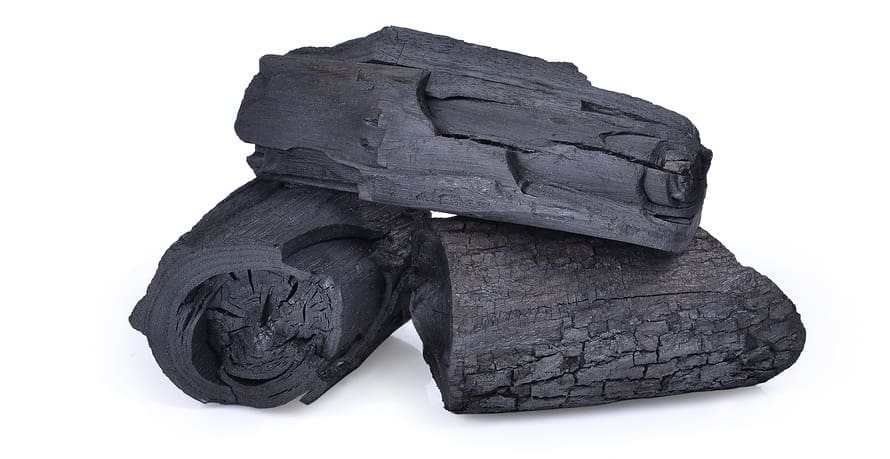
Substance Background
Prepared by charring birch wood or beech wood in the absence of air, then triturated for homeopathic use. A highly porous substance capable of absorbing gases and toxins.
Proving Information
Proved by Hahnemann and published in Materia Medica Pura, further expanded by Hering, Boenninghausen, and Clarke
Remedy Essence
Carbo vegetabilis is the reviver of vital force—a remedy for when the system has nearly ceased to function, yet some spark remains. It represents the person who is cold, ashen, flatulent, and faint, overwhelmed by internal stagnation. Whether from loss of fluids, shock, or chronic debility, Carbo vegetabilis restores through the vital breath—oxygen, air, and circulation. When the patient gasps for air, craves to be fanned, and cannot digest even a morsel, Carbo vegetabilis brings light into the shadows.
Affinity
- Digestive system – stomach, intestines, liver, portal circulation
- Venous system – stasis, haemorrhoids, cyanosis
- Respiration – especially in dyspnoea from weakness
- Skin and mucous membranes – low vitality, ulceration
- Circulatory system – collapse, poor oxygenation
- General vitality – exhaustion, debility, asphyxia
Better For
- Cold air and fanning (even rapidly)
- Belching and passing flatus
- Raising the head
- Loosening clothing
- After sleep or rest
- Warmth in acute chill, cold in chronic heat
Worse For
- Warmth and heat (especially of bed or room)
- Eating even small amounts
- Rich, fatty, or fermented foods
- Alcohol, milk, or butter
- Lying flat or on back
- Evening and night
- Suppressed eruptions or discharges
Symptomatology
Mind
The Carbo vegetabilis mind is slow, torpid, and dulled by exhaustion. The patient feels mentally foggy, with poor concentration and memory. Complains of aversion to talking or thinking. Great indifference to everything, even to life. Feels too weak to live, yet dreads death. [Hering] notes despair from physical collapse. Mental confusion may deepen into stupor, especially during fevers or low vitality states.
They are anxious, especially about health, and become panicked during dyspnoea or weakness. Imagines they are dying and wants fresh air and fanning to prevent suffocation. Fear of being alone, of the dark, and of ghosts may arise in weakened or delirious states.
Head
Heaviness and dull ache in the head, especially in the forehead or occiput. Head feels full, congested, or stupefied after meals or with sluggish digestion. Vertigo on rising, worse from heat or stooping. Cold sweat on forehead during faintness. Headaches associated with indigestion or flatulence, worse after eating or during menses.
Eyes
Sunken, dull, surrounded by dark circles. Lids drooping from fatigue. Vision dim or blurred, especially during faintness or after meals. Black spots before the eyes. Photophobia and weakness of the optic nerve in cases of anaemia or exhaustion.
Ears
Ringing, buzzing, or fullness in the ears. Sensation of plugged ears, often from sluggish circulation. Diminished hearing in debilitated states. Cracking sounds when swallowing.
Nose
Cold nose, especially during collapse. Epistaxis from passive congestion or liver affections. Tip of nose icy cold. Offensive discharge in chronic catarrh. Redness or soreness of nostrils. Feels like nose is stuffed and cannot breathe freely.
Face
Pale, ashy, or blue; cyanosis of the lips and nose in severe cases. Expression anxious or indifferent. Cold, clammy sweat on the face. Heat in cheeks with cold extremities. Face bloated or puffy, especially after meals. [Boericke] notes it as a key remedy for air hunger with bluish face.
Mouth
Breath very offensive, even putrid. Dryness with sticky saliva. Aphthae and ulceration of oral mucosa. Gums spongy and bleed easily. Tongue coated white, brown, or dry. Bad taste—bitter, rancid, or metallic. Burning in tongue and mouth in cases of exhaustion or fever.
Teeth
Toothache worse from warm food or drinks. Teeth feel elongated or loose. Gums recede, ulcerate, or bleed. Pain may be neuralgic and associated with digestive derangement.
Throat
Dryness, scraping, and burning in throat. Pain when swallowing, worse on empty swallowing. Feeling of fullness or obstruction, especially in debility. Voice weak or hoarse, with dryness of larynx. Cold drinks may cause hoarseness. Aphonia from collapse or overuse.
Stomach
A keynote remedy for indigestion, fermentation, and flatulence. The stomach is bloated and distended with gas, even after small meals. Violent belching, often offensive, which relieves pressure. Burning, cramping, or colicky pain, worse from rich or fatty foods. Great desire to lie still, but cannot breathe freely. Nausea with faintness. [Clarke] and [Allen] both emphasize its role in digestive atony and gastrointestinal putrefaction. Frequent hiccough, sour eructations, and regurgitation.
Abdomen
Bloated, tense, and distended—so much so that the clothes must be loosened. Rumbling, gurgling, and moving of gas with loud flatus. Painful fullness after eating. Fermentation and offensive stools or flatus. Painful pressure or dragging in the hepatic and splenic regions. Worse from tight clothing and lying flat.
Urinary
Frequent urging with scanty output. Dark, offensive urine. Burning during urination in weakened persons. Incontinence during sleep. Suppressed urination in collapse or typhoid states.
Rectum
Haemorrhoids that bleed and burn, worse during and after stool. Passive, dark, oozing blood. Constipation with flatulence, especially in debilitated states. Offensive, watery diarrhoea with exhaustion. Involuntary stools during collapse. Ineffectual urging with heaviness.
Male
Impotence from debility or excesses. Cold genitals. Erections absent or feeble. Desire may be absent entirely. Chronic gonorrhoea with offensive discharge. Ulcers or phimosis in cachectic men.
Female
Menses too early and profuse, or late and scanty. Debilitating leucorrhoea with offensive odour. Uterine haemorrhages with faintness. Varicose veins in the vulva. Prone to passive bleeding and prolapse in weakened states. Suppression of menses after exhaustion or grief.
Respiratory
Air hunger is a keynote. Must have fresh air, craves to be fanned violently. Cannot breathe unless in upright position. Cough with cold sweat and weakness. Suffocation from flatus pressing on diaphragm. [Boericke] notes it as a resuscitative remedy for collapse with dyspnoea.
Heart
Pulse weak, irregular, or imperceptible. Palpitations during flatulence, after eating, or from emotional excitement. Coldness of extremities with cyanosis. Threatened collapse from blood stagnation. Cardiac failure with air hunger and dusky skin.
Chest
Great difficulty breathing—needs fanning or open windows. Asthma with flatulence and bloating. Oppression of chest, worse from lying down or after eating. Burning in chest with cold extremities. Cough dry, hard, often with hoarseness and mucus rattling. Rattling without ability to expectorate. [Kent] notes its use in aged or emphysematous patients.
Back
Coldness in spine. Pain in lower back with flatulence. Weakness and heaviness. Spine sensitive to cold. Dull pain or stiffness in elderly. Exhaustion after exertion or prolonged standing.
Extremities
Cold, icy limbs—especially hands and feet. Numbness, tingling, or cramps. Veins distended, purple or blue. Heaviness and weakness. Restlessness in legs at night. Swollen ankles with cyanosis.
Skin
Cold, pale, and livid. Ulcers that are indolent, foul-smelling, or gangrenous. Bedsores in debilitated patients. Itching, burning, or mottled discolouration. Eruptions suppressed may lead to internal collapse. Sensitive to pressure and touch.
Sleep
Unrefreshing, disturbed by flatulence or coughing. Awakens with suffocation or heat. Night sweats. Restless with desire for fresh air. Dreams anxious or frightful. Sleepiness during the day from exhaustion.
Dreams
Dreams of death, suffocation, or being buried alive. Dreams of ghosts or dark figures. Confused, unremembered dreams. Nightmares during fevers.
Fever
Low-grade or intermittent fever with exhaustion. Fever with cold extremities and clammy sweat. Heat in face with chill in limbs. Septic or typhoid-like states with foul discharges. Feels worse with any exertion.
Chill / Heat / Sweat
Chills run up the back. Cold sweats, especially on face and limbs. Heat localised in head or chest. Sweat offensive or clammy. Chill with great exhaustion and collapse.
Food & Drinks
Aversion to milk, fats, meat, and warm food. Desire for coffee or sweet things. Flatulence from cabbage, beans, rich food. Nausea after smallest quantity of food. Great thirst for cold drinks.
Generalities
Carbo vegetabilis is one of the chief remedies for collapse, asphyxia, and states of low vitality. Characterised by coldness, faintness, bloating, and desire for air. Passive haemorrhages, offensive discharges, and putrid states abound. Suitable to old people, cachectic states, and those convalescing slowly. A “corpse-like” remedy, yet capable of reviving the nearly gone. [Hahnemann] called it “the great reviver.”
Differential Diagnosis
- Arsenicum album – Also has collapse, but with great restlessness, anxiety, and thirst
- Camphora – Cold collapse, but more acute, sudden, and with fear of death
- China – Bloating and debility after loss of fluids, but more irritable, < light pressure
- Lycopodium – Flatulence and weakness, but more right-sided, with arrogance or lack of confidence
- Antimonium tart – Rattling respiration and weakness, but more wet, oedematous, and sluggish
Remedy Relationships
- Complementary: Kali carb., China, Phosphorus
- Antidotes: Camphora, Arsenicum
- Follows well: Nux vomica, Lycopodium
- Precedes well: Sulphur, Sepia
Clinical Tips
- First remedy to consider in collapse with cold skin and air hunger
- Excellent for flatulent dyspepsia, especially in the elderly or weak
- Useful in chronic haemorrhoids with burning and oozing
- Revives vitality after loss of fluids, haemorrhage, or shock
- A must-have remedy for resuscitative use in emergency settings
Selected Repertory Rubrics
Mind
- Indifference, apathy
- Anxiety, health about
- Desire for air, being fanned
Stomach
- Bloating, < after eating
- Eructations, offensive
- Nausea, faintness with
Abdomen
- Flatulence, upper abdomen
- Pain, cramping, better from belching
- Distension, tight clothing intolerable
Chest & Respiration
- Dyspnoea, must be fanned
- Suffocation, worse lying down
- Cough, hard, dry, with cold sweat
Generalities
- Coldness, extreme
- Collapse, post-haemorrhagic
- Discharges, offensive
- Weakness, vital, from loss of fluids
References
Samuel Hahnemann – Materia Medica Pura: Original proving; collapse and indigestion themes
C. Hering – Guiding Symptoms: Collapse, faintness, air hunger, offensive discharges
James Kent – Lectures on Homoeopathic Materia Medica: Air hunger, collapse, venous stasis
William Boericke – Pocket Manual of Homoeopathic Materia Medica: Clinical and digestive indications
John Henry Clarke – Dictionary of Practical Materia Medica: Digestive disorders, collapse, fevers
Disclaimer
Educational use only. This page does not provide medical advice or diagnosis. If you have urgent symptoms or a medical emergency, seek professional medical care immediately.