

Cadmium sulphuratum
Substance Background
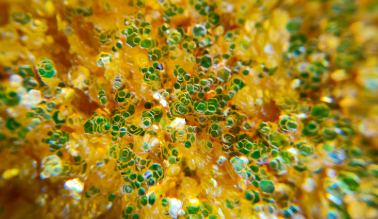
Cadmium sulphuratum is a bright yellow crystalline compound of cadmium and sulphur (chemical formula: CdS). Naturally occurring as the mineral greenockite, it is insoluble in water but highly toxic in crude form, affecting primarily the gastrointestinal tract, liver, kidneys, and respiratory system. In the 19th century, it was valued as a pigment for paints, ceramics, and glass, known as “cadmium yellow.” In homeopathy, the substance is triturated to extreme dilutions to produce a safe and potent medicinal remedy.
Proving Information
First proved by Dr. Carroll Dunham (mid-19th century) and further confirmed by T.F. Allen. Its proving symptoms were few but very characteristic—later expanded by clinical observations in severe gastro-enteritis, yellow fever, and malignant conditions.
Remedy Essence
The essence of Cadmium sulphuratum is complete physical prostration with persistent vomiting and collapse, especially in malignant or destructive disease processes. The patient lies still, unable to move without renewed vomiting, yellow-faced, cold, and clammy, with a quiet despair and resignation.
Affinity
- Stomach & Gastrointestinal tract: Profound vomiting, retching, and gastritis with black or coffee-ground matter [Allen].
- Liver: Jaundice and hepatic congestion, often secondary to gastrointestinal pathology.
- Nervous system: Intense prostration, collapse, and coldness after exhausting illness.
- Blood & marrow: Cachexia, malignant states, and profound anaemia.
- Skin: Icterus, yellow discolourations, malignant ulcerations.
Better For
- Absolute rest, both physical and mental [Clarke].
- Remaining perfectly still after vomiting.
- Sips of cold water, though often followed by renewed vomiting.
- Lying quietly on the back.
Worse For
- Least motion, which immediately provokes nausea and vomiting [Hering].
- Cold air or exposure.
- Touch, especially over epigastrium.
- After eating or drinking—even smallest quantity.
- Nighttime, when symptoms tend to intensify.
Symptomatology
Mind
Great mental anxiety and fear of death, especially during collapse stages [Hering]. The patient may be taciturn, withdrawn, and unwilling to speak or move, preferring complete silence. There is a dull confusion of thought from exhaustion. Restlessness is minimal; rather, there is a stillness born of extreme weakness.
Head
Dull, heavy headache with sensation of fullness in the forehead, accompanying gastric disturbances. Faintness on raising the head from the pillow. Vertigo on the least movement, compelling the patient to lie still.
Eyes
Yellow discolouration of the sclera from jaundice. Lids heavy, drooping, and half closed from exhaustion. Dim vision with black spots before the eyes during collapse.
Ears
Slight tinnitus during fever stage. Hearing dull and muffled as circulation slows.
Nose
Nasal mucosa dry. In malignant fevers, epistaxis may occur before collapse.
Face
Pale, sunken, pinched expression in acute collapse. In jaundiced states, the face takes on a yellow, sallow hue. Lips bluish in advanced circulatory failure.
Mouth
Mouth dry, parched, yet without thirst except for small sips. Tongue dry, yellow or brown in the centre, edges red. Breath offensive, cadaverous odour.
Teeth
No marked proving symptoms recorded.
Throat
Constriction and dryness, with difficult swallowing of solids and liquids.
Stomach
The most marked sphere of action. Persistent and violent vomiting, often of black, bilious, or coffee-ground material [Allen]. Nausea is constant, aggravated by slightest motion, food, drink, or even thought of eating. Vomiting is exhausting and followed by extreme prostration and cold sweat. Epigastric region sensitive to touch. Gastralgia with burning or raw sensation, sometimes described as “as if stomach were full of burning acid.” In yellow fever, this remedy has been used in the black vomit stage with marked benefit [Hering].
Abdomen
Distension with tenderness over the liver region. Colicky pains with yellow skin. Hepatic congestion in connection with gastric pathology.
Urinary
Scanty, dark urine in fever stages; later albuminuria may appear. Urine often high-coloured in jaundiced states.
Rectum
Frequent black, offensive stools in malignant conditions, often with collapse. Tenesmus may accompany diarrhoea.
Male
Marked sexual weakness in chronic cachectic states. No notable proving symptoms beyond secondary debility.
Female
Amenorrhoea or suppressed menses in advanced cachexia. Vomiting of pregnancy when symptoms fit the gastric picture.
Respiratory
Shallow, sighing respirations. Shortness of breath on least exertion.
Heart
Pulse intermittent and scarcely perceptible in collapse stages. Palpitations in febrile states.
Chest
Oppression and constriction from weakness. Pulse small, feeble, rapid.
Back
Aching in lumbar region during fever. Weakness and trembling in dorsal muscles.
Extremities
Coldness of hands and feet. Trembling of limbs after vomiting. Profound muscular weakness.
Skin
Yellow discolouration in jaundice; dry, cool skin in collapse. In malignant disease, ulcers with offensive discharge.
Sleep
Drowsy, semi-comatose state in low fevers. Sleeps in snatches between vomiting bouts.
Fever
Low, adynamic fevers with profound prostration. Skin cold and clammy with cold sweat on forehead.
Chill / Heat / Sweat
Chilliness alternating with burning heat in stomach. Profuse cold perspiration during collapse.
Food & Drinks
Aversion to food and drink. Desire only for small sips of cold water, which are soon vomited.
Generalities
A state of collapse, prostration, and coldness pervades this remedy. Characteristic is the combination of violent vomiting, icterus, and profound weakness, with aggravation from the least movement. Useful in malignant fevers, yellow fever, gastritis, gastric ulcer, and certain cancerous conditions of the stomach [Clarke, Hering].
Differential Diagnosis
- Arsenicum album – Also has extreme prostration and vomiting, but with great restlessness and burning pains.
- Veratrum album – Cold sweat on forehead, profuse vomiting and diarrhoea, but with more violent purging.
- Ipecacuanha – Persistent nausea with clean tongue; lacks the profound collapse of Cadm-s.
- Carbo vegetabilis – Collapse, coldness, but more marked gas, bloating, and desire to be fanned.
Remedy Relationships
- Complementary: Arsenicum album, Carbo vegetabilis.
- Antidotes: Coffee, Nux vomica (for overaction).
- Follows well: After Ipecacuanha in persistent vomiting.
Clinical Tips
- Particularly useful in the black vomit stage of yellow fever [Hering].
- Valuable in gastric cancer with persistent retching.
- Acts in post-operative vomiting with great weakness.
- Useful in choleraic affections when collapse is profound.
Selected Repertory Rubrics
Mind:
- Fear of death during illness.
- Indifference, apathy in collapse.
Stomach:
- Vomiting, black.
- Vomiting, coffee-ground.
- Vomiting from least motion.
Abdomen:
- Liver congestion, with jaundice.
- Tenderness over epigastrium.
Generalities:
- Collapse, with cold sweat.
- Aggravation from least motion.
References
- Hering, C. – The Guiding Symptoms: Collapse states, black vomit, gastric pathology.
- Allen, T.F. – Encyclopaedia of Pure Materia Medica: Proving details, gastric sphere.
- Clarke, J.H. – Dictionary of Practical Materia Medica: Yellow fever clinical confirmations.
- Dunham, C. – Proving initiator; clinical notes on collapse.
- Kent, J.T. – Lectures: Comparative cardiac and collapse states.
- Boericke, W. – Pocket Manual: Keynotes for collapse with vomiting.
- Hughes, R. – Cyclopaedia of Drug Pathogenesy: Toxicological insights.
- Farrington, E.A. – Clinical Materia Medica: Malignant fevers with gastric involvement.
- Nash, E.B. – Leaders: Collapse remedies comparison.
- Boger, C.M. – Synoptic Key: Modalities and key indications.
Disclaimer
Educational use only. This page does not provide medical advice or diagnosis. If you have urgent symptoms or a medical emergency, seek professional medical care immediately.