

Bacillus No. 7
Substance Background
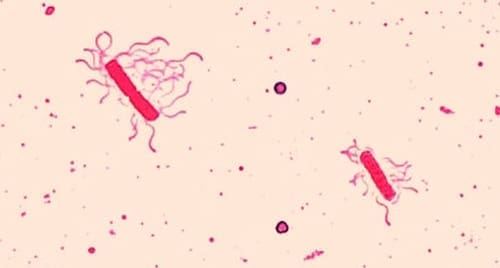
Bacillus No. 7 is one of the Paterson bowel nosodes, prepared originally from a non-lactose-fermenting coliform bacillus isolated from the stools of chronically ill patients. It was the seventh such intestinal type identified in the laboratory, hence its numerical designation (Paterson). The organism is now broadly associated with Citrobacter species, occasionally linked with Enterobacter cloacae, forming part of the gram-negative enteric flora. In health these bacteria are harmless commensals; in disease they may become opportunistic, contributing to systemic toxicity, low-grade inflammation and fatigue through metabolic by-products, endotoxins and altered immune signalling.
For the homeopathic nosode, pure cultures of the bacillus were grown, then killed and processed before potentisation by serial dilution and succussion according to homoeopathic pharmacy standards (Bach, Paterson). Ba-sv. thus embodies the “pattern” of a particular dysbiotic state: a systemic, fatigue-coloured disturbance in which the gut, neuromuscular system, joints, circulation and respiration all participate. Clinical observation links this nosode with chronic fatigue, inflammatory arthritis, neuromuscular weakness, low blood pressure, asthma and stubborn post-infectious states.
Proving Information
Like other bowel nosodes, Bacillus No. 7 has not undergone a full classical Hahnemannian proving on healthy subjects. Its picture is derived mainly from clinical provings: repeated observation of response patterns in patients, along with limited provings on sensitive individuals and laboratory correlation with stool cultures (Bach, Paterson, Templeton). Symptoms such as profound mental and physical fatigue, muscle and joint pains, low blood pressure, asthma, feelings of fullness and constipation, and certain thyroid-related states have been repeatedly documented in association with this nosode and confirmed by therapeutic response. All such symptoms are best tagged [Clinical] to distinguish their origin.
Remedy Essence
The essential image of Bacillus No. 7 is the over-worked, over-burdened organism whose reserves have been quietly depleted by infections, drugs and unrelenting demands, leaving a legacy of systemic fatigue, inflammatory arthritis, neuromuscular weakness, low blood pressure and respiratory vulnerability. This is not the explosive, dramatic collapse of an acute poisoning; it is the slow grinding down of vitality, in which the gut flora and immune system are subtly but persistently out of tune.
At the psychological level, the Ba-sv. person is conscientious, dutiful and often self-sacrificing. They take on responsibilities at work, in family and community, rarely saying no until their body forces them. Their anxiety is practical rather than fanciful: fear of not coping, of failing others, of losing their ability to work. They may appear stoical, even cheerful, yet privately feel deeply discouraged by their inability to regain former strength.
Physically, fatigue is the keynote. Walking up stairs, standing in queues or doing household tasks may leave them disproportionally tired. Muscles ache, joints crack and stiffen, particularly in the morning; knees and hips complain, neck and shoulders knot into tense cords. Each infection – especially chest or urinary – takes longer to recover from, leaving them just a little weaker. Low blood pressure contributes to dizziness, faint spells and intolerance of heat and prolonged standing, reinforcing avoidance of activity and further deconditioning.
The gut contributes a rhythm of fullness and constipation rather than violent diarrhoea. Food seems to linger; heavy meals induce a near-sedative effect, with drowsiness and foggy thinking. Constipation, feelings of incomplete evacuation and abdominal distension are common yet rarely dramatic, adding a constant background drag. The intestinal flora behind Ba-sv. – Citrobacter/Enterobacter type – reflects a diffuse, systemic disturbance in the host, with toxins and inflammatory mediators spreading their influence to joints, muscles, endocrine and immune system.
Respiratory involvement appears in asthma and reactive bronchial states, especially after infections and drug treatments. The chest tightens easily, particularly in damp weather, and each cold risks “going to the chest”. The thyroid–adrenal axis is strained: chilliness, weight shifts, hair thinning and poor stress tolerance suggest early hypothyroid or adrenal fatigue states, though laboratory results may be borderline.
Miasmatically, Ba-sv. lies at the sycotic–syphilitic interface on a psoric foundation. Sycotic elements show in chronic inflammatory arthritis, asthma and recurrent infections; syphilitic elements reveal themselves in slowly progressive joint damage, endocrine decline and systemic exhaustion. The psoric drive manifests in the patient’s effort to keep functioning despite these limitations, their itch to improve, their dissatisfaction with hanging on at half capacity.
In differentiation, Ba-sv. must be distinguished from Carbo-veg (acute, life-threatening collapse with air hunger), from Gelsemium (post-acute drooping heaviness), from Sulphur and Calcarea (more explicit constitutional polychrests), and from the other bowel nosodes such as Morgan-pure and Bac-10 (more gut–skin focused) or Proteus (more explosive and neurological). It is chosen when chronic fatigue, inflammatory arthritis, neuromuscular weakness, constipation, low blood pressure and asthma cluster in a history that includes infections, antibiotics and overwork.
Affinity
- Systemic fatigue states – Deep, pervasive tiredness affecting both body and mind, typically out of proportion to exertion; “battery always half empty” quality. Often follows infections, surgery, childbirth, prolonged stress or drug courses, especially antibiotics. [Clinical]
- Neuromuscular system – Weakness, heaviness and aching in muscles; difficulty sustaining effort; tendency to cramp, tremble or feel shaky with minor exertion. Fits cases where routine blood tests are “normal” yet the patient feels profoundly tired. [Clinical]
- Joints and periarticular tissues – Inflammatory arthritis, particularly knees, hips and spinal articulations; cracking, stiff joints on first movement; aches that worsen after infections or overwork. [Clinical]
- Gastro-intestinal tract (diffuse) – Generalised GI disturbance with tendency to fullness, bloating and constipation more than explosive diarrhoea; “thick,” sluggish digestion and slow transit, often without dramatic pain. [Clinical]
- Cardio-vascular system and blood pressure regulation – Low or labile blood pressure with dizziness, faintness and intolerance of standing; circulation fails to adapt under stress, mirroring the nosode’s systemic weakness. [Clinical]
- Respiratory tract (asthma and reactive airway disease) – Chronic or recurrent asthma, wheeze and tight chest, especially when linked to infections, antibiotics or gut disturbance. Ba-sv. has been singled out clinically for some respiratory conditions. [Clinical]
- Endocrine (thyroid–adrenal axis) – States of borderline hypothyroidism, subclinical adrenal exhaustion and metabolic slowing, with weight fluctuation, chilliness and poor stress tolerance; thyroid problems are specifically noted in connection with this nosode. [Clinical]
- Immune/infective terrain – Post-infectious syndromes, recurring low-grade infections and slow convalescence; patients “never quite back to normal” after viral or bacterial illness, particularly when antibiotics have been used heavily. [Clinical]
Better For
- Better for rest but not oversleeping – Short periods of rest, pacing and sensible breaks improve stamina; prolonged lying in bed, late mornings and excessive sleep often worsen stiffness and depression. [Clinical]
- Better for gentle, regular movement – Moderate, steady activity (walking, swimming, stretching) improves circulation, joint mobility and mood; sudden or intense exertion aggravates fatigue and muscular soreness.
- Better in dry, temperate weather – Warm, dry air often eases joint pains and chest tightness; damp cold environments aggravate both arthritis and asthma. [Clinical]
- Better after light, easily digested meals – Simple, small meals with minimal fats and irritants lessen bloating, fullness and post-prandial collapse; patients often feel clearer and less sleepy on a “clean” diet.
- Better after a satisfactory stool – Though constipation predominates, whenever the bowels do move fully there is a sense of inner relief, reduced head heaviness and slightly better energy. [Clinical]
- Better from massage and mild warmth to muscles and joints – Gentle manual therapy, warm baths and compresses ease neuromuscular tension and arthritic discomfort.
- Better from emotional support and shared burden – Talking through responsibilities and receiving practical help significantly lifts mood and perceived fatigue; isolation and “having to cope alone” aggravate.
Worse For
- Worse from overwork and chronic stress – Long hours, mental strain and lack of recovery time lie at the heart of the Ba-sv. state; each episode of over-exertion leaves the patient more depleted than before. [Clinical]
- Worse after infections (especially recurrent) – Each cold, flu, bronchitis or urinary infection seems to “take another layer” of vitality; convalescence is protracted, never quite complete. [Clinical]
- Worse after antibiotics and strong drugs – Courses of antibiotics, steroids or other powerful medications often precede or intensify the chronic fatigue–arthritis–asthma pattern that calls for Ba-sv.; fresh drug courses typically aggravate gut and energy. [Clinical]
- Worse from over-indulgence in food or alcohol – Heavy meals, late eating, alcohol and rich foods lead to bloating, somnolence, poor sleep and next-day exhaustion; over-indulgence is specifically listed as aetiology. [Clinical]
- Worse in damp, cold weather and low-pressure conditions – Damp chill exacerbates arthritic and neuromuscular pains, tightens the chest and deepens fatigue; many patients feel best in stable, dry conditions.
- Worse on first moving after rest – Marked morning stiffness and “rusty” joints that gradually loosen with gentle movement but fatigue quickly with overuse. [Clinical]
- Worse standing for long periods – Low blood pressure and poor neuromuscular endurance make prolonged standing difficult, with dizziness, leg heaviness and urge to sit. [Clinical]
- Worse from suppressed emotions and unexpressed frustration – Bottled-up resentment or grief increases bodily tension and drains energy; emotional release often precedes improvement.
Symptomatology
Mind
The Bacillus No. 7 mental picture is dominated by exhaustion, over-responsibility and a quiet, persistent anxiety. These patients are often conscientious, hard-working individuals who drive themselves beyond their reserves; they are the “tense overworking types” mentioned in modern summaries. They rarely complain until their body forces them to stop. There is a sense of carrying too much – for family, work, community – and an underlying fear of letting others down. [Clinical]
Cognitively, they suffer “brain fog”: difficulty concentrating, poor short-term memory, trouble finding words, and a sense that mental effort is far more tiring than it used to be. During bad phases they feel inwardly slowed, as if wading through treacle; simple tasks demand disproportionate energy. Anxiety often centres on performance and health – fear they will not manage their obligations, fear that this fatigue means serious illness (heart, cancer, autoimmune disease). Yet they frequently minimise their own suffering, apologising for being unwell.
Depression has a grey, anergic quality: lack of motivation, reduced pleasure, withdrawal from social contact, and a tendency to sit and stare, too tired to act. Irritability appears when demands exceed capacity; they may snap at loved ones and then feel guilty. Children needing Ba-sv. are pale, easily tired, sometimes studious but over-pressured, with irritable moods after school and frequent infections. [Clinical]
Relief of fatigue, clearer thinking and a softening of this over-burdened attitude under Ba-sv. is one of the clearest confirmations that the nosode is acting on the systemic terrain.
Head
Head symptoms reflect systemic fatigue and circulatory lability. There are dull, pressing headaches, often occipital or cervical in origin, spreading to temples and forehead. Patients describe a tight band around the head or a heavy weight at the back of the skull, worse after mental effort, screen use or long days at work. [Clinical]
Light-headedness, faintness and episodes of near-syncope occur, particularly on rising quickly, in hot rooms or during menstruation; these correlate with low blood pressure and poor vascular tone. Migrainous headaches may follow over-indulgence in food or alcohol, or intense stress; they are less explosive than Proteus-type headaches, more heavy and congestive in feeling.
Headaches frequently accompany neck and shoulder stiffness, linking the neuromuscular strain to cranial symptoms. Many patients remark that their head feels clearer after a gentle walk or a good bowel movement, again tying the head to systemic and intestinal factors.
Eyes
Eyes feel tired, strained and sensitive to prolonged use. Reading, computer work and driving in poor light lead to burning, smarting, blurring and a compulsion to rub or close the eyes. Dark circles under the eyes are common, imparting a “drained” appearance. [Clinical]
Visual focusing may be slow on changing gaze from near to far; some describe transient fogginess or difficulty tracking moving objects when exhausted. Dryness of eyes can coexist with general dryness (skin, mucosae) in hypothyroid-coloured cases; in other patients there is a mild allergic tendency – itching lids and episodic conjunctival redness linked to pollen or dust. Ba-sv. is not a primary ophthalmic remedy but these eye symptoms contribute to the portrait of systemic fatigue.
Ears
The ears may present low-grade tinnitus, fullness and sensitivity. Patients often report a soft buzzing or humming, worse when tired or lying in bed; this is closely related to circulatory and blood pressure states. [Clinical]
Recurrent ear infections are less characteristic than in some other bowel nosodes, but a history of repeated otitis media treated with antibiotics, followed by chronic fatigue and joint pains, can be a background story. Occasional fleeting stabbing pains in the ear, especially during or after upper respiratory infections, may be noted.
Nose
The nasal sphere shows recurrent catarrh and post-infectious congestion. Many Ba-sv. patients “catch everything going”: frequent colds, lingering nasal stuffiness and sinus pressure after each viral episode. Discharge is typically bland or mildly mucous rather than highly offensive; the focus is on chronicity and slow resolution rather than dramatic pathology. [Clinical]
There may be a tendency to allergic rhinitis with sneezing and watery discharge, especially in damp weather or polluted environments, often linked to asthma in the same patient. Persistent mild catarrh, a voice that sounds slightly nasal, and reliance on decongestant sprays can all belong to this terrain.
Face
The face often has a drawn, tired or slightly dusky look. Colour may be either pale and washed-out or somewhat darker, with shadows under the eyes, as described in “dark, pale colouration” summaries for this nosode. Cheeks lack healthy glow; lips may appear dry or slightly bluish in low-blood-pressure phases.
During exertion or emotional strain the face flushes easily, then quickly fades to pallor. Fine lines and a prematurely aged look are common in long-standing cases, reflecting both constitutional strain and lifestyle overwork.
Mouth
In the mouth there is dryness, coated tongue and altered taste, especially in the morning. The tongue may look pale with a whitish or yellowish coating towards the back, reflecting digestive sluggishness. [Clinical]
A sour or metallic taste, persistent morning bad breath and a sense of stickiness in the mouth are frequent complaints. Aphthous ulcers can appear in stressed, run-down phases, particularly when diet is poor and sleep curtailed. Many patients lean on stimulants – coffee, strong tea, mints – to overcome mouth discomfort and fatigue, thereby aggravating gastric and nervous strain.
Teeth
Teeth are not the chief focus, but Ba-sv. patients often show general low vitality of dentition: dental work healing slowly, increased sensitivity after procedures, and a tendency to gum inflammation when run-down. Children may have a history of frequent caries and extractions, concurrent with repeated antibiotic use and subsequent fatigue and asthma. [Clinical]
Teeth may ache dully with jaw tension after long days, especially in those who clench or grind at night due to stress. This is more a reflection of muscular and nervous exhaustion than of a specific dental remedy picture.
Throat
The throat reveals recurrent sore throats and post-viral irritation, especially in those who do a great deal of speaking, teaching or phone work. After each infection the throat seems never completely clear; a mild soreness or scratchiness lingers, particularly on waking or after fatigue. [Clinical]
There is often a need to clear the throat of small amounts of mucus; voice may tire easily, going hoarse or weak after prolonged talking. The pattern is one of reduced local resilience in a generally exhausted terrain, rather than dramatic ulceration or severe angina.
Stomach
Stomach symptoms belong to the Carbo-veg-like sluggishness attributed to Ba-sv. in modern analyses. There is early fullness after small meals, slow digestion, and a heavy, leaden feeling in the epigastrium that spreads to the whole body as drowsiness and lack of drive. Patients often say “food just sits there”. [Clinical]
Eructations, a sense of air trapped in the stomach and easy bloating are common, particularly after rich, fatty or sugary foods. Nausea may appear with migraines, after over-indulgence or during viral infections, but violent vomiting is not marked. The picture is one of under-function: hypochlorhydria, sluggish motility, and diminished metabolic spark rather than acute irritative gastritis.
Abdomen
Abdominal symptoms focus on diffuse abdominal discomfort, fullness and constipation. There may be gurgling and movement of gas, particularly in the lower abdomen, but less acute colic than in some other bowel nosodes. Patients feel distended, “thick” and sluggish, especially in the evening; waistbands become tight and clothes uncomfortable. [Clinical]
Palpation reveals mild to moderate tenderness scattered across the colon, without intense focal points. After infections or antibiotic courses, the abdomen may remain sensitive, with a sense of “never quite right since”. Many describe awareness of their intestines as a heavy, dragging, rather than sharply painful presence.
Urinary
Urinary symptoms reflect functional circulatory and neuromuscular weakness more than primary urinary tract disease. There can be mild frequency and urgency in tired phases, with small volumes and a sense of incomplete emptying, especially in women and older men. [Clinical]
Some patients experience recurring urinary infections – mild cystitis episodes that respond poorly to repeated antibiotics and leave them weaker each time. The bladder picture often improves as the systemic fatigue and gut dysbiosis shift under Ba-sv. and companion constitutional remedies.
Rectum
The rectal picture is one of constipation, incomplete evacuation and a tendency to sluggish bowels. Stools are often dry, formed, sometimes large and difficult to pass; patients may sit for long periods with poor result, rising with a sense that much remains. [Clinical]
In some cases there is alternating stool consistency, but diarrhoea is less characteristic than in Bac-10 or Dysentery-co. Instead, feelings of fullness, pelvic pressure and discomfort dominate. Haemorrhoids may be present, usually small and associated with strain and congestion rather than massive bleeding. Anal fissures can occur in constipated individuals, adding sharp pains with defecation to the general heaviness.
Male
In men, Bacillus No. 7 often presents as reduced stamina, sexual fatigue and musculo-skeletal strain. Libido may be intact but the capacity to act on it is diminished by tiredness, joint pain and a sense of being “drained”. Erections may be weaker or shorter-lived in periods of heavy stress and poor sleep. [Clinical]
Prostatic congestion with hesitancy, slow stream and nocturia may coexist with constipation and low blood pressure in mid-life men who have worked hard for years; there is a “burned-out provider” quality. Improvement in energy and joint comfort under the nosode often restores more normal sexual function and confidence.
Female
In women, Ba-sv. is frequently indicated when fatigue, joint pains and thyroid-coloured symptoms intertwine. Menstruation may be regular but each period is preceded by marked tiredness, heaviness of limbs, low mood and sometimes palpitations or faintness. During menses there can be increased bowel sluggishness and backache. [Clinical]
Postpartum and peri-menopausal states are important spheres: women who never recover their former vitality after childbirth or repeated pregnancies; and those whose joints, thyroid and energy deteriorate as they move through menopause. Cold intolerance, weight gain, hair thinning, low blood pressure and constipation point to the thyroid–adrenal axis involvement that Ba-sv. can help re-balance in conjunction with appropriate constitutional prescribing.
Respiratory
Respiratory symptoms are a prominent clinical use for this nosode. Bacillus No. 7 is associated with asthma, reactive airways and post-infectious bronchial hyper-reactivity, particularly when these coexist with chronic fatigue and low blood pressure.
Attacks are often triggered by infections, damp cold weather or over-exertion. There may be a tight, constrictive feeling in chest, wheezing on exertion, and nocturnal cough. Patients may also report a suffocative sensation on lying flat when very tired, relieved by propping up on pillows. Improvement under Ba-sv. typically includes fewer and milder asthma flares and greater exercise tolerance.
Heart
Heart symptoms are largely functional and circulatory. Low blood pressure is a key feature: dizziness on standing, faintness in hot rooms, black spots before the eyes, and a tendency to grab for support. Palpitations can occur with anxiety, hypoglycaemia or over-exertion, but structural heart disease is not central in the remedy picture.
The pulse tends to be soft, sometimes slow, occasionally irregular on exertion. Cold hands and feet despite relatively normal environmental temperatures underline poor peripheral circulation. In older patients with co-existing vascular risk, Ba-sv. supports the terrain rather than directly reversing organic lesions.
Chest
Chest symptoms occur mainly in the context of asthma and exertional breathlessness. Patients describe tightness in the chest, difficulty taking a deep breath and easy shortness of breath on exertion, even when spirometry may be relatively normal. After respiratory infections, cough and chest tightness linger for weeks, reinforcing the picture of slow convalescence. [Clinical]
Pain in the chest is usually muscular or costochondral – dull aches under the scapulae or along the sternum after strain, rather than severe cardiac pains. Many feel they do not have enough “air plus energy” to function, showing the intertwined respiratory and systemic fatigue.
Back
The back frequently shows muscular and joint fatigue. There is stiffness of neck and upper back, especially between the shoulder blades, after hours at a desk or repetitive physical work. Lumbar ache appears on rising in the morning, worsens with prolonged standing, and eases somewhat with gentle movement, though excessive activity quickly re-provokes it. [Clinical]
Sacro-iliac discomfort, with a sense that the pelvis is “not holding together”, and mild sciatica down one or both legs can occur in association with inflammatory arthritis patterns. Back symptoms in Ba-sv. reflect systemic strain on the locomotor apparatus rather than isolated spinal pathology.
Extremities
Extremities reveal inflammatory arthritis, cracking joints and neuromuscular fatigue. Modern descriptions specifically note “inflammatory arthritis” and “cracking joints” as associated features. Knees, hips, ankles and small joints of hands often ache, swell slightly and feel stiff on first movement; crepitus is common.
Muscles tire rapidly: climbing stairs, carrying shopping or standing in queues drain the legs; arms ache after short periods of lifting or overhead work. There may be tremulousness, fine shaking or a sense that the legs will “give way” under exertion. Night cramps in calves and restless legs, especially on overtired days, add to the neuromuscular picture.
Patients frequently complain “I feel twice my age in my joints and muscles,” yet inflammatory markers may be only mildly elevated or even normal, highlighting the functional nature of the disturbance.
Skin
Skin symptoms are less central than in some bowel nosodes but still important. There may be dry, rough skin, mild eczema and impaired wound healing, particularly in exhausted, thyroid-coloured cases. [Clinical]
Psoriasiform or eczematous patches can coexist with arthritis, echoing psoriatic traits, though Ba-sv. is not as strongly skin-driven as Bac-10. Fungal infections (tinea, candida) that recur after antibiotics and steroids may be part of the picture, further signposting a disturbed microbial terrain and immune regulation.
Sleep
Sleep in Ba-sv. is non-restorative and often disturbed. Patients may fall asleep easily from sheer exhaustion but wake unrefreshed, as if they “have not slept at all”. Early morning waking around 3–4 a.m. with worry or restlessness occurs; getting back to sleep is difficult, leaving them depleted for the day. [Clinical]
Others struggle to fall asleep because thoughts about work and responsibilities keep spinning. Night-time asthma, cramps or joint pains may interrupt sleep; low blood pressure contributes to morning inertia and difficulty getting out of bed. As the nosode acts, sleep gradually deepens, night waking lessens and mornings become more manageable – a key clinical sign of terrain improvement.
Dreams
Dreams often reflect the pressure of duties and fear of failure. There are dreams of being late, missing appointments, losing important objects, or being unprepared for an exam or performance. [Clinical]
At times dreams echo the respiratory sphere: dreams of suffocation, being trapped or unable to run, matching asthma states; or dreams of collapsing from exhaustion, reflecting low blood pressure and chronic fatigue. Children may dream of school stress, teachers and tests, particularly when pushed academically beyond their energy.
Fever
Fever is usually low-grade and recurrent rather than high and dramatic. Patients may experience persistent subfebrile temperatures in the evenings during long convalescence, or repeated mild fevers with each minor infection, yet never fully “throw off” the illness. [Clinical]
These low fevers contribute to weariness, sweats and weight changes, but routine investigations may yield little. The pattern responds better to terrain-oriented remedies like Ba-sv. and appropriate constitutional medicines than to repeated suppressive drug courses.
Chill / Heat / Sweat
Thermally, Ba-sv. patients are prone to chilliness and cold extremities, especially in damp weather and after exertion. They may bundle up more than others, yet still feel internally cold and drained. Flashes of heat occur with exertion, emotions or during asthma attacks, followed by clammy sweats and renewed chill. [Clinical]
Sweating is often disproportionate to effort and may be accompanied by weakness and trembling. The picture resembles Carbo veg in some ways – collapse, chilliness, air hunger – but is more chronic and less acutely life-threatening.
Food & Drinks
Food and drink preferences reflect both compensatory cravings and aggravating factors. Many Ba-sv. patients crave stimulants – coffee, strong tea, cola, chocolate – to push through fatigue, yet these worsen palpitations, sleep and digestion. [Clinical]
They may desire salty snacks or savoury foods for quick energy, and some have periodic binge-type episodes followed by marked post-prandial collapse and self-reproach. Heavy, rich meals, late-night eating and alcohol reliably aggravate fullness, reflux, sleep quality and next-day fatigue.
Appetite may be irregular: low in the morning, higher in the evening; skipping meals can provoke hypoglycaemic spells with dizziness and faintness due to low blood pressure and fragile adrenal–glycaemic regulation. Gentle dietary regulation is essential alongside the nosode.
Generalities
Overall, Bacillus No. 7 portrays a systemically exhausted organism struggling to maintain function under cumulative burdens. Fatigue is profound yet often hidden behind a brave front; recovery from any stressor – infection, emotional shock, overwork – is slow and incomplete. Joints crack and ache, muscles tire quickly, bowels are sluggish, blood pressure low, and the chest easily tightens under exertion or infection.
The terrain is one of chronic dysbiosis and endogenous toxicity: the intestine harbours a subtly altered bacterial population whose metabolic by-products and immune interactions maintain a state of low-grade inflammation and hormonal dysregulation. Conventional tests may reveal little more than borderline thyroid, mild inflammatory markers or non-specific abnormalities, yet the patient feels “old before their time”.
Modalities summarise: worse from overwork, infections, antibiotics, damp cold, heavy meals, emotional pressure and prolonged standing; better from rest with pacing (not excessive rest), gentle movement, warmth, simple diet, fresh air and supportive relationships. Ba-sv., used judiciously, aims to shift the terrain, allowing the organism to re-set its energy, inflammation and microbial balance so that constitutional remedies can act more clearly.
Differential Diagnosis
Within the bowel nosode group
- Bac-10 (Bacillus No. 10) – Strong gut–skin–joint axis with alternating constipation and diarrhoea, offensive stools and marked eczema/psoriasis. Ba-sv. is more about systemic fatigue, low blood pressure, asthma and inflammatory arthritis with constipation, less about explosive bowel and overt skin disease.
- Morgan-p. (Morgan pure) – Much more congestive and liver-centred, with strong digestive, skin and migraine features; more irascible, congested, headachy. Ba-sv. is quieter emotionally, more exhausted and systemic, with emphasis on joint and neuromuscular fatigue.
- Gaertn. – Growth, assimilation and immunity remedy; often in children with failure to thrive and malabsorption. Ba-sv. suits more mature, over-worked, tired patients with low blood pressure and arthritis rather than underweight malnourished types.
- Proteus. – Excitable, volatile temperament, explosive diarrhoea, spasmodic pains, sudden neurological phenomena. Ba-sv. has slower, heavier fatigue, more diffuse GI fullness and constipation, and less mental volatility.
- Dys-co. (Dysentery co.) – Marked tenesmus, frequent small stools and crampy, colicky pains; often post-dysentery. Ba-sv. is more about fullness and slow bowels with systemic fatigue; tenesmus is not a keynote.
By overall exhaustion and collapse
- Carbo-veg. – “Corpse reviver”: acute collapse, air hunger, extreme coldness and flatulence. Ba-sv. shares sluggish digestion and collapse tendencies but is chronic, lower-grade, and strongly tied to infections, arthritis and low blood pressure rather than acute dying states.
- Gels. – Heaviness, drowsiness, weakness, especially post-influenza; anticipatory stage-fright. Gelsemium is more acutely drooping and tremulous; Ba-sv. is the chronically over-worked, post-infectious fatigue with asthma and arthritis.
- Phos-ac. – Mental apathy and physical weakness after grief, loss of fluids or excess sexual activity. Phosphoric acid is more emotionally blunted and adolescent-like; Ba-sv. includes joint, low BP and asthma patterns and is often older, responsibility-laden.
By inflammatory arthritis and joint complaints
- Bry. – Sharp, stitching pains worse from slightest movement, better complete rest. Bryonia is dry, irritable, prefers immobility; Ba-sv. has morning stiffness better gentle movement but fatigue with overuse, and a strong fatigue and infection history.
- Rhus-t. – Stiffness better for continued motion, worse cold and damp. Rhus toxicodendron is more acute and traumatic; Ba-sv. is more deeply systemic, with low blood pressure, infections and neuromuscular weakness underlying joint issues.
- Calc. – Overweight, chilly, sweaty, sluggish with joint pains; more developmental and calcium-metabolism remedy. Ba-sv. overlaps in fatigue and chilliness but adds a nosode-terrain dimension, especially after infections and drugs.
By asthma and respiratory issues
- Med. – Deep sycotic nosode with strong urinary and sexual themes, warts, asthma and exuberant energy when well. Medorrhinum is more extreme, impulsive and polar; Ba-sv. is steady, dutiful, over-tired, with low BP and arthritis as companions to asthma.
- Tub. – Restless, change-seeking, thin, with recurrent respiratory infections and glandular involvement. Tuberculinum suits restless, dissatisfied, often younger constitutions; Ba-sv. suits more grounded, over-worked, exhausted types with inflammatory arthritis and constipation.
By low blood pressure and circulatory issues
- Phos. – Tall, slender, chilly or warm, impressionable, with circulatory lability and bleeding tendencies. Phosphorus is more openly emotional and sympathetic; Ba-sv. is quieter, burdened and more obviously tied to chronic infections and arthritis.
- Crataeg. (and other cardiac tonics) – Direct action on failing myocardium; used when organic heart disease is clear. Ba-sv. is more for systemic low blood pressure and fatigue with relatively normal heart structure.
Remedy Relationships
- Complementary: Carbo-veg., Bry., Rhus-t., Calc., Sulph., Lyc., Nux-v. – Ba-sv. often sits behind these polychrests; clearing the gut–systemic terrain with the nosode allows them to act fully.
- Complementary: Bac-10, Morgan-p., Gaertn., Proteus, Dys-co. – Other bowel nosodes form its close family. Ba-sv. is chosen when fatigue, arthritis, low blood pressure and asthma dominate; others when their specific gut or skin pictures are stronger.
- Follows well: Constitutional remedies that give partial relief – When well-selected constitutional remedies repeatedly improve but cannot hold, and the history features infections, antibiotics and fatigue, Ba-sv. may follow to unblock deeper terrain.
- Precedes well: Deep nosodes (Psor., Med., Tub., Syph., Carc.) – In very complex cases, a course of Ba-sv. may stabilise energy and reduce aggravations before deeper nosodes are considered.
- Related to Kali salts – Modern analyses suggest links with Kali remedies, reflecting internal tension, overwork and systemic weakness. Ba-sv. may alternate with or unlock Kali-series prescriptions (Kali-carb., Kali-phos., Kali-iod.) when indicated.
- Cautions – As with all bowel nosodes, avoid frequent repetition without clear indication; give space for the organism to respond, and do not alternate multiple bowel nosodes indiscriminately.
Clinical Tips
- Think of Bacillus No. 7 in chronic fatigue with inflammatory arthritis and low blood pressure, especially when routine tests are largely unremarkable but history shows repeated infections, antibiotics and long-term overwork.
- Consider it in asthma and reactive airway disease where each respiratory infection leaves the patient weaker, chest symptoms linger, and there is associated systemic fatigue and constipation.
- Use Ba-sv. as an intercurrent terrain remedy when well-chosen constitutional medicines (e.g. Calc., Sulph., Lyc., Nux-v., Bry., Rhus-t.) help but cannot hold; the case keeps slipping back, and stool or microbiome features suggest Citrobacter-type dysbiosis.
- In inflammatory arthritic states (including early rheumatoid or psoriatic patterns) with marked fatigue, neuromuscular weakness and constipation, periodic Ba-sv. can reduce the overall inflammatory load and allow specific joint remedies to act more clearly.
- Dose cautiously: medium to higher potencies (e.g. 30C, 200C) given at intervals (weekly to monthly) are often effective; repetition should depend on global trends in energy, joints, blood pressure and respiratory resilience, not on fleeting symptoms. Over-frequent dosing can blur the clinical picture.
Selected Repertory Rubrics
Mind
- Mind; anxiety; health, about; from chronic fatigue – Fears serious illness because of long-term exhaustion and poor recovery.
- Mind; responsibility; sense of duty; over-burdened – Feels obliged to keep going despite failing strength.
- Mind; concentration; difficult; from exhaustion and intestinal toxaemia – “Brain fog” worsens with constipation and after exertion.
- Mind; irritability; from overwork and fatigue – Snappish when pressed, then remorseful.
- Mind; depression; weariness of life; from chronic illness – Grey, low mood more from exhaustion than from deep despair.
Head
- Head; pain; occiput; extending to forehead; after mental exertion – Dull, band-like headaches from neck strain and fatigue.
- Head; vertigo; standing; low blood pressure – Dizziness and near-fainting on rising or prolonged standing.
- Head; heaviness; morning; with sluggish bowels – Heavy head, “hung-over” feeling on waking, eased somewhat by a good stool.
Stomach / Abdomen / Rectum
- Stomach; fullness; after small quantities of food – Early satiety with heavy, sluggish feeling.
- Stomach; digestion; slow; after rich food; causing drowsiness – Post-prandial somnolence and fogginess.
- Abdomen; distension; evening; with general fatigue – Diffuse bloating and heaviness after the day’s exertions.
- Rectum; constipation; with sensation of incomplete evacuation – Unsatisfactory stools leaving a sense of retained matter.
- Rectum; stool; dry, hard; difficult; with pelvic fullness – Sluggish bowels with sense of weight and congestion.
Heart / Circulation
- Heart; palpitation; from slight exertion; in exhausted persons – Awareness of heartbeat disproportionate to effort.
- Generalities; blood pressure; low; creating faintness and weakness – Hypotension as a chronic terrain feature.
Respiration / Chest
- Respiration; asthma; chronic fatigue with – Asthma in exhausted patients with low BP and recurrent infections.
- Respiration; difficult; after exertion; in weak persons – Breathlessness on mild activity in those with systemic fatigue.
- Chest; tightness; post-infectious; lingering – Tight chest and slight wheeze long after acute illness has passed.
Back / Extremities
- Back; pain; lumbar; morning; stiffness; better gentle motion – Morning stiffness of back in fatigued, arthritic states.
- Extremities; pain; joints; inflammatory; with cracking on movement – Inflammatory arthritis with audible joint noises.
- Extremities; weakness; legs; on slight exertion – Legs “give out” quickly when walking or standing.
- Extremities; cramps; calves; night; in exhausted persons – Nocturnal cramps in chronically tired individuals.
Skin / Generalities
- Skin; eruptions; eczema; with chronic fatigue and infections – Mild to moderate eczema in exhausted, often hypothyroid terrain.
- Skin; healing; slow; wounds take long to repair – Slow tissue repair in low-vitality states.
- Generalities; fatigue; chronic; after infections and drugs – Long-term exhaustion after recurrent infections and medications.
- Generalities; exertion; slight; aggravates – Even modest effort worsens symptoms and weariness.
- Generalities; weather; damp; cold; aggravates – Damp chill worsens joints, muscles and chest.
References
Paterson J. & Paterson E. — The Bowel Nosodes (c. 1950): primary source on Bacillus No. 7, its laboratory origins, stool culture correlations and clinical indications in fatigue and arthritis.
Paterson J. — Articles on intestinal nosodes and chronic disease (mid-20th century): discussion of non-lactose-fermenting flora, their evolution in disease and practical prescribing guidelines.
Bach E. — Early papers on intestinal flora and nosodes (1920s–30s): foundational ideas linking bowel organisms to chronic disease patterns and development of the first bowel nosodes.
Templeton J. — The Bowel Nosodes in Clinical Practice: modern clinical synthesis of the Bach–Paterson nosodes, including Bacillus No. 7 in systemic fatigue and inflammatory conditions.
Kshirsagar I. et al. — “Utility of Bowel Nosodes in the Treatment of Chronic Diseases: A Case Series” (2022): contemporary case series noting use of Bacillus No. 7 alongside other nosodes in chronic conditions.
Zulu N. — “The Use of Homoeopathic Nosodes: Consideration for Clinical Practice” (2023): discusses Bacillus No. 7 in respiratory conditions and low blood pressure within a broader nosode context.
Intestinal Nosodes of Bach–Paterson — Mukerji K. (trans.) (2004): detailed Materia Medica of Bach–Paterson nosodes, including Bacillus No. 7, with historical and clinical commentary.
Disclaimer
Educational use only. This page does not provide medical advice or diagnosis. If you have urgent symptoms or a medical emergency, seek professional medical care immediately.