

Bacillus No. 10
Substance Background
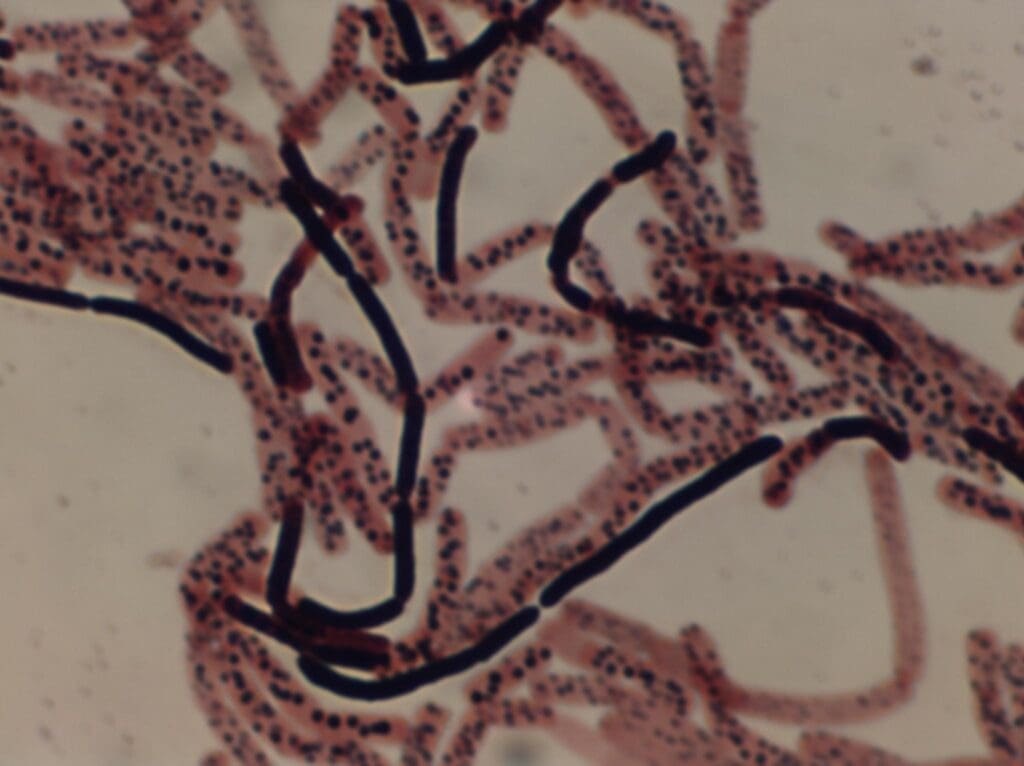
Bacillus No. 10 is one of the intestinal or bowel nosodes originally derived from cultures of non-lactose fermenting bacilli found in the stools of chronically sick patients, particularly those with long histories of digestive disturbance, recurrent infections and failure to respond fully to well-chosen remedies (Bach, Paterson). [Clinical] It belongs to the Morgan group of bowel organisms, related to the enterobacteria that colonise the large intestine and participate in protein putrefaction, fermentation and production of toxic metabolites that can burden the liver, skin and immune system. In the original laboratory work, cultures were prepared on suitable media, repeatedly subcultured to ensure purity, then sterilised and potentised according to homoeopathic methods (Paterson). The remedy therefore embodies the “pattern” of chronic dysbiosis – a deranged intestinal flora that mirrors deep miasmatic disturbance expressed through the gut–skin–joint axis and the nervous system.
Proving Information
Bacillus No. 10 has not been subjected to a classical Hahnemannian proving on healthy volunteers to the same extent as mineral or plant remedies. The bulk of its picture arises from clinical provings and careful observation of long case-series by Bach and the Patersons, later confirmed by other clinicians (Templeton, Wheeler). [Clinical] Symptoms have been noted when the nosode was given to sensitive patients in relatively high potencies, and from characteristic aggravations and ameliorations in chronic cases: changes in bowel habit, skin eruptions, joint pains, emotional states and sleep patterns. Limited formal provings have been attempted in the late twentieth century, but the remedy’s essence remains predominantly clinically derived, requiring the prescriber to keep the [Clinical] tag in mind when reading its symptomatology.
Remedy Essence
The essence of Bacillus No. 10 is the burdened organism whose inner terrain has become a fermenting, congested swamp rather than a flowing, clear river. The patient carries a chronic load of intestinal toxicity and dysbiosis that seeps into every system: mind, skin, joints, immune system and endocrine balance. They are often conscientious, responsible and over-extended, pushing themselves through fatigue, while their gut quietly rebels with bloating, irregular stools and food sensitivities.
At a psychological level, there is a tone of anxiety and over-responsibility. These are not flamboyant, dramatic characters; rather, they worry quietly, carry family burdens, and feel guilty when they cannot meet their own high standards. They are sensitive to criticism, particularly about their performance or reliability, yet they may become irritable and snappish under stress, especially when bowels are upset or sleep is poor. Health anxieties centre on the gut (“I am afraid of cancer, obstruction, something lurking inside”), on hygiene, odours and public embarrassment.
Physically, the picture is dominated by irritable bowel with alternation of constipation and diarrhoea, associated with food triggers, antibiotics, infections and stress. The abdomen is noisy and gassy; there is much rumbling and fermentation, often more in the evening after meals. Stools are variable: some days hard and difficult to expel, others loose, offensive, sometimes urgent. Anal itching, haemorrhoids and a constant sense of incomplete evacuation keep the gut in the patient’s mind.
The skin is the second great outlet: eczema, psoriasis, urticaria, chronic itching and sensitivity to detergents, wool and certain foods. The skin eruptions wax and wane with bowel function and diet; suppressing them drives symptoms inward, perhaps into joints or nervous system. Joints often ache, particularly in small joints and weight-bearing joints; morning stiffness improves somewhat with movement but easily returns after exertion. In some, a psoriatic arthritis picture appears, knitting joints firmly into the gut–skin axis.
Miasmatically, Bac-10 sits at the crossroads of sycosis and syphilis, resting on a psoric base. Overgrowth, congestion, thickening and over-production (mucus, polyps, plaques) reflect sycosis; destruction, fissures, auto-immune attacks and chronic inflammation show syphilitic colouring. The psoric contribution is in functional upset, itch, hypersensitivity and the striving for improvement. The terrain is thus not simply “toxic” but deeply patterned by inherited and acquired miasms; bowel bacteria are both mirrors and amplifiers of this pattern.
In practical prescribing, Bacillus No. 10 is rarely chosen solely on mental symptoms. It is indicated when a recognisable bowel nosode pattern is present: long-standing digestive disturbance, history of infections and antibiotics, poor response to polychrests, associated skin and joint pathology, and mental–emotional features of burden, anxiety and mild depressive weariness. The remedy is often used intercurrently rather than continuously, given in medium or high potencies (e.g. 30C, 200C, occasionally 1M) at intervals, with careful observation.
When it is correct, signs appear on multiple planes: bowels become more regular, diet is tolerated with fewer crises, skin begins to clear or flares briefly then settles, joints loosen, energy lifts and the mind becomes clearer and more hopeful. Old symptoms or modalities may reappear briefly, guiding further constitutional prescribing. Bac-10 does not replace constitutional remedies; rather, it opens the case and clears the terrain, making those remedies far more effective.
Affinity
- Large intestine and colon – Deep action on colonic mucosa, motility and flora; long-standing irritable bowel, alternation of constipation and diarrhoea, mucous and offensive stools, “never well since” gastro-enteritis or repeated antibiotics. [Clinical] (See Abdomen, Rectum, Food and Drink.)
- Liver and portal circulation – Congestive, sluggish liver states secondary to intestinal putrefaction; bloating, intolerance of fats, right hypochondrial fullness and headaches or skin flares after dietary errors. (See Stomach, Abdomen, Generalities.)
- Skin and integument – Chronic eczema, psoriasis, urticaria and pruritus closely linked to gut disturbance; eruptions often improve as the bowels normalise under treatment. [Clinical] (See Skin, Generalities, Food and Drink.)
- Joints and periarticular tissues – Arthritic and rheumatic complaints, especially in small joints of hands and feet and weight-bearing joints of knees and hips, often in patients with long bowel history and skin disease; alternation of skin and joint symptoms is a marked pattern. (See Extremities, Back.)
- Immune and allergic system – Recurrent infections, sinusitis, otitis and “constant colds” in patients with marked bowel sensitivity to certain foods; atopic tendencies (eczema, asthma, rhinitis) linked to gut dysbiosis. [Clinical] (See Respiration, Nose, Skin.)
- Nervous system and emotional regulation – Anxiety, anticipatory worry, over-sensitivity to impressions, and mental fatigue arising from chronic intestinal auto-intoxication; the “gut–brain axis” is a key theme. (See Mind, Sleep, Dreams.)
- Bladder and urinary tract – Tendency to recurrent cystitis, irritable bladder and frequency in women, often flaring with bowel disturbances and premenstrually. (See Urinary, Female.)
- Endocrine and metabolic balance – Fluctuating weight, sugar craving, hypoglycaemic episodes, and sluggish thyroid or adrenal states in chronically toxic patients whose stool cultures historically showed Morgan-type flora dominance. [Clinical] (See Generalities, Food and Drink.)
Better For
- Better after a good, complete stool – Many patients report relief of abdominal pressure, headache, irritability and even skin itching after a thorough bowel movement; partial or unsatisfactory stools aggravate both mood and body symptoms. [Clinical]
- Better on a clean, simple diet – Improvement on light, non-greasy food, avoidance of sugar, refined carbohydrates and heavy animal fats; the nosode often “unlocks” chronic cases when coupled with dietary simplification. [Clinical]
- Better from open air and gentle movement – Walking in fresh air improves low mood, head congestion and sluggish bowels, while sedentary indoor life aggravates flatulence and irritability.
- Better from warmth to abdomen – Warm applications, hot water bottles or a warm bath relieve cramping, colicky pains and irritable bladder states, echoing the remedy’s sensitivity to cold and damp.
- Better from regular routine – Patients feel better when meals, sleep and bowel actions are regular; irregular hours, shift work and erratic eating patterns bring back symptoms.
- Better after elimination crises – Sometimes an acute diarrhoeal episode, skin flare, profuse perspiration or short “flu” under Bac-10 is followed by a long-term lift in energy and mood, suggesting a cathartic elimination process. [Clinical]
- Better for mental outlet and expression – Talking things through, journalling, counselling or creative work gives relief to the inner pressure and anticipatory anxiety; suppressing emotion aggravates both mind and gut.
Worse For
- Worse from rich, greasy or fried foods – Fats, cream, sauces, fried foods and heavy meat meals provoke bloating, colic, loose or offensive stools, skin itching and heaviness in head and limbs. [Clinical]
- Worse from refined sugar and sweets – Cakes, chocolate, sugary drinks and biscuits often trigger loose stools, anal itching, rashes or urticaria, and restless, poor-quality sleep.
- Worse from milk and some dairy – Many Bac-10 patients cannot digest milk well: it brings mucus, sinus congestion, abdominal gurgling and sometimes diarrhoea or eczema flares.
- Worse before and during menses – Bowel function becomes more irritable premenstrually; stools may change, cystitis flares and skin eruptions worsen around the period. (Female, Rectum, Urinary.)
- Worse from cold and damp weather – Chilly, damp conditions aggravate joint pains, bowel sluggishness and depressive moods; warm, dry climate is generally better.
- Worse in the morning on waking – On waking there is a sense of being toxic and heavy, coated tongue, foul taste and abdominal discomfort until bowels move.
- Worse in late evening and night for itching and restlessness – Skin itching, anal pruritus, restless legs and anxious thoughts often increase in bed at night.
- Worse after antibiotics and strong drugs – History of repeated antibiotics, steroids or strong suppressive drugs often precedes the chronic pattern; fresh courses can aggravate gut and skin markedly, a strong pointer to this nosode. [Clinical]
- Worse from suppression of eruptions or discharges – Suppression of eczema with ointments, or of discharges with local treatment, is followed by deeper bowel, joint or mental disturbance, in keeping with the nosode’s miasmatic depth.
Symptomatology
Mind
The mental state of Bacillus No. 10 is coloured by chronic intestinal toxicity and over-sensitivity. Patients are often anxious, easily worried and inclined to anticipate difficulties in advance, especially about health, finances and family responsibilities. [Clinical] They may describe a “knot in the stomach” when anxious, showing how emotional and gut states are intertwined. There is a tendency to over-think and ruminate, yet decisions may be delayed due to fear of making a mistake; this produces a vacillating, dissatisfied mood that resembles remedies like Sulphur or Lycopodium, but with a stronger gut focus.
Many Bac-10 patients are conscientious, responsible and feel overburdened by duties; they push themselves mentally despite chronic fatigue. They can be irritable and snappy at home, particularly when bowels have not moved properly, or after dietary indiscretion. Children needing this nosode may be fretful, clingy, moody and prone to outbursts when hungry or after sweets, quickly regretting their behaviour once the storm has passed. [Clinical]
There is often a hypochondriacal streak: fear of serious disease, of cancer, of bowel obstruction, alternating with phases of bravado in which they ignore symptoms and “soldier on”. Worries about odours, flatulence or urgent stools in public can lead to social withdrawal, reluctance to travel and avoidance of unfamiliar environments (fear of not finding a toilet). The mind is dulled by toxicity; patients complain of “brain fog”, poor concentration, loss of short-term memory and difficulty recalling names or words.
On the positive side, when the nosode suits, mental clarity, optimism and creativity return as the bowels improve. Patients may report feeling “lighter in my head as well as in my gut”, a good sign that the remedy is acting on the gut–brain axis. [Clinical] In this respect Bac-10 has some kinship with bowel nosodes such as Gaertner (for growth and assimilation) and Proteus (for explosive, rebellious temper), but its tone is more chronic, heavy and over-responsible than wildly erratic.
Head
Head symptoms are closely linked to digestive disturbance. There are dull, congestive headaches originating from the occiput or nape of the neck and moving forwards to temples and forehead, often worse in the morning after poor sleep or following rich food. [Clinical] A dragging, heavy feeling at the base of the skull reflects liver and portal congestion, and is frequently accompanied by stiff neck muscles.
Migraine-like attacks may occur after dietary triggers (cheese, chocolate, red wine, greasy meals), starting with visual blurring or pressure behind the eyes, then throbbing unilateral pains, nausea and relief only after vomiting or a strong stool. These migraines often diminish in frequency once intestinal flora is corrected with the nosode and appropriate diet, making this a practical clinical hallmark.
Headaches may accompany constipation (pressure, band-like sensations) or follow diarrhoeal episodes (empty, weak, “washed out” head). Some patients describe a sense of “toxic fog” in the head, worse in the afternoon, better after fresh air or a bowel movement. The scalp can be sensitive, with seborrhoeic scaling or psoriatic patches at the hairline, linking head and skin to gut dysbiosis.
Eyes
The eyes are commonly affected by fatigue and allergic tendencies. There is tiredness of eyes after reading, with blurred vision, heaviness of lids and a need to rub or close the eyes frequently, especially in the evening. Dark rings under the eyes betray chronic toxicity and poor sleep. [Clinical]
Allergic conjunctivitis with itching, burning, watering and sensitivity to wind and pollen is frequent, particularly in atopic patients with eczema and bowel disturbance. The inner canthi may be sore, red and crusted on waking, with stringy mucus that correlates with similar mucous tendencies in nose and bowels.
Vision may fluctuate with blood sugar swings: episodes of fuzziness or difficulty focusing when hungry or after sweets, improving once food is digested and bowels move. Some patients report transient visual phenomena during migraines triggered by dietary or gut upset. Bac-10 is not a primary eye remedy, but ocular fatigue and allergic irritation add weight when the general picture fits.
Ears
Ear symptoms often arise in the context of recurrent catarrh and atopy. Many children needing Bac-10 have had repeated otitis media, glue ear or chronic ear congestion, often associated with dairy intolerance and bowel disturbance. [Clinical] Ear infections tend to recur despite antibiotics, and improvement in bowel flora under the nosode coincides with fewer ear episodes.
There may be itching of external ear canals, waxy discharge, and a tendency to mild tinnitus (buzzing, humming) in adults with chronic dysbiosis and vascular congestion. Sensitivity to noise and difficulty concentrating in noisy environments may be reported, reflecting the overall nervous irritability rather than a specific auditory lesion. Again, ears form part of the gut–skin–upper respiratory triad rather than being an isolated focus.
Nose
The nasal picture reflects chronic catarrh and food-related rhinitis. Patients have recurrent colds, frontal catarrh and a perpetually stuffy or running nose, especially in the mornings. Mucus may be thick, whitish or yellowish, sometimes offensive, and post-nasal drip can aggravate cough or nausea.
Allergic rhinitis is common: sneezing fits, itching in nose and palate, watery discharge that becomes thick later in the day, often linked to pollen, dust or animal dander. Symptoms often flare after milk or certain foods, or with bowel upset, reinforcing the gut–immune connection. [Clinical]
In children there may be adenoidal facies, mouth-breathing and snoring, with chronic nasal congestion that improves gradually as the bowel nosode clears deeper toxicity. Bac-10 is thus relevant in “never well since” recurrent ear–nose–throat infections in early life when the child also shows bowel imbalance, eczema and behavioural irritability.
Face
The face often shows signs of chronic digestive strain: sallow or earthy complexion, occasional puffiness around eyes, and acne or eczema around the mouth and chin. Perioral dermatitis, cracking at mouth angles and a coated tongue are common companions.
Flushing of the face may occur after rich food, alcohol or emotional upset, reflecting hepatic congestion. In some patients with psoriatic diathesis, plaques appear at the hairline or eyebrows and along the sides of the nose. Facial expressions may alternate between drawn, tired, “washed out” during flares and more animated when bowels and skin settle.
Mouth
The mouth reveals coated tongue, altered tastes and gum sensitivity. A thick, yellowish or brownish coating on the posterior tongue is often present on waking, with foul or bitter taste, sour or offensive breath and a feeling of dryness despite normal saliva. [Clinical]
Aphthous ulcers may appear recurrently on cheeks, tongue or gums, often after dietary indiscretion or emotional stress. They are shallow but painful, with a tendency to return in slightly different locations; their chronicity reflects the deeper intestinal disturbance. Gums can be spongy, bleed easily on brushing, yet dental hygiene alone does not resolve the issue until the gut state improves.
Children may grind their teeth at night, drool slightly and complain of “furry tongue” or bad taste in the morning. There is often craving for strong flavours – salty, spicy or sour foods – to overcome the dull taste in the mouth.
Teeth
Teeth may be sensitive to cold or sweet foods, and caries can be frequent in children with Bac-10 patterns, partly due to high sugar intake and poor assimilation. [Clinical] There may be ache or drawing pains in teeth related less to local pathology and more to systemic acidity and calcium metabolism issues; these cases often also show nail fragility and bone or joint pains.
Bowel nosodes are not primarily dentine remedies, but a history of repeated antibiotics for dental infections, along with subsequent bowel and skin disturbance, can be a clue to the need for periodic Bac-10 intercurrents alongside constitutional treatment.
Throat
The throat is commonly involved in chronic catarrh and recurrent sore throats. There may be a constant need to clear the throat, especially in the morning, due to post-nasal drip or gastric reflux. Mucus is tenacious, may be worse after dairy, and is often associated with a tickling in the larynx prompting dry, irritating cough.
Recurrent tonsillitis, “gravelly” sensations in the throat and enlarged cervical glands in children who also have bowel problems and eczema point toward a bowel nosode background. Bac-10 is not as specific for acute throat pathology as Streptococcin or other nosodes, but in chronic, smouldering states – “always slightly sore,” easily catching throat infections – it may form part of the long-term clearing strategy. [Clinical]
Stomach
Stomach symptoms in Bacillus No. 10 are prominent. There is tendency to dyspepsia, bloating and intolerance of rich foods. Patients feel full after small quantities; there is distension, belching, “sour” or rancid eructations, and sometimes nausea after fatty meals. Heartburn and acid reflux can accompany, particularly in the evening or when lying down after a late supper.
Appetite may oscillate: ravenous at some times (often for sweets or bread) and disinterested at others. Morning anorexia with coated tongue and bad taste is common; the patient may “skip breakfast” then crave stimulants later in the day, perpetuating the cycle of dysglycaemia and gut irritation. [Clinical]
Nausea may accompany migraine attacks or episodes of colic; vomiting is less common but can occur after severe dietary indiscretion. Bac-10 resembles Nux vomica and Lycopodium in its dyspeptic pattern, but the bowel nosode is particularly indicated when clear associations with gut dysbiosis, skin and joint pathology exist.
Abdomen
The abdomen is a central arena for Bacillus No. 10. There is chronic abdominal distension, gurgling and a sense of internal fermentation, especially in the lower abdomen. Patients report being “six months pregnant with gas,” worse after certain foods (bread, pastry, beans, brassicas, sugar, milk). [Clinical]
Colicky pains may move around the umbilical and iliac regions, occasionally sharp or gripping, often relieved by passing wind or stool. Tenderness along the course of the colon, especially in the right iliac fossa and sigmoid region, is common on palpation. Some patients develop irritable bowel type patterns: urgent stools after meals, alternating with episodes of unsatisfactory, incomplete evacuation.
There is often a history of acute gastro-enteritis (“food poisoning”, traveller’s diarrhoea, viral gastro-enteritis) after which the patient “was never quite well again”; bowels remained sensitive, energy never fully recovered and skin or joint complaints gradually emerged. Bac-10 addresses that long shadow of acute gut insult, particularly in Morgan-type flora dominance. [Clinical]
Urinary
Urinary troubles often accompany the bowel picture in women: frequency, urgency and recurrent cystitis. Many report burning at the close of urination, suprapubic discomfort and cloudy urine during flares, often around menses or after certain foods. [Clinical]
In men there may be pre-prostatic irritability in mid-life: getting up once or twice at night to pass urine, a sluggish stream, and a sense of incomplete emptying, all worse when bowels are constipated and diet heavy. Bac-10 is not a primary urinary nosode like E. coli, but in mixed bowel–bladder–skin states it may be central.
Rectum
Rectal symptoms show alternation of constipation and diarrhoea. At one time stools are hard, knotty, difficult to expel, with much straining and a sense of incomplete emptying; at another time there are loose, mushy or offensive stools, often with mucus. This alternation may be periodic or related to diet and stress.
Anal itching is frequent, especially at night, sometimes accompanied by fissures or haemorrhoids that bleed slightly. The feeling of incomplete evacuation can be very distressing psychologically, leading to prolonged toilet visits, reading in the lavatory, and still rising unsatisfied. [Clinical]
In some patients, particularly children, there may be encopresis – soiling the underwear – due to functional constipation with overflow diarrhoea. Where constitutional remedies and dietary measures alone do not break this cycle, Bac-10 may shift the underlying bowel flora and relieve the rectal picture.
Male
In men, Bacillus No. 10 often presents with a triad: bowel disturbance, joint pains and reduced vitality or libido. There may be a heavy, dragging tiredness, reluctance to exercise, weight gain around abdomen and loss of interest in sex, despite underlying desire, reflecting low-grade toxic and endocrine strain. [Clinical]
Sexual symptoms are not as sharply defined as in classic polychrests but can include prostatism, premature ejaculation and performance anxiety in men overly concerned about odours or urgent stools during intimacy. Improvement in bowel function and energy under the nosode often restores confidence and normal sexual responsiveness.
Female
In women, Bac-10’s picture is rich. Premenstrual syndrome with bloating, breast tenderness, irritability and craving for sweets is very common, accompanied by alternation of constipation and looseness around the period. Many women report that their bowels are most irregular in the premenstrual week and diarrhoeic on the first day of flow. [Clinical]
There may be leucorrhoea – whitish or yellowish, slightly irritating – in association with vaginal yeast overgrowth, intimately linked to sugar intake and bowel flora. Recurrent cystitis flares premenstrually or after sexual intercourse also point strongly to a bowel nosode background.
Postpartum, some women never regain their former bowel rhythm or skin clarity; they develop chronic fatigue, depression, hair loss and weight struggles alongside gut symptoms. Bacillus No. 10 can be useful as an intercurrent remedy in such cases, especially when laboratory or historical evidence suggests Morgan-type bowel flora.
Respiratory
Respiratory symptoms chiefly occur in asthma and chronic bronchial catarrh of atopic or digestive origin. Wheezing, tightness in chest, worse after certain foods (especially dairy and cold drinks) and at night, with a background of eczema and gut disturbance, suggests the bowel nosode terrain. [Clinical]
Mucus may be thick, whitish or yellowish, difficult to expectorate, and there is often concomitant post-nasal drip. Bac-10, like Gaertner and Morgan pure, has its place as a deep-acting intercurrent in atopic asthma when constitutional remedies and environment control are insufficient.
Heart
Heart symptoms are mostly functional: palpitations associated with flatulence, anxiety or hypoglycaemia, rather than organic pathology. Patients describe fluttering, skipped beats or pounding when lying down at night, after coffee or sweets, or when worrying in bed. [Clinical]
There may be episodes of sudden weakness, dizziness and “empty” feeling in region of heart when blood sugar dips, usually accompanied by hunger, shakiness and mental fuzziness; a light snack and rest relieve. Long-standing hyperlipidaemia and metabolic syndrome are common backgrounds in mid-life Bac-10 patients, but the nosode is not a direct remedy for arteriosclerosis as such; it helps by addressing gut-derived toxins and systemic inflammation.
Chest
Chest symptoms are not primary but may be present in atopic or post-viral fatigue states. There can be a tendency to recurrent bronchitis, tightness in chest, dry or rattling cough and lingering mucus, particularly in those with co-existing eczema and food sensitivities. [Clinical]
Occasional palpitations, awareness of heartbeat and brief stabbing pains in anterior chest may occur during episodes of anxiety, bloating or hypoglycaemia. These are functional rather than structural in most cases, improving as gut and general vitality improve. Bac-10 is not a main cardiac remedy, but chest symptoms add weight to its use as part of the “sick milieu” correction.
Back
Back symptoms are typical of chronic fatigue and inflammatory joint patterns. There may be ache and stiffness in the lumbar region, worse on first rising in the morning, better after gentle movement but fatigued by prolonged standing. Many Bac-10 patients describe a heavy back after meals, especially if constipated or bloated.
Thoracic stiffness between the shoulder blades, often associated with poor posture, prolonged sitting and liver congestion, is common. Sacro-iliac discomfort and alternating hip pains may occur, particularly in those with associated skin disease and irritable bowel. Improvement in bowel and metabolic function under the nosode often lightens these back symptoms significantly.
Extremities
The extremities frequently show rheumatic and arthritic complaints. Small joints of fingers and toes can be stiff and painful on waking, improving with warmth and use, yet tending to flare in damp weather or after dietary indiscretion. Knees and ankles may ache after minimal exertion; there is a sense of being “old before one’s time”. [Clinical]
In some patients, psoriatic arthritis patterns emerge: swelling and pain in distal interphalangeal joints, pitting nails, and psoriatic plaques on extensor surfaces. Bac-10 has been found clinically useful in such cases when bowel and skin share a Morgan-type background.
Cramp in calves at night, restless legs, formication and tingling in hands and feet may occur, especially when circulation is poor and the patient is constipated or toxic. Improvement in extremity symptoms under the nosode provides valuable confirmation of its choice.
Skin
The skin is one of the chief outlets for the Bacillus No. 10 pathology. Chronic eczema, especially flexural or generalised, with intense itching worse at night and after certain foods (dairy, wheat, citrus, sugar), is a leading indication. The skin is dry, cracked, easily inflamed; scratching draws blood and leads to secondary infection. [Clinical]
Psoriasis is another strong sphere: well-demarcated plaques, silvery scaling on elbows, knees, scalp and sacrum, often associated with a long history of gut upset, antibiotics and family psoriatic diathesis. Under Bac-10, there is often an initial mild aggravation or reawakening of old patches as the bowel picture shifts, followed by longer periods of remission when the remedy is periodically repeated.
Urticaria, chronic itching without visible rash, and pruritus ani or vulvae also belong here, particularly when directly related to dietary triggers and bowel habits. Bacillus No. 10 stands close to Psorinum and Sulphur in its deep, unclean, toxic skin picture, but its bacterial, bowel nosode origin and clinical relationships distinguish it.
Sleep
Sleep in Bac-10 is restless, unrefreshing and easily disturbed. Patients take time to fall asleep, mind busy with worries, to-do lists and bodily sensations (itching, rumbling, pressing urges). They may wake between 2 and 4 a.m., either with urgency to pass stool or with anxious thoughts and palpitations.
Snoring, mouth-breathing and dry mouth on waking occur, especially in those with nasal blockage and weight gain. Sleep is not refreshing; the patient wakes tired, heavy-headed, with coated tongue and abdominal discomfort. Daytime drowsiness, dozing off in the afternoon and needing stimulants to keep going are common, very much in keeping with the chronic toxic and metabolic load. [Clinical]
Improvement in bowel regularity, diet and elimination under Bac-10 tends to deepen and regularise sleep; patients often remark that they are “sleeping properly again for the first time in years,” which is a valuable sign that the remedy is acting on the systemic level.
Dreams
Dreams often reflect the themes of anxiety, responsibility and toxicity. Patients report dreams of being late, unprepared, sitting an exam they have not studied for, or failing in responsibilities to family or work. There may be dreams involving dirt, sewage, overflowing toilets, unclean houses, reflecting the unconscious sense of internal pollution from the bowel. [Clinical]
Nightmares in children may feature monsters, being chased or abandoned, often occurring after days of over-stimulation, sweets and disrupted routines. The dreams, like the physical symptoms, tend to settle as the gut–brain axis is soothed under the nosode.
Fever
Fever is not a dominant feature but may appear as low-grade, recurrent temperatures during periods of detoxification or intercurrent infection. Children needing Bac-10 may have had recurrent low fevers with ear or throat infections in early life, responding incompletely to antibiotics, leaving a residual “never well since” pattern. [Clinical]
Mild evening heat, flushing and night sweats can occur in adults with chronic inflammatory or auto-immune states. Here the bowel nosode acts more as an underlying terrain remedy than an acute anti-pyretic.
Chill / Heat / Sweat
Chilliness and heat alternate in Ba-tn. Many patients are chilly, especially in damp weather, with cold hands and feet yet an internal sense of heaviness and congestion. Others flush easily and feel overheated after meals or small exertion, then chilled again at rest. Sweats are mild to moderate, often nocturnal, and may have a slightly sour or “stale” odour when toxicity is high. [Clinical]
Food & Drinks
Food and drink are central. Strong cravings and aversions often point to Bacillus No. 10. Cravings for sweets, bread, pastry and stimulants (coffee, strong tea) are frequent, yet these foods aggravate symptoms. There may be a marked desire for salty or savoury foods as well, especially in those with adrenal strain. [Clinical]
Aversions to fatty foods, cream, heavy meats and sometimes milk are common, either because they cause frank nausea and indigestion or because the patient has learnt through experience to avoid them. Some have a love–hate relationship with dairy and wheat: craving them, flaring after them, yet finding it hard to let them go.
Intolerances or sensitivities to certain foods – citrus, tomatoes, spices, alcohol – often manifest as gut upset, skin rash or headaches. Bac-10 is particularly relevant when such sensitivities developed after infection or antibiotics and persist despite careful diet.
Generalities
In general, Bacillus No. 10 portrays a person who is chronically toxic, over-burdened and out of balance, with a strong gut–skin–joint–mind axis. Fatigue is deep and disproportionate to exertion; mornings are heavy, and energy may rise slightly as the day progresses, then crash again late afternoon or evening. [Clinical]
There is a sense of internal fermentation and congestion: bloating after meals, offensive stools and wind, skin eruptions, a feeling of “unclean” inside, and a mind weighed down by worries and responsibilities. The organism is sensitive to dietary excess, weather changes (especially damp and cold), sleep loss and emotional strain. Acute illnesses tend to linger, “never finishing properly,” and each course of antibiotics digs the hole a little deeper.
Modalities tie this picture firmly to the bowel nosode: worse for rich and greasy foods, sugar, milk, irregular routine, damp cold and suppression of eruptions; better after a good stool, on a simple diet, in open air, with gentle movement, and when emotional tensions find an outlet. Bac-10 is a deep-acting remedy designed to be used judiciously – usually intercurrently or at the opening of chronic treatment – to help the organism shift its intestinal and miasmatic terrain so that constitutional remedies can then act more clearly.
Differential Diagnosis
By gut–skin–joint axis (bowel nosodes)
- Morgan-p. (Morgan pure) – Similar Morgan-group bowel nosode; more acute, explosive, congestive, with sudden diarrhoea, migraines and marked liver sensitivity. Bac-10 is more chronic, heavy and over-responsible, with stronger alternation of constipation and diarrhoea.
- Gaertn. – Emphasis on malnutrition, failure to thrive, assimilation problems, low immunity and underweight. Bac-10 has more alternation of stool, skin disease and arthritic pains in adults.
- Proteus. – Marked mental excitability, rebelliousness, violent moods, spasmodic pains and explosive diarrhoea. Bac-10 is steadier, more plodding and anxious, without the same degree of sudden violence.
- Dys-co. (Dysentery co.) – Frequent, urgent, small mucous stools with much tenesmus and spasm; often post-dysentery. Bac-10 has more mixed bowel picture with skin and joint involvement.
By general toxic and unclean states
- Psor. – Extreme offensiveness, sensitiveness to cold, filthy-smelling discharges and deep despair; often ameliorated by warmth and open air. Psorinum is more profoundly depressed, chilly and hopeless; Bac-10 shares the “dirty” internal feeling but is more focused on gut dysbiosis and atopy.
- Sulph. – Hot, burning, offensive, philosophical and lazy; loves sweets and junk food. Sulphur overlaps strongly, yet Bac-10 is less egotistical, more anxious and burdened, and has stronger links to bowel flora and specific food intolerances.
- Med. – Sycotic nosode with strong sexual, urinary and joint themes, recurrent infections and warty or rheumatic states. Medorrhinum is more extreme, thrill-seeking and polar; Bac-10 is more everyday, domestic, quietly suffering.
By irritable bowel and food intolerance
- Nux-v. – Over-driven, irritable, chilly, with constipation, cramping and ineffectual urging; strongly affected by stimulants. Bac-10 shares the gut irritability but has more alternation of stool, skin disease and chronic toxicity.
- Lyc. – Bloating, right-sided complaints, 4–8 p.m. aggravation, craving for sweets and farinaceous food; authoritarian yet cowardly. Bac-10 resembles Lycopodium but has more pronounced atopic skin, joint and bowel flora links.
- Nat-p. – Acid dyspepsia, flatulence, heartburn, headaches from gastric disturbance. Natrum phosphoricum is more superficial; Bac-10 is deeper, with more systemic and miasmatic complexity.
By eczema/psoriasis with gut link
- Graph. – Thick, honey-like discharges, deep cracks, obesity, constipation with large stools. Graphites is more sluggish, chilly and oozing; Bac-10 more clearly tied to food triggers and alternating bowel states.
- Ars. – Burning, restlessness, anxiety and great prostration, with diarrhoea and skin eruptions. Arsenicum is acutely anxious, restless and chilly; Bac-10 is more subacute, heavy and chronic.
- Tub. – Changeable, restless, needing to travel, often with atopy, glandular swellings and recurrent infections. Tuberculinum is more destructive and tubercular; Bac-10 is more digestive–metabolic.
By chronic arthritic/rheumatic complaints
- Rhus-t. – Classic rheumatism better for continued movement, worse for cold, damp and rest; much stiffness and sprain-like pains. Bac-10 may share modalities but adds a strong gut–skin context and food links.
- Calc. – Joint pains in overweight, flabby individuals with sweat on head, chilliness and sluggishness. Calcarea carbonica is more constitutional; Bac-10 more clearly related to intestinal flora and toxins.
Remedy Relationships
- Complementary: Sulph., Lyc., Nux-v., Calc. – Bac-10 frequently complements these major polychrests, either opening the case when response is blocked or acting intercurrently to clear bowel toxicity so that they can act more deeply.
- Complementary: Morgan-p., Gaertn., Proteus, Dys-co. – Other bowel nosodes are close kin; Bac-10 often alternates with them depending on changing stool patterns, laboratory findings and clinical evolution.
- Follows well: Constitutional remedies that have partially helped but then stall – When well-selected remedies like Puls., Nat-m., Sep., Phos., etc., give temporary but not lasting benefit and the case history shows strong gut involvement, Bac-10 may follow and unstick the case.
- Precedes well: Deep nosodes (Psor., Med., Tub., Syph., Carc.) – In complex chronic states, Bac-10 may be used before or between deeper nosodes to prepare the terrain and reduce aggravations.
- Antidotes / balances – Over-use of antibiotics, steroids and some vaccines (at the level of terrain disturbance, not specific pharmacological antidote) may be functionally “antidoted” in part by correcting intestinal flora with Bacillus nosodes, of which Bac-10 is one. [Clinical]
- Inimicals – No well-established inimicals are noted, but care is taken not to mix or alternate multiple bowel nosodes indiscriminately; they should be used thoughtfully, based on clear indications.
Clinical Tips
- Consider Bacillus No. 10 in patients with chronic irritable bowel (alternating constipation and diarrhoea), eczema or psoriasis and joint pains, especially with a history of frequent antibiotics, food poisoning or “never well since” gastro-enteritis. [Clinical]
- Use it intercurrently when carefully selected polychrests (e.g. Sulph., Lyc., Nat-m., Calc., Nux-v.) give only partial or short-lived relief, and stool patterns, food triggers and skin/joint symptoms keep pulling your attention back to the gut.
- In atopic children with eczema + recurrent otitis + food sensitivities, especially to dairy and sweets, and irregular bowels, a short course of Bac-10 in medium potency (e.g. 30C weekly for a few doses) can shift the case, after which constitutional treatment continues more smoothly.
- In adults with psoriatic diathesis, metabolic syndrome and chronic bowel disturbance, it may be used periodically (e.g. 200C every few weeks) alongside lifestyle measures, watching for gentle eliminatory reactions (changes in stool and skin) and improved stamina.
- Avoid over-frequent repetition; bowel nosodes can produce aggravations or confusing pictures if given too often or without clear indications. Wait to see systemic trends – better energy, clearer skin, steadier bowels – before re-dosing. [Clinical]
Selected Repertory Rubrics
Mind
- Mind; anxiety; health, about; digestion and bowels – Chronic worry about gut disease, fear of cancer or obstruction, driven by real bowel disturbance.
- Mind; responsibility; overwhelming sense of duty – Feels burdened, over-committed, yet pushes on despite fatigue.
- Mind; concentration; difficult; from intestinal toxemia – “Brain fog”, poor focus when bowels are upset or constipated.
- Mind; irritability; from digestive troubles – Snappish and short-tempered when bloated or when bowels have not moved.
- Mind; fear; embarrassment; in public; of offensive flatus or stool – Social withdrawal, reluctance to travel due to bowel unpredictability.
Head
- Head; pain; occiput to forehead; with abdominal bloating – Dull, dragging headaches linked to gut distension.
- Head; pain; after rich or fatty food; with nausea and desire for stool – “Bilious” headaches triggered by dietary excess.
- Head; pain; migraine; after certain foods (cheese, chocolate, wine) – Food-triggered migraines that lessen as bowel flora normalise.
- Head; confusion; toxic; from intestinal auto-intoxication – Heaviness, clouded thinking when constipated or toxic.
Nose
- Nose; catarrh; chronic; with bowel disturbance – Long-standing nasal catarrh in patients with IBS-like symptoms.
- Nose; coryza; allergic; from milk or certain foods – Food-linked rhinitis in atopic individuals.
- Nose; obstruction; with adenoid facies; recurrent ear infections – Children with chronic nasal blockage, gut issues and eczema.
Stomach / Abdomen / Rectum
- Stomach; digestion; slow; after greasy foods – Dyspepsia, heaviness and reflux following fats.
- Abdomen; distension; after eating; with loud gurgling – Fermenting, noisy abdomen after food.
- Abdomen; colic; around umbilicus; better passing flatus or stool – Gassy colic relieved by evacuations.
- Rectum; constipation; alternating with diarrhoea – Classic see-saw bowel pattern.
- Rectum; urging; ineffectual; sensation of incomplete evacuation – Constant feeling of “never finished”.
- Rectum; itching; anus; at night – Pruritus ani linked to dysbiosis.
Urinary / Female
- Bladder; cystitis; recurrent; with digestive disturbance – Repeated bladder infections in women with bowel and diet issues.
- Urine; frequency; worse premenstrually – Irritable bladder around menses in atopic, gut-sensitive women.
- Female; menses; before; bowel complaints; worse – Constipation or diarrhoea becomes worse premenstrually.
- Female; leucorrhoea; with candidiasis; linked to sugar and bowel flora – Vaginal yeast flares with sweets and gut upset.
Chest / Respiration
- Chest; asthma; atopic; with eczema and food sensitivities – Triad of asthma–eczema–gut disturbance.
- Respiration; difficult; after milk or certain foods – Food-triggered tight chest and wheeze.
Back / Extremities
- Back; pain; lumbar; morning on waking; stiffness; better gentle movement – Chronic low back pain in toxic, fatigued patients.
- Extremities; pain; joints; small joints; with psoriasis – Psoriatic arthritis patterns linked to gut disturbance.
- Extremities; stiffness; rheumatic; damp weather aggravates – Rheumatic tendencies sensitive to damp.
- Extremities; restlessness; legs; in bed at night – Restless legs with toxic and gut-related background.
Skin / Generalities
- Skin; eruptions; eczema; flexures; chronic; with food aggravation – Atopic eczema worsened by diet, improved as bowels normalise.
- Skin; eruptions; psoriasis; chronic; with digestive complaints – Psoriasis in patients with IBS patterns.
- Skin; itching; night; without eruption or with minimal rash – General pruritus in toxic states.
- Generalities; food; fats; aggravate – Fats reliably worsen multiple symptoms.
- Generalities; food; sweets; aggravate – Sugar flares bowels, skin and mind.
- Generalities; antibiotics; after; never well since – Onset or worsening of chronic disease after repeated antibiotics.
- Generalities; exertion; slight; causes great fatigue – Disproportionate tiredness linked to chronic toxicity.
References
Bach E. — Early papers on bowel flora and nosodes (1920s–30s): foundational concepts linking intestinal bacteria to chronic disease; initial development of bowel nosodes.
Wheeler C. — Clinical writings on intestinal toxaemia and bowel nosodes: case-based observations supporting the use of Morgan-type nosodes.
Paterson J. & Paterson E. — The Bowel Nosodes (mid-20th century): key monograph detailing Morgan, Gaertner, Proteus and other bowel nosodes, their clinical indications and stool culture correlations.
Templeton J. — The Bowel Nosodes in Clinical Practice: modern clinical interpretation, case studies and repertorial indications for Bacillus No. 10 and related nosodes.
Choudhuri N. N. — A Study on the Bowel Nosodes: overview of bowel nosodes in Indian homoeopathic practice, with emphasis on chronic skin and joint disease.
Sankaran R. — The Substance of Homoeopathy and subsequent writings: miasmatic analysis of bowel nosodes as expressions of chronic sycotic and syphilitic patterns.
Tyler M. L. — Selected writings on nosodes and chronic disease: insights into when and how to use nosodes to clear blocks to constitutional remedies.
Nash E. B. — Leaders in Homoeopathic Therapeutics: used comparatively for polychrests that often interrelate with bowel nosodes (Sulph., Lyc., Calc., Nux-v.).
Boger C. M. — Synoptic Key of the Materia Medica: utilised for structural organisation of intestinal and skin–joint rubrics.
Allen H. C. — Chronic Miasms and nosode discussions: background on miasmatic interpretation of nosode action.
Disclaimer
Educational use only. This page does not provide medical advice or diagnosis. If you have urgent symptoms or a medical emergency, seek professional medical care immediately.