

Apis mellifica
Substance Background
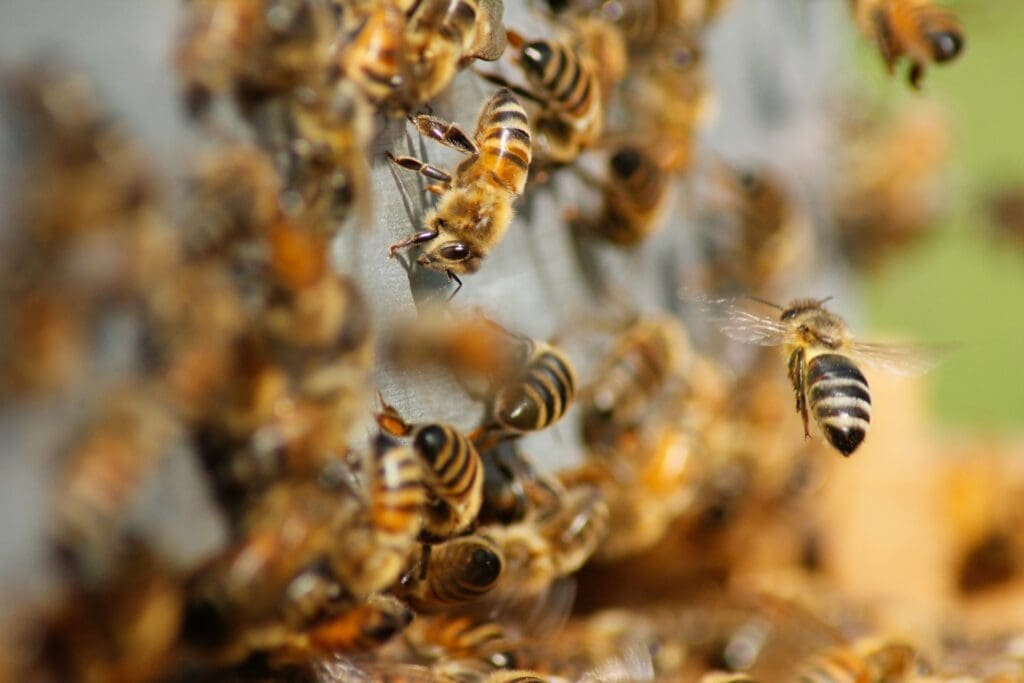
Apis mellifica is prepared from the whole live honeybee, including its venom, organs, and fluids, triturated and potentised in accordance with homeopathic pharmacy standards. The venom contains multiple biologically active compounds, including melittin, hyaluronidase, and histamine-like substances, which provoke an intense local and systemic reaction in sensitive individuals. Its action centres around swelling, inflammation, burning, and stinging sensations.
Proving Information
First proved by Dr. Drury and Dr. Marcy in the mid-1800s, with Hering systematising the proving and publishing results. The proving was based on actual bee stings and ingestion of triturated whole bees.
Remedy Essence
The Apis patient reacts instinctively—hot, swollen, stinging, and overreactive. It is a remedy of fluid imbalance, inflammatory sensitivity, and defensiveness, both physical and emotional. Their wounds are red, raised, and painful—just like their hearts. The core state is one of irritated vulnerability, with hyperalertness, fear, and emotional or physical oedema. They defend against violation and suppress emotion until it explodes—like the sting of the bee.
Affinity
- Skin and cellular tissue (oedema, urticaria)
- Mucous membranes
- Kidneys and urinary system
- Throat and larynx
- Serous membranes (especially pleura, meninges)
- Right ovary
- Pericardium and synovial linings
- Mind (especially irritability, jealousy, hysteria)
Better For
Cold applications; open air; uncovering; motion; washing in cold water.
Worse For
Heat; touch; pressure; afternoon (especially 3–5 PM); suppressed eruptions; sleeping in a warm room; menstruation; right side.
Symptomatology
Mind
Apis mellifica shows a distinctly animal remedy mind: instinctive, sensitive, reactive, and social. There is heightened irritability, jealousy, and emotional volatility, often with suddenness. Boericke described them as fidgety, restless, and suspicious. Clarke noted their tendency to “weep without cause, and to laugh unexpectedly.” In children, this is the shrieking, crying, clingy child who becomes wild with pain or heat. The patient may be hypersensitive to touch, noise, or contradiction, with a tendency to strike or shriek. There is a sense of being wronged, hurt, or attacked. Kent observed hysterical reactions and rage alternating with apathy or drowsiness. They dislike interference and feel suffocated in confined relationships. Often, ailments arise after jealousy, rage, fright, or grief—especially if bottled up.
Head
Headaches in Apis are congestive and stinging, with fullness and pressure from within outward. The sensation is as if the brain were too large for the skull. Clarke noted pain around and behind the eyes, especially in the right side. The scalp may be sensitive and swollen, and hair may fall out in patches. Headaches are worse from heat, during menses, and in warm rooms, but better from cold applications and open air.
Eyes
Redness, burning, and stinging are classic. Conjunctivae are oedematous and glassy, with chemosis (fluid swelling around the eye). Clarke mentioned lids swollen like bags of water, especially the upper lids. Eyelids may droop (ptosis), and vision is blurred due to swelling. Photophobia is intense. Kent included Apis for post-traumatic or allergic eye swelling, with intense burning, smarting, and a need to rub or keep the eyes closed.
Ears
Sensation of fullness and burning inside the ears. External ear may swell and become red, hot, and sensitive to touch. Clarke noted neuralgic pain extending from the ears to the jaw or throat. Ear symptoms often occur after suppressed skin eruptions.
Nose
Dryness or acrid watery coryza, with swelling of the nostrils and upper lip. Clarke recorded red, inflamed mucosa and soreness at the septum. Sneezing with smarting and puffiness of the face, especially under the eyes, is common.
Face
Swelling is prominent: lips, eyelids, cheeks—often asymmetrical. The face is red or pale, with puffy under-eyes and a hot, burning sensation. Kent referred to “the classic Apis face” as swollen, waxy, and sore to the touch. Clarke noted urticarial rashes or erysipelas-like eruptions that come and go quickly.
Mouth
Tongue is swollen, red, and may have vesicles or ulcers. Clarke noted difficulty speaking or swallowing. The mouth feels dry and burning, especially on the tongue and roof. Saliva may be profuse or absent. Taste is bitter or metallic.
Teeth
Toothache with swelling of the gums and face. Pain is sharp, stinging, or shooting, worse from heat and touch. Gums may appear spongy and bleed easily.
Throat
A remedy of choice in acute tonsillitis or angina, especially when the uvula is swollen, translucent, and hanging like a bag of water. The throat is red, shiny, glazed, and burning, worse on the right side. Clarke and Boericke both highlighted the classic burning-stinging pain on swallowing, worse for warm drinks and better for cold. There may be oedema of the glottis or larynx, with a sense of impending suffocation.
Stomach
Nausea with abdominal discomfort. Clarke noted vomiting after pressure on the stomach. Stomach feels distended and sore. Burning or coldness in the epigastrium. Aversion to hot drinks and a tendency to drink small sips.
Abdomen
Swelling and ascitic fluid accumulation are marked. Abdomen feels full, tight, and sore to touch. Clarke and Hering both noted the benefit of Apis in ovarian or mesenteric inflammation, especially on the right side, with stitching and burning pain.
Urinary
Burning, stinging, and scanty urination, often accompanied by oedema. The urge is frequent and may be ineffectual. Kent noted high irritability in the bladder neck, with inflammation and dysuria. Clarke included Apis for acute nephritis, especially post-scarlatinal, with albuminuria, puffiness, and scanty red or smoky urine. Urination may be involuntary during sleep or fright.
Rectum
Diarrhoea is sudden, watery, and offensive, often with incontinence. Kent described involuntary stools with burning anus, especially during febrile states. Haemorrhoids may be red, swollen, and very sensitive. Pain is stinging and itching, worse from heat or sitting.
Male
Testicular swelling with soreness and stinging. Clarke noted hydrocele-like symptoms and inflammation after exposure to cold or trauma. Sexual desire may be reduced or painful.
Female
A key remedy in right-sided ovarian inflammation, especially with burning, stinging pain and swelling. Clarke and Allen noted sharp pain extending down the thigh or across the abdomen. Menses may be suppressed or too scanty. Ovarian cysts and tumours, particularly with serous fluid, fall under its domain. It is often indicated after suppression of skin eruptions or emotional shocks.
Respiratory
Breathing is rapid, anxious, and laboured. Worse when lying flat. Clarke noted oedema of the lungs or larynx with suffocative spells. Helpful in anaphylactic-type reactions or acute allergic dyspnoea.
Heart
Pericarditis with serous effusion. Clarke described violent palpitations with faintness. Pulse is rapid, weak, and fluttering. Pain is constrictive or stabbing. Face may be pale with blue lips in advanced states.
Chest
Shortness of breath with tightness, as if the chest were full of fluid. Clarke recorded pleurisy with effusion, especially on the right side. Dry cough with burning in the chest and sensation of suffocation when lying down. Heart palpitations with anxiety and restlessness are common.
Back
Pain between the scapulae or in the lumbar region. Back may feel sore or bruised, worse from pressure or heat. Clarke noted stiffness in the neck with oedema.
Extremities
Oedema, stiffness, and stinging pain dominate. Clarke observed joint swelling, especially with urticaria or gout-like pain. Kent included Apis in acute rheumatism with burning, red joints, worse for warmth and touch. Hands and feet may swell and feel heavy, numb, or as if “full of fluid.”
Skin
Skin eruptions of the urticarial or erysipelatous type. Red, raised, burning, and stinging lesions. Clarke described rapid onset and resolution, often without clear cause. Excellent for insect bites, allergic skin reactions, hives, and oedematous rashes. The skin may be tense, shiny, and painful to touch.
Sleep
Restless sleep with frequent waking. Sleep is unrefreshing. Clarke noted drowsiness during fever, alternating with excitement. Sleep disturbed by itching, burning, or fear of suffocation.
Dreams
Dreams are vivid, anxious, and full of activity. Often of being stung, pursued, or attacked. May dream of water or drowning.
Fever
Fever with dry, burning heat, no thirst, and scanty urine. Alternating heat and chill, often with restlessness. Face may be red or pale. Sweating is scanty or suppressed. Clarke described “the classic low-grade fever state with oedema and irritability.”
Chill / Heat / Sweat
Chilliness in waves, alternating with heat. Sensation of internal heat with external chill. Sweat is delayed or absent during fever.
Food & Drinks
Thirstless during fever. Aversion to hot drinks. Desire for sour or acidic foods may occasionally appear. Appetite generally diminished.
Generalities
Everything is worse from heat, touch, and pressure. The patient is irritable, oversensitive, and swollen. Indicated in allergic, oedematous, or serous conditions, often acute and sudden in onset. Right-sided symptoms dominate. Great remedy for insect stings, urticaria, nephritis, cystitis, and ovarian inflammation.
Differential Diagnosis
- Cantharis: Burning urine, but with more tenesmus and rawness.
- Belladonna: Sudden and red, but more throbbing, congestive heat, and delirium.
- Lachesis: Also right-sided and worse for heat, but more congested, loquacious, and purple.
- Urtica urens: Urticaria with more itching and less oedema.
- Sulphur: Burning, red, itchy skin—more chronic, worse for heat in general.
Remedy Relationships
- Complementary: Natrum mur., Apis follows Belladonna
- Antidotes: Camphor, Ledum, Vinegar
- Inimical: Rhustox (some authors)
- Follows well: Belladonna, Cantharis
- Precedes well: Sulphur, Arsenicum album
Clinical Tips
Indicated in acute oedematous states, nephritis, cystitis, meningitis, hives, anaphylaxis, and ovarian inflammation. Always think Apis when you see sudden swelling, burning, and worse from heat. Start with 30C or 200C in acute cases. In constitutional states, 1M or LM may be used cautiously, especially in hypersensitive constitutions.
Selected Repertory Rubrics
Mind
- MIND – Jealousy
- MIND – Shrieking with pain
- MIND – Ailments from suppressed eruptions
Urinary Organs
- URINE – Scanty
- URINE – Albuminous
- URINE – Burning during micturition
Female Genitalia
- OVARIES – Inflammation, right
- OVARIES – Pain, stinging, burning
Skin
- SKIN – Urticaria
- SKIN – Oedema
- SKIN – Erysipelas
Generalities
- GENERALITIES – Heat, aggravates
- GENERALITIES – Worse 3–5 PM
- GENERALITIES – Touch, aggravates
- GENERALITIES – Dropsy, serous effusions
References
Constantine Hering, Guiding Symptoms of Our Materia Medica
John Henry Clarke, A Dictionary of Practical Materia Medica
James Tyler Kent, Lectures on Homoeopathic Materia Medica
William Boericke, Pocket Manual of Materia Medica
Henry C. Allen, Keynotes and Characteristics
Dr. C. Wesselhoeft & Dr. Marcy, early provings
Disclaimer
Educational use only. This page does not provide medical advice or diagnosis. If you have urgent symptoms or a medical emergency, seek professional medical care immediately.