

Antimonium tartaricum
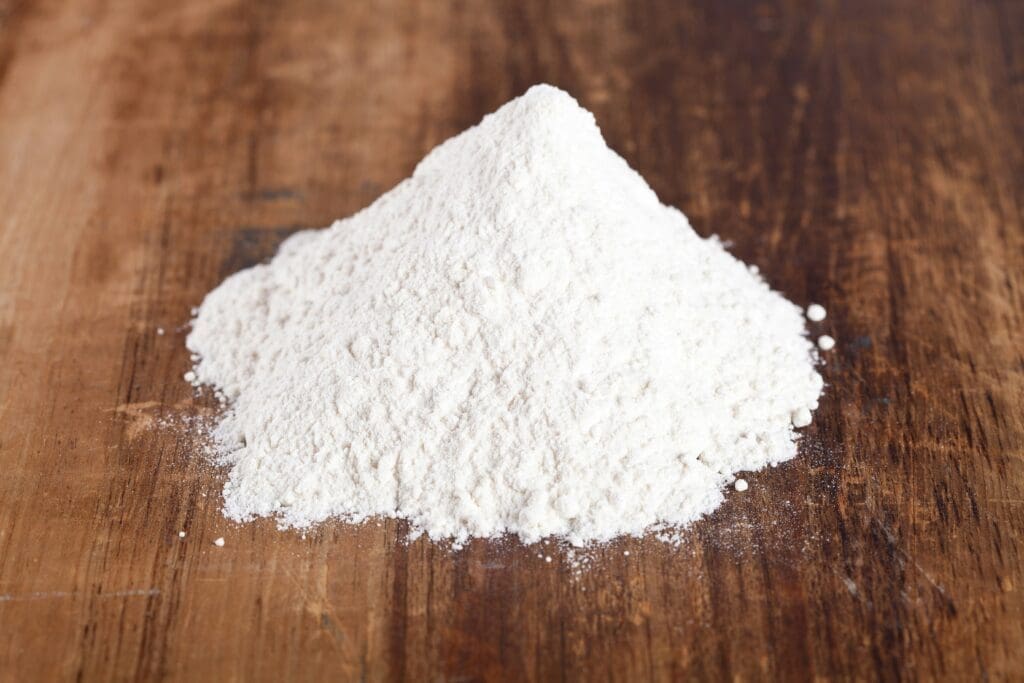
Substance Background
A double salt of antimony and potassium tartrate (chemical formula: K(SbO)C₄H₄O₆·½H₂O), Antimonium tartaricum was once widely used in conventional medicine as an emetic and expectorant, but is highly toxic in crude doses. In homeopathy, the substance is triturated and potentised to render it safe and curative.
Proving Information
Originally proved by Hahnemann, with key contributions from Hering, Allen, and Boenninghausen. Most known for its strong action on the respiratory system and its keynote of overwhelming weakness with rattling chest.
Remedy Essence
- Complementary: Ipecac., Bryonia
- Antidotes: Pulsatilla, Nux vomica
- Follows well: Aconitum in early stages of respiratory infection
- Inimical: Ant-c. (similar, but not to be alternated routinely)
Affinity
- Respiratory system – bronchi, lungs, trachea
- Mucous membranes – especially of the chest and stomach
- Gastrointestinal system – nausea, vomiting, weakness
- Circulation and skin – cyanosis, coldness, eruptions
- Elderly and infants – especially in low vitality states
- Right side – symptoms more prominent on the right
Better For
- Sitting upright
- Burping or expectorating mucus (though often difficult)
- Cold open air (for some symptoms)
- Sleep (though sleep may be restless)
- Sweating (relieves feverish symptoms)
Worse For
- Lying down, especially flat on the back
- Warmth, warm rooms or heat of bed
- Eating or drinking
- Motion
- Touch (oversensitivity of body)
- Suppression of eruptions or secretions
- Cold damp weather
Symptomatology
Mind
The Antimonium tartaricum mental picture includes great anxiety, fear of suffocation, and aversion to being touched or disturbed. The patient is mentally dull, sleepy, and irritable. There is a tendency to complain, moan, or weep without reason. Children are fretful, want to be carried, but cry when touched [Hering]. Mental sluggishness accompanies the physical exhaustion—there is desire for rest, for silence, and for solitude. The sense of impending doom and suffocative fear during chest conditions is intense. Indifference alternates with irritability. Dullness and confusion of the mind accompany most acute states, particularly fever or bronchial infections.
Head
Heaviness in the head, with dull aching or bursting sensations. Headache aggravated by stooping or coughing. Vertigo on rising or turning in bed. Scalp may be sensitive, with a feeling of internal pressure. Cold sweat on forehead. Children may have cranial congestion with red cheeks and lethargy. Headache may be reflex from gastric or respiratory distress.
Eyes
Heavy eyelids, drooping from fatigue [Clarke]. Conjunctiva congested. Eyes red, dull, and watery. Pustular conjunctivitis with yellow discharge. Aversion to light. Lids stick together in the morning. Twitching or spasms in lids in fevers. Children may rub their eyes continuously.
Ears
Fullness, roaring, or humming in ears. Hearing diminished in febrile states. Ears red and hot in children. Otitis media in infants with rattling chest and little thirst. Earache with concurrent bronchitis or eruptive diseases.
Nose
Coryza with profuse discharge. Nose obstructed, especially at night. Discharge thick, yellow, and irritating. Nose cold, bluish, or livid during weakness. Sneezing with rattling cough. Children pick nose; nostrils may be sore or ulcerated.
Face
Face is pale or bluish, sunken during collapse. Cold sweat on forehead, with red cheeks and hot head [Boericke]. The expression is distressed and anxious during respiratory episodes. Lips cyanotic or cracked. Twitching of facial muscles during cough or fever. Children may have flushed cheeks during sleep.
Mouth
Dryness of mouth with excessive salivation in some cases. Tongue coated white or yellow, sometimes thick and sticky. In severe states, the tongue is pale, trembling, or has red edges. Taste is bitter, foul, or metallic. In infants, thrush with rattling chest symptoms. Cracked lips, especially lower lip.
Teeth
Toothache from cold or during fevers. Gums swollen or spongy. Teeth grinding in sleep during febrile conditions. Mouth heat irritates sensitive gums. Children refuse teething remedies; symptoms linked to gastric and chest weakness.
Throat
Dryness and rawness in throat. Constant desire to clear mucus, which is difficult to raise. Sensation of a lump or constriction. Worse from swallowing saliva. Throat pain may extend to ears. Hoarseness or complete aphonia in bronchitis. Children may refuse to swallow or cry with each attempt.
Stomach
Prominent area of action. Extreme nausea with violent retching and vomiting of mucus, bile, or food, often without relief. Patient lies quietly after vomiting, exhausted. Thirst for cold drinks, but may vomit soon after. Aversion to food and smell of food. Heaviness and pressure in epigastrium. In children, vomiting occurs in spells during cough. Gastric symptoms often precede chest conditions.
Abdomen
Distension and cramping pain. Tenderness in epigastrium. Flatulence and rumbling. Diarrhoea or constipation alternating. Gastro-enteritis in elderly or weak patients. Abdominal symptoms often secondary to chest conditions.
Urinary
Scanty urine, dark, and offensive. Burning in urethra. Involuntary urination during coughing. Retention of urine in infants with chest weakness. Albuminous sediment in protracted bronchitis.
Rectum
Loose stools, greenish or slimy, sometimes mixed with undigested food. Tenesmus before and after stool. Diarrhoea during teething or bronchitis. Constipation in collapse states. Offensive flatus. Children pass stools involuntarily during coughing.
Male
Coldness of genitals during collapse. Erections weak or absent in fevers. Seminal weakness after respiratory illness. Sexual desire suppressed. Irritation of urethra. Scrotal sweating in acute illness.
Female
Menses suppressed during illness. Flow dark, clotted. Weakness after menses. Leucorrhoea thick and acrid. Labour-like pains in abdomen. Useful in puerperal convulsions with respiratory symptoms. Aversion to being touched.
Respiratory
Difficult, noisy, and suffocative breathing. Inspiration short, expiration prolonged. Lungs feel loaded with mucus. Gasping for air, yet unable to raise phlegm. Better when sitting up. Breath cold or metallic smelling. Respiration laboured in pneumonia or asthma. Worse lying down.
Heart
Weakness of heart action. Pulse slow, weak, intermittent. Palpitations during fever. Cyanosis and cardiac collapse in advanced cases. Cold sweat and livid lips signal danger. Fainting from exhaustion.
Chest
The great sphere of Antimonium tartaricum. The hallmark is rattling of mucus in chest with difficult expectoration. Cough is loose, wet, rattling, yet patient cannot raise mucus, leading to suffocative spells [Hering]. The patient is overwhelmed with weakness, desires to lie still, barely able to breathe. Cyanosis, cold sweat, and anxiety dominate. Suited to infants and the elderly in bronchopneumonia, bronchitis, asthma, and emphysema. Pain in chest worse from coughing or lying down. Moaning with each breath. Pulse weak and irregular.
Back
Weakness and chilliness along spine. Backache during cough. Soreness in lumbar region. Stiffness of neck in febrile states. Trembling from exhaustion. Back pain worse from movement.
Extremities
Coldness, tremor, and heaviness. Arms weak, drop things. Legs shaky after minimal exertion. Cyanosis of fingers and toes in asphyxiating states. Feet oedematous or cold. Twitching in fever. Weakness more right-sided.
Skin
Coldness, tremor, and heaviness. Arms weak, drop things. Legs shaky after minimal exertion. Cyanosis of fingers and toes in asphyxiating states. Feet oedematous or cold. Twitching in fever. Weakness more right-sided.
Sleep
Sleepy but cannot rest. Starts from sleep with suffocation. Moaning or sighing in sleep. Dreams of drowning or falling. Restless, intermittent sleep with fever. Children roll head or cry out.
Dreams
Dreams of suffocation, drowning, danger. Unpleasant, distressing dreams that exhaust. Feverish dreams with confusion or delirium.
Fever
Chill with internal heat. Fever with cold sweat on forehead. Heat of face with cold extremities. Rapid rise of fever, alternating with prostration. Pulse weak and intermittent. Fever with nausea, rattling cough, and restlessness.
Chill / Heat / Sweat
Chill predominant in early stages. Heat with intense weakness. Sweat cold, clammy, and profuse on forehead. Face and limbs cold even during fever. Sweat brings slight relief.
Food & Drinks
Chill predominant in early stages. Heat with intense weakness. Sweat cold, clammy, and profuse on forehead. Face and limbs cold even during fever. Sweat brings slight relief.
Generalities
Antimonium tartaricum is a remedy of extreme prostration, rattling mucus, and desire to be left alone. It is suited to patients who are weak, cyanotic, and overwhelmed, especially infants and the elderly. The keynotes are rattling with inability to expectorate, cold sweat, and slowness to respond physically and mentally. Suited to post-viral weakness, bronchitis, pneumonia, measles with suppressed eruptions, and gastro-pulmonary crises.
Differential Diagnosis
- Ipecacuanha – Also has rattling cough, but with incessant nausea and no expectoration at all
- Carbo vegetabilis – Collapse states, but more air hunger and craving for fanning
- Lycopodium – Right-sided chest symptoms, but more flatulence and fear of failure
- Tartar emetic (crude) – Used historically, but dangerous in raw form
- Hepar sulphuris – Suppurative stages with more irritability and warmth craving
Remedy Relationships
- Complementary: Ipecac., Bryonia
- Antidotes: Pulsatilla, Nux vomica
- Follows well: Aconitum in early stages of respiratory infection
- Inimical: Ant-c. (similar, but not to be alternated routinely)
Clinical Tips
- Key remedy in bronchitis and bronchiolitis in infants
- Consider in pneumonia with cyanosis and difficult expectoration
- Effective in asthma with mucous congestion
- Use in collapsed states after vomiting or diarrhoea
- Helpful in suppressed eruptions leading to chest complaints
- Cold sweat on forehead with rattling chest is pathognomonic
Selected Repertory Rubrics
Mind
- Irritability with aversion to touch
- Dullness, moaning
- Fear of suffocation
- Weeping without reason
Chest / Respiration
- Rattling, loose cough, no expectoration
- Suffocative spells, cyanosis
- Worse lying down
- Better sitting up
Stomach
- Nausea, vomiting of mucus or bile
- Vomiting with exhaustion
- Tongue coated white/yellow
- Aversion to food
Skin
- Pustular eruptions
- Suppressed eruptions before pneumonia
- Cold, mottled skin
- Cold sweat
Generalities
- Prostration with rattling cough
- Cyanosis
- Collapsing states in children and elderly
- Better sitting up, worse lying down
References
- Samuel Hahnemann – Materia Medica Pura: Original proving, emphasis on nausea, cough, and collapse
- C. Hering – Guiding Symptoms: Developed chest and mind symptoms; respiratory collapse picture
- James Kent – Lectures on Homoeopathic Materia Medica: Commentary on inability to expectorate and cyanosis
- William Boericke – Pocket Manual: Clinical guidance on pulmonary and gastric crises
- John Henry Clarke – Dictionary of Practical Materia Medica: Expanded repertorial and skin details
Disclaimer
Educational use only. This page does not provide medical advice or diagnosis. If you have urgent symptoms or a medical emergency, seek professional medical care immediately.