
Aesculus
Substance Background
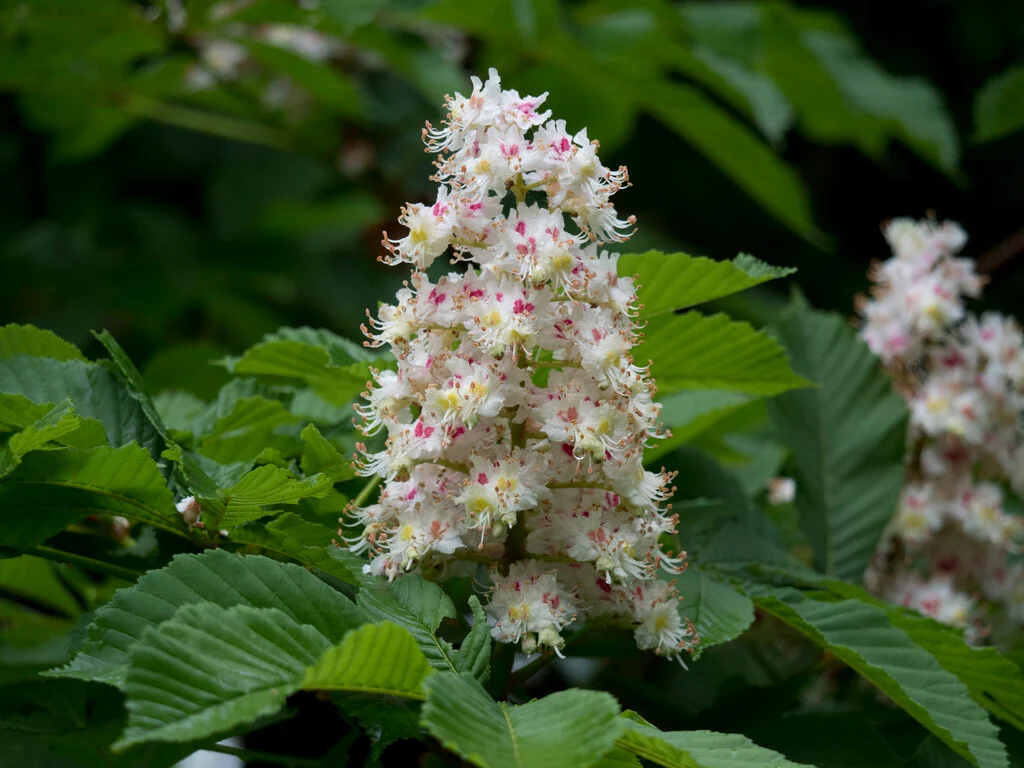
A deciduous tree native to southeastern Europe; its seeds (conkers) contain aescin, a complex mixture of saponins known for venotonic properties.
Proving Information
First proved by Dr. W. E. Payne, and later confirmed by Hale and others; toxicological effects and provings are recorded in Hale’s New Remedies and Hering’s Guiding Symptoms
Remedy Essence
Aesculus is the archetype of venous congestion without inflammation. The remedy’s essence is found in heaviness, fullness, and dull aching, especially in the rectum, back, and pelvis. It is particularly suited to sedentary individuals, especially those with a sluggish constitution, torpid liver, and pronounced haemorrhoidal suffering. The rectal symptoms are key: dryness, fullness, and pain without bleeding, and often without stool. It is also a back remedy—where pain and lameness arise from venous sluggishness. Aesculus is a remedy for torpor, not intensity.
Affinity
- Rectum and Pelvic Veins – chronic venous stasis, haemorrhoids, rectal pain, congestion
- Liver and Portal Circulation – passive congestion, fullness, dull pressure
- Back and Sacroiliac Region – deep aching pain, especially lumbosacral and sacrum
- Mucous membranes – dryness, burning, rawness, especially in rectum and throat
- Venous system – dilated veins, varicosities, haemorrhoidal fullness
- Male pelvic organs – prostate, seminal vesicles, and spermatic cord congestions
Better For
- Gentle movement
- Cool air
- Lying down (in some back symptoms)
- Application of cold to haemorrhoids
- After stool (rectal pain relieved in some cases)
Worse For
- Standing or walking for long
- Cold, damp weather
- After stool (especially rectal and sacral pain)
- During pregnancy (pelvic congestion)
- Afternoon and evening
- Motion (especially back and sacral pains)
Symptomatology
Mind
Dull, despondent, gloomy. The Aesculus patient feels mentally burdened, with a sense of melancholy, forgetfulness, and slowness of thought. Depression is often associated with physical ailments, especially rectal or back pain, suggesting a strong psychosomatic link. [Clarke] notes irritability with inability to fix attention. Anxiety often arises from physical discomfort. There is a tendency toward self-absorption, with disinterest in surroundings or conversation.
Head
Fullness, heaviness, and dull aching as if the brain were congested or too large for the skull. Headaches centred in the occiput, often extending down the spine. Scalp feels tight or tender. Vertigo on rising or moving suddenly. [Allen] noted pain that worsens in open air and from stooping. Headaches frequently accompany rectal issues or liver congestion.
Disclaimer
Educational use only. This page does not provide medical advice or diagnosis. If you have urgent symptoms or a medical emergency, seek professional medical care immediately.