

Adrenaline
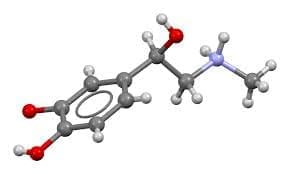
Substance Background
Adrenalinum is the homeopathic preparation of adrenaline (also known as epinephrine), a catecholamine produced chiefly by the adrenal medulla and released rapidly under stress, fright, pain, exertion, hypoglycaemia, and many states of alarm. [Goodman] In physiology it is the archetypal “fight-or-flight” mediator, acting on alpha and beta adrenergic receptors to mobilise energy, sharpen vigilance, accelerate the heart, redistribute blood flow, and prepare the body for sudden demand. [Katzung] Its immediate signature is speed, intensity, and a body that becomes a vigilant instrument: tachycardia, tremor, pallor or flushing, cold sweat, dilated pupils, dry mouth, and air hunger that is often more “panic breath” than true lung disease. [Rang] Yet this brilliance has a cost: after the surge there can be collapse, trembling exhaustion, headache, irritability, and a sense of being internally “over-revved,” as though the system cannot easily return to baseline. [Goodman]
In homeopathy, Adrenalinum therefore points toward a state in which the organism repeatedly throws itself into adrenergic storm: sudden starts, exaggerated alarm responses, anticipatory anxiety with marked physical concomitants, and a tendency to cardiovascular, respiratory, and neuro-muscular manifestations that feel urgent and overpowering. [Hughes] It also suggests a remedy layer where the patient’s complaints are disproportionately worsened by excitement, fright, pressure of time, stimulants, or even pleasant anticipation, and improved by quiet, safety, reassurance, and the removal of the triggering stimulus. [Kent] Because it is a modern biochemical substance, its homeopathic image is often built from toxicology and clinical observation more than from early classical provings, and Hahnemann’s caution is especially applicable: the remedy must be chosen by the characteristic totality and modalities, not by the name of a hormone or a theory of “sympathetic overactivity.” [Hahnemann]
Proving Information
Adrenalinum is not a prominent remedy of the early classical proving era, and its picture is therefore drawn primarily from toxicology, physiological observation, and clinical confirmations, with modern biochemical and neurotransmitter-oriented homeopaths also using it as a layer remedy in states of exaggerated adrenergic response. [Toxicology] [Clinical] [Hughes], [Clarke], [Jansen] This does not weaken the homeopathic method if applied correctly; it simply means that characteristic modalities, concomitants, and the patient’s individualising mental and general symptoms must be even more carefully sought and verified over time. [Hahnemann], [Kent] When it is well indicated, the remedy often clarifies the “attack pattern” itself: fewer sudden surges, less tremor and pounding, better sleep after stimulation, and a calmer autonomic baseline. [Clinical] [Hughes]
Remedy Essence
Adrenalinum expresses the human being caught in a physiology of alarm: the organism reacts as if danger is present, even when life is safe, and the entire system becomes rapid, vigilant, and braced. [Hughes] The core is not simply “fear,” but fear translated instantly into the body: pounding heart, shaking limbs, cold sweat, dry mouth, tight throat, and air hunger, with a startle response that fires like a trigger. [Kent] The patient often describes the experience as being hijacked by an internal force, as though an engine has been revved without permission; they may even say, in plain language, “it is adrenaline,” and in well-indicated cases this is more than metaphor. [Clinical] The remedy also contains the second half of the arc: after the storm comes the cost, a collapse into weakness, exhaustion, headache, and sometimes sleep from depletion once safety is restored. [Hughes]
In mineral and miasmatic terms, this is a psoric reactivity with sycotic periodicity: repeated episodes, repeated discharges, repeated compensations, and a life organised around avoiding triggers. [Kent], [Boger] The modalities are therefore central to prescribing: worse from fright, shock, anticipation, haste, stimulants, heat, and stuffy rooms; better from reassurance, quiet, lying down, cool fresh air, and deliberate slowing. [Kent] The remedy often sits close to Aconite and Argentum nitricum, yet differs in tone: Adrenalinum is less a narrative of catastrophe and more a bodily storm; less imagination-driven fear and more the immediate physiology of alarm. [Kent], [Phatak] It can be seen as the organism’s emergency medicine applied too often: the body uses its most intense mobilisation signal for ordinary life, and then pays with depletion. [Hughes]
When Adrenalinum is correct, improvement looks like nervous system maturity: fewer sudden surges, less startle, calmer nights, less fear of the heart, and a growing ability to tolerate stimulation and anticipation without the body firing an emergency response. [Clinical] This is the most important confirmation, because it shows the remedy is acting at the level of the general regulating force, not merely “masking anxiety.” [Hahnemann], [Hughes]
Affinity
- Autonomic nervous system (sympathetic dominance) — Sudden surges with tremor, sweating, palpitations, and hypervigilance; the body behaves as if danger is present (see Mind, Generalities). [Hughes], [Kent]
- Heart and circulation — Pounding heart, rapid pulse, perceived skipped beats, vascular tension, and post-episode weakness (see Heart, Chest). [Katzung], [Clarke]
- Respiration and throat-chest axis — Air hunger, sighing, tight chest, choking sensation, need for open air, often driven by panic physiology (see Respiration, Throat). [Rang], [Kent]
- Neuro-muscular system — Tremor, startle, restlessness, inner quivering, cramps from adrenaline “overdrive” (see Extremities). [Goodman], [Hughes]
- Skin and sweat glands — Cold sweat, clammy perspiration, pallor or flushing, piloerection in fear states (see Perspiration, Chill/Heat/Sweat). [Rang], [Kent]
- Digestive tract under stress — Dry mouth, nausea, “butterflies,” diarrhoea from fright, epigastric sinking in anxiety (see Stomach, Rectum). [Hughes], [Kent]
- Sleep regulation under stimulation — Insomnia after excitement, waking with pounding heart, unrefreshing sleep after adrenergic evenings (see Sleep, Dreams). [Kent], [Jansen]
- Endocrine-metabolic stress pattern — Shakiness when hungry, craving stimulants or sugar, energy spikes then crashes (see Food and Drink, Generalities). [Goodman], [Hughes]
Better For
- Better from reassurance and feeling safe (general) — Alarm subsides when threat is removed or the patient is soothed; physical symptoms settle with it (see Mind, Heart). [Kent]
- Better from lying down (general) — Palpitations, trembling, and faint feelings often ease when horizontal, as the system “stands down.” [Hughes]
- Better from quiet and darkness (general) — Reduced sensory input calms the overstimulated system (see Mind, Sleep). [Kent]
- Better in cool, fresh air (general) — Air and coolness relieve chest tightness and panic breathing, even if the patient is sweating (see Respiration). [Kent]
- Better from slow breathing and deliberate stillness (general) — Conscious slowing counters the internal rushing; the tremor can lessen (see Respiration, Generalities). [Clinical] [Hughes]
- Better from warmth to extremities after the surge (region specific: hands/feet) — When the episode leaves chilliness and cold sweat, warmth comforts (see Chill/Heat/Sweat). [Kent]
- Better after eating a small snack if shaky from hunger (general) — Especially when symptoms are linked to fasting or a “dip,” with trembling and anxiety (see Food and Drink). [Hughes]
- Better after perspiration when it becomes free and warm (general) — Some episodes resolve with a sweat, followed by relief and fatigue (see Perspiration). [Kent]
Worse For
- Worse from fright, sudden shock, bad news (mental) — Instant adrenergic storm: palpitations, tremor, cold sweat (see Mind, Heart). [Kent]
- Worse from anticipation and performance pressure (mental) — “Stage fright” physiology with diarrhoea, dry mouth, trembling, and pounding heart (see Rectum, Mouth). [Kent]
- Worse from stimulants (coffee, nicotine, energy drinks) (general) — Heightens palpitations, tremor, and insomnia; can maintain the state (see Sleep, Heart). [Hughes], [Kent]
- Worse from haste and time pressure (general) — The body accelerates into overdrive; symptoms become urgent and overwhelming (see Generalities). [Boger], [Kent]
- Worse at night after excitement (general) — Insomnia and waking with pounding heart after an overstimulating day (see Sleep). [Kent]
- Worse from heat and stuffy rooms (general) — Increases breathlessness, flushing, and panic sensations (see Respiration, Face). [Kent]
- Worse from fasting or missed meals (general) — Shakiness, anxiety, sweating, and inner trembling (see Food and Drink). [Hughes]
- Worse from noise and sudden interruption (general) — Startle response exaggerated; heart and breath react immediately (see Ears, Mind). [Kent]
Symptomatology
Mind
The Adrenalinum mind is the mind of alarm, as if a bell rings inside the nervous system and the whole being leaps to attention before thought can intervene. [Toxicology] [Hughes] Anxiety is not merely an idea but a bodily wave: racing heart, trembling, cold sweat, dry mouth, and a conviction that something urgent must be done at once, even when the situation is objectively safe. [Kent] There is exaggerated startle, sensitivity to sudden sounds, interruptions, or unexpected touch, and the patient may remain “wired” long after the stimulus is gone, showing poor autonomic recovery. [Clinical] [Hughes] Anticipation is a major trigger: before an appointment, performance, journey, or confrontation, the body behaves as if it is facing danger, with restlessness, diarrhoea, and inability to think clearly. [Kent] The mental state can oscillate between frantic urgency and a later collapse with exhaustion and emotional after-shock, as if the system has overspent its reserves. [Hughes] Irritability often comes from overstimulation; questions, demands, or too much input feel unbearable, and the patient may snap, then feel guilty or drained. [Kent] There may be fear of the heart, fear of fainting, or fear of dying during attacks, yet between episodes the patient can be rational and even embarrassed by their reactivity. [Kent] A key confirmation is the consistent linkage: mental triggers immediately produce physical adrenergic signs (tremor, sweat, palpitations), and safety or reassurance rapidly quiets both mind and body. [Kent], [Hughes] This picture can resemble Aconite in sudden fear, but Adrenalinum is more a physiology of surge and tremor, with repeated “adrenergic spells” and pronounced stimulant sensitivity. [Kent], [Hughes] Case: a person who cannot face public speaking without shaking, cold sweat, and pounding heart, yet calms quickly once reassured and allowed quiet, illustrates the Adrenalinum layer when the totality matches. [Clinical] [Kent]
Head
Head symptoms frequently follow the circulatory storm: throbbing, pulsation, pressure in temples, and a sense that blood rushes upward with excitement or fright. [Hughes] The headache can come suddenly, with palpitation and facial flush, and may feel as if the head is too full, or as if the arteries are beating visibly. [Kent] There is often a tight scalp or a band-like tension from sustained alertness, and the patient may clench the jaw unknowingly during stress. [Clinical] After an attack, the head may feel dull, heavy, and exhausted, as if the brain has been overdriven and must now shut down, which links Head to the general collapse state. [Hughes] Heat and stuffy rooms aggravate pulsation and pressure, while cool fresh air and quiet relieve, confirming the general modalities. [Kent] Some patients describe dizziness with sudden standing, or light-headedness after the peak of an episode, indicating autonomic fluctuation rather than a steady vertigo. [Hughes] Micro-comparison: Glonoinum has violent pulsation and heat with sun and congestion, whereas Adrenalinum more clearly follows fright, haste, and sympathetic arousal with tremor and cold sweat. [Kent], [Boger]
Eyes
The eyes often appear bright, wide, and watchful, as if the patient is scanning for danger; the pupils may feel dilated and light can seem too sharp during surges. [Toxicology] [Rang] There may be twitching of lids from tension, and a trembling of vision when the whole body quivers with adrenergic discharge. [Hughes] Dryness and a gritty sensation can occur because adrenaline states reduce salivation and secretions, leaving mucosa dry during anxiety. [Goodman] During attacks, the eyes may water while the mouth remains dry, a paradox that often accompanies intense emotional arousal. [Kent] The patient can complain of difficulty focusing when anxious, not from ocular disease but from rushing thoughts, shallow breathing, and inner trembling. [Hughes] Relief comes with quiet, lowered stimulation, and often with cool fresh air, consistent with the general ameliorations. [Kent]
Ears
Ears may be oversensitive in the startle-prone patient: ordinary sounds are perceived as threats, and sudden noise can provoke immediate palpitations. [Kent] There can be rushing noises or a humming in the ears during vascular surges, especially if the head throbs and the face flushes. [Hughes] The patient may complain that they cannot tolerate chatter, music, or bustling environments because sensory input pushes the nervous system into overdrive. [Clinical] After the peak, the ears may feel stopped or dull, as if the body has shut down perception to recover, matching the post-episode collapse. [Hughes] Heat and stuffiness worsen the sense of fullness, while open air improves, aligning with the remedy modalities. [Kent] This ear sensitivity is best read as part of the global adrenergic reactivity rather than as a local ear condition. [Hughes]
Nose
The nose can become dry during anxiety, with a sensation of restricted airflow that increases the feeling of suffocation even when the chest is clear. [Hughes] Some experience sudden nasal congestion during surges, as if vascular tone shifts unpredictably; others have a pale, cold nose during cold sweat states. [Clinical] Sneezing can occur from excitement in sensitive persons, but more characteristic is the relationship between nasal sensation and breathing panic: the patient repeatedly tests their breath, sniffs, or clears the nose to reassure themselves. [Kent] Odours can become intolerable during attacks because the nervous system is already overloaded, and strong smells worsen nausea. [Hughes] Cool fresh air often improves both nasal comfort and the whole panic-breathing cluster, confirming the general modalities. [Kent] Nose symptoms confirm the remedy only when they are clearly linked to the adrenergic episode pattern. [Hahnemann]
Face
The face alternates between pallor and flushing: pallor with cold sweat and fear at the onset, then flush as the heart pounds and heat rises. [Kent] Expression is often tense, with wide eyes and tightened mouth, showing the body’s alarm posture. [Clinical] Perspiration may bead on the upper lip and forehead during attacks, and the patient may feel exposed or ashamed of looking unwell, which increases anxiety. [Kent] After the surge, the face can look drained and grey, with trembling fatigue, reflecting the collapse phase. [Hughes] Heat of crowded rooms aggravates facial flushing and breathlessness, while cool air relieves, aligning with the overall modalities. [Kent] The facial picture becomes highly confirmatory when it appears together with palpitations, trembling, and urgent need for air. [Hughes]
Mouth
Mouth symptoms often show the classic stress dryness: dry tongue, dry lips, thirst without real desire to drink, and inability to produce saliva while anxious. [Kent] The patient may complain that the mouth becomes suddenly dry before an appointment or confrontation, a reliable anticipatory sign. [Kent] There can be a bitter taste after the attack, as the system settles and nausea rises from the stomach, linking Mouth to Stomach and Generalities. [Hughes] Speech can become fast or clipped under urgency, then hesitant as the person tries to control trembling and breathlessness. [Clinical] The patient may chew the inside of cheeks or press the tongue to the palate as a self-soothing gesture, reflecting the need to stabilise the body. [Hughes] Relief comes with quiet, reassurance, and removal from stimulation, consistent with the general modalities. [Kent]
Teeth
Teeth and jaw symptoms often arise from tension: clenching, grinding, and a sense of pressure in the jaw during stress or after a day of repeated alarm. [Kent] Teeth may feel sensitive during vascular throbbing headaches, especially in the upper jaw, as part of a general pulsation picture. [Hughes] Pain, when present, is less a local dental keynote than a stress-amplified sensation that worsens with excitement and improves with rest. [Clinical] Jaw trembling can occur during severe attacks, mirroring the tremor in limbs and the whole sympathetic discharge. [Hughes] Cold sweat episodes can leave the teeth chattering briefly, which is striking when it appears with fear and palpitations. [Kent] These symptoms support Adrenalinum only when clearly embedded in the attack pattern of adrenergic overdrive. [Hahnemann]
Throat
The throat often feels constricted, as if a lump rises or the airway narrows, producing a choking sensation that intensifies panic breathing. [Kent] This is frequently accompanied by dry mouth and repeated swallowing, as though the patient cannot get the throat to relax. [Hughes] Tight collar sensation and need to loosen clothing are common, especially in hot, stuffy rooms, linking Throat to the heat aggravation and the need for open air. [Kent] During attacks, the voice may tremble or become strained, reflecting internal shaking and shallow breath. [Clinical] After the episode, the throat can feel sore or raw, as if irritated by repeated swallowing and hyperventilation, and the patient feels exhausted. [Hughes] Improvement occurs with quiet, slow breathing, reassurance, and cool fresh air, in harmony with the remedy modalities. [Kent]
Stomach
The stomach commonly expresses “fear physiology”: butterflies, epigastric sinking, nausea, and sometimes sudden vomiting in very sensitive patients. [Kent] Before anticipated events, appetite may vanish, yet the patient may crave sugar or small snacks to steady shaking, linking Stomach to Food and Drink and metabolic stress. [Hughes] Nausea often accompanies palpitations and cold sweat, forming a consistent cluster that should be recorded as a concomitant. [Kent] The stomach can feel tight, as if a knot forms, especially when time pressure or haste is driving the nervous system. [Boger] After the peak, there may be ravenous hunger or, conversely, aversion to food with weakness, reflecting the swing from mobilisation to collapse. [Hughes] Warm drinks may soothe the post-episode chill, while cool air soothes the panicky phase, showing the polarity typical of adrenergic states. [Kent]
Abdomen
Abdominal symptoms may appear as cramping, gurgling, and tension that comes on with anxiety, often centred around the umbilicus or lower abdomen. [Kent] There is frequently a “hollow” or sinking feeling that accompanies fear, as if the abdomen drops away, leaving weakness. [Hughes] In anticipation states, the abdomen becomes unsettled and the patient may need to visit the toilet repeatedly, linking Abdomen to Rectum and the modality “worse from anticipation.” [Kent] After an attack, abdominal muscles can ache from tension and shallow breathing, and the patient feels wrung out. [Clinical] Heat and crowded rooms worsen abdominal discomfort when it is part of the panic cluster, while quiet and cool air improve. [Kent] These symptoms support Adrenalinum when they repeat reliably with the same trigger-response pattern. [Hahnemann]
Urinary
Urination may increase during anxiety, with frequent urging as the body discharges tension through the bladder. [Hughes] Some patients pass pale, copious urine after an attack, as if the storm ends in a draining release, leaving fatigue. [Clinical] There can be a sensation of bladder pressure during panic episodes, with relief after passing urine, paralleling the relief after stool. [Hughes] At other times, fear can inhibit urination, especially in public situations, increasing internal tension and worsening agitation. [Kent] Burning and true inflammatory signs are not typical and suggest other remedies or pathology; Adrenalinum is more functional and episode-linked. [Hahnemann] The urinary symptoms become characteristic only when they repeat within the same adrenergic trigger pattern and show the same modalities. [Kent]
Rectum
Rectal symptoms are often keynote-like in anticipatory anxiety: sudden diarrhoea before appointments, interviews, travel, or public performance. [Kent] The stool may be watery, urgent, and accompanied by trembling, cold sweat, and palpitations, showing the full adrenergic discharge. [Kent] Relief after stool can be marked, as if a pressure is released, yet weakness follows quickly, reflecting the post-discharge collapse. [Hughes] Some alternate between stress diarrhoea and periods of constipation when they are chronically tense and withholding, demonstrating the nervous system’s oscillation. [Boger] The rectum can feel spasmodic, with tenesmus during anxiety, especially when the patient fears being late or trapped. [Kent] Rectal symptoms confirm Adrenalinum when they are clearly driven by fright, anticipation, and haste, and are accompanied by the characteristic concomitants. [Kent], [Hughes]
Male
In the male sphere, the remedy picture often reflects performance pressure: sexual function can be disturbed by anticipatory anxiety, trembling, and palpitations, particularly when the mind fears failure. [Clinical] Libido may be high in some during stress as an outlet of tension, yet satisfaction is undermined by rushing and inability to relax, reflecting sympathetic dominance. [Hughes] Erections may be unreliable when the system is in alarm, because relaxation is required for normal function, and the patient may become more anxious, worsening the cycle. [Kent] There can be cold sweat and shaking after intercourse in sensitive patients, showing adrenergic discharge and depletion. [Clinical] The patient may report that stimulants worsen sexual anxiety and insomnia, linking Male to Food and Drink and Sleep. [Hughes] Male symptoms confirm Adrenalinum only when they sit clearly inside the broader pattern of adrenergic storms and recovery by safety and quiet. [Hahnemann]
Female
In the female sphere, adrenergic reactivity may worsen premenstrually, with heightened anxiety, palpitation, trembling, and sleep disturbance, especially when life stress is high. [Kent] Menses may become irregular under chronic alarm, with either delayed flow from tension or early flow during overstimulation, reflecting autonomic instability. [Clinical] Menstrual cramps can be aggravated by anticipation and emotional upset, accompanied by diarrhoea, nausea, and cold sweat in sensitive women. [Kent] Some experience flushing and pounding heart around ovulation, with a sense of being “revved up” and unable to rest, linking Female to Heart and Sleep. [Hughes] The need for fresh air and loosening of clothing can be prominent during these episodes, confirming the modalities. [Kent] Female symptoms support Adrenalinum when they are clearly part of the same trigger-response cycle (fright, haste, stimulation) and are relieved by safety, quiet, and rest. [Hahnemann]
Respiratory
Respiration often becomes rapid and shallow during attacks, with sighing, yawning, or repeated deep breaths as the patient tries to “catch up” with an inner urgency. [Kent] The sensation is frequently air hunger rather than true obstruction, and it worsens as fear worsens, creating a feedback loop. [Hughes] The patient craves open air, opens windows, and feels relief outdoors, confirming the modality “better in cool fresh air.” [Kent] Tight throat and tight chest often accompany, and the person may loosen collars and belts, showing how strongly the remedy acts on constriction sensations. [Kent] After the episode, breathing can feel weak and tired, and the patient fears another attack if they exert, leading to avoidance and increased anticipatory anxiety. [Clinical] Slow breathing, quiet, and stillness improve, matching the remedy’s need to counter overdrive with deliberate settling. [Clinical] [Hughes]
Heart
The heart sphere is central: sudden pounding, rapid pulse, strong cardiac awareness, and the sensation that the heart “jumps” or misses, which frightens the patient immediately. [Kent] The onset may be abrupt after shock, excitement, haste, or stimulants, and the episode can peak quickly, matching the physiology of adrenergic surge. [Toxicology] [Katzung] Palpitations can be accompanied by trembling, sweating, dry mouth, and air hunger, and these concomitants are more characteristic than pulse rate alone. [Kent] The patient often presses the hand to the chest, sits still, or lies down, and feels better when reassured, showing the strong amelioration from safety and rest. [Kent] After the heart storm, weakness and exhaustion are marked, and sleep may follow, as if the body must pay back the mobilised energy. [Hughes] Micro-comparison: Aconite has violent fear with heart symptoms from sudden shock, while Adrenalinum has a repeatable pattern of adrenergic surges, tremor, stimulant sensitivity, and post-episode collapse. [Kent], [Hughes]
Chest
Chest symptoms are often described as tightness, oppression, or a constricted band, with a need to sigh or take deep breaths repeatedly. [Kent] The patient may feel they cannot get a full breath, yet the lungs are not the issue; the sensation is driven by panic physiology and chest wall tension. [Hughes] There may be sharp awareness of the sternum and ribs, as if the chest is braced for impact, and the patient holds the shoulders rigid. [Clinical] Heat and stuffiness aggravate chest oppression, while cool fresh air improves, making the open-air amelioration a valuable confirmation. [Kent] During attacks, chest discomfort often accompanies palpitations, throat constriction, cold sweat, and trembling, forming a coherent whole rather than isolated chest disease. [Kent] After the episode, the chest can feel sore from hyperventilation and tension, and the patient is profoundly tired, confirming the collapse phase. [Hughes]
Back
Back symptoms often reflect the body’s braced posture: tightness between scapulae, stiff neck, and aching shoulders from sustained sympathetic tension. [Clinical] The back can feel rigid during anxiety, as if the muscles are locked to protect the chest and heart, linking Back to the heart-panic cluster. [Hughes] Some complain of sudden “jolts” in the spine with startle, as though a shock runs through the back when surprised. [Kent] After an attack, the back may ache with fatigue, and the patient wants to lie down, consistent with the overall amelioration from rest. [Hughes] Heat and crowded rooms worsen tension because they increase agitation and breathlessness, while cool air and quiet improve. [Kent] These back symptoms confirm Adrenalinum when they repeat with the same triggers and appear as part of the global adrenergic state rather than isolated musculoskeletal disease. [Hahnemann]
Extremities
Extremities commonly show tremor and inner quivering, especially in hands and knees, as if the body is vibrating with excess current. [Kent] The hands may be cold and damp with sweat during fear states, while the heart pounds, forming a classic adrenergic cluster. [Kent] Weakness can be sudden after the surge, with legs feeling unstable, and the patient fears standing or walking quickly, confirming the modality “better lying down.” [Hughes] Restlessness can also be present: pacing, tapping, inability to keep still, not from comfort but from agitation and urgency. [Kent] Cramps or muscle tightness may arise after repeated episodes, as if muscles are overused by sustained readiness, and stretching plus warmth may relieve in the recovery phase. [Clinical] The extremity picture becomes decisive when it is time-linked: anticipation or shock produces tremor and sweat at once, and reassurance plus quiet rapidly reduce it. [Kent], [Hughes]
Skin
The skin often expresses the autonomic storm: cold clammy sweat, gooseflesh, pallor, or sudden flushes that come and go rapidly. [Kent] The patient may feel the skin is cold while internally they feel rushed and overheated, showing a striking polarity typical of adrenergic states. [Clinical] The face and palms sweat most, and the sweat is often not relieving, but rather accompanies fear and heart pounding. [Kent] In chronic adrenergic strain, the skin can become dry and reactive, with itching worsened by stress, because the nervous system keeps the body in a heightened state. [Hughes] Heat and stuffiness aggravate flushing and discomfort, while cool air improves, consistent with the general modalities. [Kent] Skin symptoms support Adrenalinum chiefly as concomitants of the attack pattern rather than as primary dermatologic keynotes. [Hahnemann]
Sleep
Sleep is often disturbed by stimulation: after excitement, fright, arguments, time pressure, or stimulant use, the patient cannot “come down,” and lies awake with racing thoughts, pounding heart, and trembling. [Kent] There may be difficulty falling asleep because the body remains alert, listening for danger, and any small noise can startle them into wakefulness again. [Kent] Some wake suddenly from sleep with a jolt, palpitations, cold sweat, and fear, as if an internal alarm has fired, and it may take a long time to settle. [Kent] Sleep, when it comes, may be unrefreshing if the night was filled with repeated adrenergic arousals, leaving morning fatigue and increased anticipatory anxiety for the next night. [Hughes] Many become dependent on routines to feel safe at bedtime (windows open, reassurance, checking locks), and improvement often comes from quiet, cool air, and a sense of safety, matching the remedy’s ameliorations. [Kent] Overstimulation in the evening (screens, busy social events, caffeine) is a strong aggravation, and the patient recognises that they have “paid” for excitement with insomnia. [Hughes] When the remedy acts, a key marker is that the body recovers its ability to downshift: fewer sudden awakenings, less pounding heart at night, and sleep that arrives naturally after calm rather than after exhaustion. [Clinical] [Hughes] This sleep picture resembles Coffea in excitement, yet Coffea is joyous or mentally exalted wakefulness, while Adrenalinum is alarmed, tremulous, and physically adrenergic. [Kent]
Dreams
Dreams often mirror fear physiology: dreams of being chased, attacked, suffocated, or facing sudden catastrophe, with waking in a sweat and pounding heart. [Kent] There can be vivid dreams after stimulating evenings, as if the nervous system continues to discharge adrenaline through the night. [Clinical] Some dream of falling, sudden shocks, or loud noises, and they startle awake, linking dreams to the exaggerated startle response. [Kent] Dreams may be fragmented, with repeated awakenings and difficulty returning to sleep because the body remains in alarm. [Hughes] There can be dreams of performance and time pressure, running late, failing an exam, or being trapped, corresponding to the strong anticipation aggravation. [Kent] When sleep becomes calmer, dreams become less threatening and more coherent, which is a useful follow-up sign that the autonomic baseline has softened. [Clinical] [Hughes]
Fever
True fever is not the central theme, yet adrenaline states can produce feverish sensations: sudden flushing, hot face, sweating, and internal heat that rises with panic. [Hughes] The patient may feel as if they are becoming ill during an attack, yet the episode resolves quickly when calm returns, indicating autonomic origin rather than infection. [Clinical] There can be alternating heat and chill: heat at the peak, then chill with trembling after the surge, which fits the typical adrenergic arc. [Kent] The “fever” is often worse in hot rooms and better in cool fresh air, consistent with the remedy modalities. [Kent] If true febrile illness is present, Adrenalinum should only be considered when the characteristic fear-tremor-palpitations constellation remains individualising. [Hahnemann] This section mainly serves to confirm the autonomic oscillation when it appears repeatedly. [Hughes]
Chill / Heat / Sweat
A striking feature is cold sweat with internal rush: the skin feels cold and clammy while the heart pounds and the mind is alarmed. [Kent] Chills can occur immediately after fright, with trembling teeth and gooseflesh, as though the body is bracing for impact. [Kent] Heat often appears as sudden flushes, especially of face and chest, aggravated by stuffy rooms, crowds, and emotional excitement. [Kent] The alternation is characteristic: after the peak heat and rush, the patient may become cold, weak, and shaky, wanting to lie down and be warmed. [Hughes] Cool fresh air often relieves the breathless flushed phase, while warmth helps the post-episode chill phase, and noting this polarity is clinically useful. [Kent] This sphere strongly links to the modalities, especially “worse from heat and stuffiness” and “better in cool open air,” and should be cross-verified in each case. [Kent]
Food & Drinks
Stimulants are often decisive: coffee, nicotine, and energy drinks aggravate trembling, palpitations, and insomnia, and can maintain the adrenergic baseline even when the patient believes they need them to function. [Hughes] Some patients crave sugar when shaky, especially if they have missed meals, and a small snack can temporarily steady symptoms, which suggests a metabolic-adrenal link in that individual. [Clinical] Fasting or long gaps between meals aggravate weakness, sweat, and inner trembling, making “worse from missed meals” an important modality when present. [Hughes] Appetite may be poor during anxiety, with dry mouth and nausea, yet after the attack the patient may crave comfort foods, then feel tired and guilty. [Clinical] Alcohol may initially calm but later worsens sleep and increases nocturnal palpitations in sensitive persons, reinforcing the theme of rebound stimulation. [Hughes] Warm drinks can soothe the post-episode chill, while cool air is desired during the panicky heat phase, showing again the remedy’s polarity. [Kent]
Generalities
Adrenalinum is a remedy of sudden sympathetic discharge: a whole-body surge that is rapid, intense, and often disproportionate to the trigger, followed by fatigue and a need to recover. [Hughes] The characteristic sequence is often recognisable: fright, anticipation, haste, or stimulant exposure leads to pounding heart, tremor, cold sweat, air hunger, dry mouth, and urgent restlessness, and the patient feels driven as if by an internal alarm. [Kent] This is not merely “anxiety”; it is anxiety with a specific physiology, and the physical concomitants are essential to confirm the remedy. [Kent] Modalities are central: worse from excitement, shock, anticipation, time pressure, heat, and stuffy rooms; better from reassurance, quiet, lying down, cool fresh air, and deliberate slowing of breath. [Kent], [Boger] There is often a marked startle response and sensitivity to noise, and the patient may remain keyed up long after the stimulus, suggesting delayed parasympathetic recovery. [Clinical] After the peak, weakness, trembling, and mental exhaustion are prominent, and some fall asleep from depletion once safety is restored, which links directly to the Sleep section. [Hughes] The patient may develop fear of the attacks themselves, leading to avoidance, anticipatory dread, and a narrowing of life, which is a common maintaining cause that must be addressed alongside remedy choice. [Hahnemann], [Kent] Micro-comparison: Argentum nitricum has anticipatory anxiety with diarrhoea and haste, yet is often more impulsive, scattered, and fearful of heights and crowds, whereas Adrenalinum is more purely a physiologic adrenergic storm with tremor, cold sweat, and pounding heart as the leading signature. [Kent], [Phatak] When the remedy is correct, the earliest general change is that the body can downshift: fewer sudden surges, less startle, calmer heart at night, and improved tolerance of stimulation without collapse. [Clinical] [Hughes]
Differential Diagnosis
Aetiology and trigger pattern
- — Sudden terror after shock with violent panic; Adrenalinum is more repeatable adrenergic storm with tremor, cold sweat, stimulant sensitivity, and post-episode fatigue. [Kent]
- Arg-n. — Anticipatory anxiety with diarrhoea and haste; Arg-n. is more impulsive, hurried, and ideationally anxious, Adrenalinum more physiologic alarm with tremor and pounding heart. [Kent], [Phatak]
- — Anticipation with trembling and weakness; Gelsemium is more paralytic, droopy, and dull, while Adrenalinum is more “wired,” startle-prone, and sweaty. [Kent]
- — Excited wakefulness; Coffea is exalted, lively, sleepless from pleasant excitement, while Adrenalinum is alarmed, trembling, and physically adrenergic. [Kent]
Heart and panic physiology
- — Congestive throbbing, heat, pulsation; Glonoinum is more sun/heat congestion, Adrenalinum more fright/haste and cold sweat. [Kent], [Boger]
- — Cold sweat with collapse; Veratrum has profound collapse and gastrointestinal storm, Adrenalinum has fright-driven sympathetic surge and trembling urgency. [Kent]
- — Anxiety with restlessness and fear; Arsenicum is chilly, insecure, and burning, while Adrenalinum is more sudden alarm physiology with startle and stimulant sensitivity. [Kent]
Stimulants, overdrive, and aftermath
- Nux-v. — Stimulant-driven over-irritability and insomnia; Nux is more angry, oversensitive, and driven, Adrenalinum more tremulous alarm with cold sweat and sudden surges. [Kent]
- Kali-phos. — Nervous exhaustion after stress; Kali-phos. is more depleted and weak, while Adrenalinum is characterised by surges and acute reactivity. [Boericke], [Phatak]
- — Highly sensitive, sympathetic, palpitations with excitement; Phosphorus is more open, bleeding and burning tendencies, while Adrenalinum is more constricted, braced, and alarmed. [Kent]
Remedy Relationships
- Complementary: Gels. — Where anticipatory trembling shifts from wired alarm to heavy weakness and drooping, Gelsemium may complement. [Kent]
- Complementary: Kali-phos. — After repeated surges, lingering nervous exhaustion and poor restoration may call for Kali-phos. [Boericke], [Phatak]
- Complementary: Arg-n. — If the case is dominated by haste, anticipatory diarrhoea, and impulsive fear, Arg-n. may complete what Adrenalinum begins, or vice versa. [Phatak], [Kent]
- Antidotes: Coff. — If the case is driven by stimulant-like excitement and sleeplessness, Coffea may antidote a layer of over-stimulation. [Kent]
- Antidotes: Acon. — For acute shock and panic overlaying the adrenergic picture, Aconite may be needed first. [Kent]
- Follows well: Nux-v. — When stimulant abuse or overwork is a maintaining cause, Nux may clear the layer and reveal the cleaner adrenergic pattern. [Kent]
- Inimical (practical): stimulants — Coffee and nicotine can maintain the symptom pattern and obscure remedy response; identify maintaining causes. [Hahnemann], [Hughes]
- Clinical caution: cardiac red flags — Severe chest pain, syncope, or sustained tachyarrhythmia require appropriate medical evaluation alongside case management. [Hahnemann], [Hughes]
Clinical Tips
Think of Adrenalinum when anxiety is inseparable from adrenergic signs: trembling, cold sweat, pounding heart, dry mouth, tight throat, air hunger, startle, and rapid onset after triggers such as fright, anticipation, haste, and stimulants. [Kent], [Hughes] Confirm it by modalities: worse in heat and stuffy rooms, worse after excitement, worse from coffee or nicotine; better from cool fresh air, quiet, reassurance, and lying down. [Kent] Ask specifically about the sequence: what happens first, what accompanies it, what ends it, and what follows (especially exhaustion and sleep). [Hahnemann] In repetition and potency, follow classical caution with modern biochemical remedies: use the minimum stimulus, observe changes in the overall pattern (frequency and intensity of surges, startle, nocturnal palpitations) before repeating, and avoid frequent dosing that can confuse a naturally episodic complaint. [Hahnemann], [Kent] Address maintaining causes with the patient: stimulant dependence, irregular sleep, chronic time pressure, and unprocessed shock can all keep the system in adrenergic readiness, and progress often requires gentle lifestyle correction alongside the remedy. [Hahnemann], [Hughes] Practical pearl: when the patient reports “I used to go straight into shaking and pounding, but now I can pause and it passes,” this is often the most reliable sign that the remedy is acting at the right level. [Clinical] [Hughes]
Selected Repertory Rubrics
Mind
- Mind; anxiety; sudden — Acute alarm rises abruptly with strong bodily concomitants. [Kent]
- Mind; fear; sudden; from fright — Shock triggers immediate sympathetic discharge. [Kent]
- Mind; anticipation; aggravates — Performance pressure provokes tremor, diarrhoea, palpitations. [Kent]
- Mind; startled easily — Exaggerated startle with immediate heart and breath response. [Kent]
- Mind; restlessness; cannot keep still — Motor agitation from adrenergic urgency. [Kent]
- Mind; sensitive; noise; to — Noise triggers startle and increases palpitations. [Kent]
Head
- Head; pain; pulsating — Throbbing with circulatory surge and excitement. [Kent]
- Head; pain; from exertion or excitement — Triggered by adrenergic stimulation. [Hughes]
- Head; pain; heat; aggravates — Heat increases congestion, throbbing, breathlessness. [Kent]
- Head; dizziness; rising; on — Autonomic fluctuation after surge or in anxiety. [Hughes]
- Head; fullness; sensation — “Too full” head during pounding heart episodes. [Kent]
- Head; pain; better; open air — Cool air calms the vascular and panic cluster. [Kent]
Stomach, Abdomen, Rectum
- Stomach; anxiety; with nausea — Nausea as part of fear physiology. [Kent]
- Stomach; sinking; sensation — Epigastric sinking with alarm and weakness. [Kent]
- Abdomen; cramps; from anxiety — Tension and spasm under anticipatory stress. [Kent]
- Rectum; diarrhoea; anticipation — Classic “stage fright” discharge pattern. [Kent]
- Rectum; diarrhoea; from fright — Sudden stool after shock or bad news. [Kent]
- Rectum; stool; with weakness — Discharge followed by collapse and fatigue. [Hughes]
Chest, Heart
- Heart; palpitation; anxiety; with — Pounding heart tightly linked to fear state. [Kent]
- Heart; palpitation; sudden — Rapid onset and peak, then exhaustion. [Hughes]
- Heart; palpitation; night — Waking with pounding heart and sweat. [Kent]
- Chest; oppression; with anxiety — Tight chest and air hunger in attacks. [Kent]
- Chest; constriction; clothing; must loosen — Collar and belt intolerable during surges. [Kent]
- Heart; trembling; with palpitations — Whole-body quake as adrenergic concomitant. [Hughes]
Respiration, Throat
- Respiration; difficult; anxiety; during — Panic breathing with sighing and air hunger. [Kent]
- Respiration; desire; open air — Open windows, outdoors relief is characteristic. [Kent]
- Respiration; sighing — Repeated deep breaths to counter inner urgency. [Kent]
- Throat; constriction; anxiety; with — Choking and lump sensation during attacks. [Kent]
- Throat; sensation; collar too tight — Key supportive rubric for constriction states. [Kent]
- Respiration; asthma-like; from emotion — Breath constriction triggered by fright/excitement. [Kent]
Sleep, Dreams
- Sleep; sleeplessness; excitement; from — Cannot downshift after stimulation. [Kent]
- Sleep; waking; with palpitation — Nocturnal jolts with pounding heart. [Kent]
- Sleep; waking; with anxiety — Sudden alarm on waking, hard to settle. [Kent]
- Dreams; frightful; waking in sweat — Dreams mirror adrenergic physiology. [Kent]
- Dreams; pursued; of — Chase dreams with startle waking. [Kent]
- Sleep; restless; noise; from — Noise easily breaks sleep, increases startle. [Kent]
Generalities, Perspiration
- Generalities; heat; aggravates — Stuffy heat intensifies rush, breathlessness, and sweating. [Kent]
- Generalities; open air; ameliorates — Cool air settles the entire storm pattern. [Kent]
- Generalities; sudden attacks; periodic — Episodic surges and collapses are central. [Boger]
- Perspiration; cold; clammy — Cold sweat as a signature concomitant. [Kent]
- Generalities; trembling; with anxiety — Tremor is a decisive confirmation. [Kent]
- Generalities; weakness; after excitement — Collapse and exhaustion after the adrenergic peak. [Hughes]
References
Hahnemann — Organon of Medicine (6th ed.): totality, maintaining causes, minimum dose, repetition discipline for episodic disorders.
Hughes — Pharmacodynamics: physiological action used to illuminate remedy spheres without replacing individualisation.
Kent — Lectures on Homeopathic Materia Medica: fear states, anticipation, startle, palpitations, and modalities.
Kent — Repertory of the Homeopathic Materia Medica: rubric structure for anxiety with concomitant autonomic signs.
Clarke — Dictionary of Practical Materia Medica: clinical method and comparative reasoning for modern additions.
Boericke — Pocket Manual of Homeopathic Materia Medica: practical differentials for anxiety, tremor, and palpitations.
Phatak — Materia Medica: differentiating anticipatory anxiety remedies and confirming modalities.
Boger — Synoptic Key: emphasis on generalities, periodicity, and modality-led prescribing.
Jansen — Modern biochemical/neurotransmitter-oriented homeopathic prescribing (selected clinical concepts for catecholamine layers).
Goodman & Gilman — The Pharmacological Basis of Therapeutics: adrenaline physiology, autonomic signs, and systemic effects.
Katzung — Basic and Clinical Pharmacology: adrenergic receptor actions relevant to the remedy’s symptom scaffolding.
Rang & Dale — Pharmacology: clinical phenomenology of catecholamine surges (tremor, sweat, palpitations, airway effects).
Disclaimer
Educational use only. This page does not provide medical advice or diagnosis. If you have urgent symptoms or a medical emergency, seek professional medical care immediately.