

Muriaticum acidum
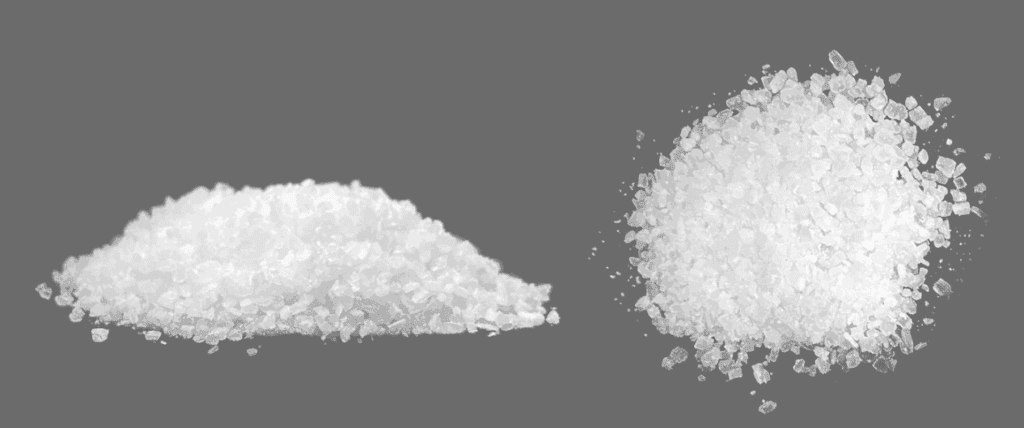
Substance Background
Muriaticum acidum is a solution of hydrogen chloride gas in water—commonly known as hydrochloric acid, a corrosive, highly acidic compound used industrially. In homeopathic form, it acts primarily on the vital force, particularly when it is low or exhausted. It reflects a deep debility, with mental indifference and physical prostration. It affects the mucous membranes, rectum, nervous system, and the circulatory system, showing signs of ulceration, involuntary discharges, and internal haemorrhaging.
Proving Information
Proved by Dr. Hahnemann and his students; symptoms developed through toxicological accounts and clinical confirmation.
Remedy Essence
Muriaticum acidum reflects the collapse of life force, marked by mental apathy, physical prostration, and ulcerative discharges. There is no will to resist—life seems too heavy to carry. The body is falling apart, with haemorrhages, ulcers, and incontinence. The soul has retreated into silence. Its essence lies in the quiet death-like state, where the patient may not cry out but is slowly sinking inward. It is a remedy of final stages, yet also of transformation, where intervention may arrest the descent into fatality.
Affinity
- Rectum and anus – prolapse, ulceration, incontinence
- Mucous membranes – mouth, throat, genitalia
- Circulatory system – haemorrhagic tendencies
- Nervous system – extreme prostration, unconsciousness
- Skin – ulcers, bedsores, eruptions with blue surroundings
- Vital force – low states after acute diseases or exhaustion
- Mental state – indifference, stupor, apathy
Better For
- Lying quietly
- Resting with legs slightly flexed
- Cool air
- After stool or urination (temporarily)
Worse For
- Heat, especially warm rooms
- Evening and night
- Motion or slightest exertion
- Suppression of discharges
- During fevers, or after acute illness
- Physical contact or being touched
- During menses or in old age
Symptomatology
Mind
Profound mental dullness, apathy, and indifference dominate the mental picture. The patient lies in bed without complaint, unwilling or unable to speak, scarcely answering when spoken to [Hering]. Despite this apparent resignation, there may be internal restlessness or an urge to flee. Memory weak; unable to concentrate. Loathes life, but lacks strength for suicide. Delusions that people are looking at him with disdain. Anxiety alternating with prostration. Children moan or whimper during sleep without waking. In severe cases, unconsciousness or muttering delirium develops. Suited to low states after serious illness, especially when the mind appears detached and the will is failing.
Head
Head feels heavy and hot, but mentally the patient is too weak to complain. Vertigo on attempting to rise or sit up. Forehead pain from exertion or during fevers. Head sinks deep into pillow from weakness. Cold sensation on vertex. Hair may fall out during fevers or critical illness. In typhoid states, the head rolls from side to side. Dull, pressing headache, worse in warm room or after motion.
Eyes
Lids heavy, half closed, dull gaze. Conjunctivae injected or bluish. Ulceration of margins of eyelids. Lachrymation acrid, causing excoriation. Eyes sunken, surrounded by dark rings. Photophobia not marked due to apathy. Muscles of eyes weak, leading to blurred vision. Pupils may dilate irregularly during fevers.
Ears
Hearing diminished in low vitality states. Ears feel blocked. Ulceration in ear canal, especially during fevers or phthisis. Dull roaring or buzzing. Ears may be red or bluish. Otorrhoea in cachectic patients.
Nose
Nostrils ulcerated or scabby. Discharge thin, watery, and excoriating. Bleeding from nose during typhoid or in elderly. Sneezing causes prolapse of rectum. Tip of nose may be red or bluish.
Face
Face appears sunken, pale, or bluish. Lips dry, cracked, and bleeding. Cold sweat on forehead. Jaw drops from weakness. Expression vacant or suffering. Face flushes easily during fever. Twitching of facial muscles. Chin and jaw may tremble.
Mouth
Mouth ulcerated, offensive, and dark in colour. Tongue swollen, flabby, often shows imprint of teeth [Clarke]. Dryness extreme, yet little thirst. Speech indistinct due to weakness of muscles. Gums swollen, spongy, and bleed easily. Bad breath, sour or putrid. Saliva may be increased but offensive. Mouth ulcers worsen at night.
Teeth
Looseness of teeth with pain while chewing. Gums bleed easily. Teeth sensitive to air and warm drinks. Pain worse at night. Teeth may decay rapidly in cachectic or scorbutic states.
Throat
Sensation of dryness, rawness, or burning. Ulcers with dark bases and foul odour. Difficulty swallowing liquids more than solids. Tonsils swollen, bluish. Throat weak; feels as though it will collapse. Voice hoarse or failing. Worse from warm drinks, worse at night.
Stomach
Great aversion to all food. Nausea from smell of food. Vomiting of dark, offensive matter. Thirst intense but satisfied by small quantities. Craves cold drinks. Sensation of heaviness or burning in epigastrium. Gastric ulceration in low states. Hiccough after drinking. Heartburn with putrid eructations.
Abdomen
Abdomen distended, tender, especially in typhoid states. Colicky pain with bloating. Gurgling sounds in bowels. Flatulence offensive. Hepatic region sore. Enlarged spleen. Ulceration in intestines leads to haemorrhage or perforation in advanced cases. Weakness after slight meals.
Urinary
Involuntary urination, especially during sleep or with the slightest motion. Urine dark, scanty, offensive. Burning in urethra, especially in females. Difficulty initiating urination. Dribbling from weakness. Urinary retention in fevers or in aged.
Rectum
Keynote region for Muriaticum acidum. Prolapse of rectum after every stool, cough, or sneeze [Boericke]. Stool involuntary, dark, foul, and watery. Burning, rawness, and ulceration at anus. Haemorrhoids large, blue, sensitive, and bleed easily. Anal fissures and itching. Cannot control sphincter due to prostration.
Male
Genitals cold, shrunken, and insensitive. Erections feeble or absent. Emissions during sleep. Prostatic weakness. Haemorrhoids with prostate enlargement. Offensive discharges. Weakness after coition.
Female
Vagina dry, ulcerated, with offensive leucorrhoea. Menses too early, too profuse, with blue or dark blood. Burning in vulva. Haemorrhoids during or after menstruation. Weakness after delivery. Puerperal fever with stupor and offensive lochia. Incontinence of urine during pregnancy or post-partum.
Respiratory
Rapid, shallow breathing. Dyspnoea worse from exertion or lying flat. Breathing may cease for moments, especially in elderly or fever patients. Rattling in chest without expectoration. Cannot draw a full breath.
Heart
Palpitations from weakness. Pulse weak, soft, intermittent. Cold extremities with weak circulation. Cyanosis. Fainting spells, particularly on sitting up or standing. Dyspnoea on exertion.
Chest
Breathing laboured, especially lying down. Oppression of chest with weakness. Cough dry, hacking, exhausting. Blood-streaked sputum. Chest sore, burning. Rapid respiration. Lungs congested in fevers or in elderly. Heart feels tired; palpitations from slightest effort.
Back
Back weak, unable to support head. Pain in sacrum or coccyx. Spine sore to touch. Coldness down the back. Head falls back on pillow from neck weakness. Backache during menses or after stool.
Extremities
Cold, trembling, and weak. Numbness of limbs. Bedsores on heels or sacrum. Lower limbs may twitch or jerk. Feet swollen, bluish. Cannot lift arms or legs due to fatigue. Trembling on slight exertion. Prickling or burning in soles.
Skin
Blue, livid, or mottled appearance. Ulcers with dark bases, bluish surroundings, and offensive discharge [Hering]. Bedsores with blackish borders. Skin cold, clammy, or dry. Scorbutic eruptions. Boils in debilitated individuals. Petechiae during typhoid.
Sleep
Sleep disturbed by restlessness or moaning. Drowsiness with inability to sleep. Falls asleep during conversation. Dreams of death or darkness. Sleep interrupted by diarrhoea or incontinence.
Dreams
Horrible, dark, indistinct. Of death, bleeding, or degradation. Dreams reflect internal prostration. Anxiety on waking.
Fever
Intermittent or typhoid in nature. Chilly with heat of head. Burning heat with restlessness. Profuse offensive sweat. Low-grade fever with muttering, stupor, and haemorrhage. Cold extremities during heat.
Chill / Heat / Sweat
Chill down the back, worse in evening. Heat with burning in skin. Sweat copious, sour, debilitating. Night sweats with weakness. Sweat follows diarrhoea or haemorrhage.
Food & Drinks
Aversion to meat, warm food, or milk. Craves sour things. Thirst intense for cold drinks. Nausea from smell of food. Appetite lacking.
Generalities
Extreme prostration, collapse states. Sensitive to heat, worse in warm rooms. Weakness so profound that patient cannot sit up. Blue discoloration of mucous membranes and skin. Ulceration with offensive discharge. Suited to patients in critical states, especially after exhausting illness. Typhoid, puerperal fever, or post-operative collapse with stupor and bleeding. Restless, yet too weak to move.
Differential Diagnosis
- Arsenicum album – Restlessness, debility, offensive discharges; but more anxiety and fastidiousness
- Carbo vegetabilis – Collapse, coldness, and air hunger, but more bloating and flatulence
- Phosphorus – Haemorrhagic tendency, but more excitability, not stupor
- Sulphuric acid – Also prostrated and offensive, but more acidity and tremors
- Baptisia – Typhoid states with confusion, but more besotted and “drunken” state
- Lachesis – Haemorrhagic and ulcerative, but loquacious and hot-blooded
Remedy Relationships
- Complementary: Sulphur, Phosphorus
- Antidotes: Camphora, Nux vomica
- Follows well: Arsenicum in collapse; Baptisia in typhoid
- Inimical: Lachesis (may antagonise deeply ulcerative states)
Clinical Tips
- Suited to low vitality states post-typhoid, diphtheria, or childbirth
- Use in ulcerative stomatitis or scorbutic gums with foul breath
- Excellent for haemorrhoids that protrude and bleed easily
- Use in bedsores with bluish base and foul odour
- Incontinence and prolapse of rectum in elderly or infants
Selected Repertory Rubrics
Mind
- Apathy, indifference
- Delusion he is despised
- Weak memory
- Moaning in sleep
Mouth
- Ulcers, offensive
- Tongue, flabby, imprint of teeth
- Bleeding gums
Rectum
- Prolapse after stool
- Haemorrhoids, bluish, painful
- Involuntary stools
Urine
- Incontinence, night
- Offensive odour
- Dribbling, weakness of bladder
Skin
- Ulcers with blue margins
- Bedsores, gangrenous
- Petechiae
Generalities
- Weakness, collapse
- Offensive discharges
- Heat aggravates
- Better for cool air
References
- Samuel Hahnemann – Materia Medica Pura: Original proving, especially ulceration and debility
- J.T. Kent – Lectures on Homoeopathic Materia Medica: Mental and rectal spheres, haemorrhoids
- William Boericke – Pocket Manual: Clinical tips and generalities
- C. Hering – Guiding Symptoms: Mouth, tongue, collapse symptoms
- John Henry Clarke – Dictionary of Practical Materia Medica: Extensive throat, rectum, and skin symptoms
- Allen’s Encyclopaedia: Pathological confirmations and collapse cases
Disclaimer
Educational use only. This page does not provide medical advice or diagnosis. If you have urgent symptoms or a medical emergency, seek professional medical care immediately.