

Lac lupinum
Substance Background
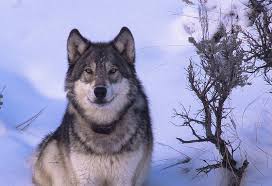
Lac-lup. is prepared from the milk of the wolf, the archetypal wild canid whose life is organised around pack-belonging, territorial boundaries, and vigilance against intrusion. In lactation terms, “milk” remedies often carry a twofold signature: the physiology of nourishment/attachment and the psychology of bonding, separation, protection, and dependency; yet in Lac-lup. these themes are sharpened by the wolf’s social reality of rank, expulsion, and threat at the edge of the pack. [Hatherly] Clinically, modern authors repeatedly describe a polarity between longing to belong and the terror of being repudiated or treated as dangerous, “bad”, or untrustworthy; from this arises watchfulness, suspiciousness, and a strategic mind that scans for danger. [Trotter] The remedy picture is therefore less a sentimental “loneliness” and more a state of belonging under threat: connection is craved, yet closeness can feel like exposure. [Spurling] As with all newer remedies, the Organon standard must be kept: we prescribe not the animal story, but the patient’s characteristic symptoms, modalities, and confirmatory patterns, validated through proving/cases and repertorial consistency. [Hahnemann] [Hughes] A practical safeguard is to demand at least one strong physical axis (motion sickness, digestive intolerance, sensory overstimulation, tension patterns, or characteristic dreams) that repeats alongside the mental state, so the prescription is anchored in observable totality rather than metaphor alone. [Trotter] [Schroyens]
Proving Information
Published modern case literature explicitly links Lac-lup. to proving ideas and dreams appearing in patients who required the remedy, particularly around being feared/outcast, danger at the boundary, and distinctive dream imagery. [Trotter] Additional clinical case material is available through contemporary journals and case archives, including a detailed case narrative emphasising first impressions of “wolf-like” presence, healing/animal affinity, and the remedy response over time. [Spurling] Repertorial confirmation and rubric availability in modern repertories is noted in published sources and is used here as a cross-check rather than as a substitute for materia medica meaning. [Schroyens] Methodologically, Morrison’s discussion of “clinically verified materia medica” supports a conservative stance: use cases to confirm, not to invent; and keep the patient’s exact language and modalities at the centre. [Morrison]
Remedy Essence
Lac-lup. is the milk remedy of a creature who belongs by loyalty and survives by vigilance; therefore the remedy state is a paradox of longing and defence. The patient craves a tribe, a bond, a place where they are “inside”, yet expects repudiation: they anticipate being mistrusted, blamed, or cast out, and so they organise life around boundaries, control of access, and scanning for threat. [Trotter] This produces a characteristic nervous-system posture: calm on the surface, watchful underneath, able to read danger cues quickly, and highly reactive to anything that resembles surveillance or intrusion. [Spurling] The wolf does not merely fear being alone; it fears unchosen aloneness, exile, the moment the pack turns away. In practice this becomes two different “alone” states: chosen solitude is medicinal and restores autonomy, while abandonment collapses the psyche into despair, panic, or humiliating bargaining to prevent being left. [Trotter] Relationship dynamics therefore carry rank sensitivity: jealousy and the need to be “first” can appear, not as vanity but as survival logic—if I am not first, I may be expelled. [Trotter]
The dream life often speaks the state with brutal clarity: intruders at the boundary, being watched, hiding, danger, violence, animals in distress, and sometimes teeth imagery, all of which mirror the waking experience of exposure and suppressed rage. [Trotter] When the remedy is correct, these dreams tend to soften and the waking after-effect becomes less guarded, which is clinically valuable for follow-up and repetition decisions. [Morrison] The physical body corroborates the story through modalities that are unusually consistent: quiet and night help; noise aggravates as intrusion; open air and walking restore self-possession; travel sickness is worse as passenger and better with control. [Hatherly] [Trotter] To keep prescribing rigorous, the clinician must insist on this coherence: the same theme must appear in mind, modalities, dreams, and at least one bodily axis; otherwise Lac-lup. becomes an attractive narrative rather than a true simillimum. [Hahnemann]
Affinity
- Mind–nervous system (hypervigilance; suspicion; scanning for danger) — A perceptive, threat-oriented awareness with guardedness towards questioning or authority; the patient may feel constantly assessed or at risk of intrusion (see Mind; Sleep). [Trotter] [Hatherly]
- Belonging vs repudiation (pack injury; outsider identity) — Core sensitivity to exclusion, being cast out, mistrusted, or seen as “dangerous”; may abandon first to avoid being abandoned (see Mind; Generalities). [Trotter] [Spurling]
- Boundaries (intrusion ↔ hiding ↔ exposure) — Marked reactivity to being watched, surveyed, invaded, questioned, or “found out”; strong need for private space and control of access (see Mind; Dreams; Generalities). [Hatherly] [Spurling]
- Dream life (intruders; danger; violence; animals; teeth imagery) — Dreams become highly diagnostic and often mirror the core state more clearly than waking narrative (see Dreams). [Trotter] [Spurling]
- Vestibular sphere (motion sickness; travel intolerance) — Nausea/vertigo, especially when not in control, often mirrors the mistrust/defence dynamic (see Stomach; Generalities). [Schroyens]
- Digestive intolerance (food sensitivity; alternating appetite) — Functional disturbance linked to tension and “threat physiology”, often with strong food modalities (see Stomach; Food and Drink). [Trotter]
- Sensory overstimulation (noise as intrusion) — Sound and environmental pressure can feel like direct invasion of the nervous system (see Ears; Sleep; Generalities). [Hatherly]
- Musculoskeletal tension vs collapse (rigidity ↔ laxity) — A polarity of bracing/armouring then giving way; tension patterns often improve with movement and open air (see Back; Extremities). [Hatherly]
- Relational intensity (jealousy; humiliation bargaining; need to be “first”) — Attachment can become desperate when love is threatened; dignity collapses into appeasement, then rage (see Mind; Male/Female). [Trotter]
Better For
- Night / late evening (general and mind) — Clearer thinking and calmer functioning when the world is quiet and “threat inputs” reduce (see Mind; Sleep). [Hatherly]
- Walking outdoors (general) — Particularly when alone; restores self-possession and reduces intrusion (see Generalities). [Hatherly] [Spurling]
- Chosen solitude (mind) — Relief when alone by choice (not abandoned), because boundaries are secure (see Mind). [Hatherly]
- Movement and exercise (general) — Motion discharges inner tension and can stabilise mood (see Extremities; Sleep). [Hatherly]
- Taking control of direction/speed (general) — Travel symptoms may lessen when the patient is “in charge”, matching the control-safety axis (see Stomach). [Trotter]
- Quiet environments (general) — Less noise reduces defensive arousal; sleep becomes possible (see Ears; Sleep). [Hatherly]
- Open air / “the elements” (general) — Many feel restored by wind, weather, raw outdoors, which reduces inner compression (see Generalities). [Hatherly]
- Warm, trusted contact (mind/general) — When safe, physical closeness can soothe, yet it must be on the patient’s terms (see Mind). [Spurling]
- Integrity and clear ethics (mind) — The psyche settles when truth and boundaries are respected; deception aggravates (see Mind). [Trotter]
Worse For
- Noise (general) — Feels invasive and heightens vigilance and irritability (see Ears; Sleep; Mind). [Hatherly]
- Intrusion / being watched / surveillance (mind) — Questioning, inspections, officials, probing interviews provoke defensive strategy (see Mind; Generalities). [Spurling] [Hatherly]
- Being a passenger (general) — Loss of control aggravates travel nausea and anxiety (see Stomach). [Trotter]
- Morning weakness (general) — A vulnerable window with heaviness and low strength, as if facing threat again (see Sleep; Generalities). [Hatherly]
- Afternoon drop (general) — Weariness and irritability can rise despite baseline endurance (see Generalities). [Hatherly]
- Relationship threat (mind) — Jealousy, humiliation, and desperate bargaining when attention shifts away (see Mind; Male/Female). [Trotter]
- Family entanglement / boundary violations (mind) — Old pack-wound reactivates; the patient becomes suspicious, tense, and reactive (see Mind). [Spurling]
- Exposure / “being found out” (mind) — Fear of shame or punishment; urge to hide, cover up, or control narrative (see Dreams). [Hatherly]
- Unchosen aloneness (mind) — Abandonment differs from chosen solitude and can precipitate collapse or panic (see Mind; Generalities). [Trotter]
Symptomatology
Mind
Lac-lup. is often defined by the experience of belonging under threat: the patient longs for a tribe, yet expects repudiation, mistrust, or punishment, as if they are always one mistake away from being expelled. [Trotter] This produces a watchful, strategic mind that reads subtle cues rapidly and can seem calm in danger while remaining internally primed for intrusion, a paradox noted in published case discussion. [Trotter] Suspiciousness is not mere “paranoia” but an organised defence: probing questions, authority figures, forms, inspections, or anything resembling surveillance can immediately stiffen the psyche into guardedness, oppositionality, or rapid exit-planning. [Spurling] Boundaries become central; the patient may need privacy, control of access, and clear “rules of engagement”, feeling violated when others enter emotionally, physically, or conversationally without permission. [Hatherly] There is often a black-white moral geometry: people are safe or unsafe, loyal or betraying, inside or outside; “grey” is hard to tolerate when the nervous system is on alert, and this rigidity may soften noticeably when the remedy is correct. [Trotter] In love, the wolf state can become undignified: jealousy and fear of losing rank in the beloved’s attention may drive humiliating bargaining, then rage at the self for needing so much. [Trotter] Yet alongside this can be a profound protectiveness of the vulnerable and a strong affinity for animals or “healer” roles, especially where touch and intuition feel safer than words, reflecting an attempt to bond without exposure. [Spurling] The modalities often echo the mental state exactly: noise and intrusion aggravate as direct nervous invasion; walking alone outdoors and night quiet restore self-possession. [Hatherly] A case-style pointer is when the patient’s dreams and language repeatedly return to intruders, threat at the boundary, violence imagery, or being “found out”, while waking life is structured around avoidance of exposure. [Trotter]
Head
Head symptoms, when present, frequently appear as part of a stress-digestive or overstimulation pattern rather than a neatly localised migraine. [Trotter] The patient may describe heaviness or pressure that accompanies the morning vulnerable window or the afternoon drop, as though the system cannot sustain vigilance all day. [Hatherly] Noise can sharpen head discomfort, not purely as a sensory headache trigger, but as an intrusion that forces the nervous system into defensive arousal, increasing tension and perception of pain. [Hatherly] Head symptoms may improve with walking outdoors, which functions as a general regulator and aligns with the broader amelioration from open air and movement. [Hatherly] Where travel provokes head pain alongside nausea, consider whether vestibular disturbance is central, especially when being a passenger aggravates and control ameliorates. [Trotter] The practitioner should insist on confirming concomitants: the same boundary themes, dream signature, and clear general modalities must be present for head symptoms to meaningfully support Lac-lup. [Hahnemann]
Eyes
Eye complaints tend to be secondary and often arise with fatigue, vigilance, and overstimulation, particularly when the patient feels watched or pressured. [Spurling] Visual discomfort may fluctuate with the same time windows noted in generalities (morning weakness, afternoon drop) and may ease in the quiet of night, paralleling the mind’s improved functioning when threat inputs reduce. [Hatherly] In some cases, eye symptoms feel like “too much coming in”, consistent with the remedy’s boundary sensitivity and sensory intrusion theme. [Hatherly] If dizziness accompanies visual strain, it may be part of the vestibular axis that also produces motion sickness, and the totality should be weighted accordingly. [Trotter] Eye symptoms are confirmatory when they track the same modalities (worse noise, better outdoors/movement) rather than existing as isolated pathology. [Hughes]
Ears
Sensitivity to sound can be marked, with noise experienced as invasive and immediately aggravating irritability, vigilance, and sleep disturbance. [Hatherly] The patient may appear calm but becomes internally braced and reactive when exposed to constant noise, crowded soundscapes, or sudden startling stimuli. [Hatherly] Quiet conditions often bring disproportionate relief, matching the broader amelioration from tranquillity and the better-at-night rhythm. [Hatherly] If ear symptoms present as vertigo or nausea with motion, consider the vestibular dimension and differentiate from purely local ear disease. [Trotter] Confirm ear symptoms by their integration with the dream signature and boundary-threat state; without these, they are not specific. [Hahnemann]
Nose
Nasal symptoms are not consistently leading, but some patients show sensory reactivity, discomfort in closed/stale rooms, and relief in open air, fitting the broader “outdoors restores me” generality. [Hatherly] Smell may be experienced as heightened in those who live in a scanning mode, as if constantly “sniffing out” danger; this is meaningful only when it aligns with the wider state and is repeated. [Spurling] The nose becomes clinically relevant chiefly as an accessory confirmation of sensory hypervigilance and environmental reactivity. [Hughes]
Face
The face can carry a guarded, assessing expression, sometimes with a striking stillness that reads others carefully, as though evaluating threat and rank. [Spurling] Under relationship threat or perceived exposure, the face may tighten and become hard, then soften when safety returns, mirroring the oscillation between defence and longing. [Trotter] When music, sacred sound, or emotional release is helpful, the face may relax into weeping, suggesting the defended exterior covers deep grief and fear of repudiation. [Hatherly] These features are confirmatory rather than decisive and must be used with the totality. [Hahnemann]
Mouth
The mouth may mirror suppressed tension: jaw clenching, dry mouth during anxiety, and a feeling of holding back speech when questioned or watched. [Spurling] In some patients, words feel dangerous because they can expose; therefore the body “speaks” in tension, and the mouth becomes part of the boundary physiology. [Hatherly] The patient may prefer touch or action over verbal explanation, especially with practitioners, and can resist questionnaires or probing interviews, which again ties mouth tension to the intrusion theme. [Spurling] Mouth symptoms support the case when they rise and fall with the same modalities (noise/intrusion worse; quiet/night better). [Hatherly]
Teeth
Teeth symptoms may be more prominent in dreams than in waking pathology, where imagery of teeth breaking, crumbling, or being damaged can recur as a signature of suppressed rage and fear of retaliation. [Trotter] Such dreams are clinically valuable when repeated and when the waking story includes humiliation, jealousy, intrusion, or the need to keep anger hidden to stay “in the pack”. [Trotter] Where actual dental sensitivity exists, it must be repertorised by its own modalities, but the dream signature can remain a strong confirmer of the constitutional state. [Hahnemann]
Throat
Throat tightness may occur during interrogation, conflict, or exposure, as if the person must swallow words and remain hidden to stay safe. [Spurling] This can present as constriction, choking sensations, or difficulty expressing emotion when under surveillance or in authority contexts, again reflecting boundary injury rather than local inflammation. [Hatherly] Throat symptoms often ease with quiet and with leaving the pressured environment, which aligns with the remedy’s general amelioration from tranquillity and open air. [Hatherly] The throat becomes diagnostically useful when it is clearly part of the same intrusion-threat pattern and not merely an incidental complaint. [Hughes]
Stomach
The stomach is a frequent physical doorway into Lac-lup., especially where travel, loss of control, and anxiety converge into nausea or motion sickness, notably when being a passenger aggravates and control ameliorates. [Trotter] Digestive disturbance may also reflect the strain of constant vigilance: alternating appetite, intolerance patterns, and functional upset during relationship threat or surveillance stress. [Trotter] In such cases, outdoor walking can improve nausea and settle the system, a modality that links stomach symptoms directly to the general remedy state. [Hatherly] Patients may become rapidly catastrophic when ill, not from theatricality, but because sickness implies dependence and loss of control, which reactivates the fear of being unsafe in the tribe. [Spurling] Stomach symptoms should be valued when they are characteristic (strong modalities, clear triggers) and when they repeat alongside the distinctive mind and dream picture. [Hahnemann]
Abdomen
Abdominal tension and cramping can accompany the intrusion-threat state, with the belly felt as the seat of fear, bracing, or vulnerability. [Spurling] Distension or discomfort may be worse in closed rooms, crowded environments, or when the patient feels watched, and may ease after leaving the environment and walking outdoors. [Hatherly] The abdomen may reflect the polarity of defence versus collapse: braced tightness under pressure, then sudden emptiness or sinking when abandonment is felt. [Trotter] These abdominal expressions become important when they track the same time windows (morning weakness, afternoon drop) and the same modalities (noise/intrusion worse; quiet/night/outdoors better). [Hatherly] As always, without the central mental signature and dream confirmation, abdominal symptoms are not specific enough for Lac-lup. [Hughes]
Urinary
Urinary symptoms are typically secondary and appear as urgency or frequent urging during anxiety spikes, particularly around control loss or perceived threat. [Spurling] They become confirmatory when the timing and triggers are precise and the symptoms lessen in quiet night hours or after a restorative walk outdoors. [Hatherly]
Rectum
Rectal function may fluctuate with the stress physiology: constipation from bracing and holding, or looseness when fear and threat overwhelm containment. [Hughes] The practical confirming point is whether bowel changes parallel intrusion events, relationship storms, or surveillance stress, and whether they ease with restored safety, quiet, and open air walking. [Hatherly] Even when bowel symptoms are minor, they can corroborate the whole-system nature of the remedy state: the organism lives in guard mode and digestion reflects it. [Trotter]
Male
Male presentations may show strong themes of rank, dignity, and humiliation: the need to be respected and to remain “first” in the bond, with jealousy and rage when status feels threatened. [Trotter] The man may also describe an ethic of loyalty (“my word is law”), with harsh reaction to deception, which reflects the pack’s survival reliance on trust. [Trotter] Under stress, he may withdraw, become suspicious, or abruptly cut ties to avoid being repudiated, then suffer intensely from unchosen aloneness. [Spurling] Physical confirmers often include noise sensitivity, travel nausea, and the better-outdoors/movement modality. [Hatherly]
Female
Female cases can show the milk-remedy attachment axis intensified by wolf themes: longing for deep bonding and touch, then fear of exposure and abrupt withdrawal when closeness feels dangerous. [Spurling] Relationship threat may precipitate storms of jealousy and humiliation bargaining, followed by self-disgust, which is a clinically sharp pointer when it repeats. [Trotter] Sensory intrusion (noise, crowd pressure) may aggravate premenstrually, while movement and outdoor walking can stabilise mood and reduce inner tension, aligning with the general ameliorations. [Hatherly] Mothering themes can appear as fierce protectiveness for the vulnerable with simultaneous fear that one’s “wildness” will be judged, punished, or used as grounds for exclusion, reinforcing concealment versus exposure. [Hatherly] These features must be grounded by clear modalities and a strong dream signature; without them, the remedy choice becomes speculative. [Hahnemann]
Respiratory
Breath may feel constrained under pressure and ease markedly outdoors, reflecting the fundamental “space restores me” generality. [Hatherly] Sighing or a need to breathe deeply after danger passes may be observed, consistent with a system that repeatedly comes down from defensive arousal. [Spurling]
Heart
Palpitations or heart awareness may appear during jealousy, threat, or confrontation, where the organism enters fight-flight arousal rapidly. [Spurling] The key is not the palpitation itself but its context: intrusion, humiliation, being watched, or loss of control in travel, with relief in quiet night hours. [Hatherly]
Chest
The chest may reflect the abandonment collapse: a vacuum or sinking sensation when unchosen aloneness is experienced, contrasted with warmth and expansion when safe bonding returns. [Trotter] Tightness can arise under interrogation or surveillance, as if breath must become silent to avoid being detected. [Spurling] Improvement in open air and with movement is confirmatory when present, matching the general modalities and the remedy’s need for space. [Hatherly]
Back
Back tension can mirror the defensive brace: stiffness and armouring under surveillance or relationship threat, easing with movement and outdoor walking. [Hatherly] The spine may feel like the axis of strength that must not “give way”, and pain can worsen when the person is forced to remain still, watched, or trapped. [Spurling] Improvement with exercise is meaningful when it is consistent and accompanied by a calmer mental state, not merely a mechanical relief. [Hatherly]
Extremities
Restlessness and the need for movement may be strong: legs that want to run, pace, roam, or discharge tension, especially when the mind is crowded by threat thoughts. [Hatherly] The extremities may feel heavy in the morning vulnerable window, improving later or after walking, again mirroring the general time modalities. [Hatherly] Tension patterns (cramps, bracing, stiffness) can worsen with noise and intrusion and ease with open air and autonomy, which makes them confirmatory physical expressions of the central state. [Spurling]
Skin
Skin symptoms, when present, often reflect boundary themes: sensitivity to exposure, reactivity under stress, and a sensation that the surface must protect what is vulnerable underneath. [Hatherly] In some cases, skin complaints rise when the patient feels watched or intruded upon and lessen when privacy and control return, which gives the skin a diagnostic role beyond dermatology. [Spurling] The clinician should distinguish this from remedies where skin is primary; here the skin is a boundary organ echoing the mental state, and its modalities must match the core pattern. [Hughes]
Sleep
Sleep in Lac-lup. often improves when the world is quiet and threat inputs diminish; night may be paradoxically the clearest mental time, while morning can be heavy, weak, and reluctant, as if facing the day’s dangers again. [Hatherly] Noise can fragment sleep as a direct invasion of the nervous system, leaving the patient braced and listening even when exhausted. [Hatherly] Dreams frequently carry the remedy’s signature and can dominate the sleep picture: intruders, danger at the door, hiding, being watched, violence imagery, or animals in distress, with the waking after-effect of guardedness or urgency. [Trotter] Where jealousy or relationship threat is active, sleep becomes a theatre of humiliation and fear, with replaying of scenarios and inability to “stand down” from defence. [Spurling] A key clinical marker is that when the remedy is correct, sleep improves not only in duration but in the capacity to relax boundaries: fewer startles, less scanning, fewer fear dreams, and a softer morning state. [Trotter] This improvement often tracks the modalities: quiet, chosen solitude, and outdoor movement become genuinely restorative rather than merely preferred. [Hatherly] The practitioner should be careful with repetition in highly vigilant patients, as forcing dosing can be experienced as intrusion and may aggravate defensiveness and sleep disturbance. [Hahnemann]
Dreams
Dreams are often among the most characteristic features in Lac-lup., with recurring motifs of intruders, danger, pursuit, hiding, exposure, violence, and animals, which mirror waking boundary injury and threat perception. [Trotter] The dreams may feel intensely real and can imprint the following day with a guarded, scanning quality, as if the nervous system remains on alert after the dream ends. [Spurling] Teeth imagery (teeth breaking/crumbling) can recur as a symbol of suppressed rage and fear of expressing aggression, especially where the patient believes anger will lead to punishment or expulsion. [Trotter] Dreams of rescuing vulnerable animals may appear, matching the remedy’s protectiveness and healer impulse, and should be interpreted by their emotional after-effect rather than by poetic meaning alone. [Spurling] The dream life becomes diagnostically powerful when it repeats, aligns with the waking narrative, and improves as the remedy acts, confirming the direction of cure. [Morrison]
Fever
No fixed fever keynote is established; acute prescribing should still be based on the characteristic mental state (threat, intrusion, defensive vigilance) and modalities rather than on fever pattern alone. [Hahnemann]
Chill / Heat / Sweat
Heat and chill may follow arousal states: heated agitation during threat spikes and chill or collapse after prolonged vigilance; these are confirmatory only when clearly connected to the main triggers and the same modalities. [Hughes]
Food & Drinks
Food patterns may mirror the remedy’s defensive physiology: appetite can alternate, digestion can become sensitive under stress, and certain foods may aggravate in a characteristic way for the individual. [Trotter] The key is not to collect random food rubrics, but to confirm that food aggravations sit within the same intrusion-threat state and improve with the same restoratives (quiet night, open air walking, autonomy). [Hahnemann]
Generalities
Lac-lup. generalities are those of a system organised for survival at the boundary: alertness, vigilance, and a readiness to move, coupled with fatigue windows where the organism drops when it cannot maintain defence. [Hatherly] The most practical confirmers are the modalities: better at night and in quiet; better with open air and walking (often alone); worse from noise; worse from intrusion, surveillance, being questioned; worse when a passenger in travel; worse with relationship threat and fear of losing rank or belonging. [Hatherly] [Spurling] The central polarity is striking: chosen solitude restores, but unchosen aloneness (abandonment) collapses the system into panic, despair, or humiliating bargaining, showing that “alone” is not one rubric but two different realities in this remedy. [Trotter] Travel intolerance becomes highly meaningful when it is linked to control and mistrust, and not merely to nausea; this bridges the physical and mental totality in a very prescribing-grade way. [Trotter] The remedy can look strong and instinctive, even calm in danger, yet this calm is often a functional freeze or hardened readiness; when the remedy is correct, the organism becomes less braced, less reactive, and more capable of safe bonding without fear of exposure. [Morrison] The direction of improvement often begins with reduced vigilance and better sleep, then calmer relationship dynamics, and only then more stable digestion and sensory tolerance. [Trotter] Such sequencing is clinically helpful for follow-up and repetition strategy. [Hahnemann]
Differential Diagnosis
Aetiology: intrusion, threat, repudiation
- Stram. — Terror and violence themes, but Stram. is more frantic, acute, and panicked; Lac-lup. is more strategic, guarded, and organised around pack-belonging threat. [Hughes] [Trotter]
- Lyss. — Rabies intensity and fear/violence imagery; choose when biting/aggression dominates and the state is more acute and explosive than the sustained wolf boundary vigilance. [Trotter]
Mind: guardedness, suspicion, boundary injury
- Nat-m. — Withdrawal and preference for solitude, but Nat-m. is more grief-sealed and self-contained; Lac-lup. has stronger intrusion themes, vigilance, and threat dreams. [Kent] [Trotter]
- Staph. — Boundary violation and suppressed indignation, but Staph. is more silent swallowing and sensitivity to insult; Lac-lup. is more survival-strategy and pack injury. [Kent] [Spurling]
- Anac. — Suspicion and retaliatory impulses, yet Anac. is marked by internal conflict and “two wills”; Lac-lup. is structured around belonging threat and exposure. [Kent] [Trotter]
Keynotes: dreams and sensory intrusion
- Calc. — Fear and insecurity with need for protection, but Calc. is more dependence and physical chilliness; Lac-lup. is more alert, roaming, and boundary-injured with intrusion dreams. [Kent] [Trotter]
- Med. — Wildness and risk, but Med. tends towards extremes without the same surveillance/intruder signature and pack repudiation wound. [Sankaran] [Trotter]
Milk remedies
- Lac-c. — Self-devaluation and relational sensitivity; Lac-lup. is more mistrustful, strategic, and defined by intrusion/exposure and threat dreams. [Hatherly] [Trotter]
- Lac-f. — Autonomy and withdrawal; Lac-lup. withdraws from danger and repudiation fear yet suffers intensely from abandonment and threat. [Hatherly] [Spurling]
Motion sickness differentials
- Coccul. — Classic travel nausea with weakness; Lac-lup. is distinguished by control/mistrust axis and the broader threat/boundary picture. [Kent] [Trotter]
Remedy Relationships
- Complementary: Lac-c. — Where milk-bond themes are dominant, Lac-c. may complement, but confirm Lac-lup. by threat/intrusion/dream signature. [Hatherly]
- Complementary: Carc. — When perfectionism/endurance dominates after the acute boundary vigilance softens; reassess by totality. [Sankaran]
- Follows well: Nat-m. — When grief layers lift and the deeper belonging-threat pattern remains, Lac-lup. may become clearer. [Kent] [Trotter]
- Antidotal caution: over-questioning in case-taking — Not a remedy antipathy, but a clinical management warning: excessive probing can aggravate defensiveness and hinder response. [Spurling]
- Intercurrent consideration: acute terror spikes — If acute fear/violence imagery dominates briefly, an acute remedy may be needed, then return to constitutional Lac-lup. when the central state persists. [Trotter]
- Repetition caution: sensitive, hypervigilant patients — Wait and observe; avoid forcing repetition where the organism experiences dosing as intrusion. [Hahnemann]
Clinical Tips
Prioritise (1) repudiation/exclusion identity, (2) intrusion–hiding–exposure sensitivity, (3) distinctive dream signature (intruders/danger/violence/animals/teeth), and (4) strong modalities (better night/quiet/outdoors walking; worse noise/surveillance; travel worse as passenger). [Trotter] [Spurling] Use repertory as a cross-check, especially for motion sickness, noise aggravation, intruder dreams, and time modalities, but do not repertorise the remedy into existence—confirm by the patient’s lived pattern and repeated expressions. [Schroyens] In dosing, preserve autonomy: highly vigilant patients can interpret overly directive repetition as intrusion; a single dose and observation often aligns better with the remedy’s boundary needs. [Hahnemann]
Case pearls:
- A patient with strong intrusion dreams, guardedness with officials, and a marked better-outdoors walking alone general → Lac-lup. [Spurling]
- Travel nausea worse as passenger with strong mistrust/control language plus jealousy under relationship threat → strongly consider Lac-lup. [Trotter]
- Dreams of violence/teeth imagery with calm-in-danger posture and severe noise aggravation → Lac-lup. is a leading differential. [Trotter]
Selected Repertory Rubrics
Mind
- Mind; suspicious, mistrustful — Central defensive posture, especially towards authority and probing. [Schroyens]
- Mind; delusion; watched; observed — Core intrusion theme; confirms boundary injury when marked. [Schroyens]
- Mind; fear; danger; impending — Fits the “threat outside” state when persistent rather than acute panic. [Schroyens]
- Mind; delusion; pursued — Links to dream signature and waking vigilance. [Schroyens]
- Mind; escape; desire to — Exit-planning and strategic withdrawal under threat. [Schroyens]
- Mind; jealousy — Rank/belonging sensitivity when love is threatened. [Schroyens]
- Mind; company; aversion to; yet desire for belonging — Confirms the belonging-threat paradox when clearly expressed. [Trotter]
- Mind; anger; suppressed — Teeth/violence dream imagery can reflect suppressed rage. [Trotter]
Head
- Head; pain; noise; agg. — Noise as intrusion; confirm with global aggravation. [Schroyens]
- Head; heaviness; morning — Matches vulnerable morning window when present. [Schroyens]
- Head; pain; afternoon; agg. — Correlates with afternoon drop in stamina. [Schroyens]
- Head; pain; motion; agg. — Links to vestibular/travel axis. [Schroyens]
- Head; pain; open air; amel. — Often confirms the outdoor regulation modality. [Schroyens]
- Head; pain; mental exertion; agg. — Vigilance load expressed as head strain. [Schroyens]
Eyes
- Eyes; complaints; from nervousness — Eye strain as part of threat physiology. [Schroyens]
- Eyes; complaints; afternoon; agg. — Ties to the fatigue window when repeated. [Schroyens]
- Eyes; vision; blurred; during anxiety — Confirmatory when linked to intrusion triggers. [Schroyens]
- Eyes; photophobia; noise/stimulation agg. — Environmental intrusion into sensory sphere. [Schroyens]
- Eyes; complaints; open air; amel. — Supports the general “outdoors restores” modality. [Schroyens]
- Eyes; twitching; lids — Nervous arousal marker when present. [Schroyens]
Ears
- Ears; sensitiveness; noise, to — One of the most practically confirmatory features. [Schroyens]
- Ears; noises; agg. — Supports global noise aggravation and sleep fragility. [Schroyens]
- Vertigo; motion; travelling; agg. — Points to vestibular axis. [Schroyens]
- Vertigo; carriage riding; agg. — Passenger aggravation can be investigated here. [Schroyens]
- Ears; pains; sudden; from noise — If present, strengthens the intrusion modality. [Schroyens]
- Ears; hearing; acute — Hyperperception theme when clinically evident. [Schroyens]
Stomach
- Stomach; nausea; riding in a carriage — Travel nausea; check passenger/control axis. [Schroyens]
- Stomach; nausea; sea-sickness — When present, strongly supports the remedy’s vestibular dimension. [Schroyens]
- Stomach; complaints; from anxiety — Threat physiology expressed through digestion. [Schroyens]
- Stomach; appetite; alternating — Confirms polarity when repeated and characteristic. [Schroyens]
- Stomach; nausea; better open air — Links to the outdoor amelioration. [Schroyens]
- Stomach; vomiting; motion; agg. — Reinforces travel intolerance as a prescribing-grade axis. [Schroyens]
Back / Extremities
- Back; stiffness; tension — Defensive bracing under threat; confirm by triggers. [Schroyens]
- Back; pain; motion; amel. — Movement as regulation when consistent. [Schroyens]
- Extremities; restlessness; legs — The urge to move/run to discharge tension. [Schroyens]
- Extremities; weakness; morning — Matches vulnerable time window. [Schroyens]
- Extremities; cramps; from nervousness — A bodily echo of threat arousal. [Schroyens]
- Extremities; pain; walking; amel. — Supports the “walking restores” generality. [Schroyens]
Sleep / Dreams
- Sleep; disturbed; noise; by — Sleep fragility from sensory intrusion. [Schroyens]
- Sleep; unrefreshing — Common when vigilance prevents stand-down. [Schroyens]
- Dreams; pursued — A strong signature when recurring. [Schroyens]
- Dreams; danger — Mirrors threat physiology and guarded waking after-effect. [Schroyens]
- Dreams; thieves; intruders — Boundary invasion hallmark in many Lac-lup. cases. [Schroyens]
- Dreams; animals — Especially when tied to rescue/protection themes. [Trotter]
Generalities
- Generalities; open air; amel. — One of the most useful confirmers in practice. [Schroyens]
- Generalities; walking; amel. — Particularly alone; regulates mind and body. [Hatherly]
- Generalities; noise; agg. — Global aggravation; links mind and sleep. [Schroyens]
- Generalities; morning; agg. — Vulnerable time window. [Schroyens]
- Generalities; afternoon; agg. — Fatigue drop despite endurance. [Schroyens]
- Generalities; motion; travelling; agg. — Vestibular axis; check passenger/control. [Schroyens]
References
Boger, C.M. (1931) A Synoptic Key of the Materia Medica. 1st edn. Parkersburg, WV, USA: C.M. Boger.
Hahnemann, S. (2007) Organon of Medicine. 6th edn (final manuscript completed 1842), trans. W. Boericke. New Delhi, India: B. Jain Publishers Pvt. Ltd.
Hatherly, P. (2010) The Lacs: A Materia Medica and Repertory. 1st edn. Kenmore, QLD, Australia: AEN Pty Ltd.
Herrick, N. (1998) Animal Mind, Human Voices: Provings of Eight New Animal Remedies. 1st edn. Nevada City, CA, USA: Hahnemann Clinic Publishing.
Hughes, R. (1886) A Manual of Pharmacodynamics. 5th edn. London, UK: Leath & Ross.
Mangialavori, M., Heron, K., Sobraske, J. and Wood, B. (2016) Milk Remedies: Materia Medica Clinica. Vol. 1. 1st edn. North Charleston, SC, USA: CreateSpace Independent Publishing Platform.
Morrison, R. (2018) ‘Clinically verified materia medica: an explanation and example’, Homoeopathic Links, 31(1), pp. 18–24. Stuttgart, Germany: Sonntag Verlag (MVS Medizinverlage Stuttgart GmbH & Co. KG).
Schroyens, F. (ed.) (2004) Synthesis: Repertorium Homeopathicum Syntheticum. 9.1 edn. New Delhi, India: B. Jain Publishers (P) Ltd.
Spurling, S. (n.d.) ‘A case of Lac lupinum’, Qjure Journal (online journal). Utrecht, The Netherlands: Stichting Alonnissos. Accessed 9 February 2026.
Trotter, S. (2008) ‘Lac lupinum, the milk of the wolf’, Homoeopathic Links, 21(2), pp. 80–83. Stuttgart, Germany: Sonntag Verlag (MVS Medizinverlage Stuttgart GmbH & Co. KG).
Disclaimer
Educational use only. This page does not provide medical advice or diagnosis. If you have urgent symptoms or a medical emergency, seek professional medical care immediately.